Showing Posts From
Portuguese cuisine
-
 Mariana Costa
 - 26 Aug, 2026 07:28
Portugal Unveiled: A Deep Dive into Viagem, Cultura, Vida, Gastronomia, and História
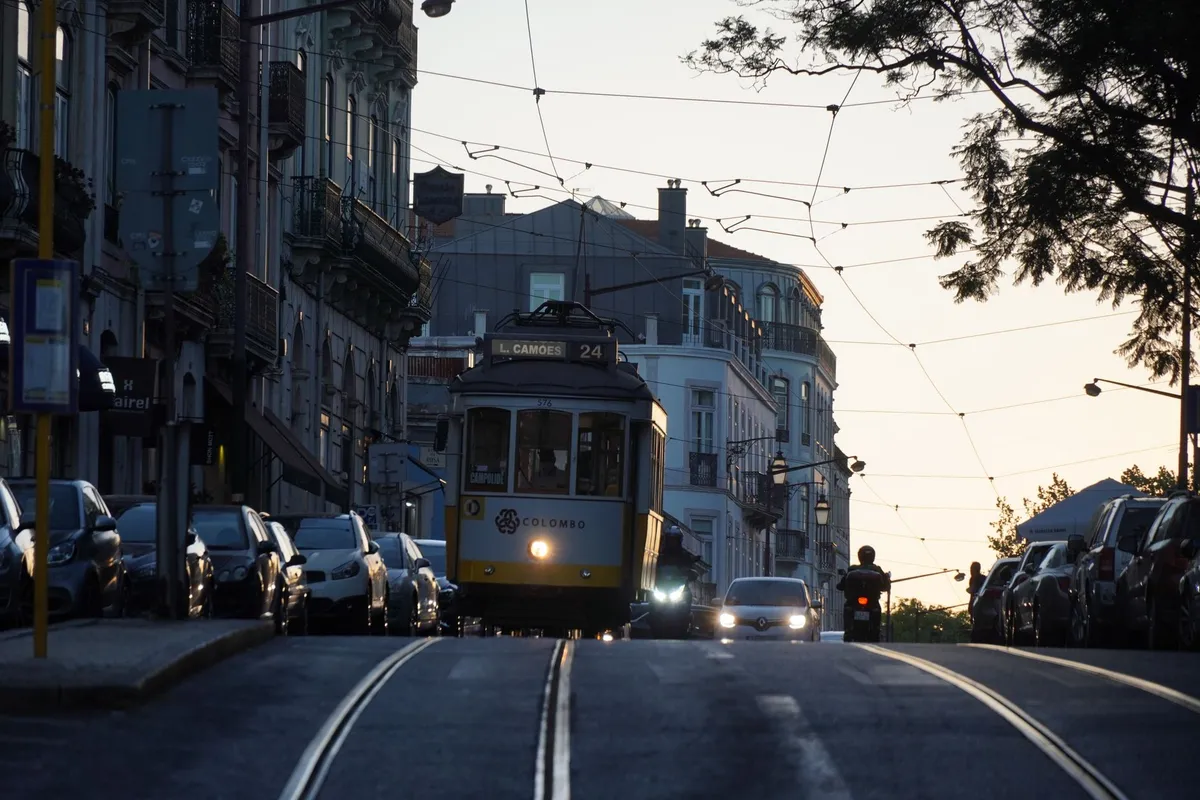
Portugal: Where Every Street Tells a Story and Every Bite is a LegacyPortugal is more than a destination—it’s an experience woven from centuries of exploration, resilience, and culinary mastery. From the misty peaks of the Serra da Estrela to the sun-drenched beaches of the Algarve, this southwestern European gem invites travelers to immerse themselves in a world where viagem (travel), cultura (culture), vida (life), gastronomia (gastronomy), and história (history) converge in harmony. Whether you're strolling through medieval alleys in Porto, savoring a pastel de nata in Belém, or tracing the Age of Discoveries in Sagres, Portugal offers a journey that nourishes both the soul and the senses. In this comprehensive guide, we’ll traverse the landscapes of Portuguese life—from the cost of living to the flavors on your plate—backed by real-time data and deep cultural insight. Let’s begin.The Pulse of Daily Life: Understanding the Cost of Living in PortugalPortugal consistently ranks among the most affordable Western European destinations, making it a magnet for expats, digital nomads, and retirees. According to Numbeo, the world’s largest crowdsourced cost-of-living database, Portugal’s overall cost of living index stands at approximately 45.2 (with Portugal as 100), significantly lower than neighboring Spain (52.1) and France (67.8). This places Portugal in the top tier of budget-friendly European countries, ideal for long-term stays. Rent is the most variable expense. In Lisbon, the capital, a one-bedroom apartment in the city center averages €1,200 per month, while in Porto, it drops to around €800. Smaller cities like Coimbra or Braga offer even greater value, with rents as low as €500. Outside major urban centers, rural areas can be as affordable as €350–€450. Utilities (electricity, heating, water, internet) for a standard 85m² apartment cost about €120 monthly, and groceries for one person run €150–€200. Dining out reflects this affordability. A meal at a mid-range restaurant in Lisbon costs €15–€20, while a prato do dia (daily special) in a local tascas (tavern) is often under €10. Coffee culture thrives—espresso costs €1.10, and a galão (milk coffee) is €1.50. Public transport is efficient and cheap: a monthly metro pass in Lisbon is €40.50, and intercity trains (e.g., Lisbon to Porto) start at €25. Portugal’s healthcare system is robust and affordable. Residents can access public healthcare through the Serviço Nacional de Saúde (SNS), with minimal fees for consultations (around €5–€20). Private health insurance averages €40–€80 monthly. Safety is another hallmark—Portugal ranks as the 3rd safest country in the world (Global Peace Index 2023), with low violent crime rates and a strong police presence. For digital nomads, Portugal’s D7 (passive income) and D8 (digital nomad) visas offer pathways to long-term stays. The D8 visa, introduced in 2022, requires proof of €3,040 monthly income and grants residency for up to five years. Lisbon, Porto, and the Algarve are top hubs, with coworking spaces like Selina or Second Home offering vibrant communities.From Pastéis to Bacalhau: The Soul of Portuguese GastronomiaPortuguese gastronomy is a living archive of maritime adventure, rural tradition, and Moorish influence. At its heart lies bacalhau—salted cod—prepared in over 365 ways, one for each day of the year. The fish, once dried and preserved, became a staple during the Age of Discoveries, when Portuguese sailors carried it across the Atlantic. Today, bacalhau à brás (shredded cod with eggs and potatoes) and bacalhau com natas (cod with cream) remain national favorites. But Portuguese cuisine extends far beyond cod. Francesinha, Porto’s iconic sandwich, layers cured ham, sausage, steak, and melted cheese under a rich beer-based sauce, served with fries. Caldo verde, a rustic soup of kale, potatoes, and chouriço, hails from the Minho region and embodies peasant comfort. Leitão à Bairrada (suckling pig) from the central region is slow-roasted to crispy perfection, its skin crackling like autumn leaves. Seafood lovers rejoice along the coast. Cataplana de marisco (seafood stew) simmers clams, mussels, shrimp, and tomatoes in a copper pot shaped like a clamshell. Amêijoas à Bulhão Pato (clams in garlic and cilantro sauce) is a Lisbon classic, best enjoyed by the Tagus River. In the Algarve, xerém (cornmeal porridge) is paired with fresh sardines, a nod to North African roots. Desserts are where Portugal’s sweet tooth shines. The pastel de nata, born in Belém’s Jerónimos Monastery in the 18th century, is a flaky custard tart dusted with cinnamon. Made with egg yolks left over from starch production for nuns, it became a symbol of Portuguese ingenuity. Bolo de arroz (rice flour cake) and sericaia (a creamy egg pudding from Alentejo) offer lighter alternatives. Wine is the lifeblood of Portuguese tables. The country boasts 14 wine regions, from the crisp whites of Vinho Verde to the bold reds of Douro. Vinho verde (young wine) is slightly effervescent and low in alcohol, perfect with seafood. Port wine, aged in Vila Nova de Gaia’s cellars, is a fortified treasure—ruby for youthful fruitiness, tawny for caramel and nut notes. Moscatel from Setúbal offers aromatic sweetness, while Alentejo wines deliver earthy depth. To truly taste Portugal, visit a feira (farmers’ market). In Lisbon, Mercado da Ribeira (Time Out Market) curates top chefs and local producers. In Porto, Mercado do Bolhão offers fresh produce, cheese, and presunto (cured ham). In the Azores, markets brim with tropical fruits and volcanic honey.A Journey Through Time: The História That Shaped a NationPortugal’s history is a saga of resilience, innovation, and cultural fusion. It began in the Iron Age with Celtic and Iberian tribes, later absorbed into the Roman province of Lusitania. The Romans left indelible marks: aqueducts, roads, and the Latin roots of the Portuguese language. After the fall of Rome, the Visigoths ruled briefly before the Moors invaded in 711 AD, bringing science, architecture, and agriculture to the Iberian Peninsula. The Reconquista—a 500-year Christian campaign—culminated in 1139 when Afonso Henriques declared Portugal an independent kingdom. The Treaty of Zamora (1143) recognized Portugal’s sovereignty, and in 1179, Pope Alexander III formally acknowledged it. The young nation then turned outward. In 1415, Prince Henry the Navigator established a school of navigation in Sagres, launching the Age of Discoveries. Vasco da Gama reached India in 1498, Pedro Álvares Cabral claimed Brazil in 1500, and Ferdinand Magellan’s expedition circumnavigated the globe. This golden age of empire brought wealth—and vulnerability. The 1755 Lisbon earthquake, followed by a tsunami and fires, destroyed much of the city. The Marquis of Pombal, prime minister under King José I, rebuilt Lisbon with wide streets and earthquake-resistant buildings, a masterpiece of Enlightenment urban planning. The earthquake’s devastation also spurred early seismology, making Portugal a pioneer in disaster science. The 19th century brought liberal revolutions and colonial losses. Brazil’s independence in 1822 and the British occupation of Goa in 1961 marked the end of Portugal’s vast empire. The 20th century saw the authoritarian Estado Novo regime under António de Oliveira Salazar, which lasted until the Carnation Revolution of 1974—a peaceful coup that restored democracy. Portugal joined the European Union in 1986, transforming its economy and infrastructure. Today, Portugal honors its past through preservation and innovation. The historic center of Porto, a UNESCO World Heritage site, showcases medieval towers and Baroque churches. The University of Coimbra, founded in 1290, is one of Europe’s oldest. The Pena Palace in Sintra, a 19th-century Romanticist masterpiece, reflects the eclectic tastes of King Ferdinand II. In Lisbon, the MAAT (Museum of Art, Architecture, and Technology) and the Museum of the Orient tell stories of exploration and encounter. Portugal’s history is not just in museums—it’s in the cobblestones, the azulejo tiles, and the fado songs sung in dimly lit taverns. It’s in the ruins of Conímbriga, the Moorish arches of Silves Castle, and the Manueline windows of Jerónimos Monastery. Every region tells a different chapter: the north’s Celtic roots, the center’s medieval monasteries, the south’s Moorish legacy, and the islands’ volcanic origins.Where Tradition Meets Tomorrow: Cultura in Modern PortugalPortuguese culture is a vibrant tapestry of ancient customs and contemporary creativity. At its core is saudade—a bittersweet longing for something lost or absent, a concept untranslatable yet deeply felt. This melancholy soul is expressed in fado, the genre of music born in Lisbon’s Alfama district in the early 19th century. Fado singers, often accompanied by a guitarra portuguesa (a 12-stringed instrument), pour their hearts into songs of love, loss, and fate. Amália Rodrigues, the "Queen of Fado," made it a global phenomenon, and today, venues like Clube de Fado in Lisbon and Casa da Guitarra in Porto keep the tradition alive. Portugal’s festivals are legendary. Festa de São João in Porto (June 23–24) is a night of street parties, hammering plastic hammers on people’s heads (a playful tradition), and releasing illuminated paper balloons. Festa dos Tabuleiros in Tomar (every four years) features women balancing towering headdresses of bread and flowers on their heads. Carnival in Torres Vedras is Portugal’s wildest, with satirical floats and masked revelry. Festa do Colete Encarnado in Vila Franca de Xira celebrates bullfighting with parades and forcados (bull grapplers). Language is a cultural cornerstone. Portuguese is the 6th most spoken language globally, with over 260 million speakers. It’s the official language of nine countries, from Brazil to Angola. In Portugal, dialects vary: the guttural s of Lisbon contrasts with the softer s of Porto, and in the Azores, Azorean Portuguese retains archaic features. The language evolved from Vulgar Latin, enriched by Arabic, African, and Asian influences. Art and literature have flourished across centuries. Fernando Pessoa, Portugal’s most celebrated poet, wrote under multiple heteronyms, creating a literary labyrinth. José Saramago, Nobel laureate in 1998, blended magical realism with social critique in works like Blindness. Contemporary artists like Joana Vasconcelos, known for her large-scale installations, push boundaries between craft and fine art. Portugal’s contemporary culture thrives in its cities. Lisbon’s LX Factory is a creative hub of street art, bookshops, and startup incubators. Porto’s Casa da Música hosts avant-garde performances. The Azores blend tradition with eco-tourism, offering whale watching and geothermal spas. In the Alentejo, monte (farmhouse) stays immerse visitors in rural life, with olive oil tastings and stargazing under dark skies. Portugal also leads in sustainability. It was the first country to commit to carbon neutrality by 2050 and generates over 60% of its electricity from renewables. The eco-museums of the Alentejo and the greenways of the Douro Valley showcase eco-friendly tourism. The Passadiços do Paiva, a wooden walkway along the Paiva River, offers a breathtaking hike through untouched nature.From North to South: A Viagem Through Portugal’s Diverse LandscapesPortugal’s geography is a study in contrasts: rugged mountains, rolling vineyards, golden beaches, and volcanic islands. Each region offers a unique viagem—a journey that engages all the senses. Begin in the north, where the Douro Valley unfolds like a living painting. Terraced vineyards cascade down the hillsides, producing port and table wines. A river cruise from Porto to Pinhão reveals terraces bathed in golden light, quintas (wine estates) offering tastings, and villages where time seems to stand still. The region’s cuisine is hearty: cozido à portuguesa (meat and vegetable stew), roast kid, and presunto from the Trás-os-Montes mountains. Central Portugal is a land of medieval castles and thermal springs. Coimbra, home to the University of Coimbra, exudes academic tradition. The Sé Velha (Old Cathedral) and Biblioteca Joanina (a Baroque library) are architectural gems. The Serra da Estrela, Portugal’s highest mountain range, offers hiking, skiing in winter, and queijo da Serra (sheep’s milk cheese) made from sheep grazing on alpine pastures. The Termas de Monção (thermal baths) provide relaxation in a landscape of rolling hills. Lisbon, the sunlit capital, is a city of seven hills and seven centuries. Its neighborhoods pulse with life: Alfama’s labyrinthine streets, Bairro Alto’s nightlife, and Parque das Nações’ futuristic architecture. The 28 tram rumbles through historic districts, past azulejo-covered churches and miradouros (viewpoints) overlooking the Tagus. Day trips to Sintra reveal palaces like Pena and Quinta da Regaleira, where nature and fantasy intertwine. The Alentejo is Portugal’s wild heart—flat plains stretching to the horizon, cork oak forests, and whitewashed villages. Évora, a UNESCO site, boasts a Roman temple, a Gothic cathedral, and the haunting Capela dos Ossos (Bone Chapel). The region’s cuisine is rustic: migas (fried bread with pork), black pork from Alentejo, and sericaia for dessert. The coast offers empty beaches like Praia do Malhão, where the Atlantic crashes against golden dunes. The Algarve is Portugal’s sun-kissed playground. Its cliffs, carved by wind and wave, form natural arches and grottos. Lagos and Carvoeiro are hubs for kayaking, paddleboarding, and cave tours. The Ria Formosa Natural Park is a haven for birdwatching and boat trips to barrier islands. The cuisine here is seafood-centric: cataplana, garlic shrimp, and tuna steaks. Inland, the Serra de Monchique offers cooler temperatures and medronho (a fiery fruit brandy). The islands—Madeira and the Azores—are Portugal in microcosm. Madeira, the "Pearl of the Atlantic," is a volcanic island draped in laurel forests and terraced vineyards. Funchal, its capital, is a city of flowers and festivals. The Levadas (irrigation channels) offer hikes through lush valleys. The Azores, nine volcanic islands, are a paradise for nature lovers. São Miguel’s Lagoa das Sete Cidades (a twin-lake crater) and Furnas’ geothermal pools are surreal landscapes. Whale watching is a highlight, with sperm whales and dolphins often spotted. Portugal’s rail and road networks make travel seamless. The Alfa Pendular train connects Lisbon to Porto in 2.5 hours, while regional trains explore rural areas. The Estradas Nacionais (national roads) offer scenic drives, and the autoestradas (highways) ensure speed. For island hopping, flights and ferries are frequent and affordable.A Taste of Portugal: Nutritional and Cultural Insights into Its GastronomyDish Serving Size Calories (kcal) Protein (g) Carbs (g) Fat (g) Key IngredientsPastel de Nata 1 tart (50g) 180 3 22 10 Eggs, sugar, puff pastryBacalhau à Brás 300g 450 30 35 22 Cod, potatoes, eggs, olivesFrancesinha 1 sandwich (350g) 850 45 60 50 Ham, sausage, steak, cheese, beer sauceCaldo Verde 350ml bowl 250 8 30 12 Kale, potatoes, chouriçoCataplana de Marisco 400g 350 25 20 18 Clams, mussels, shrimp, tomatoesSource: Adapted from Portuguese food composition databases and Numbeo dietary estimates. Portuguese cuisine is not just delicious—it’s nutritious. The Mediterranean diet, of which Portugal is a cornerstone, emphasizes vegetables, legumes, fish, olive oil, and whole grains. A typical Portuguese meal follows the prato (main dish) and sobremesa (dessert) structure, with bread and wine as constants. Breakfast is light: pão com manteiga (bread with butter) and coffee. Lunch is the main meal, often featuring soup (sopa de legumes), a protein dish, and a side of vegetables. Dinner is late—often after 8 PM—and may be a petisco (tapas-style) spread. Snacking is common, with pastéis de bacalhau (cod fritters) and prego no pão (steak sandwich) as favorites. Portuguese wines pair beautifully with food. Vinho verde’s acidity cuts through fried foods like pastéis de nata, while Alentejo reds complement grilled meats. Moscatel is a natural match for desserts. The country’s DOC (Denominação de Origem Controlada) system ensures quality and terroir authenticity. For health-conscious travelers, Portugal offers abundant options. Vegetarian and vegan restaurants are on the rise, especially in Lisbon and Porto. Ao 26 Vegan Food Project in Lisbon and Vegana Burgers in Porto serve plant-based versions of classic dishes. Gluten-free options are widely available, with many restaurants offering sem glúten (gluten-free) menus.Portugal Awaits: Why This Nation Captivates the Heart and MindPortugal is more than a destination—it’s a feeling. It’s the warmth of a pastel de nata melting on your tongue, the echo of fado in a cobblestone alley, the awe of standing atop a cliff where the Atlantic meets the sky. It’s a place where history is not just remembered but lived, where culture is not just observed but participated in, and where every meal is a celebration of land and sea. Whether you’re drawn by the allure of affordable living, the call of ancient castles, or the promise of sun-drenched beaches, Portugal delivers. It’s a country that respects its past while embracing the future—a nation that invites you to slow down, savor, and connect. So pack your bags, bring your appetite, and prepare to be enchanted. Portugal is waiting.#PortugalTravel #PortugueseCulture #PortugueseFood #PortugalHistory #Wanderlust Related InsightsThe Lost City of Petra: Where Ancient Wonders Meet Modern Adventure From Ancient Ruins to Modern Cafés: The Nomad’s Guide to Living History and Gourmet Delights From Street Corn to Michelin Stars: A Global Food Expedition for the Curious Traveler{ "@context": "https://schema.org", "@type": "FAQPage", "mainEntity": [ { "@type": "Question", "name": "What is the main focus of Portugal Unveiled: A Deep Dive into Viagem, Cultura, Vida, Gastronomia, and História?", "acceptedAnswer": { "@type": "Answer", "text": "Explore Portugal’s rich tapestry of travel, culture, daily life, gastronomy, and history through this meticulously researched guide." } }, { "@type": "Question", "name": "Who authored the comprehensive guide on Portugal Unveiled: A Deep Dive into Viagem, Cultura, Vida, Gastronomia, and História?", "acceptedAnswer": { "@type": "Answer", "text": "This detailed article and its insights were carefully researched and authored by Mariana Costa." } }, { "@type": "Question", "name": "Where can I find more related content about Travel/Food?", "acceptedAnswer": { "@type": "Answer", "text": "You can explore more articles, detailed reviews, and similar insights by browsing the Related Insights section at the bottom of this article or visiting our dedicated Travel/Food category page." } } ] }