Showing Posts From
Rare books

-
 Aylin Okur
 - 07 Jul, 2026 08:22
Echoes in Ink and Image: Unearthing the Bespoke Artistry of Extra-Illustration
In the quiet reverence of a scholarly study, amidst the venerable scent of aged paper and leather, a book lies open. But this is no ordinary volume. Its pages whisper not only the author's original narrative but also a rich, visual counter-story—a symphony of carefully chosen prints, delicate watercolors, and other ephemera, meticulously interwoven with the printed text. This intricate dance between word and image, a profound act of personalization, is known as extra-illustration, or grangerisation, a practice that transcends mere reading to become an art form in itself. It is the exquisite process whereby published texts are transformed into singular, bespoke masterpieces, imbued with the vision and passion of their owner. The Genesis of a Grand Pursuit The late eighteenth and early nineteenth centuries marked a golden age for this unique bibliophilic endeavor, witnessing a vibrant and widespread fashion for extra-illustration across Britain and America. Far from being a niche eccentricity, it became a defining characteristic of refined taste and intellectual curiosity among a particular stratum of society. This was an era when the printed word held immense sway, yet the desire to engage with texts on a deeper, more personal level spurred enthusiasts to bridge the gap between imagination and tangible representation. While no rigid canon dictated which titles were chosen for this elaborate treatment, recurring themes and subjects illuminate the prevailing intellectual currents of the time. From the 1770s to the 1830s, the gravitational pull was towards works patriotic in tone and antiquarian or historical in subject. Biographies offered fertile ground for portraits and scenes from lives past, while county histories and topographical works cried out for landscape prints, architectural engravings, and maps, allowing readers to literally "see" the places described. Travelogues and natural history texts similarly invited visual embellishment, bringing exotic lands and creatures to vivid life within their pages. Even the towering literary achievements of Shakespeare were embraced, their dramatic narratives offering endless scope for theatrical illustrations and character studies. As the pastime gained an inexorable momentum and its allure widened, the genre of selected texts diversified. The scope, however, remained rooted in the celebration of the concrete: places and people. Chronicles of contemporary life, the celebrated lives of artistic and theatrical luminaries, and the burgeoning works of then-modern writers, most notably Byron and Dickens, became fresh canvases for extra-illustrators. By 1892, this dedication to enhancing books through illustration had attained such cultural recognition that Tredwell published a treatise celebrating it as a refined pursuit, a definitive signifier of high culture and intellectual discernment. Granger's Legacy: A Name Undeserved, Yet Enduring Intriguingly, the term most commonly associated with this practice in Britain is "grangerising" or "grangerisation." This nomenclature pays homage, or perhaps ironic tribute, to James Granger and his seminal work, Biographical History of England from Egbert the Great to the Revolution. Published in 1769, Granger's book, notably, was entirely unillustrated. Yet, its meticulously organized biographical entries inadvertently sparked a profound cultural phenomenon: a fervent fashion for collecting portrait prints and, crucially, for incorporating these and other visual materials into printed texts. The irony embedded in the term "grangerise" is palpable. While Granger's systematic approach to biography laid the groundwork for visual categorization and inclusion, the term itself only entered common parlance from the 1880s—more than a century after his death. The ultimate twist in this etymological tale is that James Granger, the very individual whose name has become synonymous with this intricate process of book customization, never actually grangerized a book himself. His legacy, therefore, is one of inspiration rather than direct participation, a testament to the unforeseen impact a scholarly work can have on popular culture and collecting habits. A Tapestry of Themes: What Books Were Chosen? The selection of texts for extra-illustration was a thoughtful process, reflecting not just personal interest but also the availability of suitable prints and the cultural zeitgeist. As the fashion evolved, so did the canvases for this visual artistry. Initially, the focus was firmly rooted in subjects that lent themselves naturally to historical and geographical visualization. Patriotic histories of Britain offered ample opportunity for portraits of monarchs, military leaders, and iconic events, fostering a sense of national pride and visual literacy. Antiquarian texts, delving into ancient customs, ruins, and genealogies, found their abstract descriptions brought to life through detailed etchings of artifacts and historical sites. County histories and topographical works were perhaps the most immediate beneficiaries. Imagine reading a description of an ancestral estate or a picturesque village, only to turn the page and discover a finely engraved vista of that very place, perhaps even a hand-colored watercolor depicting its precise features. This fusion of text and image allowed readers to possess a uniquely immersive and tangible experience of the places discussed.Later, as the scope broadened, the focus shifted to contemporary life and the celebrated figures of the day. Biographies of artists, actors, and writers offered a wealth of potential material: theatrical playbills, caricatures, formal portraits, and depictions of scenes from their works or lives. The burgeoning popularity of authors like Lord Byron and Charles Dickens provided new avenues for visual interpretation, allowing enthusiasts to collect and insert prints of their favorite characters, literary scenes, or even portraits of the authors themselves. This diversification underscored a growing desire not just to commemorate the past but to engage visually with the present, transforming cherished narratives into deeply personal, multi-sensory experiences. The act was both an intellectual pursuit and a creative outlet, reflecting a collector's individual interests, research, and aesthetic sensibilities. Titans of the Trade: Notable Extra-Illustrated Creations The enduring allure and scale of extra-illustration are best understood through the monumental examples that have survived. These works represent not just books, but lifelong projects, testaments to extraordinary dedication and passion. One of the earliest and arguably the most influential examples is the "Bull-Granger," the extra-illustrated copy of Granger's own Biographical History of England assembled by Richard Bull (MP). Bull maintained a regular correspondence with James Granger himself, discussing his print collection and how to organize it according to Granger's typologies. This direct link to the namesake of the practice makes Bull's multi-volume set a foundational artifact in the history of extra-illustration, now a prized possession within the Huntington Library in California. Its existence underscores the immediate and profound impact of Granger's work on print collecting. Another significant collection from the same era was amassed by Anthony Morris Storer, who, in a generous act of patronage and preservation, bequeathed his extra-illustrated books to Eton College in 1799. This gift highlights the perceived academic and cultural value of these personalized volumes, securing their place in a prestigious institutional collection for future generations. Perhaps one of the most impressively scaled and visually opulent early examples resides in the British Museum: John Charles Crowle's extra-illustrated copy of Thomas Pennant's Some Account of London. Crowle's dedication to this project was prodigious. He transformed Pennant's single volume into fourteen majestic folio volumes, each sumptuously bound in gold-tooled red leather. Within these luxurious bindings, Crowle meticulously inserted an astounding collection of over 3,347 prints and drawings, depicting every conceivable aspect of London's topography, its historical events, and its most prominent figures. Bequeathed to the British Museum in 1811, this extraordinary work, registered under number G,1.1, remains a breathtaking testament to the depth of individual scholarly passion and artistic ambition that extra-illustration could inspire. It is not merely a book but a visual encyclopedia, a tactile journey through the history and fabric of one of the world's great cities.However, when considering the sheer scale and sustained effort, Alexander Hendras Sutherland and his wife Charlotte, née Hussey, stand unparalleled. Their collaborative efforts between approximately 1795 and 1839 produced what is perhaps the largest project within the entire genre of extra-illustration. This decades-long endeavor by a husband and wife team speaks volumes about the immersive, often familial, nature of this pursuit. Their vast collection, a lifetime's work, is now divided between the esteemed Ashmolean Museum and the Bodleian Library, serving as a monumental record of their shared passion and an invaluable resource for studying the breadth of the extra-illustration movement. The practice was not confined to earlier periods or historical texts. Later examples demonstrate its enduring appeal and adaptability. An 1868 edition of Aloysius Bertrand's evocative prose-poem collection Gaspard de la Nuit, for instance, was brought to life with original watercolors by Louis Émile Benassit and Lucien Pillot. Commissioned for Henri Breuil, a chocolatier from Dijon, this unique volume now graces the collection of the Bibliothèque patrimoniale et d'étude de Dijon, showcasing the artistic and personal investment in literature. Similarly, a copy of Paul Meurice's 1886 French translation of A Midsummer Night's Dream received its own extraordinary treatment in 1908. Pinckney Marcius-Simons adorned this volume, both inside and out, with a cascade of watercolors. This visually stunning creation is preserved in the Folger Shakespeare Library in Washington, D.C., where all its images have been made available online, allowing contemporary audiences to appreciate the intricate artistry of this unique form of book embellishment. The Art of Personalization: Beyond Mere Collection Extra-illustration was far more than simply sticking pictures into books. It was a deeply personal, intellectual, and often artistic endeavor that elevated book ownership to an act of creation. It allowed the reader to become an active participant in the book's narrative, shaping its visual identity according to their own understanding, aesthetic preferences, and scholarly interests. This process involved extensive research—hunting for the perfect print, cross-referencing historical details, and ensuring thematic coherence. It demanded connoisseurship in print collecting, a discerning eye for quality and relevance, and often, considerable financial investment. The act of "grangerising" transformed a mass-produced item into a unique artifact, a bespoke object that reflected the owner's journey through the text. It blurred the lines between reader, collector, and artist, fostering a profound connection to the material culture of knowledge. As Tredwell noted, it was a "refined pursuit," implying not just leisure but also a cultivated intellect and an appreciation for the intricate details of history and art. In an age before widespread photographic reproduction, these extra-illustrated volumes served as portable visual archives, making abstract historical narratives concrete and bringing distant landscapes and long-dead figures to life on the page. They stand today as magnificent monuments to a bygone era's passion for books, an enduring legacy of creativity and dedication.#BookHistory #ExtraIllustration #Grangerisation #Bibliophilia #RareBooks Related InsightsThe Jungle Books Book Review and Summary Brideshead Revisited Book Review and Summary Catch-22 Book Review and Summary{ "@context": "https://schema.org", "@type": "FAQPage", "mainEntity": [ { "@type": "Question", "name": "What is the main focus of Echoes in Ink and Image: Unearthing the Bespoke Artistry of Extra-Illustration?", "acceptedAnswer": { "@type": "Answer", "text": "Delve into extra-illustration, the captivating 18th-century art of personalizing books with meticulously chosen prints and watercolors, transforming texts into unique visual narratives." } }, { "@type": "Question", "name": "Who authored the comprehensive guide on Echoes in Ink and Image: Unearthing the Bespoke Artistry of Extra-Illustration?", "acceptedAnswer": { "@type": "Answer", "text": "This detailed article and its insights were carefully researched and authored by Aylin Okur." } }, { "@type": "Question", "name": "Where can I find more related content about Books?", "acceptedAnswer": { "@type": "Answer", "text": "You can explore more articles, detailed reviews, and similar insights by browsing the Related Insights section at the bottom of this article or visiting our dedicated Books category page." } } ] }
- Aylin Okur
- 05 Jul, 2026 16:17
The Whispering Canvas: Unveiling the Hidden Worlds of Fore-Edge Painting
Imagine holding a book, its leather cover worn smooth by time, its pages gilded with a faint shimmer. It appears, at first glance, to be a distinguished but otherwise ordinary volume from a bygone era. You turn it over in your hands, perhaps admiring the craftsmanship, before a gentle curiosity prompts you to fan its pages. And then, it happens. As the tightly bound leaves unfurl, a world of vibrant color, intricate detail, and breathtaking artistry springs into view, a miniature landscape, a portrait, a narrative scene that was utterly invisible moments before. This is not a magic trick, nor a fleeting illusion. This is the sublime, almost clandestine art of fore-edge painting, a testament to human ingenuity and the enduring desire to embed beauty in the most unexpected places. For centuries, the edges of books have served primarily as practical surfaces – a place for titles, perhaps, or simple decorative gilding. But for a select few artisans and their discerning patrons, the fore-edge represented a canvas, a secret portal to a world of hidden imagery. It is an art form shrouded in layers, quite literally, designed to remain unseen until deliberately revealed, offering a profound sense of discovery that few other mediums can replicate. In an age dominated by instant gratification and overt displays, the subtlety and surprise inherent in fore-edge painting offer a meditative counterpoint, inviting us to slow down, to look closer, and to marvel at the depths of human creativity that lurk just beneath the surface. A Glimpse into History: Origins and Evolution The precise origins of fore-edge painting are, much like the paintings themselves, somewhat elusive, debated among bibliophiles and art historians. While rudimentary forms of decoration on book edges, such as geometric patterns or heraldic motifs, can be traced back to the 10th century, the technique of painting a hidden scene that appears only when the pages are fanned is generally believed to have emerged much later. Early examples from the 17th century point to Italy and England as potential birthplaces, though it was in 18th and 19th century England that the art truly flourished and gained widespread popularity. During the Georgian and Victorian eras, fore-edge painting became a sophisticated embellishment for fine bindings, particularly for sentimental texts, religious works, or collections of poetry. Booksellers and binders, recognizing the allure of this hidden artistry, would commission skilled miniaturist painters to adorn their most prized volumes. Initially, these paintings often depicted religious scenes, portraits of the book's owner, or allegorical figures. As the art evolved, landscapes, architectural views, naval battles, and pastoral scenes became increasingly prevalent, reflecting the romantic and picturesque tastes of the period. Artists often chose scenes relevant to the book's content or the region where it was bound, adding another layer of narrative richness to the already complex object. One of the earliest documented examples of a truly hidden fore-edge painting is found on a book from 1641, bound for Charles I. However, it was the Edwards of Halifax bindery in England, established by James Edwards in the late 18th century, that is often credited with perfecting and popularizing the art form. Their signature technique involved applying paint directly to the fanned edges, often over a base of gilt, creating a seamless integration of protection and art. The craftsmanship of these early masters set a high standard, with their works now considered highly sought-after treasures in the world of rare books.The Art of Concealment: Techniques and Materials Creating a fore-edge painting is an extraordinarily delicate and precise process, demanding not only artistic skill but also an intimate understanding of the book's physical structure. The magic lies in the illusion: the painting must disappear completely when the book is closed, leaving only the gleaming gilt or plain edge visible, and then reappear in full glory when the pages are fanned. The process typically begins with the book's edges being gilded, a protective and decorative layer of gold leaf applied to the block of pages. This gilding serves multiple purposes: it protects the paper from moisture and dust, adds a luxurious finish, and crucially, provides a pristine, uniform surface over which the painting can be concealed when the book is closed. Once the gilding is complete, the book is clamped in a special press, allowing the pages to be fanned out at a shallow, precise angle, exposing a minute sliver of each page's edge. It is on these almost microscopic surfaces that the artist begins their painstaking work. Using very fine brushes and specialized watercolors or gouache, the scene is meticulously painted, stroke by stroke, across the collective edges of hundreds of pages. Each individual stroke must be perfectly aligned across multiple pages to form a continuous image when fanned, yet simultaneously disappear into the gilt when the book is closed. This means the paint must be applied thinly and precisely, adhering only to the fanned edge without bleeding onto the face of the page. The choice of medium is critical. Watercolors and gouache are preferred for their quick drying time and ability to be applied thinly without causing the pages to stick together or warp. Oil paints would be too thick and could damage the paper or prevent the book from closing properly. After the painting is complete and thoroughly dry, a very thin, flexible sizing or varnish is often applied to protect the artwork. This final step is crucial to ensure the longevity of the delicate painting and prevent it from flaking or rubbing off with handling. The book is then released from the clamp, and as the pages settle back into their original position, the painted scene vanishes, hidden once more beneath the gilt, awaiting its next reveal.Masters and Their Brushstrokes: Notable Artists and Collections While many early fore-edge painters remain anonymous, their works are preserved in rare book collections around the world, testament to their skill. The Edwards of Halifax workshop, as mentioned, stands out as pioneers, and their influence is undeniable. Known for their neoclassical designs and pastoral scenes, their books are highly prized by collectors. Beyond specific names, the lineage of fore-edge painting can be traced through the distinct styles and recurring motifs found across centuries. In the 20th century, the tradition was revived and championed by artists like Miss C.B. Currie and Vera W. Lute. Miss Currie, active in the early to mid-20th century, created hundreds of exquisite fore-edge paintings, often signed with her initials. Her work is characterized by vibrant colors and detailed landscapes, often featuring famous landmarks or scenes from British history. Vera W. Lute, another prolific artist, continued the tradition with her delicate brushwork and imaginative compositions, ensuring the art form's survival through difficult times for traditional book arts. Today, contemporary artists continue to explore and expand the boundaries of fore-edge painting, bringing modern sensibilities to this ancient craft. While still a niche art, dedicated practitioners like Martin Frost and others are creating new works, often combining traditional techniques with contemporary themes, ensuring that this hidden art form continues to evolve and captivate new audiences. Their works can be found in private collections, specialist antiquarian bookshops, and occasionally in exhibitions dedicated to the art of the book. Major institutions like the British Library, the Library of Congress, and numerous university rare book libraries house significant collections of books adorned with fore-edge paintings, preserving these miniature masterpieces for future generations to discover. Unveiling the Narrative: Themes and Symbolism The themes chosen for fore-edge paintings are as diverse as the books they adorn, yet they often share a common thread of resonance with the primary text or the owner's interests. Landscapes were, and remain, immensely popular – tranquil rivers, rolling hills, charming village scenes, or bustling cityscapes like London and Paris. These often depicted places that held sentimental value for the book's owner or locations central to the book's narrative. Imagine a copy of Wordsworth's poetry revealing a Lakeland scene, or a history of England unveiling a panorama of Windsor Castle. Beyond landscapes, historical events, naval battles, and architectural marvels were also frequently depicted, especially in books pertaining to history or travel. Portraits, particularly of famous figures or the book's original owner, also made occasional appearances, adding a personal touch to the volume. Allegorical scenes, depicting virtues, mythological figures, or symbolic representations, offered a more intellectual layer of appreciation, requiring careful contemplation to decode their hidden meanings. The symbolism inherent in fore-edge painting is multifaceted. Firstly, there is the obvious symbolism of the hidden itself – the idea that beauty, wisdom, or truth often lies beneath the surface, waiting to be revealed by those who seek it out. It transforms the book into a metaphorical treasure chest, with a secret reward for the curious. Secondly, the choice of specific imagery often served as a personal emblem or a narrative extension. A painting of a ship on a book about voyages not only delighted the owner but also reinforced the book's theme in a unique, intimate way. In an era before mass-produced visual media, a fore-edge painting was a highly personalized and bespoke form of artistic expression, a silent conversation between the artisan, the owner, and the book's content. Beyond the Edge: The Book as a Multisensory Object Fore-edge painting compels us to reconsider the book not merely as a vessel for text, but as a holistic, multisensory object of art and craftsmanship. In an increasingly digital world, where books are often consumed as ephemeral data streams on glowing screens, the physical book’s materiality becomes ever more precious. A fore-edge painting elevates this materiality, emphasizing the tactile experience of turning pages, the visual surprise, and the intellectual delight of discovery. The weight of the cover, the scent of aged paper, the texture of the binding, and the glint of gilt edges all contribute to a rich sensory engagement. When a fore-edge painting is revealed, it adds another dimension, transforming the reading experience into a private exhibition. It reminds us that books are not just about what they contain between their covers, but also about how they are presented, preserved, and interacted with. They are objects that can carry stories not just through words, but through the very art embedded within their physical form. This fusion of literary and visual art makes fore-edge painted books particularly captivating, challenging the notion that a book's value lies solely in its textual content. Preservation and Modern Revival Like all delicate works of art, fore-edge paintings require careful preservation. Exposure to direct sunlight, fluctuations in humidity, and improper handling can cause the colors to fade, the paint to crack, or the pages to stick together. Rare book librarians and conservators employ specialized techniques to protect these treasures, often storing them in climate-controlled environments and ensuring minimal handling. The original varnish applied by the artists, though protective, can also become brittle over time, requiring sensitive conservation efforts. Despite the challenges of preservation and the labor-intensive nature of its creation, fore-edge painting is experiencing a quiet revival. A small but dedicated community of contemporary artists, binders, and collectors are actively working to keep this intricate craft alive. Workshops are offered, techniques are shared, and new commissions are undertaken. Modern interpretations often push the boundaries of traditional themes, incorporating contemporary imagery, abstract designs, or even pop culture references, ensuring the art form remains relevant and continues to surprise. This modern resurgence highlights a growing appreciation for bespoke craftsmanship and the unique charm of handmade objects in a mass-produced world. The Allure of the Unseen: Why it Still Captivates What is it about fore-edge painting that continues to hold such sway over our imagination? Perhaps it is the inherent sense of magic, the secret world that appears from nowhere. In an age of relentless transparency, there is something deeply appealing about an art that demands patience and curiosity to be fully appreciated. It offers a moment of personal revelation, a private wonder shared only with the book and its beholder. Furthermore, fore-edge painting represents the pinnacle of craftsmanship, a testament to an artist's skill, dedication, and meticulous attention to detail. It is a slow art in a fast world, a quiet rebellion against the superficial, inviting us to delve deeper, to truly observe. Each revelation of a fore-edge painting is a brief, enchanting journey into a hidden realm, a reminder that the greatest treasures often lie concealed, waiting patiently for the moment of their exquisite unveiling. It transforms the act of opening a book from a simple mechanical gesture into an act of discovery, imbued with history, artistry, and an enduring sense of wonder.#ForeEdgePainting #RareBooks #HiddenArt #BibliophileTreasures #BookHistory Related InsightsEveryday Angel Book Review and Summary Love on the Brain Book Review and Summary Gravity’s Rainbow Book Review and Summary{ "@context": "https://schema.org", "@type": "FAQPage", "mainEntity": [ { "@type": "Question", "name": "What is the main focus of The Whispering Canvas: Unveiling the Hidden Worlds of Fore-Edge Painting?", "acceptedAnswer": { "@type": "Answer", "text": "Beyond the covers lies a secret realm of art. Discover fore-edge painting, the astonishing technique that transforms book edges into breathtaking, hidden canvases." } }, { "@type": "Question", "name": "Who authored the comprehensive guide on The Whispering Canvas: Unveiling the Hidden Worlds of Fore-Edge Painting?", "acceptedAnswer": { "@type": "Answer", "text": "This detailed article and its insights were carefully researched and authored by Aylin Okur." } }, { "@type": "Question", "name": "Where can I find more related content about Books?", "acceptedAnswer": { "@type": "Answer", "text": "You can explore more articles, detailed reviews, and similar insights by browsing the Related Insights section at the bottom of this article or visiting our dedicated Books category page." } } ] }
-
 Emily Page
 - 30 Jun, 2026 09:27
The Lost Language of Scented Books: Unearthing a Bibliophile's Olfactory History
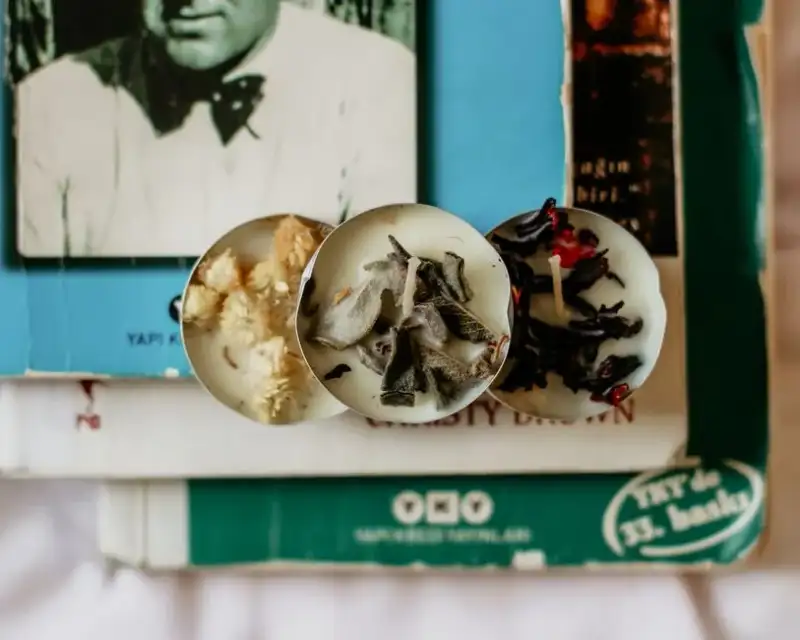
Close your eyes. Inhale deeply. What does a book truly smell like to you? Is it the musty embrace of aged paper, the crisp sharpness of fresh ink, or perhaps a faint hint of coffee from a forgotten morning read? While the inherent aroma of books is a familiar comfort to many, imagine a time when the very act of reading was a symphony not just for the eyes and mind, but for the nose as well. A time when books were not merely vessels of text, but intricately crafted sensory objects, intentionally imbued with perfumes, spices, and floral essences. This is the forgotten narrative of scented books, a luxurious, often esoteric, and surprisingly persistent tradition that offers a unique window into the cultural history of reading, craftsmanship, and the very human desire for multi-sensory engagement. For centuries, books were more than just information repositories; they were status symbols, works of art, and intimate companions. Their physical form held as much significance as their content. The journey into the world of perfumed literature is a fascinating dig through history, uncovering practices that range from practical preservation to extravagant display, from spiritual ritual to sensual indulgence. It’s a story whispered through the fading notes of rose, musk, and ambergris, a testament to an era when every element of a cherished volume was designed to captivate and delight. Whispers from Antiquity: The Genesis of Aromatic Texts The impulse to infuse texts with fragrance is far older than the printing press. Before the widespread use of paper and codices, ancient civilizations utilized scrolls made from papyrus or parchment. In ancient Egypt, where elaborate funeral rites and spiritual practices were paramount, scrolls containing religious texts or spells were often treated with aromatic resins and oils, not just for preservation against decay but also to imbue them with a sacred essence. Frankincense, myrrh, and cedarwood oil, revered for their preservative and spiritual properties, would have rendered these texts potent, fragrant artifacts. Reading them was likely an immersive experience, a multisensory communion with the divine. Similarly, in Rome, high-ranking citizens and scholars might commission scrolls that were not only exquisitely penned but also subtly perfumed. The Roman poet Ovid, in his "Ars Amatoria," even mentions the use of saffron as a perfume for scrolls, suggesting that scent was an element of luxury and sophistication associated with literary endeavors. These early instances highlight a fundamental connection: scent elevated the object, transforming it from a mere utility into an esteemed, almost living, entity. The Medieval Miasma and Monastic Perfumes As Europe entered the Middle Ages, books, particularly those produced in monastic scriptoria, continued to be precious commodities. While the primary focus was on their theological or scholarly content, and their physical preservation against the ravages of time, insects, and damp, scent played a subtle yet significant role. Medieval cities and homes were often far from fragrant, and strong, pleasant smells were highly valued. Herbs and spices, renowned for their medicinal and antiseptic qualities, were frequently used in the preparation of parchment and inks. Lavender, rosemary, and other aromatics were sometimes placed between pages, acting as both insect repellents and subtle air fresheners. Monks, meticulously copying manuscripts, might have worked in environments where incense burned during prayers, allowing its ethereal fragrance to subtly impregnate the pages. The very leathers used for binding, when properly cured and oiled, possessed a distinctive, often pleasant aroma. While not explicitly "perfumed" in the modern sense, these books carried an inherent olfactory signature, one tied to their sacred origins and the meticulous labor of their creation. The scent was an accidental byproduct of preservation and devotion, rather than intentional perfumery. The Renaissance and Beyond: The Golden Age of Perfumed Literature The true blossoming of intentionally scented books occurred during the Renaissance and continued through the Enlightenment. This era, marked by a flourishing of art, luxury, and scientific curiosity, saw books become central to intellectual and social life. For the burgeoning aristocracy and wealthy merchant classes, a well-stocked library was a testament to status and refinement. And what better way to enhance this symbol of cultivated taste than to imbue its contents with exquisite fragrances? This was a period when elaborate bookbinding reached its zenith. Skilled artisans would craft bindings from the finest leathers—morocco, calfskin, vellum—which were then often treated with aromatic substances. Musk, civet, ambergris, and rosewater were among the most coveted perfumes, mixed into the leather tanning process or applied directly to the finished binding. These animalic and floral notes were powerful and long-lasting, designed to leave an impression. Imagine a noblewoman retrieving a prayer book from her private chapel, its pages infused with the lingering scent of frankincense and roses, or a scholar perusing a philosophical treatise whose richly decorated leather binding exhaled a subtle aroma of sandalwood and patchouli. These books were not just read; they were experienced. The scent provided an additional layer of aesthetic pleasure, a tactile and olfactory delight that complemented the visual beauty of the illuminated manuscripts and intricate typefaces.The intentional perfuming of individual pages also became a popular practice. Pages could be steeped in fragrant solutions before printing, or scented powders and sachets (potpourri, dried herbs, spices) could be interleaved between the leaves. Some binders even developed methods to incorporate scented oils into the glues used for binding, ensuring a persistent aroma throughout the book's life. These "bouquets de livres" were particularly prevalent in France, where perfumery was an art form in itself, and in England among the gentry. One of the most famous examples of this era is the practice of fore-edge painting, where an image is painted on the fanned edges of a book's leaves, visible only when the book is opened in a specific way. These delicate paintings were sometimes sealed with a layer of scented varnish, adding another hidden sensory delight. The overall effect was one of hidden luxury, a private pleasure for the discerning owner. Beyond Opulence: The Practical and the Esoteric While many perfumed books were simply statements of wealth and refinement, their aromatic qualities sometimes served other purposes. In a pre-modern world lacking robust sanitation, strong pleasant scents could mask less desirable odors. A perfumed book might literally make the act of reading more agreeable in a stuffy salon or a draughty library. Furthermore, certain scents were believed to possess medicinal properties or even ward off disease. During outbreaks of plague or other contagions, books treated with strong aromatics like camphor or cloves might have been seen as offering a protective aura, however symbolic. On a more esoteric level, specific scents held symbolic meanings. In alchemy and mystical traditions, certain herbs and resins were associated with planetary influences, elements, or spiritual states. A text on hermetic philosophy or magical incantations, infused with the scent of myrrh (associated with sorrow and spiritual purification) or frankincense (divine presence), would have added another layer of meaning to its content, engaging the reader on a deeper, almost ritualistic plane. The book itself became a talisman, its fragrance an emanation of its secret knowledge. The Fading Fragrance: Industrialization and the Decline The 19th century brought about significant changes that led to the gradual decline of the scented book. The industrial revolution mechanized printing and papermaking, making books far more accessible and affordable to the masses. This shift towards mass production meant less emphasis on bespoke craftsmanship and luxurious embellishments. The focus moved from the book as a singular, artistic object to the book as a vehicle for information, produced efficiently and economically. While some efforts were made to introduce scented inks or paper in the late 19th and early 20th centuries – often as novelty items or advertising gimmicks – these rarely captured the sophisticated artistry of earlier periods. The aesthetics of reading also changed. A purer, cleaner aesthetic came into vogue, where the "natural" smell of paper and ink was preferred over artificial perfumes. The era of elaborate, multi-sensory book experiences began to wane, giving way to a more purely visual and intellectual engagement with texts. The Modern Echoes: Nostalgia, Art, and Ephemeral Delights Today, the intentionally scented book is a rarity, primarily found in specialist archives, antique collections, or as experimental art projects. Yet, the allure of scent in reading has never entirely vanished. Bibliophiles still cherish the unique "old book smell," a complex bouquet of lignin breakdown, volatile organic compounds from paper, and residual glues. It's a scent deeply tied to nostalgia, history, and the simple pleasure of turning a page. In recent decades, there have been sporadic attempts to revive the concept, albeit often with a modern twist. Some independent publishers and artists have experimented with scented paper or scratch-and-sniff elements in children's books or limited-edition art books. Marketing campaigns occasionally use scented advertisements or book launches. These modern iterations, while charming, often lack the deep integration and cultural significance of their historical predecessors. They are often fleeting, designed for immediate impact rather than lasting sensory immersion. Yet, the very existence of these modern experiments speaks to an enduring human desire: the wish to engage all our senses in the act of storytelling. The scent of a book, whether accidental or intentional, has the power to transport us, to evoke memories, to deepen our connection to the narrative and the object itself. It reminds us that reading is not just an intellectual pursuit but a profoundly embodied experience.The Olfactory Legacy: Reconnecting with a Lost Art To rediscover the history of scented books is to appreciate the sheer ingenuity and sensory richness of past cultures. It compels us to look beyond the printed word and consider the entire ecosystem of a book: its materials, its craftsmanship, and its place within society. It challenges our modern, often visually dominated, understanding of literature. For the modern bibliophile, the faint, lingering scent from an antique volume is a direct, if ephemeral, link to its past. It's a ghost of a forgotten luxury, a whisper of a time when books were not just read, but sniffed, savored, and treasured for their holistic sensory appeal. Perhaps, in an increasingly digital world, there is a quiet renaissance brewing for the multi-sensory book, a yearning to bring back the "lost language" of scent, to once again let our noses guide us through the enchanted landscapes of literature. It serves as a potent reminder that the deepest forms of engagement often transcend the purely visual, inviting us into a richer, more profound dialogue with the stories held within our hands.#ScentedBooks #BookHistory #OlfactoryCulture #RareBooks #Bibliophilia #SensoryHistory #LostArts Related InsightsAtonement Book Review and Summary Crooner / Nocturne Book Review and Summary Holes Book Review and Summary{ "@context": "https://schema.org", "@type": "FAQPage", "mainEntity": [ { "@type": "Question", "name": "What is the main focus of The Lost Language of Scented Books: Unearthing a Bibliophile's Olfactory History?", "acceptedAnswer": { "@type": "Answer", "text": "Delve into the forgotten world of perfumed pages and aromatic bindings, exploring the fascinating history and cultural significance of intentionally scented books." } }, { "@type": "Question", "name": "Who authored the comprehensive guide on The Lost Language of Scented Books: Unearthing a Bibliophile's Olfactory History?", "acceptedAnswer": { "@type": "Answer", "text": "This detailed article and its insights were carefully researched and authored by Emily Page." } }, { "@type": "Question", "name": "Where can I find more related content about Books?", "acceptedAnswer": { "@type": "Answer", "text": "You can explore more articles, detailed reviews, and similar insights by browsing the Related Insights section at the bottom of this article or visiting our dedicated Books category page." } } ] }