Showing Posts From
Reaper at the gates
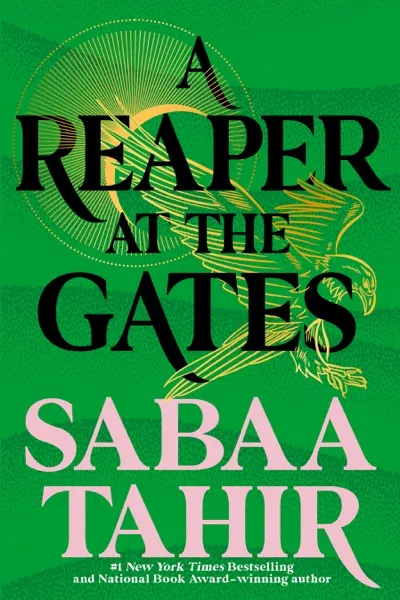

Reaper at the Gates Author: Sabaa TahirPage Count: UnknownPublication Year: 2018-GB Reaper at the Gates: A Triumph of Myth, Magic, and Unrelenting Fate Sabaa Tahir’s Reaper at the Gates, the final installment in her An Ember in the Ashes quartet, is a masterclass in high-stakes fantasy—where gods meddle, destinies are written in blood, and the line between salvation and annihilation is drawn in the sand. With its explosive conclusion, Tahir cements her place among the greats of modern epic fantasy, delivering a story that is as emotionally devastating as it is narratively satisfying. This is not just a conclusion to a beloved series; it’s a reckoning, a war cry, and a whispered prayer all at once. At its core, Reaper at the Gates is about the cost of freedom. Tahir’s world, inspired by ancient Rome but steeped in original mythology, is one where oppression is institutionalized, where the Scholars are enslaved, and the Masks—elite warriors—enforce brutal order. Yet beneath the empire’s gleaming armor lies rot: corruption, betrayal, and the gnawing question of whether any system deserves to survive. The novel forces its characters—and readers—to confront whether freedom is worth the bloodshed required to take it. Elias, the prodigal son of the empire turned reluctant hero, carries the weight of this dilemma. His journey from soldier to rebel is not one of triumphant idealism but of grim resolve. Tahir doesn’t romanticize revolution; she shows its scars, its moral compromises, and the way power corrupts even the purest intentions. Thematically, the book interrogates fate versus choice. The gods of Tahir’s universe are capricious, their designs often cruel. The title itself—Reaper at the Gates—evokes the figure of Death, a reminder that no matter how hard mortals fight, mortality (and the gods) will have the final say. Yet Tahir’s genius lies in how her characters defy this notion. Laia, the indomitable Scholar girl who becomes a spy and then a leader, embodies this defiance. Her arc is one of quiet revolution—not through swordplay, but through cunning, sacrifice, and an unshakable belief in the possibility of change. Her relationship with Elias, fraught with tension and love, is the emotional heartbeat of the series. Tahir writes their dynamic with such raw intimacy that their every glance, every hesitation, feels like a knife twist. Their love is not a fairy tale; it’s a battlefield where trust is the rarest currency. Tahir’s prose is cinematic, her pacing relentless. She balances large-scale battles—described with visceral detail—with intimate character moments that linger. The world-building is rich but never overwhelming; the magic system, tied to blood and memory, feels both ancient and urgent. There’s a brutal honesty to her storytelling. Characters die. Plans fail. Sacrifices are made that reverberate across the narrative. And yet, in the darkness, there’s light: in Laia’s resilience, in Helene’s unexpected growth, in the quiet defiance of those who refuse to kneel. Tahir doesn’t shy away from the ugliness of war—its collateral damage, its psychological toll—but she also doesn’t let it overshadow hope. The novel’s structure is a masterstroke. Tahir weaves multiple perspectives with precision, each character’s voice distinct and compelling. Helene, the once-fanatical Mask, undergoes a transformation that is both surprising and earned. Her internal conflict—between duty and self-preservation—adds a layer of complexity to the story. Meanwhile, the introduction of new characters, like the enigmatic Fenrys, expands the world without feeling forced. The stakes escalate with every chapter, culminating in a finale that is equal parts heartbreaking and triumphant. What makes Reaper at the Gates truly special, however, is its unflinching exploration of power. Tahir doesn’t just ask who deserves to wield it; she asks what it does to those who seek it, and those who are crushed beneath it. The empire is not just a villain; it’s a reflection of systems we recognize—corrupt, entrenched, and resistant to change. Yet Tahir’s message is not nihilistic. It’s a call to arms, a reminder that even in the face of overwhelming odds, the fight for justice is worth the cost. Sabaa Tahir has crafted not just a conclusion, but a legacy. Reaper at the Gates is a story for the oppressed, the dreamers, and the rebels—the kind of book that lingers long after the last page. It’s a testament to the power of storytelling to inspire, to provoke, and to endure. #ReaperAtTheGates #EmberInTheAshes #FantasyBooks #SabaaTahir #EpicFantasy #BookReview Related InsightsScene Partner Book Review and Summary A Light in the Attic Book Review and Summary Merciful is the Dark (Cruel is the Light, #2) Book Review and Summary{ "@context": "https://schema.org", "@type": "FAQPage", "mainEntity": [ { "@type": "Question", "name": "What is the main focus of Reaper at the Gates Book Review and Summary?", "acceptedAnswer": { "@type": "Answer", "text": "Everything you need to know about Reaper at the Gates with our detailed review." } }, { "@type": "Question", "name": "Who authored the comprehensive guide on Reaper at the Gates Book Review and Summary?", "acceptedAnswer": { "@type": "Answer", "text": "This detailed article and its insights were carefully researched and authored by Tiago Silva." } }, { "@type": "Question", "name": "Where can I find more related content about Books?", "acceptedAnswer": { "@type": "Answer", "text": "You can explore more articles, detailed reviews, and similar insights by browsing the Related Insights section at the bottom of this article or visiting our dedicated Books category page." } } ] }