Showing Posts From
Rebel
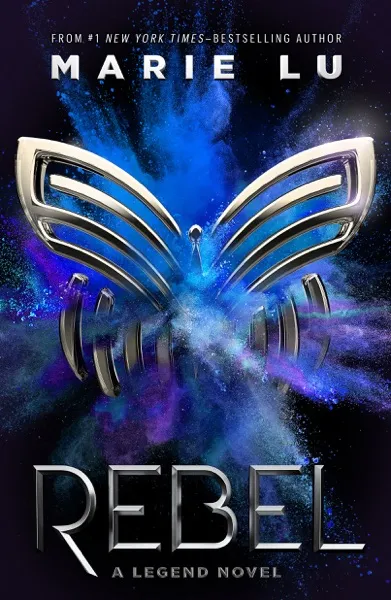

Rebel Author: Marie LuPage Count: UnknownPublication Year: 2019-GB Rebel: A Spark in the Ashes of Tyranny Marie Lu’s Rebel is a masterclass in dystopian storytelling, a genre where she has already carved her name with works like Legend. Published in 2019, this book is a global bestseller not just for its high-stakes drama but for its unflinching exploration of power, resistance, and the cost of defiance. Lu doesn’t just build a world; she dismantles it, forcing her characters—and her readers—to confront the question: What does it mean to be a rebel? At its core, Rebel is a story about revolution. But not the kind that unfolds in grand, cinematic battles or fiery speeches. Lu’s revolution is intimate, raw, and deeply personal. It’s the quiet defiance of a single voice refusing to be silenced, the subtle rebellion of a hand that trembles but still signs a petition, the explosive rage of a person pushed one too many times. The protagonist, June Iparis, is a figure familiar to fans of Lu’s work—a prodigy trained by the oppressive Republic. Yet, where her past stories often glorified the system she served, Rebel flips the script. June is no longer the golden child of the regime; she is its unwitting witness to its brutality, and her awakening is as much an internal fracture as it is a political awakening. Lu’s genius lies in her ability to weave personal and political narratives into a seamless tapestry. The book’s dual perspectives—June’s and that of a rebel leader, Daniel—create a dynamic tension. June’s journey is one of disillusionment, a slow unraveling of the myths she was raised to believe. Daniel’s is the opposite: a hardening, a transformation from idealist to hardened revolutionary. Their stories collide in a way that feels inevitable yet shocking, a reminder that revolutions are not made by heroes alone but by ordinary people forced into extraordinary circumstances. What sets Rebel apart is Lu’s prose. She writes with a precision that cuts like a scalpel. There are no gratuitous descriptions, no unnecessary flourishes—just sharp, economical sentences that drive the story forward. Her dialogue crackles with tension, each line laced with subtext. When June and Daniel argue, their words aren’t just exchanges; they’re weapons. When they’re silent, the silence screams. Lu also excels in depicting the psychological toll of resistance. The fear, the paranoia, the gnawing doubt—she makes it visceral. You don’t just read about the rebels; you feel their exhaustion, their desperation, their fleeting moments of hope. The book’s themes resonate deeply in today’s world. Rebellion is not romanticized here. Lu doesn’t shy away from showing the cost—broken families, shattered alliances, the moral compromises that come with fighting an entrenched system. The rebels in Rebel are not infallible; they are flawed, sometimes ruthless, sometimes selfish. Yet, their cause is just. That contradiction is where the story’s power lies. It asks us: Can a revolution be pure if the people leading it aren’t? Lu’s world-building is another triumph. The Republic she constructs is a chilling extrapolation of authoritarian regimes—surveillance, propaganda, the weaponization of fear. But what makes it terrifying is how believable it is. The technology feels plausible, the propaganda methods eerily familiar. It’s a world where dissent is not just discouraged but actively hunted, where even the most loyal citizens can be turned into informants. Yet, amid this bleakness, Lu plants seeds of hope. Not in grand victories, but in small acts—whispers in the dark, a single candle left burning in a window. Rebel is a book that lingers. It doesn’t offer easy answers, and that’s its greatest strength. Lu doesn’t let her characters—or her readers—off the hook. The ending is ambiguous, leaving room for interpretation. Is rebellion worth the cost? Can it ever truly succeed? These are questions that haunt long after the last page. Marie Lu has written a book that is both a mirror and a warning. It reflects the fractures in our own societies while cautioning against the seductive simplicity of revolution. Rebel is not just a story about fighting back; it’s about what it means to stay human in a world that tries to strip you of your soul. If dystopian fiction is a genre that thrives on asking the hard questions, then Rebel is one of its finest examples. It’s a book that demands to be read, debated, and remembered. #RebelMarieLu #DystopianFiction #BookReview #MarieLuBooks #RebellionThemes #MustRead Related InsightsHeartstopper, Volume Five Book Review and Summary Victorious (Villains, #3) Book Review and Summary Sunrise on the Reaping Book Review and Summary{ "@context": "https://schema.org", "@type": "FAQPage", "mainEntity": [ { "@type": "Question", "name": "What is the main focus of Rebel Book Review and Summary?", "acceptedAnswer": { "@type": "Answer", "text": "Everything you need to know about Rebel with our detailed review." } }, { "@type": "Question", "name": "Who authored the comprehensive guide on Rebel Book Review and Summary?", "acceptedAnswer": { "@type": "Answer", "text": "This detailed article and its insights were carefully researched and authored by Victoria Smith." } }, { "@type": "Question", "name": "Where can I find more related content about Books?", "acceptedAnswer": { "@type": "Answer", "text": "You can explore more articles, detailed reviews, and similar insights by browsing the Related Insights section at the bottom of this article or visiting our dedicated Books category page." } } ] }