Showing Posts From
Reykjavík
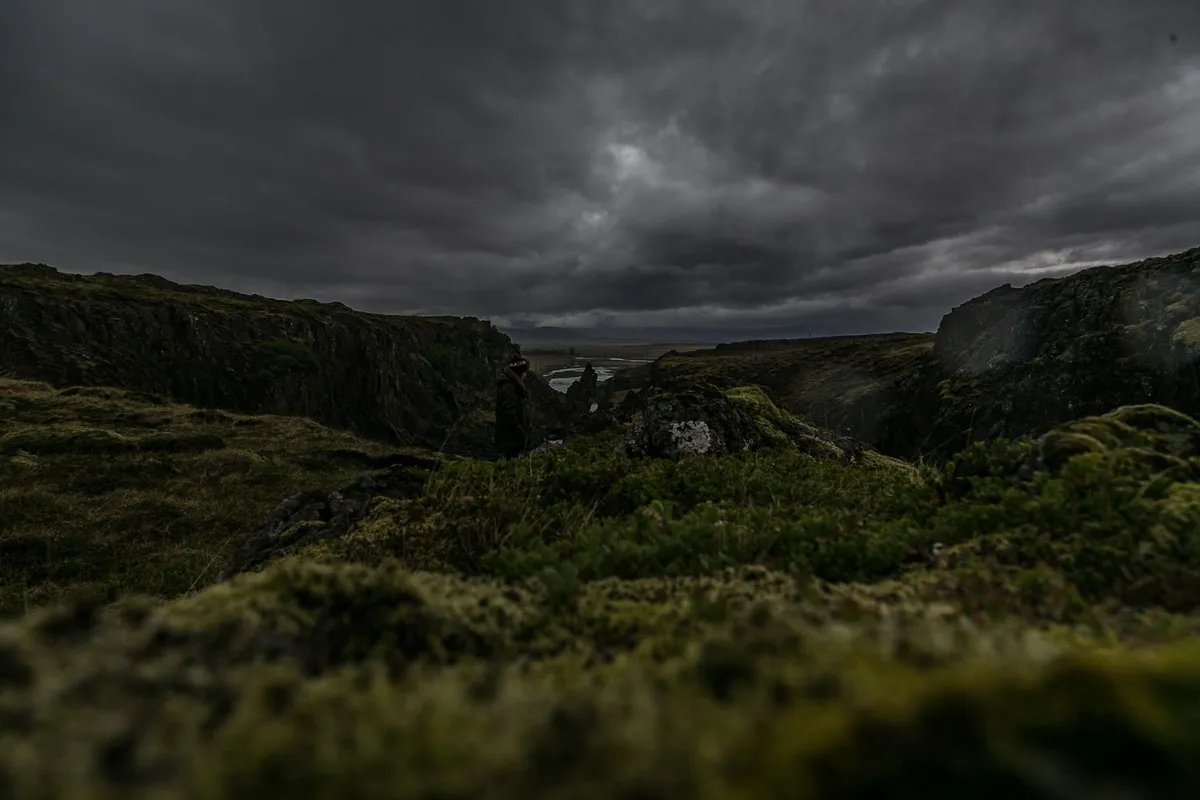
Introduction to Reykjavík Reykjavík, the capital and largest city of Iceland, is a treasure trove of history, culture, and natural beauty. Located on the southern shore of the Faxaflói bay in southwest Iceland, Reykjavík boasts a unique blend of traditional and modern charm. With a population of around 140,000 as of 2026, the city is home to approximately 64% of Iceland's population, making it the country's economic, cultural, and governmental hub.A Brief History of Reykjavík According to the Landnámabók, the settlement of Iceland began in Reykjavík when Ingólfur Arnarson arrived from Norway in the year 874. For over 900 years following this, there was no urban development; the city was officially founded in 1786 as a trading town and grew steadily as it transformed into its current state as the centre of Iceland's cultural, economic, and governmental activity. The city's name, Reykjavík, is derived from the Old Norse words "reykr" (smoke) and "vík" (bay), inspired by the steam rising from hot springs in the region.Urban Development and Growth The site of the modern city centre was farmland until the 18th century. In 1752, King Frederik V of Denmark donated the estate of Reykjavík to the Innréttingar corporation, marking the beginning of the city's urban development. The leader of this movement, Skúli Magnússon, played a significant role in shaping the city's early growth. The Danish Crown abolished monopoly trading in 1786, granting six communities around the country an exclusive trading charter, with Reykjavík being one of them. This charter enabled the city to establish itself as a major trading hub, attracting merchants and traders from across the region.Rise of Nationalism and Independence Icelandic nationalist sentiment gained influence in the 19th century, with the idea of Icelandic independence becoming widespread. Reykjavík, as Iceland's only city, was central to these ideas. Advocates of an independent Iceland realized that a strong Reykjavík was fundamental to achieving this objective. The city played a crucial role in the country's struggle for independence, with the Alþingi, the general assembly, being re-established in Reykjavík in 1845. In 1874, Iceland was given a constitution, and the Alþingi gained some limited legislative powers. The next step was to move most of the executive power to Iceland, with Home Rule being granted in 1904 and the office of Minister for Iceland being established in Reykjavík.World War II and Its Impact on Reykjavík On the morning of 10 May 1940, following the German occupation of Denmark and Norway, four British warships approached Reykjavík and anchored in the harbour. The Allied occupation of Reykjavík was complete, with no armed resistance from the Icelandic government. The economic effects of the occupation were positive for Reykjavík, with unemployment disappearing and construction work beginning. The British built Reykjavík Airport, which remains in service today, while the Americans built Keflavík Airport, situated 50 km west of Reykjavík, which became Iceland's primary international airport.Post-War Development and Modern Reykjavík In the post-war years, the growth of Reykjavík accelerated. An exodus from the rural countryside began, largely due to improved technology in agriculture reducing the need for manpower. The city was rapidly transformed into a modern metropolis, with private cars becoming common and modern apartment complexes rising in the expanding suburbs. Today, Reykjavík is a thriving city, known for its vibrant cultural scene, stunning natural beauty, and friendly inhabitants.#Travel #Iceland #Reykjavík Related InsightsEchoes from the Deep: Unveiling the Drowned Villages Beneath Italy's Lake Reschen L'Eterna Seduzione della Costa Azzurra: Tra Scogliere di Porfido e Misteri Belle Époque Ethiopia's Danakil Depression: The Hottest Place on Earth's Alien Landscapes (Part 3){ "@context": "https://schema.org", "@type": "FAQPage", "mainEntity": [ { "@type": "Question", "name": "What is the main focus of Reykjavík: The Smoke Bay Capital of Iceland?", "acceptedAnswer": { "@type": "Answer", "text": "Explore the world's northernmost capital, Reykjavík, and uncover its rich history, cultural significance, and breathtaking landscapes." } }, { "@type": "Question", "name": "Who authored the comprehensive guide on Reykjavík: The Smoke Bay Capital of Iceland?", "acceptedAnswer": { "@type": "Answer", "text": "This detailed article and its insights were carefully researched and authored by Cemre Seyyah." } }, { "@type": "Question", "name": "Where can I find more related content about Travel?", "acceptedAnswer": { "@type": "Answer", "text": "You can explore more articles, detailed reviews, and similar insights by browsing the Related Insights section at the bottom of this article or visiting our dedicated Travel category page." } } ] }