Showing Posts From
Ricedishes
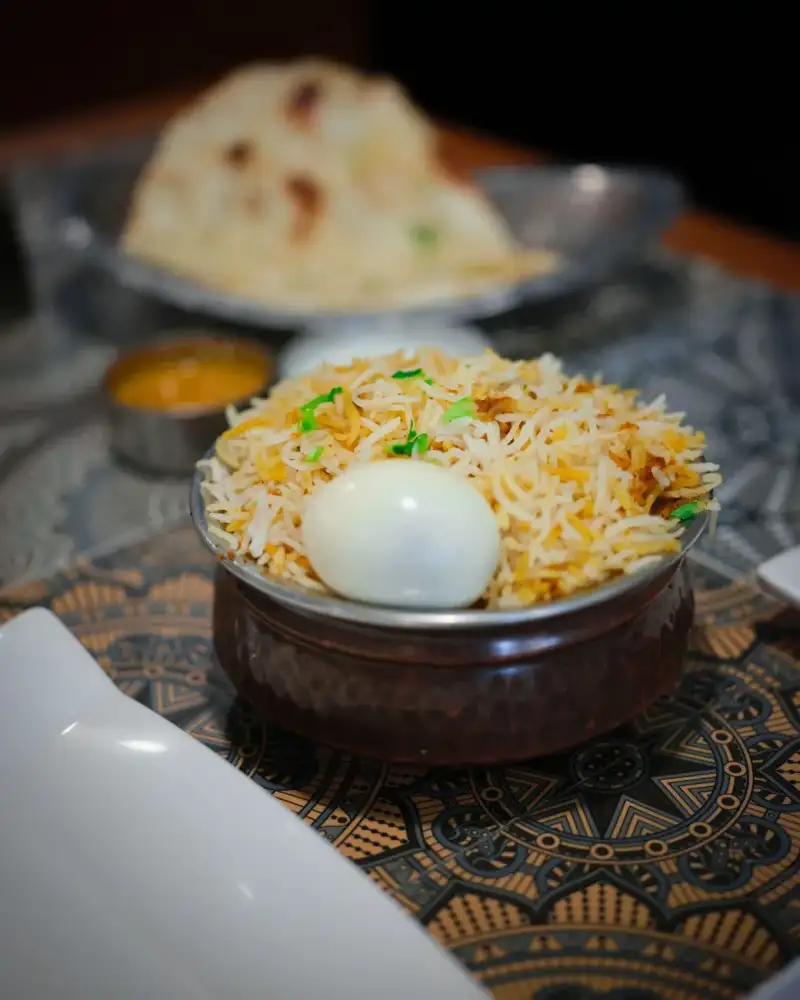
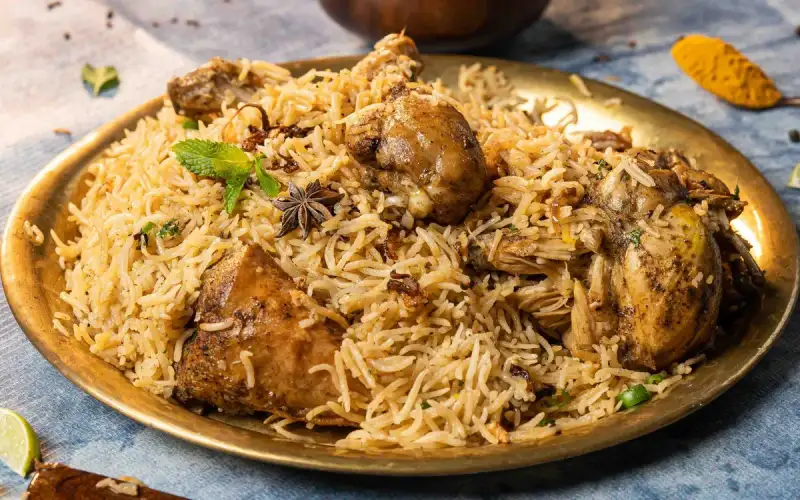
Indian Biryani: Aromatic Rice, Spices, and Royal Legacies Introduction Few dishes in the world evoke the same sense of grandeur, complexity, and sensory delight as Indian biryani. This iconic rice preparation, layered with marinated meat, fragrant spices, and slow-cooked perfection, is more than just a meal—it is a culinary narrative woven through centuries of trade, conquest, and cultural fusion. From the royal kitchens of the Mughal emperors to the bustling streets of Hyderabad and Lucknow, biryani tells a story of migration, adaptation, and mastery. What makes this dish truly extraordinary is not just its taste, but the meticulous craftsmanship behind it: the careful selection of basmati rice, the art of marinating meat for hours, and the layering technique that transforms simple ingredients into a symphony of flavor. Historically, biryani emerged as a symbol of opulence during the Mughal era, when Persian culinary traditions merged with Indian spices and techniques. The word "biryani" itself is believed to derive from the Persian beryan, meaning "to fry" or "to roast," a testament to its origins in the royal courts of Persia and Central Asia. Over time, regional variations evolved across India, each reflecting local tastes, available ingredients, and cultural influences. Today, biryani is celebrated globally—not just as a dish, but as a heritage, a tradition, and a testament to India’s rich culinary diversity. In this article, we will explore the origins, regional variations, and intricate preparation methods of biryani. We’ll delve into the science behind its aroma, the cultural significance of its ingredients, and the techniques that elevate it from a simple rice dish to a royal legacy.The Historical Roots of Biryani: From Persian Palaces to Indian Courts The story of biryani begins not in India, but in the heart of the Persian Empire. Historical records suggest that the dish originated in Persia, where it was known as beryan polo—a dish of rice and meat cooked together. When Persian rulers and their culinary traditions spread to the Indian subcontinent through trade and conquest, biryani underwent a transformation. The Mughal emperors, particularly Babur and Akbar, played a pivotal role in popularizing biryani in India. Akbar’s court chronicler, Abul Fazl, documented the emperor’s love for biryani in the Ain-i-Akbari, describing it as a dish fit for royalty. The evolution of biryani in India was shaped by several factors, including the availability of local spices, the influence of regional cuisines, and the Mughal preference for rich, layered dishes. One of the earliest Indian adaptations was Awadhi biryani, which emerged in the royal kitchens of Lucknow. This version is characterized by its delicate flavors, slow-cooked meat, and the use of dum cooking—a technique where the pot is sealed with dough to trap steam and infuse the dish with aroma. Another significant variation is Hyderabadi biryani, which reflects the Nizami culture of the Deccan region. Unlike Awadhi biryani, Hyderabadi biryani uses raw meat and rice, layered and cooked together in a single pot, creating a robust, spicy flavor profile. The socio-historical context of biryani’s development is deeply intertwined with the Indian subcontinent’s cultural evolution. As per the Evolution of Indian cuisine: a socio-historical review, the fusion of Persian and Indian culinary traditions was not merely a transfer of recipes but a dynamic exchange that enriched both cuisines. The use of spices like cardamom, cloves, and cinnamon, which were indigenous to India, became integral to biryani, while techniques like dum cooking were refined under Mughal patronage. This cultural synthesis is evident in the regional variations of biryani across India, each telling a unique story of adaptation and innovation.The Art of Biryani: Ingredients, Techniques, and Flavor Chemistry At its core, biryani is a dish of contrasts: tender meat, fragrant rice, and a harmonious blend of spices. The secret to a perfect biryani lies in the quality of its ingredients and the precision of its techniques. Let’s break down the essential components and the science behind their magic. 1. The Rice: Basmati and Its Role in Biryani The foundation of biryani is basmati rice, a long-grain variety known for its delicate aroma and ability to absorb flavors. Basmati rice is cultivated primarily in the foothills of the Himalayas, where the climate and soil conditions impart its signature fragrance. The grains are parboiled (kaccha method) or fully cooked (pakki method) before being layered with meat and spices. Parboiling ensures that the rice remains firm and separate, while full cooking makes it softer and more absorbent. The choice of rice is critical. Basmati’s low amylose content (around 20-22%) ensures that the grains do not turn mushy during cooking. Additionally, the presence of 2-acetyl-1-pyrroline, a compound responsible for its aromatic scent, is what sets basmati apart from other rice varieties. When combined with spices like saffron, cardamom, and bay leaves, the rice absorbs these aromas, creating a fragrant base for the biryani. 2. The Meat: Marination and Slow Cooking The meat used in biryani varies by region—chicken, lamb, goat, and even fish are common. The key to tender meat lies in marination. Traditional marinades include yogurt, ginger-garlic paste, lemon juice, and a blend of spices such as turmeric, red chili powder, coriander, and garam masala. The yogurt acts as a tenderizer, breaking down the muscle fibers, while the acids in lemon juice further enhance this effect. Marination times vary: chicken is typically marinated for 4-6 hours, while tougher cuts like lamb require overnight marination. The science behind this is simple—longer marination allows the spices to penetrate deeper into the meat, enhancing flavor and tenderness. After marination, the meat is partially cooked through boiling or frying, depending on the regional style. In Hyderabadi biryani, for example, the meat is fried to develop a rich, caramelized crust before being layered with rice. Slow cooking is another crucial technique. Whether using the dum method (sealed pot cooking) or pressure cooking, the goal is to allow the meat to become fall-off-the-bone tender while infusing the rice with its juices. The Maillard reaction, which occurs during frying or searing, contributes to the deep, savory flavors of the meat. 3. The Spice Blend: A Symphony of Aromas The spice blend in biryani is a carefully balanced mix that varies by region. Common spices include:Whole spices: Bay leaves, cardamom pods, cloves, cinnamon sticks, and star anise. Ground spices: Turmeric, red chili powder, coriander powder, cumin powder, and garam masala. Aromatics: Fresh ginger, garlic, and green chilies. Finishing touches: Saffron strands soaked in warm milk, kewra water (a floral extract), and rose water.The role of spices in biryani is not just about heat—it’s about creating a layered aroma. For instance, cardamom and cloves contribute warm, sweet notes, while black pepper and green chilies add a subtle kick. The use of saffron, one of the most expensive spices in the world, is a hallmark of premium biryani, imparting a golden hue and a distinct floral aroma. The Evolution of Indian cuisine study highlights how spices were not just culinary tools but also symbols of wealth and status. In biryani, the liberal use of spices reflects the dish’s royal origins, where extravagance was a sign of prestige. 4. The Layering Technique: Dum Cooking and the Magic of Sealed Pots The final step in biryani preparation is layering and dum cooking. This technique involves arranging the partially cooked rice and meat in a heavy-bottomed pot, sealing it with dough or a tight lid, and slow-cooking it over low heat. The steam generated during this process infuses the rice with the meat’s flavors while ensuring that the grains remain separate and fluffy. There are two primary methods of layering:Kaccha style (Hyderabadi): Raw marinated meat is layered with half-cooked rice. The pot is sealed and cooked until the meat and rice are done together. Pakki style (Awadhi): Both meat and rice are fully cooked separately before being layered. This method allows for greater control over the texture of the rice and meat.The dum cooking process can take anywhere from 30 minutes to an hour, depending on the quantity and type of meat. The sealed environment ensures that the flavors meld together, creating a dish where every bite is a harmonious blend of spices, meat, and rice.Regional Variations: A Culinary Map of India India’s diversity is reflected in its biryani, with each region offering a unique interpretation of this classic dish. From the royal kitchens of Lucknow to the coastal flavors of Kerala, biryani adapts to local tastes, ingredients, and cultural influences. Here’s a journey through India’s biryani landscape: 1. Hyderabadi Biryani: The Spicy Deccan Delight Hyderabadi biryani is perhaps the most famous variation, known for its robust, spicy flavor and distinctive cooking method. Originating in the kitchens of the Nizams of Hyderabad, this biryani is characterized by its use of raw meat and rice, layered and cooked together in a single pot. The meat is marinated in a blend of yogurt, ginger-garlic paste, and spices, then fried to develop a deep, caramelized crust. The rice, parboiled with whole spices, is layered over the meat along with fried onions, mint, and coriander leaves. The pot is sealed with dough and slow-cooked, allowing the flavors to meld. The key to Hyderabadi biryani lies in its spice blend, which includes black pepper, nutmeg, and mace, giving it a distinct warmth. It is traditionally served with mirchi ka salan (a fiery chili curry) and raita (yogurt dip), creating a balance of heat and cooling elements.👉 Continue Reading: Aromatic Flavors of India: Understanding Biryani's Rich Legacy (Part 2)Conclusion Indian biryani is more than a dish—it is a living testament to the subcontinent’s rich history, cultural fusion, and culinary ingenuity. From its Persian origins to its royal Mughal adaptations, and from the bustling streets of Hyderabad to the high-end kitchens of the world, biryani has traveled through time and space, evolving with each generation while retaining its soul. The art of biryani lies not just in its ingredients or techniques, but in the stories it tells: of empires and traders, of love and celebration, and of the universal human desire to create something extraordinary from the ordinary. What makes biryani truly special is its ability to adapt. Whether it’s the fiery Hyderabadi version, the delicate Lucknowi style, or the coastal flavors of Malabar, each variation offers a unique glimpse into the region it hails from. And as global tastes evolve, biryani continues to reinvent itself—whether through vegan adaptations, fusion experiments, or sustainable innovations. It is a dish that transcends borders, bringing people together over a shared love for bold flavors and rich traditions. For those who have never tried biryani, the journey begins with a single bite—a fragrant, spicy, and deeply satisfying experience that lingers long after the last grain of rice is gone. For those who are already fans, the quest for the perfect biryani is an endless adventure, one that promises new flavors, techniques, and stories with every bite. As you embark on your own biryani journey, remember that the true magic lies not just in the recipe, but in the love and care you pour into it. Whether you’re cooking for a royal feast or a simple family dinner, biryani is a dish that deserves to be savored, shared, and celebrated. Until next time, happy cooking—and may your biryani always be fragrant, flavorful, and unforgettable. — Isabella Rossi #BiryaniLovers #SpiceAndEverythingNice #FoodHeritage #RoyalCuisine #GlobalFlavors #Biryani #IndianCuisine #FoodHistory #AromaticFlavors Related InsightsMastering the Asado: A Deep Dive into Argentina's Barbecue Culture Aromatic Flavors of India: Understanding Biryani's Rich Legacy (Part 2) From Dragon Fruit to Durian: A Global Tour of the World’s Most Exotic Fruits and Their Secrets{ "@context": "https://schema.org", "@type": "FAQPage", "mainEntity": [ { "@type": "Question", "name": "What is the main focus of Aromatic Flavors of India: Understanding Biryani's Rich Legacy?", "acceptedAnswer": { "@type": "Answer", "text": "Dive into the world of biryani, exploring its origins, preparation methods, and the cultural significance behind this mouthwatering Indian staple." } }, { "@type": "Question", "name": "Who authored the comprehensive guide on Aromatic Flavors of India: Understanding Biryani's Rich Legacy?", "acceptedAnswer": { "@type": "Answer", "text": "This detailed article and its insights were carefully researched and authored by Isabella Rossi." } }, { "@type": "Question", "name": "Where can I find more related content about Food?", "acceptedAnswer": { "@type": "Answer", "text": "You can explore more articles, detailed reviews, and similar insights by browsing the Related Insights section at the bottom of this article or visiting our dedicated Food category page." } } ] }
-
 Isabella Rossi
 - 18 Jul, 2026 14:11
Aromatic Flavors of India: Understanding Biryani's Rich Legacy (Part 2)
This is Part 2 of the series. Read Part 1 here.2. Lucknowi (Awadhi) Biryani: The Royal Elegance Lucknowi biryani, also known as Awadhi biryani, is a refined and aromatic version that reflects the culinary sophistication of the Mughal courts. Unlike Hyderabadi biryani, the meat and rice are fully cooked separately before being layered. The meat is slow-cooked in a rich gravy with spices like saffron, cardamom, and rose water, while the rice is cooked with whole spices and a touch of ghee. The layering process is meticulous: a layer of rice is spread at the bottom of the pot, followed by the meat, then more rice, and finally fried onions, mint, and saffron-infused milk. The pot is sealed and cooked on low heat, allowing the flavors to permeate each layer. The result is a biryani that is delicate, fragrant, and subtly spiced, with grains of rice that are perfectly separate. 3. Kolkata Biryani: The Colonial Fusion Kolkata biryani has a unique history tied to the British colonial era. When the Nawabs of Awadh were exiled to Kolkata after the fall of the Mughal Empire, they brought their culinary traditions with them. However, due to the unavailability of certain ingredients in Bengal, the biryani evolved into a milder, sweeter version. Potatoes were added to the dish, a nod to Bengali preferences, and the use of yogurt and fried onions became more prominent. Kolkata biryani is also distinguished by its use of ghee (clarified butter) and a blend of spices that includes nutmeg and mace. The meat is marinated in yogurt and spices, then partially cooked before being layered with rice and slow-cooked. The result is a biryani that is creamy, slightly sweet, and less spicy than its Hyderabadi or Lucknowi counterparts. 4. Malabar Biryani: The Coastal Flavors of Kerala Malabar biryani, hailing from the Malabar Coast of Kerala, is a seafood lover’s delight. This variation often features fish, prawns, or squid, marinated in a blend of coconut milk, curry leaves, and spices like fennel and cinnamon. The rice is cooked with coconut milk and whole spices, giving it a fragrant, slightly sweet aroma. The layering technique is similar to Hyderabadi biryani, with raw seafood and partially cooked rice layered together. The dish is slow-cooked in a sealed pot, allowing the seafood to absorb the flavors of the spices and rice. Malabar biryani is typically served with a side of nadan kozhi curry (a spicy chicken curry) and pachadi (a yogurt-based side dish). 5. Sindhi Biryani: The Bold and Spicy Sindhi biryani, originating from the Sindh region (now part of Pakistan), is known for its bold, spicy flavors and generous use of meat. The meat is marinated in a blend of yogurt, ginger-garlic paste, and a mix of ground spices, then fried until crispy. The rice is cooked with whole spices and a touch of dahi (yogurt) to give it a slightly tangy flavor. The layering process includes fried potatoes, which add a creamy texture to the dish. Sindhi biryani is often served with raita and boondi raita (a yogurt dip with crispy chickpea flour balls), balancing the heat of the spices.The Science Behind Biryani: Flavor, Texture, and Nutrition Biryani is not just a feast for the senses—it is a marvel of culinary science. The dish’s success hinges on the interplay of chemistry, physics, and biology, from the marination of meat to the layering of rice. Let’s explore the science behind biryani’s magic. 1. The Maillard Reaction and Meat Tenderness The Maillard reaction is a chemical process that occurs when amino acids and reducing sugars in meat are exposed to high heat. This reaction is responsible for the browning and caramelization of meat, which enhances its flavor and aroma. In biryani, the meat is often fried or seared before being layered with rice, triggering the Maillard reaction and creating a rich, savory crust. Additionally, the slow cooking process allows collagen in the meat to break down into gelatin, making the meat tender and juicy. The presence of acids in the marinade (such as lemon juice or yogurt) further tenderizes the meat by denaturing proteins, making them more susceptible to breakdown during cooking. 2. The Role of Rice in Texture and Aroma The texture of biryani rice is a result of careful parboiling and layering. Basmati rice has a low amylose content, which means it absorbs less water and remains firm during cooking. Parboiling the rice before layering ensures that the grains do not break apart while absorbing the flavors of the meat and spices. The aroma of biryani rice is primarily due to the presence of 2-acetyl-1-pyrroline, a compound that gives basmati rice its distinctive scent. When combined with spices like saffron, cardamom, and kewra water, the rice absorbs these aromatic compounds, creating a fragrant base for the dish. 3. The Flavor Chemistry of Spices Spices are the soul of biryani, and their flavors are a result of complex chemical compounds. For example:Cardamom: Contains cineole and terpinene, which impart a warm, citrusy aroma. Cinnamon: Rich in cinnamaldehyde, which gives it a sweet, woody flavor. Cloves: Contain eugenol, a compound with a strong, spicy aroma. Saffron: Contains crocin and safranal, which give it a golden hue and floral aroma.The combination of these compounds creates a multi-layered flavor profile that is both complex and harmonious. The Evolution of Indian cuisine study emphasizes how the use of spices in biryani reflects the Indian subcontinent’s rich biodiversity and historical trade routes. 4. The Nutritional Profile of Biryani While biryani is often considered a indulgent dish, it also offers nutritional benefits:Protein: Meat (chicken, lamb, or goat) is a rich source of protein, essential for muscle repair and growth. Carbohydrates: Basmati rice provides energy, while potatoes (in Kolkata biryani) add fiber and vitamins. Fats: Ghee and oil used in cooking provide healthy fats, though moderation is key. Spices: Many spices used in biryani, such as turmeric and cumin, have anti-inflammatory and digestive benefits.However, biryani can be high in calories and sodium, especially if prepared with excessive oil or salt. To make it healthier, one can reduce the amount of ghee, use lean cuts of meat, and opt for brown rice instead of basmati. Nutritional Comparison of Biryani VariationsVariation Calories (per serving) Protein (g) Carbs (g) Fat (g) Key NutrientsHyderabadi Chicken 550 30 60 20 Iron, Vitamin B12, ZincLucknowi Mutton 650 35 55 25 Omega-3, Selenium, Vitamin AKolkata Fish 480 25 50 18 Omega-3, Vitamin D, CalciumMalabar Prawn 520 28 55 15 Iodine, Vitamin B12, ProteinSindhi Beef 700 40 50 30 Iron, Zinc, Vitamin B6Source: Adapted from USDA FoodData Central and regional culinary databases.Biryani Beyond Borders: Global Adaptations and Modern Innovations While biryani is deeply rooted in Indian culinary traditions, its appeal has transcended borders, inspiring adaptations and innovations around the world. From street food stalls in the UK to high-end restaurants in the US, biryani has found a place in global cuisine. Let’s explore how this dish has evolved outside India and the modern twists it has inspired. 1. Global Popularity and Fusion Trends Biryani’s journey beyond India began during the colonial era, when Indian laborers and traders introduced the dish to Southeast Asia, Africa, and the Caribbean. In South Africa, for example, biryani became a staple in the Indian community, with local adaptations like the use of bunny chow (a hollowed-out bread filled with biryani) and the addition of local spices like masala and chutney. In the UK, biryani has been embraced as a fast-food favorite, with variations like chicken tikka biryani and vegetable biryani becoming popular in Indian restaurants. The dish’s bold flavors and aromatic spices have also made it a hit in the US, where fusion restaurants offer sushi biryani (with sushi rice and seafood) and biryani burritos (wrapped in a tortilla). 2. Modern Innovations: Deconstructed and Vegan Biryani In recent years, chefs around the world have reimagined biryani, experimenting with deconstructed versions and plant-based adaptations. Deconstructed biryani breaks down the dish into its components—spiced rice, marinated meat, and garnishes—served separately for a modern, interactive dining experience. This approach highlights the individual elements of biryani while allowing diners to customize their meal. Vegan biryani has also gained popularity, replacing meat with ingredients like jackfruit, tofu, or mushrooms. The marinade and spice blend remain the same, but the texture and umami flavors are achieved through techniques like smoking or fermenting. For example, jackfruit biryani mimics the texture of pulled pork, while tofu biryani absorbs the flavors of the spices and rice. 3. Biryani in Pop Culture and Media Biryani’s cultural significance is evident in its portrayal in films, literature, and social media. In the 2018 Bollywood film Dhadak, a pivotal scene features the protagonist cooking biryani, symbolizing love and tradition. Similarly, in the Netflix series The Crown, a scene set in India highlights the dish as a symbol of opulence and hospitality. Social media has also played a role in biryani’s global appeal. Platforms like Instagram and TikTok are filled with biryani recipes, hacks, and challenges, from 30-minute biryani to one-pot biryani. The hashtag #Biryani has over 5 million posts on Instagram, showcasing the dish’s versatility and universal appeal. 4. The Future of Biryani: Sustainability and Innovation As global food trends shift toward sustainability and plant-based diets, biryani is poised to evolve further. Chefs and home cooks are experimenting with:Lab-grown meat: Replacing traditional meat with lab-grown alternatives to reduce environmental impact. Ancient grains: Using quinoa or millet instead of basmati rice for a gluten-free or low-glycemic option. Zero-waste cooking: Incorporating vegetable scraps and bones into the biryani broth for added flavor and sustainability.The Dictionary of South African Indian English highlights how language and cuisine evolve together, reflecting cultural adaptation. Similarly, biryani’s global journey is a testament to its ability to adapt while retaining its core identity.Conclusion Indian biryani is more than a dish—it is a living testament to the subcontinent’s rich history, cultural fusion, and culinary ingenuity. From its Persian origins to its royal Mughal adaptations, and from the bustling streets of Hyderabad to the high-end kitchens of the world, biryani has traveled through time and space, evolving with each generation while retaining its soul. The art of biryani lies not just in its ingredients or techniques, but in the stories it tells: of empires and traders, of love and celebration, and of the universal human desire to create something extraordinary from the ordinary. What makes biryani truly special is its ability to adapt. Whether it’s the fiery Hyderabadi version, the delicate Lucknowi style, or the coastal flavors of Malabar, each variation offers a unique glimpse into the region it hails from. And as global tastes evolve, biryani continues to reinvent itself—whether through vegan adaptations, fusion experiments, or sustainable innovations. It is a dish that transcends borders, bringing people together over a shared love for bold flavors and rich traditions. For those who have never tried biryani, the journey begins with a single bite—a fragrant, spicy, and deeply satisfying experience that lingers long after the last grain of rice is gone. For those who are already fans, the quest for the perfect biryani is an endless adventure, one that promises new flavors, techniques, and stories with every bite. As you embark on your own biryani journey, remember that the true magic lies not just in the recipe, but in the love and care you pour into it. Whether you’re cooking for a royal feast or a simple family dinner, biryani is a dish that deserves to be savored, shared, and celebrated. Until next time, happy cooking—and may your biryani always be fragrant, flavorful, and unforgettable. — Isabella Rossi #BiryaniLovers #SpiceAndEverythingNice #FoodHeritage #RoyalCuisine #GlobalFlavors #Biryani #IndianCuisine #FoodCulture #Spices Related InsightsThe Ultimate High-Fiber Whole Grain Shepherd's Pie with Lentil Topping Kung Pao: The Perfect Balance of Sweet and Heat Delicious Baked Sea Bass with Cherry Tomatoes and Capers{ "@context": "https://schema.org", "@type": "FAQPage", "mainEntity": [ { "@type": "Question", "name": "What is the main focus of Aromatic Flavors of India: Understanding Biryani's Rich Legacy (Part 2)?", "acceptedAnswer": { "@type": "Answer", "text": "Dive into the world of biryani, exploring its origins, preparation methods, and the cultural significance behind this mouthwatering Indian staple." } }, { "@type": "Question", "name": "Who authored the comprehensive guide on Aromatic Flavors of India: Understanding Biryani's Rich Legacy (Part 2)?", "acceptedAnswer": { "@type": "Answer", "text": "This detailed article and its insights were carefully researched and authored by Isabella Rossi." } }, { "@type": "Question", "name": "Where can I find more related content about Food?", "acceptedAnswer": { "@type": "Answer", "text": "You can explore more articles, detailed reviews, and similar insights by browsing the Related Insights section at the bottom of this article or visiting our dedicated Food category page." } } ] }