Showing Posts From
Rivers of london
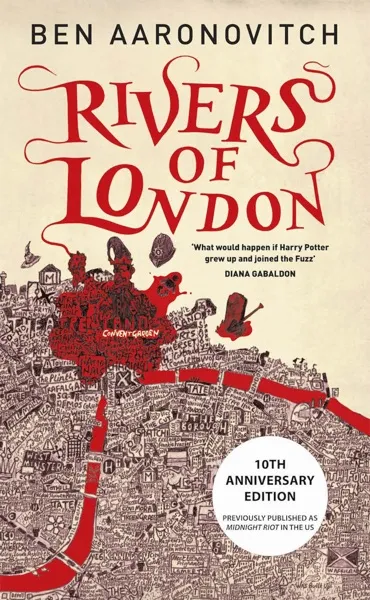

Rivers Of London Author: Ben AaronovitchPage Count: UnknownPublication Year: 2022-GB Ben Aaronovitch’s Rivers of London (2022) is a masterclass in blending urban fantasy with the gritty realism of modern policing—a genre-defying delight that has captivated readers worldwide. This installment, part of the long-running series, solidifies Aaronovitch’s reputation as a storytelling virtuoso, weaving together folklore, bureaucracy, and raw human drama with effortless charm. At its heart, the book is a celebration of belonging—both to a city and to oneself—delivered through the lens of magic, mystery, and the unyielding bonds of community. The central theme of Rivers of London revolves around identity and legacy, explored through the eyes of Peter Grant, the series’ everyman protagonist and apprentice to London’s last remaining wizard cop. Aaronovitch uses Peter’s journey to interrogate what it means to be part of a place—to belong to its history, its myths, and its people. The story unfolds against the backdrop of a city teeming with ancient rivers (literal and metaphorical) that pulse with forgotten power. These rivers, personified as deities, serve as a metaphor for the hidden currents of history that shape modern London, their voices murmuring beneath the pavement, in the whisper of the wind, or the rush of the Tube. Aaronovitch doesn’t just tell a story; he invites readers to see their own cities as repositories of magic, where the past is never truly buried. What sets this book apart is its tone—a deft balance of humor, warmth, and suspense. Aaronovitch’s prose is sharp, witty, and laced with British colloquialisms that make the narrative feel intimate, as if you’re eavesdropping on a conversation with a friend. His dialogue crackles with authenticity, whether it’s the dry sarcasm of Peter’s mentor, Thomas Nightingale, or the irreverent banter of his colleagues at the Folly, the secretive police unit that handles magical crimes. The humor isn’t just a palate cleanser; it’s a vital organ of the story, grounding the supernatural elements in human relatability. This is urban fantasy for people who don’t typically read urban fantasy—it’s as much about the messiness of bureaucracy and office politics as it is about spellcasting. The plot of Rivers of London is a masterfully constructed puzzle, blending crime procedural tropes with mythological depth. Without spoiling the specifics, the story hinges on a series of seemingly unrelated events that gradually coalesce into a chilling conspiracy, one that threatens not just the magical underworld but the fabric of London itself. Aaronovitch excels at pacing, doling out clues with the precision of a seasoned detective, while also indulging in the rich world-building that fans of the series have come to expect. The rivers of London aren’t just a gimmick; they’re characters in their own right, each with their own personalities, grudges, and agendas. This anthropomorphism extends to the book’s villains, who are as complex and sympathetic as they are threatening, a testament to Aaronovitch’s skill in crafting morally gray figures. One of the book’s most compelling aspects is its exploration of found family. Peter Grant is a protagonist who feels deeply human—flawed, introspective, and occasionally overwhelmed by the weight of his new reality. His relationships with Nightingale, his colleagues at the Folly, and even the rivers themselves, offer a poignant meditation on the families we choose. The Folly isn’t just a workplace; it’s a sanctuary, a place where misfits and outcasts find purpose. This theme resonates particularly in today’s fragmented world, where belonging is often a luxury rather than a given. Aaronovitch’s portrayal of these bonds is tender without being saccharine, imbuing the story with a quiet emotional resonance that lingers long after the final page. Aaronovitch’s style is also notable for its inclusivity. The world of Rivers of London is refreshingly diverse, both in terms of its characters and its settings. London isn’t just a backdrop; it’s a living, breathing entity, and Aaronovitch peels back its layers to reveal the multicultural, multigenerational tapestry beneath. This is urban fantasy that reflects the real world, where magic is as likely to be found in a South London estate as it is in the hallowed halls of an old university. It’s a subtle but powerful statement about who gets to claim a city’s stories—and who has historically been erased from them. In terms of structure, Rivers of London is a triumph of serialized storytelling. Aaronovitch balances the demands of a continuing series with the need for a satisfying standalone experience. Newcomers to the series might feel slightly adrift in the beginning, but the book’s self-contained mystery and Aaronovitch’s knack for exposition ensure that the ride is never confusing. For longtime fans, the story delivers the perfect blend of nostalgia and novelty, deepening existing relationships while introducing fresh conflicts and revelations. Ultimately, Rivers of London is a book about the stories we tell ourselves to make sense of the world. It’s a love letter to cities, to the people who inhabit them, and to the quiet magic that hums beneath the surface of everyday life. Aaronovitch’s genius lies in his ability to make the extraordinary feel ordinary and the ordinary feel extraordinary—a trick that few writers can pull off with such consistency and grace. If you’re looking for a book that will make you laugh, think, and see your own city with new eyes, Rivers of London is a must-read. It’s a genre-bending delight that proves the best fantasy is often rooted in the here and now. #RiversOfLondon #BenAaronovitch #UrbanFantasy #MagicAndMystery #PeterGrant #LondonFantasy Related InsightsTen Perfect Guests Book Review and Summary The Lost Language of Scented Books: Unearthing a Bibliophile's Olfactory History The Shards Book Review and Summary{ "@context": "https://schema.org", "@type": "FAQPage", "mainEntity": [ { "@type": "Question", "name": "What is the main focus of Rivers Of London Book Review and Summary?", "acceptedAnswer": { "@type": "Answer", "text": "Everything you need to know about Rivers Of London with our detailed review." } }, { "@type": "Question", "name": "Who authored the comprehensive guide on Rivers Of London Book Review and Summary?", "acceptedAnswer": { "@type": "Answer", "text": "This detailed article and its insights were carefully researched and authored by Hannah Schmidt." } }, { "@type": "Question", "name": "Where can I find more related content about Books?", "acceptedAnswer": { "@type": "Answer", "text": "You can explore more articles, detailed reviews, and similar insights by browsing the Related Insights section at the bottom of this article or visiting our dedicated Books category page." } } ] }