Showing Posts From
Riviera
-
 Cemre Seyyah
 - 12 Sep, 2026 09:47
Sun-Drenched Serenity vs. The Fjord’s Embrace: Choosing Between the Albanian Riviera and the Bay of Kotor
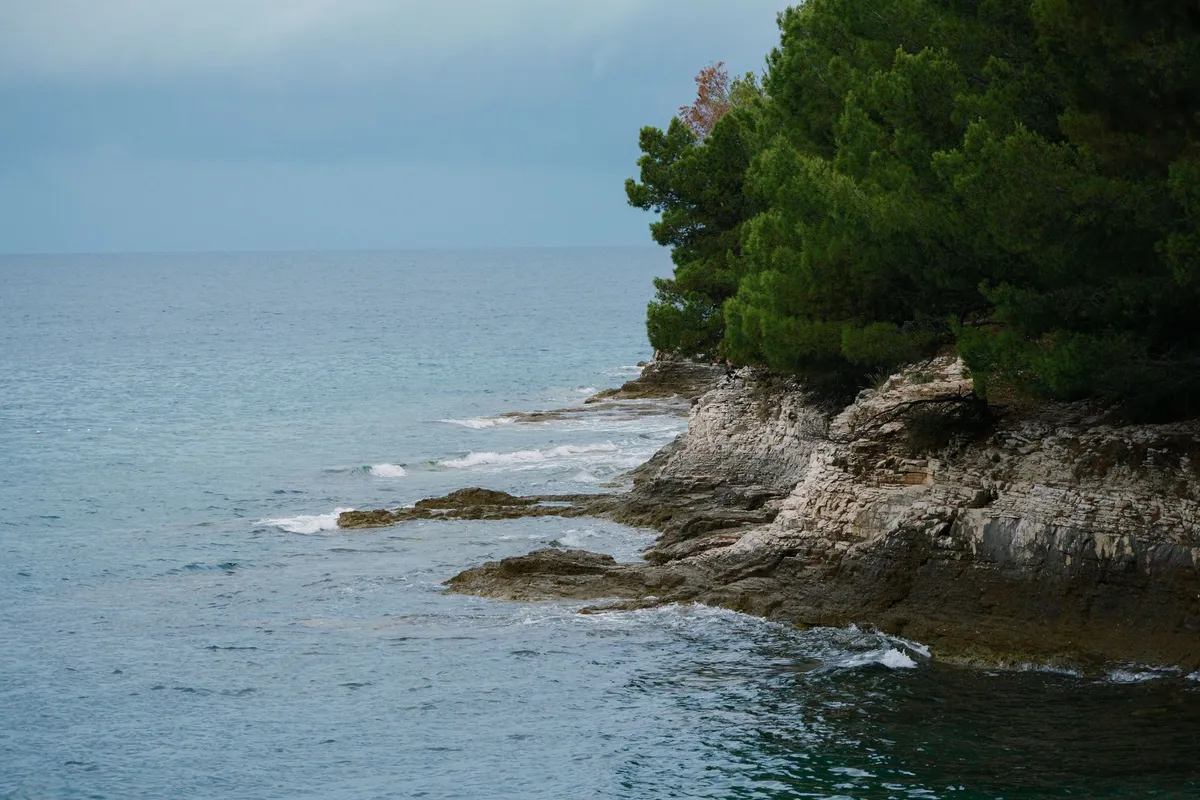
Where the limestone giants of the Dinaric Alps plunge abruptly into the salt-kissed depths of the Adriatic, Europe hides its most compelling secrets. For the weary traveler exhausted by the polished, predictable circuits of the West, the Balkan coast offers a rugged alternative—a theater of ancient stone, sapphire waters, and stories carved into the bedrock by centuries of Venetian and Ottoman rivalry. I am Cemre Seyyah, and today we are navigating the choice between two distinct souls of the Mediterranean: the sun-drenched, wild spontaneity of the Albanian Riviera and the dark, operatic majesty of Montenegro’s Bay of Kotor. A Dance With the Dinaric Giants in Kotor Imagine a landscape that defies the Mediterranean stereotype. The Bay of Kotor is not a gentle, sandy slope; it is a tectonic scar filled with seawater, a place where the mountains do not merely frame the horizon—they threaten it. Often mislabeled as Europe’s southernmost fjord, the bay is actually a submerged river canyon, a geological masterpiece that has served as a sanctuary for sailors since the time of the Illyrians. When you stand in the fortified town of Kotor, you are standing inside a limestone cocoon. The walls, which seem to grow out of the very cliffs that tower over the town, are the result of centuries of fortification. You cannot visit this place without feeling the weight of the Venetian Republic, which controlled these shores for four centuries. The lion of St. Mark still keeps watch over the gates, and the narrow, winding streets of the Stari Grad (Old Town) feel like a labyrinth designed to confuse invaders and captivate wanderers. The beauty of the bay lies in its intimacy. Unlike the vast, open horizons of the southern Adriatic, the Bay of Kotor is a series of interconnected basins—Boka Kotorska. As you move from Kotor toward Perast, the scenery shifts from dark, vertical cliffs to the ethereal sight of Our Lady of the Rocks, a man-made islet born from the devotion of local sailors who sank old ships and cast stones into the water for two hundred years to create a sanctuary. It is a place of profound history, best experienced in the quiet of a morning before the cruise ships release their temporary residents into the narrow alleys. The Untamed Wilds of the Albanian Riviera If Kotor is an operatic drama, the Albanian Riviera is a sun-drenched, untamed poem. Stretching from the Llogara Pass down to the borderlands of Saranda, this coastline remains one of the last frontiers of the European Mediterranean. For decades, Albania remained shrouded behind an iron curtain, leaving this stretch of the Ionian Sea to develop in almost complete isolation. Descending the Llogara Pass is a rite of passage for any traveler. One moment you are in the clouds at 1,000 meters above sea level, and within twenty minutes of hairpin turns, your tires are singing against the pristine pebbles of the Ionian shore. The water here is different—it possesses a luminescent, almost electric blue quality that makes even the most famous beaches in Greece appear muted by comparison. The appeal of the Riviera is its sheer, unfiltered variety. You have the vibrant, bohemian pulse of Himarë, where the scent of wild oregano clings to the air, and the hidden coves of Gjipe, accessible only by a strenuous hike or a local boat. These are not the manicured resorts of the West. Here, you will find bunkers—the concrete mushrooms of Enver Hoxha’s regime—slowly surrendering to the salt spray and the encroaching Mediterranean brush. It is a haunting juxtaposition: the brutal legacy of 20th-century isolation set against the eternal, indifferent beauty of a turquoise sea.Culinary Maps of the Adriatic and Ionian No journey through this region is complete without engaging in the local gastronomy, which tells the story of the geography itself. In the Bay of Kotor, the influence is undeniably maritime Venetian. Expect black risotto flavored with cuttlefish ink, grilled sea bream caught mere hours before it hits the plate, and a heavy reliance on the salty, cured delicacies of the mountain hinterlands, such as Njegusi prosciutto. The wine here is dark and brooding, often produced from the Vranac grape, which thrives in the thin, rocky soil of the Montenegrin karst. Conversely, the culinary landscape of the Albanian Riviera is a marriage of the sea and the orchard. Albania’s proximity to the Ionian means that the seafood is fresh, but the true stars are the products of the land. Because the coast is backed by massive mountains, the produce is staggeringly fresh. You will dine on byrek stuffed with wild greens, local olives that have been pressed in family-run mills for generations, and honey produced by bees foraging on the aromatic herbs of the Ceraunian Mountains. In the evenings, the village tavernas hum with a hospitality that feels less like a business transaction and more like an invitation into a local home. The Strategic Choice: Which Coastline Calls Your Name? Deciding between these two regions requires an honest assessment of what you seek from your travels. The Bay of Kotor is for the historian and the romantic. It is for those who wish to walk through centuries of stone, admire the craftsmanship of medieval stonemasons, and sip espresso while watching the fog roll down from the Lovćen massif. It is contained, intense, and deeply atmospheric. You do not come to the Bay of Kotor to sprawl on a beach; you come to witness the intersection of man and mountain. The Albanian Riviera, however, is for the explorer and the dreamer. It is for those who do not mind a bit of grit, who are willing to navigate winding mountain roads, and who crave the sensation of finding a beach where they are the only soul for a mile in either direction. It is a destination that is still finding its rhythm, a place where the architecture is messy, the infrastructure is evolving, and the promise of discovery is around every bend.Essential Wisdom for the Balkan Traveler If you choose the path of the fjord, prioritize a trip to the town of Perast. Once a naval power that rivaled the best, it is now a whisper of its former self, with crumbling palazzos that speak of lost wealth and Venetian glory. Spend an evening in the town of Kotor, but ensure you hike the ladder of Kotor—a series of switchbacks that offer a perspective of the bay that few tourists ever bother to earn. If you choose the path of the Riviera, base yourself in the village of Dhërmi. It serves as a perfect jumping-off point to explore the southern reaches, including the blue eye of Butrint and the ancient Roman ruins of the Butrint National Park nearby. Note that in Albania, time is a fluid concept. The local rhythm—avash-avash (slowly, slowly)—is not just a suggestion; it is a way of life that you must adopt if you wish to truly understand the coastline. Ultimately, both of these regions offer something the modern world has largely forgotten: the ability to exist in a space that feels untouched by the relentless pace of global consumption. Whether you prefer the dramatic, limestone-heavy embrace of Montenegro or the wild, sun-bleached freedom of the Albanian shore, you are choosing to witness a Europe that is still raw, still authentic, and still waiting to be understood. Pack your bags, leave the itinerary open, and let the Dinaric coast carve its own story into your memory. #Albania #Montenegro #BalkanTravel #HiddenEurope #TravelPhotography Related InsightsThe Silent Chronicles of the Steppe: Unearthing the Enigma of Mongolia's Deer Stone Sentinels at Uushgiin Ovor Ethiopia’s Danakil Depression: A Journey to Earth’s Hottest and Most Alien Landscape The Glamour and Secrets of the French Riviera{ "@context": "https://schema.org", "@type": "FAQPage", "mainEntity": [ { "@type": "Question", "name": "What is the main focus of Sun-Drenched Serenity vs. The Fjord’s Embrace: Choosing Between the Albanian Riviera and the Bay of Kotor?", "acceptedAnswer": { "@type": "Answer", "text": "From the turquoise allure of the Ionian Sea to the dramatic limestone peaks of Montenegro, discover which hidden Balkan gem belongs on your travel itinerary." } }, { "@type": "Question", "name": "Who authored the comprehensive guide on Sun-Drenched Serenity vs. The Fjord’s Embrace: Choosing Between the Albanian Riviera and the Bay of Kotor?", "acceptedAnswer": { "@type": "Answer", "text": "This detailed article and its insights were carefully researched and authored by Cemre Seyyah." } }, { "@type": "Question", "name": "Where can I find more related content about Travel?", "acceptedAnswer": { "@type": "Answer", "text": "You can explore more articles, detailed reviews, and similar insights by browsing the Related Insights section at the bottom of this article or visiting our dedicated Travel category page." } } ] }