Showing Posts From
Romance
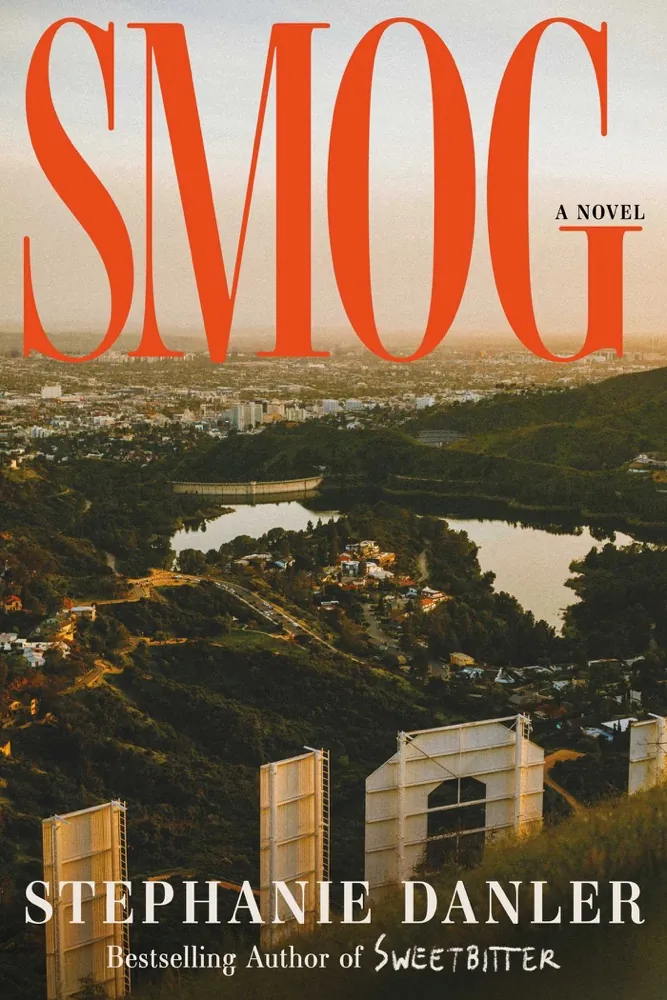
Author: Stephanie DanlerPage Count: UnknownPublication Date: Expected publication 2026 APL Flour is currently coating my favorite cardigan like a fresh snowfall. The youngest just demanded a dinosaur-shaped pancake at four in the afternoon while I am trying to focus on Stephanie Danler’s upcoming Smog. Remember when books used to have plots instead of just vibes set in Los Angeles? I certainly do. Back when I was reading cozy village mysteries where the worst thing that happened was a poisoned gooseberry tart—oh, and speaking of ruined desserts, why do contemporary culinary shows always feature chefs screaming at each other over tweezers instead of just teaching someone how to properly cream butter and sugar? It makes me want to throw my mixing bowl straight through the window. But we are here to talk about the 1990s, the Menendez brothers, and the Chateau Marmont. The Chateau Noir Aesthetic Danler gave us Sweetbitter, which tasted distinctly like crushed ice and cheap Pinot Grigio eaten in a walk-in cooler at three a.m. Now we get a prestige noir about media circus culture and Beverly Hills rot. Hugo Byrne sounds utterly exhausting. A sober journalist haunted by tragedy, checking into the Marmont to watch two wealthy boys on trial for patricide. Groundbreaking. Joan Didion already wrote this exact essay collection, but sure, let us fictionalize it through the lens of a glossy magazine writer who is far too repressed for his own good. And then there is Liv Ellis. A society wife with mysterious origins. Every time a synopsis mentions a woman with mysterious origins, I reach for a dusting cloth. Is she an orphan? Did she change her name? Give me a good old-fashioned librarian with a ginger cat who finds a body behind the parish hall any day of the week over these tragic-chic coastal elites. Yet I will be pre-ordering this. Obviously. Because Danler knows how to write a sentence that hurts. Familial Pathology as a Blood Sport The thematic architecture here rests entirely on the rot beneath the manicured hedges. Privilege as a cage. Wealth as an accelerant for violence. The family unit as a slaughterhouse disguised as a country club. It is heavy-handed. The synopsis practically hits you over the head with a sledgehammer about institutions that betray us. We get it. Rich people are miserable and their kids shoot them. Bring back cozy British villages where the murderer is just the local apothecary settling a minor grudge over a prize-winning marrow. No one is writing about generational trauma in Upper Slaughter. They are just drinking tea and solving poisonings. Still, I am hooked on the promise of 1990s Los Angeles smog. The atmosphere will undoubtedly suffocate us in the best possible way. The baby monitor just illuminated with terrifying activity.
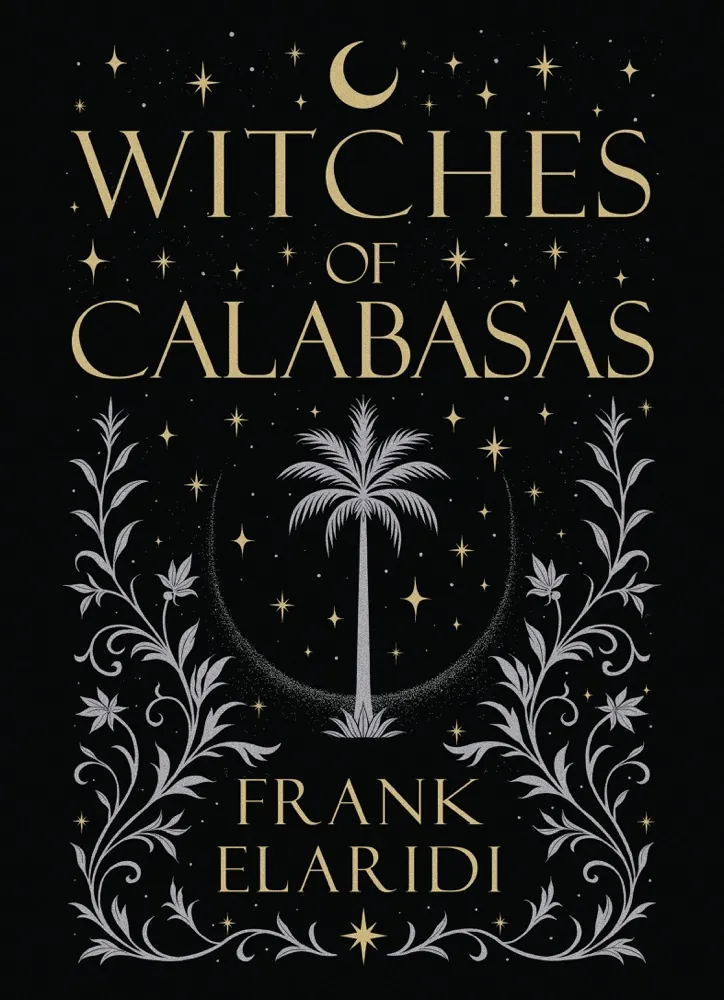
Author: Frank ElaridiPage Count: UnknownPublication Date: Expected publication 2026-10-06 APL October air smells like damp mulch and uncollected bonuses, which is to say, it smells like Los Angeles if you scrub away the ozone. Frank Elaridi is attempting something wildly audacious with Witches of Calabasas. Let us be entirely clear from the jump. The premise is a glittering, derivative mess of high-end real estate porn and low-rent supernatural tropes. Or is it actually a stroke of absolute genius? Wait. Scrap that entirely. I take it back. It is neither. It is simply a terrifyingly calculated marketing vehicle designed to separate trust-fund brats from their paperback allowances. The Real Estate of the Occult Look at the architecture of this synopsis. We have Maxim—what an utterly exhausted archetype of an aspiring writer, living in a guest house because rent in this city requires a blood sacrifice—sliding into the orbit of the Winters estate. The Calabasas Countess. Candace Winters. Say the name three times into a ring light and watch your engagement metrics plummet. Elaridi is leaning hard into the sort of sensory decadence that Bret Easton Ellis abandoned decades ago when he realized nobody wanted to read another three-page description of an overpriced suede jacket. But do not underestimate the sheer velocity of a narrative that weaponizes influencer culture against itself. Animals growing uneasy. Lights flickering. A laptop typing out eldritch prose on its own. Groundbreaking. Truly, I have never seen a ghost operate peripheral hardware before. Yet the rhythm of the marketing copy hits that precise, toxic sweet spot where The Secret History bleeds into a bad episode of Vanderpump Rules. We are promised psychological suspense, literary romance, and Hollywood noir. That is four entirely distinct genres stapled to a corpse. Whatever floats your boat. The Price of Admission The obsession with extreme wealth and occult glamour is frankly exhausting by this point in the fiscal quarter. Every manuscript landing on my mahogany desk features someone in the Hollywood Hills conjuring an identity while sipping a matcha latte laced with arsenic. Elaridi better deliver prose that actually bites, or this book is just expensive kindling for the fireplace in my study. The pacing of the synopsis alone drags in the middle, relying on recycled buzzwords—sultry, hypnotic, dripping—like a tired copywriter working overtime on a Friday evening. Give us teeth. Give us actual malice instead of vague supernatural atmosphere. My private flight to London has just been delayed by an entire hour because some bureaucratic phantom in air traffic control decided my morning needed to be actively ruined. #WitchesOfCalabasas #PublishingLife #BookTwitter #AutumnReads
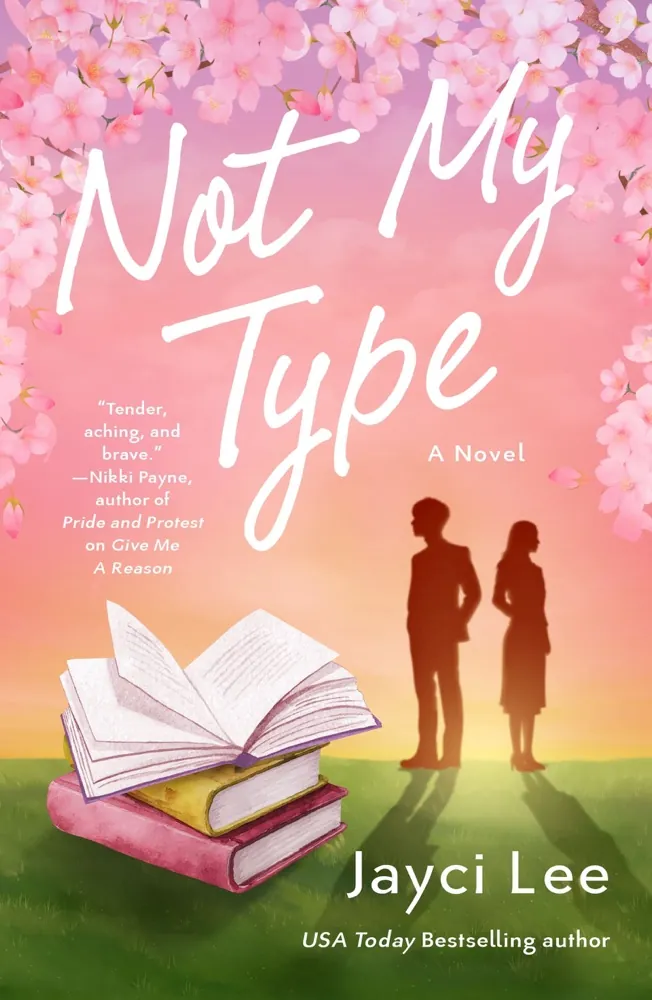
Author: Jayci LeePage Count: UnknownPublication Date: Expected publication 2026 APL The flour is currently coating every single surface of my kitchen because the eight-year-old insisted on cracking eggs directly into the mixing bowl without supervision, and frankly, Not My Type by Jayci Lee looks like the exact kind of high-octane emotional rescue I need once this sugar-fueled chaos finally subsides. Koreatown Coffee and Class Struggle We are looking at yet another Pride and Prejudice spin-off, which honestly makes me roll my eyes so hard I might pull a muscle, but putting it in Los Angeles' Koreatown gives it a fresh pulse that standard regency pastiche completely lacks. Jane Austen would probably approve of the capitalist critique here. Or she would hate it. Who cares. The synopsis leans hard into the classic enemies-to-lovers architecture—librarian versus corporate CEO—and while that trope is older than my grandmother's sourdough starter, Jayci Lee usually delivers enough sharp banter to keep things afloat. And let us be real for a second. If I have to read one more billionaire romance where the hero looks like a Greek god and acts like a damp sponge, I am going to throw my rolling pin through the drywall. Speaking of structural integrity, why do middle-grade chapter books feature such aggressively annoying talking animals lately? My youngest has been forcing me to listen to an audiobook about a squirrel detective who solves crimes using acorns, and the audio production is so shrill it makes my teeth vibrate while I am trying to measure out vanilla extract. At least Jayci Lee writes adults who presumably possess the capacity for basic eye contact and synchronized breathing. The Slow Burn We Actually Deserve The promise of K-drama-level yearning is doing some heavy lifting in this synopsis. Give me the lingering glances. Give me the hand-flexing. Give me the sheer agony of two stubborn people refusing to admit they are obsessed with each other while standing too close in a tight hallway. Chloe Gong and Emily Wibberley mastered this exact brand of delicious, slow-burn tension, and Lee has the chops to pull it off without making the characters sound like teenagers texting on a bus. Yet, I remain deeply suspicious of vague synopses. "Their lives continue to intersect in unexpected ways." Wow. Groundbreaking. Do they bump into each other at a organic grocery store? Do their dogs get their leashes tangled? Tell me something real, blurb-writers. I want grit. I want messy character flaws that cannot be solved by a nice dinner and a shared look across a dimly lit room. The thematic core here relies on shedding expectations, which is rich coming from someone whose entire daily schedule is dictated by three small humans demanding carbohydrate-heavy snacks every forty-five minutes. But hey, reading about fictional people breaking free from familial obligation is cheaper than therapy, and definitely less messy than this counter top. I need to go frost three dozen cupcakes by tomorrow morning or the school bake sale is going to feature my tear-stained panic disguised as vanilla buttercream. Related InsightsThe Crash Book Review and Summary Guilty Treasure Book Review and Summary Au Pair Affair Book Review and Summary{ "@context": "https://schema.org", "@type": "FAQPage", "mainEntity": [ { "@type": "Question", "name": "What is the main focus of Not My Type Book Review and Summary?", "acceptedAnswer": { "@type": "Answer", "text": "Everything you need to know about Not My Type with our detailed review." } }, { "@type": "Question", "name": "Who authored the comprehensive guide on Not My Type Book Review and Summary?", "acceptedAnswer": { "@type": "Answer", "text": "This detailed article and its insights were carefully researched and authored by Sarah Davis." } }, { "@type": "Question", "name": "Where can I find more related content about Books?", "acceptedAnswer": { "@type": "Answer", "text": "You can explore more articles, detailed reviews, and similar insights by browsing the Related Insights section at the bottom of this article or visiting our dedicated Books category page." } } ] }
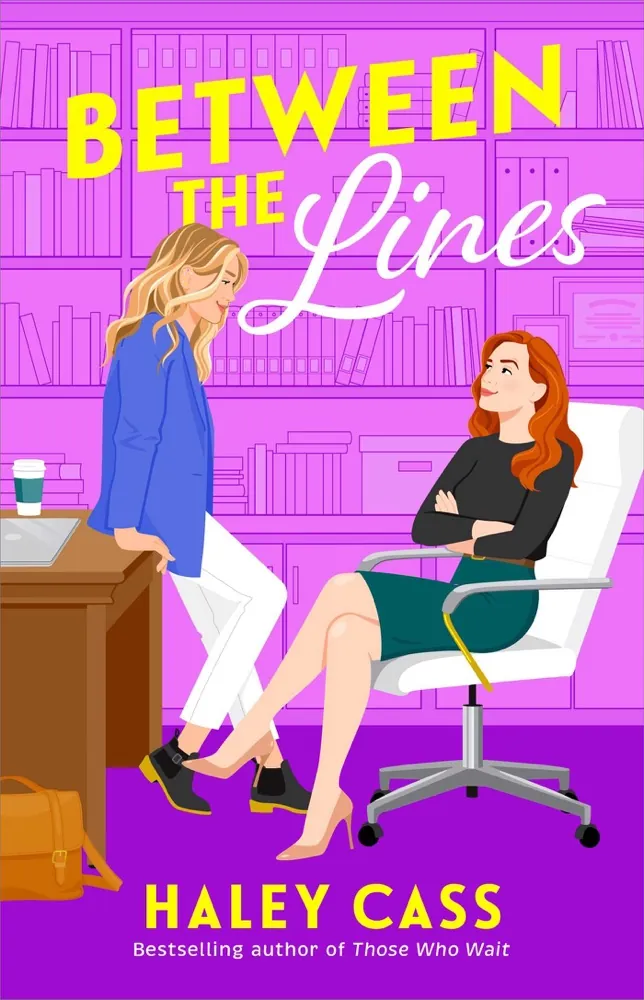
Author: Haley CassPage Count: UnknownPublication Date: Expected publication 2026 APL The chill of October wind rattling the leaded windowpanes outside my office has me in precisely the mood to tear apart Haley Cass and her upcoming manuscript Between the Lines. Give me strength. Another sapphic slow-burn set in the ivory tower because God forbid two women just text each other and grab a martini like functional adults. We are apparently trapped in a perpetual academic loop. This plot is giving the Fyre Festival whiteboards. A freshly dumped professor relocates to upstate New York—because naturally, every emotionally stunted academic must migrate toward frozen tundra to process her feelings—only to run into a senior faculty member named Whitney. Whitney is brilliant, intimidating, and newly divorced. Shocker. I am practically hyperventilating from the sheer lack of originality. The Architecture of Procrastination Cass has built an entire empire on the specific brand of romantic tension that takes three hundred pages to reach a hand-hold. And the synopsis practically brags about it. Stolen glances in hallways. Whispered conversations. The dreaded unspoken rules of academic life. It is the exact same structural scaffolding we suffered through in Delilah Green Doesn't Care and every single Casey McQuiston adjacent project clogging up the bestseller lists. We get it. Women in tweed blazers holding mugs of lukewarm coffee while staring longingly across a faculty lounge. I would rather audit a tax law seminar. The stakes here are laughably thin. Risk their reputations? For honesty? Please. This is academia, darling. Everyone’s reputation is already in the gutter, and nobody is honest about anything except their citation counts. The Aesthetics of Loneliness Yet—and this is where my irritation truly peaks—I know the wretched thing will sell four hundred thousand copies before the ink dries. The masses adore a slow-burn. They revel in the exquisite torture of emotional unavailability wrapped in a cashmere cardigan. Alyssa and Whitney will undoubtedly circle each other like anxious cats in a library, whispering dialogue so painfully witty it could only be written by someone who has spent entirely too much time on BookTok. Cass knows her demographic. She feeds them the exact same emotional carbohydrate loop and they devour it with a side of oat milk. But where is the bite? Where is the genuine intellectual peril? I see plenty of brooding by radiators, but not an ounce of actual academic savagery. My tailor is currently tapping his gold-plated watch in the antechamber, absolutely furious that I am lingering over this manuscript while he waits to fit me for the gala season. Related InsightsHistorical Collection 2018 Book Review and Summary The Woman in the Window Book Review and Summary Duke and I and the Viscount Who Loved Me Book Review and Summary{ "@context": "https://schema.org", "@type": "FAQPage", "mainEntity": [ { "@type": "Question", "name": "What is the main focus of Between the Lines Book Review and Summary?", "acceptedAnswer": { "@type": "Answer", "text": "Everything you need to know about Between the Lines with our detailed review." } }, { "@type": "Question", "name": "Who authored the comprehensive guide on Between the Lines Book Review and Summary?", "acceptedAnswer": { "@type": "Answer", "text": "This detailed article and its insights were carefully researched and authored by Chloé Laurent." } }, { "@type": "Question", "name": "Where can I find more related content about Books?", "acceptedAnswer": { "@type": "Answer", "text": "You can explore more articles, detailed reviews, and similar insights by browsing the Related Insights section at the bottom of this article or visiting our dedicated Books category page." } } ] }
-
 Sarah Davis
 - 10 Oct, 2026 13:40
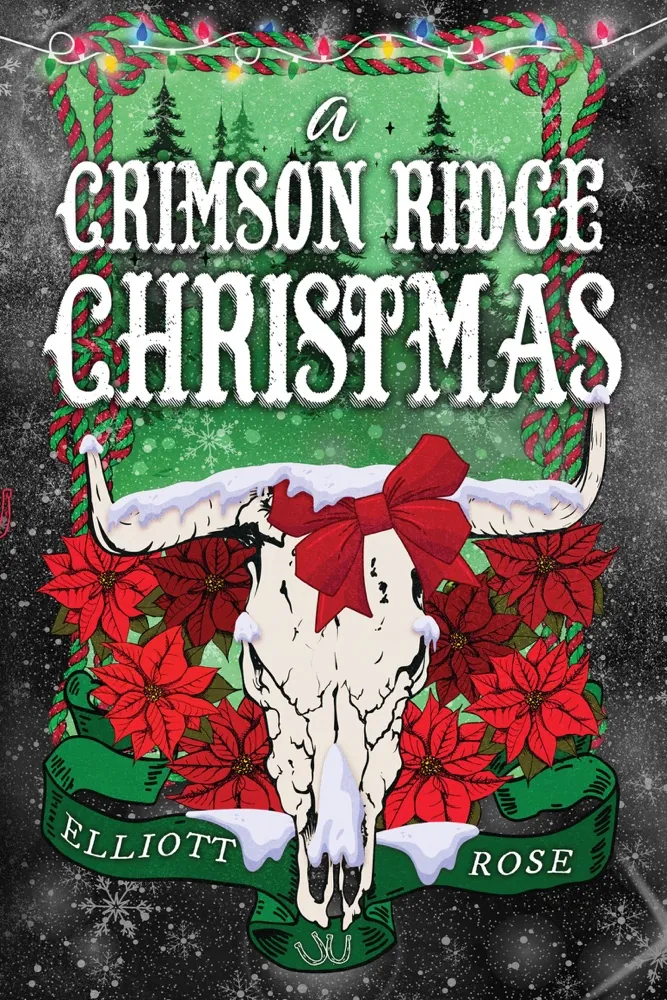
A Crimson Ridge Christmas (Crimson Ridge #2.5, 4.5) Book Review and Summary
Author: Elliott RosePage Count: UnknownPublication Date: Expected publication 2026-10-27 APL Elliott Rose is serving up precisely what the romance industrial complex demands for the autumn quarter, and frankly, I am exhausted by everyone pretending this is high literature. A Crimson Ridge Christmas packages two distinct novellas into a single spicy volume, relying on the oldest trick in the paper-backs-at-the-supermarket playbook: the forced proximity blizzard. The synopsis practically screams for a bit of narrative restraint. Yet we get cheating exes, drunken missteps, and awkward family dynamics wrapped in ugly holiday knitwear. Why must every cowboy in contemporary romance possess the psychological depth of a damp cardboard box? Give us a rancher who quotes obscure 19th-century poetry while mending a fence. Instead, we are subjected to the tired trope of dialing the wrong number—specifically, calling the best friend's father during an emotional crisis—as if thumb coordination completely vanishes the moment someone encounters infidelity. It insults the reader's intelligence. People do not accidentally speed-dial their teenage crushes while sobbing over a stray text message; they block the offender and eat a pint of artisanal gelato in silence. And speaking of silence, I have spent the last twenty minutes trying to reason with an eight-year-old who insists that building a structurally sound replica of the Eiffel Tower out of stale graham crackers and marshmallow fluff is a valid homeschooling activity. It is not. The structural integrity is nonexistent. The kitchen counters are currently sticky with a suspicious slurry of confectioner's sugar and bitter tears, and I am expected to sit here and pretend that a fictional college party involving tequila shots and a forbidden three-way with an ex-girlfriend's brother possesses any kind of artistic merit. Life is chaos. The kitchen floor is a biohazard. Saddles & Snowfall leans hard into the messy, alcohol-fueled decision-making that gives genre fiction a bad name. But who am I to judge a good trainwreck? We are looking at peak indie-pub saturation here. Think Colleen Hoover meets a Hallmark movie directed by someone who just discovered the romance section on TikTok. The thematic arc relies entirely on the desperate illusion that geographical isolation cures bad decision-making. Characters are trapped by weather, yes, but primarily by their own remarkably poor choices. I need to go scrub a suspicious layer of burnt oatmeal off the antique mahogany desk before the wood warps entirely. Related InsightsThe Reluctant Countess Book Review and Summary Creature of the Night (Monster Hunter, #5) Book Review and Summary Miss Peregrine's Home for Peculiar Children Book Review and Summary{ "@context": "https://schema.org", "@type": "FAQPage", "mainEntity": [ { "@type": "Question", "name": "What is the main focus of A Crimson Ridge Christmas (Crimson Ridge #2.5, 4.5) Book Review and Summary?", "acceptedAnswer": { "@type": "Answer", "text": "Everything you need to know about A Crimson Ridge Christmas (Crimson Ridge #2.5, 4.5) with our detailed review." } }, { "@type": "Question", "name": "Who authored the comprehensive guide on A Crimson Ridge Christmas (Crimson Ridge #2.5, 4.5) Book Review and Summary?", "acceptedAnswer": { "@type": "Answer", "text": "This detailed article and its insights were carefully researched and authored by Sarah Davis." } }, { "@type": "Question", "name": "Where can I find more related content about Books?", "acceptedAnswer": { "@type": "Answer", "text": "You can explore more articles, detailed reviews, and similar insights by browsing the Related Insights section at the bottom of this article or visiting our dedicated Books category page." } } ] }
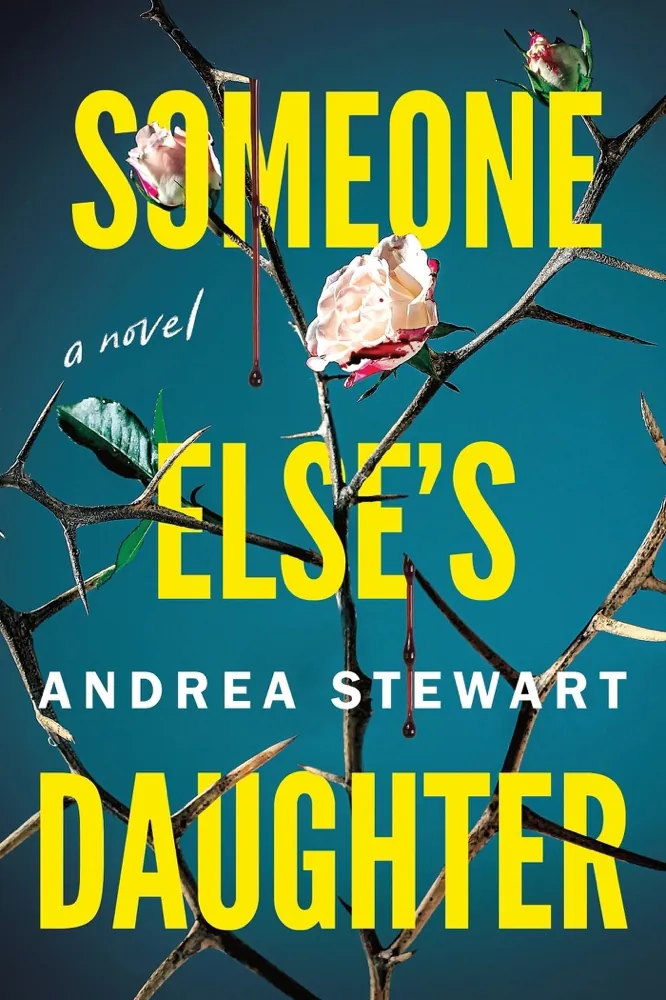
Author: Andrea StewartPage Count: UnknownPublication Date: Expected publication 2026 APL Another glossy manuscript lands on the mahogany, and I can already smell the desperation lingering on the margins. Andrea Stewart wants us to tremble at the horrors of the digital Panopticon in Someone Else's Daughter. Yet, the synopsis reads like a panic-stricken PR brief drafted by a terrified junior publicist during a midday panic attack at SoHo House. How derivative. We are subjected to the tired trope of the estranged child crawling back to the family nest because of a missing sibling—oh, groundbreaking. This is the literary equivalent of the Fyre Festival aftermath played on an endless, whining loop. The Monetized Womb and Other Exhausting Clichés The premise attempts to skewer the grotesque reality of modern influencer culture—selling your first period for brand sponsorships and algorithm optimization. But let us be entirely honest here. This ground has been plowed to dust by every millennial thriller writer with a laptop and a grudge against TikTok. The pacing promised by this blurb threatens to drag like the interminable second half of the Theranos trial. Ellie spots "disturbing details" in a video. Naturally. Because no thriller protagonist can simply call the police; they must independently investigate while brooding over childhood trauma involving a ring light. The Illusion of Depth The themes here are about as subtle as a brick thrown through a glass-fronted boutique in Mayfair. Commodification of youth. The decay of the domestic sphere under the harsh glare of the ring light. Yawning chasms of predictability. Stewart leans heavily on the coattails of Listen for the Lie and The Last to Vanish, hoping readers won't notice the recycled scaffolding holding this entire narrative edifice upright. And what of the missing family friend? A convenient narrative prop designed to accelerate tension where character development should rightfully live. Expect zero psychological nuance. Expect paper-thin villains who monetize their children between sips of sponsored green juice. Expect twists you can spot from a commercial flight over the Atlantic. My vintage champagne collection needs to be moved to the new cellar before the humidity ruins the 1996 Krug. Related InsightsUntil the Last Light Goes Out Book Review and Summary L'Odyssée de l'Âme : Plongée Abyssale dans la Comédie Divine de Dante Alighieri Look What You Did Book Review and Summary{ "@context": "https://schema.org", "@type": "FAQPage", "mainEntity": [ { "@type": "Question", "name": "What is the main focus of Someone Else's Daughter Book Review and Summary?", "acceptedAnswer": { "@type": "Answer", "text": "Everything you need to know about Someone Else's Daughter with our detailed review." } }, { "@type": "Question", "name": "Who authored the comprehensive guide on Someone Else's Daughter Book Review and Summary?", "acceptedAnswer": { "@type": "Answer", "text": "This detailed article and its insights were carefully researched and authored by Chloé Laurent." } }, { "@type": "Question", "name": "Where can I find more related content about Books?", "acceptedAnswer": { "@type": "Answer", "text": "You can explore more articles, detailed reviews, and similar insights by browsing the Related Insights section at the bottom of this article or visiting our dedicated Books category page." } } ] }
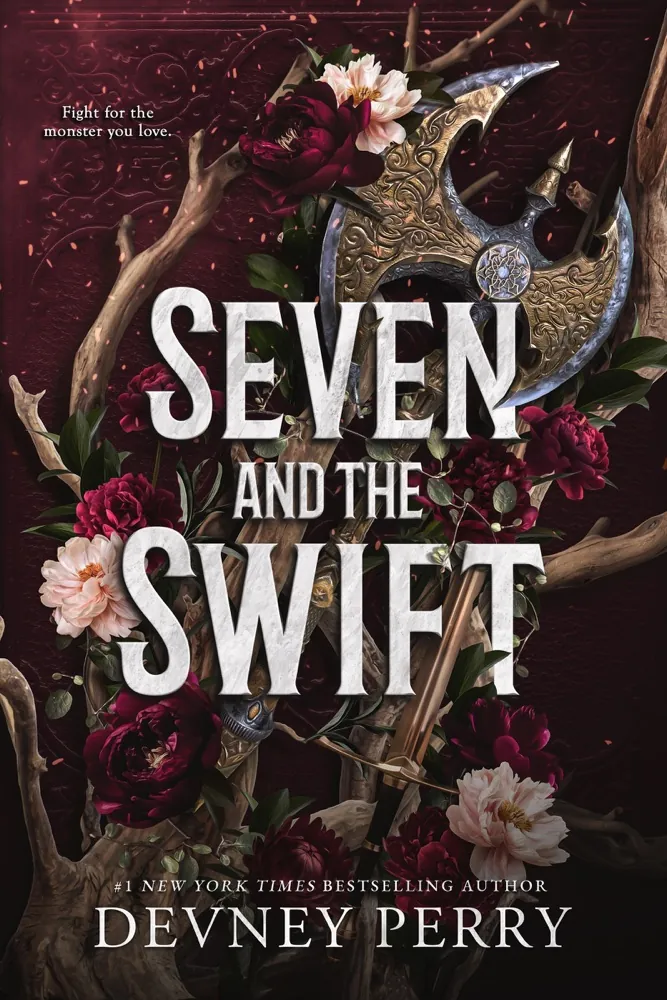
Author: Devney PerryPage Count: UnknownPublication Date: Expected publication 2026 APL Flour is currently dusting the kitchen counter because the toddler insisted on dumping half a bag into the sink while my back was turned for literally three seconds, which is just fantastic timing for trying to parse the microscopic scraps of information Devney Perry has deigned to give us about Seven and the Swift, the supposed final installment of the Shield of Sparrows trilogy. Wait. Actually, let me walk that back entirely—maybe sparse marketing is brilliant for an epic slow-burn romantasy, or maybe it just means the publisher has nothing concrete to show us yet because the manuscript is currently living in a state of quantum uncertainty between three different hard drives. And yet, we are supposed to write an entire anticipatory preview based on a blurb shorter than a grocery list. Trilogy conclusions are notoriously tricky beasts. One second you are enjoying a lovely, slow-burn fantasy romance reminiscent of Jennifer L. Armentrout or Sarah J. Maas, and the next you are drowning in a sea of invented glossary terms and map-page-flipping just to remember who the secondary antagonists are. Perry made her absolute fortune writing small-town contemporary romances filled with bearded men who fix trucks and grumpy heroines who run bakeries—which, ironically, is roughly my actual life minus the brooding alphas—so watching her pivot into high fantasy with Shield of Sparrows and Rites of the Starling has been fascinating to observe from the sidelines of the mixing bowl. Exhausting. The thematic core here clearly hinges on avian motifs, obviously, given the titles, but without a single plot sentence for Seven and the Swift, we are left staring blindly into the void of 2026. Will the slow-burn finally ignite into something resembling pacing, or will the characters spend another four hundred pages staring soulfully across castle courtyards while various birds fly overhead to symbolize their internal emotional trauma? Probably both. Authors love a high-stakes trilogy closer, but romance-heavy fantasy often crumbles under the weight of its own world-building by book three. Fingers crossed the editor brought a heavy red pen. Anyway, I have to go stop the eight-year-old from attempting a Chopin étude at deafening volume on the upright in the parlor. #ShieldOfSparrows #Devney Perry #Romantasy #BookTok Related InsightsAll I Know (Silver Springs, #3) Book Review and Summary Fated Blades Book Review and Summary A Breath of Snow and Ashes Book Review and Summary{ "@context": "https://schema.org", "@type": "FAQPage", "mainEntity": [ { "@type": "Question", "name": "What is the main focus of Seven and the Swift (Shield of Sparrows, #3) Book Review and Summary?", "acceptedAnswer": { "@type": "Answer", "text": "Everything you need to know about Seven and the Swift (Shield of Sparrows, #3) with our detailed review." } }, { "@type": "Question", "name": "Who authored the comprehensive guide on Seven and the Swift (Shield of Sparrows, #3) Book Review and Summary?", "acceptedAnswer": { "@type": "Answer", "text": "This detailed article and its insights were carefully researched and authored by Sarah Davis." } }, { "@type": "Question", "name": "Where can I find more related content about Books?", "acceptedAnswer": { "@type": "Answer", "text": "You can explore more articles, detailed reviews, and similar insights by browsing the Related Insights section at the bottom of this article or visiting our dedicated Books category page." } } ] }
- Sarah Davis
- 09 Sep, 2026 10:25
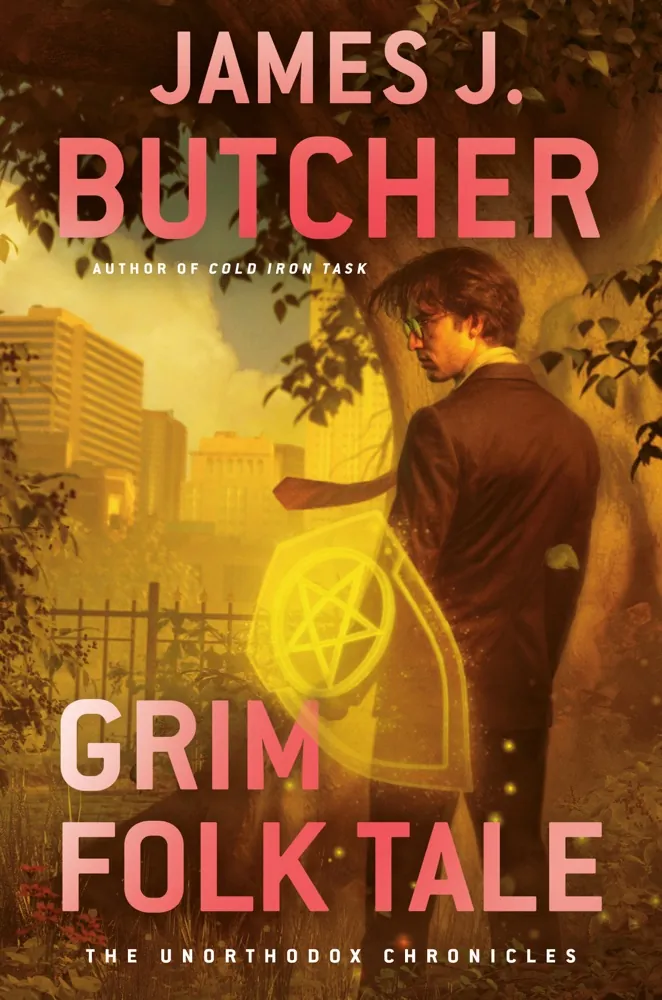
Grim Folk Tale (The Unorthodox Chronicles, #4) Book Review and Summary
Author: James J. ButcherPage Count: UnknownPublication Date: Expected publication 2026 APL The synopsis for Grimsby—this fourth installment in Butcher’s Unorthodox Chronicles—is a masterclass in how to make a magical bureaucracy feel like a dying institution, its bones creaking under the weight of its own bureaucracy. Grimshaw Griswald Grimsby, a junior Auditor, is thrust into a crisis that smells of something older than the Department itself: a plague among children, the kind of horror that doesn’t just kill but unmakes. The fact that Butcher’s chosen to frame this as a public health crisis—with all the red tape, the slow-moving investigations, the bureaucratic finger-pointing—is either a stroke of genius or a deliberate provocation, depending on whether you’re a fan of The Dresden Files’ more overtly heroic tone or the kind of reader who still seethes at the idea of a government agency failing to act in time. But here’s the thing: the synopsis is deliberately vague. It doesn’t tell you what the illness is, only that it’s magical and that it’s spreading. It doesn’t explain why Boston, of all places, is the epicenter—unless you’ve been following the series closely, you’re left with the same unsettling sense of dread that comes from knowing something terrible is happening, but not knowing why. This is the kind of ambiguity that works best when paired with a writer who trusts the reader to fill in the blanks with their own fears. Think of it like the opening act of a horror movie where the camera lingers on a child’s bedroom, the shadows stretching just a little too long—you don’t need to see the monster to know it’s there. Butcher’s done this before, of course. The Unorthodox Chronicles have always had a knack for making the mundane feel like a pressure cooker about to explode, but this time, the stakes feel personal, which is either a bold shift or a risky one, depending on whether you believe in the character’s growth or not. And then there’s the matter of the "city of monsters beneath Boston." Oh, this is where things get interesting—or at least, where they get troubling. Butcher has a habit of dropping readers into liminal spaces, places where the rules of magic and reality bend in ways that feel both thrilling and deeply unsettling. But the synopsis doesn’t specify what these monsters are, only that they’re "ancient and strange." This is the kind of hand-waving that could either pay off spectacularly or devolve into the kind of generic "undead horde" nonsense that makes you wonder why you bothered reading the series in the first place. Compare this to The Locked Tomb or The Crimson Conspiracy—Butcher’s early works where the monsters were tied to specific, eerie lore, not just vague "evil things that go bump in the night." If this book leans too hard into the "mythic horror" angle without grounding it in something tangible, it risks feeling like a pastiche of The Witcher’s monster catalog rather than a true evolution of the series. But let’s talk about Grimsby for a second. The synopsis positions him as a junior Auditor, which means he’s not the hero of the story—he’s the reluctant hero, the one who’s still learning the ropes, still carrying the weight of his past mistakes. This is a character arc that Butcher has explored before, but the way it’s framed here—with Grimsby burdened by "his own troubles, both past and present"—suggests a deeper psychological layer than we’ve seen in previous books. It’s almost as if Butcher is finally giving us the emotional core of the series, the kind of character study that makes you root for a protagonist not just because of what they do, but because of who they are. And yet—here’s the pivot—if this book leans too hard into the "tragic underdog" trope, it risks feeling like a carbon copy of The Last Jedi’s emotional whiplash, where the character’s struggles become the sole focus at the expense of the plot. Butcher’s strength has always been in balancing action with introspection, so if he pulls this off, it could be his most mature work yet. But then there’s the matter of Mayflower, the grizzled veteran Huntsman. The synopsis pairs them together like a classic cop-and-detective duo, which is either a smart move or a lazy one, depending on whether you believe in their dynamic. Mayflower’s role here feels like it could either elevate Grimsby’s arc or become a crutch, the kind of "wise old mentor" trope that either adds depth or feels like an afterthought. Compare this to The Dresden Files, where Harry’s relationships with his allies were always central to the story—Butcher never made them feel like plot devices. If Mayflower’s presence here is anything less than organic, it could undercut the entire book. And now, because I can’t help myself, a tangent: I just watched an episode of Bluey where the character Chilli gets into a fight with her little sister because she’s "too old for this stuff." It was so painfully on-the-nose that I wanted to scream, "Just let her be a kid, for God’s sake!" But here’s the thing—Grimsby’s struggle with his own past, with the weight of responsibility he didn’t ask for, is the kind of emotional beat that Bluey could never hope to capture. It’s the difference between a cartoon that’s trying too hard to be profound and a series that actually is profound, even if it’s just through omission. Butcher doesn’t need to spell out the stakes; he just needs to let the reader feel them. Back to the book: the mention of "the Elsewhere" is the kind of vague, ominous phrasing that could either be a brilliant setup for a sequel or a lazy way to avoid explaining anything. If Butcher’s going to drop us into another layer of reality, he’d better make it count. The Unorthodox Chronicles have always been about the tension between the mundane and the magical, but if this book leans too hard into the "cosmic horror" angle without giving us something tangible to latch onto, it risks feeling like a pastiche of Annihilation without the same level of intellectual rigor. Butcher’s done this before. He’s written books where the stakes felt personal, where the magic felt real, where the characters felt like they were struggling against forces they couldn’t understand. If Grimsby delivers on even half of what the synopsis promises, it could be his best work yet. But if it’s just another bureaucratic thriller with a side of monster-of-the-week, it’ll feel like a missed opportunity. And now, because my youngest has just discovered the permanent markers are missing again, I’m going to have to go clean up what looks like a very deliberate attempt to turn the living room walls into a Dungeons & Dragons campaign. Related InsightsI Never Knew You at All Book Review and Summary Whiteout Book Review and Summary Killing Sarai Book Review and Summary{ "@context": "https://schema.org", "@type": "FAQPage", "mainEntity": [ { "@type": "Question", "name": "What is the main focus of Grim Folk Tale (The Unorthodox Chronicles, #4) Book Review and Summary?", "acceptedAnswer": { "@type": "Answer", "text": "Everything you need to know about Grim Folk Tale (The Unorthodox Chronicles, #4) with our detailed review." } }, { "@type": "Question", "name": "Who authored the comprehensive guide on Grim Folk Tale (The Unorthodox Chronicles, #4) Book Review and Summary?", "acceptedAnswer": { "@type": "Answer", "text": "This detailed article and its insights were carefully researched and authored by Sarah Davis." } }, { "@type": "Question", "name": "Where can I find more related content about Books?", "acceptedAnswer": { "@type": "Answer", "text": "You can explore more articles, detailed reviews, and similar insights by browsing the Related Insights section at the bottom of this article or visiting our dedicated Books category page." } } ] }

-
 Chloé Laurent
 - 09 Sep, 2026 00:21
Striking Justice, An E.J. Kane Mystery (#3) Book Review and Summary
Author: Micheal E. JimersonPage Count: UnknownPublication Date: Expected publication 2026 APL Someone slid Striking Justice, An E.J. Kane Mystery (#3) across my mahogany desk this morning, and frankly, my coffee isn't strong enough for Micheal E. Jimerson's latest plotting acrobatics. Or wait—is it E.J. Kane doing the striking, or are we dealing with another sluggish procedural that forgets to establish stakes until chapter ten? The metadata tells us to expect this in 2026, which gives the editorial team ample time to fix whatever structural mess is currently lurking in the manuscript. We need pacing tighter than a Manhattan penthouse lease. The Anatomy of a Slow Burn The genre demands blood, rhythm, and a protagonist with enough baggage to trigger airport security alarms. Yet, looking at the structural skeleton provided, I worry we are getting an academic manual on school safety instead of a gritty thriller—wait, no, let me check the logline again. Ah, yes, Jimerson is dropping us back into the third installment of a series where the psychological threat levels should be peaking. But let us be entirely real for a second. If E.J. Kane spends three chapters pondering jurisdiction while a killer roams free, I am pulling the marketing budget faster than you can say Thomas Harris or Michael Connelly. Thematic Weight and Structural Whiplash The thematic architecture here hinges on retribution, institutional rot, and the cyclical nature of violence. Heavy stuff. Or perhaps it is just completely mid, lacking the visceral punch of modern noir. Readers do not want a sociological treatise wrapped in a dust jacket; they want high-stakes velocity and prose that slaps harder than an unhinged Twitter cancellation. Let me pivot—actually, the sociological angle might just save the pacing if Jimerson leans hard into systemic corruption rather than standard whodunnit tropes. It's giving prestige drama, but it's also lowkey giving snooze-fest if the dialogue reads like a police blotter written by an overworked bureaucrat. We need narrative tension that grabs you by the throat from the very first paragraph. No throat-clearing. No tedious exposition dumps. Just pure, unadulterated momentum. If Jimerson fails to balance the internal psychology of the detective with external danger, this book is going to quietly sink into the discount bins beside forgotten airport paperbacks by next autumn. Now excuse me, I have to go deal with a catastrophic PR crisis because some intern misinterpreted a tweet about our Q4 sales projections. Related InsightsObserver: A Novel Book Review and Summary Sparring Partners Book Review and Summary The Art of War Book Review and Summary{ "@context": "https://schema.org", "@type": "FAQPage", "mainEntity": [ { "@type": "Question", "name": "What is the main focus of Striking Justice, An E.J. Kane Mystery (#3) Book Review and Summary?", "acceptedAnswer": { "@type": "Answer", "text": "Everything you need to know about Striking Justice, An E.J. Kane Mystery (#3) with our detailed review." } }, { "@type": "Question", "name": "Who authored the comprehensive guide on Striking Justice, An E.J. Kane Mystery (#3) Book Review and Summary?", "acceptedAnswer": { "@type": "Answer", "text": "This detailed article and its insights were carefully researched and authored by Chloé Laurent." } }, { "@type": "Question", "name": "Where can I find more related content about Books?", "acceptedAnswer": { "@type": "Answer", "text": "You can explore more articles, detailed reviews, and similar insights by browsing the Related Insights section at the bottom of this article or visiting our dedicated Books category page." } } ] }
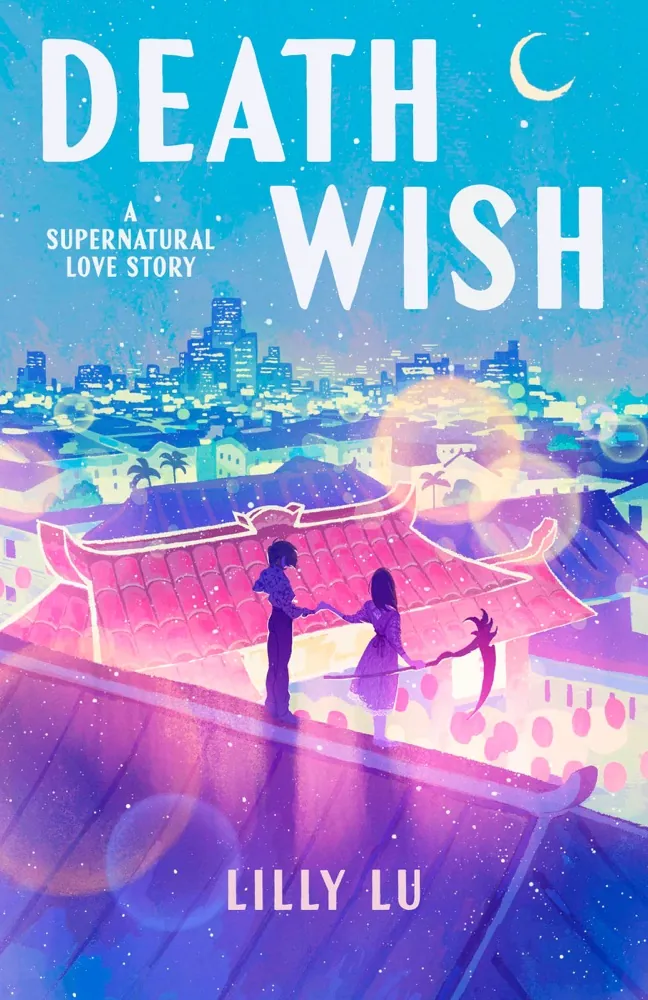
Author: Lilly LuPage Count: UnknownPublication Date: Expected publication 2026 APL Blinking cursor. A merciless white rectangle mocking me on a thirty-two-inch monitor while my next-quarter acquisitions slate sits in a state of terminal, humiliating blankness. Right. Let us dissect Death Wish instead of writing my own damn words. Lilly Lu’s 2026 supernatural sapphic offering arrives riding a wave of high-concept morbidity. We are dealing with an immortal bureaucratic entity—specifically, a century-old Best West Coast Reaper named Amory Ng who moonlights in a pottery class because her lopsided bowls supposedly ground her. Ground her. From what? The sheer, crushing weight of pushing incorporeal consciousnesses into the great unknown? Please. It is a delightfully domestic absurdity to give an existential reaper a hobby straight out of an overpriced Silver Lake artisan collective. The Ceramic Metaphor of Immortality Or maybe the pottery is brilliant. Wait, no. The pottery angle is a completely tired cliché that reduces an eternity of grief into a whimsical DIY afternoon. Actually, let me pivot—clay is genuinely an apt hermeneutic lens for eternity. Shaping mud while ignoring the metaphysical void is peak millennial coping machinery. Lu leans hard into the juxtaposition of dreary supernatural governance and yearning. Centuries of paperwork interrupted by a rogue vampire who desperately wants finality. Clementine Lim dodged her initial reaping and now needs administrative assistance to actually die. Which creates an immediate structural tension: how do you execute a romance where one party's primary objective is permanent cessation? The Pacing Abyss This synopsis reveals a narrative dangerously backloaded with generic action beats. We glide along on the atmospheric friction of longing, pottery dust, and Veil-crossing, only to crash head-first into a standard-issue villain. A murderous vampire maker running rampant. How painfully pedestrian. Why must every atmospheric character study inevitably devolve into a turf war? It screams studio note interference. Give me an entire manuscript of two queer immortals staring across a pottery wheel until someone cries, not a showdown with an absentee sire. Fans of Gideon the Ninth mixed with the moody domesticity of Legends & Lattes will undoubtedly devour this, assuming Lu can sustain the atmospheric tension without leaning on cheap cinematic pyrotechnics. Yet I fear the third act will rush the existential stakes just to clear a contractual word count. The dynamic between a jaded bureaucrat and a tired bloodsucker practically writes itself. It radiates rizz, but hopefully the prose doesn't devolve into mid-tier TikTok-bait dialogue. I need to finalize the floral arrangements for my upcoming book launch before the florist stops answering my emails. #deathwish #booktok #sapphicromance Related InsightsToo Far Book Review and Summary Happy Place Book Review and Summary I'd Tell You I Love You, But Then I'd Have to Kill You Book Review and Summary{ "@context": "https://schema.org", "@type": "FAQPage", "mainEntity": [ { "@type": "Question", "name": "What is the main focus of Death Wish Book Review and Summary?", "acceptedAnswer": { "@type": "Answer", "text": "Everything you need to know about Death Wish with our detailed review." } }, { "@type": "Question", "name": "Who authored the comprehensive guide on Death Wish Book Review and Summary?", "acceptedAnswer": { "@type": "Answer", "text": "This detailed article and its insights were carefully researched and authored by Chloé Laurent." } }, { "@type": "Question", "name": "Where can I find more related content about Books?", "acceptedAnswer": { "@type": "Answer", "text": "You can explore more articles, detailed reviews, and similar insights by browsing the Related Insights section at the bottom of this article or visiting our dedicated Books category page." } } ] }
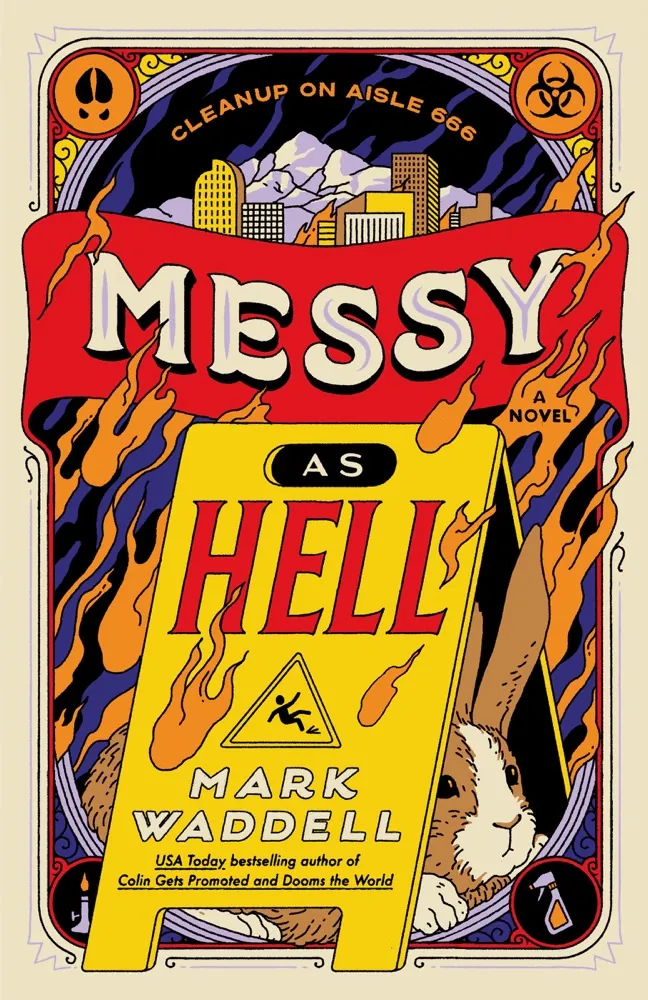
Author: Mark WaddellPage Count: UnknownPublication Date: Expected publication 2026 APL Another office-place satire dressed up in the tattered, neon-lit skin of corporate horror. Because what literature truly lacks in our current epoch is yet another junior custodial worker stumbling upon the literal underworld behind a mahogany door. How delightfully inventive. One might as well exhume the corpse of the 2008 financial crisis and hand it a mop. Mark Waddell’s upcoming Messy as Hell asks us to believe that a multinational enterprise can securely house infernal biohazards on the thirteenth floor while employing a protagonist named Sam whose primary motivation is swooning over a ruthless, charming CEO. Groundbreaking. We are apparently meant to brace ourselves for a madcap caper involving daredevil friends, secret crushes, and a suspicious emotional-support rabbit named Mr. Bun-Bun. This reads less like a narrative and more like the script notes for the Fyre Festival documentary. I’ll take that with a mountain of salt. The Architecture of Corporate Despair The synopsis leans heavily on the tired trope of the working-class everyman unmasking white-collar villainy. Except this time, the white-collar villainy literally smells of sulfur and features a signed contract spelling doom for humanity. How quaint. We are swimming in a toxic slurry of Douglas Adams trying desperately to channel Chuck Tingle, crossed with the frantic energy of the Costa Concordia captain trying to parallel park a cruise ship. Yet the real offense here is not the premise itself. It is the predictability of the emotional architecture. Sam will peek behind the door. Sam will regret it. Sam will learn that his corporate idol is actually a monster—who could possibly have foreseen such a betrayal in a book featuring a character literally named Dark Enterprises?—and he will save the day with his trusty bucket and broom. Happiness is guaranteed by page three hundred. And that is precisely what turns my stomach. Where is the nihilism? Where is the crushing, inescapable weight of late capitalism grinding human aspirations into dust without a single plucky rabbit to lighten the mood? The Cult of Competence We are force-fed this dreary notion that a plucky janitor can outwit infernal bureaucracy. Give me a break. A real corporate hellscape does not feature homicidal assistants you can outrun; it features quarterly performance reviews that strip your soul away incrementally until you welcome the sulfur. Calvin is losing his mind over a secret project? Please. We have all lost our minds over lesser spreadsheets, and nobody is writing a witty urban fantasy about our descent into madness. The prose promises a high-stakes romp through cubicle farms and demonic contracts. But let us be entirely honest about what this is. It is disposable genre fiction packaged for readers who think The Office lacked enough demons. And speaking of unnecessary revivals, I am already dreading the inevitable sequel where Sam takes middle management. My tailor is waiting at the Carlyle to fit me for the gala. Related InsightsDon't Let Him In Book Review and Summary Chasing the Devil: The Search for Africa's Fighting Spirit Book Review and Summary Such Familiar Magic Book Review and Summary{ "@context": "https://schema.org", "@type": "FAQPage", "mainEntity": [ { "@type": "Question", "name": "What is the main focus of Messy as Hell Book Review and Summary?", "acceptedAnswer": { "@type": "Answer", "text": "Everything you need to know about Messy as Hell with our detailed review." } }, { "@type": "Question", "name": "Who authored the comprehensive guide on Messy as Hell Book Review and Summary?", "acceptedAnswer": { "@type": "Answer", "text": "This detailed article and its insights were carefully researched and authored by Chloé Laurent." } }, { "@type": "Question", "name": "Where can I find more related content about Books?", "acceptedAnswer": { "@type": "Answer", "text": "You can explore more articles, detailed reviews, and similar insights by browsing the Related Insights section at the bottom of this article or visiting our dedicated Books category page." } } ] }
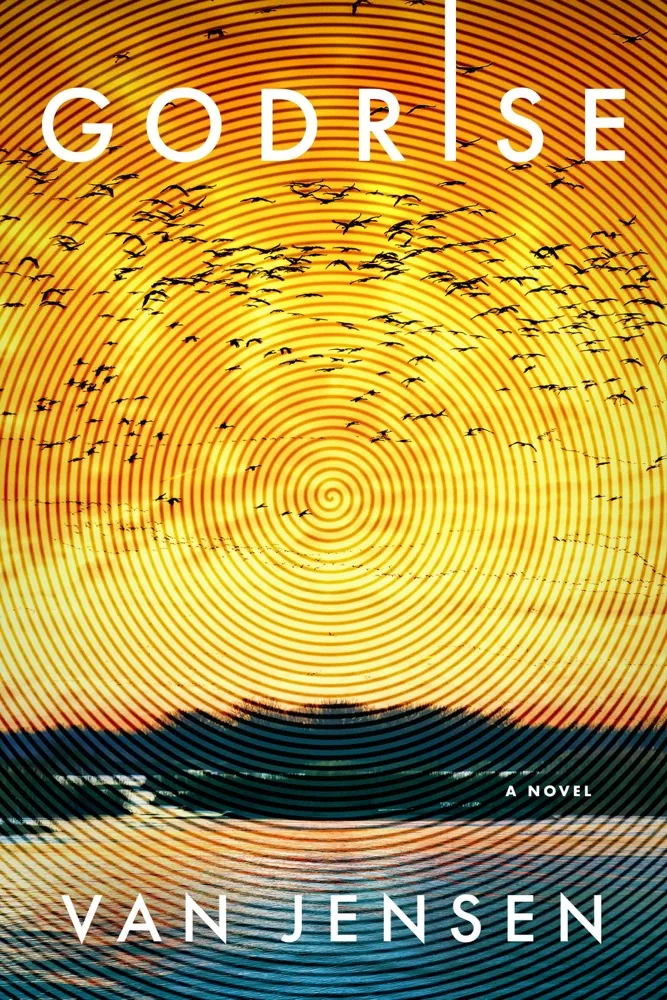
Author: Van JensenPage Count: UnknownPublication Date: Expected publication 2026 APL The synopsis for Godrise reads like a fever dream someone scribbled down after three espressos and a half-watched documentary on 19th-century American atrocities—because, let’s be honest, the way this thing’s structured, it’s either a masterclass in controlled chaos or a cautionary tale about how not to outline a novel. The giant. The dam. The Lakota massacre site. The scientist who’s about to poke a sleeping bear with a stick. It’s all there, but the real question is whether Jensen will turn this into something like The Road meets Annihilation—where the existential dread is so thick you could cut it with a rusted blade—or if it’ll just be another corporate dystopia where the real villain is the lack of imagination. The synopsis leans heavily into the "big alien thing looming over a town" premise, which is a trope so well-worn it’s practically a family heirloom. But here’s the thing: the moment you introduce a three-mile-tall corpse as the central metaphor for human hubris, you’ve already set the bar for how this book will either soar or crash. The synopsis doesn’t tell us if the giant is a symbol, a threat, or just a really big prop in a human drama—because that’s the problem with vague setups. It’s like reading a menu where every dish is labeled "Surprise" and the chef is Van Jensen, who, let’s be fair, has a knack for blending cosmic horror with small-town grit (The Hollow Places comes to mind, though that one at least had the decency to be weird). But Godrise? It’s like if The Stand and The Revenant had a baby, and then that baby was raised by a committee of people who really, really love damning rivers. The sheriff, the scientist, the protester—these are all archetypes, but the synopsis doesn’t give us enough to care. Sheriff Blunt sounds like he’s straight out of a John D. MacDonald novel, which is fine if you’re going for that gritty, morally gray cop vibe. But the way the conflict is framed—water shortages, a dam, a massacre site—it’s all too easy to imagine this becoming a thinly veiled allegory for modern infrastructure failures, which is either brilliant or a cop-out, depending on how much Jensen actually does with it. And Sunny Lee? The scientist who’s about to go spelunking in an alien corpse? That’s the kind of setup that either pays off in the most glorious way or devolves into a mess of half-baked theories. The synopsis doesn’t tell us if she’s a hardboiled pragmatist or a wide-eyed idealist, which matters because the contrast between her and the town’s more reactionary elements could be the book’s emotional core—or it could just be a gimmick. But then—the blade. The blade stabbed through the giant. The infection spreading. This is where the synopsis starts to feel like it’s borrowing from The Thing or The X-Files, but without the same level of precision. Is this a literal infection? A metaphor for colonialism? A stand-in for some other existential threat? The vagueness is maddening, but also… intriguing. Because if Jensen pulls this off, it could be the kind of book that lingers in your mind like a half-remembered dream. And if he doesn’t? Well, then we’re left with another book where the real horror isn’t the alien, but the fact that we’ve seen this all before. Yet—and here’s the pivot—I can’t help but wonder if the synopsis is too vague on purpose. Maybe the genius of Godrise is that it’s less about the details and more about the vibe. The way the town is growing, the way the giant is decaying, the way the dam is a metaphor for human greed—it’s all there in the bones, and if Jensen fills it in with the right balance of dread and irony, it could be something special. But then again, if he leans too hard into the "big alien thing" angle, it might just feel like Independence Day with a side of small-town politics. Whatever you say, boss. The baby monitor just lit up like a Christmas tree in July. Related InsightsCritical Role: The Mighty Nein—Children of Empire Book Review and Summary We Who Will Rise (Empire of Blood, #2) Book Review and Summary Bride of the Wicked (The Wicked Trilogy, 3) Book Review and Summary{ "@context": "https://schema.org", "@type": "FAQPage", "mainEntity": [ { "@type": "Question", "name": "What is the main focus of Godrise Book Review and Summary?", "acceptedAnswer": { "@type": "Answer", "text": "Everything you need to know about Godrise with our detailed review." } }, { "@type": "Question", "name": "Who authored the comprehensive guide on Godrise Book Review and Summary?", "acceptedAnswer": { "@type": "Answer", "text": "This detailed article and its insights were carefully researched and authored by Sarah Davis." } }, { "@type": "Question", "name": "Where can I find more related content about Books?", "acceptedAnswer": { "@type": "Answer", "text": "You can explore more articles, detailed reviews, and similar insights by browsing the Related Insights section at the bottom of this article or visiting our dedicated Books category page." } } ] }
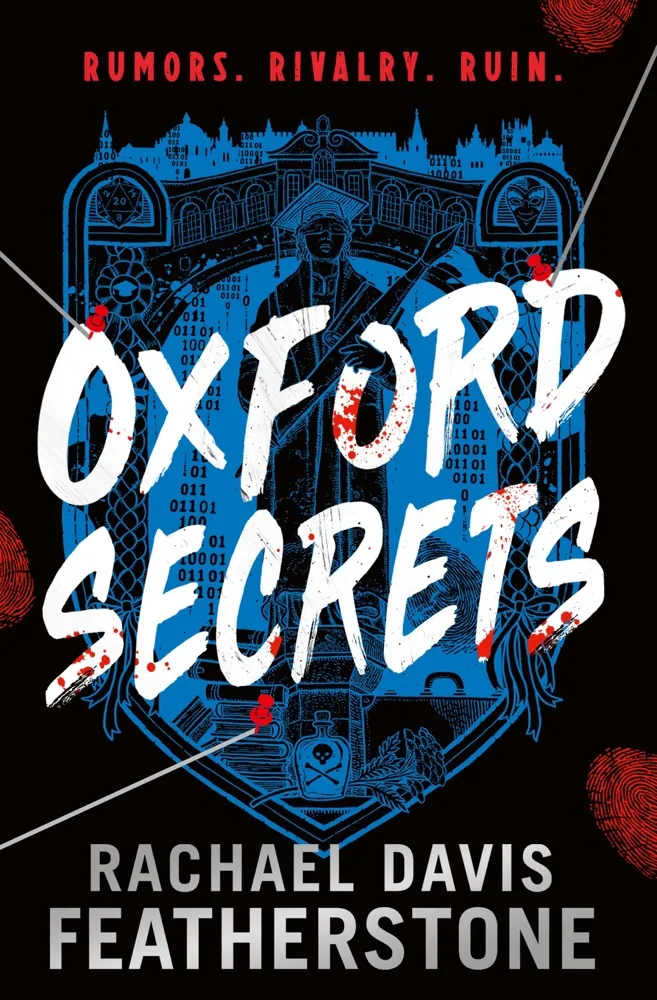
Author: Rachael Davis-FeatherstonePage Count: UnknownPublication Date: Expected publication 2026 APL September air smells like damp earth and scorched sugar. The flour is currently clinging to my eyelashes, and I honestly do not care if the counter looks like a war zone because Oxford Secrets is waltzing into 2026 like it owns the place. The Illusion of the Ivory Tower Rachael Davis-Featherstone is back at it, dragging us straight back to the damp stones of academia where people apparently do nothing except murder each other and write essays. And honestly? Good for them. Give me Agatha Christie any day of the week over these modern teenagers whining about their follower counts. But here we are. Eva is dodging feelings for Xander—because nothing says romance like sharing a mutual trauma over a dead friend—while the digital panopticon closes in. My seven-year-old just tried to feed a raw potato to the stand mixer, and quite frankly, the kitchen appliance showed better survival instincts than anyone stepping foot on that Oxford campus. People always talk about privilege like it is some abstract painting hanging in a gallery nobody visits. But Davis-Featherstone understands the dirty, grease-stained reality of it. When anonymous student gossip forums get hacked, the panic isn't about ethics; it's about exposure. A classic trope, yes. Yet I will devour it like stolen cookie dough eaten straight from the bowl at two in the morning while staring blankly at the wall. The Digital Guillotine The synopsis relies heavily on vague threats of "deadly secrets" and spilled blood, which is code for "we haven't finished writing the middle chapters yet, but trust us, the vibes are immaculate." Give me a break. Just tell us who pushes whom down the bell tower. But no, we get the whole song and dance about student well-being and digital toxicity. Yet there is something undeniably delicious about watching arrogant eighteen-year-olds panic because their burner accounts got leaked. It reminds me of the PTA WhatsApp group drama from last term, except with more tweed and fewer passive-aggressive emojis of wine glasses. Davis-Featherstone is chasing the high of The Secret History by Donna Tartt, though with a decidedly millennial social media panic attack tacked on for good measure. Will the plot hold together under the weight of its own pretentious terminology? Absolutely not. Do I care? Absolutely not. Now I have to go negotiate the Geneva Convention with a four-year-old who is currently treating the bathtub like a maximum-security prison yard. Related InsightsThe Wasp Factory Book Review and Summary Lonesome Dove Book Review and Summary Big Little Truths Book Review and Summary{ "@context": "https://schema.org", "@type": "FAQPage", "mainEntity": [ { "@type": "Question", "name": "What is the main focus of Oxford Secrets (Oxford Blood, 2) Book Review and Summary?", "acceptedAnswer": { "@type": "Answer", "text": "Everything you need to know about Oxford Secrets (Oxford Blood, 2) with our detailed review." } }, { "@type": "Question", "name": "Who authored the comprehensive guide on Oxford Secrets (Oxford Blood, 2) Book Review and Summary?", "acceptedAnswer": { "@type": "Answer", "text": "This detailed article and its insights were carefully researched and authored by Sarah Davis." } }, { "@type": "Question", "name": "Where can I find more related content about Books?", "acceptedAnswer": { "@type": "Answer", "text": "You can explore more articles, detailed reviews, and similar insights by browsing the Related Insights section at the bottom of this article or visiting our dedicated Books category page." } } ] }
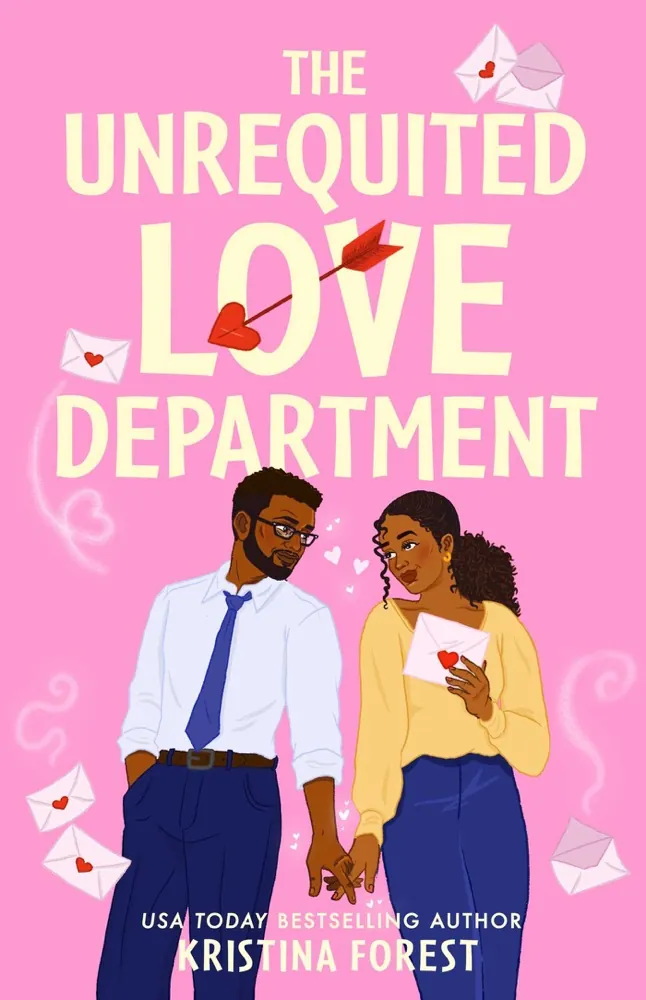
Author: Kristina ForestPage Count: UnknownPublication Date: Expected publication 2026 APL Kristina Forest is about to weaponize the Elizabeth Holmes aesthetic against us with The Unrequited Love Department. A magical workplace where people archive heartbreak like old tax forms. How deliciously, excruciatingly twee. Yet the pacing potential here—if managed with the surgical precision of the Titan submersible implosion—could actually save contemporary romance from its current death march of identical pastel covers and forced proximity tropes. The Architecture of a Paper-Thin Catastrophe Joy leaks confidential love letters. Groundbreaking. A catastrophe of administrative proportions that apparently requires a physical road trip. Because in 2026, apparently encrypted databases do not exist, and we must physically chase paper like it is the 1994 Reality Bites promotional tour. Charles shows up from the Solutions Department. Naturally. The man is a walking monolith of snark, built entirely out of emotional unavailability and bespoke wool waistcoats. He is the literary equivalent of a cold plunge in Shoreditch. And they are forced into close quarters. Screaming, crying, throwing up. The Binary Trap of Emotional Architecture The thematic architecture relies on the oldest, most exhausted dialectic in the catalog: the eternal war between the optimist who collects unreturned affection like sea glass and the cynic who views romance as a hostile corporate takeover. Forest is playing a dangerous game here. If she leans too hard into the whimsical twist of Cupid & Associates, the entire enterprise threatens to curdle into twee nonsense. We do not need another pastel-hued fable about learning to love again. We need grit. We need the bureaucratic weight of a celestial mailroom crashing down on two people who clearly need a joint intervention rather than a road trip. Yet my pulse is genuinely racing. The premise demands a breathless, breakneck rhythm. If Forest drags out the road trip through three excruciating chapters of diner small talk, I will personally throw my advance copy into the Thames. But if she treats the leaked letters as a ticking bomb—a literal exposure of collective human vulnerability in an era of algorithmic numbness—the narrative stakes suddenly skyrocket. The Verdict on the Ink Can a book about unrequited love survive its own premise without devolving into Hallmark Channel sludge? Doubtful. But the sheer audacity of giving a bureaucratic department the job of cataloging human rejection deserves a toast. Or a heavily medicated afternoon. We are looking at either a catastrophic misfire or the sharpest romantic comedy of the quarter. My publicist is screaming for an immediate statement for the press. Related InsightsSussurri Proibiti e Voci Che Non Muoiono: L'Eterno Viaggio dei Libri Banditi Brief cases Book Review and Summary Daughters of the Wind: A Mythic Fantasy Book Review and Summary{ "@context": "https://schema.org", "@type": "FAQPage", "mainEntity": [ { "@type": "Question", "name": "What is the main focus of The Unrequited Love Department Book Review and Summary?", "acceptedAnswer": { "@type": "Answer", "text": "Everything you need to know about The Unrequited Love Department with our detailed review." } }, { "@type": "Question", "name": "Who authored the comprehensive guide on The Unrequited Love Department Book Review and Summary?", "acceptedAnswer": { "@type": "Answer", "text": "This detailed article and its insights were carefully researched and authored by Chloé Laurent." } }, { "@type": "Question", "name": "Where can I find more related content about Books?", "acceptedAnswer": { "@type": "Answer", "text": "You can explore more articles, detailed reviews, and similar insights by browsing the Related Insights section at the bottom of this article or visiting our dedicated Books category page." } } ] }
- Sarah Davis
- 29 Aug, 2026 20:41
5-Minute Spider-Man Stories (Marvel) (5-Minute Stories) Book Review and Summary
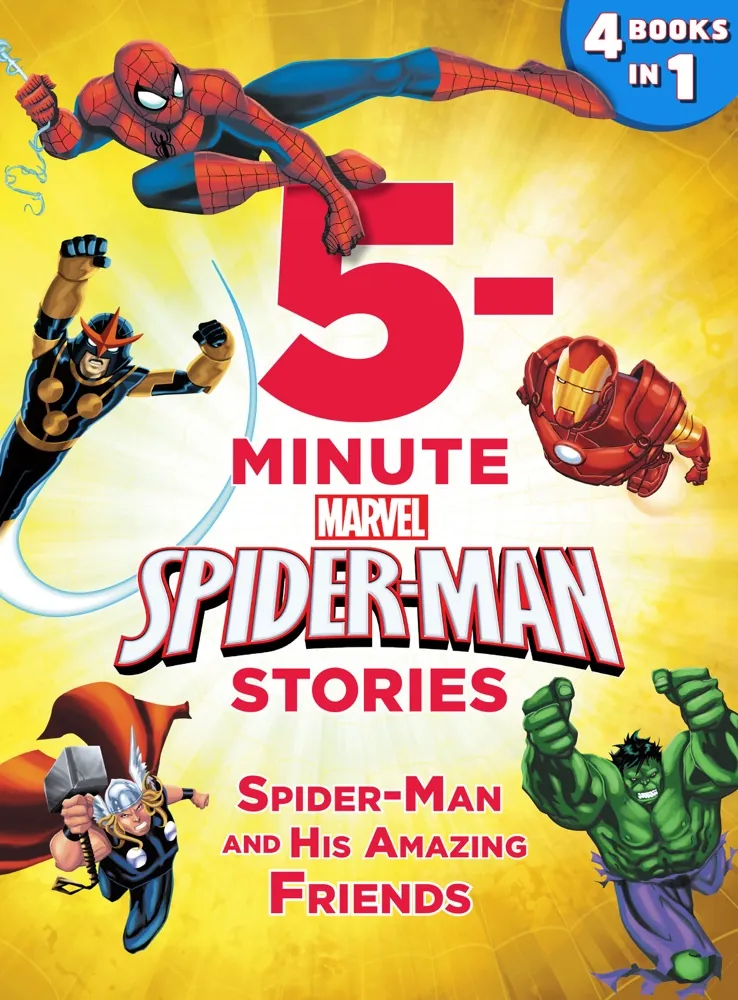
Author: Marvel ComicsPage Count: UnknownPublication Date: Expected publication 2026 APL Sugar dust is currently coating my eyelashes because the third batch of shortbread just detonated in the oven, and honestly, the existential dread of turning forty while my husband ignores my texts about the mortgage is nothing compared to the literary vacuum of upcoming children's media. Marvel Comics thinks they can toss out 5-Minute Spider-Man Stories in 2026 and call it a narrative arc. Four books in one! What a revolutionary mathematical feat for corporate synergy. The Five-Minute Illusion of Narrative Depth Can we talk about the absolute arrogance of claiming a complete thematic exploration of heroism occurs in three hundred seconds? You cannot build psychological tension with Doctor Strange when you are rushing to pull parchment paper out before the butter smokes. My kitchen smells like burnt vanilla and despair. And speaking of despair—why is nobody talking about how Louise Penny ruined the entire cozy mystery genre by making every single Canadian village look like a hotbed of artisanal cheese murders? At least Armand Gamache drinks real coffee instead of surviving on lukewarm decaf and pure spite while waiting for a plumber who promised to show up three business days ago. But no, let's look at this synopsis. Spider-Man meets Nova. Groundbreaking. Truly, the literature of our time. Synergy, Spandex, and Sourdough Failures The synopsis heavily relies on the word "important" allies. Important to whom? The quarterly profit margins? The Ultimate Verdict on Accelerated Heroism Books like 5-Minute Spider-Man Stories rely on a fundamental misunderstanding of the human attention span—which, admittedly, matches mine right now. Yet, I refuse to accept that a web-slinger sharing panel space with the Avengers for the hundredth time offers anything fresh. It is the literary equivalent of instant ramen. It fills a void, but it leaves you hollow, bloated, and staring blankly into the middle distance while your six-year-old asks why the dough is on the ceiling. I have to go scrounge for quarters to do laundry down the street. Related InsightsKill Switch Book Review and Summary A Case of Fear and Favour (The Trials of Gabriel Ward, #3) Book Review and Summary Before I Go to Sleep Book Review and Summary{ "@context": "https://schema.org", "@type": "FAQPage", "mainEntity": [ { "@type": "Question", "name": "What is the main focus of 5-Minute Spider-Man Stories (Marvel) (5-Minute Stories) Book Review and Summary?", "acceptedAnswer": { "@type": "Answer", "text": "Everything you need to know about 5-Minute Spider-Man Stories (Marvel) (5-Minute Stories) with our detailed review." } }, { "@type": "Question", "name": "Who authored the comprehensive guide on 5-Minute Spider-Man Stories (Marvel) (5-Minute Stories) Book Review and Summary?", "acceptedAnswer": { "@type": "Answer", "text": "This detailed article and its insights were carefully researched and authored by Sarah Davis." } }, { "@type": "Question", "name": "Where can I find more related content about Books?", "acceptedAnswer": { "@type": "Answer", "text": "You can explore more articles, detailed reviews, and similar insights by browsing the Related Insights section at the bottom of this article or visiting our dedicated Books category page." } } ] }
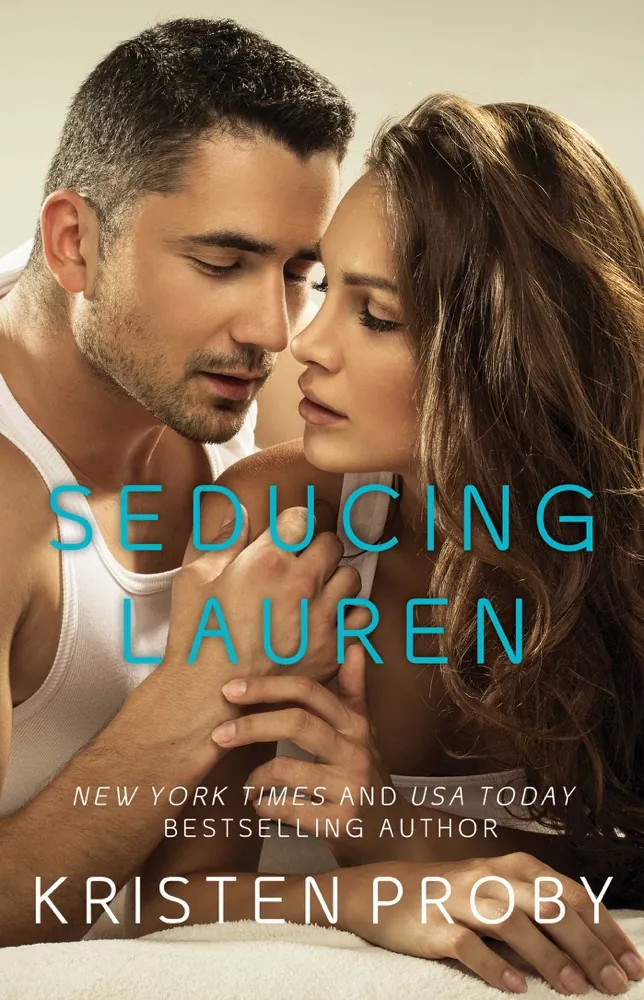
Author: Kristen ProbyPage Count: UnknownPublication Date: Expected publication 2026 APL The hum of the espresso machine two tables over is competing with the sharp scrape of plastic forks against Styrofoam, creating a discordant soundtrack for breaking down Kristen Proby’s All I Know. Yet there is a strange, quiet stillness in my chest right now—a melancholic peace that washes over you when you realize you have entirely too much corporate damage control to handle before the three o'clock quarterly board meeting. The Architecture of Predictable Salvation Let us examine the structural bones here. We are parking ourselves firmly in the Love Under the Big Sky series, which immediately signals a dependency on rural tropes—think Elsie Silver meets late-stage Nora Roberts with an extra shot of adrenaline. But wait, let me walk that back entirely; Proby isn't channeling Silver at all, she's riding the exact same demographic wave as every mid-tier contemporary romance churning out paperbacks for airport terminals this quarter. The plot engine relies on the oldest, rustiest gear in the romantic comedy inventory: the divorce lawyer falling for the client. How utterly derivative. Ty Sullivan watches his buddy get domesticated on a Montana ranch and suddenly suffers from existential FOMO. Enter Lauren Cunningham, weaponized with a problematic ex-husband, an unexpected trust fund, and an absolute immunity to commitment. Groundbreaking. The pacing promised by this back-cover blurb drags before the first act even hits its stride because the emotional stakes are telegraphed with neon flashing lights. Lauren's resistance is pure performative fluff, and honestly, the narrative tension here is completely cooked. Thematic Exhaustion and Lexical Whiplash At its core, this manuscript attempts to dissect the transactional nature of legal dissolution versus the absolute paradigm-shifting epistemology of small-town hetero-normative bonding, but it completely misses the mark and vibes like total mid-tier trash. The thematic exploration of reclaiming bodily autonomy after a disastrous marriage gets instantly swallowed by the sheer, unbridled cringe of a protective alpha-male hero who swoops in because apparently, women cannot open a PDF or change a tire without a man named Ty holding their hand. The psychological profile of Lauren is sketched with the structural integrity of a wet napkin. She is "in no mood to jump into another relationship," which is romance-speak for I will cave by chapter four after one heavy-lidded stare across a dusty pickup hood. The prose will undoubtedly lean heavily into sensory clichés—smells of cedar, leather, and impending emotional vulnerability. I need to sign off on three rejection letters and fire a ghostwriter who severely misunderstood my creative vision by turning the protagonist into a sentient potato before my cold brew gets warm. Related InsightsBridge to Bat City Book Review and Summary Estuche Las crónicas de Dune: Dune, El mesías de Dune e Hijos de dune / Frank Herbert's Dune Saga 3-Book Boxed Set: Dune,Dune Messiah, and Children of Dune Book Review and Summary The Republic Book Review and Summary{ "@context": "https://schema.org", "@type": "FAQPage", "mainEntity": [ { "@type": "Question", "name": "What is the main focus of All I Know (Silver Springs, #3) Book Review and Summary?", "acceptedAnswer": { "@type": "Answer", "text": "Everything you need to know about All I Know (Silver Springs, #3) with our detailed review." } }, { "@type": "Question", "name": "Who authored the comprehensive guide on All I Know (Silver Springs, #3) Book Review and Summary?", "acceptedAnswer": { "@type": "Answer", "text": "This detailed article and its insights were carefully researched and authored by Chloé Laurent." } }, { "@type": "Question", "name": "Where can I find more related content about Books?", "acceptedAnswer": { "@type": "Answer", "text": "You can explore more articles, detailed reviews, and similar insights by browsing the Related Insights section at the bottom of this article or visiting our dedicated Books category page." } } ] }
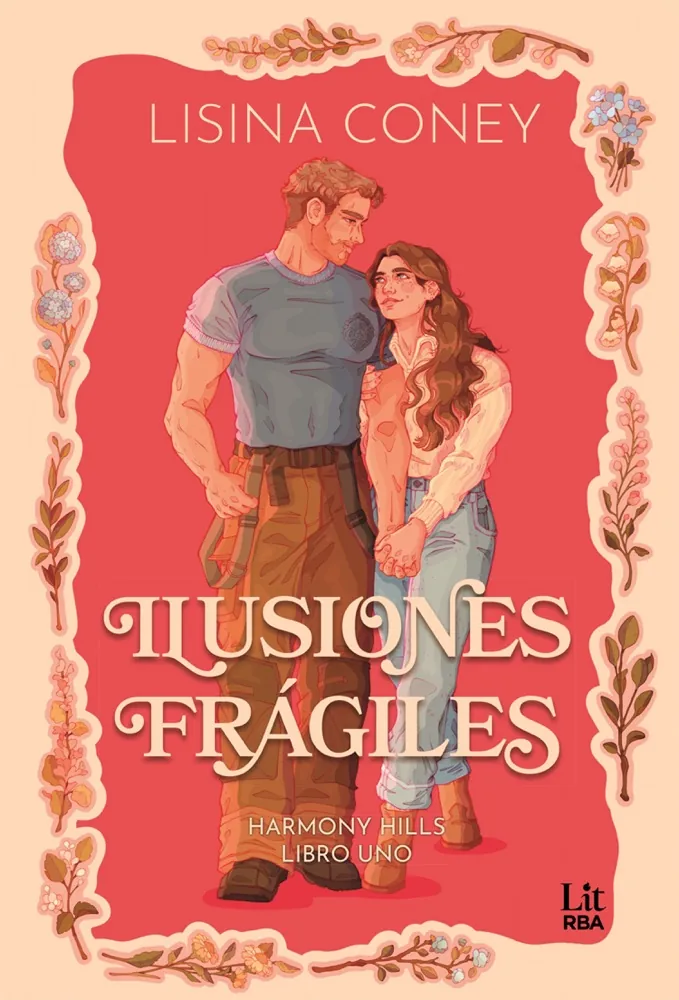
Author: Lisina ConeyPage Count: UnknownPublication Date: Expected publication 2026-04-29 APL Endless Promises, the latest from Lisina Coney, promises to be a saccharine romance that will either delight or exhaust, depending on one's tolerance for feel-good fiction. The setup, at least, is intriguing: Ivy Farnsworth returns to Harmony Hills, her hometown, to take on the role of guardian to her teenage brother, Joe, after a three-year absence. The weight of responsibility is crushing, especially as she's forced to put her own dreams on the backburner. But, of course, there's a love interest – because there always is. Ford Hayes, the brooding, recently divorced firefighter next door, seems tailor-made for Ivy's particular brand of pluckiness. Their romance blossoms, predictably, and we're treated to the requisite descriptions of 'carisma, la resiliencia y el optimismo inquebrantable' that have become Coney's hallmark. It's a formula that's worked for authors like Nicholas Sparks and Taylor Jenkins Reid, after all – but will it be enough to elevate Endless Promises above the fray? One can't help but wonder if Coney is relying too heavily on tropes here: the 'small town with a heart of gold', the 'tortured hero with a penchant for rescue', the 'plucky heroine who's just waiting for love to come along and fix everything'. It's a narrative that's been done, and done, and done again – and yet, there's something undeniably comforting about it, like a warm hug from an old friend. And yet, despite the familiar setup, the synopsis is maddeningly vague on the specifics. What, exactly, is the nature of Ivy's relationship with her brother? How does Ford's divorce factor into his romantic entanglements with Ivy? The answers, presumably, lie within the book itself – but as a critic, it's frustrating to be left with so many questions. Still, one can't deny Coney's skill at crafting a compelling narrative voice. Ivy's struggles to balance her responsibilities with her own desires are deeply relatable, and Ford's gruff exterior hides a vulnerability that's sure to appeal to fans of the 'tortured hero' archetype. Whether or not Endless Promises will be a standout in the romance genre remains to be seen – but based on Coney's track record, it's likely to be a bestseller. As for me, I'll be reserving judgment until I've had a chance to read the book itself. But for fans of Coney's previous work, or those who just can't get enough of small-town romance, Endless Promises is likely to be a must-read. Oh, wait – the baby monitor just lit up. Time to go. #RomanceNovels #SmallTownCharm #LisinaConey Related InsightsThe Hiding Place: The Triumphant True Story of Corrie Ten Boom Book Review and Summary Artemis Fowl Book Review and Summary Innkeeper Chronicles Book Review and Summary{ "@context": "https://schema.org", "@type": "FAQPage", "mainEntity": [ { "@type": "Question", "name": "What is the main focus of Endless Promises (Harmony Hills, #2) Book Review and Summary?", "acceptedAnswer": { "@type": "Answer", "text": "Everything you need to know about Endless Promises (Harmony Hills, #2) with our detailed review." } }, { "@type": "Question", "name": "Who authored the comprehensive guide on Endless Promises (Harmony Hills, #2) Book Review and Summary?", "acceptedAnswer": { "@type": "Answer", "text": "This detailed article and its insights were carefully researched and authored by Chloé Laurent." } }, { "@type": "Question", "name": "Where can I find more related content about Books?", "acceptedAnswer": { "@type": "Answer", "text": "You can explore more articles, detailed reviews, and similar insights by browsing the Related Insights section at the bottom of this article or visiting our dedicated Books category page." } } ] }
- Sarah Davis
- 26 Aug, 2026 11:59
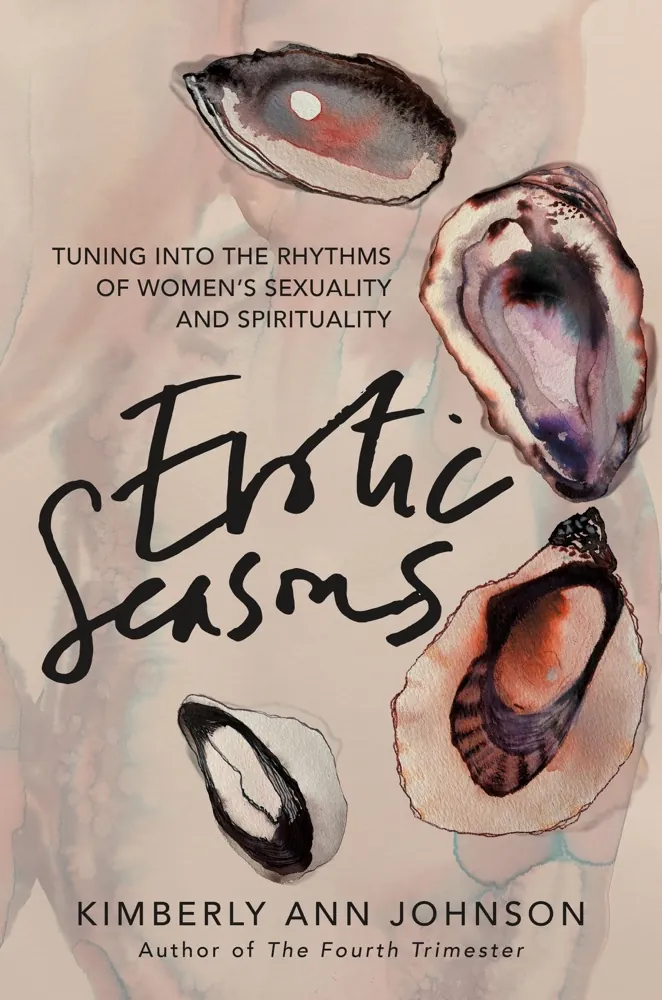
Erotic Seasons: Tuning into the Rhythms of Women's Sexuality and Spirituality Book Review and Summary
Author: Kimberly Ann JohnsonPage Count: UnknownPublication Date: Expected publication 2026-11-17 APL The smell of cinnamon rolls always distracts me from the pile of manuscripts on the counter. But here we are, looking at Kimberly Ann Johnson’s upcoming Erotic Seasons. Finding the Missing Keys The synopsis asks if you are at a threshold where what used to feel good doesn't make sense anymore. Honestly, between managing a household, refereeing sibling arguments over who licked the wooden spoon, and trying to finish a chapter before the dough over-proves, my entire life feels like one giant threshold. Johnson previously wrote The Fourth Trimester. Now she is moving past motherhood and into a broader conversation about female desire across every single life stage. Rethinking the Lifespan Let us talk about the archetypes. Maiden, mother, virgin, crone. They sound like characters you would find in an Agatha Christie village drama. Yet Johnson wants to reframe them for modern women dealing with perimenopause, shifting marriages, and changing nervous systems. Alexandra Roxo praises the book as a wise woman sitting by the fire. Wait, let me rephrase that. Is a fireside chat actually what readers want when their bodies feel confusing, or do they want concrete anatomical maps? Perhaps the fireside metaphor is entirely too cozy. Actually, strike that. Give me all the cozy wisdom I can get while I wait for the oven timer to shriek. Literally. The Somatic Promise As someone who usually analyzes the psychological motivations of fictional poisoners in mid-century country houses, shifting to somatic experiencing and sexological bodywork feels like a distinct gear change. The synopsis leans heavily on the idea that women lack the language to communicate these shifts. It promises a revolutionary reckoning. Yet the premise relies entirely on buzzwords about anatomical patterns and monthly rhythms. Will it deliver practical insight, or will it read like a textbook wrapped in a wellness blog? The school bell waits for no one, and the flour is currently coating my favorite reading glasses. #EroticSeasons #KimberlyAnnJohnson #BookPreview Related InsightsMothsblood Book Review and Summary The Cursed Carnival and Other Calamities Book Review and Summary Accidents Never Happen Book Review and Summary{ "@context": "https://schema.org", "@type": "FAQPage", "mainEntity": [ { "@type": "Question", "name": "What is the main focus of Erotic Seasons: Tuning into the Rhythms of Women's Sexuality and Spirituality Book Review and Summary?", "acceptedAnswer": { "@type": "Answer", "text": "Everything you need to know about Erotic Seasons: Tuning into the Rhythms of Women's Sexuality and Spirituality with our detailed review." } }, { "@type": "Question", "name": "Who authored the comprehensive guide on Erotic Seasons: Tuning into the Rhythms of Women's Sexuality and Spirituality Book Review and Summary?", "acceptedAnswer": { "@type": "Answer", "text": "This detailed article and its insights were carefully researched and authored by Sarah Davis." } }, { "@type": "Question", "name": "Where can I find more related content about Books?", "acceptedAnswer": { "@type": "Answer", "text": "You can explore more articles, detailed reviews, and similar insights by browsing the Related Insights section at the bottom of this article or visiting our dedicated Books category page." } } ] }
- Chloé Laurent
- 26 Aug, 2026 02:58
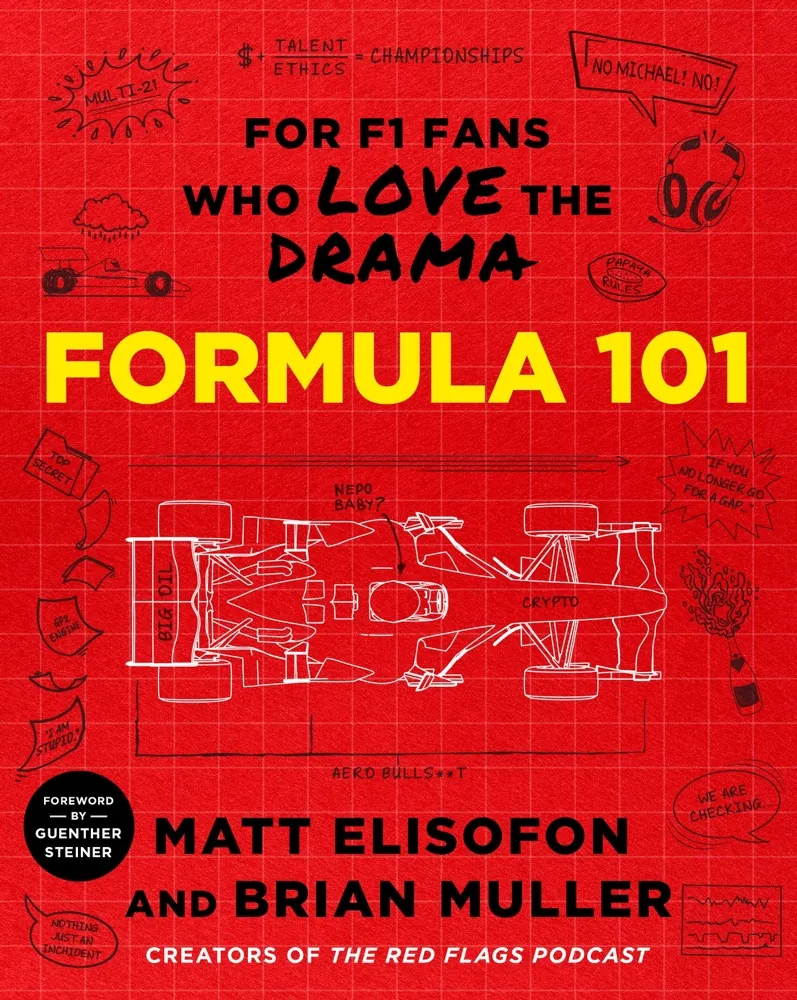
Formula 101: For F1 Fans Who Love the Drama Book Review and Summary
Author: Matt ElisofonPage Count: UnknownPublication Date: Expected publication 2026-11-10 APL What a farce, a textbook masquerading as a bible for Formula 1 aficionados, all while flaunting its Netflix Drive to Survive street cred like a participation trophy. Matt Elisofon's Formula 101 promises to dissect the intricacies of tire strategy, team dynamics, and the cutthroat world of F1 economics, but from the synopsis alone, I sense a lack of genuine depth. F1 for the Instagram Generation It's no secret that the F1 fandom has evolved – or devolved, depending on who you ask – into a realm of pop culture reverence, where drivers are idolized for their looks as much as their skills on the track. Elisofon's attempt to merge high-brow analysis with low-brow humor and "rigorously peer-reviewed driver hotness ratings" reeks of desperation, a Hail Mary pass to appeal to the widest possible audience. Newsflash: the F1 faithful aren't buying it. And don't even get me started on the "nepo-to-talent ratio analyses." It's a shallow, clickbait-y attempt to inject some semblance of intellectual curiosity into what amounts to a glorified fanzine. I'm literally begging for a new plot. Where's the substance? The nuance? The genuine insight into the world of F1? Formula 101 reads like a Wikipedia entry written by a committee of enthusiastic but ultimately clueless fans. But I suppose that's the point – to create a "textbook" that's more concerned with being relatable than rigorous. Elisofon's F1 primer is less about educating readers than it is about reinforcing their existing biases and prejudices. It's a CliffsNotes for the Instagram generation, where the only thing that matters is being seen, not being informed. A Hodgepodge of Half-Baked Ideas The synopsis promises an "ode to Guenther Steiner" and a "gossipy takedown" of Renault, but without context, it's impossible to discern whether these sections will be thoughtful critiques or shallow potshots. The "Moneyland" game, meant to explain the "dark side of racing economics," sounds like a half-baked idea cribbed from a rejected episode of The Sopranos. And what's with the five classic driver archetypes? Is this a serious analysis or a Buzzfeed quiz waiting to happen? I'm reminded of the time a well-meaning but tone-deaf friend tried to explain the intricacies of Mad Men to me using only The Devil Wears Prada as a reference point. It was a mess, a jumbled mess of half-digested pop culture references and shallow observations. Formula 101 risks suffering the same fate – a book that's more concerned with name-dropping than genuine insight. As I sit here, sweating in the August heat, I'm left wondering if Formula 101 will be more than just a footnote in the annals of F1 literature. Will it be a serious contender, or a flash-in-the-pan novelty that's forgotten by the time the next season rolls around? I'm not holding my breath. And speaking of which, my personal assistant just called to inform me that she misplaced my passport – again. I'm supposed to be on a flight to Paris in a few hours. Joy. #F1 #Formula101 #DisasterWaitingToHappen Related InsightsThe Pillars of the Earth Book Review and Summary Ellie Ellie Book Review and Summary Hear the Dead Book Review and Summary{ "@context": "https://schema.org", "@type": "FAQPage", "mainEntity": [ { "@type": "Question", "name": "What is the main focus of Formula 101: For F1 Fans Who Love the Drama Book Review and Summary?", "acceptedAnswer": { "@type": "Answer", "text": "Everything you need to know about Formula 101: For F1 Fans Who Love the Drama with our detailed review." } }, { "@type": "Question", "name": "Who authored the comprehensive guide on Formula 101: For F1 Fans Who Love the Drama Book Review and Summary?", "acceptedAnswer": { "@type": "Answer", "text": "This detailed article and its insights were carefully researched and authored by Chloé Laurent." } }, { "@type": "Question", "name": "Where can I find more related content about Books?", "acceptedAnswer": { "@type": "Answer", "text": "You can explore more articles, detailed reviews, and similar insights by browsing the Related Insights section at the bottom of this article or visiting our dedicated Books category page." } } ] }
Author: Aislinn BrophyPage Count: UnknownPublication Date: Expected publication 2026 APL The sweet scent of freshly baked chocolate chip cookies wafts through the air, mingling with the faint tang of anticipation, as I ponder the upcoming release of The Divinity Thieves. Aislinn Brophy's latest YA fantasy has all the makings of a thrilling page-turner, with its promise of mortal teens competing to become gods, and I must admit, my curiosity is piqued. In a world where the gods hold all the power, Fawn Gallo and Mackie Prince are two unlikely candidates vying for divinity. Fawn, a con artist, has grown accustomed to a life of scrapping by, while Mackie, a demigod, has been denied the privileges of her heritage. Their complicated past, marked by a devastating betrayal, threatens to derail their chances of success in the Ascension Trial, a once-a-century competition that promises godhood to the winner. As I delve into the synopsis, I'm struck by the similarities between The Divinity Thieves and other YA fantasies like Lightlark and Lore. The themes of power, identity, and the struggle for recognition are all too familiar, and I wonder if Brophy will be able to bring a fresh perspective to the table. The character dynamics, particularly the complicated history between Fawn and Mackie, show promise, but I'm concerned that the plot may rely too heavily on convenient coincidences and contrivances. And yet, there's something about the premise that resonates with me. Perhaps it's the idea of two underdogs, forced to navigate a treacherous world of gods and mortals, that speaks to my own experiences as a... well, as someone who's had to juggle multiple tasks at once while trying to keep their kids from destroying the kitchen. The marketing team worked overtime on this one, that's for sure. But I digress. As I consider the themes and character arcs in The Divinity Thieves, I'm reminded of a rather frustrating experience with my kids' favorite cartoon, Adventure Time. The show's creator, Pendleton Ward, has a tendency to introduce complex, thought-provoking storylines, only to abandon them in favor of more lighthearted, humorous fare. I worry that Brophy may fall into a similar trap, sacrificing depth and nuance for the sake of a more marketable, crowd-pleasing narrative. Still, I remain cautiously optimistic. The premise is intriguing, and the character dynamics show promise. If Brophy can balance the action, suspense, and emotional depth, The Divinity Thieves may just become a standout in the YA fantasy genre. As I finish writing this, I notice that my youngest has managed to get a jump rope tangled in the ceiling fan. Again. Sigh. I suppose it's time to take a break from speculating about The Divinity Thieves and attend to the more pressing matters at hand. #YAFantasy #TheDivinityThieves #AislinnBrophy Related InsightsWoman Down Book Review and Summary Mister Impossible Book Review and Summary L'Eco del Silenzio e l'Ombra dell'Ingiustizia: L'Eterno Ritorno di 'To Kill a Mockingbird'{ "@context": "https://schema.org", "@type": "FAQPage", "mainEntity": [ { "@type": "Question", "name": "What is the main focus of The Divinity Thieves Book Review and Summary?", "acceptedAnswer": { "@type": "Answer", "text": "Everything you need to know about The Divinity Thieves with our detailed review." } }, { "@type": "Question", "name": "Who authored the comprehensive guide on The Divinity Thieves Book Review and Summary?", "acceptedAnswer": { "@type": "Answer", "text": "This detailed article and its insights were carefully researched and authored by Sarah Davis." } }, { "@type": "Question", "name": "Where can I find more related content about Books?", "acceptedAnswer": { "@type": "Answer", "text": "You can explore more articles, detailed reviews, and similar insights by browsing the Related Insights section at the bottom of this article or visiting our dedicated Books category page." } } ] }
Author: Ann LiangPage Count: UnknownPublication Date: Expected publication 2026 APL A collection of 29 stories from 30 authors, all centered around the theme of choice - how delightfully vague. The Lost Life of Sylvia Song, a title that promises mystery, intrigue, and a dash of the unknown. And yet, the synopsis reads like a laundry list of disparate story ideas, each one more intriguing than the last, but ultimately leaving me with more questions than answers. What exactly does it mean to explore the choices made under "ordinary and extraordinary circumstances"? Are we talking about the everyday decisions that shape our lives, or the grand, sweeping choices that define us as individuals? And what of the authors' visions - are they united in their exploration of this theme, or do they diverge wildly, like a flock of birds scattering in different directions? I'm reminded of the great Jorge Luis Borges, who once wrote, "The only possible morality is to accept the universe." But what does that mean, exactly, in the context of this anthology? Are we being asked to accept the universe, or to challenge it, to push against the boundaries of what's possible? The stories themselves seem to span a wide range of genres and styles - from the humorous to the paranormal, the bittersweet to the retellings of classic fairy tales. It's a veritable smorgasbord of literary delights, and yet, I'm left wondering if the whole is greater than the sum of its parts. But, of course, that's the thing about anthologies - they're always a bit of a crapshoot. Will the disparate voices and styles come together to create something cohesive, something greater than the sum of its parts? Or will it all fall apart, like a house of cards in a gust of wind? I'm thinking of Italo Calvino's Cosmicomics, a collection of short stories that explored the origins of the universe. Like The Lost Life of Sylvia Song, it was a wildly inventive, genre-bending work that defied easy categorization. But whereas Calvino's stories were united by a shared sense of wonder, a sense of awe at the vastness of the universe, I'm not entirely sure what unites the stories in this anthology. And yet, I'm drawn to it, like a moth to flame. There's something about the sheer audacity of this project, the willingness to take risks and push boundaries, that's undeniably compelling. I'm reminded of the great avant-garde movements of the early 20th century, the Dadaists and the Surrealists, who sought to challenge the very notion of what art could be. So, I'll take a chance on The Lost Life of Sylvia Song. I'll dive in, headfirst, and see where it takes me. And if it all falls apart, well, that's just part of the fun. But, of course, I'll have to deal with the fallout from my tweet about the latest literary scandal. You know, the one where I said that all contemporary fiction is just a rehashing of 19th-century French literature? Yeah, that one. I'm already getting hate mail from the usual suspects. Sigh. #LiteraryTwitter #BookLovers #AnthologySeason Related InsightsEragon Book Review and Summary Book of Ile-Rien Book Review and Summary The Haunting of Hill House Book Review and Summary{ "@context": "https://schema.org", "@type": "FAQPage", "mainEntity": [ { "@type": "Question", "name": "What is the main focus of The Lost Life of Sylvia Song Book Review and Summary?", "acceptedAnswer": { "@type": "Answer", "text": "Everything you need to know about The Lost Life of Sylvia Song with our detailed review." } }, { "@type": "Question", "name": "Who authored the comprehensive guide on The Lost Life of Sylvia Song Book Review and Summary?", "acceptedAnswer": { "@type": "Answer", "text": "This detailed article and its insights were carefully researched and authored by Chloé Laurent." } }, { "@type": "Question", "name": "Where can I find more related content about Books?", "acceptedAnswer": { "@type": "Answer", "text": "You can explore more articles, detailed reviews, and similar insights by browsing the Related Insights section at the bottom of this article or visiting our dedicated Books category page." } } ] }