Showing Posts From
Romance
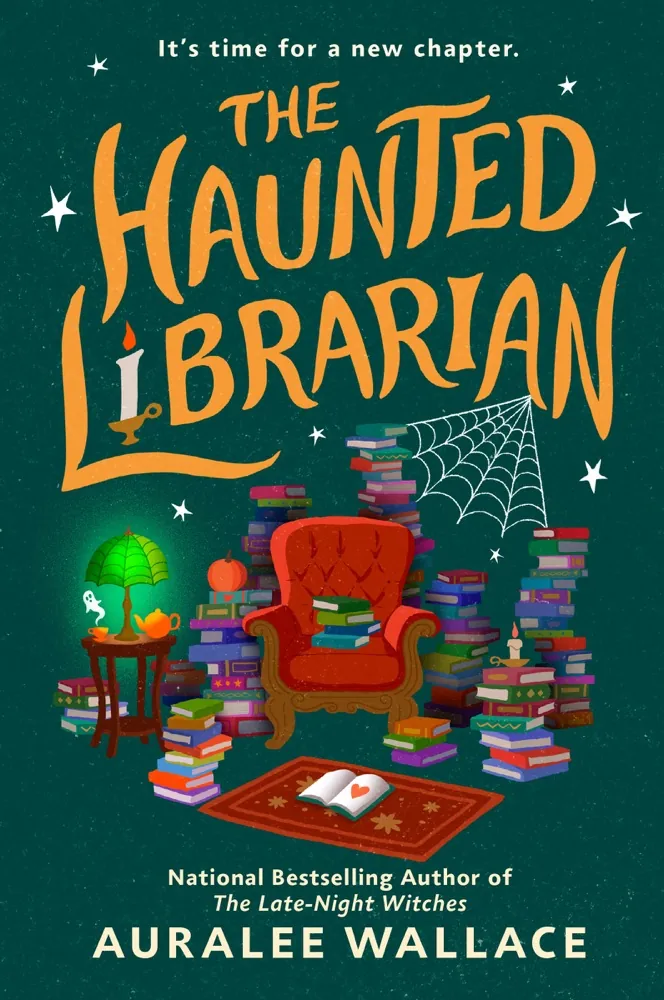
Author: Auralee WallacePage Count: UnknownPublication Date: Expected publication 2026-10-06 APL Another cozy paranormal manuscript lands on my walnut desk, smelling faintly of synthetic vanilla and desperation. Auralee Wallace is serving up The Haunted Librarian, and my coffee has already gone cold. Between the Dewey Decimal and the Netherworld The premise relies on a protagonist named Amelia Bates. She talks to ghosts. She hates living humans. She works in a library. Stop me if you have read this exact cozy mystery on Kindle Unlimited while eating stale popcorn during the 2022 crypto crash. The setup is predictable. Actually, let me walk that back—the architecture of the premise is actually quite airtight for the current mid-list comfort-reads gold rush, provided the execution avoids total banality. Rain slicked streets. A warm haven. A shy, bespectacled head librarian. The tropes are so heavily leaned upon they might snap clean in half. Wallace is clearly aiming for that sweet spot where The House in the Cerulean Sea meets a standard Hallmark channel autumn movie script. Yet the pacing hinted at in the copy feels dreadfully episodic. Three quirky spirits causing havoc? That sounds less like an overarching narrative arc and more like a checklist for a sitcom writer's room suffering from a severe lack of caffeine. The Architecture of Comfort The thematic core here is transparent. Isolation versus forced community. The library as a literal and figurative sanctuary for the emotionally battered. We see this exact psychological scaffolding in every second book pitched to us this quarter. But let us talk about the stakes. Three rowdy ghosts threatening the future of a municipal building? The stakes are lower than the Swiss franc interest rates. And yet, readers will devour it by the pallet load. Why? Because the market demands infinite bowls of literary oatmeal. Wallace knows her audience. She is not inventing the wheel. She is greasing the axles with pumpkin spice and spectral antics. If the romance with the bespectacled boss does not feature at least three painfully awkward conversations near the microfilm machine, I will demand a refund from my own ledger. I am closing the laptop now. I need to go browse multi-million-euro crumbling villas in Tuscany to cleanse my palate of all this aggressively wholesome nonsense. #cozyfantasy #ghosts #publishinglife Related InsightsThe Adventures of Sherlock Holmes Book Review and Summary Sweet Obsession Book Review and Summary The Four Wives and Five Deaths of Richard Milford Book Review and Summary{ "@context": "https://schema.org", "@type": "FAQPage", "mainEntity": [ { "@type": "Question", "name": "What is the main focus of The Haunted Librarian Book Review and Summary?", "acceptedAnswer": { "@type": "Answer", "text": "Everything you need to know about The Haunted Librarian with our detailed review." } }, { "@type": "Question", "name": "Who authored the comprehensive guide on The Haunted Librarian Book Review and Summary?", "acceptedAnswer": { "@type": "Answer", "text": "This detailed article and its insights were carefully researched and authored by Chloé Laurent." } }, { "@type": "Question", "name": "Where can I find more related content about Books?", "acceptedAnswer": { "@type": "Answer", "text": "You can explore more articles, detailed reviews, and similar insights by browsing the Related Insights section at the bottom of this article or visiting our dedicated Books category page." } } ] }
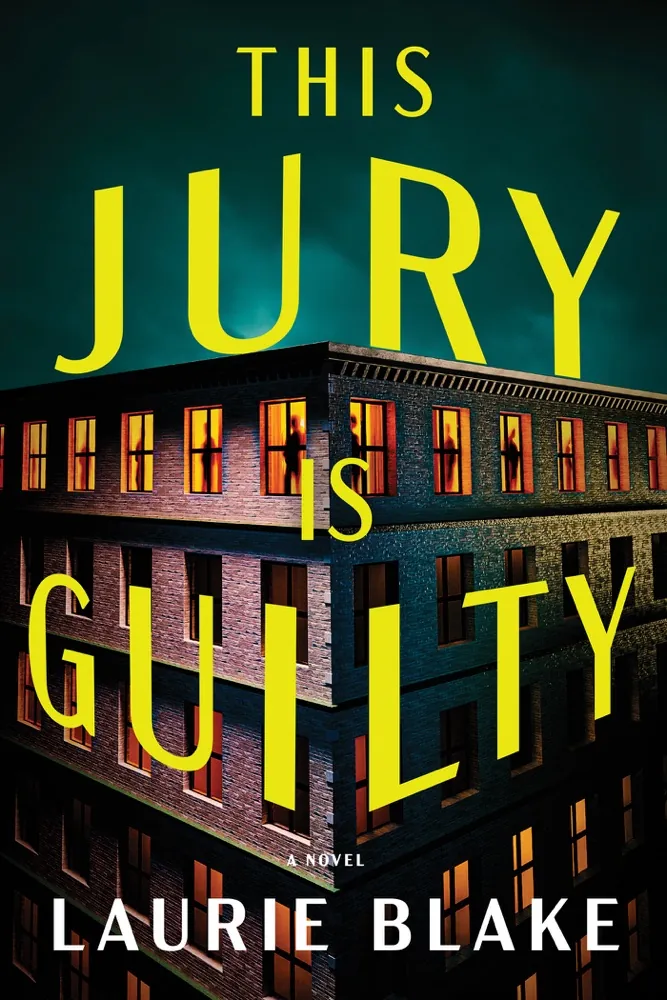
Author: Laurie BlakePage Count: UnknownPublication Date: Expected publication 2026-11-03 APL The synopsis for This Jury Is Guilty is so deliberately vague it’s almost a crime against clarity itself—like watching a trial where the prosecution never reveals the victim’s name. We’re told everyone is guilty, but not how or why, just that the jurors are a pack of wolves in legal robes, circling some unseen prey. It’s the literary equivalent of a Hollywood ending where the twist is that there is no twist, just a slow unraveling of fabric so thin you can see the seams stitching together lies. And yet—and yet—this is exactly the kind of game that sells in a true crime-obsessed culture where people devour podcasts about murderous spouses while scrolling through their own perfectly curated Instagram feeds. The comparison to Everyone Is Watching is lazy but not entirely unfair—both books exploit the voyeuristic thrill of being trapped in a room with people who think they’re the stars of their own drama. But where Everyone Is Watching at least had the decency to give us a clear villain (or so we thought), this synopsis leaves us with a jury so morally bankrupt it’s almost refreshing in its honesty. Juror 6 is "risking everything," Juror 2 is "playing games," Juror 13 is "doing anything"—it’s all so broad it might as well be a Law & Order episode where the moral of the story is "never trust a jury." The problem isn’t that the book is too vague; the problem is that it’s too willing to let the reader fill in the blanks with their own worst suspicions. And let’s be honest, we all have a Juror 13 in us, don’t we? The one who’d sell their soul for a front-row seat to the spectacle. The thematic promise here is rich—obsessions with true crime, the blurry line between fact and fiction, the lengths people go to for justice. But it’s also dangerously shallow. Where’s the nuance? Where’s the exploration of why these people are so desperate to convict or acquit? The synopsis treats the jurors like chess pieces, not human beings with motives beyond revenge or survival. And don’t even get me started on the current trend of "locked-room thrillers" where the real crime is the author’s inability to commit to a single, compelling narrative. It’s like watching a cooking show where the chef keeps adding random spices just to keep the audience guessing—eventually, you just want to scream, "Just tell us what’s in the damn soup!" But fine, let’s play along. The book is clearly aiming for the Twelve Angry Men of Hollywood, where the real drama isn’t the trial but the jurors themselves. And if that’s the case, then the synopsis is doing its job—it’s selling the idea of a jury so corrupt, so self-serving, that the verdict is less about the defendant and more about who among them can outmaneuver the others. It’s the ultimate power fantasy for people who love to watch others tear each other apart. And yet, where’s the heart? Where’s the moment where one juror actually changes? The synopsis doesn’t even hint at that. It’s all surface-level tension, no depth. I can already predict this book will be compared to Amy Tintera’s The Last Thing He Told Me and Steve Cavanagh’s The Jury, but with less substance and more spectacle. It’s the kind of book that will have readers screaming at their screens, "No! Don’t let her get away with it!"—but not because of any real emotional investment, just because the author has set up a game where the rules are constantly shifting. And that’s fine, I suppose. If you want a book that’s as satisfying as a box of chocolates where you’re not sure if you’re going to get a caramel or a poisoned truffle, then go for it. But don’t expect anything more than a quick, messy binge. I’m operating on three hours of sleep and pure espresso, so forgive me if I’m already judging this book before it’s even published. #BookTok #TrueCrimeObsession #JuryOfPeers #HollywoodMurder #LockdownThriller
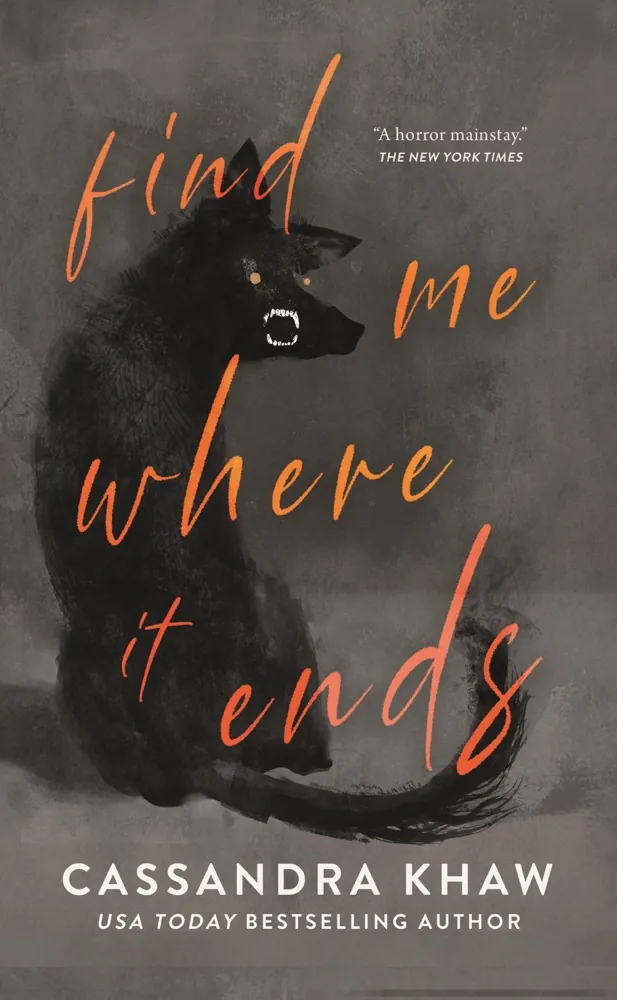
Author: Cassandra KhawPage Count: UnknownPublication Date: Expected publication 2026-10-06 APL August in Manhattan is a sticky, miserable affair, yet here I am, sweating through my bespoke linen blazer while trying to figure out why Cassandra Khaw’s latest offering, Find Me Where It Ends, insists on dragging its feet before page one even opens. As an executive who has rejected a thousand bloated manuscripts this quarter alone, I care about one thing above all else: momentum. Does this premise move, or does it idle? Let us dissect the anatomy of this blurb. Khaw gives us a woman, a doorstep, and a mythic hound. Standard gothic boilerplate. Yet—and this is where my interest is begrudgingly piqued—the pacing outlined in this synopsis is dangerously slow. We have a protagonist, Antigone, inviting Death's spectral puppy inside for tea and introspection. The Slow Burn Trap How long can a narrative sustain itself on mere self-reflection before the reader tosses the volume across a cramped Brooklyn apartment? Khaw’s bibliography—think The Salt Grows Heavy—relies on visceral, atmospheric shock. But interiority is a notoriously tricky beast. If Antigone spends the first hundred pages simply pondering her burnout and the pieces of herself she sacrificed for ungrateful relations, the structural integrity of the novella will collapse under its own melancholic weight. Pacing is not merely about velocity. It is about tension. And frankly, this synopsis lacks teeth. The Economics of Exhaustion Look at the thematic framing here. Burnout. The hollowing out of the self. It is the literary zeitgeist of our exhausted late-capitalist moment, echoing the bleak, atmospheric exhaustion found in Ottessa Moshfegh’s work or the folkloric dread of Mariana Enríquez. Yet, art requires propulsion. A good death coming at a price is a compelling hook—truly, what is the toll?—but the blurb stops dead right when the stakes should skyrocket. The Verdict Will it sell? Absolutely. Khaw’s cult following guarantees a robust pre-order window. But as an editor whose desk is currently buried under three competing drafts of grief-drenched horror, I worry about the middle act. Will the narrative drag like a humid August afternoon? Or will Khaw deliver the jagged, razor-sharp prose we expect? I suspect we are in for a lingering, atmospheric slog. Brilliant prose, perhaps. But narrative stagnation is a luxury few readers tolerate in our current hyper-accelerated attention economy. Somebody get my assistant. The caviar I ordered from room service is far too salty, and I refuse to tolerate culinary incompetence on top of sluggish editorial pacing. Related InsightsLucy Kline, Necromancer Book Review and Summary The Sun and the Star Book Review and Summary Switzy Book Review and Summary{ "@context": "https://schema.org", "@type": "FAQPage", "mainEntity": [ { "@type": "Question", "name": "What is the main focus of Find Me Where It Ends Book Review and Summary?", "acceptedAnswer": { "@type": "Answer", "text": "Everything you need to know about Find Me Where It Ends with our detailed review." } }, { "@type": "Question", "name": "Who authored the comprehensive guide on Find Me Where It Ends Book Review and Summary?", "acceptedAnswer": { "@type": "Answer", "text": "This detailed article and its insights were carefully researched and authored by Chloé Laurent." } }, { "@type": "Question", "name": "Where can I find more related content about Books?", "acceptedAnswer": { "@type": "Answer", "text": "You can explore more articles, detailed reviews, and similar insights by browsing the Related Insights section at the bottom of this article or visiting our dedicated Books category page." } } ] }
Author: Zoé DuhaimePage Count: UnknownPublication Date: Expected publication 2026-09-29 APL So the kids are currently covered in flour, shrieking over a batch of snickerdoodles that are definitely going to fuse into one giant baking-sheet cookie, and I am sitting here reading about The Lost Spectacular by Zoé Duhaime. But let us be entirely honest from the jump. And do not even get me started on the absolute emotional carnage awaiting us in September 2026. Because if anyone dares hurt Noon Bonaventure or Munro Forrest, I am personally marching into the nearest bookstore and flipping tables. The Art of Refusing to Let Go Duhaime is handing us a premise wrapped in pure, unadulterated heartbreak. Childhood rivals? Check. Literary dimension-hopping through classic art and private letters? Absolutely. Yet it is the philosophical divide between the two protagonists that keeps me awake while waiting for bread dough to rise. Munro wants to trap a literal, magical festival of lost things in a museum exhibit. Noon becomes the captain of that very show. Why You Should Be Sweating And yet, look at the synopsis. It relies heavily on vibes. Are we getting actual world-building here, or just a string of gorgeous aesthetic adjectives like "lone pearl earrings" and "a skyful of umbrellas"? Erin Morgenstern made a career out of The Night Circus doing precisely that—which I adore, when executed with precision. But I demand mechanics. How does one curate a shipwreck? If Duhaime hand-waves the magical logistics just to force these two stubborn fools into a room to confront their grief, I will riot. Do not dangle classic literature and family dinners in front of me and then skimp on the prose. My hot take? This is going to read like a cross between Aimee Bender and Alix E. Harrow, heavy on the whimsical metaphors, light on the structural handholds. Munro is giving me major control-freak energy, and Noon sounds like the kind of chaotic-neutral heroine I want to protect with my life while simultaneously shaking by the shoulders. Let them be messy! Let them ruin each other! Just do not wrap up their trauma in a neat little bow by page three hundred. Art takes suffering. Also, baking takes patience, neither of which I possess today. Oh, lord. The dog just threw up on the vintage braided rug. Related InsightsLe Rythme Invisible du Progrès : L'Odyssée de la Batterie Lithium-Ion First Sign of Danger Book Review and Summary Longitude Book Review and Summary{ "@context": "https://schema.org", "@type": "FAQPage", "mainEntity": [ { "@type": "Question", "name": "What is the main focus of The Lost Spectacular Book Review and Summary?", "acceptedAnswer": { "@type": "Answer", "text": "Everything you need to know about The Lost Spectacular with our detailed review." } }, { "@type": "Question", "name": "Who authored the comprehensive guide on The Lost Spectacular Book Review and Summary?", "acceptedAnswer": { "@type": "Answer", "text": "This detailed article and its insights were carefully researched and authored by Sarah Davis." } }, { "@type": "Question", "name": "Where can I find more related content about Books?", "acceptedAnswer": { "@type": "Answer", "text": "You can explore more articles, detailed reviews, and similar insights by browsing the Related Insights section at the bottom of this article or visiting our dedicated Books category page." } } ] }
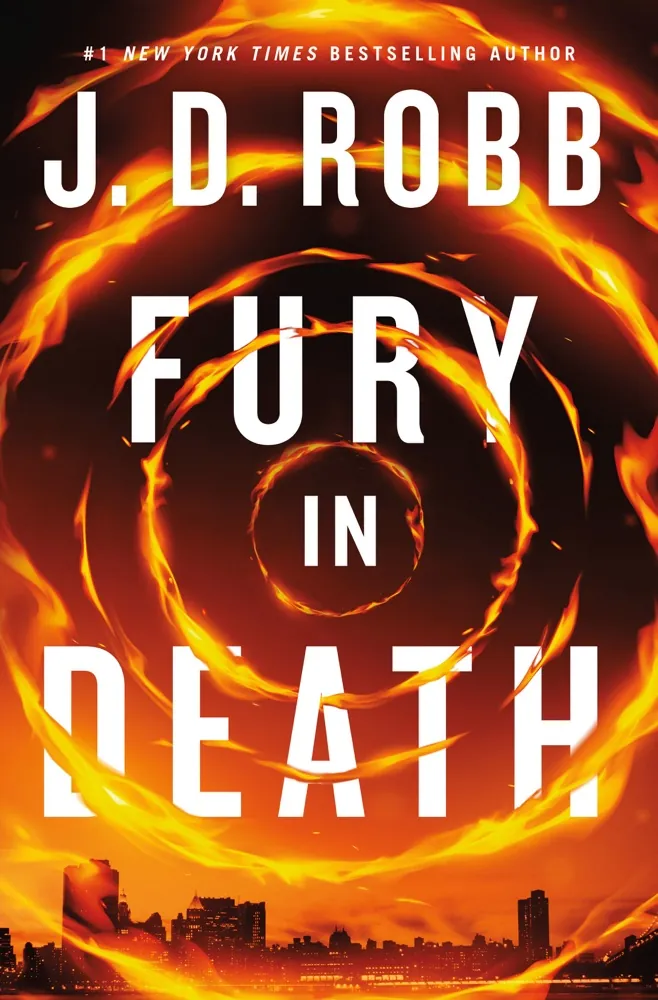
Author: J.D. RobbPage Count: UnknownPublication Date: Expected publication 2026-09-08 APL The In Death series, now on its 63rd installment, Fury in Death. Can J.D. Robb still manage to surprise us? The question hangs in the air like a challenge. Yet, as I scan the synopsis, I'm left with a nagging sense of déjà vu. We've seen this before, haven't we? The wealthy biotech executive, the gruesome murder, the trail of secrets and lies. It's a familiar setup, one that Robb has mastered over the years, but will it be enough to keep readers engaged? — The devil's in the details, after all. Or, in this case, the lack thereof. The synopsis is woefully vague, leaving us with more questions than answers. What was Larry Chu's mistake, exactly? How does his murder tie into the larger conspiracy? And what's the significance of that suspicious bank account in the Cayman Islands? The more I read, the more I'm reminded of a classic case of overpromising. Robb's got a reputation for delivering twisty, suspenseful plots, but can she deliver on this one? And then, of course, there's Eve Dallas. Our intrepid lieutenant, with her troubled past and her penchant for getting in over her head. She's a character we've grown to love, but how much more can we milk from her backstory? The synopsis hints at a deeply personal connection between Eve and the murder victim, but I'm not convinced. It feels like a contrived attempt to inject some emotional depth into the story. But, I suppose that's the thing about Robb's writing. She's always pushing the boundaries, experimenting with new ways to tell the same old story. And, let's be real, it's worked for her so far. The In Death series has a dedicated fan base, and for good reason. Robb's got a keen eye for detail, a knack for crafting characters that feel real and relatable. — Although, if I'm being honest, the whole "tough-as-nails female detective" trope is getting a bit old. Still, I'm willing to give Robb the benefit of the doubt. She's proven herself time and time again, and I'm curious to see how she'll spin this latest installment. Will it be a game-changer, or just another iteration of the same old formula? Only time will tell. — And, let's be real, the real question on everyone's mind is: can Robb keep up with the likes of Tana French and Laura Lippman? The answer, I suppose, will have to wait until September. Until then, I'll be over here, taking bets on how many twists and turns Fury in Death will take. The Verdict: A Familiar Tune As I finish up this preview, I'm left with a sense of trepidation. Can Robb deliver on the promises made in this synopsis? Or will it be just another rehashing of the same old tropes? I suppose we'll have to wait and see. And with that, I'm off to take a bubble bath in my jacuzzi. #JDRobb #InDeathSeries #FuryInDeath #MysteryThriller #BookLovers #ReadingIsFun Related InsightsA Walk to Remember Book Review and Summary The Drowning Woman Book Review and Summary Alice’s Adventures in Wonderland / Through the Looking-Glass Book Review and Summary{ "@context": "https://schema.org", "@type": "FAQPage", "mainEntity": [ { "@type": "Question", "name": "What is the main focus of Fury in Death (In Death, #63) Book Review and Summary?", "acceptedAnswer": { "@type": "Answer", "text": "Everything you need to know about Fury in Death (In Death, #63) with our detailed review." } }, { "@type": "Question", "name": "Who authored the comprehensive guide on Fury in Death (In Death, #63) Book Review and Summary?", "acceptedAnswer": { "@type": "Answer", "text": "This detailed article and its insights were carefully researched and authored by Chloé Laurent." } }, { "@type": "Question", "name": "Where can I find more related content about Books?", "acceptedAnswer": { "@type": "Answer", "text": "You can explore more articles, detailed reviews, and similar insights by browsing the Related Insights section at the bottom of this article or visiting our dedicated Books category page." } } ] }
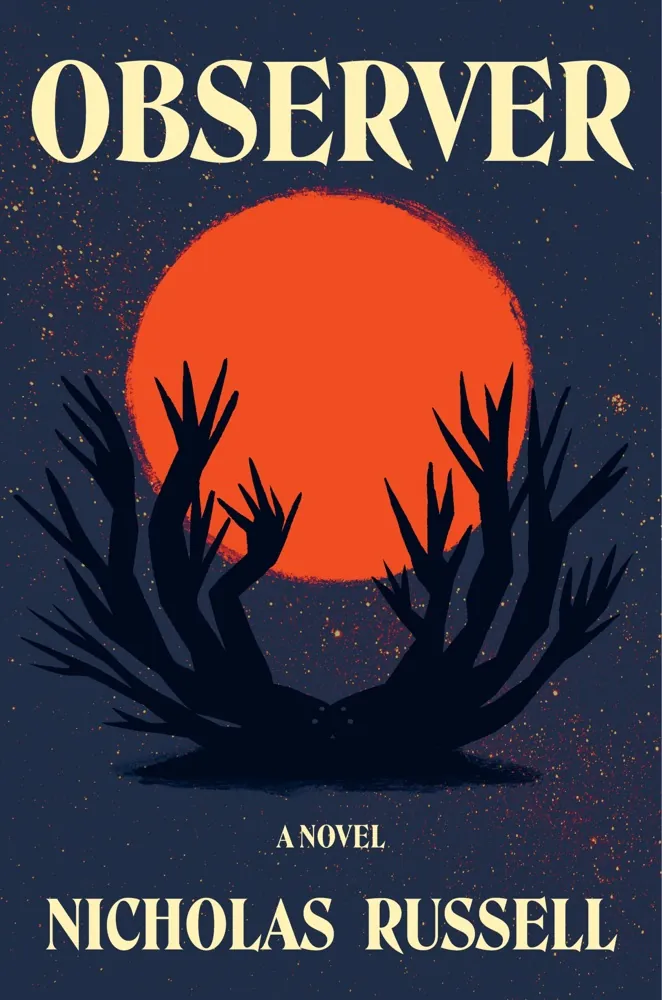
Author: Nicholas RussellPage Count: UnknownPublication Date: Expected publication 2026-09-15 APL Oh, honey, let’s talk about Observer—because nothing says “cozy kitchen vibes” like a Nevada observatory where the sky might just be watching back. Nicholas Russell’s debut isn’t just a mystery; it’s a slow-burn descent into the kind of dread that makes you double-check the back door after the kids go to bed. And yet—and yet—there’s something deliciously domestic about Renata’s journey, like peeling back the layers of a lasagna to find something far stranger than meatballs. The synopsis teases a narrative that’s equal parts The Terror and Mexican Gothic, but with the quiet, creeping unease of a Shirley Jackson short story. Renata’s investigation isn’t just about solving a disappearance—it’s about uncovering the cracks in her own family’s story, and the desert’s refusal to let go of its secrets. That hidden obsession with a surveyor? Classic cosmic horror bait—think Annihilation’s Shimmer, but with the dry, parched logic of a place where the land itself might be a character. And the town’s hostility? Oh, it’s not just small-town gossip; it’s the kind of silence that screams. But here’s where the synopsis gets a little too coy—because what’s the deal with the observatory? Is it a literal portal? A metaphor for human hubris? The vagueness is deliberate, isn’t it? It’s the same trick The Only Good Indians pulls—leaving just enough mystery to make you crave the next chapter like a sugar rush. And let’s be real: if this book delivers on its promise of “darkly comic” dread, it’ll be the kind of read that makes you laugh through your teeth while your icing drips onto the counter. The thematic core here is all about looking—Renata’s literal ascent to the observatory, but also the way we all stare into the unknown, whether it’s a mother’s journals or the vast, indifferent sky. The desert isn’t just a setting; it’s a judge, a witness, a participant. And the entity lurking there? It’s not just a monster—it’s the price of curiosity, the thing that happens when you ask too many questions. Observer feels like it’s channeling the same existential chill as The Fisherman by John Langan, but with the gritty, human-scale horror of Mexican Gothic’s Catalina. My prediction? This isn’t just a horror novel—it’s a love letter to the idea that some truths are better left buried. And if Russell pulls it off, it’ll be the kind of book you’ll recommend to friends while they’re still wiping flour off their hands, muttering, “You have to read this.” Now if you’ll excuse me, I need to go argue with a bot about whether Observer is more Annihilation or The Only Good Indians—because clearly, it’s both, and the bot won’t listen. #BookTok #CosmicHorror #DesertDread #NewHorror #NicholasRussell Related InsightsSeabiscuit Book Review and Summary Dark Matter Book Review and Summary Buried Embers Book Review and Summary{ "@context": "https://schema.org", "@type": "FAQPage", "mainEntity": [ { "@type": "Question", "name": "What is the main focus of Observer: A Novel Book Review and Summary?", "acceptedAnswer": { "@type": "Answer", "text": "Everything you need to know about Observer: A Novel with our detailed review." } }, { "@type": "Question", "name": "Who authored the comprehensive guide on Observer: A Novel Book Review and Summary?", "acceptedAnswer": { "@type": "Answer", "text": "This detailed article and its insights were carefully researched and authored by Sarah Davis." } }, { "@type": "Question", "name": "Where can I find more related content about Books?", "acceptedAnswer": { "@type": "Answer", "text": "You can explore more articles, detailed reviews, and similar insights by browsing the Related Insights section at the bottom of this article or visiting our dedicated Books category page." } } ] }
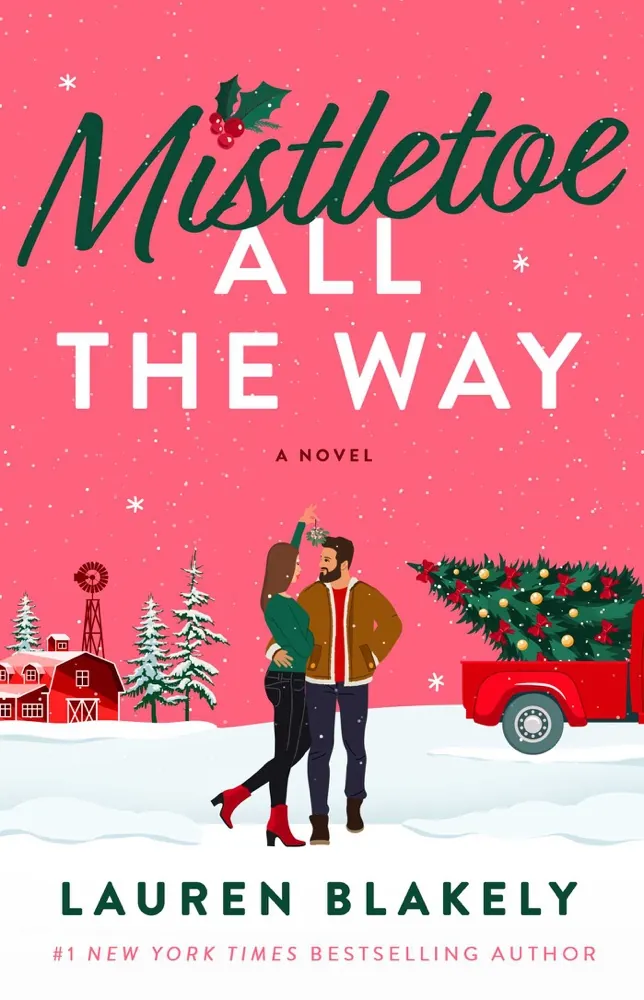
Author: Lauren BlakelyPage Count: UnknownPublication Date: Expected publication 2026-10-06 APL Espresso empty, jacket buttoned. I have four minutes before my driver arrives for the Chelsea gallery opening, yet my mind remains hijacked by Lauren Blakely’s upcoming pitch for Mistletoe All the Way. Let us be entirely honest. The conceit is derivative to the point of exhaustion. A grumpy veterinarian and a sunshine-drenched optimist enter a contrived proximity dynamic involving a small-town competition—ground thoroughly tilled by every romance imprint from here to Seattle. Yet, the commercial viability is undeniable. Blakely understands the algorithm of longing. She knows precisely how to package serialized comfort for a market desperate for high-sugar escapism. The Architecture of Enmity Consider the structural mechanics at play here. We have a classic ideological collision between pastoral isolation and civic engagement. Dr. Noah Lennox retreats from joy like a starving artist fleeing a corporate commission. And Eloise Langston? She is the literal embodiment of forced cheer, weaponizing tinsel for a paycheck. The synopsis leans heavily on the forced-proximity blueprint—twinkle lights, fake kisses, and high-stakes real estate drama involving a slick cousin named Stephen. Standard genre machinery. But watch the stakes. The battle for the sleigh-ride farm isn't merely about property rights; it's a proxy war for authenticity versus commodified holiday spirit. Tropes as Currency Is the premise lazy? Perhaps. The "grumpy cowboy meets sunshine marketing girl" dynamic reads like an AI prompt fed straight into Kindle Unlimited. But execution is everything in this tax bracket. Emily Henry and Ali Hazelwood built empires on this exact brand of emotional friction. Blakely is betting her autumn royalties that readers will overlook the recycled scaffolding for the promise of a well-earned, slow-burn combustion. The real tension rests on whether Blakely can elevate Eloise beyond a walking Pinterest board. The synopsis reduces her to a tourism hopeful chasing rent money, which risks rendering her an accessory to Noah’s sullen transformation. A romance only sings when both entities possess equal gravitational pull. If Noah does all the brooding while Eloise does all the smiling, the dynamic stalls out halfway through Act Two. My forecast? It hits the New York Times list by midnight on launch week. The readership will devour it between flights or during lazy Sunday mornings in minimalist lofts. It offers zero intellectual challenge, and honestly? That is precisely why the advance orders are breaking records. We do not read Blakely for avant-garde deconstruction. We read her for the sugar spike. Now, if you will excuse me, I need to go pick out new marble countertops. #BookTok #RomanceBooks #PublishingLife Related InsightsPossession Book Review and Summary Soy Pilgrim / I Am Pilgrim Book Review and Summary Resurrection Book Review and Summary{ "@context": "https://schema.org", "@type": "FAQPage", "mainEntity": [ { "@type": "Question", "name": "What is the main focus of Mistletoe All the Way Book Review and Summary?", "acceptedAnswer": { "@type": "Answer", "text": "Everything you need to know about Mistletoe All the Way with our detailed review." } }, { "@type": "Question", "name": "Who authored the comprehensive guide on Mistletoe All the Way Book Review and Summary?", "acceptedAnswer": { "@type": "Answer", "text": "This detailed article and its insights were carefully researched and authored by Chloé Laurent." } }, { "@type": "Question", "name": "Where can I find more related content about Books?", "acceptedAnswer": { "@type": "Answer", "text": "You can explore more articles, detailed reviews, and similar insights by browsing the Related Insights section at the bottom of this article or visiting our dedicated Books category page." } } ] }
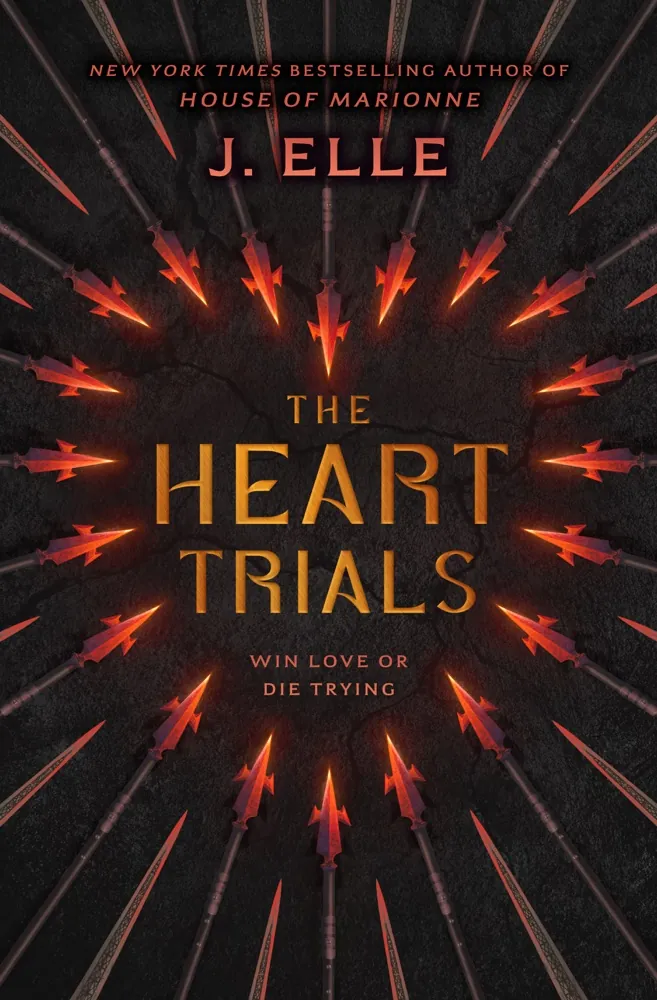
Author: J. EllePage Count: UnknownPublication Date: Expected publication 2026-09-01 APL Flour is currently coating my kitchen counter, three children are aggressively demanding chocolate chips, and yet here I am, glaring at a dystopian synopsis about state-mandated lovelessness. Honestly? I need this kind of high-stakes escapism like I need a double espresso. J. Elle is stepping into our reading lives with The Heart Trials. And yes, the premise sounds like someone threw The Hunger Games, a brutal class war, and a trashy reality dating show into a blender. But does that make it delicious? Absolutely. Sugar, Spice, and Lethal Dating Shows Consider the sheer audacity of a society where the elite get to feel things, while the working class must swallow government-issued "Heartfillers." What a delightfully grotesque world-building choice! Just another drop in the bucket of corporate-engineered misery. But as someone who spends hours measuring out vanilla extract for tiny, ungrateful humans, I appreciate a good rigid system. Axira Merreri—what a wonderfully punchy protagonist name—smuggles these illegal emotional highs by night. Naturally, her smuggling run goes horribly wrong. Doesn't it always? The Ultimate Cook-Off with Death So, our heroine ends up bargaining for her life by infiltrating a murderous dating tournament meant for highborn citizenship. Because nothing says romance quite like a bloodbath for a marriage license. J. Elle is leaning hard into the current romantasy trend of deadly competitions—think Carissa Broadbent’s Powerless or Danielle L. Jensen's ruthless court politics—and frankly, I am seated. Yet, the synopsis remains delightfully vague on the actual mechanics of this tournament. Are we talking obstacle courses? Poisoned cocktails? Secret rose ceremonies with actual broadswords? The publisher’s marketing copy refuses to tell us. Typical. Emotional Engineering and Flour Dust What fascinates me intellectually is the core thematic tension here. The regime monetizes and rations affection. Axira enters the arena purely for survival, only to have her carefully armored defenses cracked by an unexpected connection. Will it be cliché? Probably. Do I care? Not even a little bit while my nine-year-old licks raw batter off the spoon. The juxtaposition of a brutal physical death match with the weaponization of genuine emotion gives the author plenty of room to explore bodily autonomy under a totalitarian regime. My bold prediction? This duology starter is going to dominate BookTok by late autumn. It has all the right ingredients. High stakes. Forbidden yearning. A heroine who probably makes terrible, impulsive decisions for the greater good. I just hope the ending doesn't leave us hanging on a cliff too brutal to digest. Now, if you will excuse me, I need a massive glass of red wine after surviving toddler tantrums and baking three dozen cookies. Related InsightsHeir Book Review and Summary The Emperor's Enemy (Unsurvivable Love Duet, #1) Book Review and Summary Meditations on Nature, Meditations on Silence Book Review and Summary{ "@context": "https://schema.org", "@type": "FAQPage", "mainEntity": [ { "@type": "Question", "name": "What is the main focus of The Heart Trials Book Review and Summary?", "acceptedAnswer": { "@type": "Answer", "text": "Everything you need to know about The Heart Trials with our detailed review." } }, { "@type": "Question", "name": "Who authored the comprehensive guide on The Heart Trials Book Review and Summary?", "acceptedAnswer": { "@type": "Answer", "text": "This detailed article and its insights were carefully researched and authored by Sarah Davis." } }, { "@type": "Question", "name": "Where can I find more related content about Books?", "acceptedAnswer": { "@type": "Answer", "text": "You can explore more articles, detailed reviews, and similar insights by browsing the Related Insights section at the bottom of this article or visiting our dedicated Books category page." } } ] }
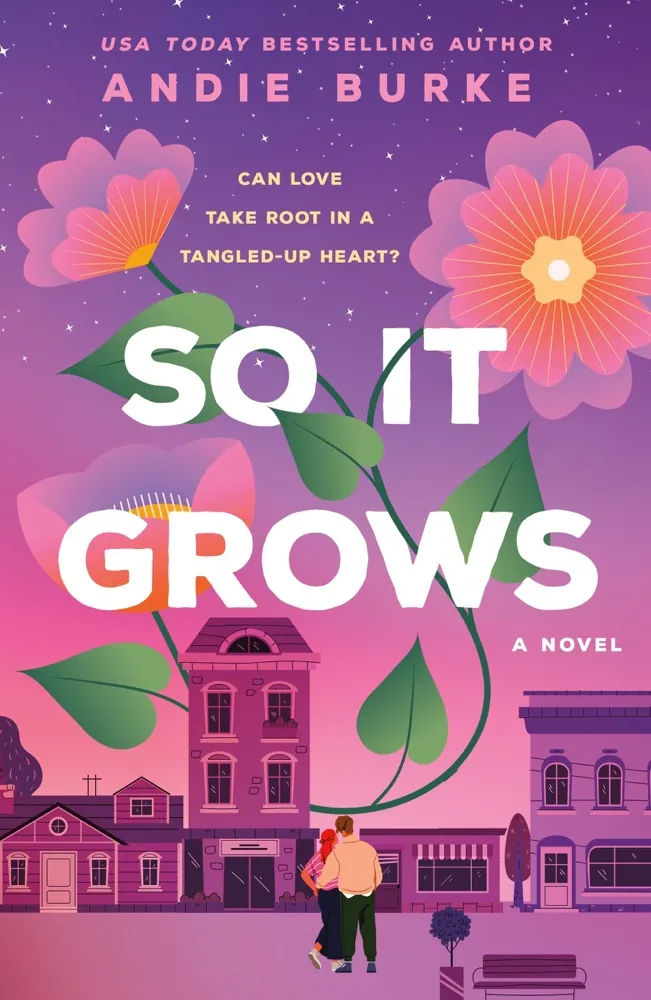
Author: Andie BurkePage Count: UnknownPublication Date: Expected publication 2026-09-22 APL Outside the panoramic windows of this sleek, high-speed train, the August sun bakes the golden fields of the European countryside into a shimmering mirage of heat. Across the laminate table, my children are aggressively kneading a sticky lump of sourdough dough—our current mobile baking experiment is testing my patience—while my mind wanders far from our destination. I am pondering Andie Burke’s upcoming novel, So It Grows. Fascinating in theory. A cozy small-town business-rivals romance about plant shops and mac and cheese restaurants. But what does it truly tell us about the human condition under capitalism? Hardly a simple question. Let us dissect the premise. Felicity inherits a botanical sanctuary, only to be ambushed by a trendy, carbohydrate-heavy culinary neighbor named Nicolas. And what a delightfully absurd juxtaposition—delicate greenery versus glorious, melted cheese. Yet beneath the culinary kitsch lies a profound existential battle. A greedy developer threatens their sunlight with a towering parking garage. Architectural tyranny in a quirky Kansas corner. But is this merely a localized squabble over photons, or an allegory for the relentless march of modern gentrification? Time will tell. Or perhaps it is just an excuse to smash two stubborn egos together until sparks fly. Burke clearly leans into the classic enemies-to-lovers framework, a literary dynamic that depends entirely on sharp banter and simmering tension. Yet the synopsis drops heavy hints about hidden battle scars and old secrets. A dangerous gamble for a cozy narrative. Does the romance buckle under the weight of contrived melodrama, or does it genuinely earn its emotional catharsis? One worries the plot mechanics might get bogged down by the third act, much like my children's over-worked dough. But if anyone can balance heat and heart without tipping into saccharine exhaustion, it is a USA Today bestselling author. Think Emily Henry meets Book Lovers, but with chlorophyll and pasta. The thematic core here revolves around roots—both literal and psychological. Felicity wants to plant them, while the impending storm and old ghosts threaten to uproot everything. A neat metaphor, albeit a trifle obvious. But romance readers do not crave avant-garde subtlety; they crave the delicious agony of two obstinate people realizing they are looking at their own future. Will they cut and run? A tired trope, frankly. Yet I find myself strangely invested in how Burke handles the fallout of the developer's plotline. As the train hurtles past another sun-drenched vineyard, and my youngest successfully flours the entire tray table, I remain cautiously optimistic. Will So It Grows redefine the contemporary romance landscape, or is it merely fast-food fiction dressed up in botanical drag? #SoItGrows #AndieBurke #RomanceBooks #BookTwitter Related InsightsThe House in the Cerulean Sea Book Review and Summary Perfume: The Story of a Murderer Book Review and Summary The Four Winds Book Review and Summary{ "@context": "https://schema.org", "@type": "FAQPage", "mainEntity": [ { "@type": "Question", "name": "What is the main focus of So It Grows Book Review and Summary?", "acceptedAnswer": { "@type": "Answer", "text": "Everything you need to know about So It Grows with our detailed review." } }, { "@type": "Question", "name": "Who authored the comprehensive guide on So It Grows Book Review and Summary?", "acceptedAnswer": { "@type": "Answer", "text": "This detailed article and its insights were carefully researched and authored by Sarah Davis." } }, { "@type": "Question", "name": "Where can I find more related content about Books?", "acceptedAnswer": { "@type": "Answer", "text": "You can explore more articles, detailed reviews, and similar insights by browsing the Related Insights section at the bottom of this article or visiting our dedicated Books category page." } } ] }
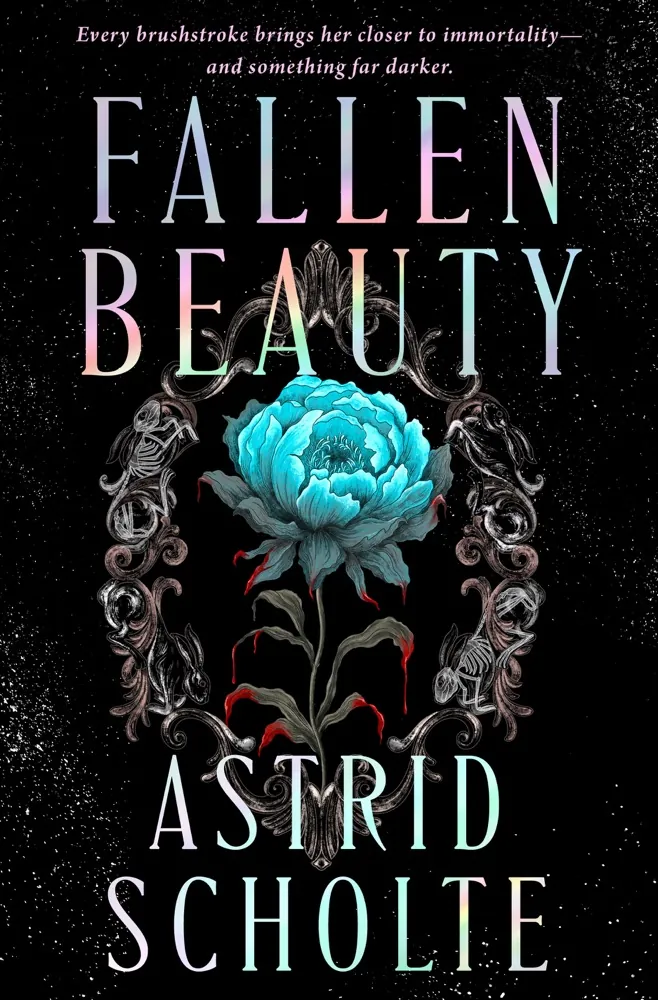
Author: Astrid ScholtePage Count: UnknownPublication Date: Expected publication 2026-11-03 APL The sun bleeds through the blinds of my office, casting jagged gold across the spine of a first-edition The Picture of Dorian Gray—because, of course, I’m still waiting for the right book to justify its purchase. And here we are, with Fallen Beauty, a synopsis that smells of old oil paints and unpaid rent, the kind of premise that makes you wonder if Scholte has been reading too many Crimson Peak afternoons by the pool. But let’s be honest, the real question is: does it have the gravitas of a true gothic romance, or is it just another summer blockbuster waiting to be drowned in a glass of prosecco? The setting, if we can call it that, is a prison of a tower—hardly a new trope, but the execution here is potentially interesting. Thorelea’s life is one of forced artistry, a modern-day Sisyphean artist trapped in a cycle of painting the dead. The imagery is rich, the stakes clear: she’s not just a prisoner, she’s a captive muse, and the moment that dead animal stirs back to life? That’s the kind of narrative hook that could either elevate or embarrass. It’s the kind of twist that makes you think of The Night Circus’s slow-burn mystery, but with the emotional weight of a Rebecca protagonist—if Rebecca had been a painter instead of a wife. The problem? The synopsis doesn’t show us the horror of it. It tells us Thorelea is "forced," but does she resist? Does she hate the act of painting? Or is she, like so many tragic heroines, complicit in her own suffering? That’s the kind of psychological depth that separates a good gothic romance from a forgettable one. And then there’s the court. A royal court where immortality is bought with portraits—because nothing says "love" like a magical portrait contract. The idea of a painter sustaining the monarchy’s eternity is deliciously dark, a twist on the classic "artist as doomed soul" trope. But—and this is critical—does Scholte have the chops to make this feel fresh? The royal court is a well-worn setting, but the synopsis doesn’t hint at whether it’s being subverted. Is this a Game of Thrones meets The Secret History vibe, or is it just another fairy tale with fancier costumes? The lack of specificity here is frustrating. Where’s the political intrigue? The courtly betrayals? The synopsis gives us Kelter, the prince desperate for immortality, but is he a love interest, a pawn, or just another man with a deal too good to be true? The way the relationship is framed—"they meet at night in secret"—sounds like it could be lush or cliché, depending on how Scholte handles it. And let’s not forget, the deal itself is a dangerous gamble: Thorelea paints, Kelter escapes, but what’s the catch? Is it her soul? Her art? Her heart? The synopsis doesn’t say. It’s all too vague, like a menu with only the prices circled. Yet—and this is where the romance in me takes over—the core of this story is the tension between love and freedom. That’s the kind of dichotomy that makes a gothic romance sing. Think Jane Eyre’s Bertha Mason, but with a paintbrush instead of a wild heart. Or The Ten Thousand Doors of January, where the protagonist’s desires are tied to a larger, magical world. But here’s the thing: the synopsis doesn’t show us the emotional stakes. Is Thorelea in love with Kelter? Is she just using him? Is she terrified of what her powers might cost her? The way it’s written, it reads like a transactional romance, which is fine—The Hunger Games did it well—but it’s not Fallen Beauty’s job to prove it. Scholte’s got a chance to make this haunting, but right now, it’s just a haunting promise. And then there’s the art itself. The synopsis mentions Thorelea’s powers, but does it feel like we’re getting a sense of her genius? Is she a real artist, or just a plot device? The best gothic romances—The Turn of the Screw, Dracula—make the art matter. They make the brushstrokes bloody. Here, we’re told she’s talented, but we’re not shown how. Is she a Watteau of melancholy, or a Goya of rage? The synopsis doesn’t tell us. It’s a shame, because the potential is there. A painter who can bring the dead to life? That’s the kind of magic that could make this book unforgettable. But will it? The summer market is cruel. There’s The Silent Patient and The Vanishing Half and a dozen other books vying for the same gothic romance shelf. Fallen Beauty needs more than just a pretty premise—it needs bite. It needs anger. It needs to make us feel the weight of Thorelea’s choices. Right now, it’s just a shadow of what it could be. So tell me—when the first draft arrives, will Scholte have painted us a masterpiece, or just another pretty picture? #GothicRomance #BookTok #SummerReading Related InsightsAtmosphere Book Review and Summary Lethal Kiss Book Review and Summary Bridge to Bat City Book Review and Summary{ "@context": "https://schema.org", "@type": "FAQPage", "mainEntity": [ { "@type": "Question", "name": "What is the main focus of Fallen Beauty Book Review and Summary?", "acceptedAnswer": { "@type": "Answer", "text": "Everything you need to know about Fallen Beauty with our detailed review." } }, { "@type": "Question", "name": "Who authored the comprehensive guide on Fallen Beauty Book Review and Summary?", "acceptedAnswer": { "@type": "Answer", "text": "This detailed article and its insights were carefully researched and authored by Chloé Laurent." } }, { "@type": "Question", "name": "Where can I find more related content about Books?", "acceptedAnswer": { "@type": "Answer", "text": "You can explore more articles, detailed reviews, and similar insights by browsing the Related Insights section at the bottom of this article or visiting our dedicated Books category page." } } ] }
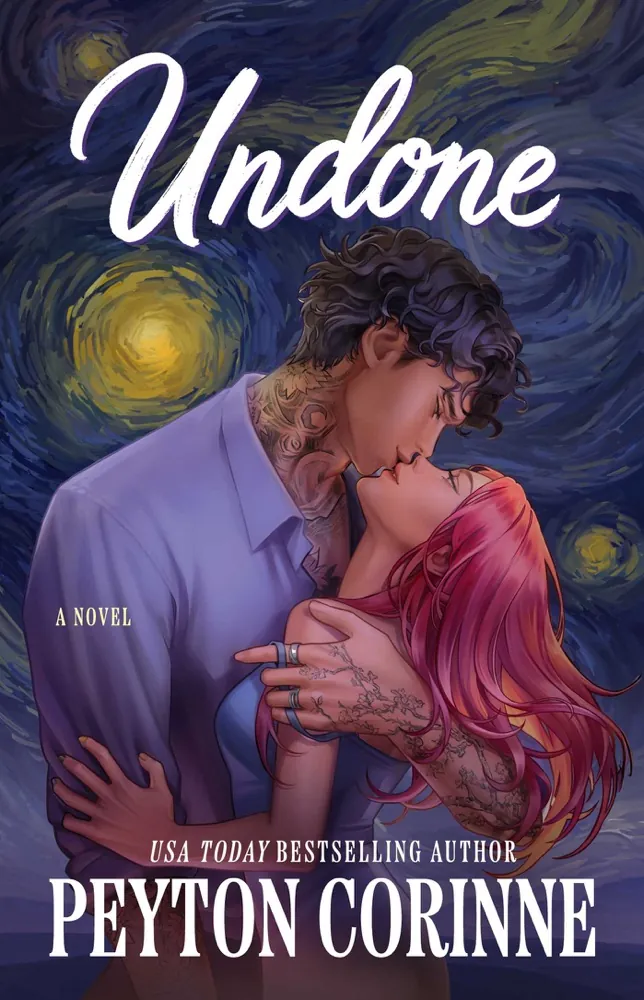
Author: Peyton CorinnePage Count: UnknownPublication Date: Expected publication 2026-10-20 APL Another hockey romance hits the docket for late 2026. Undone by Peyton Corinne lands on our radar with the standard glossy baggage of the genre—scandals, frozen turf, and enough emotional baggage to weigh down a Greyhound bus. But is there a real movie here, or just another 400-page screenplay waiting for a Netflix algorithm to churn it into background noise? Let us look at the raw material. The Setup and the Screen Potential Fascinating in theory. We have Toren Kane—marketed as the team antihero with a ruined draft pick—colliding with Lily LaBlanc, the stifled daughter of his tyrannical former coach. Picture the cinematic framing. A brooding rink rat covered in penalty minutes meets a quiet girl hiding her paintbrushes and panic attacks from a strict father. Hollywood eats this up. It has the visual contrast of harsh stadium lights against quiet, suffocating domestic dread. Yet, the synopsis plays it terribly safe. Where is the actual edge in this "danger"? The Chemistry Equation Let us talk about the voltage, because that is the only metric that matters when evaluating a second-chance dynamic. Corinne leans heavily on the childhood-best-friends-to-bitter-strangers trope. Classic. Effective. But will the tension translate, or will it drown in melodrama about Ivy League dropouts and daddy issues? Lily is "suffering beneath the weight of suffocating control," while Toren is battling his "self-destructive tendencies." Sounds exhausting. I prefer my fictional friction a bit sharper—think Taylor Jenkins Reid’s character dynamics or the punchy, high-heat banter in something by Emily Henry, minus the whimsical small-town fluff. The Verdict Time will tell if Corinne can actually deliver the raw, messy friction she is famous for, or if this latest installment gets bogged down by predictable plot beats. The synopsis leans on vague buzzwords about healing and chaos without showing us the teeth. Give me real psychological collateral, not just a bruised ego on the ice. Will this translate to a gripping cinematic adaptation? Only if the director has the guts to lean into the toxicity instead of wrapping it up in a neat little bow of domestic bliss. #BookTwitter #RomanceBooks #PeytonCorinne #BookTok #HockeyRomance
-
 Sarah Davis
 - 03 Aug, 2026 18:18
The Emperor's Enemy (Unsurvivable Love Duet, #1) Book Review and Summary
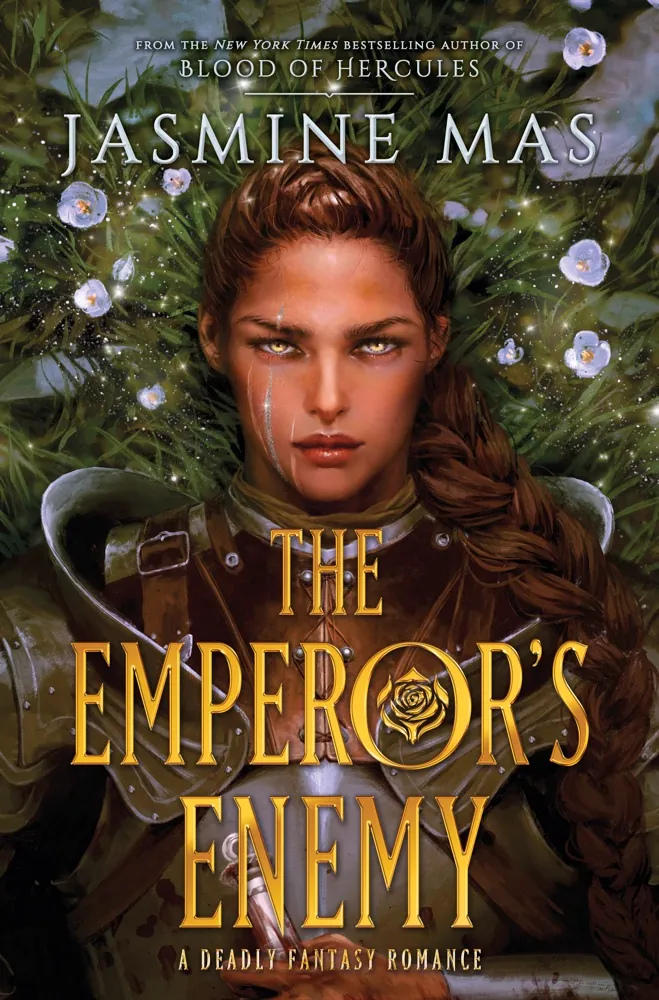
The Emperor's Enemy (Unsurvivable Love Duet, #1) Author: Jasmine MasPage Count: UnknownPublication Date: Expected publication 2026-09-15 APL What to Expect: "The Emperor's Enemy" - A Gripping New Romantasy from Jasmine Mas Jasmine Mas, the acclaimed author of Blood of Hercules, is back with a new epic tale that promises to captivate fans of the dark romantasy genre. Get ready to immerse yourself in the world of "The Emperor's Enemy", the first installment of the Unsurvivable Love Duet series. A True Enemies-to-Lovers Classic in the Making When the hunter becomes the hunted, who becomes prey? This haunting question sets the stage for a thrilling narrative that explores the complexities of love, loyalty, and survival. Zora Ravenal, a skilled hunter hardened by loss, is a heroine unlike any other. Joining the Crimson Army to destroy the empire, she finds herself entangled in a war she cannot escape. Forced to confront her demons and work alongside the one person she should never be alone with, the stakes are raised in a game of cat and mouse. A Royal Mage with a Body Count and an Unsettling Obsession Enter the enigmatic Royal Mage, whose intentions are shrouded in mystery. His body count and formidable magical abilities make him a powerful ally, yet a formidable foe. As Zora and her new partner struggle to trust each other, the lines between loyalty and obsession begin to blur. Will their partnership be the key to victory, or the catalyst for their downfall? Praise for Jasmine Mas Fans of Jasmine Mas' bestselling novel Blood of Hercules will undoubtedly recognize her signature blend of dark, gritty storytelling, complex characters, and pulse-pounding action. With "The Emperor's Enemy", Mas delves deeper into the realm of romantasy, crafting a tale that will keep readers on the edge of their seats until the very end. What's to Come... With its richly detailed world, morally ambiguous characters, and addictive enemies-to-lovers plot, "The Emperor's Enemy" promises to be a standout release in the romantasy genre. Will Zora and her mysterious partner find a way to overcome their differences and achieve victory, or will their relationship become the ultimate casualty of war? Stay tuned for the highly anticipated release on September 15th, 2026. #Amreading #Romantasy #EnemiesToLovers #DarkFantasy #NewRelease #JasmineMas Related InsightsThe Inheritance Games Book Review and Summary A Darker Act Book Review and Summary I'm Glad You're Dead: Preternatural Chronicles Book 1 Book Review and Summary{ "@context": "https://schema.org", "@type": "FAQPage", "mainEntity": [ { "@type": "Question", "name": "What is the main focus of The Emperor's Enemy (Unsurvivable Love Duet, #1) Book Review and Summary?", "acceptedAnswer": { "@type": "Answer", "text": "Everything you need to know about The Emperor's Enemy (Unsurvivable Love Duet, #1) with our detailed review." } }, { "@type": "Question", "name": "Who authored the comprehensive guide on The Emperor's Enemy (Unsurvivable Love Duet, #1) Book Review and Summary?", "acceptedAnswer": { "@type": "Answer", "text": "This detailed article and its insights were carefully researched and authored by Sarah Davis." } }, { "@type": "Question", "name": "Where can I find more related content about Books?", "acceptedAnswer": { "@type": "Answer", "text": "You can explore more articles, detailed reviews, and similar insights by browsing the Related Insights section at the bottom of this article or visiting our dedicated Books category page." } } ] }
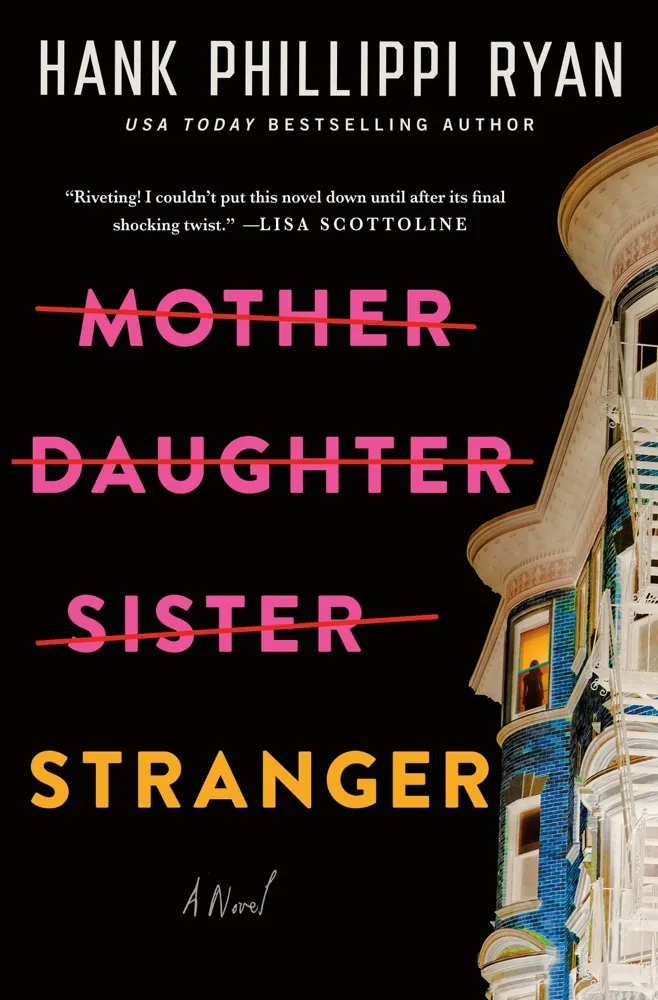
Mother Daughter Sister Stranger Author: Hank Phillippi RyanPage Count: UnknownPublication Date: Expected publication 2026-09-01 APL LITERARY SCOOP: Hank Phillippi Ryan Returns with the Twisty New Thriller "Mother Daughter Sister Stranger" Thrill-seekers and mystery lovers, mark your calendars. Bestselling author Hank Phillippi Ryan is gearing up for her next major release, and if her stellar track record of page-turning suspense is any indication, crime fiction fans are in for an unforgettable ride. Slated for publication on September 1, 2026, Ryan’s latest novel promises to deliver the high-stakes tension, complex family dynamics, and clever plotting that her readers have come to adore. If you devoured her previous gripping bestsellers, you will undoubtedly want to clear your schedule for this one. Here is the exclusive official synopsis straight from the publisher: What if your own family history turns out to be a terrifying lie? Every family has its story, and this one’s deadly. Two sisters. One secret. And a race against time to find the explosive truth in this twisty and captivating thriller by USA Today bestselling author Hank Phillippi Ryan. The sole survivors of the fiery plane crash that killed their parents, Eliza Ramsey and her sister Bea share an unbreakable bond. But now, on the eleventh anniversary of the tragedy, Bea fails to retrieve her pre-teen daughter from a sleepover at Eliza’s. Eliza knows her sister would never leave her precious Piper behind, and fears the worst. But did Bea plan her own disappearance? The Ramseys’ lives have already crashed and burned once. Now, Eliza discovers she's the only one who can protect her niece from the horrifying legacy of her family’s sinister history. Together, the two must prevent their lives from going up in flames once again. A missing mother. Her frightened daughter. And a sister on a desperate search for a happy ending. But someone knows the deadly key to their shared past, and won’t stop until they’ve written a devastating final chapter. Mother, daughter, sister—stranger. With a premise built on deep-seated family trauma, a sudden disappearance, and a race against the clock to protect a young girl, Ryan is once again playing masterfully with our nerves. What is the truth behind the family's sinister history? Did Bea really run away, or is something far more dangerous at play? As September 2026 approaches, anticipation is already building across the literary community. Stay tuned for more updates, cover reveals, and exclusive interviews as we get closer to the launch of "Mother Daughter Sister Stranger." #HankPhillippiRyan #MotherDaughterSisterStranger #ThrillersOf2026 #MysteryBooks #SuspenseFiction #BookPreview Related InsightsIf the Sun Never Sets Book Review and Summary Consequences A Dark Wealth and Power Romance Book Review and Summary Libra Book Review and Summary{ "@context": "https://schema.org", "@type": "FAQPage", "mainEntity": [ { "@type": "Question", "name": "What is the main focus of Mother Daughter Sister Stranger Book Review and Summary?", "acceptedAnswer": { "@type": "Answer", "text": "Everything you need to know about Mother Daughter Sister Stranger with our detailed review." } }, { "@type": "Question", "name": "Who authored the comprehensive guide on Mother Daughter Sister Stranger Book Review and Summary?", "acceptedAnswer": { "@type": "Answer", "text": "This detailed article and its insights were carefully researched and authored by Chloé Laurent." } }, { "@type": "Question", "name": "Where can I find more related content about Books?", "acceptedAnswer": { "@type": "Answer", "text": "You can explore more articles, detailed reviews, and similar insights by browsing the Related Insights section at the bottom of this article or visiting our dedicated Books category page." } } ] }
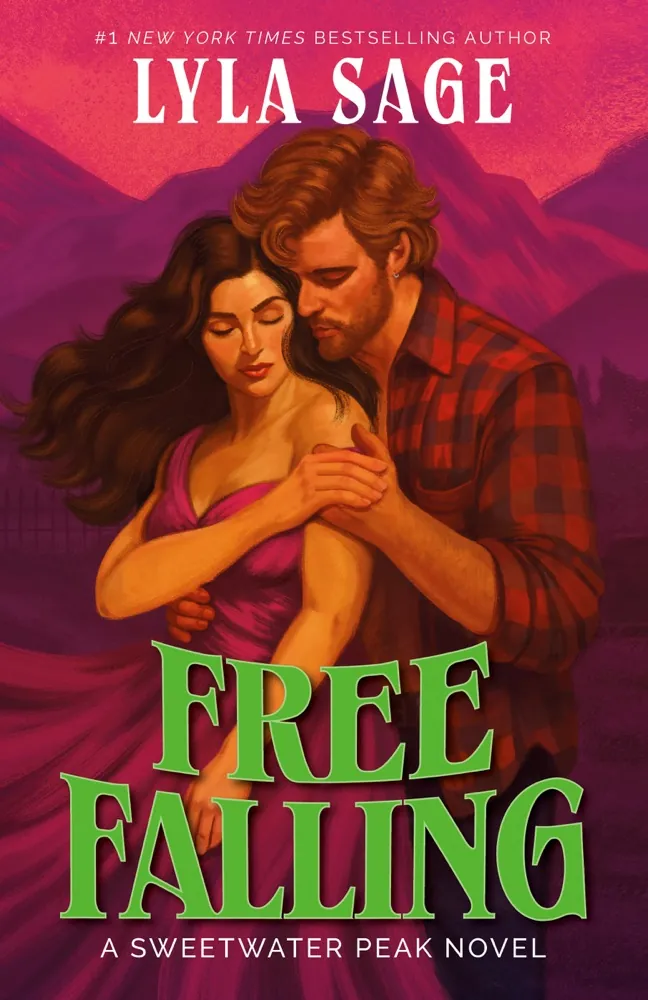
Free Falling (Sweetwater Peak #2) Author: Lyla SagePage Count: UnknownPublication Date: Expected publication 2026-09-22 APL Autumn in small-town romance just got a major upgrade. Lyla Sage, the #1 New York Times bestselling author celebrated for her captivating work in the Rebel Blue Ranch series, is heading back to the atmospheric and delightfully haunted town of Sweetwater Peak. Set to hit shelves on September 22, 2026, Free Falling serves as the second installment in the Sweetwater Peak series, and if early buzz and advance praise are any indication, readers are in for an intoxicating blend of small-town charm, family legacies, and a heavy dose of romantic tension. Praised by author Iman Hariri-Kia as "the queen of dreamy, spooky, atmospheric small-town romances," Sage is returning to familiar territory that fans already adore. But what can we expect when the book officially releases next fall? The publisher’s official synopsis sets the stage for a story steeped in old haunts and entirely new feelings: Old haunts, new feelings The #1 New York Times bestselling author of the Rebel Blue Ranch series returns to the haunted town of Sweetwater Peak for another love story, this one featuring an antiques shop owner and a farmer who fake a relationship to save their legacies . . . but will they be able to fool the ghosts of their past? Clarke Cartwright probably needs to get out more. She just has a lot to do. Running Toade’s Antiques is no small feat, especially considering that the roof is in shambles and half her merchandise is unsellable. But dealing with that feels easier than her other option: chatting it up with the ghost of her childhood crush’s father, who just can’t seem to leave her alone. Leith Wilkes has spent his life preparing to take over his family’s farm. Well, he’s actually spent most of his life flirting, but now he’s ready to buckle down, which has nothing to do with an oddly specific clause that his dad left in his inheritance. Leith is pretty sure he’s the only one who knows about it . . . until Clarke drunkenly spills that she knows, too, along with a bunch of other Wilkes family secrets. Leith starts to wonder if there’s more to Clarke than she lets on . . . and if his dad has something to do with it. And if she is keeping secrets of her own, maybe she won’t mind helping him with his. If you loved Lyla Sage's previous bestsellers, Free Falling promises to deliver all the signature witty banter, emotional depth, and cozy small-town vibes that define her work, wrapped up in a deliciously high-stakes fake-dating trope. Mark your calendars for September 22, 2026, because Sweetwater Peak is calling us back home. #LylaSage #FreeFalling #SweetwaterPeak #RomanceBooks #ContemporaryRomance #BookTok Related InsightsDeath on the Nile Book Review and Summary Carrie Soto Is Back Book Review and Summary City of Ghosts Book Review and Summary{ "@context": "https://schema.org", "@type": "FAQPage", "mainEntity": [ { "@type": "Question", "name": "What is the main focus of Free Falling (Sweetwater Peak #2) Book Review and Summary?", "acceptedAnswer": { "@type": "Answer", "text": "Everything you need to know about Free Falling (Sweetwater Peak #2) with our detailed review." } }, { "@type": "Question", "name": "Who authored the comprehensive guide on Free Falling (Sweetwater Peak #2) Book Review and Summary?", "acceptedAnswer": { "@type": "Answer", "text": "This detailed article and its insights were carefully researched and authored by Chloé Laurent." } }, { "@type": "Question", "name": "Where can I find more related content about Books?", "acceptedAnswer": { "@type": "Answer", "text": "You can explore more articles, detailed reviews, and similar insights by browsing the Related Insights section at the bottom of this article or visiting our dedicated Books category page." } } ] }
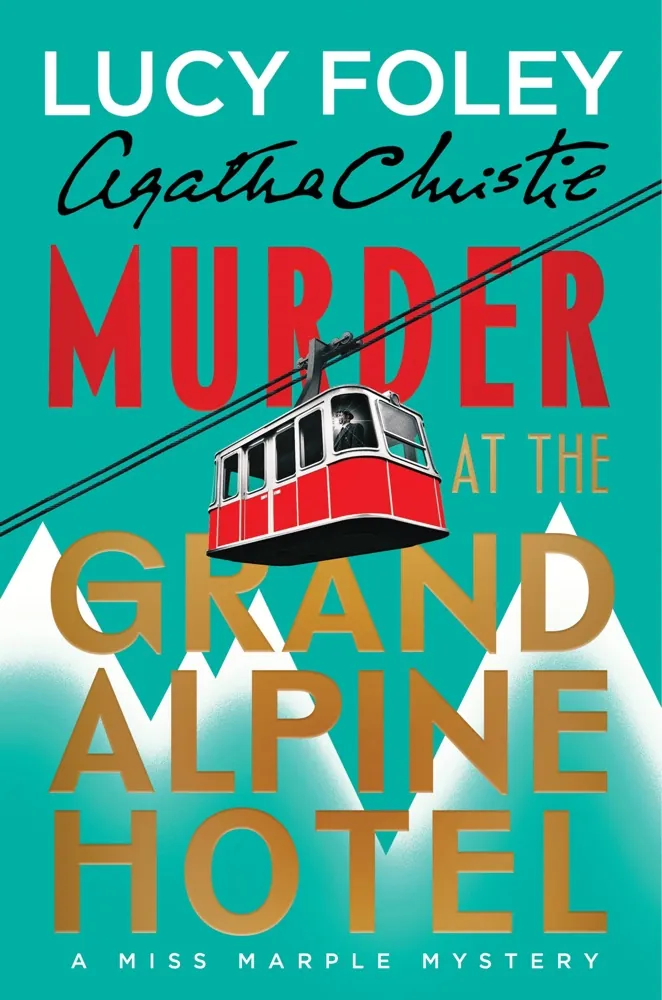
Murder at the Grand Alpine Hotel Author: Lucy FoleyPage Count: UnknownPublication Date: Expected publication 2026-09-22 APL Literary Dispatch Exclusive: The Queen of Crime Meets the Modern Thriller Master in Lucy Foley’s Upcoming "Murder at the Grand Alpine Hotel" Get ready to check into the most dangerous reservation of 2026. Lucy Foley, the undisputed #1 New York Times bestselling author behind smash-hit suspense sensations like The Guest List and The Midnight Feast, is returning with a monumental new release that promises to shake up the mystery genre. Scheduled to hit shelves on September 22, 2026, her latest book, Murder at the Grand Alpine Hotel, marries Foley’s signature gift for atmospheric, high-society tension with one of the most iconic sleuths in literary history: Miss Marple. If you loved Foley's previous bestsellers—where isolated settings, glamorous guests, and simmering secrets collided with deadly consequences—this upcoming release is shaping up to be her most ambitious and thrilling work yet. Here is the exclusive official synopsis straight from the publisher: High in the Swiss Alps, accessible only by a single, winding railway, stands the luxurious Grand Alpine Hotel. With glorious mountain views and exclusive access to powdery slopes, it draws guests from far and wide. The notorious actress. The high-flying politician. The society wife. The reckless friend. The shrewd doctor. But not everyone is here for a winter holiday. Beneath the champagne and furs, dark histories simmer; old grudges emerge like cracks in the ice. And someone is watching from the shadows. A polite, unassuming woman with an extraordinary mind: Miss Marple. When a body is found and a blizzard cuts off all escape, only Miss Marple can connect the clues before the killer strikes again. Because it isn’t a question of who has a motive, but who’s next… With a classic locked-room mystery setup, an elite guest list hiding dangerous pasts, and a brutal alpine blizzard sealing off all exits, Foley is playing to absolute perfection. Mark your calendars for September 2026, because this snowy peak is destined to be the hottest crime fiction destination of the year. #LucyFoley #MurderAtTheGrandAlpineHotel #MissMarple #MysteryBooks #BookTok #CrimeFiction Related InsightsStrangers in Time Book Review and Summary The Crash Book Review and Summary Fate Breaker Book Review and Summary{ "@context": "https://schema.org", "@type": "FAQPage", "mainEntity": [ { "@type": "Question", "name": "What is the main focus of Murder at the Grand Alpine Hotel Book Review and Summary?", "acceptedAnswer": { "@type": "Answer", "text": "Everything you need to know about Murder at the Grand Alpine Hotel with our detailed review." } }, { "@type": "Question", "name": "Who authored the comprehensive guide on Murder at the Grand Alpine Hotel Book Review and Summary?", "acceptedAnswer": { "@type": "Answer", "text": "This detailed article and its insights were carefully researched and authored by Sarah Davis." } }, { "@type": "Question", "name": "Where can I find more related content about Books?", "acceptedAnswer": { "@type": "Answer", "text": "You can explore more articles, detailed reviews, and similar insights by browsing the Related Insights section at the bottom of this article or visiting our dedicated Books category page." } } ] }
-
 Chloé Laurent
 - 02 Aug, 2026 05:06
The Knave and the Moon (The Stonewater Kingdom, #2) Book Review and Summary
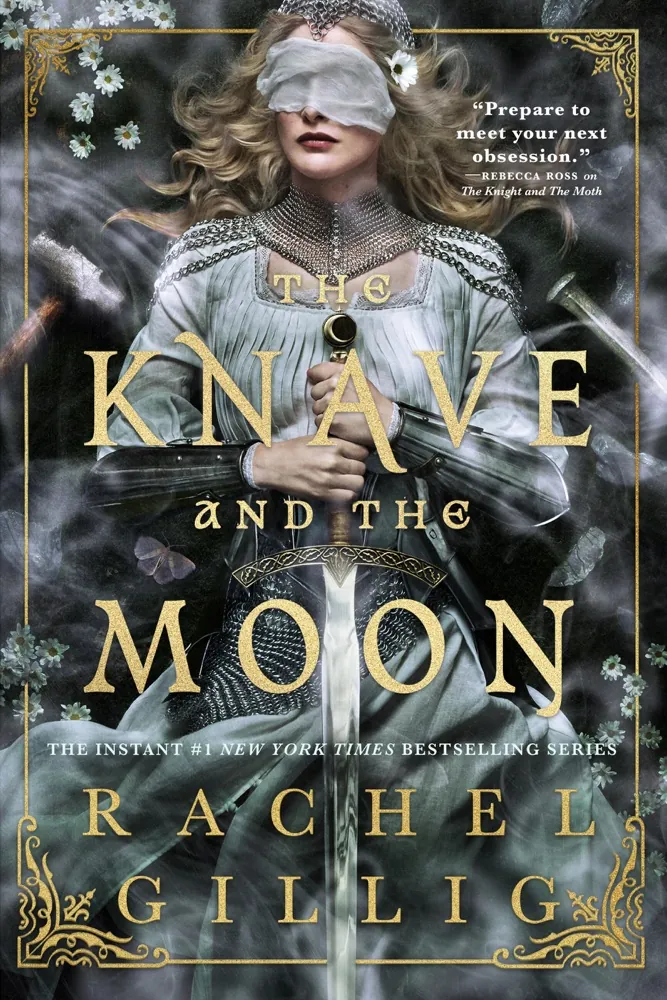
The Knave and the Moon (The Stonewater Kingdom, #2) Author: Rachel GilligPage Count: UnknownPublication Date: Expected publication 2026-09-01 APL The Anticipation Builds: Rachel Gillig's 'The Knave and the Moon' Set to Cast a Spell in 2026 The wait is almost over for fans of gothic romantasy as acclaimed author Rachel Gillig prepares to return to the magical world of The Stonewater Kingdom with her highly anticipated sequel, The Knave and the Moon. Rachel Gillig, known for weaving intricate tales that blend the darkness of gothic elements with the romance of fantasy, has already proven her prowess in the realm of romantic fiction. Her debut novel, The Knight and the Moth, shot to the top of the New York Times bestseller list, showcasing her exceptional storytelling ability and captivating characters. Now, with The Knave and the Moon, Gillig raises the stakes, introducing a new layer of mystery and longing, which fans of the genre are eager to uncover. As we prepare to delve into the next chapter of the Stonewater Kingdom series, the stage is set for a gripping narrative filled with the remnants of a kingdom in shambles. Aisling Cathedral lies in ruins, key characters are thought to be deceased, and the once-unified kingdom teeters on the brink of collapse. Amidst this chaos, a mysterious figure emerges – a man with no name and no memory who claims to be the key to Sybil Delling's quest for revenge against the ruthless king, Benji. In the world of The Knave and the Moon, nothing is as it seems. Beneath the surface, stories repeat themselves, echoing the darkness that lies within the very fabric of the kingdom's faith. It is here, in this unforgiving landscape of magic, politics, and desire, that Gillig will push the boundaries of her craft, creating a world that readers will find impossible to escape. As fans eagerly await the release of The Knave and the Moon on September 1st, 2026, we can only speculate on the twists and turns that Gillig has in store for us. One thing is certain, however – with each turn of the page, readers will be drawn back into the world of the Stonewater Kingdom, entranced by the spellbinding narrative that this talented author has so effortlessly woven. Rachel Gillig has earned her place as one of the genre's most exciting new voices, and The Knave and the Moon promises to cement her reputation as a master weaver of tales that captivate, enthrall, and ultimately leave readers breathless. Join the anticipation and be among the first to experience the magic of The Knave and the Moon. #GothicRomantasy #FantasyRomance #NewRelease #RachelGillig #TheStonewaterKingdom #GothicRomance Related InsightsA Good Girl's Guide to Murder Book Review and Summary Someone to Remember Book Review and Summary Last Exit to Brooklyn Book Review and Summary{ "@context": "https://schema.org", "@type": "FAQPage", "mainEntity": [ { "@type": "Question", "name": "What is the main focus of The Knave and the Moon (The Stonewater Kingdom, #2) Book Review and Summary?", "acceptedAnswer": { "@type": "Answer", "text": "Everything you need to know about The Knave and the Moon (The Stonewater Kingdom, #2) with our detailed review." } }, { "@type": "Question", "name": "Who authored the comprehensive guide on The Knave and the Moon (The Stonewater Kingdom, #2) Book Review and Summary?", "acceptedAnswer": { "@type": "Answer", "text": "This detailed article and its insights were carefully researched and authored by Chloé Laurent." } }, { "@type": "Question", "name": "Where can I find more related content about Books?", "acceptedAnswer": { "@type": "Answer", "text": "You can explore more articles, detailed reviews, and similar insights by browsing the Related Insights section at the bottom of this article or visiting our dedicated Books category page." } } ] }
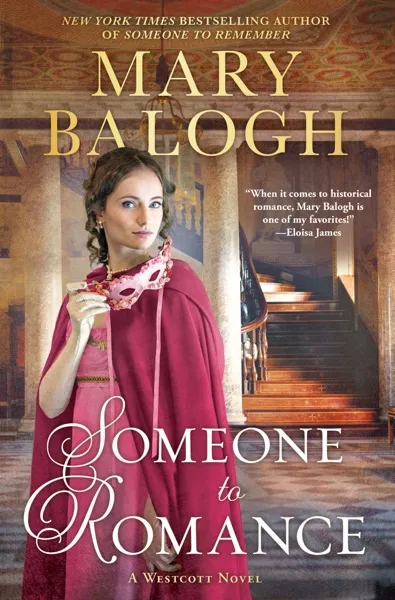
Someone to Romance Author: Mary BaloghPage Count: UnknownPublication Year: 2020-GB Mary Balogh’s Someone to Romance (2020) is a masterclass in historical romance, weaving together the timeless themes of redemption, second chances, and the transformative power of love. As a global bestseller, Balogh’s work stands out not just for its emotional depth but for its ability to transport readers to the Regency era while making modern hearts beat faster. This novel, like many of her others, proves why she is a legend in the genre—crafting stories that feel both nostalgic and fresh, with characters who leap off the page in their complexity and charm. At its heart, Someone to Romance explores the idea that love can heal even the most wounded souls. The story follows a heroine and hero whose pasts are shadowed by regret, betrayal, or societal exclusion, yet their paths converge in a way that offers them both a chance at happiness they never dared hope for. Balogh excels at creating protagonists who are flawed but deeply sympathetic—characters who have made mistakes but are not defined by them. Her heroines are often strong-willed and independent, yet vulnerable in ways that make their journeys compelling. The heroes, too, are nuanced; they may carry their own burdens, but Balogh ensures they are worthy of love, not because they are perfect, but because they are willing to grow. What sets Balogh apart is her ability to blend humor, wit, and heartache seamlessly. Her dialogue crackles with intelligence and warmth, making even the most tender moments feel organic rather than saccharine. She understands that romance isn’t just about grand gestures or sweeping declarations—it’s about the quiet, everyday interactions that build trust and intimacy. Whether it’s a shared glance across a crowded ballroom or a heartfelt conversation by the fire, Balogh makes the reader believe in the possibility of love’s transformative power. The novel’s pacing is another of its strengths. Balogh balances the external conflict—perhaps a societal obstacle or a familial duty—with the internal struggles of her characters. The tension is built gradually, allowing the romance to simmer rather than boil over, which makes the payoff all the more satisfying. Readers will find themselves invested not just in the love story, but in the personal growth of each character, rooting for them to overcome their pasts and embrace a future together. Balogh’s prose is elegant yet accessible, never overburdened with excessive description or archaic language that might alienate modern readers. She has a knack for making the Regency era feel vivid without resorting to clichés, and her ability to evoke emotion through simple, understated language is nothing short of remarkable. This is a writer who understands that the best romances are those that feel real—that make readers sigh, laugh, and sometimes even shed a tear for the characters they’ve come to love. For fans of historical romance, Someone to Romance is a must-read. It’s a story that lingers long after the final page, leaving readers with a sense of hope and the belief that love, in all its forms, can lead to redemption. Mary Balogh doesn’t just write romance; she crafts emotional journeys that resonate on a deeply human level. #HistoricalRomance #RegencyEra #MaryBalogh #SecondChances #LoveHeals #RomanceNovel Related InsightsWomen Who Wrote Book Review and Summary Beautiful Creatures Book Review and Summary Mistletoe Christmas Book Review and Summary{ "@context": "https://schema.org", "@type": "FAQPage", "mainEntity": [ { "@type": "Question", "name": "What is the main focus of Someone to Romance Book Review and Summary?", "acceptedAnswer": { "@type": "Answer", "text": "Everything you need to know about Someone to Romance with our detailed review." } }, { "@type": "Question", "name": "Who authored the comprehensive guide on Someone to Romance Book Review and Summary?", "acceptedAnswer": { "@type": "Answer", "text": "This detailed article and its insights were carefully researched and authored by Chloé Laurent." } }, { "@type": "Question", "name": "Where can I find more related content about Books?", "acceptedAnswer": { "@type": "Answer", "text": "You can explore more articles, detailed reviews, and similar insights by browsing the Related Insights section at the bottom of this article or visiting our dedicated Books category page." } } ] }
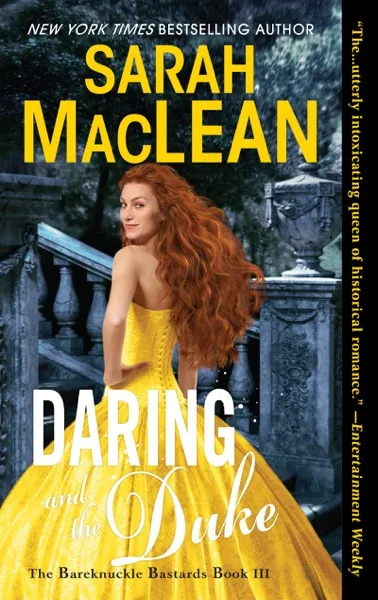
Daring and the Duke Author: Sarah MacLeanPage Count: UnknownPublication Year: 2020-GB Sarah MacLean’s Daring and the Duke is a dazzling triumph of historical romance, a book that crackles with wit, danger, and the kind of reckless passion that makes readers forget to breathe. Published in 2020, this standalone novel stands as a testament to MacLean’s mastery of the genre, blending sharp social commentary with heart-pounding adventure. While the exact page count remains a mystery, the story’s intensity ensures it lingers far longer than its physical length might suggest. At its core, Daring and the Duke is a tale of survival—both emotional and physical. The heroine, Genevieve "Gen" Fox, is a woman who has spent her life defying expectations. A former courtesan turned shopkeeper, she’s built a life on her own terms, only to have it upended when a mysterious nobleman, the Duke of Acarthe, enters her world. Their initial clash is electric; he’s a man of rigid control, she’s a woman who refuses to be cowed. What unfolds is a dance of power, trust, and raw attraction, where every step forward feels like a gamble. MacLean’s genius lies in her ability to balance high-stakes drama with uproarious humor. The dialogue crackles with banter, each line laced with subtext and sexual tension. Gen’s sharp tongue and the duke’s dry wit create a dynamic that’s as funny as it is intoxicating. Yet beneath the laughter, there’s a deeper current of vulnerability. Both characters carry scars—literal and emotional—and their journey is as much about healing as it is about love. The author doesn’t shy away from the gritty realities of Regency-era life, weaving in themes of class struggle, redemption, and the cost of defiance. The duke himself is a revelation—a man who’s spent his life hiding behind duty and titles, only to find himself undone by a woman who sees the man beneath the mask. His internal struggle is palpable, and MacLean crafts his arc with a deft hand, making his growth feel earned rather than contrived. Meanwhile, Gen’s strength isn’t just in her defiance but in her quiet moments of tenderness, moments that reveal her capacity for love despite a lifetime of betrayal. The plot is a masterclass in pacing, swinging between high-society balls and shadowy back alleys where danger lurks. MacLean doesn’t just drop her characters into peril; she makes the reader feel every twist and turn, every near-miss and heart-stopping escape. The stakes couldn’t be higher, yet the emotional beats never feel rushed. The romance simmers patiently, building to a crescendo that leaves no doubt about the depth of the connection between Gen and the duke. What sets Daring and the Duke apart is its refusal to conform to tired tropes. This isn’t a story where the heroine is saved by love or where the hero’s wealth erases his flaws. Instead, MacLean crafts a narrative where both characters must earn their happy ending—and where love is the reward for their courage, not the justification for their survival. It’s a refreshing take on historical romance, one that celebrates agency, resilience, and the messy, beautiful process of change. MacLean’s prose is as polished as it is evocative, painting vivid scenes that transport the reader to a bygone era without ever feeling like a history lesson. Her descriptions are lush yet concise, her dialogue razor-sharp. The emotional beats land with precision, ensuring that readers laugh, gasp, and ache right alongside the characters. Ultimately, Daring and the Duke is more than a love story. It’s a celebration of daring—the kind that changes lives, that defies convention, and that makes even the most cautious among us take a leap. MacLean reminds us that love isn’t just about grand gestures; it’s about the quiet moments of trust, the shared silences, and the unspoken promises. This book is a firecracker of a read—glittering, dangerous, and impossible to put down. #DaringAndTheDuke #HistoricalRomance #RegencyEraRomance #SarahMacLean #EnemiesToLovers #RunawayHeiress Related InsightsThe Trial Book Review and Summary The Boyfriend Book Review and Summary Płonący Bóg Book Review and Summary{ "@context": "https://schema.org", "@type": "FAQPage", "mainEntity": [ { "@type": "Question", "name": "What is the main focus of Daring and the Duke Book Review and Summary?", "acceptedAnswer": { "@type": "Answer", "text": "Everything you need to know about Daring and the Duke with our detailed review." } }, { "@type": "Question", "name": "Who authored the comprehensive guide on Daring and the Duke Book Review and Summary?", "acceptedAnswer": { "@type": "Answer", "text": "This detailed article and its insights were carefully researched and authored by Sarah Davis." } }, { "@type": "Question", "name": "Where can I find more related content about Books?", "acceptedAnswer": { "@type": "Answer", "text": "You can explore more articles, detailed reviews, and similar insights by browsing the Related Insights section at the bottom of this article or visiting our dedicated Books category page." } } ] }
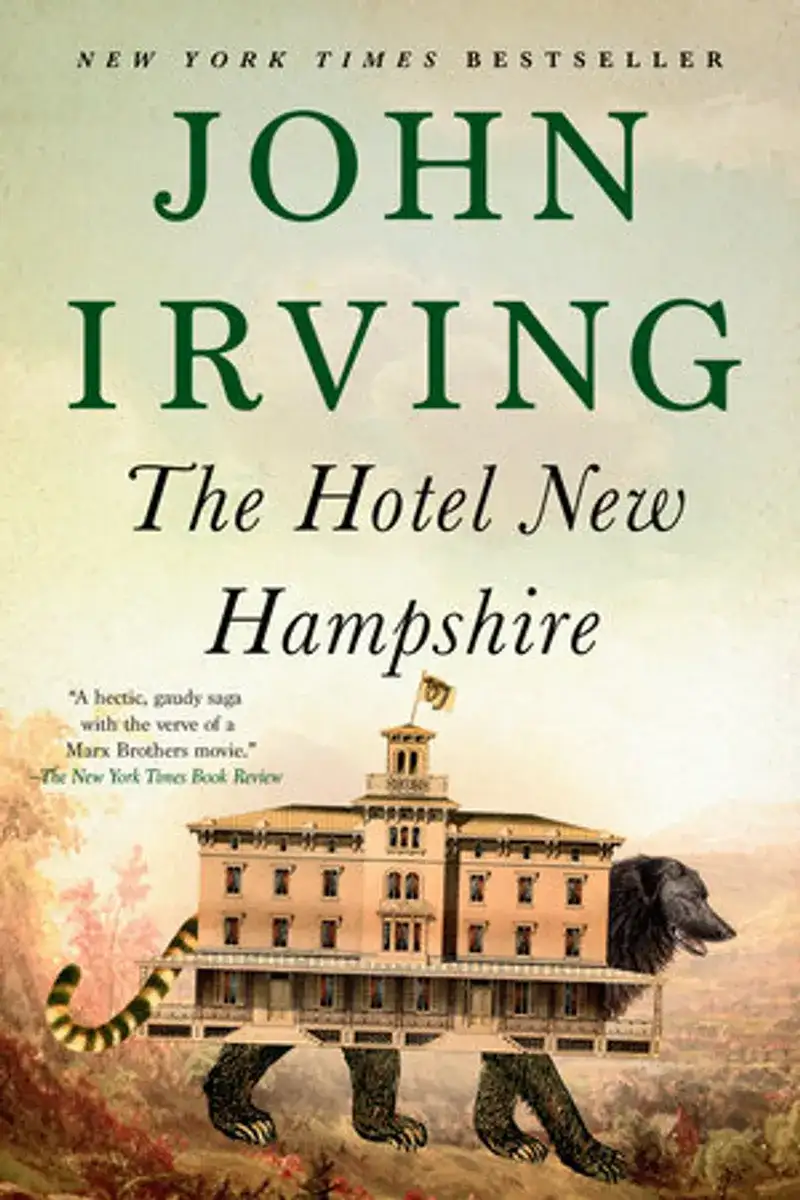
The Hotel New Hampshire Author: John IrvingPage Count: UnknownPublication Date: 2018-PRH John Irving’s The Hotel New Hampshire is a sprawling, darkly comic, and deeply human epic that defies easy categorization—part family saga, part surrealist odyssey, and wholly a testament to the absurdity and beauty of living on the fringes of conventional life. Originally published in 1981, this reissue (2018) reintroduces readers to one of Irving’s most audacious creations: a clan of dreamers who treat chaos like a religion and hotels like their personal playgrounds. At its core, the novel is about the illusions that sustain us, the families we’re stuck with, and the way life’s tragedies and comedies are often two sides of the same coin. The Berry family is Irving’s masterstroke—a collection of misfits whose lives are as unpredictable as the plots of the bad movies they love. The patriarch, Win Berry, is a failed entrepreneur with a penchant for bears and a head full of half-baked schemes, while his wife, Mary, is a former hockey champion turned alcoholic schoolteacher, her dreams as fractured as her teeth. Their children—John, Frank, Franny, Lilly, and Egg—are each shaped by their parents’ delusions, inheriting both their resilience and their knack for disaster. John, the narrator, frames their story with a wry, fatalistic humor: "The first of my father’s illusions was that bears could survive the life lived by human beings, and the second was that human beings could survive a life led in hotels." This line sets the tone: Irving’s world is one where the boundaries between reality and fantasy blur, where survival depends as much on imagination as it does on luck. Irving’s style is unmistakable—lush, digressive, and freighted with a novelist’s obsession for detail. He writes like a man who believes that every subplot, no matter how tangential, matters, and that the only way to tell a truly human story is to pile on the anecdotes until the reader feels as overwhelmed as the characters. His prose is muscular, sometimes to the point of excess, but it’s also warm and inviting, like a hand reaching into the page to pull you into a world that’s equal parts hilarious and heartbreaking. The novel’s structure jumps between timelines and settings with the unpredictability of a dream, yet Irving’s control is absolute; even the most absurd moments (a bear in a hotel, a dwarf-sized wrestling match, a suicide that reads like a farce) feel inevitable once you’re under the spell of his storytelling. The theme of illusion versus reality pulses through every chapter. The Berries’ hotels—first the crumbling Hotel New Hampshire in New Hampshire, then the even more absurdly named Hotel New Hampshire in Vienna—are metaphors for the family itself: grand, dysfunctional, and doomed to collapse under the weight of their own contradictions. Win Berry’s dreams are both his greatest strength and his fatal flaw, a trait shared by all the Berries. Frank, the cross-dressing intellectual, Franny, the beauty queen with a dark secret, and Lilly, the aspiring writer whose stunted growth mirrors her stunted ambition, are all products of their environment, shaped by their parents’ failures as much as their own resilience. Even the novel’s most shocking moments—a rape, a murder, a botched abortion—are treated with a mix of gravity and gallows humor that leaves the reader giddy with discomfort. What makes The Hotel New Hampshire so enduring is its refusal to take itself too seriously. Irving never lets his characters off the hook, but he also never punishes them without mercy. The novel’s emotional core lies in its portrayal of family as both a prison and a sanctuary. The Berries love each other, even when they’re driving each other insane, and their loyalty is as unshakable as their dysfunction. John’s narration, filled with asides and footnotes, gives the story a confessional tone, as if he’s sitting across from you at a bar, drunk on whiskey and nostalgia, laughing through the tears. If there’s a flaw in Irving’s approach, it’s that the novel occasionally risks becoming a victim of its own cleverness. The sheer number of subplots—some brilliant, some meandering—can feel exhausting, and the novel’s insistence on its own mythic grandeur occasionally teeters into self-parody. But these are minor quibbles in a work that’s ultimately as rich and messy as life itself. The Hotel New Hampshire isn’t just a story about a family; it’s a story about the stories we tell ourselves to survive, the lies we dress up as truth, and the way love and pain are inextricably entwined. Irving’s genius lies in his ability to make the absurd feel profoundly real. He writes about bears and hotels and wrestling matches with the same sincerity other writers reserve for war or love, and in doing so, he reminds us that the most extraordinary lives are often the most ordinary ones—just lived a little louder, a little funnier, and a lot more tragically. The Berries aren’t heroes or villains; they’re just people, trying their best, failing spectacularly, and laughing through the wreckage. For readers who love Irving’s work, this novel is a homecoming. For those new to his world, it’s an invitation to dive into a story that’s as unpredictable as it is unforgettable. It’s a book that demands to be read in one breathless sitting, even if you have to come up for air every few pages to laugh or gasp or just shake your head in disbelief. Because that’s the thing about the Hotel New Hampshire: once you check in, you never really want to leave. #HotelNewHampshire #JohnIrving #FamilySaga #DarkComedy #LiteraryFiction #BookReview Related InsightsDream Town Book Review and Summary Until The Stars Burn Out (Shadowsworn, #2) Book Review and Summary House of Earth and Blood Book Review and Summary{ "@context": "https://schema.org", "@type": "FAQPage", "mainEntity": [ { "@type": "Question", "name": "What is the main focus of The Hotel New Hampshire Book Review and Summary?", "acceptedAnswer": { "@type": "Answer", "text": "Everything you need to know about The Hotel New Hampshire with our detailed review." } }, { "@type": "Question", "name": "Who authored the comprehensive guide on The Hotel New Hampshire Book Review and Summary?", "acceptedAnswer": { "@type": "Answer", "text": "This detailed article and its insights were carefully researched and authored by Chloé Laurent." } }, { "@type": "Question", "name": "Where can I find more related content about Books?", "acceptedAnswer": { "@type": "Answer", "text": "You can explore more articles, detailed reviews, and similar insights by browsing the Related Insights section at the bottom of this article or visiting our dedicated Books category page." } } ] }
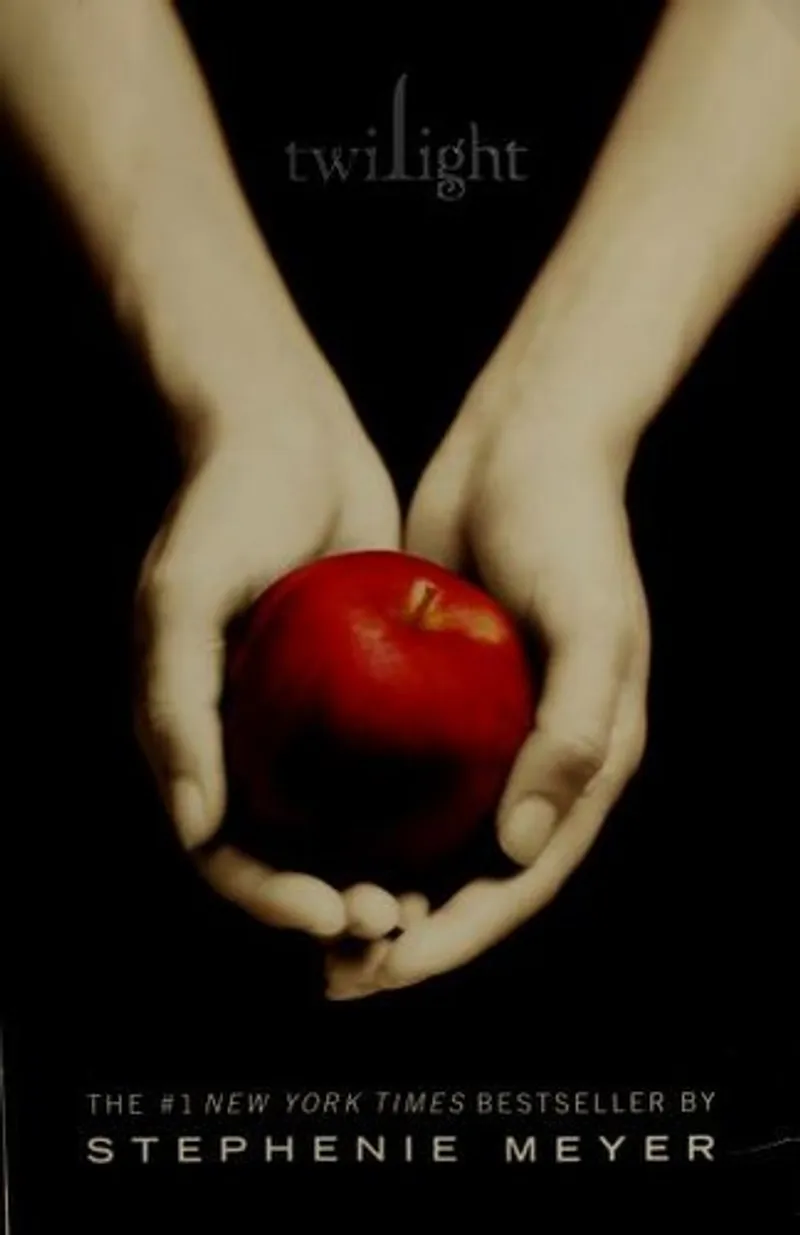
Twilight Author: Stephenie MeyerPage Count: UnknownPublication Date: 2005-OL In the realm of young adult fiction, few novels have managed to capture the hearts of readers quite like Stephenie Meyer's Twilight. Published in 2005, this mesmerizing tale of forbidden love has become a cultural phenomenon, and for good reason. At its core, Twilight is a story about the all-consuming passion and danger that comes with loving someone who is, quite literally, a monster. Meyer's writing style is undeniably captivating, weaving a narrative that is both deeply seductive and extraordinarily suspenseful. From the opening pages, it's clear that she has a gift for crafting characters that are relatable, yet flawed, and a world that is both familiar and unknown. The small town of Forks, with its perpetual gloom and misty atmosphere, provides the perfect backdrop for the unfolding drama, while the mysterious Cullen family, with their secrets and supernatural gifts, adds an air of intrigue that is impossible to resist. At the heart of the novel is the relationship between Bella Swan and Edward Cullen, a pair of star-crossed lovers whose love is forbidden, yet impossible to deny. Bella, the protagonist, is a strong and determined heroine, who is drawn to Edward's mysterious and alluring nature, despite the danger that he poses. Edward, on the other hand, is a complex and brooding character, whose desire for Bella is matched only by his need to protect her from the world of vampires that he inhabits. One of the most striking aspects of Meyer's writing is her ability to convey the intensity of the emotions that drive her characters. The romance between Bella and Edward is palpable, and their love scenes are both tender and passionate. However, it's the danger and suspense that surrounds their relationship that really drives the plot forward, as Bella becomes increasingly entangled in a world of vampires, werewolves, and supernatural creatures. Throughout the novel, Meyer explores themes of love, danger, and self-discovery, raising questions about the nature of desire, the power of love, and the sacrifices that we make for those we care about. The result is a narrative that is both thrilling and thought-provoking, with a cast of characters that are impossible to forget. In conclusion, Twilight is a must-read for anyone who loves romance, suspense, and supernatural fiction. With its captivating characters, mesmerizing plot, and thought-provoking themes, it's a novel that will keep you on the edge of your seat, long after the final page has been turned. #TwilightForever #VampireLove #ForbiddenRomance #StephenieMeyer #ParanormalFiction #YoungAdultLiterature
The Giver of Stars Author: Jojo MoyesPage Count: UnknownPublication Year: 2019-GB Jojo Moyes’ The Giver of Stars is a luminous tapestry of friendship, courage, and the quiet revolutions that shape lives. Set in the rugged, sun-scorched landscapes of 1930s Kentucky, this novel weaves together the stories of five extraordinary women who defy the rigid expectations of their time by forming the Packhorse Library, a bold initiative to deliver books to remote mountain communities. At its heart, the book is a celebration of the transformative power of stories—how they can ignite minds, bridge divides, and forge unbreakable bonds. Moyes, known for her emotionally resonant storytelling (Me Before You, The Horse Dancer), crafts a narrative that is both sweeping and intimate. She excels at creating characters who feel achingly real, their flaws and triumphs etched with vivid detail. The protagonist, Alice, is a compelling figure—a privileged Englishwoman who flees an oppressive marriage to find purpose in the Kentucky hills. Her journey from a woman defined by others’ expectations to one who carves her own path is both relatable and inspiring. Alongside her are the fiercely independent Margery, the gentle but resilient Beth, the fiery Izzy, and the steadfast Sophia, each bringing their own struggles and strengths to the group. The novel’s central theme is the subversive nature of female friendship and solidarity. In an era when women were often confined to domestic roles, the Packhorse Library becomes a symbol of rebellion—a vehicle for independence, knowledge, and connection. The women face hostility from some quarters, indifference from others, but their shared mission binds them together, proving that even the smallest acts of defiance can ripple outward. Moyes doesn’t shy away from the harsh realities of the time—poverty, sexism, and violence lurk beneath the beauty of the Appalachian setting—but she balances these with moments of profound tenderness and humor. One of the novel’s greatest strengths is its lush, immersive prose. Moyes has a gift for sensory detail, whether describing the scent of rain on parched earth or the feel of a well-worn book in a reader’s hands. The Kentucky landscape isn’t just a backdrop; it’s a living, breathing presence that shapes the characters’ lives. The dialogue crackles with authenticity, and the pacing is masterful, blending quiet introspection with gripping tension. When danger threatens the women’s mission, the stakes feel visceral, and the emotional payoff is deeply satisfying. What makes The Giver of Stars particularly resonant is its exploration of how stories can heal and liberate. The books the women carry are more than just words on a page—they are lifelines, offering escape, inspiration, and even a form of resistance. In a world where knowledge is power, these women wield it with quiet determination. Moyes also touches on themes of racial and class divides, though some readers might wish for deeper exploration of these dynamics, given the era’s complexities. Ultimately, this novel is a love letter to the idea that even in the darkest times, connection and resilience can light the way. It’s a story about finding your voice when the world tries to silence you, and about the courage it takes to deliver not just books, but hope. Moyes’ writing is both evocative and accessible, making The Giver of Stars a book that lingers long after the last page. If you’re a fan of historical fiction with heart, or simply love stories about extraordinary women carving their own destinies, this novel is a must-read. It’s a reminder that sometimes, the bravest thing you can do is keep moving forward—one book, one step at a time. #TheGiverOfStars #JojoMoyes #HistoricalFiction #Bookstagram #WomenEmpowerment #AppalachianTales Related InsightsThe Mercy of Gods Book Review and Summary Der Verborgene Kosmos am Buchschnitt: Eine Reise in die Welt der Fore-edge Paintings Glances at Germany, Poland, and the Euxine Book Review and Summary{ "@context": "https://schema.org", "@type": "FAQPage", "mainEntity": [ { "@type": "Question", "name": "What is the main focus of The Giver of Stars Book Review and Summary?", "acceptedAnswer": { "@type": "Answer", "text": "Everything you need to know about The Giver of Stars with our detailed review." } }, { "@type": "Question", "name": "Who authored the comprehensive guide on The Giver of Stars Book Review and Summary?", "acceptedAnswer": { "@type": "Answer", "text": "This detailed article and its insights were carefully researched and authored by Sarah Davis." } }, { "@type": "Question", "name": "Where can I find more related content about Books?", "acceptedAnswer": { "@type": "Answer", "text": "You can explore more articles, detailed reviews, and similar insights by browsing the Related Insights section at the bottom of this article or visiting our dedicated Books category page." } } ] }