Showing Posts From
Romance


The Notebook Author: Nicholas SparksPage Count: UnknownPublication Date: 1996-OL -OL The Notebook, Nicholas Sparks' 1996 masterpiece, is an achingly tender tale that embodies the transformative power of love. This poignant narrative whisks readers away to the picturesque coastal town of North Carolina in 1946, where the heart-wrenching story of Noah Calhoun and Allie Nelson unfolds. Through the eyes of Noah, a rural Southerner haunted by the memories of his long-lost love, Sparks weaves a mesmerizing tale of devotion, loss, and the unrelenting passage of time. Noah's all-consuming passion for Allie, the beautiful girl he met fourteen years prior, is a flame that burns brightly despite the odds stacked against them. When Allie unexpectedly returns to his town, the embers of their past ignite, forcing them to confront the obstacles that once tore them apart. Sparks' writing style is as evocative as it is elegant, with a narrative voice that resonates deeply. His prose is akin to a gentle summer breeze, carrying the reader effortlessly through the ebbs and flows of Noah and Allie's tumultuous relationship. The author's use of vivid imagery and masterful storytelling transports readers to a bygone era, immersing them in the austere beauty of the coastal town and the complexities of the human heart. At its core, The Notebook is a love story that transcends the boundaries of time and social class. Sparks' exploration of the human experience is both profound and deeply moving, as he delves into the intricacies of the heart and the choices that shape our destinies. The novel's central theme – the enduring power of love – is a testament to the human spirit's capacity for hope, forgiveness, and redemption. One of the most striking aspects of The Notebook is its non-linear narrative structure, which adds depth and complexity to the story. The novel's framework, which shifts seamlessly between past and present, serves as a poignant reminder that love can transcend even the most daunting obstacles. As the narrative unfolds, the reader is treated to a rich tapestry of emotions, from the joy and exhilaration of young love to the poignant realities of aging and loss. Sparks' writing is infused with a deep sense of empathy and understanding, allowing readers to become intimately acquainted with the characters and their struggles. The author's unique insight into the human experience is a hallmark of his storytelling style, making The Notebook a deeply personal and relatable read. In conclusion, The Notebook is a masterpiece of contemporary literature that will leave readers spellbound and yearning for more. Nicholas Sparks' beautiful prose, coupled with his profound understanding of the human heart, makes this novel an unforgettable reading experience. If you haven't already, do yourself a favor and immerse yourself in the world of Noah and Allie – their love story will stay with you forever. #TheNotebook #NicholasSparks #LoveStory #ClassicRomance #TimelessTale #HeartwrenchingFiction Related InsightsNothing Human Left Book Review and Summary Fallen Beauty Book Review and Summary A Winter Grave Book Review and Summary{ "@context": "https://schema.org", "@type": "FAQPage", "mainEntity": [ { "@type": "Question", "name": "What is the main focus of The Notebook Book Review and Summary?", "acceptedAnswer": { "@type": "Answer", "text": "Everything you need to know about The Notebook with our detailed review." } }, { "@type": "Question", "name": "Who authored the comprehensive guide on The Notebook Book Review and Summary?", "acceptedAnswer": { "@type": "Answer", "text": "This detailed article and its insights were carefully researched and authored by Sarah Davis." } }, { "@type": "Question", "name": "Where can I find more related content about Books?", "acceptedAnswer": { "@type": "Answer", "text": "You can explore more articles, detailed reviews, and similar insights by browsing the Related Insights section at the bottom of this article or visiting our dedicated Books category page." } } ] }

Charlaine Harris Gunnie Rose 4 Author: Charlaine HarrisPage Count: UnknownPublication Year: 2022-GB Charlaine Harris’s Gunnie Rose 4 is a masterclass in blending gritty Southern Gothic atmosphere with the sharp, witty sensibilities of a modern fantasy noir. As the fourth installment in Harris’s Gunnie Rose series, it delivers the same intoxicating mix of supernatural intrigue, moral ambiguity, and razor-sharp dialogue that has cemented her reputation as a titan of urban and paranormal fantasy. If you’ve ever craved a world where magic is a currency as dangerous as bullets and the past is a ghost that won’t stay buried, then this book will leave you desperate for more. At its core, Gunnie Rose 4 explores the themes of legacy and consequence—how the sins of the past cling to us like burrs on denim, shaping our choices and haunting our futures. Harris’s protagonist, the indomitable Elizabeth Bear, is a woman who has spent her life running from her history, only to find it catching up with her in the most brutal ways. The novel thrusts her into a labyrinth of old grudges, hidden magic, and political machinations that threaten to drag her back into the underworld she once fled. What makes this exploration so compelling is Harris’s refusal to romanticize redemption. Instead, she presents it as a messy, often painful process—one where progress is measured in small, hard-won victories rather than grand epiphanies. Harris’s prose is a study in efficiency and style. She writes with the economy of a poet and the narrative drive of a thriller writer, ensuring that every sentence crackles with purpose. Her dialogue is especially noteworthy—sharp, authentic, and laced with the kind of dry humor that makes you laugh even as the stakes grow increasingly dire. Whether she’s dissecting the etiquette of dealing with fairies or the brutal reality of life in a post-magic-apocalypse South, Harris’s voice is unmistakable: wry, knowing, and utterly devoid of pretension. She has a knack for making the fantastical feel tangible, grounding even the most outlandish elements in a world that feels lived-in and real. One of the novel’s most striking achievements is its world-building. Harris doesn’t just drop her readers into a new setting and expect them to swim; she carefully unfolds the geography, politics, and magic of her universe with the precision of a cartographer. The world of Gunnie Rose is a fractured America where magic is both a blessing and a curse, where the old South’s social hierarchies have been twisted into something darker and stranger. Harris’s genius lies in her ability to make this world feel both familiar and alien, a place where readers can find echoes of our own history while still being utterly transported. The supporting cast is equally memorable, each character a fully realized individual with their own agendas and flaws. From the enigmatic and morally ambiguous Eli to the fierce and loyal members of Elizabeth’s crew, Harris crafts a tapestry of personalities that feel like they’ve stepped straight out of a dusty, neon-lit barroom. Their interactions are electric, charged with both camaraderie and tension, and their relationships evolve in ways that feel earned rather than contrived. What truly sets Gunnie Rose 4 apart, however, is its emotional depth. Beneath the action and the magic, Harris weaves a poignant meditation on family—both the ones we’re born into and the ones we choose. Elizabeth’s journey is one of reckoning, forcing her to confront the ghosts of her past and the people she’s hurt along the way. Harris handles these themes with a deft touch, avoiding melodrama while still delivering moments of raw, unflinching honesty. It’s a testament to her skill that she can balance high-stakes action with quiet introspection without ever losing momentum. If there’s any criticism to be leveled, it’s that the novel’s pacing occasionally stumbles in the middle act, where the plot meanders slightly as Harris sets up future conflicts. However, this is a minor quibble in an otherwise tightly constructed narrative. By the time the book reaches its explosive climax, any earlier lulls are completely forgotten, replaced by a sense of breathless urgency that keeps you turning the pages long past your bedtime. In Gunnie Rose 4, Charlaine Harris has crafted not just a great fantasy novel, but a great American fantasy novel—one that grapples with the weight of history, the cost of survival, and the enduring power of family, both blood and chosen. It’s a book that lingers in the mind long after the last page is turned, its themes and characters echoing like a half-remembered dream. For fans of the series, this installment is a triumph; for newcomers, it’s an invitation into a world that’s as rich as it is dangerous. If you’re looking for a book that will challenge your expectations, break your heart, and leave you begging for more, then Gunnie Rose 4 is your next must-read. #GunnieRose #CharlaineHarris #UrbanFantasy #ParanormalNoir #SouthernGothic #ElizabethBear Related InsightsThe Coworker Book Review and Summary Eyes of the Void Book Review and Summary Crown & Captive Book Review and Summary{ "@context": "https://schema.org", "@type": "FAQPage", "mainEntity": [ { "@type": "Question", "name": "What is the main focus of Charlaine Harris Gunnie Rose 4 Book Review and Summary?", "acceptedAnswer": { "@type": "Answer", "text": "Everything you need to know about Charlaine Harris Gunnie Rose 4 with our detailed review." } }, { "@type": "Question", "name": "Who authored the comprehensive guide on Charlaine Harris Gunnie Rose 4 Book Review and Summary?", "acceptedAnswer": { "@type": "Answer", "text": "This detailed article and its insights were carefully researched and authored by Sarah Davis." } }, { "@type": "Question", "name": "Where can I find more related content about Books?", "acceptedAnswer": { "@type": "Answer", "text": "You can explore more articles, detailed reviews, and similar insights by browsing the Related Insights section at the bottom of this article or visiting our dedicated Books category page." } } ] }
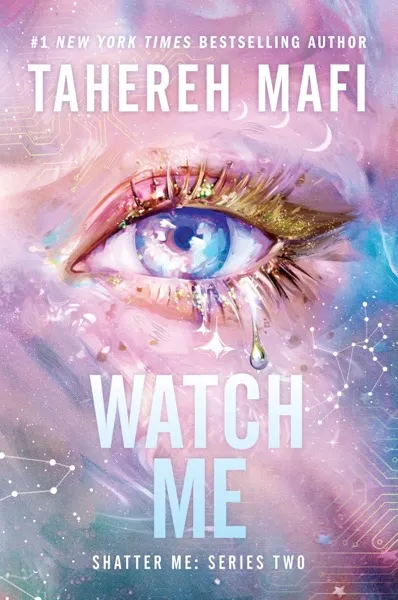
Watch Me Author: Tahereh MafiPage Count: UnknownPublication Year: 2025-GB Tahereh Mafi’s Watch Me (2025) is more than just a novel—it’s a visceral, unflinching exploration of identity, obsession, and the terrifying fragility of human connection in a world that demands perfection. Mafi, best known for her Shatter Me series, once again proves her mastery of emotional intensity, this time weaving a story that is as psychologically gripping as it is visually haunting. With its razor-sharp prose and morally complex characters, Watch Me doesn’t just captivate; it lingers, burrowing under your skin like a splinter you can’t quite remove. At its core, Watch Me is a psychological thriller that dissects the nature of surveillance—not just from the outside, but from within. The story follows a protagonist whose life is meticulously curated for public consumption, their every move scrutinized, their emotions performatively displayed. Mafi strips away the illusion of control, exposing the raw, messy reality beneath the polished surface. The title itself is a command, a demand for attention that borders on violation—a theme that resonates deeply in our era of social media and digital voyeurism. Who is watching? Who is being watched? And what happens when the gaze turns inward, when the observer and the observed become one? Mafi’s prose is a study in contrasts: lyrical yet brutal, tender yet merciless. She has a rare ability to render both the grandeur of human emotion and the suffocating weight of societal expectations in the same breath. Her sentences are often fragmented, mirroring the protagonist’s fractured sense of self. There’s a breathless urgency to her writing, as if each word is a gasp for air in a world that’s slowly suffocating its inhabitants. The result is a reading experience that is as physically draining as it is intellectually stimulating. One of the book’s most compelling strengths is its refusal to offer easy answers. The antagonist, if there is one, is not a mustache-twirling villain but a reflection of the systems that shape us—capitalism, fame, the insatiable hunger for validation. Mafi forces the reader to confront uncomfortable truths: How much of ourselves do we sacrifice to be seen? How much of our pain is performative? The protagonist’s struggle is not just against an external force but against their own complicity in their erasure. It’s a theme that feels especially urgent in a culture where likes, shares, and followers dictate self-worth. The emotional depth of Watch Me is staggering. Mafi has a gift for capturing the quiet devastation of unrequited love, the suffocating weight of expectations, and the fragile hope that flickers even in the darkest moments. The relationships in the book are messy, imperfect, and achingly human. There are no grand gestures here—just the slow, painful work of trying to connect in a world that rewards detachment. The protagonist’s journey is one of reclaiming agency, of learning to exist outside the gaze of others, even if only for a moment. What makes Watch Me truly unforgettable is its exploration of art and authenticity. The protagonist is an artist, or at least someone who creates for consumption, and the novel interrogates what it means to make something real in a world that demands spectacle. Is art a form of resistance? Or is it just another commodity? Mafi doesn’t provide easy resolutions, but she leaves the reader with a haunting question: If no one is watching, does the art—or the self—still exist? Tahereh Mafi’s Watch Me is a mirror held up to society, reflecting back our obsessions with visibility, control, and the price of being seen. It’s a book that will unsettle you, challenge you, and stay with you long after the last page. In an age where we are all, in some way, performers, this novel is a necessary reckoning. #WatchMe #TaherehMafi #PsychologicalThriller #BookReview #IdentityAndObsession #LiteraryFiction
Nightingale Author: Skye WarrenPage Count: UnknownPublication Year: 2022-GB Nightingale by Skye Warren: A Dark Symphony of Love, Power, and Redemption Skye Warren’s Nightingale is a masterclass in modern dark romance, a novel that pulses with raw emotion, moral ambiguity, and a haunting allure that lingers long after the last page. Published in 2022, this global bestseller cements Warren’s reputation as a virtuoso of emotional intensity, weaving a story that is as much about survival as it is about love—or the twisted, desperate ways we convince ourselves we need it. At its core, Nightingale explores the paradox of desire: how the very things that wound us often become the things we cannot live without. The book follows the protagonist, a woman trapped in a life of exploitation, who finds herself entangled in a dangerous dance with a man whose power is as intoxicating as it is destructive. The themes are brutal yet familiar—control, agency, and the fragile line between victim and survivor—but Warren elevates them with a visceral, almost lyrical prose that makes the reader feel every heartbeat, every betrayal, every fleeting moment of hope. Warren’s style is unapologetically intense, a whirlwind of short, punchy sentences that mirror the protagonist’s fractured psyche. There’s a rawness to the writing that doesn’t flinch from pain, whether it’s physical or emotional. The dialogue crackles with tension, each word weighted with subtext, each interaction laced with the potential for violence or tenderness. The prose is not polished; it’s alive, breathing, sometimes messy—just like the characters who stumble through its pages. What makes Nightingale so compelling is its refusal to simplify morality. The antagonist is not a cartoon villain but a complex figure, his cruelty tempered by moments of unexpected vulnerability. The protagonist, too, is far from a passive victim; she’s resilient, flawed, and fiercely independent in ways that defy easy categorization. Their relationship is a slow-burning inferno, built on mutual destruction and an uneasy, reluctant pull toward something resembling love. Warren’s strength lies in her ability to make the reader feel the weight of every choice, every sacrifice. The book doesn’t just tell a story; it immerses you in it, forcing you to confront the uncomfortable truths about power, love, and the lies we tell ourselves to survive. The atmosphere is thick with tension, the pacing relentless, and the emotional payoff both devastating and cathartic. Nightingale is not for the faint of heart. It’s a book that demands to be felt, to be lived through its characters’ trials and triumphs. Skye Warren doesn’t just write romance; she crafts an experience that lingers, a dark symphony of love and loss that resonates long after the final note. If you’re looking for a story that will shake you, challenge you, and leave you breathless, Nightingale is it. #DarkRomance #SkyeWarren #Nightingale #DarkLoveStory #RomanceWithEdge #MorallyGray Related InsightsNo One Can Know Book Review and Summary Well Versed (Well Met, #5) Book Review and Summary The Plot and the Pendulum Book Review and Summary{ "@context": "https://schema.org", "@type": "FAQPage", "mainEntity": [ { "@type": "Question", "name": "What is the main focus of Nightingale Book Review and Summary?", "acceptedAnswer": { "@type": "Answer", "text": "Everything you need to know about Nightingale with our detailed review." } }, { "@type": "Question", "name": "Who authored the comprehensive guide on Nightingale Book Review and Summary?", "acceptedAnswer": { "@type": "Answer", "text": "This detailed article and its insights were carefully researched and authored by Sarah Davis." } }, { "@type": "Question", "name": "Where can I find more related content about Books?", "acceptedAnswer": { "@type": "Answer", "text": "You can explore more articles, detailed reviews, and similar insights by browsing the Related Insights section at the bottom of this article or visiting our dedicated Books category page." } } ] }
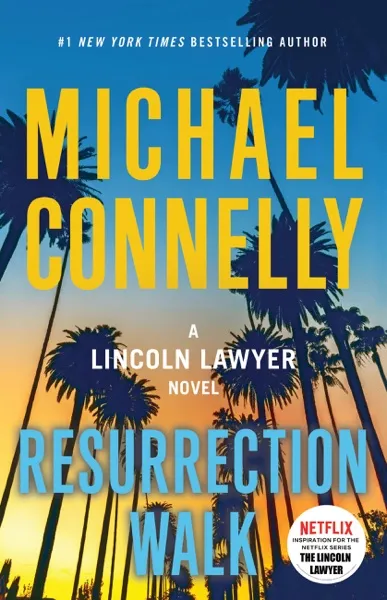

Resurrection Walk Author: Michael ConnellyPage Count: UnknownPublication Year: 2023-GB Resurrection Walk: Michael Connelly’s Masterful Return to the Streets of Los Angeles Few authors can make the rain-slicked streets of Los Angeles feel as alive as Michael Connelly does in Resurrection Walk, the latest installment in his iconic Harry Bosch series. With a career spanning over three decades, Connelly has cemented his place as the undisputed king of crime fiction, and this novel proves why his work continues to captivate millions worldwide. Resurrection Walk isn’t just another detective story—it’s a pulse-pounding exploration of justice, redemption, and the unbreakable spirit of a man who refuses to let the past stay buried. At the heart of the novel is Harry Bosch, the relentless LAPD detective whose name has become synonymous with gritty, no-nonsense policing. Now working as a private investigator, Bosch finds himself drawn back into the fray when a decades-old cold case resurfaces, threatening to unravel the fragile peace he’s built. Connelly’s portrayal of Bosch remains as sharp as ever—flawed, stubborn, but undeniably principled. The character’s moral compass, often tested in the crucible of Los Angeles’ underbelly, serves as the novel’s moral center, grounding the story in a world where right and wrong are rarely black and white. One of the most compelling aspects of Resurrection Walk is its exploration of legacy. Bosch, now in his twilight years, grapples with the weight of his past—both his triumphs and his failures. Connelly delves deep into the psyche of his protagonist, revealing a man haunted by cases he couldn’t solve and lives he couldn’t save. Yet, it’s this very burden that drives Bosch forward, proving that some wounds never truly heal, but they can be faced with courage. The novel’s title itself is a metaphor for Bosch’s journey, a walk through the ghosts of his past that ultimately leads to a kind of resurrection—not just for the cases he reopens, but for the man he’s still becoming. Connelly’s writing style is a masterclass in tension and atmosphere. His prose is lean yet evocative, painting vivid scenes that immerse the reader in the gritty reality of Los Angeles. Whether it’s the neon glow of a dive bar in Hollywood or the eerie silence of a crime scene at dawn, Connelly’s descriptions are so vivid they feel like a cinematic experience. His dialogue crackles with authenticity, capturing the cadence of real-world cops and criminals without ever slipping into caricature. And as always, his plotting is meticulous, weaving together multiple threads with the precision of a surgeon. Readers will find themselves racing through the pages, desperate to uncover the truth alongside Bosch. Beyond Bosch, Resurrection Walk introduces a cast of supporting characters who add depth and complexity to the story. From Bosch’s steadfast partner, David Chu, to the enigmatic figures lurking in the shadows of the city’s power structures, Connelly populates his world with individuals who feel as real as the people you might pass on the street. The novel also explores themes of institutional corruption and the fragility of justice, asking whether the system can ever truly be trusted—or if true justice must sometimes be pursued outside its boundaries. It’s a question that lingers long after the final page, a testament to Connelly’s ability to craft stories that resonate on multiple levels. For fans of the genre, Resurrection Walk delivers everything they’ve come to expect from Connelly—relentless pacing, moral ambiguity, and a protagonist who refuses to back down. But it also stands on its own as a powerful meditation on aging, legacy, and the choices that define us. Connelly doesn’t just write crime fiction; he crafts stories that feel like essential slices of life, where the stakes are personal, the villains are real, and the heroes are flawed but unyielding. If you’re new to the Harry Bosch series, Resurrection Walk is a perfect entry point—though be warned, you’ll likely want to go back and read the entire series afterward. And if you’re a longtime fan, this novel will leave you hungry for more, eager to see where Bosch’s next walk takes him. Michael Connelly has done it again, proving that even after decades, his storytelling prowess remains undiminished. #CrimeFiction #MichaelConnelly #HarryBosch #MysteryNovel #LANoir Related InsightsThe Fine Print Book Review and Summary Nine Perfect Strangers Book Review and Summary An easy death Book Review and Summary{ "@context": "https://schema.org", "@type": "FAQPage", "mainEntity": [ { "@type": "Question", "name": "What is the main focus of **Resurrection Walk** Book Review and Summary?", "acceptedAnswer": { "@type": "Answer", "text": "Everything you need to know about **Resurrection Walk** with our detailed review." } }, { "@type": "Question", "name": "Who authored the comprehensive guide on **Resurrection Walk** Book Review and Summary?", "acceptedAnswer": { "@type": "Answer", "text": "This detailed article and its insights were carefully researched and authored by Chloé Laurent." } }, { "@type": "Question", "name": "Where can I find more related content about Books?", "acceptedAnswer": { "@type": "Answer", "text": "You can explore more articles, detailed reviews, and similar insights by browsing the Related Insights section at the bottom of this article or visiting our dedicated Books category page." } } ] }
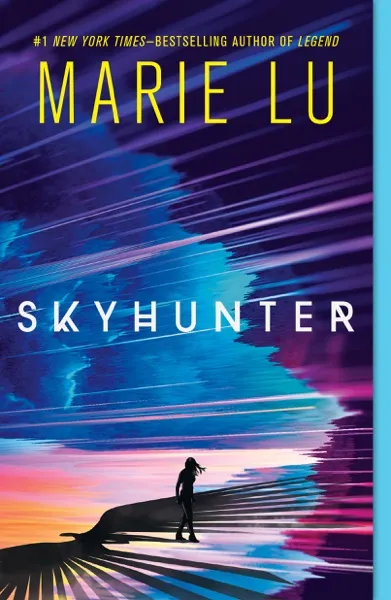
Skyhunter Author: Marie LuPage Count: UnknownPublication Year: 2020-GB Skyhunter: A Dazzling Symphony of Love, War, and Identity Marie Lu’s Skyhunter is a masterclass in blending high-stakes action with deeply emotional storytelling, proving once again why she’s one of the most celebrated voices in young adult fiction. Set against the backdrop of a dystopian world ravaged by war, the novel doesn’t just deliver pulse-pounding suspense—it weaves a rich tapestry of themes that linger long after the last page. At its core, Skyhunter is a story about love in its most raw and transformative forms: love for family, love for an ideal, and love that defies the boundaries of species and loyalty. Lu’s razor-sharp prose and relentless pacing make this a book that’s impossible to put down, even as it lingers in the mind like a haunting melody. The novel follows Talin, a young woman raised as a warrior in the futuristic nation of Mara, where the elite Skyhunters—bioengineered soldiers with unbreakable bodies—serve as the last line of defense against the rival nation of Baseci, whose monstrous soldiers, the Ghosts, are nearly indestructible. Talin’s life is upended when she’s forced to bond with a Ghost named Red, a creature she’s been trained to kill. Instead of destruction, she finds something unexpected: a fragile, flickering connection that challenges everything she’s ever known. This relationship is the beating heart of Skyhunter, a slow-burn exploration of empathy, prejudice, and the idea that monsters aren’t born—they’re made. Lu’s genius lies in her ability to balance brutal action with quiet introspection. The fight scenes are visceral and meticulously choreographed, leaving readers breathless with their intensity. Yet, it’s the quieter moments—where Talin grapples with her own humanity, where Red reveals glimpses of his past—that truly resonate. The emotional weight of their bond is the novel’s secret weapon, transforming what could have been a standard dystopian thriller into something far more profound. It’s a testament to Lu’s skill that she makes us care about a relationship that defies logic and biology, all while keeping the tension sky-high. The world-building in Skyhunter is equally impressive. Lu creates a society that feels both alien and eerily familiar, where technology has blurred the lines between human and monster. The contrast between Mara’s disciplined, almost Spartan culture and the chaotic, feral existence of the Ghosts adds depth to the conflict, making it more than just a black-and-white struggle between good and evil. The political intrigue, too, is subtly woven in, giving the story a layer of complexity that elevates it beyond typical YA fare. Lu’s prose is clean and uncluttered, but it’s also laced with a poetic precision that makes every word feel deliberate. She doesn’t rely on excessive description to paint her world; instead, she lets the emotions of her characters guide the reader, making the setting feel lived-in and real. The dialogue crackles with tension, and the emotional beats land with devastating impact. It’s a style that’s both accessible and sophisticated, drawing readers in while rewarding them with layers to unpack. What makes Skyhunter truly special, however, is its fearless exploration of identity and belonging. Talin’s journey is one of self-discovery, as she’s forced to confront the lies she’s been told about the Ghosts and, by extension, her own place in the world. Red’s arc is equally compelling, as he struggles with his own monstrous nature and the flicker of humanity that Talin awakens in him. Their relationship is a slow-burning flame that threatens to consume them both, but it’s also a beacon of hope in a world that’s been consumed by hatred. In an era where so many dystopian novels feel derivative, Skyhunter stands out for its originality and emotional depth. It’s a book that lingers because it doesn’t just ask us to root for a hero—it asks us to question who the real monsters are. Marie Lu has crafted a story that’s as thought-provoking as it is thrilling, a rare achievement in any genre. For readers who crave action, romance, and moral complexity in equal measure, Skyhunter is a must-read. It’s a book that will leave you breathless, heartbroken, and, most importantly, changed. #Skyhunter #MarieLu #YAFantasy #DystopianRomance #ScienceFiction #BooksToLove Related InsightsOff Balance (The Heights, #2) Book Review and Summary Colleen Hoover Ebook Boxed Set Hopeless Series Book Review and Summary I'll Give You the Sun Book Review and Summary{ "@context": "https://schema.org", "@type": "FAQPage", "mainEntity": [ { "@type": "Question", "name": "What is the main focus of Skyhunter Book Review and Summary?", "acceptedAnswer": { "@type": "Answer", "text": "Everything you need to know about Skyhunter with our detailed review." } }, { "@type": "Question", "name": "Who authored the comprehensive guide on Skyhunter Book Review and Summary?", "acceptedAnswer": { "@type": "Answer", "text": "This detailed article and its insights were carefully researched and authored by Sarah Davis." } }, { "@type": "Question", "name": "Where can I find more related content about Books?", "acceptedAnswer": { "@type": "Answer", "text": "You can explore more articles, detailed reviews, and similar insights by browsing the Related Insights section at the bottom of this article or visiting our dedicated Books category page." } } ] }
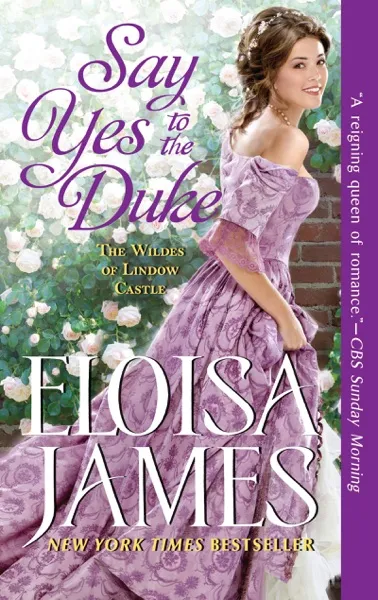
Say No to the Duke Author: Eloisa JamesPage Count: UnknownPublication Year: 2019-GB Say No to the Duke, the latest installment in Eloisa James' beloved Wildes of Lindow Castle series, is a masterfully woven tale of love, family, and self-discovery. With her signature blend of wit, charm, and sensuality, James transports readers to the sun-drenched English countryside, where the aristocratic Wilde family navigates the complexities of high society and their own hearts. At the center of the story is Lady Betsy Wilde, a free-spirited and fiercely independent young woman who has grown tired of the societal pressures to marry well and conform to expectations. When she meets the enigmatic and handsome Parth Sterling, a self-made entrepreneur with a mysterious past, Betsy is drawn to his quiet confidence and sense of adventure. As they embark on a whirlwind romance, Betsy must confront her own desires and the constraints of her family's legacy. One of James' greatest strengths as a writer is her ability to craft complex, multidimensional characters that leap off the page. Betsy is a delightful heroine, full of spark and determination, while Parth is a captivating hero with a rich inner life. The supporting cast is equally well-drawn, from Betsy's loving but meddling family members to the colorful inhabitants of the local village. Throughout the book, James explores themes of identity, class, and the limitations placed on women in society. Betsy's struggles to balance her own aspirations with the demands of her family and social status will resonate deeply with readers, particularly women who have faced similar challenges. James' nuanced portrayal of the aristocracy, with all its privileges and pitfalls, adds depth and context to the narrative. James' writing style is, as always, a joy to behold. Her prose is elegant and engaging, with a keen sense of pacing and a deep understanding of the human heart. She has a remarkable ability to convey the subtleties of emotion and the intricacies of relationships, making her characters' experiences feel both deeply personal and universally relatable. In short, Say No to the Duke is a captivating and romantic tale that will delight fans of historical fiction, romance, and women's fiction. With its rich characters, engaging storyline, and nuanced exploration of social themes, this book is sure to leave readers eager for more. #HistoricalRomance #WildesOfLindowCastle #EloisaJames #RegencyRomance #WomenFiction #RomanceNovels Related InsightsI'll Be Waiting Book Review and Summary Speaker for the Dead Book Review and Summary The Screwtape Letters Book Review and Summary{ "@context": "https://schema.org", "@type": "FAQPage", "mainEntity": [ { "@type": "Question", "name": "What is the main focus of Say No to the Duke Book Review and Summary?", "acceptedAnswer": { "@type": "Answer", "text": "Everything you need to know about Say No to the Duke with our detailed review." } }, { "@type": "Question", "name": "Who authored the comprehensive guide on Say No to the Duke Book Review and Summary?", "acceptedAnswer": { "@type": "Answer", "text": "This detailed article and its insights were carefully researched and authored by Chloé Laurent." } }, { "@type": "Question", "name": "Where can I find more related content about Books?", "acceptedAnswer": { "@type": "Answer", "text": "You can explore more articles, detailed reviews, and similar insights by browsing the Related Insights section at the bottom of this article or visiting our dedicated Books category page." } } ] }
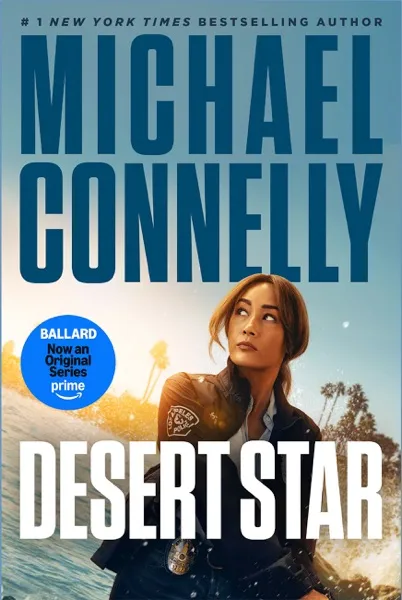
Desert Star Author: Michael ConnellyPage Count: UnknownPublication Year: 2023-GB In a literary landscape where crime thrillers often follow a predictable pattern, Michael Connelly's Desert Star blazes a new trail, beckoning readers to embark on a gripping journey that delves into the darkest recesses of human nature. As a masterful storyteller, Connelly weaves an intricate narrative that not only propels the reader forward with unrelenting momentum but also pauses to reflect on the profound themes that underpin his work. This latest installment in his oeuvre is a testament to his skill as a wordsmith, capable of crafting characters so vivid, so complex, and so compelling that they leap off the page, demanding attention. At the heart of Desert Star lies a richly detailed exploration of the human condition, probing the interstices of justice, morality, and the indomitable will to seek truth, no matter how elusive or obscured. Connelly's characters, imbued with a deep sense of realism, grapple with these weighty issues, their struggles, both internal and external, forming the narrative's emotional core. The protagonist, a figure familiar to fans of Connelly's work, returns with a depth and nuance that underscores the author's ability to evolve and grow his characters over time. This character development is a hallmark of Connelly's writing style, which balances the need for intricate plot details with a profound respect for the psychological and emotional lives of his characters. One of the standout aspects of Desert Star is its atmospheric setting, which Connelly renders with the keen eye of a painter, detailing the desolate beauty of the desert landscape with a precision that immerses the reader. This setting is not merely a backdrop for the action; it is an active participant in the narrative, influencing the characters and shaping their experiences in profound ways. The desert, with its unforgiving vastness and mysterious silence, serves as a metaphor for the unknown, underscored by the harsh realities that the characters must confront. Connelly's writing style is characterized by a clear, direct prose that belies the complexity of the themes and issues he tackles. He has a unique ability to distill the essence of the human experience into sentences that are both simple and profound, making his work accessible to a wide range of readers. This clarity does not come at the expense of depth; rather, it serves to underscore the sophistication of his thought and the precision of his craft. As a result, Desert Star is a page-turner that not only entertains but also challenges the reader to contemplate the larger implications of the story. Throughout the book, Connelly demonstrates his mastery over the genre, blending elements of suspense, mystery, and social commentary in a way that feels both timely and timeless. His ability to craft a narrative that is at once a thrilling ride and a thought-provoking exploration of society's ills is a rare gift, one that has garnered him a global following and critical acclaim. In Desert Star, Michael Connelly reaffirms his position as a leading figure in contemporary crime fiction, pushing the boundaries of the genre while remaining true to its core principles. The book is a must-read for fans of the author and newcomers alike, offering a compelling narrative that explores the darkest and brightest aspects of human nature. With its intricately woven plot, memorable characters, and nuanced exploration of themes, Desert Star is a literary achievement that will resonate with readers long after the final page is turned. #MichaelConnelly #DesertStar #CrimeFiction #BestsellerBooks #MysteryNovels Related InsightsThe Moonstone Sister (The Sea Stone Sisters, #2) Book Review and Summary I Know This Much Is True Book Review and Summary Breakfast at Tiffany’s and Three Stories Book Review and Summary{ "@context": "https://schema.org", "@type": "FAQPage", "mainEntity": [ { "@type": "Question", "name": "What is the main focus of **Desert Star** Book Review and Summary?", "acceptedAnswer": { "@type": "Answer", "text": "Everything you need to know about **Desert Star** with our detailed review." } }, { "@type": "Question", "name": "Who authored the comprehensive guide on **Desert Star** Book Review and Summary?", "acceptedAnswer": { "@type": "Answer", "text": "This detailed article and its insights were carefully researched and authored by Chloé Laurent." } }, { "@type": "Question", "name": "Where can I find more related content about Books?", "acceptedAnswer": { "@type": "Answer", "text": "You can explore more articles, detailed reviews, and similar insights by browsing the Related Insights section at the bottom of this article or visiting our dedicated Books category page." } } ] }
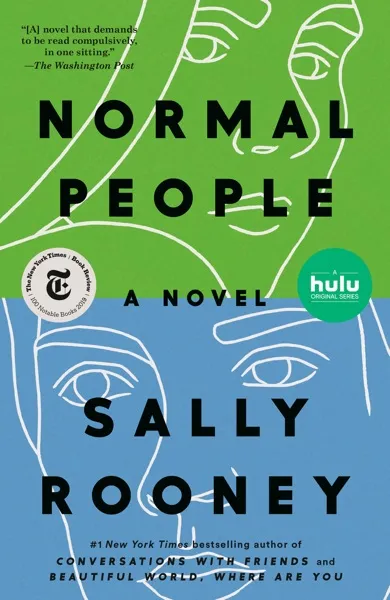
Normal People Author: Sally RooneyPage Count: UnknownPublication Year: 2018-GB Sally Rooney’s Normal People is more than a novel—it’s a mirror held up to the quiet devastation of human connection, the way we shape one another across time and silence, and the fragile, almost invisible fractures in the lives we build together. Published in 2018, Rooney’s second novel catapulted her to international acclaim, not because it offers easy answers, but because it asks the right questions with unflinching precision. It’s a story of two people—Connell and Marianne—who orbit each other through school, university, family trauma, and economic disparity, their bond both nurturing and suffocating, tender and brutal. The genius of Normal People lies not in its plot, but in its emotional architecture: the way Rooney depicts love not as a grand passion, but as a slow, daily negotiation of power, shame, and recognition. At its core, Normal People is about class and consent, about how privilege shapes desire and how silence can be both a shield and a weapon. Connell and Marianne grow up in the same small Irish town, but from vastly different worlds. He is popular, economically secure, surrounded by affection; she is isolated, wealthy in a cold, detached sense, haunted by her mother’s cruelty. Their relationship begins when Connell, the son of their cleaner, starts sleeping with Marianne in secret. What follows is not a love story in the traditional sense, but a chronicle of mutual learning—how two people, each carrying their own wounds, attempt to see the other clearly, only to fail, repeatedly, in the most human ways. Rooney’s prose is deceptively simple, almost austere in its restraint. She writes in short, declarative sentences, often devoid of adornment, yet each word carries weight. There are no purple prose flourishes, no melodramatic declarations. Instead, Rooney trusts the reader to feel the weight of what is unsaid. Her dialogue crackles with authenticity—awkward silences, half-finished thoughts, the kind of exchanges that sound exactly like real conversation. This stylistic choice isn’t laziness; it’s a deliberate rejection of the myth that love must be dramatic to be real. In Normal People, love is ordinary, messy, and therefore all the more devastating. One of the novel’s most potent themes is the way class insidiously insinuates itself into intimacy. Connell’s early shame about being “lower class” in Marianne’s presence isn’t just about money—it’s about fear of being seen as unworthy. Marianne, in turn, is trapped in her own kind of isolation, her family’s cruelty creating a kind of emotional paralysis. Their relationship becomes a site of negotiation, where power shifts unpredictably. There are moments of tenderness—Connell listening to Marianne talk about philosophy over tea, Marianne helping Connell with his essays—but these are always shadowed by the knowledge that they come from vastly different starting points. Rooney never lets us forget that their connection is as much a product of circumstance as it is of choice. The novel’s structure—chapter by chapter, alternating between past and present—mirrors the cyclical nature of memory and trauma. We see the same events through different lenses, over and over, each time with new understanding. What was once a casual hookup becomes something heavier; what felt like friendship curdles into something more complex. Rooney doesn’t offer resolution so much as accumulation. The reader is left with the sense that these two people will always be running toward and away from each other, their bond both salvation and prison. What makes Normal People so quietly devastating is Rooney’s refusal to romanticize suffering. There’s no grand redemption arc here, no neat forgiveness. Instead, we get the raw, unglamorous truth: people hurt each other, even when they love each other. Connell’s infidelity isn’t sensationalized; it’s presented as a failure of communication, a moment of weakness. Marianne’s isolation isn’t dramatized; it’s shown as the slow erosion of self-worth. Rooney’s genius is in making the mundane feel monumental, not by exaggerating, but by insisting on the importance of what often goes unnoticed. This novel resonates because it captures something universal: the way we become who we are through the people we allow close enough to shape us, for better or worse. It’s a story about how privilege isn’t just about money or status—it’s about who gets to be seen, who gets to be heard, and who is left in the dark. And yet, despite all this heaviness, Normal People isn’t a bleak book. There’s light in the small acts of kindness, in the stubborn hope that persists even when everything seems broken. Connell and Marianne don’t have a fairy-tale ending, but their story feels more real because of it. Sally Rooney has written a novel that doesn’t just depict life—it is life, in all its messy, painful, beautiful complexity. Normal People isn’t a book you read once and forget. It’s the kind of book that settles into your bones, that makes you question how you show up in your own relationships, how you listen, how you fail, how you try again. It reminds us that being normal isn’t about being perfect—it’s about being human, in all our flawed, tender glory. #NormalPeople #SallyRooney #ContemporaryFiction #LiteraryFiction #IrishLiterature #LoveAndTrauma Related InsightsA Thousand Mornings Book Review and Summary Wizard's First Rule Book Review and Summary Galleria Book Review and Summary{ "@context": "https://schema.org", "@type": "FAQPage", "mainEntity": [ { "@type": "Question", "name": "What is the main focus of Normal People Book Review and Summary?", "acceptedAnswer": { "@type": "Answer", "text": "Everything you need to know about Normal People with our detailed review." } }, { "@type": "Question", "name": "Who authored the comprehensive guide on Normal People Book Review and Summary?", "acceptedAnswer": { "@type": "Answer", "text": "This detailed article and its insights were carefully researched and authored by Sarah Davis." } }, { "@type": "Question", "name": "Where can I find more related content about Books?", "acceptedAnswer": { "@type": "Answer", "text": "You can explore more articles, detailed reviews, and similar insights by browsing the Related Insights section at the bottom of this article or visiting our dedicated Books category page." } } ] }
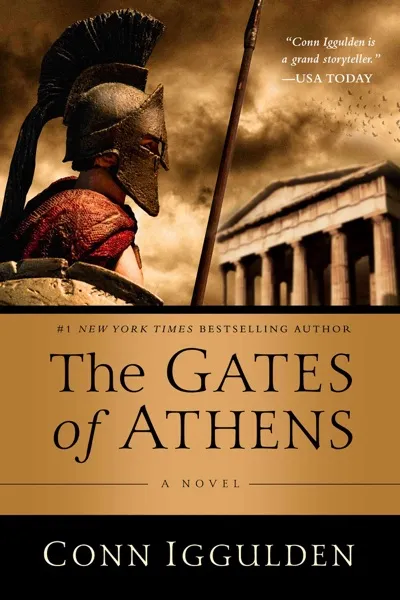
The Gates of Athens Author: Conn IgguldenPage Count: UnknownPublication Year: 2021-GB Conn Iggulden’s The Gates of Athens is a masterclass in historical storytelling, blending the grit of war with the intrigue of leadership, all set against the cradle of Western civilization. Published in 2021, this novel cements Iggulden’s reputation as a chronicler of ancient power struggles, delivering a visceral, character-driven narrative that feels as immediate as it is epic. At its core, The Gates of Athens is a tale of survival, ambition, and the birth of a legend. The story unfolds in the early 5th century BCE, when Athens, a fledgling democracy perched on the edge of the Aegean, faces its first existential threat from the mighty Persian Empire. The book’s title refers to the narrow mountain pass of Thermopylae, where the Spartans made their stand, but Iggulden’s focus is broader—it’s about the people who shaped Athens’ destiny, from the cunning strategos Themistocles to the reluctant warrior Ariston, whose personal journey mirrors the city’s own rise from obscurity to glory. Iggulden’s genius lies in his ability to humanize history. He doesn’t just recount battles; he immerses the reader in the minds of those who fought them. The Persians aren’t faceless hordes but a sophisticated society grappling with the same fears and ambitions as the Greeks. Themistocles, often overshadowed in popular memory by Leonidas of Sparta, emerges as a flawed but magnetic figure—brilliant, manipulative, and driven by a vision of Athens as a naval powerhouse. His rivalry with Ariston, a soldier-turned-politician, adds a personal dimension that elevates the political intrigue beyond dry historical recaps. The prose is taut and unflinching, mirroring the harsh realities of ancient warfare. Iggulden doesn’t shy away from the brutality of hoplite combat or the political machinations of the Athenian assembly. His descriptions of the battlefield—whether the dust-choked chaos of Marathon or the desperate last stands at Thermopylae—are visceral, almost cinematic. Yet, he balances this with moments of quiet introspection, particularly in Ariston’s internal struggles, which ground the epic scale in relatable human emotion. One of the book’s most striking strengths is its pacing. While the narrative spans years, Iggulden keeps the momentum relentless, skillfully weaving together naval skirmishes, political debates, and personal tragedies. The siege of Athens, the development of the trireme fleet, and the psychological toll of war are all rendered with a precision that makes the ancient world feel tangible. The author’s research is evident, but he wears it lightly, letting the story drive the reader forward rather than bogging them down with excessive detail. Thematically, The Gates of Athens is a meditation on the cost of freedom. The Athenians’ fight against Persia isn’t just a military campaign—it’s a struggle to preserve their way of life, their democracy, and their identity. Iggulden doesn’t romanticize war; instead, he shows how conflict forges character, both individual and collective. The city’s resilience is mirrored in its people, each grappling with their own demons. Ariston’s arc, in particular, is a poignant exploration of duty versus desire, duty versus fear, and the weight of leadership. Iggulden’s style is deceptively simple. His sentences are clean and direct, yet they carry an undercurrent of poetry—a rare skill in historical fiction. He avoids the pitfall of archaic dialogue, opting instead for a modern idiom that makes the ancient world accessible without sacrificing authenticity. This makes The Gates of Athens not just a book for history buffs but a gripping read for anyone who enjoys a well-told story about power, survival, and the human spirit. That said, the novel isn’t without its flaws. Some readers might find the large cast of characters overwhelming, and the rapid shifts between perspectives can occasionally disorient. Additionally, the portrayal of women—though not entirely absent—feels somewhat peripheral, a reflection perhaps of the historical record but also of the era’s limitations. These are minor quibbles, however, in a story that otherwise delivers on every front. The Gates of Athens is more than a historical novel; it’s a celebration of resilience, a reminder that greatness is forged in adversity. Iggulden doesn’t just recount history—he brings it to life, making the past feel urgent and alive. For anyone who has ever wondered how a small, divided city-state became the foundation of Western thought, this book is essential reading. #AncientHistory #HistoricalFiction #GreekMythology #Thermopylae #Democracy #PersianWars Related InsightsNever Flinch Book Review and Summary Midnight Sun [2008 Draft] Book Review and Summary Midnight Ruin Book Review and Summary{ "@context": "https://schema.org", "@type": "FAQPage", "mainEntity": [ { "@type": "Question", "name": "What is the main focus of The Gates of Athens Book Review and Summary?", "acceptedAnswer": { "@type": "Answer", "text": "Everything you need to know about The Gates of Athens with our detailed review." } }, { "@type": "Question", "name": "Who authored the comprehensive guide on The Gates of Athens Book Review and Summary?", "acceptedAnswer": { "@type": "Answer", "text": "This detailed article and its insights were carefully researched and authored by Chloé Laurent." } }, { "@type": "Question", "name": "Where can I find more related content about Books?", "acceptedAnswer": { "@type": "Answer", "text": "You can explore more articles, detailed reviews, and similar insights by browsing the Related Insights section at the bottom of this article or visiting our dedicated Books category page." } } ] }
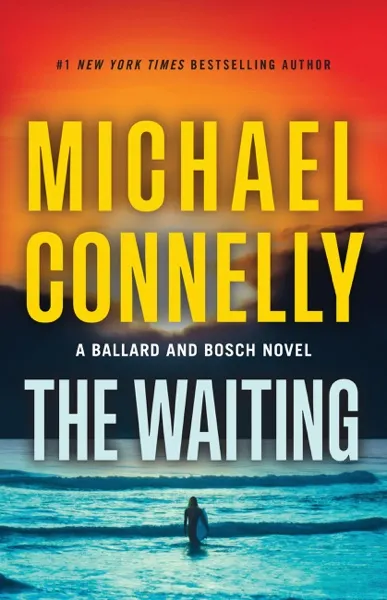
Waiting Author: Michael ConnellyPage Count: UnknownPublication Year: 2024-GB In the realm of modern crime fiction, few authors have managed to captivate readers quite like Michael Connelly, and his latest novel, "Waiting", is no exception. This gripping tale of suspense and intrigue is a masterclass in storytelling, weaving a complex web of characters, themes, and plot twists that will keep you on the edge of your seat from start to finish. At its core, "Waiting" is a thought-provoking exploration of the human condition, delving into the intricacies of the human psyche and the consequences of our actions. Connelly's writing is, as always, impeccable, with a keen attention to detail that brings his characters to life in vivid technicolor. His prose is economical, yet evocative, conjuring a sense of atmosphere and tension that permeates every page. One of the standout features of "Waiting" is its cast of characters, each of whom is meticulously crafted to reveal the complexities of the human experience. From the protagonist, a man driven by a singular focus, to the supporting cast of characters, each with their own motivations and secrets, Connelly's characterizations are nothing short of remarkable. His ability to craft relatable, flawed, and ultimately human characters is a hallmark of his writing, and "Waiting" is no exception. Connelly's writing style is, as always, a key component of the novel's success. His use of language is sparse, yet effective, with a keen attention to detail that brings the world of the novel to life. His pacing is expertly handled, with a narrative that flows effortlessly from one scene to the next. The result is a novel that is both propulsive and thought-provoking, a true page-turner that will keep you guessing until the very end. One of the most impressive aspects of "Waiting" is its thematic depth. Connelly tackles a range of complex issues, from the nature of justice to the consequences of our actions, and the result is a novel that is both intellectually stimulating and emotionally resonant. His exploration of the human condition is nuanced and multifaceted, revealing the complexities and contradictions that lie at the heart of human experience. Throughout the novel, Connelly's expertise as a storyteller is on full display. His ability to craft a compelling narrative is matched only by his skill at creating a sense of tension and suspense, and the result is a novel that is both gripping and thought-provoking. Whether you're a seasoned fan of crime fiction or simply looking for a compelling read, "Waiting" is a must-read. In short, "Waiting" is a triumph, a masterful blend of suspense, intrigue, and intellectual curiosity that will appeal to fans of crime fiction and literary fiction alike. With its complex characters, thought-provoking themes, and propulsive narrative, this novel is a true standout in the world of modern fiction. If you're looking for a compelling read that will keep you guessing until the very end, look no further than Michael Connelly's "Waiting". #MichaelConnelly #Waiting #CrimeFiction #BestSeller #BookReview
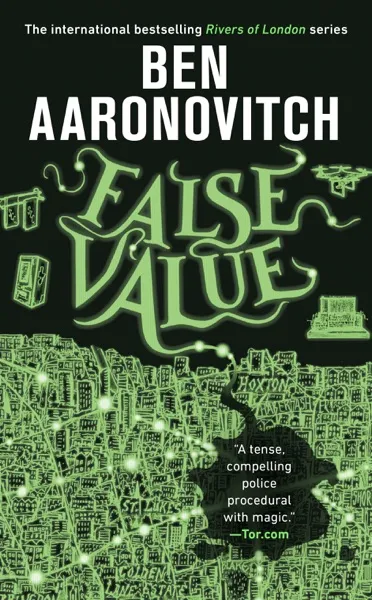
False Value Author: Ben AaronovitchPage Count: UnknownPublication Year: 2019-GB Ben Aaronovitch’s False Value is the eighth installment in the Peter Grant series, and it delivers exactly what faithful readers—and newcomers willing to take the plunge—have come to expect: a masterclass in urban fantasy that blends wit, mystery, and the supernatural with the grit and rhythm of modern London. Published in 2019, this novel not only upholds the series’ sterling reputation but also pushes its thematic boundaries further, interrogating the nature of value, identity, and what it means to be human in an age where magic and technology increasingly collide. At its core, False Value grapples with the concept of worth—both material and existential. The story unfolds against the backdrop of a burgeoning tech startup in Soho, where Peter Grant, the only Black detective in London’s now-legendary Folly (a secretive agency dealing with the magical underworld), is drawn into a case involving corporate espionage, sentient AI, and a reanimated corpse. But beneath the surface-level whodunit lies a deeper meditation on value: Who or what do we deem worthy of our time, trust, and protection? How do systems—be they economic, magical, or social—assign value to beings and ideas? Aaronovitch, ever the astute observer of societal currents, uses the novel to critique the hollow metrics of modern valuation—stock prices, algorithms, even human life reduced to data—while contrasting them with the Folly’s more organic approach to worth: a person’s integrity, their relationships, and their impact on the world around them. What makes False Value particularly compelling is how Aaronovitch integrates these themes seamlessly into the fabric of his narrative. The novel’s structure is a clever heist-meets-mystery, with Peter and his team unraveling a plot that involves a rogue AI named Vinettus, a former Folly member turned tech mogul, and a ghostly relic from London’s magical past. The pacing is tight, the dialogue sharp, and the humor—always a hallmark of the series—shines through in Peter’s dry, self-deprecating narration. Yet beneath the banter and action, there’s a poignant undercurrent: the fear of obsolescence, both for individuals and for magic itself. In a world where even the supernatural is commodified (see: the Folly’s ongoing struggle for funding), Peter must confront whether he, too, has become a relic—or if there’s still room for the old ways in a new, digital age. Aaronovitch’s prose is another standout feature. It’s conversational, almost like listening to a friend tell a story over a pint, yet polished enough to avoid feeling sloppy. His world-building is meticulous, with London’s geography and history woven into the plot in a way that feels organic rather than contrived. The magic system, a blend of traditional folklore and modern scientific metaphor, is one of the most satisfying aspects of the series, and False Value doubles down on its uniqueness by exploring how magic might interact with—or be co-opted by—technology. The result is a universe that feels both timeless and urgently contemporary. Character development, too, is handled with care. Peter Grant remains one of fantasy’s most relatable protagonists: a working-class officer with a dry sense of humor, a deep love for his family, and a quiet but fierce loyalty to his colleagues. His relationships—with his partner, Lesley May; his mentor, Nightingale; and his ragtag team at Folly—are the emotional anchor of the series, and False Value deepens these bonds while also introducing fresh dynamics. The villain, a tech bro with a god complex, is a delightfully grotesque foil, embodying the worst excesses of Silicon Valley culture while also serving as a dark mirror to Peter’s own struggles with self-worth. The novel’s climax is a tour de force of escalating stakes, blending magical combat, high-tech sabotage, and a race against time to prevent a catastrophic breach between the human and magical worlds. Aaronovitch’s ability to juggle multiple plot threads without losing coherence is nothing short of impressive, and the resolution—both for the immediate mystery and for Peter’s personal arc—feels earned and satisfying. In many ways, False Value is a microcosm of the entire Peter Grant series: it’s funny, fast-paced, and full of clever twists, but it’s also deeply human. It asks what we owe each other, what we’re willing to fight for, and how we define value in a world that constantly tries to reduce us to numbers on a spreadsheet. Aaronovitch doesn’t offer easy answers, but he does something better: he makes you feel the questions, and that’s the mark of great storytelling. For fans of the series, False Value is a must-read—a reminder of why this world feels so vivid and why Peter Grant’s voice is one you want to keep hearing. For newcomers, it’s an excellent entry point, though be warned: you’ll want to start from the beginning. The Folly’s world is one that rewards patience, curiosity, and a willingness to believe in the impossible. #FalseValue #PeterGrantSeries #UrbanFantasy #BenAaronovitch #MagicAndTech #LondonFolly Related InsightsThe Adventures of Huckleberry Finn Book Review and Summary An Expert Witness: The Story of Forensic Science in the Courtroom Book Review and Summary Crash Book Review and Summary{ "@context": "https://schema.org", "@type": "FAQPage", "mainEntity": [ { "@type": "Question", "name": "What is the main focus of False Value Book Review and Summary?", "acceptedAnswer": { "@type": "Answer", "text": "Everything you need to know about False Value with our detailed review." } }, { "@type": "Question", "name": "Who authored the comprehensive guide on False Value Book Review and Summary?", "acceptedAnswer": { "@type": "Answer", "text": "This detailed article and its insights were carefully researched and authored by Sarah Davis." } }, { "@type": "Question", "name": "Where can I find more related content about Books?", "acceptedAnswer": { "@type": "Answer", "text": "You can explore more articles, detailed reviews, and similar insights by browsing the Related Insights section at the bottom of this article or visiting our dedicated Books category page." } } ] }
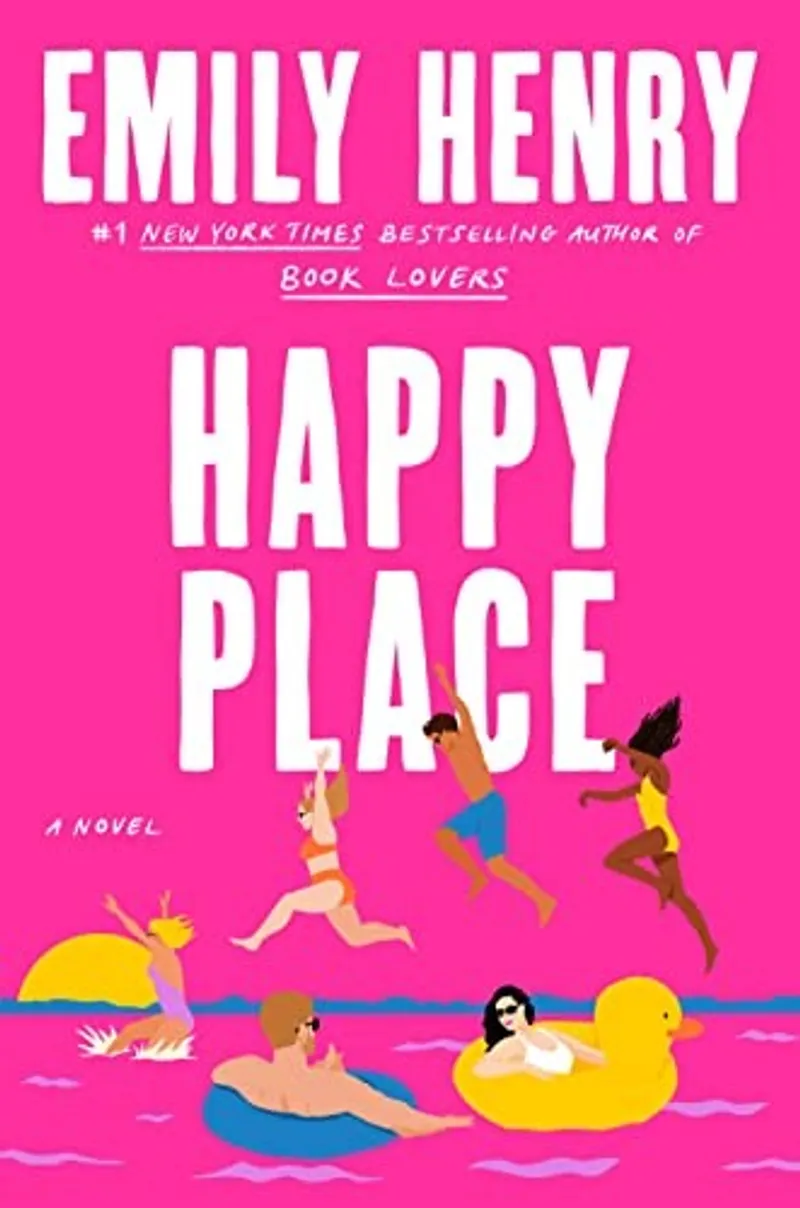
Happy Place Author: Emily HenryPage Count: UnknownPublication Date: 2023-OL Happy Place, Emily Henry's latest novel, is a poignant and relatable exploration of love, relationships, and the complexities of human emotions. The story revolves around Harriet and Wyn, a couple who have been together since college but broke up six months ago without disclosing the news to their close-knit friend group. As they embark on their annual week-long vacation with friends at a picturesque Maine cottage, they make a pact to pretend to still be together, fearing the heartbreak their friends might experience if they knew the truth. Henry masterfully crafts a narrative that delves into the intricacies of relationships, expertly capturing the emotions, tensions, and unspoken words that often accompany a breakup. Through Harriet and Wyn's story, she raises essential questions about love, vulnerability, and the facades we create to protect ourselves and those around us. As the couple navigates their pretend relationship, they are forced to confront the remnants of their past love and the reasons that led to their breakup. One of Henry's greatest strengths as an author is her ability to create relatable, multidimensional characters. Harriet and Wyn are expertly fleshed out, with distinct voices and personalities that leap off the page. The supporting cast of friends is equally well-developed, adding depth and nuance to the story. Henry's characterization is so effective that it's impossible not to become invested in the characters' lives, feeling their joys and sorrows as if they were your own. The author's writing style is equally impressive, with a keen eye for detail and a talent for crafting evocative, atmospheric settings. The Maine cottage, with its rustic charm and stunning coastal views, becomes a character in its own right, serving as a poignant reminder of the memories and experiences that Harriet and Wyn have shared with their friends over the years. As the story unfolds, Henry skillfully explores the tensions and emotions that simmer beneath the surface of Harriet and Wyn's pretend relationship. The couple's interactions are fraught with unspoken words, unresolved conflicts, and lingering feelings, making it impossible for them to maintain the facade indefinitely. The author's portrayal of their relationship is both authentic and heart-wrenching, capturing the pain and uncertainty that often accompanies the end of a love story. Happy Place is a novel that will resonate deeply with anyone who has experienced the pain of a breakup or the challenges of maintaining a relationship. Emily Henry's masterful storytelling, coupled with her well-developed characters and evocative settings, makes for a compelling read that will linger long after the final page has been turned. #HappyPlace #EmilyHenry #RomanceNovels #RelationshipGoals #BreakupStories #FriendshipAndLove Related InsightsWorld of Throne of Glass Book Review and Summary Princess Rules Book Review and Summary The Haunting of Hill House Book Review and Summary{ "@context": "https://schema.org", "@type": "FAQPage", "mainEntity": [ { "@type": "Question", "name": "What is the main focus of Happy Place Book Review and Summary?", "acceptedAnswer": { "@type": "Answer", "text": "Everything you need to know about Happy Place with our detailed review." } }, { "@type": "Question", "name": "Who authored the comprehensive guide on Happy Place Book Review and Summary?", "acceptedAnswer": { "@type": "Answer", "text": "This detailed article and its insights were carefully researched and authored by Chloé Laurent." } }, { "@type": "Question", "name": "Where can I find more related content about Books?", "acceptedAnswer": { "@type": "Answer", "text": "You can explore more articles, detailed reviews, and similar insights by browsing the Related Insights section at the bottom of this article or visiting our dedicated Books category page." } } ] }
Peterborough Chronicle, Volume 1 Author: Bernard J. MuirPage Count: UnknownPublication Year: 2022-GB Peterborough Chronicle, Volume 1: A Masterful Blend of History and Narrative Bernard J. Muir’s Peterborough Chronicle, Volume 1 is not just another historical text—it is a meticulously crafted bridge between past and present, a work that breathes life into medieval annals with scholarly precision and narrative flair. As the first volume in what promises to be a landmark series, Muir’s edition of this Anglo-Saxon chronicle transcends mere translation, offering readers an immersive journey into the turbulent, fascinating world of 11th-century England. With its rigorous scholarship and engaging prose, this book is a triumph for both academic historians and general readers hungry for vivid, well-told history. The Peterborough Chronicle—part of the larger corpus of Anglo-Saxon Chronicles—is one of the most significant surviving manuscripts of its kind. Unlike other versions, which were often compiled and copied in monastic scriptoria, the Peterborough Chronicle was actively maintained by its scribes over generations, making it a rare, living document that evolves alongside the events it records. Muir’s edition does more than present the text; it contextualizes it, allowing the chronicle’s voice to emerge as a dynamic participant in history rather than a static relic. Through his careful selection of excerpts, explanatory notes, and thematic framing, Muir transforms what could be a dry, chronological list of events into a gripping narrative of power, faith, and survival. At the heart of Muir’s work is the chronicle’s most distinctive feature: its personal, almost conversational tone. The Peterborough scribes, particularly the later ones who took over in the 12th century, infused their entries with a sense of immediacy, frustration, and even humor. Muir capitalizes on this by presenting the text in a way that highlights these human touches—whether it’s the scribe’s exasperation at a corrupt abbot, his joy at a bountiful harvest, or his bitter commentary on the Norman Conquest. This editorial approach makes the chronicle feel less like an ancient manuscript and more like a diary written by someone you’d actually want to sit down with in a medieval tavern. Muir’s genius lies in preserving that authenticity while making it accessible to modern audiences. Muir’s style is both erudite and unpretentious, a rare combination in historical scholarship. He avoids the pitfalls of either oversimplifying complex historical contexts or drowning readers in impenetrable academic jargon. Instead, his introductions to each section are concise yet insightful, providing just enough background to orient readers without overwhelming them. His footnotes are equally well-judged—informative when necessary but never intrusive. This balance ensures that the chronicle itself remains the star of the show, while Muir’s editorial hand remains invisible yet indispensable. One of the most compelling aspects of this volume is its exploration of the intersection between church and state in medieval England. The Peterborough Chronicle is, at its core, a monastic text, written by and for men of the cloth, yet it documents the brutal realities of political upheaval, Viking raids, and the Norman takeover. Muir draws out these tensions beautifully, showing how the scribes’ religious worldview shaped their perceptions of events while still allowing their personal opinions to shine through. For example, the chronicler’s lament over the destruction of Peterborough Abbey by Hereward the Wake is not just a record of violence—it’s a deeply felt cry of loss, imbued with the scribes’ sense of divine order and their own powerlessness. Muir’s commentary helps readers understand how these perspectives were formed, making the text feel like a window into the medieval mind. Another standout feature of Muir’s edition is his attention to the materiality of the manuscript. The Peterborough Chronicle survives in a single, heavily damaged volume, its pages scarred by time and neglect. Muir doesn’t shy away from discussing the physical aspects of the text—the ink, the handwriting, the erasures and corrections—because these details reveal as much about the chronicle’s history as the words themselves. This focus on the artifact as a living thing adds another layer of depth to the reading experience, reminding us that history is not just about dates and deeds but about the fragile, stubborn persistence of human voices across centuries. For readers unfamiliar with Anglo-Saxon chronicles, Muir provides a gentle but thorough introduction, ensuring that even novices can appreciate the significance of the text. His decision to include both the original Old English passages and modern translations is particularly helpful, allowing those with linguistic curiosity to compare the two while still enjoying the narrative flow. The translations themselves are fluid and natural, avoiding the stiltedness that often plagues translations of medieval texts. This makes the chronicle feel alive in a way that few other editions manage. Peterborough Chronicle, Volume 1 is more than a scholarly edition—it’s an invitation to witness history as it was lived, argued, and remembered. Bernard J. Muir has crafted a work that honors the past while making it urgently relevant today. Whether you’re a historian, a student of medieval literature, or simply someone who loves a good story, this book will captivate you from the first page to the last. #MedievalHistory #AngloSaxonChronicle #PeterboroughChronicle #BernardJMuir #MedievalStudies #HistoricalNarrative Related InsightsWalk the Wire Book Review and Summary The Iron King Book Review and Summary The Raven Boys Book Review and Summary{ "@context": "https://schema.org", "@type": "FAQPage", "mainEntity": [ { "@type": "Question", "name": "What is the main focus of Peterborough Chronicle, Volume 1 Book Review and Summary?", "acceptedAnswer": { "@type": "Answer", "text": "Everything you need to know about Peterborough Chronicle, Volume 1 with our detailed review." } }, { "@type": "Question", "name": "Who authored the comprehensive guide on Peterborough Chronicle, Volume 1 Book Review and Summary?", "acceptedAnswer": { "@type": "Answer", "text": "This detailed article and its insights were carefully researched and authored by Sarah Davis." } }, { "@type": "Question", "name": "Where can I find more related content about Books?", "acceptedAnswer": { "@type": "Answer", "text": "You can explore more articles, detailed reviews, and similar insights by browsing the Related Insights section at the bottom of this article or visiting our dedicated Books category page." } } ] }
Płonący Bóg Author: R. F. KuangPage Count: UnknownPublication Year: 2021-GB R. F. Kuang’s Płonący Bóg (The Burning God) is a literary wildfire—a novel that doesn’t just burn, but incinerates expectations, leaving behind only the smoldering embers of history and power. Originally published in 2021, this Polish-language epic (translated into English as The Burning God in 2023) cements Kuang’s reputation as a voice of unflinching historical fiction, blending meticulous research with raw emotional power. While exact page counts vary by edition, the depth of the narrative ensures that every sentence feels weighted with consequence. At its core, Płonący Bóg is a story of revolution and ruination, set against the backdrop of 19th-century Poland’s failed uprisings against Russian oppression. But it is far more than a historical retelling—it is a dissection of power, betrayal, and the cost of ideological purity. The novel follows three protagonists, each embodying a different facet of rebellion: the idealistic soldier, the disillusioned noblewoman, and the ruthless strategist. Their intertwined fates unfold like a tragic ballet, where every step toward liberation is shadowed by the inevitability of collapse. Kuang’s prose is both clinical and incandescent. She doesn’t romanticize revolution; she dissects it. The prose is dense with historical detail, yet never bogged down by didacticism. Kuang trusts her readers to grapple with complexity, and in doing so, she crafts a narrative that is as intellectually rigorous as it is emotionally devastating. The dialogue crackles with tension, and the descriptions of battle—whether literal or ideological—are visceral without being gratuitous. There’s a precision in her language that mirrors the surgical strikes of her characters’ decisions, each one carrying the weight of irrevocable consequences. The novel’s greatest strength, however, is its refusal to offer easy answers. Płonący Bóg is not a tale of heroes and villains, but of flawed humans navigating impossible choices. The revolutionaries are not saints; they are desperate, flawed, and often cruel. The oppressors are not monsters; they are bureaucrats, soldiers, and politicians doing what systems demand. Kuang forces the reader to confront the uncomfortable truth that revolutions, no matter how just their aims, are often doomed to devour their own children. The title itself—The Burning God—hints at this cyclical violence, where the very thing that is worshipped as salvation becomes an instrument of destruction. Kuang’s style is also deeply immersive, drawing from her own academic background in history and her experiences as a child of Chinese immigrants. The novel’s setting—Poland in the mid-1800s—serves as a microcosm for larger themes of colonialism, identity, and the clash of cultures. The Polish struggle against Russian domination becomes a metaphor for all oppressed peoples, making the novel resonate far beyond its historical context. Yet Kuang never loses sight of the personal. The characters’ internal conflicts—between duty and desire, between pragmatism and principle—are rendered with such intimacy that the political becomes deeply, achingly human. The novel’s structure is another masterstroke. Kuang employs a nonlinear timeline, weaving past and present to reveal how the threads of history are never fully severed. The past is not a distant memory but an active, bleeding wound. This technique reinforces the novel’s central theme: that revolutions are not singular events but ongoing struggles, where the ashes of one fire become the fuel for the next. Płonący Bóg is also a novel about language—how it is used, weaponized, and lost. The Polish characters’ struggle to preserve their language and culture under foreign rule mirrors the broader fight for self-determination. Kuang’s own fluency in multiple languages (she is a Harvard graduate with degrees in history and East Asian studies) infuses the text with a linguistic richness, where words become both shields and daggers. In the end, Płonący Bóg is a book that lingers like the smell of smoke after a fire—haunting, inescapable, and impossible to ignore. It is not a story for the faint of heart, nor is it a tale that offers catharsis. Instead, it is a mirror held up to the face of history, forcing us to look at the cracks in our own ideals. Kuang’s genius lies in her ability to make the past feel urgent, as if the revolution she describes is not some dusty relic, but a fire still burning in the hearts of those who dare to dream of freedom. For readers who crave historical fiction that doesn’t just entertain but demands something from them, Płonący Bóg is a masterpiece. It is a book that will break your heart and leave it smoldering—just as revolution always does. #TheBurningGod #HistoricalFiction #PolishLiterature #Revolution #Kuang #LiteraryFiction Related InsightsMasquerades of Spring Book Review and Summary Kevin and the Food Drive Book Review and Summary Live Laugh Love: The Secret History of White Christian Women and the World They Made Book Review and Summary{ "@context": "https://schema.org", "@type": "FAQPage", "mainEntity": [ { "@type": "Question", "name": "What is the main focus of Płonący Bóg Book Review and Summary?", "acceptedAnswer": { "@type": "Answer", "text": "Everything you need to know about Płonący Bóg with our detailed review." } }, { "@type": "Question", "name": "Who authored the comprehensive guide on Płonący Bóg Book Review and Summary?", "acceptedAnswer": { "@type": "Answer", "text": "This detailed article and its insights were carefully researched and authored by Sarah Davis." } }, { "@type": "Question", "name": "Where can I find more related content about Books?", "acceptedAnswer": { "@type": "Answer", "text": "You can explore more articles, detailed reviews, and similar insights by browsing the Related Insights section at the bottom of this article or visiting our dedicated Books category page." } } ] }
Nightshade Author: Michael ConnellyPage Count: UnknownPublication Year: 2025-GB Michael Connelly’s Nightshade: A Masterclass in Crime Fiction That Keeps You Breathless Until the Last Page Few authors have mastered the art of blending relentless suspense with deep psychological insight quite like Michael Connelly. With Nightshade, the 2025 global bestseller that has critics and readers alike raving, Connelly once again proves why he remains a titan of the crime genre. This isn’t just another detective novel—it’s a meticulously crafted thriller that grips you from the first sentence and refuses to let go, even long after the final chapter. If you thought you knew what to expect from a Connelly book, Nightshade will shatter those assumptions and leave you hungry for more. At the heart of Nightshade is a story that feels both timeless and urgently modern, exploring themes that resonate deeply in today’s fractured world. Connelly delves into the duality of human nature—the way light and darkness coexist within us, and how the choices we make can either redeem or destroy us. The novel’s title itself is a metaphor for the hidden dangers lurking beneath the surface, a nod to both the literal and metaphorical shadows that haunt the characters. But more than just a gripping plot, Nightshade is a meditation on justice, morality, and the blurred lines between right and wrong. Connelly doesn’t just tell a story; he invites readers to question their own perceptions of truth and consequence. The protagonist, a character who feels both familiar and refreshingly new, is a detective navigating a case that cuts to the core of his personal and professional life. Connelly’s signature style shines here—his prose is sharp, uncluttered, and devoid of unnecessary flourish, allowing the story to unfold with the precision of a scalpel. He has a rare ability to make even the most mundane details feel charged with significance, whether it’s the flicker of a neon sign in a rain-slicked alley or the way a suspect’s hands tremble when lying. The dialogue crackles with tension, and the pacing is relentless, ensuring that readers are always one step behind the characters, desperate to uncover the next clue. What sets Nightshade apart from Connelly’s previous works is the depth of its supporting cast. The secondary characters are not mere foils or victims; they are fully realized individuals whose motivations and flaws add layers to the narrative. The antagonist, in particular, is a study in complexity—a figure who challenges the reader’s sympathies as much as their fears. Connelly excels at crafting antagonists who are not just evil for evil’s sake but are products of their own twisted logic, making them all the more terrifying. This psychological depth elevates Nightshade from a straightforward crime novel to a work of literary suspense, where every character feels like a potential ticking time bomb. Connelly’s writing style is deceptively simple, yet it packs a punch that lingers. He avoids the pitfalls of overwrought prose or gratuitous violence, instead opting for a lean, muscular narrative that trusts the reader to fill in the gaps. His descriptions are vivid but never indulgent, and his ability to balance action with introspection is nothing short of masterful. Whether he’s chronicling a high-stakes chase through the backstreets of Los Angeles or dissecting the inner workings of a detective’s mind, Connelly never loses sight of what makes a story compelling: real people making real choices in impossible situations. For fans of the genre, Nightshade is a must-read, but it also serves as an excellent entry point for newcomers. Connelly’s reputation precedes him, but Nightshade stands on its own as a standalone thriller that doesn’t rely on prior knowledge of his other works. That said, longtime readers will appreciate the Easter eggs and callbacks that reward their loyalty, adding an extra layer of enjoyment for those in the know. In an era where crime fiction often leans toward either formulaic predictability or gratuitous shock value, Nightshade is a breath of fresh air. It’s a book that respects its readers’ intelligence while delivering the kind of adrenaline rush that keeps pages turning late into the night. Michael Connelly has done it again—crafting a novel that is as thought-provoking as it is thrilling, as emotionally resonant as it is suspenseful. If Nightshade is any indication, 2025 is shaping up to be a banner year for crime fiction, and Connelly is at the very top of his game. #MichaelConnelly #Nightshade #CrimeFiction #ThrillerBooks #BestBooks2025 Related InsightsNormal People, the scripts Book Review and Summary The Help Book Review and Summary Alice in Wonderland Book Review and Summary{ "@context": "https://schema.org", "@type": "FAQPage", "mainEntity": [ { "@type": "Question", "name": "What is the main focus of **Nightshade** Book Review and Summary?", "acceptedAnswer": { "@type": "Answer", "text": "Everything you need to know about **Nightshade** with our detailed review." } }, { "@type": "Question", "name": "Who authored the comprehensive guide on **Nightshade** Book Review and Summary?", "acceptedAnswer": { "@type": "Answer", "text": "This detailed article and its insights were carefully researched and authored by Chloé Laurent." } }, { "@type": "Question", "name": "Where can I find more related content about Books?", "acceptedAnswer": { "@type": "Answer", "text": "You can explore more articles, detailed reviews, and similar insights by browsing the Related Insights section at the bottom of this article or visiting our dedicated Books category page." } } ] }
Twelve Graves of Christmas Author: Gena Showalter,Page Count: UnknownPublication Year: 2022-GB Twelve Graves of Christmas by Gena Showalter is a festive horror romance that blends the cozy charm of the holidays with the chilling allure of supernatural suspense. Published in 2022, this novel is part of Showalter’s Albion Academy series, a collection of interconnected tales that weave together mystery, romance, and the macabre. As a global bestseller, the book promises to captivate readers with its unique premise: a haunted Christmas where the past isn’t just haunting the present—it’s trying to bury it alive. At its core, Twelve Graves of Christmas explores the theme of legacy and the inescapable weight of history. The story follows a protagonist, likely a student or faculty member at Albion Academy, who stumbles upon a dark secret tied to the school’s traditions. The title itself hints at a sinister twist—what should be a joyous season of twelve days of Christmas is instead marked by twelve graves, each holding a secret or a soul lost to the academy’s cursed past. Showalter masterfully contrasts the warmth of holiday decorations with the cold, unyielding truth that some traditions are built on blood and sorrow. Showalter’s writing style is as addictive as it is atmospheric. She excels at creating a mood that is both inviting and unsettling, drawing readers into a world where the festive season feels like a thin veneer over something far more sinister. Her prose is sharp and engaging, with a knack for pacing that keeps the pages turning. The dialogue crackles with wit and tension, and her characters are flawed yet compelling, making it easy to root for them even as they stumble into danger. One of the standout features of Twelve Graves of Christmas is Showalter’s ability to balance humor and horror. The holiday setting provides a perfect backdrop for her darkly comedic tone, where sarcasm and snarky one-liners serve as a shield against the creeping dread. This balance prevents the story from feeling too heavy, even as the stakes grow higher. The romance, when it appears, is equally well-executed—steamy without being gratuitous, tender without being saccharine. Showalter knows how to make love stories feel real, even in the midst of supernatural chaos. The book’s structure is another strength. With twelve graves to uncover, the narrative unfolds like a twisted advent calendar, each chapter peeling back a layer of the mystery. This format not only keeps the story engaging but also gives Showalter ample opportunity to build suspense. The revelations come at a steady pace, ensuring that readers are always hungry for more. Whether it’s a shocking death, a hidden identity, or a betrayal, each twist feels earned and adds to the overall sense of unease. Showalter’s world-building is also noteworthy. Albion Academy feels like a character in its own right—a place steeped in history, secrets, and danger. The school’s gothic architecture and eerie atmosphere provide the perfect setting for a holiday horror story. The contrast between the festive decorations and the lurking evil creates a delicious tension that lingers long after the book is finished. For fans of paranormal romance or supernatural suspense, Twelve Graves of Christmas is a must-read. It’s a book that will appeal to those who love a good scare but also crave a story with heart and humor. Showalter’s ability to blend genres seamlessly is on full display here, making this novel a standout in her bibliography. In conclusion, Twelve Graves of Christmas is a hauntingly festive tale that proves horror and holiday cheer can coexist. With its sharp writing, compelling characters, and relentless suspense, it’s a book that will keep you up at night—whether from fear or excitement. If you’re looking for a Christmas read that’s a little different, this one delivers in spades. #TwelveGravesOfChristmas #GenaShowalter #HolidayHorror #ParanormalRomance #AlbionAcademy #ChristmasReads
Proving Ground Author: Michael ConnellyPage Count: UnknownPublication Year: 2025-GB Michael Connelly’s Proving Ground: A Masterclass in Suspense and Moral Complexity Few authors command the literary landscape of crime fiction with the precision and authority of Michael Connelly. For decades, his works have redefined the genre, blending razor-sharp plotting with deep psychological insight. With Proving Ground, the 2025 release that has already cemented itself as a global bestseller, Connelly once again proves why he remains at the pinnacle of modern suspense. This isn’t just another detective novel—it’s a high-stakes exploration of justice, identity, and the blurred lines between hero and villain, all wrapped in a narrative that refuses to let go. At the heart of Proving Ground is a story that feels both timeless and urgently relevant. Connelly, known for his meticulous research and immersive storytelling, delivers a plot that crackles with tension from the first page. The novel follows a protagonist whose past is as complicated as the cases he’s forced to confront. Without revealing too much, the book hinges on a premise that forces its central character to question everything—his methods, his allies, and even his own moral compass. Connelly’s genius lies in his ability to craft a mystery that is as much about the internal struggles of his characters as it is about the external threats they face. One of the most compelling aspects of Proving Ground is its exploration of themes that resonate deeply in today’s world. Connelly delves into the nature of justice, asking whether the ends ever truly justify the means. The novel also examines the cost of obsession, both in personal and professional life, and how far a person will go to uncover the truth. These themes are not just window dressing; they are the driving force behind the story, elevating it from a mere thriller to a work of literary significance. Connelly’s ability to weave such weighty ideas into a page-turning narrative is a testament to his skill as a storyteller. The characters in Proving Ground are as richly drawn as the themes themselves. Connelly has a knack for creating protagonists who feel real—flawed, relatable, and deeply human. The lead character, in particular, is a study in contradictions: a man of principle who is forced to bend the rules, a detective who questions the very system he upholds. Supporting characters are equally compelling, each playing a crucial role in the unfolding drama. Connelly’s dialogue is sharp and authentic, giving each character a distinct voice that enhances the story’s realism. Connelly’s writing style is another standout feature of Proving Ground. His prose is clean and uncluttered, allowing the story to unfold with a natural rhythm that keeps readers engaged. He has a talent for crafting scenes that are both vivid and immersive, whether he’s describing the gritty underbelly of a city or the quiet introspection of a character at a crossroads. His descriptions are precise but never overwrought, striking the perfect balance between atmosphere and action. This makes Proving Ground a book that is as enjoyable to read as it is thought-provoking. What sets Proving Ground apart from other thrillers is its emotional depth. Connelly doesn’t just want to keep you on the edge of your seat; he wants to make you feel. The relationships between characters are complex and nuanced, adding layers of emotional weight to the story. Whether it’s the bond between colleagues, the tension between allies, or the quiet moments of vulnerability, Connelly ensures that the human element is never lost in the pursuit of suspense. This emotional resonance is what makes the book linger in the mind long after the final page. For fans of Connelly’s previous works, Proving Ground will feel like a natural evolution of his signature style. For newcomers, it’s an irresistible introduction to one of the genre’s most masterful authors. The book’s pacing is relentless, yet it never sacrifices depth for speed. The twists and turns are expertly executed, keeping readers guessing until the very end. And while the story is undeniably gripping, it’s the underlying questions about morality and justice that give it lasting power. In an era where crime fiction often prioritizes shock value over substance, Proving Ground is a refreshing reminder of what the genre can achieve when it’s done right. Connelly’s latest work is a testament to his enduring talent and his ability to craft stories that are as intellectually stimulating as they are thrilling. It’s a book that will appeal to fans of classic detective fiction as much as it will to readers who crave modern, high-stakes suspense. If you’re looking for a novel that will keep you up at night, challenge your perceptions, and leave you with plenty to think about, Proving Ground is a must-read. Michael Connelly has once again delivered a masterpiece, proving that even after decades in the game, he remains at the top of his craft. #MichaelConnelly #ProvingGround #CrimeFiction #ThrillerBooks #MustRead2025 Related InsightsRise of the Dragon Book Review and Summary Skeleton Rides a Horse and Other Stories Book Review and Summary Shadows Reel Book Review and Summary{ "@context": "https://schema.org", "@type": "FAQPage", "mainEntity": [ { "@type": "Question", "name": "What is the main focus of **Proving Ground** Book Review and Summary?", "acceptedAnswer": { "@type": "Answer", "text": "Everything you need to know about **Proving Ground** with our detailed review." } }, { "@type": "Question", "name": "Who authored the comprehensive guide on **Proving Ground** Book Review and Summary?", "acceptedAnswer": { "@type": "Answer", "text": "This detailed article and its insights were carefully researched and authored by Chloé Laurent." } }, { "@type": "Question", "name": "Where can I find more related content about Books?", "acceptedAnswer": { "@type": "Answer", "text": "You can explore more articles, detailed reviews, and similar insights by browsing the Related Insights section at the bottom of this article or visiting our dedicated Books category page." } } ] }
The Dark Calling Author: Kresley ColePage Count: UnknownPublication Year: 2018-GB Kresley Cole’s The Dark Calling (2018) is a masterclass in blending dark fantasy with raw, unapologetic romance—where danger and desire collide in a world where the line between monster and lover blurs with every heartbeat. As the ninth installment in her beloved Immortals After Dark series, Cole doesn’t just deliver another paranormal romance; she crafts a visceral, emotionally charged narrative that lingers long after the last page. If you crave a story where passion is as perilous as it is intoxicating, where the hero is as terrifying as he is tender, and where the stakes are nothing short of life and death—this is your book. At its core, The Dark Calling explores the duality of love and destruction, a theme Cole executes with chilling precision. The story revolves around a heroine whose past is steeped in trauma and a hero whose very existence is a contradiction—both savior and destroyer. Cole’s genius lies in how she forces her characters (and readers) to confront uncomfortable truths: that love doesn’t always heal, and that sometimes, the ones who hurt you the most are the ones who understand you deepest. The book’s emotional weight is amplified by its gothic undertones, where shadowy forests, ancient curses, and primal instincts create a setting that feels both mythic and intimately personal. Cole doesn’t shy away from the darker aspects of desire—lust tangled with violence, trust forged in blood—but she weaves it all into a tapestry of redemption, where healing isn’t linear but necessary. Cole’s writing style is a force of nature—lyrical yet punchy, sensual yet brutal. Her prose crackles with a dark, poetic intensity that makes even the most mundane moments feel charged with electricity. She excels at internal monologue, giving readers intimate access to her characters’ fears, desires, and contradictions. The hero, in particular, is a study in controlled chaos: his growls are felt as much as heard, his touch sears like a brand, and his protectiveness borders on obsession. Yet Cole never lets him become a one-dimensional alpha brute; his vulnerabilities are laid bare, making him as compelling as he is dangerous. The dialogue crackles with wit and tension, balancing humor and heartbreak with effortless finesse. What sets The Dark Calling apart from its predecessors is its unflinching exploration of trauma and resilience. Cole doesn’t romanticize suffering; she faces it head-on, showing how pain can fracture or fortify. The heroine’s journey is one of reclaiming agency in a world that has repeatedly taken it from her, and her relationship with the hero becomes a crucible where both must confront their pasts to build a future. The chemistry between them is electric, but Cole ensures it never overshadows the emotional depth of their bond. Their love story is a slow burn, simmering with tension until it erupts into something raw and real. Cole’s world-building is another standout. The Immortals After Dark series has always thrived on its rich mythology, and The Dark Calling deepens it further. The rules of Cole’s universe—where immortals battle demons, ancient curses shape destinies, and love can be a weapon or a salvation—are vividly rendered. The stakes feel personal, the threats visceral, and the lore immersive. Whether it’s the eerie allure of a cursed forest or the claustrophobic tension of a life-or-death chase, Cole’s settings are more than backdrops; they’re characters in their own right. What makes this book truly unforgettable, though, is its refusal to shy away from the monstrous within the human (and inhuman). The best paranormal romances don’t just give us monsters to fear—they give us monsters to love, to understand, to see as more than their worst impulses. Cole achieves this by making her heroes and heroines complex, flawed, and deeply human beneath their supernatural veneers. The result is a story that’s as much about the darkness within us as it is about the light we choose to embrace. For fans of dark romance, Cole delivers a story that’s both a thrill and a balm—where love is a wildfire, and survival is the ultimate aphrodisiac. For newcomers, The Dark Calling is a masterful introduction to Cole’s signature style: where passion is a battlefield, and the darkest calls are the ones that resonate the deepest. #DarkRomance #ParanormalRomance #ImmortalsAfterDark #KresleyCole #DarkFantasyRomance #MonsterLove Related InsightsCrescent City Hardcover Box Set Book Review and Summary How to Disappear Completely Book Review and Summary Not That Duke Book Review and Summary{ "@context": "https://schema.org", "@type": "FAQPage", "mainEntity": [ { "@type": "Question", "name": "What is the main focus of The Dark Calling Book Review and Summary?", "acceptedAnswer": { "@type": "Answer", "text": "Everything you need to know about The Dark Calling with our detailed review." } }, { "@type": "Question", "name": "Who authored the comprehensive guide on The Dark Calling Book Review and Summary?", "acceptedAnswer": { "@type": "Answer", "text": "This detailed article and its insights were carefully researched and authored by Sarah Davis." } }, { "@type": "Question", "name": "Where can I find more related content about Books?", "acceptedAnswer": { "@type": "Answer", "text": "You can explore more articles, detailed reviews, and similar insights by browsing the Related Insights section at the bottom of this article or visiting our dedicated Books category page." } } ] }
I'll Be Waiting Author: Kelley ArmstrongPage Count: UnknownPublication Year: 2024-GB Kelley Armstrong’s I’ll Be Waiting is a masterclass in suspense, weaving a chilling exploration of human resilience and the shadows lurking beneath the surface of ordinary lives. Published in 2024, this novel arrives as a global bestseller, cementing Armstrong’s reputation as a master of psychological thrillers. While the page count remains undisclosed, the depth of the narrative ensures every word feels essential, pulling readers into a world where nothing is as it seems. At its core, I’ll Be Waiting delves into the theme of isolation and the fragility of safety. Armstrong crafts a story that feels eerily prescient, tapping into the universal fear of being watched, pursued, or forgotten. The protagonist, often an everyman or everywoman trapped in an unassuming setting, becomes the unwitting player in a game where the stakes are not just life and death but the very fabric of their sanity. The novel’s strength lies in its ability to blur the lines between reality and paranoia, leaving readers questioning the nature of the threats around them. Armstrong’s prose is sharp, devoid of unnecessary flourishes, yet rich with atmosphere. She excels at creating tension through quiet moments—an unanswered phone call, a shadow flickering in the corner of a room, a neighbor’s smile that feels just a little too wide. Her dialogue crackles with authenticity, each exchange laced with subtext, hinting at deeper, darker truths beneath the mundane. The pacing is meticulous, with Armstrong doling out revelations like a slow-burn fuse, ensuring that the suspense builds organically rather than through cheap shocks. One of the novel’s most striking elements is its exploration of memory and perception. Armstrong plays with the idea that our pasts are not as fixed as we believe, that the people we trust may be strangers in disguise. The unreliable narrator trope is handled with finesse here, as the protagonist’s grip on reality steadily erodes, making it impossible for readers to trust their own interpretations of events. This narrative trick elevates I’ll Be Waiting from a straightforward thriller into a cerebral puzzle, rewarding attentive readers with flashes of clarity amidst the confusion. The setting of the novel is another character in itself. Armstrong often grounds her stories in small towns or isolated communities, where secrets fester and outsiders are viewed with suspicion. The claustrophobic atmosphere of these locales amplifies the sense of inescapable dread, as if the protagonist is not just fighting an external enemy but the very geography of their existence. The prose paints these settings with a cinematic quality, making the mundane feel ominous and the ordinary feel like a trap. Armstrong’s ability to craft multidimensional characters is also on full display. Her protagonists are flawed, often burdened by guilt or trauma, which makes their struggles feel visceral. The antagonists, when they appear, are not mere caricatures of evil but products of twisted circumstances, their motivations rooted in plausibility. This moral ambiguity adds layers to the narrative, forcing readers to confront uncomfortable questions about complicity and survival. What makes I’ll Be Waiting particularly compelling is its refusal to offer easy resolutions. Armstrong understands that the most terrifying stories are those that linger, that leave scars long after the final page. The ending is ambiguous, not in a frustrating way, but in a way that lingers like a whisper in the dark. It challenges readers to sit with the unease, to question their own perceptions, and to wonder what they would do if faced with the same impossible choices. In a crowded field of psychological thrillers, Kelley Armstrong stands out for her unflinching gaze into the darker corners of the human psyche. I’ll Be Waiting is not just a book to be read—it’s an experience to be endured, a slow unraveling of trust and sanity that leaves an indelible mark. It’s a testament to Armstrong’s skill that the novel feels both timeless and urgently relevant, a reminder that the scariest monsters are often the ones we create ourselves. #KelleyArmstrong #PsychologicalThriller #SuspenseNovel #DarkMystery #MustRead2024 #NoirFiction Related InsightsGates of Athens Book Review and Summary The Arnolfini Art Mysteries Book Review and Summary Echo Ridge Book Review and Summary{ "@context": "https://schema.org", "@type": "FAQPage", "mainEntity": [ { "@type": "Question", "name": "What is the main focus of I'll Be Waiting Book Review and Summary?", "acceptedAnswer": { "@type": "Answer", "text": "Everything you need to know about I'll Be Waiting with our detailed review." } }, { "@type": "Question", "name": "Who authored the comprehensive guide on I'll Be Waiting Book Review and Summary?", "acceptedAnswer": { "@type": "Answer", "text": "This detailed article and its insights were carefully researched and authored by Chloé Laurent." } }, { "@type": "Question", "name": "Where can I find more related content about Books?", "acceptedAnswer": { "@type": "Answer", "text": "You can explore more articles, detailed reviews, and similar insights by browsing the Related Insights section at the bottom of this article or visiting our dedicated Books category page." } } ] }

An easy death Author: Charlaine HarrisPage Count: UnknownPublication Year: 2018-GB Charlaine Harris’s An Easy Death is a masterclass in blending the gritty with the supernatural, a tale that feels both familiar and fresh in the hands of a storyteller at the top of her game. Published in 2018, this standalone novel from the prolific Harris—best known for the Sookie Stackhouse series that inspired True Blood—ventures into a world where the American Dream has curdled into something darker, where the line between humanity and myth has blurred, and where survival often demands a ruthless pragmatism. At its core, An Easy Death is a revenge story, but not the kind that unfolds in grand, operatic set pieces. Instead, it’s a quiet, coiled-up vengeance, one that simmers beneath the surface of everyday cruelty in a world that has seemingly abandoned justice. The protagonist, Gunnie Rose, is a 19-year-old gunslinger in a post-Civil War, post-magical-apocalypse America where the South never truly recovered. The War Between the States didn’t just end with Lee’s surrender—it ended with the use of devastating magic, leaving swaths of the country in ruins, ruled by warlords, corporate overlords, and rogue magic users. Gunnie lives in the Free Sector of Texas, a lawless strip of land where the old ways of honor and duty have given way to bullets and backstabbing. She’s a "hatchet girl," a mercenary who works for the highest bidder, and she’s good at her job—not because she’s a natural killer, but because she’s a survivor. Harris’s genius lies in how she makes Gunnie’s world feel lived-in and immediate, despite its fantastical elements. There’s no exposition dump here, no long-winded descriptions of the political landscape. Instead, the world unfolds through Gunnie’s eyes: the way she moves through the ruins of a once-great city, the way she sizes up a mark, the way she trusts no one, not even her own employer. The magic in this world isn’t flashy or overt; it’s sewn into the fabric of daily life, like a currency or a weapon, something to be bartered or feared. The book’s title, An Easy Death, isn’t just about the finality of a bullet—it’s about the ease with which life can be extinguished in a world that no longer values it. What makes Gunnie Rose such a compelling character is her humanity. She’s not a hero in the traditional sense. She’s flawed, cynical, and sometimes downright selfish. When the novel begins, she’s hired to protect a young woman, a "witch" named Lizbeth, who’s being hunted by a powerful sorcerer. Gunnie takes the job for the money, not because she believes in justice or righteousness. But as the story progresses, she finds herself drawn into Lizbeth’s plight, not out of idealism, but because she recognizes something of herself in the witch—both are outsiders in a world that wants them dead. Their bond isn’t built on grand declarations or noble sacrifices; it’s built on survival, on the quiet understanding that in this world, no one is coming to save you. Harris’s prose is sharp and unadorned, mirroring Gunnie’s no-nonsense worldview. There’s a roughness to her writing, a lack of sentimentality that makes the rare moments of tenderness or vulnerability in the story feel earned. When Gunnie reflects on her past, when she hesitates before pulling the trigger, when she finally lets herself feel something for Lizbeth—these moments hit harder because Harris doesn’t gild the lily. The dialogue crackles with tension, and the action scenes are tight and visceral, devoid of the kind of choreographed ballet we see in more stylized fantasy. Here, violence is messy, unpredictable, and often pointless—just like in real life. The book’s themes resonate far beyond its post-apocalyptic setting. An Easy Death is, at its heart, a story about the cost of survival. Gunnie’s world is one where mercy is a liability and trust is a liability. She’s had to harden herself to survive, and yet, she’s not a monster. She’s a product of her environment, a girl who’s been forced to grow up too fast in a world that refuses to give her a childhood. Her relationship with Lizbeth forces her to confront the parts of herself she’s buried, and it’s this internal struggle that elevates the novel beyond a simple revenge tale. Harris also excels at subverting expectations. Just when you think you know where the story is headed, she throws in a twist that feels both surprising and inevitable. The magic system, though not fully explored, adds a layer of intrigue, hinting at larger conspiracies and deeper lore without ever feeling like it’s holding the story back. The pacing is relentless, with Harris keeping the story moving at a breakneck speed, even as she takes the time to develop her characters and their motivations. Ultimately, An Easy Death is a story about finding redemption in a world that doesn’t believe in it. Gunnie Rose is no knight in shining armor, but she’s someone who learns that even in the darkest places, there’s room for hope—for connection, for trust, for a kind of justice that’s not about the law, but about the people left standing when the dust settles. Harris doesn’t offer easy answers, and that’s what makes this book so satisfying. It’s a story that acknowledges the brutality of the world without surrendering to nihilism. It’s a story that believes, against all odds, that some lives are worth saving. If you’re a fan of dark, character-driven fantasy with a touch of the supernatural, An Easy Death is a must-read. It’s Harris at her best—raw, unflinching, and utterly gripping. #CharlaineHarris #GunnieRose #EasyDeath #FantasyWestern #PostApocalyptic #SupernaturalThriller Related InsightsThe Red Pyramid Book Review and Summary Dreams of Ruin (Soul of Shadow #3) Book Review and Summary Go Tell the Bees That I Am Gone Book Review and Summary{ "@context": "https://schema.org", "@type": "FAQPage", "mainEntity": [ { "@type": "Question", "name": "What is the main focus of An easy death Book Review and Summary?", "acceptedAnswer": { "@type": "Answer", "text": "Everything you need to know about An easy death with our detailed review." } }, { "@type": "Question", "name": "Who authored the comprehensive guide on An easy death Book Review and Summary?", "acceptedAnswer": { "@type": "Answer", "text": "This detailed article and its insights were carefully researched and authored by Sarah Davis." } }, { "@type": "Question", "name": "Where can I find more related content about Books?", "acceptedAnswer": { "@type": "Answer", "text": "You can explore more articles, detailed reviews, and similar insights by browsing the Related Insights section at the bottom of this article or visiting our dedicated Books category page." } } ] }