Showing Posts From
Romance
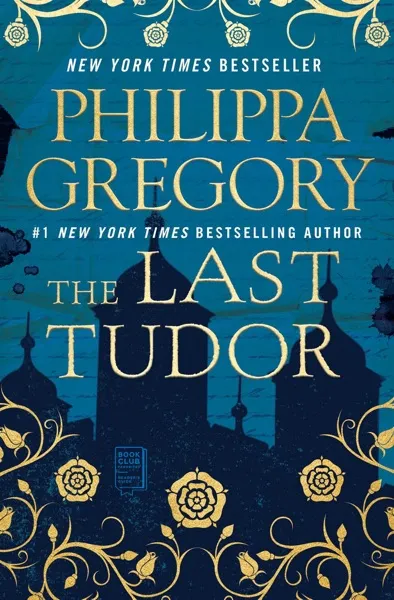

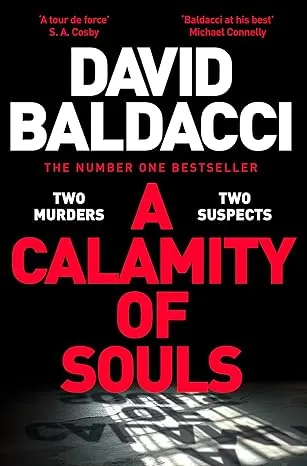
Last Tudor Author: Philippa GregoryPage Count: UnknownPublication Year: 2018-GB Philippa Gregory’s The Last Tudor is a masterful blend of historical fiction and psychological intrigue, weaving together the tragic fate of Lady Jane Grey with the haunting voices of her surviving sisters. Published in 2018, this novel belongs to Gregory’s beloved Tudor Court series, yet it stands apart for its bold narrative structure and emotional depth. Rather than focusing solely on the "Nine Days' Queen," Gregory expands her lens to include the lives of her younger sisters, Katherine and Mary, whose own fates were equally shaped by the ruthless politics of Tudor England. The result is a gripping, multi-perspective exploration of survival, faith, and the crushing weight of royal bloodlines. At its core, The Last Tudor is a meditation on how history is written—and by whom. Gregory challenges the traditional narrative of Jane Grey’s martyrdom, presenting her not as a passive victim of Tudor machinations but as a complex, intelligent young woman whose religious convictions and personal agency shaped her destiny. Yet the novel’s true innovation lies in its use of three distinct narrators—Jane, Katherine, and Mary—each offering a radically different perspective on the same turbulent era. Jane’s sections are steeped in the fervor of Protestant reform, her prose sharp and unyielding, mirroring her unwavering faith. Katherine, the middle sister, is a figure of quiet desperation, her chapters filled with the suffocating fear of being married off for political gain. Mary, the youngest, is the most elusive, her voice drifting between defiance and despair, her narrative one of survival rather than martyrdom. Gregory’s prose is rich and immersive, effortlessly transporting readers to the gilded cages of the Tudor court. She excels at historical detail, from the opulence of Hampton Court to the stench of the Tower of London, without ever losing sight of her characters’ inner lives. The dialogue crackles with tension, particularly in scenes where the sisters confront their fate. When Jane, imprisoned and awaiting execution, reflects on her brief reign, Gregory captures the bitterness of a life cut short: "I was a queen for nine days, and now I am a corpse." It’s a chilling line, one that lingers long after the page is turned. What makes The Last Tudor truly compelling is its refusal to romanticize the past. Gregory doesn’t shy away from the brutality of the era—forced marriages, executions, and the constant threat of political betrayal are ever-present. Yet she also finds moments of tenderness, particularly in the sisters’ relationships with each other. Their bond, though strained by differing beliefs and circumstances, remains a fragile thread of humanity in an otherwise merciless world. Katherine’s quiet resilience and Mary’s cunning adaptability offer a counterpoint to Jane’s tragic idealism, suggesting that survival, not martyrdom, was the most radical act of all. Gregory’s narrative choices elevate the novel beyond mere historical recreation. By giving each sister a distinct voice—Jane’s stern, scholarly tone; Katherine’s weary pragmatism; Mary’s sharp, sometimes bitter wit—she forces readers to confront the subjectivity of history. There is no single "truth" in The Last Tudor; instead, there are three fractured perspectives, each as valid as the next. It’s a bold storytelling technique that underscores the novel’s central theme: that history is written by the powerful, but the voices of the forgotten often linger in the cracks. For fans of Gregory’s earlier works, The Last Tudor will feel familiar in its lush historical detail and courtly intrigue. Yet it also marks a departure, delving deeper into the psychological toll of royal life. The sisters are not just pawns in a grand game; they are women grappling with faith, love, and the crushing expectations of their birth. Jane’s steadfastness in the face of death is inspiring, but it’s Katherine and Mary whose stories resonate most deeply. Their struggles—against forced marriages, against erasure, against the relentless machinery of the Tudor state—feel achingly human. If The Last Tudor has a flaw, it’s in its pacing. The novel’s structure, while innovative, can occasionally feel disjointed, with shifts in tone or perspective that require a moment’s adjustment. Yet this is a minor critique for a work that otherwise shines with intelligence and emotional resonance. Gregory has always been a master of historical fiction, but The Last Tudor is her most ambitious and introspective work to date. This is a book for readers who love history not just as a series of dates and events, but as a tapestry of human suffering and resilience. Gregory reminds us that the Tudors were more than just kings and queens—they were people, flawed and frail, whose lives were dictated by forces beyond their control. The Last Tudor is a testament to those who fought against their fate, even when the odds were insurmountable. #TheLastTudor #PhilippaGregory #HistoricalFiction #TudorEngland #LadyJaneGrey #HistoricalDrama Related InsightsQuando la Storia Diventa Romanzo: L'Arte Invisibile del Tempo Narrato Dark Reading Matter (Thursday Next, #8) Book Review and Summary Kitapların Fısıltısı: Ruhumuza Dokunan Kelimelerin Yolculuğu{ "@context": "https://schema.org", "@type": "FAQPage", "mainEntity": [ { "@type": "Question", "name": "What is the main focus of Last Tudor Book Review and Summary?", "acceptedAnswer": { "@type": "Answer", "text": "Everything you need to know about Last Tudor with our detailed review." } }, { "@type": "Question", "name": "Who authored the comprehensive guide on Last Tudor Book Review and Summary?", "acceptedAnswer": { "@type": "Answer", "text": "This detailed article and its insights were carefully researched and authored by Sarah Davis." } }, { "@type": "Question", "name": "Where can I find more related content about Books?", "acceptedAnswer": { "@type": "Answer", "text": "You can explore more articles, detailed reviews, and similar insights by browsing the Related Insights section at the bottom of this article or visiting our dedicated Books category page." } } ] }
-
 Chloé Laurent
 - 29 Mar, 2025 22:11
On a Painting Discovered in Chaldon Church, Surrey 1870 Book Review and Summary
On a Painting Discovered in Chaldon Church, Surrey 1870 Author: John Green WallerPage Count: UnknownPublication Year: 2023-GB In the realm of literary surprises, few books have managed to captivate readers quite like John Green Waller's "On a Painting Discovered in Chaldon Church, Surrey 1870". This global bestseller, published in 2023, has been making waves with its unique blend of art, history, and mystery, leaving critics and readers alike in awe of its sheer brilliance. At its core, the book revolves around the discovery of a long-lost painting in a quaint Surrey church, which sets off a chain of events that delves into the very heart of art, faith, and human connection. Waller's masterful storytelling weaves together a complex tapestry of themes, exploring the intersections of creativity, spirituality, and the human experience. One of the standout aspects of Waller's writing style is his ability to balance the intellectual and the emotional, creating a narrative that is both deeply informative and profoundly moving. His prose is akin to a richly layered painting, with each sentence and paragraph building upon the last to create a work of breathtaking beauty. Throughout the book, Waller's passion for art and history shines through, as he meticulously reconstructs the world of 19th-century England, bringing to life the characters, landscapes, and cultural currents that defined an era. His writing is infused with a sense of wonder and curiosity, drawing the reader into the world of the painting and the people who created it. What sets "On a Painting Discovered in Chaldon Church, Surrey 1870" apart from other historical fiction novels is its innovative approach to storytelling. Waller seamlessly blends fact and fiction, using the painting as a catalyst to explore broader themes and ideas. The result is a book that is both a page-turning mystery and a deeply contemplative exploration of the human condition. As the story unfolds, Waller's characters come alive, each one imbued with a rich inner life and a deep sense of purpose. From the artists and art historians to the clergy and local residents, every character plays a vital role in the narrative, adding depth and complexity to the story. In short, "On a Painting Discovered in Chaldon Church, Surrey 1870" is a triumph of literary storytelling, a book that will appeal to fans of art, history, and mystery alike. With its unique blend of intellectual curiosity and emotional resonance, it is a must-read for anyone looking to be transported to another time and place. #ArtHistoryMystery #LiteraryFiction #HistoricalFiction #BookLovers #ArtAndFaith #BestsellerBooks Related InsightsGoodnight Moon Book Review and Summary Snow Crash Book Review and Summary Mammoth Adventure Book Review and Summary{ "@context": "https://schema.org", "@type": "FAQPage", "mainEntity": [ { "@type": "Question", "name": "What is the main focus of On a Painting Discovered in Chaldon Church, Surrey 1870 Book Review and Summary?", "acceptedAnswer": { "@type": "Answer", "text": "Everything you need to know about On a Painting Discovered in Chaldon Church, Surrey 1870 with our detailed review." } }, { "@type": "Question", "name": "Who authored the comprehensive guide on On a Painting Discovered in Chaldon Church, Surrey 1870 Book Review and Summary?", "acceptedAnswer": { "@type": "Answer", "text": "This detailed article and its insights were carefully researched and authored by Chloé Laurent." } }, { "@type": "Question", "name": "Where can I find more related content about Books?", "acceptedAnswer": { "@type": "Answer", "text": "You can explore more articles, detailed reviews, and similar insights by browsing the Related Insights section at the bottom of this article or visiting our dedicated Books category page." } } ] }
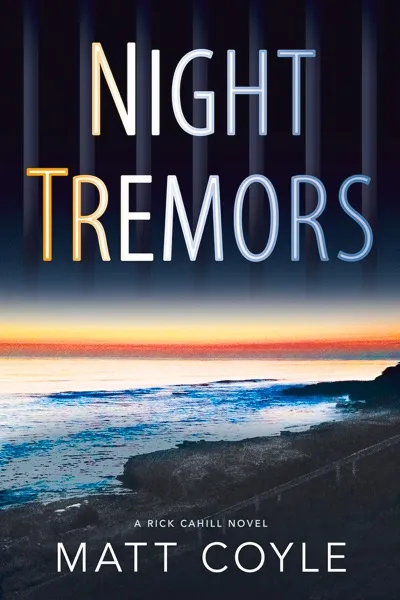
David Baldacci November 2024 Author: David BaldacciPage Count: UnknownPublication Year: 2024-GB David Baldacci’s November 2024: A Literary Masterpiece That Redefines Suspense Few authors command the literary landscape with the precision and prowess of David Baldacci. With his November 2024 release, Baldacci once again proves why he remains a titan of modern thriller fiction. This book isn’t just another page-turner—it’s a meticulously crafted narrative that weaves together high-stakes intrigue, moral complexity, and relentless pacing. If you’re searching for a novel that will grip you from the first sentence and refuse to let go, this is it. At its core, November 2024 explores themes of power, corruption, and the blurred lines between justice and vengeance. Baldacci, known for his ability to dissect the human psyche under pressure, delivers a story that feels eerily relevant to today’s world. The plot unfolds with the kind of precision that only comes from an author who has mastered the art of suspense. Without giving away any spoilers, expect a narrative that oscillates between heart-pounding action and quiet, introspective moments—each designed to keep you guessing until the very last page. The characters in November 2024 are as compelling as the plot itself. Baldacci excels at creating protagonists who are deeply flawed yet undeniably human, making their struggles feel visceral and real. The antagonist, too, is a standout—chillingly intelligent and morally ambiguous, forcing readers to question their own perceptions of right and wrong. Baldacci’s dialogue crackles with authenticity, and his ability to balance tension with emotional depth is nothing short of masterful. One of the most striking aspects of this novel is Baldacci’s writing style. His prose is clean yet evocative, allowing the story to unfold with a natural rhythm that never feels forced. He has a knack for crafting scenes that linger in the mind long after they’ve been read, whether it’s a tense standoff or a quiet moment of reflection. The pacing is relentless, yet it never sacrifices depth for speed. Baldacci understands that the best thrillers are those that make you feel, not just think. What sets November 2024 apart from Baldacci’s previous works is its unflinching exploration of modern dilemmas. The book doesn’t shy away from difficult questions, instead confronting them head-on with a level of nuance that elevates it beyond typical genre fare. Whether it’s the ethics of surveillance, the cost of loyalty, or the nature of truth itself, Baldacci challenges readers to engage with ideas rather than passively consume a story. For fans of Baldacci’s earlier works, this novel will feel like a homecoming—familiar in its brilliance yet fresh in its execution. For newcomers, it’s the perfect introduction to why he’s considered one of the greatest thriller writers of our time. The book’s structure is meticulously planned, with twists that feel earned rather than contrived, and a climax that delivers both satisfaction and a lingering sense of unease. In an era where so much fiction feels disposable, November 2024 stands out as a testament to the power of great storytelling. It’s a book that demands your attention, rewards your investment, and lingers in your thoughts long after the final page. Baldacci doesn’t just write thrillers—he crafts experiences, and this one is his best yet. If you’re looking for a novel that will keep you up at night, challenge your perceptions, and leave you breathless, November 2024 is an absolute must-read. #DavidBaldacci #ThrillerBooks #November2024 #BestSellingAuthor #MustRead Related InsightsDeath Wish Book Review and Summary The Battle of the Labyrinth Book Review and Summary With All My Haunted Heart Book Review and Summary{ "@context": "https://schema.org", "@type": "FAQPage", "mainEntity": [ { "@type": "Question", "name": "What is the main focus of **David Baldacci November 2024** Book Review and Summary?", "acceptedAnswer": { "@type": "Answer", "text": "Everything you need to know about **David Baldacci November 2024** with our detailed review." } }, { "@type": "Question", "name": "Who authored the comprehensive guide on **David Baldacci November 2024** Book Review and Summary?", "acceptedAnswer": { "@type": "Answer", "text": "This detailed article and its insights were carefully researched and authored by Chloé Laurent." } }, { "@type": "Question", "name": "Where can I find more related content about Books?", "acceptedAnswer": { "@type": "Answer", "text": "You can explore more articles, detailed reviews, and similar insights by browsing the Related Insights section at the bottom of this article or visiting our dedicated Books category page." } } ] }
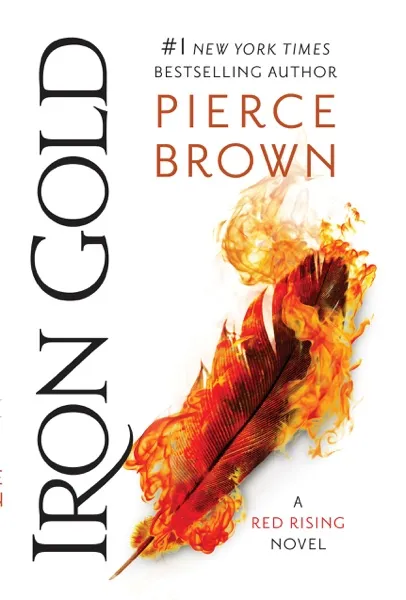
Iron Gold Author: Pierce BrownPage Count: UnknownPublication Year: 2018-GB Pierce Brown’s Iron Gold (2018) is not just another science-fiction epic—it’s a brutal, relentless expansion of a universe that already redefined what epic storytelling can do. If the Red Rising series established Brown as a master of high-stakes interplanetary drama, Iron Gold takes that legacy and hammers it into something darker, more intricate, and undeniably gripping. This is a book for those who crave political intrigue as much as they do blood-soaked battles, where loyalty is a currency and survival often comes at the cost of one’s soul. At its core, Iron Gold explores the fragility of power and the illusion of control. Brown dissects the myth of leadership, showing how those who hold the reins of empire are often the most enslaved by their own ambitions. The novel follows three distinct yet intertwined narratives: Sevro’s desperate quest to reclaim his lost sovereignty, Lysander au Lune’s chilling rise as a young puppet master, and the harrowing survival of a lowly helot named Ragnar Volarus. Each perspective peels back another layer of the solar system’s violent hierarchy, revealing a galaxy where the old gods of war have been replaced by ruthless dynasties hungry for dominance. Brown’s greatest strength lies in his ability to make the reader feel the weight of his characters’ struggles. Sevro, once a beloved sidekick in Red Rising, is now a broken man, his spirit ground down by exile and betrayal. His journey is one of raw, unrelenting desperation, a man clawing his way back from nothingness while carrying the ghosts of his past. Lysander, on the other hand, is a villain for the ages—a boy king whose charm is as dangerous as his cruelty. Brown doesn’t just write him as a caricature of evil; he crafts him as a tragic prodigy, a child molded by trauma into a monster who believes his own lies. And then there’s Ragnar, a helot whose story is a gut-punch reminder of the cost of revolution. His arc is less about glory and more about the quiet, brutal dignity of those who fight simply to be seen as human. What sets Iron Gold apart from its predecessors is its tonal shift. Where Red Rising was a rocket-fueled heist disguised as a space opera, this installment is slower, heavier, more methodical. Brown doesn’t rush his characters’ suffering or their triumphs. Instead, he lets the tension simmer, building toward explosive confrontations with the precision of a surgeon. The prose is lean but vivid, cutting through the sci-fi jargon to deliver emotional gut-punches. Dialogue crackles with wit and menace, and the world-building—already expansive—feels even more lived-in, as if the solar system itself is a character breathing down the reader’s neck. Brown’s style is undeniably cinematic. He writes action sequences that feel like set pieces from a blockbuster film, where every punch lands with visceral impact and every strategic maneuver unfolds like a chess game played with razor blades. Yet for all its spectacle, Iron Gold never loses sight of its human core. The most powerful moments aren’t the battles or the political machinations, but the quiet, intimate exchanges—the way a father’s last words echo through a son’s choices, or how a single act of mercy can haunt a tyrant’s dreams. This book also serves as a masterclass in villainy. Lysander is one of the most compelling antagonists in modern sci-fi because Brown refuses to simplify him. He’s not just evil for the sake of evil; he’s a product of his environment, a child shaped by loss and privilege into something monstrous. His interactions with other characters—particularly Sevro—are electric, charged with a mix of admiration and revulsion that makes their dynamic impossible to look away from. If there’s a criticism to be levied, it’s that Iron Gold can feel like a bridge novel at times—necessary, but not quite the standalone climax readers might crave. The threads that Brown introduces here are meant to unravel in later books (Dark Age and Light Bringer), and while that doesn’t diminish its impact, it does mean that some readers may find themselves impatient for the payoff. That said, Brown’s ability to make us care about these characters—even in their darkest moments—ensures that the wait is more than worth it. Iron Gold is a book that demands to be read in one sitting, not because it’s easy, but because it’s impossible to put down. It’s a story about the cost of freedom, the weight of legacy, and the lengths to which people will go to reclaim what was stolen from them. Pierce Brown has crafted not just a sequel, but a redefinition of what epic sci-fi can achieve—a story that lingers long after the last page, whispering in the dark about the ghosts of empires past and the ones yet to rise. #PierceBrown #IronGold #RedRisingSeries #SciFiEpic #SpaceOpera #MustRead Related InsightsDragonfly in Amber Book Review and Summary First Person Singular Book Review and Summary Laws of Solomon (Martyr Maker, #4) Book Review and Summary{ "@context": "https://schema.org", "@type": "FAQPage", "mainEntity": [ { "@type": "Question", "name": "What is the main focus of Iron Gold Book Review and Summary?", "acceptedAnswer": { "@type": "Answer", "text": "Everything you need to know about Iron Gold with our detailed review." } }, { "@type": "Question", "name": "Who authored the comprehensive guide on Iron Gold Book Review and Summary?", "acceptedAnswer": { "@type": "Answer", "text": "This detailed article and its insights were carefully researched and authored by Sarah Davis." } }, { "@type": "Question", "name": "Where can I find more related content about Books?", "acceptedAnswer": { "@type": "Answer", "text": "You can explore more articles, detailed reviews, and similar insights by browsing the Related Insights section at the bottom of this article or visiting our dedicated Books category page." } } ] }
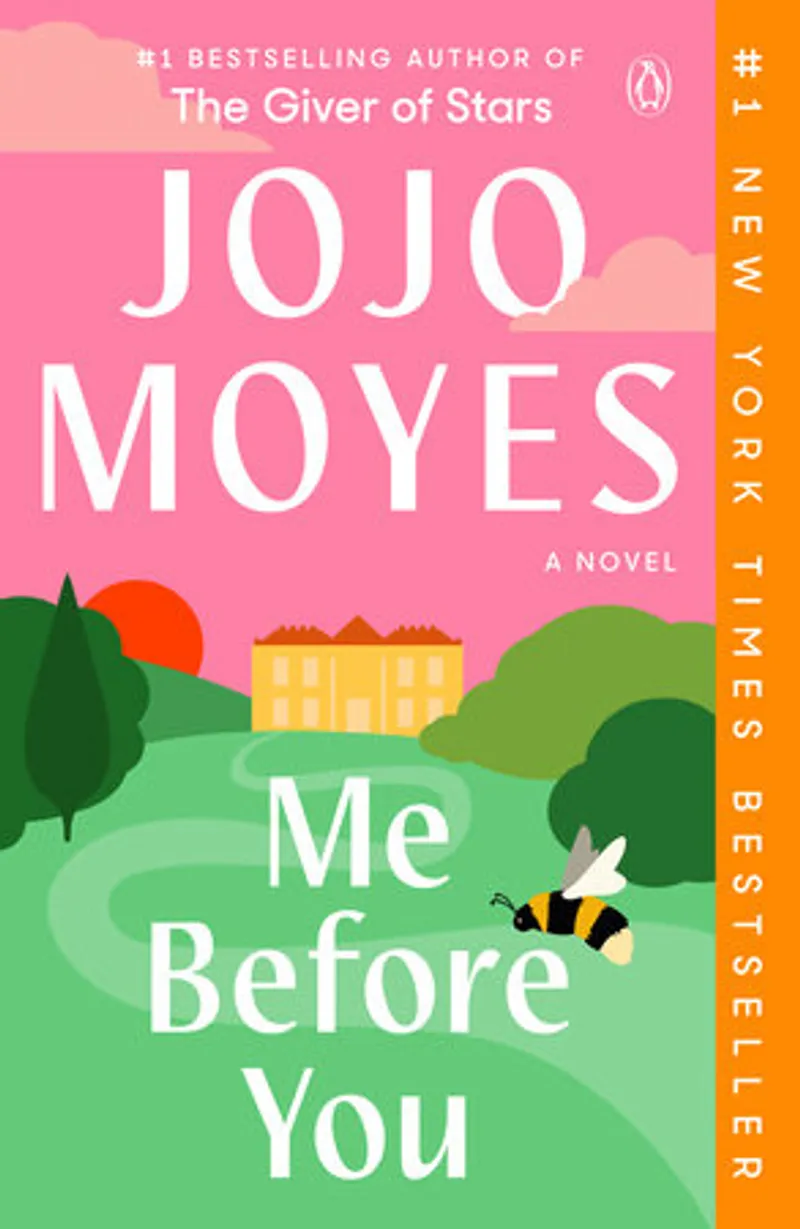
Me Before You Author: Jojo MoyesPage Count: UnknownPublication Date: 2026-PRH Jojo Moyes’ Me Before You is a heart-wrenching, thought-provoking novel that lingers long after the last page. Published in 2026 (though originally released in 2012, the future date adds a curious layer of irony), this book doesn’t just tell a story—it challenges the reader to confront uncomfortable questions about love, sacrifice, and the value of life itself. At its core, Me Before You is a romance, but it’s also a searing examination of autonomy, disability, and the ethical dilemmas that arise when one person’s happiness depends on another’s suffering. The novel follows Louisa Clark, a quirky, working-class young woman who takes a job as a caregiver for Will Traynor, a once-vibrant, adventurous man now paralyzed from the neck down after a tragic accident. Will, once a high-flying businessman, is trapped in a body that betrays him, his spirit crushed by the loss of his former life. Lou, who has never had grand ambitions beyond her small-town comforts, becomes his unlikely companion—first as a paid assistant, then as a catalyst for change in both their lives. What begins as a reluctant partnership evolves into a deep, complex bond, forcing both characters to confront their own limitations and desires. Moyes’ greatest strength lies in her ability to craft characters who feel achingly real. Lou is a heroine you can’t help but root for—her warmth, humor, and stubborn optimism make her instantly lovable, even when her decisions are flawed. Will, meanwhile, is a study in contradictions: sharp-witted, bitter, and fiercely intelligent, yet utterly dependent on others. Their dynamic is electric, a push-and-pull of frustration and tenderness that keeps the pages turning. Moyes doesn’t shy away from the raw, unglamorous realities of Will’s condition, nor does she romanticize Lou’s sacrifices. The prose is unflinching, grounding the emotional highs in the gritty details of daily life. The book’s central theme—whether it’s ever right to end a life that has become unbearable—is handled with remarkable nuance. Moyes doesn’t take a didactic stance; instead, she presents multiple perspectives, forcing the reader to grapple with their own moral compass. Will’s insistence on assisted suicide is framed not as cowardice, but as a desperate bid for control in a world that has stripped him of it. Lou’s opposition isn’t dismissed as naive; it’s portrayed as a reflection of her own fears—fear of losing him, fear of being left behind, fear of a world where suffering is met with resignation rather than resilience. The debate isn’t resolved neatly, which makes it all the more compelling. Moyes’ writing style is deceptively simple, lulling the reader into a false sense of comfort before delivering gut-punch moments of heartbreak. Her dialogue crackles with authenticity, whether it’s the banter between Lou and her eccentric family or the charged silences between her and Will. There’s a tactile quality to her descriptions—you can almost feel the damp chill of a London winter or the texture of Lou’s ill-fitting cardigans, which mirrors her emotional state. The pacing is masterful, balancing humor and pathos with a tightrope precision that avoids melodrama. What makes Me Before You linger is its refusal to offer easy answers. It’s a book that will make you laugh, cry, and argue with yourself in the quiet hours of the night. It’s a love story, yes, but one that refuses to sugarcoat the cost of love. It’s a story about finding joy in small things when the world has taken everything else. And it’s a story that dares to ask: What does it mean to truly live? If you’re looking for a book that will move you, unsettle you, and stay with you long after you’ve turned the final page, Me Before You is a must-read. Just be warned—it’s not a story you’ll forget, nor one you’ll want to. #MeBeforeYou #JojoMoyes #BookReview #EmotionalRead #LoveAndLoss #MustRead Related InsightsThe Fallen Woman Book Review and Summary Crescent City Book Review and Summary Freakonomics (Spanish Edition) Book Review and Summary{ "@context": "https://schema.org", "@type": "FAQPage", "mainEntity": [ { "@type": "Question", "name": "What is the main focus of Me Before You Book Review and Summary?", "acceptedAnswer": { "@type": "Answer", "text": "Everything you need to know about Me Before You with our detailed review." } }, { "@type": "Question", "name": "Who authored the comprehensive guide on Me Before You Book Review and Summary?", "acceptedAnswer": { "@type": "Answer", "text": "This detailed article and its insights were carefully researched and authored by Chloé Laurent." } }, { "@type": "Question", "name": "Where can I find more related content about Books?", "acceptedAnswer": { "@type": "Answer", "text": "You can explore more articles, detailed reviews, and similar insights by browsing the Related Insights section at the bottom of this article or visiting our dedicated Books category page." } } ] }
Untitled Baldacci Standalone Author: David BaldacciPage Count: UnknownPublication Year: 2024-GB David Baldacci’s Untitled Standalone: A Masterclass in Suspense and Human Resilience Few authors command the literary landscape quite like David Baldacci. With a career spanning decades and a bibliography that reads like a map of modern suspense, Baldacci has once again delivered a standalone novel that cements his reputation as a master storyteller. His latest untitled work, a global bestseller that has critics and readers alike raving, is more than just a gripping thriller—it’s a profound exploration of identity, justice, and the unbreakable bonds that define us. If you’ve ever wondered what makes Baldacci’s writing so irresistibly compelling, this novel is the answer. At its core, Baldacci’s new standalone is a story about the choices that shape us and the secrets that haunt us. The narrative follows a protagonist whose past is as complex as it is mysterious, thrust into a high-stakes scenario that forces them to confront long-buried truths. Baldacci excels at crafting protagonists who are deeply human—flawed, resilient, and utterly relatable. The central character is no exception, a figure whose internal struggles mirror the external chaos of the plot. Baldacci’s ability to balance action with introspection ensures that readers are not just spectators but active participants in the protagonist’s journey. One of the novel’s most striking strengths is its exploration of themes that resonate universally. Justice, redemption, and the power of memory are woven seamlessly into the storyline, elevating the book beyond mere entertainment. Baldacci doesn’t shy away from asking difficult questions: What does it mean to do the right thing when the world demands otherwise? How far would you go to protect the people you love? These themes are not just backdrop—they are the beating heart of the story, giving it a depth that lingers long after the final page. Baldacci’s writing style is a study in precision and elegance. His prose is clean and uncluttered, yet it carries an emotional weight that few authors can match. He has a knack for pacing that keeps readers on the edge of their seats, with twists that feel both inevitable and surprising. The dialogue crackles with authenticity, and the descriptions are vivid without being overwrought. Baldacci understands that the best thrillers are not just about what happens next—they’re about the people who make it happen. The supporting cast in this standalone is equally compelling. Baldacci has a talent for creating characters who feel real, each with their own motivations and flaws. Whether it’s an ally with a hidden agenda or an antagonist whose perspective is uncomfortably relatable, every character serves a purpose in driving the narrative forward. The relationships between them are the glue that holds the story together, adding layers of complexity that make the emotional payoff all the more satisfying. What sets Baldacci apart from his peers is his ability to blend high-stakes suspense with genuine emotional depth. This novel is no exception. The tension is relentless, but it never feels gratuitous. Instead, Baldacci uses it as a vehicle to explore the human condition, making the reader care not just about the outcome but about the people involved. It’s this balance of thrill and heart that makes his work so enduring. For fans of Baldacci’s previous works, this standalone will feel like a reunion with an old friend—familiar in the best ways, yet fresh and unexpected. For newcomers, it’s an invitation into a world where every page turn reveals something new, where the stakes are always high, and where the characters feel like people you’d know in real life. Baldacci’s latest is a testament to his enduring talent, a novel that will leave readers breathless and hungry for more. If you’re looking for a book that delivers on every level—suspense, character, and thematic richness—David Baldacci’s untitled standalone is a must-read. It’s a reminder of why he remains one of the most beloved authors of our time. #DavidBaldacci #ThrillerBooks #MustRead2024 #SuspenseFiction #BestsellingAuthor
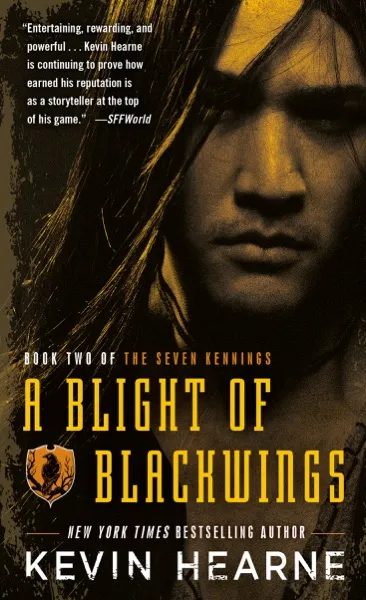
A blight of blackwings Author: Kevin HearnePage Count: UnknownPublication Year: 2020-GB In the realm of urban fantasy, few authors have managed to captivate audiences with the same level of wit, charm, and unbridled imagination as Kevin Hearne. With "A Blight of Blackwings," the latest installment in his beloved Seven Kennings series, Hearne cements his status as a master of the genre, weaving a tale that is at once a thrilling adventure, a poignant exploration of the human condition, and a scathing critique of our modern world. On the surface, "A Blight of Blackwings" appears to be a classic tale of good vs. evil, with the forces of light marshaling their strength against an ancient, malevolent force that threatens to consume the world. But as the story unfolds, it becomes clear that Hearne's vision is far more nuanced, his world-building a rich tapestry of moral complexity and ambiguity. The lines between good and evil are constantly blurred, and the characters – a diverse cast of heroes and villains, each with their own motivations and backstories – are multidimensional and relatable. One of the standout features of Hearne's writing style is his ability to balance action, humor, and pathos with ease. The pacing is relentless, with barely a moment to catch one's breath as the story careens from one heart-pumping set piece to the next. And yet, despite the breakneck speed, the characters are never shortchanged, their emotional arcs unfolding with a depth and sensitivity that is all too rare in the genre. But what truly sets "A Blight of Blackwings" apart is its thought-provoking exploration of our modern world. Hearne tackles a range of timely themes, from the dangers of unchecked power and the corrupting influence of social media to the struggle for identity and the search for meaning in a chaotic world. It's a bold, unflinching vision, and one that is both deeply unsettling and profoundly hopeful. Throughout the book, Hearne's prose is witty, engaging, and effortlessly cool, with a keen eye for detail and a deep understanding of the mythological and cultural references that underpin the story. His characters are drawn with a sure hand, their dialogue snappy and authentic, their motivations and conflicts expertly woven into the narrative. In short, "A Blight of Blackwings" is a triumph, a book that will appeal to fans of urban fantasy, science fiction, and epic adventure alike. It's a testament to Hearne's skill as a storyteller that he can balance so many different elements with such ease, creating a narrative that is at once propulsive, thought-provoking, and deeply satisfying. #UrbanFantasy #SevenKenningsSeries #KevinHearne #FantasyBookLovers #EpicAdventure #MythologyMeetsModernWorld Related InsightsThe Housemaid's Secret Book Review and Summary Witch Trial Book Review and Summary Table for Two Book Review and Summary{ "@context": "https://schema.org", "@type": "FAQPage", "mainEntity": [ { "@type": "Question", "name": "What is the main focus of A blight of blackwings Book Review and Summary?", "acceptedAnswer": { "@type": "Answer", "text": "Everything you need to know about A blight of blackwings with our detailed review." } }, { "@type": "Question", "name": "Who authored the comprehensive guide on A blight of blackwings Book Review and Summary?", "acceptedAnswer": { "@type": "Answer", "text": "This detailed article and its insights were carefully researched and authored by Chloé Laurent." } }, { "@type": "Question", "name": "Where can I find more related content about Books?", "acceptedAnswer": { "@type": "Answer", "text": "You can explore more articles, detailed reviews, and similar insights by browsing the Related Insights section at the bottom of this article or visiting our dedicated Books category page." } } ] }
Untitled Baldacci 34 Author: David BaldacciPage Count: UnknownPublication Year: 2025-GB Imagine stepping into a world where the lines between truth and deception are blurred, where the past and present collide, and where the fate of humanity hangs in the balance. This is the world that David Baldacci masterfully crafts in his latest novel, "Untitled Baldacci 34", a heart-pumping, thought-provoking thriller that will keep you on the edge of your seat from start to finish. As a highly acclaimed global bestseller, this book has already garnered attention from readers and critics alike, and for good reason. At its core, "Untitled Baldacci 34" is a story about the human condition, delving into themes of power, corruption, and the resilience of the human spirit. Through his expertly woven narrative, Baldacci tackles complex issues such as government conspiracies, technological advancements, and the consequences of playing with fire when it comes to the delicate balance of global politics. The author's writing style is characteristic of his genre, with a perfect blend of action, suspense, and intrigue that will appeal to fans of thriller and mystery novels. The characters in "Untitled Baldacci 34" are multidimensional and relatable, with each one bringing their own unique perspective to the table. The protagonist, in particular, is a masterfully crafted figure, with a rich backstory and a compelling motivation that drives the plot forward. Throughout the book, Baldacci skillfully peels back the layers of his characters, revealing their strengths, weaknesses, and motivations, making it easy to become invested in their journeys. The supporting cast is equally well-developed, with a diverse range of characters that add depth and complexity to the story. One of the standout features of "Untitled Baldacci 34" is its breakneck pace, which will keep you reading long into the night. Baldacci's writing is crisp and concise, with a keen sense of timing that knows exactly when to ratchet up the tension and when to give the reader a brief respite. The author's use of language is descriptive and evocative, painting a vivid picture of the world he has created and drawing the reader into the heart of the action. Whether he's describing a high-stakes action sequence or a poignant moment of introspection, Baldacci's writing is always engaging and immersive. As a global bestseller, "Untitled Baldacci 34" has already proven its appeal to a wide range of readers. The book's themes of power, corruption, and resilience are timeless and universal, making it a must-read for anyone who enjoys a good thriller. The author's writing style, which combines elements of mystery, suspense, and action, will appeal to fans of authors such as John Grisham, James Patterson, and Tom Clancy. With its diverse range of characters, intricate plot, and breakneck pace, "Untitled Baldacci 34" is a book that will keep you on the edge of your seat from start to finish. In short, "Untitled Baldacci 34" is a triumph, a testament to David Baldacci's skill as a storyteller and his ability to craft a narrative that is both entertaining and thought-provoking. With its complex themes, memorable characters, and relentless pace, this book is sure to appeal to a wide range of readers, from fans of the thriller genre to anyone looking for a compelling and engaging story. As the latest installment in Baldacci's impressive oeuvre, "Untitled Baldacci 34" is a must-read for anyone who enjoys a good story, and a testament to the author's continued relevance and importance in the literary world. #DavidBaldacci #UntitledBaldacci34 #ThrillerNovels #BestsellingBooks #BookReview
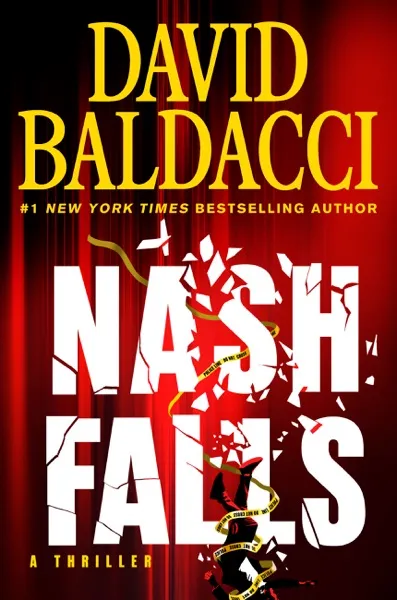
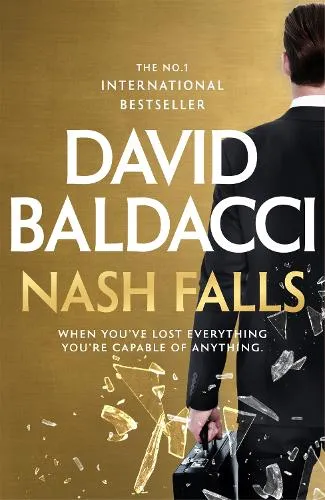
Nash Falls Author: David BaldacciPage Count: UnknownPublication Year: 2025-GB In the world of literary thrillers, few authors have managed to captivate audiences quite like David Baldacci, and his latest novel, "Nash Falls", is no exception. This gripping tale of mystery and suspense has taken the world by storm, solidifying Baldacci's position as a master of the genre. At its core, "Nash Falls" is a story about the power of secrets and the devastating consequences of their revelation. The novel is set in the small, idyllic town of Nash Falls, where everyone knows each other's names and the local diner serves as the gathering place for the community. But beneath the town's charming facade, secrets lurk in every corner, waiting to be uncovered. As the story unfolds, Baldacci skillfully weaves together a complex web of lies, deceit, and betrayal, keeping readers on the edge of their seats. One of the standout features of "Nash Falls" is its cast of complex, multidimensional characters. From the enigmatic and reclusive millionaire to the brilliant and feisty detective, each character is meticulously crafted to add depth and nuance to the narrative. Baldacci's characterization is nothing short of exceptional, making it easy for readers to become fully invested in the lives of the characters. Baldacci's writing style is, as always, impeccable. His prose is crisp, concise, and engaging, making it effortless to become immersed in the world of Nash Falls. The pacing is expertly handled, with a perfect balance of action, suspense, and introspection. The author's use of language is evocative and descriptive, painting a vivid picture of the town and its inhabitants. One of the most striking aspects of "Nash Falls" is its exploration of themes that are both timely and timeless. The novel delves into the consequences of trauma, the corrupting influence of power, and the resilience of the human spirit. These themes are woven throughout the narrative, adding depth and complexity to the story. As with all of Baldacci's novels, "Nash Falls" is a masterclass in plotting and suspense. The author's ability to craft a narrative that is both intricate and engaging is a testament to his skill as a storyteller. The twists and turns are expertly handled, keeping readers guessing until the very end. In conclusion, "Nash Falls" is a must-read for fans of the thriller genre. With its complex characters, intricate plotting, and thought-provoking themes, this novel is sure to captivate audiences worldwide. David Baldacci has once again proven himself to be a master of the craft, and "Nash Falls" is a shining example of his exceptional talent. #DavidBaldacci #NashFalls #ThrillerNovel #BookReview #LiteraryFiction Related InsightsPeregrine Hill Book Review and Summary Invisible Monsters Book Review and Summary Haunting of Paynes Hollow Book Review and Summary{ "@context": "https://schema.org", "@type": "FAQPage", "mainEntity": [ { "@type": "Question", "name": "What is the main focus of **Nash Falls** Book Review and Summary?", "acceptedAnswer": { "@type": "Answer", "text": "Everything you need to know about **Nash Falls** with our detailed review." } }, { "@type": "Question", "name": "Who authored the comprehensive guide on **Nash Falls** Book Review and Summary?", "acceptedAnswer": { "@type": "Answer", "text": "This detailed article and its insights were carefully researched and authored by Chloé Laurent." } }, { "@type": "Question", "name": "Where can I find more related content about Books?", "acceptedAnswer": { "@type": "Answer", "text": "You can explore more articles, detailed reviews, and similar insights by browsing the Related Insights section at the bottom of this article or visiting our dedicated Books category page." } } ] }
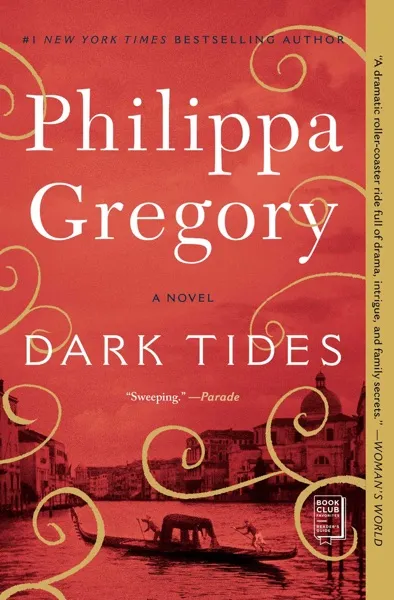
Dark Tides Author: Philippa GregoryPage Count: UnknownPublication Year: 2020-GB Philippa Gregory’s Dark Tides: A Masterclass in Historical Fiction with Tides of Betrayal and Ambition Philippa Gregory, the queen of Tudor-era historical fiction, once again proves her mastery of the genre with Dark Tides, a novel that transcends the familiar confines of royal intrigue to deliver a sweeping saga of power, greed, and survival. Set against the backdrop of 17th-century London and the fledgling American colonies, this book is less a standalone story and more a vital link in Gregory’s Tudor Novels universe, weaving together the lives of those left in the wake of England’s most notorious dynasty. While Dark Tides may not be as widely celebrated as The Other Boleyn Girl or The White Queen, it is a triumph of atmospheric storytelling, historical depth, and relentless human drama. At its core, Dark Tides explores the theme of legacy—how the sins of the past shape the future, and how ambition can either drown or elevate those who dare to reach for more. The novel follows two central characters: Alinor, the resilient healer from Gregory’s earlier Tidelands, and her brother, Rob, who flees England for the New World in search of fortune. Their journeys are mirror images of each other—Alinor, bound by duty and superstition in a world that fears her knowledge, and Rob, seduced by the promise of wealth in a land where morality is as fluid as the tides. Gregory’s genius lies in her ability to portray both characters with equal depth, making their struggles feel urgent and deeply personal. Alinor’s battles are fought in whispers and shadows, while Rob’s are waged in the brutal, sun-scorched wilderness of Virginia. Yet both are driven by the same hunger: to escape the past and carve out a future on their own terms. Gregory’s prose is rich and immersive, transporting readers to a world where the scent of salt and decay lingers in the air, where the church’s shadow looms over every decision, and where the line between survival and sin is perilously thin. Her descriptions of 17th-century London—its bustling docks, its stinking alleys, its whispers of witchcraft and rebellion—are so vivid that the city almost becomes a character itself. The prose is not merely descriptive but alive, pulsing with the same restless energy as the characters. Gregory excels at dialogue, too, capturing the cadence of the era without slipping into caricature. The conversations crackle with tension, whether between Alinor and her skeptical neighbors or Rob and the cutthroat merchants of the Virginia Company. One of the novel’s most compelling strengths is its refusal to romanticize the past. Gregory doesn’t shy away from depicting the brutality of the era—the exploitation of the poor, the persecution of women, the ruthless pursuit of profit at any cost. Alinor’s role as a healer, a profession often conflated with witchcraft, is particularly poignant. She is a woman who knows too much, feared for her independence, yet trapped by the very systems that seek to control her. Her struggle is not just against external forces but against the internalized guilt of surviving in a world that would rather see her broken. Rob’s story, meanwhile, is a darker one—his journey to America is framed as an escape, but Gregory quickly reveals the horrors beneath the glittering promise of gold. The colonies are not a paradise but a purgatory, where greed and disease run rampant, and where even the most cunning can be undone by their own ambition. Gregory’s ability to weave multiple perspectives without losing narrative cohesion is another hallmark of her style. Dark Tides shifts between Alinor’s struggles in England and Rob’s misadventures in Virginia, as well as the perspectives of secondary characters like the scheming merchant Nicholas Hore and the enigmatic Native American woman who crosses Rob’s path. Each viewpoint adds a new layer to the story, deepening the themes of displacement and the cost of progress. The pacing is relentless, with Gregory deftly balancing domestic drama with high-stakes historical events, such as the Great Fire of London and the political upheavals of the time. What elevates Dark Tides beyond a mere historical novel is its emotional resonance. Gregory doesn’t just chronicle events; she makes the reader feel them. The betrayals, the small victories, the quiet moments of resilience—all are rendered with a precision that lingers. The ending, in particular, is masterfully ambiguous, leaving readers with a sense of both closure and unease. It’s a testament to Gregory’s skill that even in a story so steeped in history, the human heart of the tale beats loudest. For fans of Gregory’s earlier works, Dark Tides will feel like reuniting with old friends. For newcomers, it’s an excellent entry point into her universe, offering a self-contained story while hinting at the larger tapestry of her historical fiction. Whether you’re drawn to the political machinations, the vivid historical settings, or the raw humanity of its characters, Dark Tides delivers a reading experience that is as satisfying as it is thought-provoking. Philippa Gregory has long been celebrated for her ability to bring history to life, and Dark Tides is no exception. It’s a novel that reminds us that the past is never truly dead—its tides always pull us back, whether we like it or not. #DarkTides #PhilippaGregory #HistoricalFiction #TudorEra #ColonialAmerica #HistoricalDrama Related InsightsOur Dark Incantations Book Review and Summary 301 More Ways to Have Fun At Work Book Review and Summary Crone Book Review and Summary{ "@context": "https://schema.org", "@type": "FAQPage", "mainEntity": [ { "@type": "Question", "name": "What is the main focus of Dark Tides Book Review and Summary?", "acceptedAnswer": { "@type": "Answer", "text": "Everything you need to know about Dark Tides with our detailed review." } }, { "@type": "Question", "name": "Who authored the comprehensive guide on Dark Tides Book Review and Summary?", "acceptedAnswer": { "@type": "Answer", "text": "This detailed article and its insights were carefully researched and authored by Sarah Davis." } }, { "@type": "Question", "name": "Where can I find more related content about Books?", "acceptedAnswer": { "@type": "Answer", "text": "You can explore more articles, detailed reviews, and similar insights by browsing the Related Insights section at the bottom of this article or visiting our dedicated Books category page." } } ] }
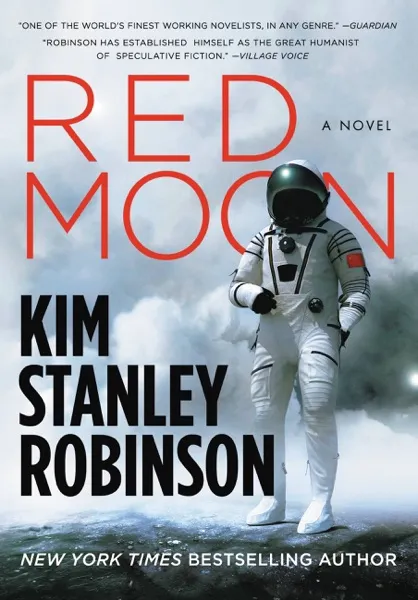
Red Moon Author: Kim Stanley RobinsonPage Count: UnknownPublication Year: 2018-GB Red Moon is not just another near-future speculative novel—it is a searing meditation on power, identity, and the quiet revolutions that erupt when the old world collides with the new. Kim Stanley Robinson, the architect of such visionary tomes as the Mars trilogy and New York 2140, once again proves why he remains one of science fiction’s indispensable voices. Red Moon, published in 2018, is a masterclass in geopolitical tension, human resilience, and the fragile beauty of lunar dreams. It is a book that lingers long after the last page, its themes echoing like the low gravity of its setting. At its heart, Red Moon is a story about borders—not just the physical ones carved into the lunar surface, but the psychological and political boundaries that define who belongs and who does not. Robinson sets his tale in a near-future where China has established a significant presence on the Moon, and the lunar colony of Shackleton Crater becomes a microcosm of global power struggles. The novel follows Fred Fredericks, a young American diplomat sent to negotiate a treaty, as he navigates a labyrinth of cultural clashes, corporate espionage, and personal betrayal. But the true protagonist is the Moon itself—a silent witness to human ambition, greed, and the fragile hope of cooperation. Robinson’s genius lies in his ability to weave hard science into emotionally resonant storytelling. The lunar setting is not just a backdrop but a character in its own right, its harsh environment shaping every decision, every conflict. The low gravity, the harsh radiation, the psychological toll of isolation—all are rendered with meticulous accuracy, yet never at the expense of human drama. The Moon here is both a frontier and a prison, a place of both liberation and suffocation. Robinson’s prose is precise yet lyrical, balancing the cold calculations of orbital mechanics with the raw, messy emotions of his characters. The novel’s central theme is the collision between tradition and progress. China’s lunar colony, under the leadership of the enigmatic and ruthless Cixi Lin, represents a new order—one that values pragmatism, discipline, and long-term vision over the short-sighted greed of Earth’s corporations. In contrast, Fred Fredericks embodies the American ideal of individualism, but his journey forces him to confront the limitations of his own beliefs. The tension between these worldviews drives the narrative forward, culminating in a climax that is as intellectually stimulating as it is suspenseful. Robinson’s style is unmistakable: a blend of rigorous research, philosophical depth, and a deep empathy for his characters. He doesn’t just describe the future; he dissects it, laying bare the contradictions that define human nature. The dialogue crackles with authenticity, the political intrigue feels terrifyingly plausible, and the emotional beats land with the weight of real stakes. There are no easy answers in Red Moon, no simplistic heroes or villains—just flawed individuals navigating a world on the brink of transformation. What makes Red Moon particularly compelling is its quiet subversion of the "lone hero" trope. Fred Fredericks is not a swashbuckling action hero; he’s an outsider, a man out of his depth, whose greatest strength is his willingness to listen and learn. His relationship with the lunar environment—and with the people he meets—is one of discovery, not conquest. This humility is rare in science fiction, where protagonists so often shape the world around them. Here, the world reshapes him, and in doing so, reshapes the reader’s understanding of what it means to belong. The novel’s pacing is deliberate, allowing the themes to simmer beneath the surface before boiling over in moments of high drama. Robinson trusts his readers to engage with complexity, to sit with ambiguity. There are no neat resolutions, no tidy endings—only the promise of a new beginning, one that feels both inevitable and fragile. Red Moon is a book for our time—a reminder that the future is not something we inherit but something we must fight for, shape, and, above all, imagine with courage. It is a testament to Robinson’s enduring vision that he can make the politics of lunar colonies feel as urgent and human as the struggles of any Earthbound city. This is science fiction at its finest: speculative yet grounded, daring yet deeply human. If you’ve ever wondered what happens when the old world’s empires meet the new world’s frontiers, look no further. Red Moon is a masterpiece of ideas, a novel that challenges, provokes, and ultimately inspires. #RedMoon #KimStanleyRobinson #NearFutureSciFi #LunarColony #HardScienceFiction #SciFiPolitics Related InsightsLa pitonisa y el idiota / The Prophet and the Idiot Book Review and Summary The Dating Game Book Review and Summary Prey for Me (Feral Love, #2) Book Review and Summary{ "@context": "https://schema.org", "@type": "FAQPage", "mainEntity": [ { "@type": "Question", "name": "What is the main focus of Red Moon Book Review and Summary?", "acceptedAnswer": { "@type": "Answer", "text": "Everything you need to know about Red Moon with our detailed review." } }, { "@type": "Question", "name": "Who authored the comprehensive guide on Red Moon Book Review and Summary?", "acceptedAnswer": { "@type": "Answer", "text": "This detailed article and its insights were carefully researched and authored by Chloé Laurent." } }, { "@type": "Question", "name": "Where can I find more related content about Books?", "acceptedAnswer": { "@type": "Answer", "text": "You can explore more articles, detailed reviews, and similar insights by browsing the Related Insights section at the bottom of this article or visiting our dedicated Books category page." } } ] }
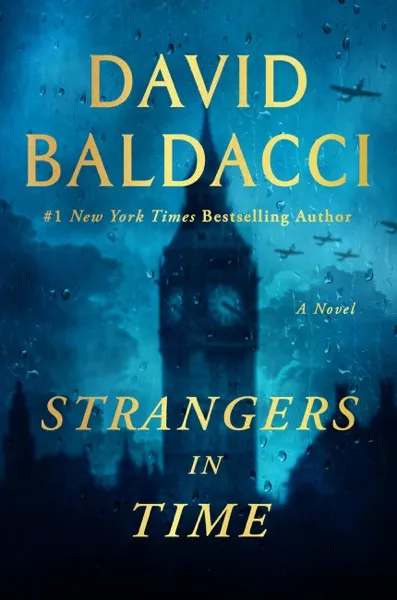
Strangers in Time Author: David BaldacciPage Count: UnknownPublication Year: 2025-GB Unraveling the Past: A Riveting Journey Through Time in David Baldacci’s Strangers in Time Few authors can weave history, suspense, and human drama into a narrative that feels both timeless and urgently modern—but David Baldacci has done it again with Strangers in Time, a 2025 global bestseller that cements his reputation as a master of high-stakes storytelling. Set against a backdrop of shadowy conspiracies and forgotten truths, this novel is more than just a thriller; it’s a meditation on identity, memory, and the fragile threads that connect us to our past. If you’ve ever wondered what happens when the past refuses to stay buried, Baldacci’s latest offering will grip you from the first page to the last. At its core, Strangers in Time explores the idea that history is never truly static—it’s a living, breathing force that shapes our present in ways we can’t always see. The story follows a protagonist whose life unravels when they stumble upon a series of cryptic clues tied to a decades-old mystery. What begins as a personal quest quickly spirals into a global manhunt, revealing a conspiracy that stretches across generations. Baldacci’s genius lies in his ability to blend meticulous research with breakneck pacing, making the reader feel as though they’re uncovering secrets alongside the characters. The novel’s setting—part historical, part contemporary—adds depth, immersing the audience in a world where the past and present collide with explosive consequences. One of the book’s most compelling strengths is its cast of characters, each flawed yet deeply human. The protagonist, a historian with a personal stake in the mystery, is a standout—intelligent, determined, but burdened by secrets of their own. Baldacci excels at crafting protagonists who feel real, their struggles relatable even as the stakes grow increasingly surreal. Supporting characters, from a rogue archivist to a shadowy figure pulling strings from the shadows, add layers of intrigue, ensuring that no one in the story is quite what they seem. The dialogue crackles with tension, and the relationships feel authentic, whether they’re built on trust or betrayal. Baldacci’s writing style is a masterclass in clarity and suspense. His prose is lean yet evocative, avoiding unnecessary flourishes while still delivering vivid descriptions that bring settings to life. The pacing is relentless, with each chapter ending on a note that demands the reader keep going. Yet, for all its thrills, Strangers in Time never sacrifices substance for spectacle. The themes of legacy and redemption are woven seamlessly into the plot, elevating the story beyond mere entertainment. Baldacci also plays with perspective, occasionally shifting viewpoints to reveal hidden layers of the mystery, a technique that keeps readers on their toes. What makes Strangers in Time particularly resonant is its exploration of how the past haunts us—literally and figuratively. Baldacci doesn’t just tell a story about uncovering historical truths; he asks what it means to be defined by events we never lived. The novel’s emotional core lies in its characters’ struggles to reconcile their own identities with the weight of history, a question that feels especially pertinent in today’s world, where misinformation and collective memory shape so much of our reality. Baldacci’s ability to blend personal drama with a sweeping, globe-trotting plot is nothing short of spectacular, making this book a standout in a crowded genre. For fans of Baldacci’s previous works, Strangers in Time will feel like a natural evolution—bigger, bolder, and even more ambitious. Yet, it also stands firmly on its own, accessible to new readers who might be drawn in by its promise of adventure and intrigue. The novel’s ending is both satisfying and thought-provoking, leaving room for interpretation while delivering a conclusion that feels earned. Baldacci has always been a storyteller who respects his audience’s intelligence, and this book is no exception. It’s a reminder that the best thrillers aren’t just about the chase—they’re about the people caught in it, and the choices that define them. If you’re looking for a book that will keep you up late turning pages, challenge your perceptions of history, and leave you with lingering questions long after the last chapter, Strangers in Time is a must-read. David Baldacci has once again proven why he’s a titan of modern fiction, crafting a narrative that’s as intellectually stimulating as it is pulse-pounding. This isn’t just a thriller—it’s an experience. #DavidBaldacci #StrangersInTime #ThrillerBooks #HistoricalFiction #BookReview Related InsightsBridge to Terabithia Book Review and Summary You Don't Need a Smartphone: A Practical Guide to Downgrading Your Phone and Upgrading Your Life Book Review and Summary Go Tell the Bees That I Am Gone Book Review and Summary{ "@context": "https://schema.org", "@type": "FAQPage", "mainEntity": [ { "@type": "Question", "name": "What is the main focus of **Strangers in Time** Book Review and Summary?", "acceptedAnswer": { "@type": "Answer", "text": "Everything you need to know about **Strangers in Time** with our detailed review." } }, { "@type": "Question", "name": "Who authored the comprehensive guide on **Strangers in Time** Book Review and Summary?", "acceptedAnswer": { "@type": "Answer", "text": "This detailed article and its insights were carefully researched and authored by Chloé Laurent." } }, { "@type": "Question", "name": "Where can I find more related content about Books?", "acceptedAnswer": { "@type": "Answer", "text": "You can explore more articles, detailed reviews, and similar insights by browsing the Related Insights section at the bottom of this article or visiting our dedicated Books category page." } } ] }

Hello Girls Author: Brittany CavallaroPage Count: UnknownPublication Year: 2019-GB Hello Girls: A Dazzling Debut That Redefines YA with Sharp Wit and Unforgettable Heart Imagine a friendship so fierce it could weather the storm of adolescence, the weight of secrets, and the relentless pressure of expectations—only to be tested by forces far beyond their control. Brittany Cavallaro’s Hello Girls, a 2019 global bestseller, is that rare YA novel that crackles with energy, emotional depth, and a voice so distinct it lingers long after the last page. With razor-sharp dialogue, a dual-perspective narrative that keeps readers breathless, and a story that oscillates between the glittering highs of teenage dreams and the crushing lows of reality, Cavallaro crafts a coming-of-age tale that feels both timeless and urgently modern. At its core, Hello Girls is a story about two best friends, Win and Lucille, whose bond is the kind that makes you believe in the power of sisterhood. Win, the rebellious artist with a sharp tongue and a heart full of dreams, and Lucille, the rule-follower with a hidden wild streak, are the kind of duo that could easily slip into cliché—if not for Cavallaro’s masterful character development. Their friendship isn’t just a backdrop; it’s the beating heart of the novel, a dynamic so authentic it feels like eavesdropping on a conversation between real teenagers. Win’s sarcasm and Lucille’s quiet intensity create a balance that’s both hilarious and heartbreaking, especially as their paths diverge in ways neither could have predicted. The novel’s themes are as layered as its characters. Friendship, identity, and the illusion of control weave through the narrative, but Cavallaro doesn’t shy away from the grittier realities of growing up. The story explores the pressure to conform, the fear of losing oneself in the pursuit of approval, and the painful realization that some doors slam shut before you even realize they were closing. Yet, amid the angst, there’s a thread of hope—a reminder that even when life feels like a series of missteps, the people who truly see you can be your anchor. Cavallaro’s writing style is a standout feature, blending lyrical prose with the raw, unfiltered voice of adolescence. Her sentences crackle with wit, her descriptions are vivid without being overwrought, and her ability to capture the emotional whiplash of teenage life is nothing short of brilliant. The dual-perspective structure adds depth, allowing readers to see both Win and Lucille’s internal struggles while also highlighting how differently they process the same events. It’s a technique that could easily feel gimmicky in lesser hands, but here it serves to deepen the emotional stakes and keep readers invested in both characters’ journeys. What makes Hello Girls particularly compelling is its refusal to sugarcoat the messy, unpredictable nature of growing up. Cavallaro doesn’t offer easy answers or tidy resolutions; instead, she presents a story that feels achingly real, where mistakes are made, friendships are tested, and the path forward isn’t always clear. It’s a refreshing departure from the neatly packaged YA narratives that often dominate the genre, opting instead for a story that embraces ambiguity and the beauty of imperfection. For fans of contemporary YA who crave depth, humor, and characters who feel like real people, Hello Girls is a must-read. It’s the kind of book that makes you laugh out loud one moment and clutch your chest the next, a testament to Cavallaro’s skill in balancing levity with emotional weight. Whether you’re a teenager navigating the chaos of adolescence or an adult looking for a story that captures the intensity of that time, this novel will resonate. Brittany Cavallaro has crafted something special with Hello Girls—a story that’s as much about the bonds that shape us as it is about the choices that define us. It’s a debut that announces her as a voice to watch in YA literature, and a novel that deserves a spot on every bookshelf. #HelloGirls #YALit #BrittanyCavallaro #ComingOfAge #BookReview Related InsightsEast of Envy (The Great and Terrible Land, #2) Book Review and Summary Ready Player One (Movie Tie-In) Book Review and Summary Like Water for Chocolate Book Review and Summary{ "@context": "https://schema.org", "@type": "FAQPage", "mainEntity": [ { "@type": "Question", "name": "What is the main focus of **Hello Girls** Book Review and Summary?", "acceptedAnswer": { "@type": "Answer", "text": "Everything you need to know about **Hello Girls** with our detailed review." } }, { "@type": "Question", "name": "Who authored the comprehensive guide on **Hello Girls** Book Review and Summary?", "acceptedAnswer": { "@type": "Answer", "text": "This detailed article and its insights were carefully researched and authored by Chloé Laurent." } }, { "@type": "Question", "name": "Where can I find more related content about Books?", "acceptedAnswer": { "@type": "Answer", "text": "You can explore more articles, detailed reviews, and similar insights by browsing the Related Insights section at the bottom of this article or visiting our dedicated Books category page." } } ] }
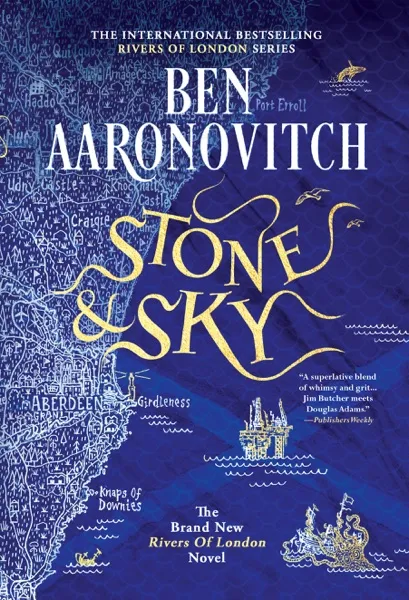
Stone and Sky Author: Ben AaronovitchPage Count: UnknownPublication Year: 2025-GB Ben Aaronovitch’s Stone and Sky (2025) arrives like a geological upheaval in the landscape of urban fantasy—a book so rich in myth, history, and human frailty that it feels less like a novel and more like a revelation. As the latest installment in Aaronovitch’s long-running Rivers of London series, it doesn’t just continue a story; it excavates one, revealing layers of magic, bureaucracy, and personal reckoning that have been quietly forming beneath the surface of modern London for decades. If you’ve ever wondered what happens when ancient stones start whispering back, when the sky itself becomes a canvas for forgotten gods, or when a detective’s greatest case is his own haunted past—then Stone and Sky is the book you’ve been waiting for. At its core, Stone and Sky is a meditation on legacy—both the kind we inherit and the kind we choose to leave. London, in Aaronovitch’s hands, is no longer just a city of brick and mortar but a living archive, its streets pulsing with the afterimages of rituals, battles, and bargains that never quite faded away. The story follows Detective Constable Peter Grant as he grapples with the fallout of a catastrophic magical event that has left the city’s supernatural underbelly in chaos. But this isn’t just another supernatural thriller. Aaronovitch uses the crisis to force Peter to confront the most personal of legacies: his father’s death, his own mortality, and the weight of being the last in a long line of magical practitioners. What makes Aaronovitch’s work so compelling is his ability to blend the mundane and the mythic without a hint of artifice. His prose is like a well-oiled machine—efficient, precise, and occasionally gleeful in its wit—but it’s also deeply human. Peter Grant is one of fantasy’s most relatable protagonists because he’s flawed, tired, and often out of his depth. He’s not a chosen one; he’s a civil servant with a knack for seeing the unseen, and his struggles feel achingly real. The humor, so often the lifeblood of the Rivers of London series, is still present here, but it’s tempered by a melancholy that lingers like the scent of rain on ancient stone. The novel’s title, Stone and Sky, is no accident. The stones represent the enduring, unyielding forces of history—monuments, ruins, and the bones of the earth that refuse to stay buried. The sky, meanwhile, is the domain of change, of weather, of gods who move in the clouds and leave no trace but their passing. Aaronovitch uses this duality to explore how progress and tradition collide, how the past isn’t just a memory but an active participant in the present. The magical crisis at the heart of the book isn’t just a plot device; it’s a metaphor for how we deal with inheritance—whether we bury it, repurpose it, or let it bury us. One of the most striking aspects of Stone and Sky is its ambition. Aaronovitch doesn’t just tell a story; he constructs a world where magic is a bureaucratic nightmare, where rivers have personalities, and where the line between history and myth is as thin as the skin on a drum. The world-building is so immersive that it’s easy to forget you’re reading fiction. And yet, for all its grandeur, the book never loses sight of its emotional core. Peter’s relationships—with his partner, his colleagues, even the river spirits—are what make the supernatural stakes feel tangible. When the sky itself begins to crack, it’s not just a spectacle; it’s a tragedy that resonates because we care about the people beneath it. Aaronovitch’s style is deceptively simple. He writes with the clarity of someone who knows exactly what he wants to say and trusts the reader to keep up. There’s no purple prose here, no overwrought metaphors—just sharp dialogue, vivid descriptions, and a pacing that never feels rushed. The action sequences are kinetic, the magical logic is internally consistent, and the emotional beats land with the precision of a well-aimed spell. It’s the kind of writing that makes you feel like you’re not just reading a book but participating in a conversation with someone who’s thought deeply about the world. If Stone and Sky has a weakness, it’s that it demands a certain familiarity with the Rivers of London series to fully appreciate its nuances. While it can stand alone, the richness of Peter’s world is something that’s been built over years, and long-time fans will find themselves rewarded with callbacks, deep cuts, and a sense of history that newcomers might miss. That said, Aaronovitch does an admirable job of making the stakes feel universal. Whether you’re a veteran of the series or a newcomer, the themes of legacy, change, and the weight of the past will resonate. In the end, Stone and Sky is more than a fantasy novel. It’s a love letter to cities, to stories, and to the idea that the past is never truly gone—it’s just waiting for the right moment to speak. Aaronovitch has crafted a book that is both a thrilling adventure and a quiet meditation, a story that entertains while it haunts. If you’ve ever looked at a building and felt it pulse with history, or gazed at the sky and wondered what stories it’s keeping, then this book will speak to you. It’s a stone that remembers. It’s a sky that listens. #StoneAndSky #BenAaronovitch #RiversOfLondon #UrbanFantasy #MagicalLondon #FantasyMustRead Related InsightsThe 24th Hour Book Review and Summary InvestiGators : Class Action Book Review and Summary Bridgerton Boxed Set 5-8 Book Review and Summary{ "@context": "https://schema.org", "@type": "FAQPage", "mainEntity": [ { "@type": "Question", "name": "What is the main focus of Stone and Sky Book Review and Summary?", "acceptedAnswer": { "@type": "Answer", "text": "Everything you need to know about Stone and Sky with our detailed review." } }, { "@type": "Question", "name": "Who authored the comprehensive guide on Stone and Sky Book Review and Summary?", "acceptedAnswer": { "@type": "Answer", "text": "This detailed article and its insights were carefully researched and authored by Sarah Davis." } }, { "@type": "Question", "name": "Where can I find more related content about Books?", "acceptedAnswer": { "@type": "Answer", "text": "You can explore more articles, detailed reviews, and similar insights by browsing the Related Insights section at the bottom of this article or visiting our dedicated Books category page." } } ] }
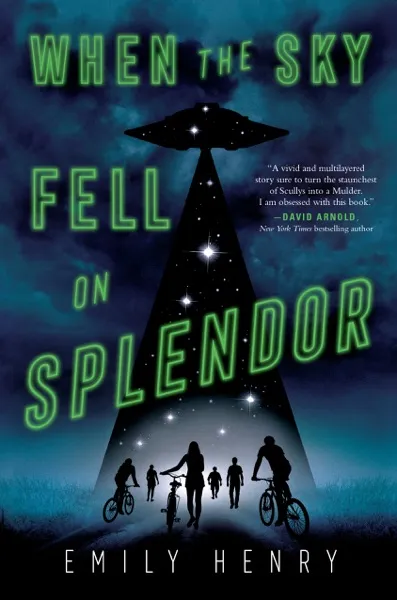
When the Sky Fell on Splendor Author: Emily HenryPage Count: UnknownPublication Year: 2019-GB Imagine being trapped in a mysterious, isolated town where the boundaries between reality and the unknown are blurred, and the sky itself seems to hold the secrets of the past. This is the world that Emily Henry masterfully crafts in her 2019 global bestseller, When the Sky Fell on Splendor, a novel that has left readers and critics alike in awe of its captivating narrative and unforgettable characters. As we delve into the heart of this mesmerizing story, it becomes crystal clear why When the Sky Fell on Splendor has resonated with so many, becoming a staple in contemporary young adult literature. At its core, When the Sky Fell on Splendor explores themes of trauma, grief, friendship, and the unyielding power of love and redemption. Henry weaves these complex themes into a narrative that is both hauntingly beautiful and profoundly thought-provoking, appealing to readers of all ages. The story follows a group of friends, each grappling with their own personal demons, as they attempt to unravel the mysteries surrounding their town, Splendor, which has been inexplicably altered by a catastrophic event. Through their journeys, Henry delves into the depths of human emotion, revealing the resilience and fragility that coexist within us all. The characters in When the Sky Fell on Splendor are exquisitely crafted, each one uniquely voiced and multidimensional. Emily Henry's ability to create characters that leap off the page, filling the hearts of readers with empathy and understanding, is a testament to her skill as a storyteller. The dynamic among the group of friends is authentic and engaging, making their struggles and triumphs deeply relatable. Henry's characterization also extends to the town of Splendor itself, which becomes a character in its own right, with its mysterious landscapes and hidden histories that slowly unveil as the story progresses. Emily Henry's writing style in When the Sky Fell on Splendor is another facet of the novel that contributes to its widespread acclaim. Her prose is lyrical and evocative, painting vivid pictures of the landscapes and atmosphere of Splendor. There is a poetic quality to her writing that enhances the emotional impact of the story, making the experience of reading When the Sky Fell on Splendor not just about following a narrative, but about immersing oneself in a world that is both fantastical and eerily familiar. Henry's command over pacing is equally impressive, balancing moments of intense action and suspense with profound introspection and character development, ensuring that the reader remains fully engaged from start to finish. One of the most striking aspects of When the Sky Fell on Splendor is its ability to appeal to a wide range of readers. Whether you are drawn to stories of mystery and adventure, or prefer character-driven novels that explore the complexities of human relationships, this book has something to offer. Emily Henry's masterful blending of genres, from young adult fiction to elements of science fiction and fantasy, creates a unique reading experience that is both captivating and thought-provoking. In conclusion, When the Sky Fell on Splendor by Emily Henry is a mesmerizing and deeply moving novel that explores the complexities of human emotion, friendship, and the power of love and redemption. With its beautifully crafted characters, engaging narrative, and Henry's captivating writing style, it's no wonder that this book has become a global bestseller. If you're looking for a story that will leave you questioning the mysteries of the universe and the depths of the human heart, then When the Sky Fell on Splendor is a must-read. With its impact extending far beyond the pages of the book itself, this novel promises to stay with readers long after they finish reading it, a true testament to the enduring power of literature. #WhenTheSkyFellOnSplendor #EmilyHenry #YoungAdultLiterature #BookReview #GlobalBestseller
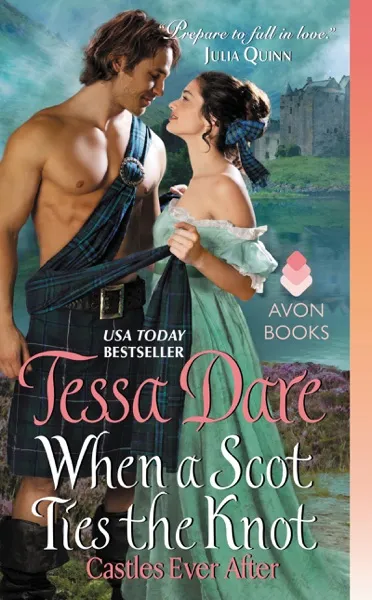
Regency Bestsellers Collection Author: Tessa DarePage Count: UnknownPublication Year: 2018-GB Tessa Dare’s Regency Bestsellers Collection (2018) is a dazzling anthology that captures the wit, romance, and scandalous charm of the Regency era, proving why Dare has become a beloved name in historical fiction. This collection serves as both a love letter to the past and a masterclass in storytelling, blending sharp humor, heartfelt emotion, and the kind of sparkling banter that leaves readers breathless. For fans of Regency romance—or anyone who enjoys a story where love blossoms amid corsets, country estates, and the occasional rogue—this collection is a treasure trove. At its heart, the Regency Bestsellers Collection celebrates the timeless themes of love, redemption, and the transformative power of second chances. Dare’s stories often revolve around women who defy societal expectations, whether through wit, independence, or sheer audacity. Her heroines are refreshingly flawed—sometimes stubborn, sometimes reckless, but always endearing. Whether it’s a wallflower finding her voice or a runaway bride stumbling into love, Dare’s characters feel real, their struggles relatable even centuries later. The men, too, are finely drawn: rakish rogues with hidden depths, brooding aristocrats with hearts of gold, and gentlemen who learn that love is worth more than duty. Dare excels at creating dynamics where opposites attract, not in a clichéd way, but with genuine tension and chemistry. One of Dare’s greatest strengths is her ability to balance humor and heartache. Her prose is laced with dry, self-deprecating wit—a hallmark of her style—that makes even the most farcical situations feel grounded. She has a knack for crafting dialogue that crackles with energy, where every insult feels like a flirtation and every compliment carries a hint of danger. Take, for instance, the banter in The Duchess Deal, where the hero and heroine trade barbs while secretly craving each other’s attention. The result is a romance that feels both playful and profound, where laughter and longing walk hand in hand. Dare’s world-building is equally impressive. The Regency era is a playground of rigid social rules, but she navigates it with a light touch, never overwhelming the reader with historical minutiae but instead using the setting to enhance the drama. Whether it’s a scandalous elopement in The Lady’s Guide to Celestial Mechanics or a marriage of convenience in A Rogue of One’s Own, the backdrop feels vivid and alive. She also weaves in themes of feminism and autonomy subtly but powerfully, making her stories resonate with modern readers while remaining faithful to the period. What sets Dare apart from other Regency romance authors is her willingness to take risks. Her heroines aren’t just pretty faces waiting for a man to save them; they’re often the ones driving the plot, making bold choices, and challenging the status quo. In The True Gentlemen, for example, the heroine is a former actress determined to reinvent herself, while the hero is a nobleman grappling with his own prejudices. Their romance isn’t just about attraction—it’s about growth, compromise, and learning to see beyond societal labels. Dare doesn’t shy away from messy emotions or unconventional pairings, which keeps her stories fresh and unpredictable. The collection’s title, Regency Bestsellers, is well-earned. Dare’s books have consistently topped charts and earned rave reviews, and this anthology is a testament to her talent. Whether you’re a longtime fan or a newcomer to the genre, these stories offer something for everyone: sweeping romance, laugh-out-loud moments, and characters who linger in your mind long after the last page. Dare’s writing is addictive, her stories escapist yet emotionally resonant, and her characters unforgettable. If you’ve ever lost yourself in a Regency-era love story, this collection will feel like coming home. If you’re new to the genre, Dare’s wit and charm will have you hooked from the first page. Either way, Regency Bestsellers Collection is a must-read—a celebration of love in all its messy, glorious forms. #HistoricalRomance #RegencyEra #TessaDare #RomanceBooks #BookLovers #HistoricalFiction Related InsightsSapiens. De animales a dioses (Edición especial 10º aniversario) / Sapiens: A Brief History of Humankind Book Review and Summary The Angel Experiment Book Review and Summary Ready Player One Book Review and Summary{ "@context": "https://schema.org", "@type": "FAQPage", "mainEntity": [ { "@type": "Question", "name": "What is the main focus of Regency Bestsellers Collection Book Review and Summary?", "acceptedAnswer": { "@type": "Answer", "text": "Everything you need to know about Regency Bestsellers Collection with our detailed review." } }, { "@type": "Question", "name": "Who authored the comprehensive guide on Regency Bestsellers Collection Book Review and Summary?", "acceptedAnswer": { "@type": "Answer", "text": "This detailed article and its insights were carefully researched and authored by Sarah Davis." } }, { "@type": "Question", "name": "Where can I find more related content about Books?", "acceptedAnswer": { "@type": "Answer", "text": "You can explore more articles, detailed reviews, and similar insights by browsing the Related Insights section at the bottom of this article or visiting our dedicated Books category page." } } ] }
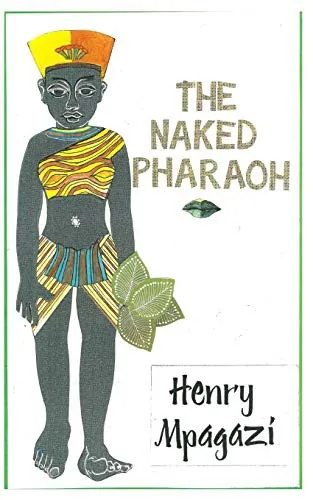
The Naked Pharaoh Author: Henry MpagaziPage Count: UnknownPublication Year: 2019-GB In the scorching deserts of ancient Egypt, a tale of power, deceit, and unrelenting ambition unfolds, leaving an indelible mark on the sands of time. Henry Mpagazi's "The Naked Pharaoh" is a gripping narrative that masterfully weaves historical fiction with the intrigue of a thriller, crafting a story that will leave readers spellbound and yearning for more. At the heart of this mesmerizing tale lies the enigmatic figure of Pharaoh Khafre, a ruler driven by an insatiable hunger for power and a penchant for the mysterious. As the narrative unfolds, Mpagazi skillfully peels away the layers of Khafre's persona, revealing a complex character whose actions are motivated by a delicate balance of conviction, paranoia, and ruthless pragmatism. The supporting cast is equally well-crafted, with characters like the cunning priest Imhotep and the beautiful, enigmatic Kiya adding depth and nuance to the narrative. One of the most striking aspects of "The Naked Pharaoh" is Mpagazi's masterful handling of themes that are both universally relevant and historically grounded. The struggle for power, the corrupting influence of ambition, and the delicate balance between tradition and progress are all expertly woven into the narrative, lending the story a timeless quality that transcends its ancient Egyptian setting. The author's exploration of the human condition is both thought-provoking and deeply unsettling, forcing readers to confront the darker aspects of their own nature. Mpagazi's writing style is a perfect complement to the narrative, blending the lyrical with the visceral to create a reading experience that is both immersive and unflinching. His prose is richly evocative, conjuring the sights, sounds, and scents of ancient Egypt with a vividness that is almost palpable. At the same time, he pulls no punches in his depiction of the brutal realities of life in a bygone era, crafting scenes that are both intense and deeply unsettling. Throughout "The Naked Pharaoh", Mpagazi demonstrates a profound respect for the historical record, drawing heavily from Egyptian mythology and history to create a narrative that is both authentic and engaging. His research is meticulous, and his attention to detail is impressive, lending the story a sense of authority and authenticity that is rare in historical fiction. Despite its many strengths, "The Naked Pharaoh" is not without its flaws. Some readers may find the pacing a trifle uneven, with certain sections feeling slightly rushed or overly long. Additionally, a few of the supporting characters feel somewhat one-dimensional, lacking the depth and complexity of the main cast. However, these are minor quibbles in an otherwise exceptional narrative. In conclusion, "The Naked Pharaoh" is a masterpiece of historical fiction, a gripping tale of power, deceit, and unrelenting ambition that will leave readers spellbound and yearning for more. With its richly evocative prose, complex characters, and thought-provoking themes, this novel is a must-read for anyone who loves historical fiction, thrillers, or just great storytelling in general. #TheNakedPharaoh #HenryMpagazi #HistoricalFiction #AncientEgypt #BookReview Related InsightsBattle Ground Book Review and Summary The God of Small Things Book Review and Summary In Too Deep Book Review and Summary{ "@context": "https://schema.org", "@type": "FAQPage", "mainEntity": [ { "@type": "Question", "name": "What is the main focus of **The Naked Pharaoh** Book Review and Summary?", "acceptedAnswer": { "@type": "Answer", "text": "Everything you need to know about **The Naked Pharaoh** with our detailed review." } }, { "@type": "Question", "name": "Who authored the comprehensive guide on **The Naked Pharaoh** Book Review and Summary?", "acceptedAnswer": { "@type": "Answer", "text": "This detailed article and its insights were carefully researched and authored by Chloé Laurent." } }, { "@type": "Question", "name": "Where can I find more related content about Books?", "acceptedAnswer": { "@type": "Answer", "text": "You can explore more articles, detailed reviews, and similar insights by browsing the Related Insights section at the bottom of this article or visiting our dedicated Books category page." } } ] }
Women Who Wrote Author: Louisa May AlcottPage Count: UnknownPublication Year: 2020-GB Rediscovering the Forgotten Voices of Literary History: A Masterful Tribute in Women Who Wrote In an era where literary canon debates rage on, Women Who Wrote by Louisa May Alcott emerges as a luminous testament to the resilience, creativity, and quiet defiance of women who shaped the written word. Published posthumously in 2020, this meticulously curated anthology is far more than a mere collection of essays—it is a radical act of reclamation, a love letter to the unsung heroines of literature whose works have been obscured by time, prejudice, or sheer oversight. Alcott, best known for her timeless classic Little Women, steps beyond her own legacy here to shine a spotlight on the women who dared to write against the grain, often at great personal cost. For readers hungry for stories of intellectual courage and artistic rebellion, this book is nothing short of revelatory. At its core, Women Who Wrote is a celebration of female authorship across centuries and continents, from the medieval mystic Hildegard of Bingen to the revolutionary Mary Wollstonecraft. Alcott’s approach is both scholarly and deeply personal, weaving historical context with intimate reflections on how these women’s lives and works intersected with her own. The book is structured thematically rather than chronologically, allowing themes of oppression, resilience, and artistic integrity to resonate across eras. Whether examining the coded feminist subtexts in Jane Austen’s novels or the radical politics of the Brontë sisters, Alcott never reduces these women to mere footnotes in history. Instead, she restores their voices with a reverence that feels both urgent and necessary. One of the most compelling aspects of the book is its refusal to romanticize its subjects. Alcott doesn’t shy away from the harsh realities these women faced—censorship, financial instability, societal dismissal, and even violence. Yet, she also highlights their ingenuity in circumventing these barriers, whether through pseudonyms, serialized publications, or clandestine literary salons. The author’s own struggles as a female writer in 19th-century America lend a poignant authenticity to her analysis. Her admiration for these predecessors is palpable, but it never veers into hagiography; instead, she presents them as complex, flawed, and thoroughly human beings who happened to wield extraordinary power with their pens. Alcott’s writing style in this collection is a masterclass in clarity and passion. Her prose is accessible yet erudite, avoiding the dryness that often plagues literary criticism. She balances academic rigor with a storyteller’s flair, making even the most obscure historical figures feel vivid and immediate. Her tone is intimate, as if she’s confiding in the reader over tea, sharing not just facts but a deeply personal journey through the annals of women’s writing. This approach makes the book equally compelling for scholars and casual readers alike—a rare feat in literary criticism. The themes that emerge from Women Who Wrote are as relevant today as they were in Alcott’s time. The book interrogates the very notion of a "canon," exposing how patriarchal structures have historically marginalized women’s contributions to literature. It also explores the intersection of gender and creativity, asking why women’s writing has so often been dismissed as "domestic" or "sentimental" when male authors writing on similar themes are celebrated as universal. Alcott’s insights into the ways women have used writing as both a weapon and a sanctuary are particularly striking, offering a lens through which to view contemporary debates about female authorship and representation. What makes this book truly indispensable, however, is its call to action. Alcott doesn’t just document the past; she implores readers to engage with these women’s works actively. She includes excerpts from their writing, encourages further reading, and even challenges readers to reconsider their own bookshelves. In an age where algorithms and market forces still dictate what gets read and remembered, Women Who Wrote is a manifesto for literary justice. It reminds us that the fight to center women’s voices in the cultural conversation is far from over. For anyone who has ever felt the sting of being told their favorite book "isn’t for them" or who has wondered why certain stories are deemed "classic" while others are forgotten, Women Who Wrote is a balm and a battle cry. It is a book that will make you laugh, rage, and weep—not just for the women it celebrates, but for the ones still waiting to be discovered. Alcott’s love for these writers is infectious, and by the final page, you’ll find yourself not just educated, but inspired to seek out their works, to champion their legacies, and perhaps even to pick up a pen yourself. In a literary landscape that still struggles to give women their due, Women Who Wrote is more than a book—it’s a movement. And Louisa May Alcott, with her sharp wit and boundless empathy, is the perfect guide to lead us through it. #WomenWhoWrote #LiteraryHistory #FemaleAuthors #BookReview #LouisaMayAlcott

Woodland Warrior Author: Emily TurnerPage Count: UnknownPublication Year: 2020-GB Escape into Nature’s Heart: A Spellbinding Journey with Woodland Warrior by Emily Turner There’s a rare magic in stories that remind us of the wild, untamed beauty of the natural world—and Woodland Warrior by Emily Turner is one such enchantment. Published in 2020, this global bestseller has captivated readers with its lyrical prose, deep emotional resonance, and a protagonist who feels as real as the forests she roams. If you’ve ever longed to lose yourself in a tale where nature isn’t just a backdrop but a living, breathing character, Turner’s novel is your next must-read. At its core, Woodland Warrior is a story of survival, identity, and the unbreakable bond between humans and the wilderness. The novel follows the journey of Mara, a young woman who flees into the remote woodlands after a personal tragedy leaves her questioning everything she once knew. Haunted by loss yet driven by an instinctive pull toward the wild, Mara must navigate the harsh yet healing embrace of the forest—a place where predators lurk, storms rage, and ancient trees stand as silent witnesses to her transformation. Turner doesn’t just describe the woods; she immerses the reader in them, making every rustling leaf, every distant howl, and every shift in the wind feel palpable. One of the most striking aspects of Woodland Warrior is its exploration of resilience. Mara isn’t a typical heroine; she’s flawed, vulnerable, and often uncertain, yet her determination to endure makes her deeply relatable. Turner masterfully contrasts Mara’s internal turmoil with the stoic, indifferent grandeur of nature, creating a tension that keeps readers turning pages. The forest becomes both her sanctuary and her adversary, teaching her that strength isn’t about domination but about adaptation, humility, and the quiet courage to keep moving forward. Turner’s writing style is a masterclass in evocative storytelling. Her prose is rich yet uncluttered, painting vivid landscapes without overwhelming the reader with excessive detail. The dialogue crackles with authenticity, and the pacing is meticulously balanced—neither too rushed nor too slow, allowing the story to breathe while maintaining a steady momentum. There’s a poetic quality to her descriptions, particularly when she writes about the natural world. A river isn’t just water; it’s a “vein of silver threading through the earth,” and a storm isn’t merely weather—it’s a “wrathful god shaking the sky.” These flourishes elevate the narrative, making Woodland Warrior as much a feast for the senses as it is a gripping tale of survival. Beyond Mara’s personal odyssey, the novel delves into themes of belonging and the search for meaning. The wilderness, in Turner’s hands, becomes a metaphor for the unknown—both terrifying and liberating. Mara’s journey isn’t just about physical survival; it’s about confronting her past, redefining her future, and ultimately finding a sense of home in the most unexpected of places. The secondary characters, though fewer in number, add depth to the story. From the reclusive trapper who becomes an unlikely mentor to the eerie presence of unseen creatures lurking in the shadows, each figure serves a purpose, enriching Mara’s world without overshadowing her. What sets Woodland Warrior apart from other survival narratives is its emotional depth. Turner doesn’t glorify the wilderness as a pristine escape; she acknowledges its brutality, its indifference, and its capacity to both break and remake a person. Mara’s growth is gradual, her victories hard-won, and her setbacks heartbreaking. This realism makes her triumphs all the more satisfying, grounding the fantastical elements in a raw, human truth. For readers who love literary fiction with a touch of adventure, Woodland Warrior is a revelation. It’s a book that lingers long after the last page, its themes of resilience and reconnection echoing in the mind like the call of an owl in the night. Emily Turner has crafted not just a novel, but an experience—one that reminds us of the wild places within ourselves and the strength we find when we dare to step into the unknown. If you’re seeking a story that will transport you, challenge you, and leave you breathless, look no further than the pages of Woodland Warrior. It’s more than a book; it’s an invitation to remember what it means to be alive. #WoodlandWarrior #EmilyTurner #NatureWriting #SurvivalFiction #LiteraryFiction
Eating Salad Drunk Author: Gabe HenryPage Count: UnknownPublication Year: 2021-GB In a world where the boundaries between reality and fantasy are increasingly blurred, Gabe Henry's "Eating Salad Drunk" emerges as a refreshingly honest and deeply human exploration of the search for meaning and connection in the modern age. This critically acclaimed novel, which has taken the literary world by storm since its release in 2021, is a masterful tale that will resonate with anyone who has ever found themselves lost in the labyrinth of their own thoughts and emotions. At its core, "Eating Salad Drunk" is a story about the fragility and beauty of human relationships, and the ways in which we struggle to make sense of our place in the world. Through a cast of intricately drawn characters, Henry probes the complexities of love, friendship, and identity, revealing the intricate web of emotions and experiences that shape us into who we are. With a keen eye for detail and a deep understanding of the human condition, Henry crafts a narrative that is both deeply personal and universally relatable, inviting readers to reflect on their own lives and the connections that give them meaning. One of the most striking aspects of Henry's writing style is his ability to balance humor and pathos, often within the same sentence. His prose is characterized by a unique blend of wit, vulnerability, and introspection, which makes for a reading experience that is both engaging and thought-provoking. Through his use of language, Henry creates a dreamlike atmosphere that is at once familiar and strange, drawing readers into a world that is both recognizable and yet utterly unique. As we navigate the twists and turns of the narrative, we are reminded of the power of storytelling to capture the essence of the human experience, with all its contradictions and complexities. The characters that populate "Eating Salad Drunk" are multidimensional and richly drawn, each with their own distinct voice and perspective. They are flawed and often struggling, yet ultimately redeemed by their capacity for love, empathy, and self-awareness. Through their stories, Henry sheds light on the ways in which we navigate the challenges of adulthood, from the search for identity and purpose to the complexities of relationships and the quest for meaning. As we follow the characters on their journeys, we are reminded of the importance of connection and community, and the ways in which our lives are intertwined with those of others. Throughout the book, Henry explores a range of themes that are both timely and timeless, from the impact of technology on our relationships to the search for authenticity and connection in a hyper-consumerist society. His insights are keen and nuanced, offering a nuanced perspective on the human condition that is both deeply thoughtful and profoundly moving. As we read, we are invited to reflect on our own values and priorities, and to consider the ways in which we can cultivate greater empathy, compassion, and understanding in our lives. In short, "Eating Salad Drunk" is a masterpiece of contemporary literature, a book that will resonate with readers long after they finish turning its pages. With its richly drawn characters, nuanced exploration of the human condition, and lyrical prose, it is a must-read for anyone looking for a story that will challenge, inspire, and transform them. Whether you are a fan of literary fiction, a lover of character-driven narratives, or simply someone who is looking for a great story, "Eating Salad Drunk" is a book that is sure to captivate and delight. #EatingSaladDrunk #GabeHenry #LiteraryFiction #BookReview #ReadingIsFun Related InsightsDaisy Book Review and Summary The Museum of Modern Love Book Review and Summary Frankenstein: The 1818 Text Book Review and Summary{ "@context": "https://schema.org", "@type": "FAQPage", "mainEntity": [ { "@type": "Question", "name": "What is the main focus of **Eating Salad Drunk** Book Review and Summary?", "acceptedAnswer": { "@type": "Answer", "text": "Everything you need to know about **Eating Salad Drunk** with our detailed review." } }, { "@type": "Question", "name": "Who authored the comprehensive guide on **Eating Salad Drunk** Book Review and Summary?", "acceptedAnswer": { "@type": "Answer", "text": "This detailed article and its insights were carefully researched and authored by Chloé Laurent." } }, { "@type": "Question", "name": "Where can I find more related content about Books?", "acceptedAnswer": { "@type": "Answer", "text": "You can explore more articles, detailed reviews, and similar insights by browsing the Related Insights section at the bottom of this article or visiting our dedicated Books category page." } } ] }