Showing Posts From
Samizdat
-
 Lucas Martin
 - 18 Aug, 2026 11:16
L'Encre Subversive : Ces chefs-d'œuvre traqués dans l'ombre de l'URSS
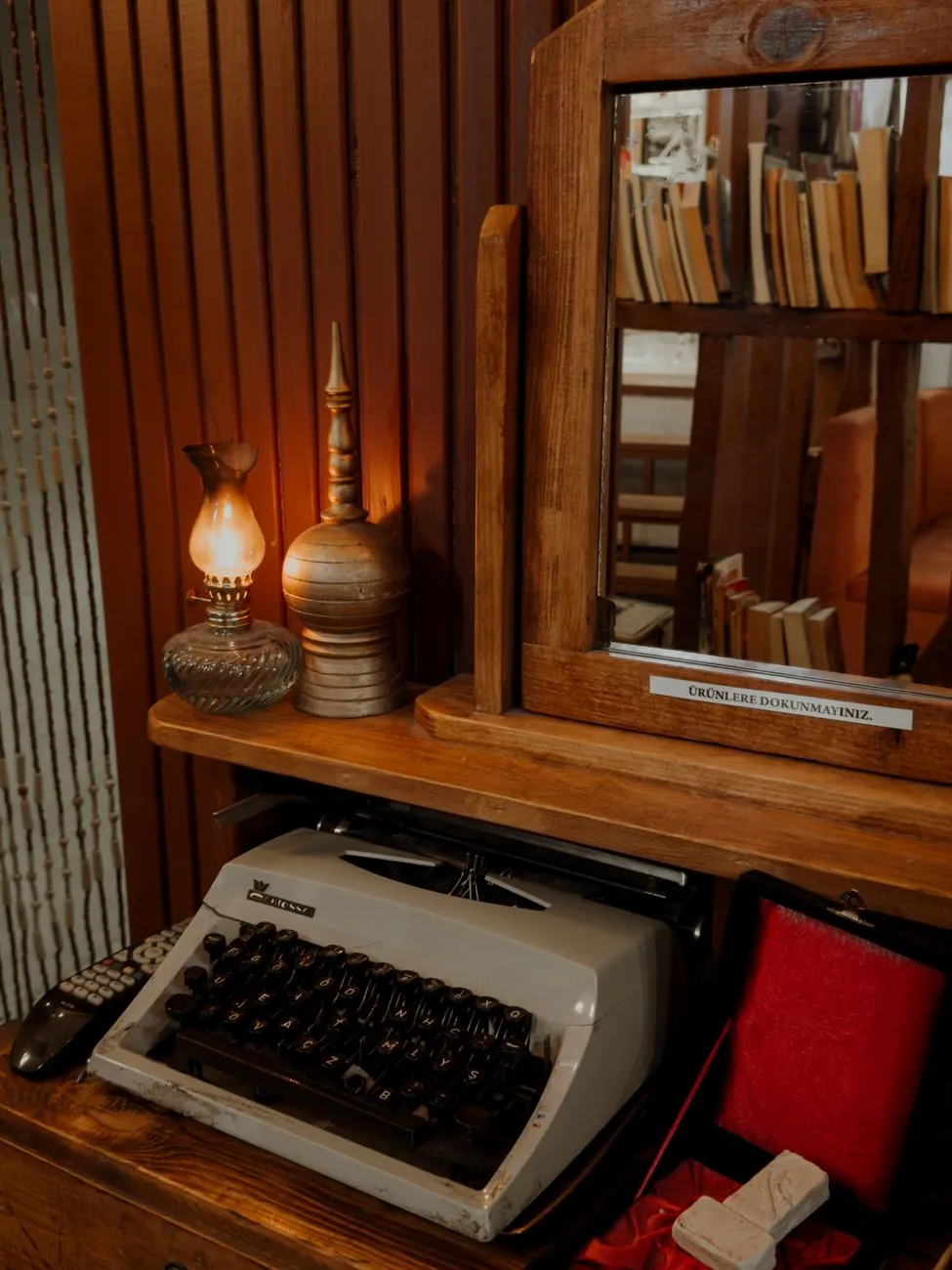
Le papier est une matière fragile, vulnérable au feu, à l'humidité et au temps. Pourtant, dans les couloirs glacés de l'Union soviétique, certaines pages se sont révélées plus résistantes que l'acier des chars T-34. Il y avait dans le secret des appartements moscovites et les recoins sombres des bibliothèques spéciales, une résistance qui ne tirait pas, mais qui écrivait. Ces livres, frappés d'interdiction, constituaient une menace existentielle pour un régime qui avait bâti son empire sur le dogme et l'uniformité de la pensée. Aujourd'hui, en tant que passionné de littérature, je vous invite à plonger dans cette archive des ombres, là où la plume est devenue une arme de libération. Le frisson de la machine à écrire dans la nuit La censure en URSS n'était pas un simple outil administratif ; c'était un scalpel chirurgical visant à sectionner toute veine reliant l'intellectuel à la dissidence. Le Glavlit, organisme de contrôle central, veillait au grain, scrutant chaque ligne pour y débusquer les germes de l'anti-soviétisme. Mais plus on cherchait à enterrer une idée, plus celle-ci semblait fleurir clandestinement. Le phénomène du « Samizdat » — littéralement « auto-édition » — est né de cette nécessité. Des auteurs, incapables de publier leurs manuscrits par les canaux officiels, les faisaient circuler sous forme de copies dactylographiées, transmises de main en main, souvent recopiées à la machine à écrire avec du papier carbone, jusqu'à ce que les dernières copies deviennent presque illisibles. C'était une littérature de la survie, une poésie qui devait être apprise par cœur avant d'être détruite, de peur qu'elle ne serve de preuve lors d'une perquisition du KGB.Les géants condamnés au silence Parmi les voix que le régime a tenté de briser, certaines résonnent encore avec une puissance dévastatrice aujourd'hui. Prenons « Le Maître et Marguerite » de Mikhaïl Boulgakov. Ce roman, un chef-d'œuvre fantastique où le Diable visite Moscou, est une satire féroce de la bureaucratie soviétique. Boulgakov, vivant dans une peur constante, a brûlé une première version de son manuscrit avant de le réécrire de mémoire. Le livre ne fut publié qu'en 1966, près de vingt-six ans après sa mort. Son existence même témoigne de la défaite du système : on ne peut pas assassiner l'imagination. Un autre pilier de cette liste maudite est « L'Archipel du Goulag » d'Alexandre Soljenitsyne. Ce n'était pas seulement un livre ; c'était un séisme. En documentant le système carcéral soviétique, Soljenitsyne a brisé le silence imposé sur des millions de vies broyées. Lorsque le texte a franchi les frontières pour être publié à Paris en 1973, le gouvernement soviétique a été pris de court, incapable d'endiguer la vague de vérité qui déferlait sur l'Occident. Pour le citoyen soviétique moyen, découvrir ces pages revenait à sortir d'une caverne de Platon après des décennies d'obscurité. Les frontières mouvantes de la subversion Il est fascinant d'observer quels ouvrages étaient jugés « dangereux ». Ce n'était pas toujours une question de politique explicite. La poésie d'Anna Akhmatova, par exemple, fut interdite pendant de longues années. Pourquoi ? Parce que son lyrisme, sa mélancolie et son indépendance spirituelle ne cadraient pas avec le réalisme socialiste, cet impératif rigide qui voulait que tout art soit une célébration de la production industrielle et du progrès collectif. L'interdiction frappait sans distinction : Les classiques de la littérature mondiale perçus comme « décadents ». Les œuvres traitant de la religion ou de la spiritualité. Les écrits philosophiques remettant en cause le matérialisme dialectique. Les témoignages directs sur les purges staliniennes.La censure créait un vide culturel que les citoyens, affamés de pensée libre, tentaient de combler par n'importe quel moyen. Le simple fait de posséder un livre de Boris Pasternak, dont « Le Docteur Jivago » fut banni pour son humanisme jugé non conforme, était un acte de bravoure. L'écrivain fut contraint de refuser son prix Nobel de littérature sous la pression du Politburo. Le contraste est saisissant : d'un côté, une puissance atomique mondiale, de l'autre, un poète dont le crime était d'avoir écrit sur l'âme humaine.L'héritage de la résistance littéraire La question que l'on doit se poser aujourd'hui est : qu'est-ce qu'une bibliothèque sans ces livres ? Une bibliothèque qui ne contient que ce qui est autorisé est une bibliothèque qui nous appauvrit. L'histoire des livres interdits en URSS nous enseigne que la censure est le signe d'une peur profonde du pouvoir envers la réflexion individuelle. Chaque fois qu'une dictature interdit un livre, elle ne fait que le sacraliser. Le Samizdat, avec ses typographies imparfaites et son papier jauni, reste un monument à la liberté d'expression. Il nous rappelle que le contrôle de l'information n'a jamais réussi à stopper le désir humain de vérité. Même à l'ère numérique, alors que nous vivons dans une profusion d'informations, il est vital de se souvenir de ces auteurs qui ont risqué la prison, l'asile psychiatrique ou l'exil pour quelques mots posés sur une page. Le poids des mots dans le nouvel âge Aujourd'hui, alors que nous avons un accès presque illimité à la connaissance, il est facile de tenir pour acquise cette liberté de lecture. Pourtant, le spectre de l'interdiction rôde toujours, prenant des formes plus subtiles, plus algorithmiques. L'histoire de la censure soviétique est un miroir qui nous renvoie nos propres failles. Quand je feuillette une édition rare de ces œuvres autrefois prohibées, je ne vois pas seulement du texte. Je vois les mains des courageux lecteurs qui, dans le secret, ont partagé ces pages au péril de leur liberté. Je vois la résilience de la culture face à la barbarie. Ces livres n'étaient pas seulement des vecteurs d'idées ; ils étaient des actes de résistance pure, des brèches ouvertes dans un mur qui se voulait imprenable. La bibliographie des ombres : une étude historique Pour approfondir ce sujet, il faut se pencher sur les archives de la « Spetskhran » — les départements spéciaux des bibliothèques soviétiques où étaient stockés les ouvrages interdits. L'accès y était strictement limité à quelques privilégiés ayant des habilitations de sécurité. Ce paradoxe — une bibliothèque de livres interdits, gérée par ceux-là mêmes qui les censuraient — illustre parfaitement l'absurdité du système. Il existe encore aujourd'hui un travail immense de redécouverte de ces textes. De nombreux auteurs, dont les noms avaient été effacés des manuels scolaires et des dictionnaires, sont en train d'être réhabilités. C'est une tâche nécessaire, non seulement pour l'histoire littéraire, mais pour la santé morale de nos sociétés contemporaines. Nous devons continuer à lire, à partager et surtout, à questionner ce qui nous est présenté comme la seule vérité autorisée.La littérature n'est pas un luxe, c'est une nécessité vitale. En URSS, les autorités l'ont compris avant même les écrivains, c'est pourquoi elles en ont eu si peur. La prochaine fois que vous ouvrirez un livre, souvenez-vous de ces époques où chaque page tournée pouvait changer une vie. Car, comme l'écrivait Boulgakov, « les manuscrits ne brûlent pas ». Ils survivent, ils attendent, et ils finissent toujours par trouver leur chemin vers la lumière. #LittératureSoviétique #Censure #LibertéDExpression #HistoireDesLivres #Samizdat Related InsightsEstuche Albert Camus (contiene: El extranjero / Calígula / El mito de Sísifo) / Albert Camus Box Set (includes: The Stranger / Caligula / The Myth of Sisyphus Book Review and Summary The Way of Kings Book Review and Summary The Maze Runner Book Review and Summary{ "@context": "https://schema.org", "@type": "FAQPage", "mainEntity": [ { "@type": "Question", "name": "What is the main focus of L'Encre Subversive : Ces chefs-d'œuvre traqués dans l'ombre de l'URSS?", "acceptedAnswer": { "@type": "Answer", "text": "Découvrez les œuvres littéraires majeures que le régime soviétique a tenté d'effacer de la mémoire collective et le pouvoir indestructible des mots face à la tyrannie." } }, { "@type": "Question", "name": "Who authored the comprehensive guide on L'Encre Subversive : Ces chefs-d'œuvre traqués dans l'ombre de l'URSS?", "acceptedAnswer": { "@type": "Answer", "text": "This detailed article and its insights were carefully researched and authored by Lucas Martin." } }, { "@type": "Question", "name": "Where can I find more related content about Books?", "acceptedAnswer": { "@type": "Answer", "text": "You can explore more articles, detailed reviews, and similar insights by browsing the Related Insights section at the bottom of this article or visiting our dedicated Books category page." } } ] }
-
 Aylin Okur
 - 14 Aug, 2026 10:57
The Silent Ink: Unmasking the Forbidden Libraries of the Soviet Empire
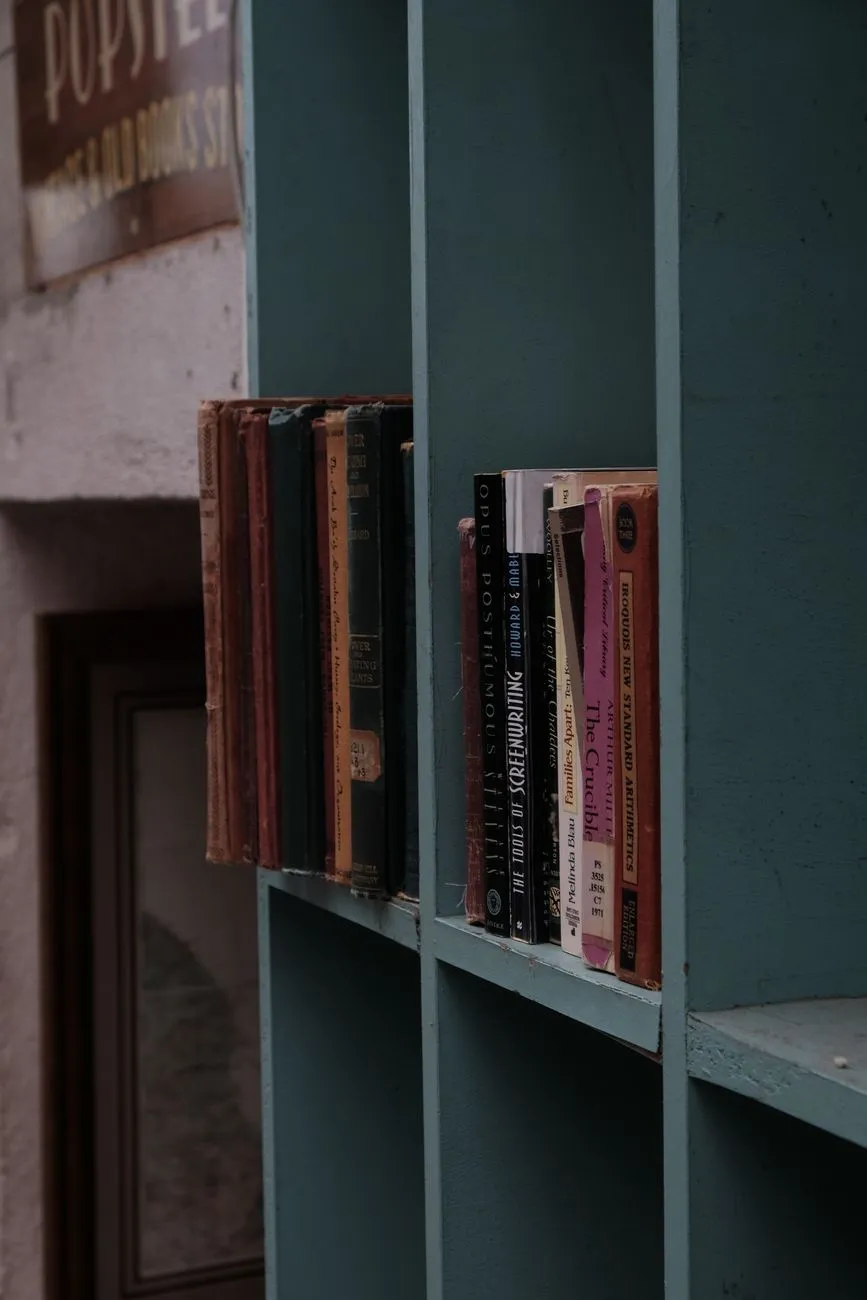
Ideas are more dangerous than armies because an army can only conquer a territory, but a book can conquer a mind. In the heart of the 20th century, across the vast, frozen expanses of the Soviet Union, there existed a war not of bullets, but of ink. It was a war fought in the shadows of clandestine basements, through the frantic clicking of manual typewriters, and within the silent corridors of the Spetskhran—the special storage vaults where "dangerous" literature was locked away, far from the eyes of the proletariat. To own the wrong page was not merely a social faux pas; it was an act of treason against the state. The Iron Curtain of the Mind Censorship in the Soviet Union was not a sporadic occurrence but a systemic architecture designed to carve a specific version of reality. The state recognized that literature is the primary vehicle for empathy and critical thought. By controlling what people read, the regime sought to engineer the "New Soviet Man"—a citizen devoid of "bourgeois" distractions and fully aligned with the party line of Socialist Realism. Socialist Realism was the only approved artistic method. It required that art be "proletarian" in content and "national" in form, depicting the struggle toward communism in an optimistic, idealized light. Anything that deviated from this—anything that explored the depths of human despair, the complexity of individualism, or the failures of the state—was branded as "formalism" or "counter-revolutionary." The result was a massive blacklist of authors and titles that spanned from the classics of Western philosophy to the daring whispers of internal dissidents.The Architects of Dissent: Forbidden Voices from Within The most perilous books were those written by the people living under the regime, for the regime feared its own thinkers more than any foreign spy. Aleksandr Solzhenitsyn stands as perhaps the most towering figure of this struggle. His seminal work, The Gulag Archipelago, served as a brutal map of the Soviet system of forced labor camps. It was not merely a book; it was an indictment of the entire Soviet project. Because it exposed the systemic cruelty of the NKVD and the KGB, the manuscript had to be smuggled out of the country and published in the West before it could filter back into the USSR. To be caught with a copy of The Gulag Archipelago was to invite an immediate visit from the secret police. Then there was Boris Pasternak. His novel Doctor Zhivago captured the tragedy of an individual caught in the gears of historical upheaval. The Soviet authorities hated the book because it prioritized the internal emotional life of a man over the collective goals of the revolution. When the manuscript was smuggled to Italy and published there in 1957, Pasternak became a global symbol of intellectual resistance, though he was forced to refuse the Nobel Prize in Literature under immense state pressure. Other critical voices included:Mikhail Bulgakov: His masterpiece The Master and Margarita was a surrealist critique of Soviet bureaucracy and human nature. It remained unpublished in its entirety within the USSR for decades, circulating only in fragile, handwritten copies. Osip Mandelstam: A poet whose verses against Stalin were so potent that they were whispered from person to person, as printing them was a death sentence.The Western Ghosts: Banning the Global Canon The Soviet blockade didn't just stop at its borders; it extended to the global literary heritage. Any work that promoted capitalism, religious mysticism, or "decadent" individualism was strictly prohibited. Many works of Western philosophy, such as those by Friedrich Nietzsche or Jean-Paul Sartre, were treated with extreme suspicion. Their focus on the "Übermensch" or existentialist absurdity clashed violently with the deterministic certainty of Marxist-Leninist ideology. Similarly, religious texts—most notably the Bible—were heavily restricted or banned entirely during the peak of the state's atheistic campaigns. The "decadent" literature of the West, including many modernist poets and novelists, was viewed as a contagion. The regime feared that the individualism found in English or French literature would seep into the Soviet youth, encouraging them to question the collective identity imposed upon them by the Party.Samizdat: The Underground Printing Press of Courage When the official publishing houses became tools of the state, the people created their own. This gave birth to Samizdat (self-publishing). Samizdat was not a professional industry; it was a desperate, grassroots network of trust. The process was painstakingly slow and incredibly dangerous. A person would obtain a forbidden manuscript—perhaps a poem by Akhmatova or a chapter of Solzhenitsyn—and type it out using a manual typewriter. They would use carbon paper to create three to five copies. Each person who received a copy was then tasked with typing further copies and passing them along to trusted friends. This organic, viral spread of information meant that a book could travel across thousands of miles of Siberian tundra and urban apartment blocks without a single official printing press ever being used. The physical quality of these books was poor—thin paper, smudged ink, and handwritten corrections—but their intellectual value was priceless. They were the only windows of truth in a landscape of state-sponsored lies. Tamizdat: The Bridge to the Outside World While Samizdat was internal, Tamizdat (publishing "over there") involved smuggling manuscripts across the border to be printed in the West. Once printed in Paris, London, or New York, these books would be smuggled back into the Soviet Union, often hidden in the linings of suitcases or disguised as mundane travel guides. The cycle of Tamizdat was a psychological blow to the Soviet regime. It proved that while the state could control the presses within its borders, it could not control the global conversation. The exiled voices of authors like Vladimir Nabokov continued to haunt the Soviet consciousness, reminding the citizens that there was a world beyond the Iron Curtain where the mind was free to wander. The Spetskhran: The Cemetery of Living Books For those who were allowed to access "dangerous" literature, there was only one place: the Spetskhran. This was a specialized, restricted section of the libraries where banned books were kept. These were not destroyed—the Soviets were meticulous archivists—but they were locked away in vaults. To enter the Spetskhran, a researcher needed a special permit, often requiring the approval of the KGB. Even then, the reader was supervised. The books were treated like hazardous materials, kept under lock and key to ensure that the "poison" of forbidden thought did not leak into the general population. The irony of the Spetskhran was that it preserved the very books the state wished to erase, turning the library into a museum of forbidden ideas.The Legacy of the Forbidden Page When the Soviet Union finally collapsed in 1991, the floodgates opened. The books that had been whispered in basements and locked in vaults suddenly appeared on street corners and in official bookstores. However, the experience of reading a banned book is fundamentally different from reading a legal one. The history of banned Soviet literature teaches us that censorship rarely achieves its goal of eradication. Instead, it grants the forbidden text a supernatural power. A book that the government fears is a book that the people crave. The danger associated with the text becomes part of its allure, transforming the act of reading into an act of rebellion. The struggle of authors like Solzhenitsyn and Pasternak serves as a timeless reminder that the written word is the ultimate weapon against tyranny. Even in the face of the most oppressive regimes, the human drive for truth cannot be fully silenced. The ink may be hidden, and the pages may be fragile, but the ideas they carry are indestructible. The Echoes of the Forbidden List If we look back at the list of banned works—ranging from the spiritual depths of Dostoevsky (who faced his own censorship in his time) to the piercing political critiques of the 20th century—we see a pattern. The state always bans that which forces the individual to look inward. By banning books that explored the human soul, the Soviet Union attempted to replace the soul with a cog in a machine. Today, these books are no longer illegal, but they remain essential. They are not just historical artifacts; they are warnings. They remind us that whenever a government begins to decide which books are "appropriate" or "dangerous," the first casualty is always the truth. #SovietHistory #BannedBooks #LiteraryResistance #Samizdat #FreedomOfSpeechRelated InsightsMidnight Curfew Book Review and Summary King of Greed Book Review and Summary What Lies in the Woods Book Review and Summary{ "@context": "https://schema.org", "@type": "FAQPage", "mainEntity": [ { "@type": "Question", "name": "What is the main focus of The Silent Ink: Unmasking the Forbidden Libraries of the Soviet Empire?", "acceptedAnswer": { "@type": "Answer", "text": "Explore the dangerous world of Samizdat and the literary ghosts the Soviet Union tried to erase from history." } }, { "@type": "Question", "name": "Who authored the comprehensive guide on The Silent Ink: Unmasking the Forbidden Libraries of the Soviet Empire?", "acceptedAnswer": { "@type": "Answer", "text": "This detailed article and its insights were carefully researched and authored by Aylin Okur." } }, { "@type": "Question", "name": "Where can I find more related content about Books?", "acceptedAnswer": { "@type": "Answer", "text": "You can explore more articles, detailed reviews, and similar insights by browsing the Related Insights section at the bottom of this article or visiting our dedicated Books category page." } } ] }
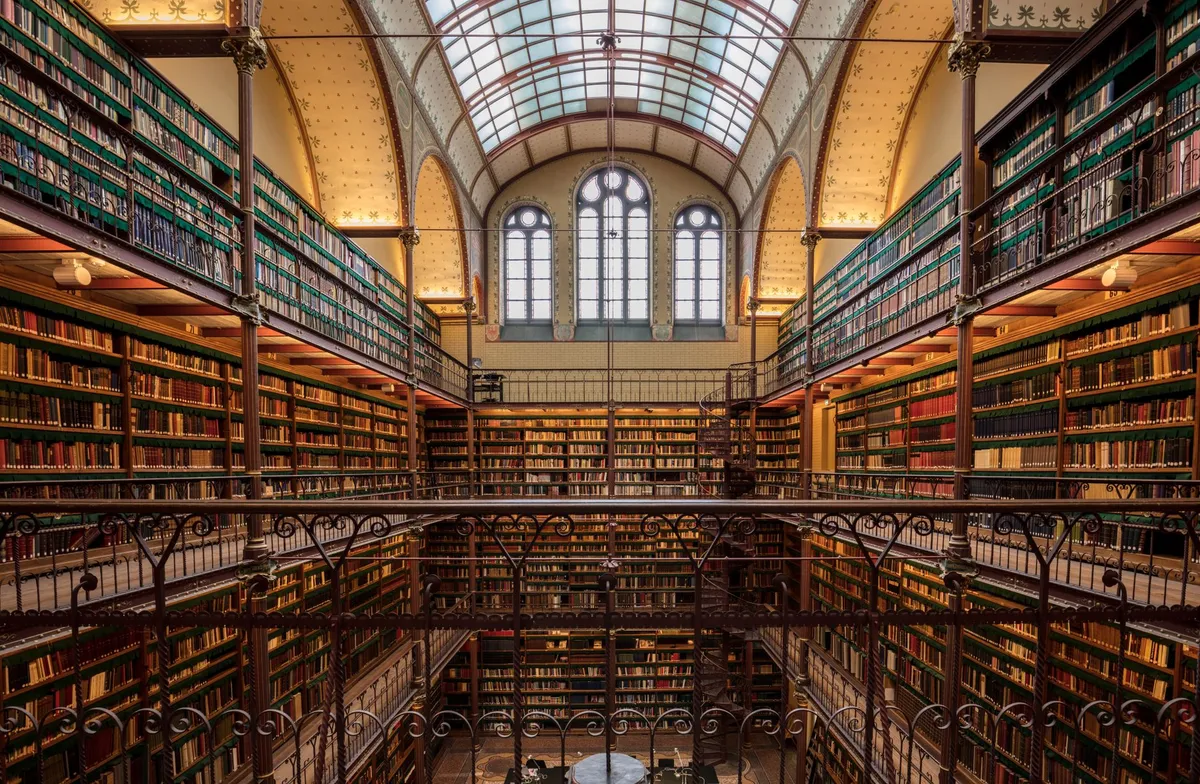
Le silence n'est jamais aussi bruyant que lorsqu'il est imposé par la force. Imaginez un monde où une simple page cornée, un chapitre lu à la lueur d'une bougie ou un poème chuchoté dans l'ombre d'une ruelle moscovite pouvait transformer un citoyen modèle en "ennemi du peuple". En Union Soviétique, le livre n'était pas seulement un objet de savoir, c'était une arme. Et pour le régime, toute arme non contrôlée était une menace existentielle. L'encre, lorsqu'elle refusait de chanter l'éloge du Parti, devenait un poison que l'État s'efforçait d'éradiquer par le feu, l'oubli ou le Goulag. Le Marteau et la Plume : L'Engrenage de la Censure Soviétique La censure en URSS n'était pas un simple filtre administratif, mais une architecture complexe et oppressante conçue pour remodeler la psyché humaine. Dès les premiers jours de la révolution, l'idée était claire : la littérature devait servir la cause du prolétariat. Ce concept, connu sous le nom de "réalisme socialiste", imposait que l'art soit partisan, accessible et optimiste quant à l'avenir du communisme. Tout ce qui s'écartait de cette ligne — qu'il s'agisse de formalisme, de pessimisme ou, pire encore, de critique politique — était systématiquement banni. Le Glavlit, l'organe officiel de la censure, surveillait chaque virgule. Aucun livre ne pouvait être publié sans son sceau d'approbation. Mais le bannissement ne s'arrêtait pas à l'interdiction d'imprimer. Il s'agissait d'une tentative d'effacement total. Les bibliothèques possédaient des "fonds spéciaux" (spetskhran), des sections verrouillées où les ouvrages jugés dangereux étaient conservés, accessibles uniquement sur autorisation spéciale du KGB. Posséder un exemplaire d'un livre interdit chez soi était un risque immense, un pari sur sa propre liberté.Les Voix Étouffées : Les Géants de la Littérature Proscrits Parmi les victimes de cette purge culturelle, on trouve des noms qui font aujourd'hui vibrer l'histoire mondiale. L'un des cas les plus emblématiques est sans doute celui d'Alexandre Soljenitsyne. Son œuvre monumentale, L'Archipel du Goulag, est peut-être le livre le plus redouté par le Kremlin. En documentant avec une précision chirurgicale le système des camps de travail forcé, Soljenitsyne a brisé le mythe de l'utopie soviétique. Le livre, publié d'abord à l'étranger, circulait clandestinement en URSS, chaque copie recopiée à la main devenant un acte de résistance. Mikhail Boulgakov, avec son chef-d'œuvre Le Maître et Marguerite, a également subi le sort de l'interdiction. Cette œuvre satirique, mêlant fantastique et critique acerbe de la société moscovite, était beaucoup trop subversive pour être tolérée. Boulgakov a écrit dans le secret, brûlant parfois ses propres manuscrits par peur ou par désespoir, sachant que son génie était incompatible avec la rigidité du stalinisme. On ne peut oublier Boris Pasternak et son roman Le Docteur Jivago. Ce livre, qui explorait l'intimité et la spiritualité d'un homme face au chaos de la Révolution, a provoqué un scandale international. Lorsque Pasternak reçut le prix Nobel de littérature en 1957, le régime soviétique tenta de lui retirer l'honneur par des pressions brutales, car le livre avait été publié en Italie après avoir été refusé en URSS. Le Samizdat : La Révolution du Papier Carbone Face à l'interdiction, l'esprit humain a inventé le Samizdat (littéralement "auto-édition"). C'était l'ancêtre analogique du partage de fichiers peer-to-peer. Le processus était fastidieux et périlleux : un individu obtenait un manuscrit interdit, le recopiait à la machine à écrire avec plusieurs feuilles de papier carbone, et transmettait les copies à des amis de confiance, qui recommençaient l'opération. Le Samizdat n'était pas seulement un moyen de diffuser des livres ; c'était un réseau social souterrain. Lire un ouvrage banni, c'était entrer dans une fraternité secrète. On y trouvait non seulement des romans, mais aussi des essais philosophiques, des poèmes d'Anna Akhmatova ou des analyses économiques interdites. La valeur d'un livre ne résidait plus dans sa reliure, mais dans le courage de celui qui l'avait transporté.Cette culture de la clandestinité a permis la survie d'une pensée critique. Même lorsque les auteurs étaient exilés ou emprisonnés, leurs mots continuaient de voyager, franchissant les frontières et les murs du Kremlin. Le Tamizdat (publication à l'étranger) complétait ce cycle : les textes étaient envoyés en Occident, imprimés, puis réimportés clandestinement en URSS, souvent cachés dans des doubles fonds de valises. Une Liste Noire : Les Catégories du Bannissement Pour comprendre l'ampleur de la censure, il faut analyser ce qui était précisément visé. Le bannissement ne concernait pas uniquement la politique active, mais tout ce qui pouvait altérer la perception "correcte" de la réalité.La Religion et la Spiritualité : La Bible et les textes théologiques étaient traqués, car l'athéisme d'État était la norme. Toute expression de foi organisée était vue comme une concurrence au culte de la personnalité du leader. L'Individualisme et le Romantisme : Les œuvres mettant l'accent sur le "moi" plutôt que sur le "nous" collectif étaient suspectes. Le romantisme mélancolique était souvent qualifié de "bourgeois" et donc éliminé. L'Histoire Non Officielle : Tout ouvrage remettant en cause la version officielle des événements (comme les purges staliniennes ou les famines comme l'Holodomor) était strictement interdit. La Littérature Occidentale "Décadente" : De nombreux auteurs américains ou européens étaient bannis pour éviter la "contamination" par les valeurs capitalistes.L'Héritage du Silence : Que Reste-t-il de ces Pages ? La chute de l'Union Soviétique a libéré des montagnes de textes autrefois interdits. Mais le traumatisme de la censure a laissé des traces indélébiles. Aujourd'hui, en explorant les archives ou les librairies de Moscou et Kiev, on réalise que le bannissement a paradoxalement anobli ces œuvres. Le fait qu'un livre ait été interdit lui a conféré une aura de vérité absolue. Le combat de ces auteurs nous rappelle que la liberté d'expression n'est jamais un acquis définitif. Lorsque l'État décide de ce qui peut être lu, il ne contrôle pas seulement l'information, il tente de contrôler l'imagination. Les livres bannis en URSS ne sont pas seulement des artefacts historiques ; ils sont des monuments à la résilience de l'intellect humain face à la tyrannie.En redécouvrant Le Maître et Marguerite ou L'Archipel du Goulag, nous ne lisons pas seulement des histoires ; nous écoutons les cris de ceux qui ont refusé de se taire. L'encre a survécu au plomb, et les pages ont fini par déchirer le Rideau de Fer. La Leçon des Archives Interdites Si l'on devait tirer une leçon de cette période sombre, c'est que la censure est l'aveu d'une faiblesse. Si un régime a peur d'un livre, c'est que le livre possède une puissance supérieure à celle des chars et des prisons. L'histoire soviétique nous montre que plus on tente d'étouffer une idée, plus elle gagne en intensité. Le passage du Samizdat à la publication libre a marqué la victoire de l'esprit sur la structure. Aujourd'hui, alors que les formes de censure évoluent (algorithmes, désinformation, pressions sociales), se souvenir des livres bannis de l'URSS est un acte de vigilance. C'est se rappeler que la lecture est, par essence, un acte de liberté. L'encre interdite ne s'est jamais vraiment effacée ; elle a simplement attendu que le monde soit prêt à l'entendre. En tournant les pages de ces œuvres, nous rendons hommage à tous ceux qui ont risqué leur vie pour un paragraphe, un poème ou une vérité dérangeante.#Histoire #Littérature #Censure #URSS #LibertéDExpression Related InsightsThe Girl Who Was Taken Book Review and Summary Look What You Did Book Review and Summary Big Little Truths Book Review and Summary{ "@context": "https://schema.org", "@type": "FAQPage", "mainEntity": [ { "@type": "Question", "name": "What is the main focus of L'Encre Interdite : Quand le Rideau de Fer S'abattait sur les Pages?", "acceptedAnswer": { "@type": "Answer", "text": "Plongez dans l'univers clandestin des livres proscrits en Union Soviétique et découvrez comment la littérature a résisté à la censure d'État." } }, { "@type": "Question", "name": "Who authored the comprehensive guide on L'Encre Interdite : Quand le Rideau de Fer S'abattait sur les Pages?", "acceptedAnswer": { "@type": "Answer", "text": "This detailed article and its insights were carefully researched and authored by Lucas Martin." } }, { "@type": "Question", "name": "Where can I find more related content about Books?", "acceptedAnswer": { "@type": "Answer", "text": "You can explore more articles, detailed reviews, and similar insights by browsing the Related Insights section at the bottom of this article or visiting our dedicated Books category page." } } ] }

-
 Emily Page
 - 03 Jul, 2026 08:20
The Whispered Pages: Unearthing the Clandestine World of Samizdat Literature
Imagine a book. Not a book printed on glossy paper, bound professionally, available at your local bookstore. Not a digital file easily downloaded or streamed. Imagine a book that could cost you your freedom, your livelihood, or even your life, merely for possessing it. Now, imagine a vast, invisible library built from such books, meticulously typed, carbon-copied, and passed hand-to-hand under the cloak of night. This is not a dystopian fantasy; this was the tangible, perilous reality of samizdat. The very word, a Russian neologism meaning "self-publishing" (from sam "self" and izdatel'stvo "publishing house"), evokes a quiet rebellion. It signifies more than just a method of dissemination; it represents an entire philosophy, a desperate act of intellectual and moral survival against the suffocating grip of totalitarian censorship. Samizdat was the underground heartbeat of forbidden thought in the Soviet Union and its satellite states, a testament to humanity's unyielding need to create, to document, and to communicate truth, even in the face of overwhelming state power. The Genesis of a Clandestine Press The roots of samizdat are inextricably linked to the iron curtain of censorship that descended across Eastern Europe in the wake of the Bolshevik Revolution and solidified under Stalin. With the state controlling every printing press, every publishing house, and every public library, any deviation from the officially sanctioned narrative was deemed subversive. History was rewritten, inconvenient truths were expunged, and inconvenient voices were silenced—often permanently. Yet, the human spirit, particularly the literary and intellectual spirit, proved remarkably resilient. In the early decades of the Soviet Union, samizdat began modestly, with individuals transcribing banned poems or critical essays by hand, often in notebooks passed secretly among trusted friends. However, it truly blossomed into a formidable, though decentralized, phenomenon from the late 1950s onward, particularly following Khrushchev's "Thaw." While the Thaw offered a brief respite from the most brutal aspects of Stalinism, it also exposed the deep ideological cracks within the system, fueling a hunger for truth and uncensored perspectives. Writers, poets, historians, and thinkers who found their works rejected, suppressed, or outright banned by official channels had a stark choice: self-censorship and silence, or the perilous path of self-publication.The tools were primitive, but the resolve was ironclad. Typewriters, carbon paper, and thin, often low-quality paper became the implements of a silent revolution. A single typed copy could be replicated into four or five carbon copies, depending on the thickness of the paper and the strength of the typist's fingers. These "originals" would then be passed on, and new individuals would re-type the text, creating further generations of copies. It was a painstaking, labor-intensive, and inherently slow process, yet it was surprisingly effective in accumulating a substantial body of alternative literature. The Architecture of Distribution: From Hand to Hand The challenge wasn't just writing or typing; it was distribution. Official channels were, by definition, closed. The state controlled mail, telephone lines, and monitored social interactions. Any organized network for distribution would be swiftly identified and dismantled by the KGB. Consequently, samizdat's distribution was organic, decentralized, and deeply personal. It operated on a principle of trust, often within tight-knit circles of friends, family, and like-minded intellectuals. A common phrase associated with samizdat was "from hand to hand" (iz ruk v ruki). A person would receive a samizdat text, read it, and then pass it to someone they implicitly trusted. This individual, in turn, might make their own copies and disseminate them further. The network grew exponentially, though informally, like an intricate mycelial web beneath the forest floor. There were no central depots, no formal printing presses, just a continuous, whispered flow of forbidden words. This method had its advantages. Its decentralized nature made it difficult for authorities to trace the origin or map the full extent of the network. Catching one "distributor" didn't necessarily compromise the entire system. However, it also came with immense risks. Merely possessing samizdat, let alone distributing it, could lead to arrest, interrogation, imprisonment in a labor camp (Gulag), forced psychiatric treatment, or exile. The fear of surveillance was omnipresent, turning everyday interactions into potential traps. Voices from the Abyss: Who Wrote and What Was Read? The content of samizdat was as diverse as the intellectual life it sought to preserve. It encompassed:Literary Works: Novels, poems, and short stories by authors banned from official publication. Aleksandr Solzhenitsyn's The Gulag Archipelago is perhaps the most famous example, a searing exposé of the Soviet forced labor camp system. Other significant literary figures included Varlam Shalamov, Anna Akhmatova (whose Requiem was long circulated in samizdat), and Osip Mandelstam. Political Dissidence: Critiques of Soviet ideology, analyses of human rights abuses, and calls for political reform. Andrei Sakharov's essays on peace and intellectual freedom were widely circulated. Religious Texts: Bibles, prayer books, and theological treatises that were suppressed by the officially atheist state. Historical Works: Uncensored histories, documents revealing the true scale of purges, famines, and other crimes of the regime. Journalism and Reports: A Chronicle of Current Events (Khronika tekushchikh sobytiy), which began in 1968, was a particularly crucial samizdat publication. It documented human rights abuses, political arrests, and trials, acting as a vital counter-narrative to state propaganda. It was meticulously factual, almost clinically detached, to lend it credibility. Philosophical and Cultural Essays: Works exploring alternative philosophies, Western thought, and non-conformist cultural critiques.Many authors, like Solzhenitsyn, saw samizdat as not just an alternative, but the only authentic form of publication. To be published officially often meant compromising one's integrity, self-censoring, or actively participating in the regime's propaganda. Samizdat, despite its dangers, offered a profound sense of moral freedom and intellectual purity. Tamizdat: The Other Side of the Iron Curtain While samizdat operated within the Soviet bloc, another critical phenomenon known as tamizdat ("there-publishing," from tam "there" and izdatel'stvo "publishing house") worked in tandem. Tamizdat referred to works by Soviet authors that were smuggled out of the country and published abroad, primarily in Western Europe and the United States. Once published in the West, these books would often be translated back into Russian and then smuggled back into the Soviet Union, adding another layer to the clandestine literary ecosystem.Tamizdat provided a crucial external validation for dissident writers and helped to bring their plights to international attention. It also created a powerful feedback loop: Western condemnation of Soviet human rights abuses, often fueled by tamizdat works, put pressure on the Soviet government, even if the internal impact was limited. The works themselves, once returned in samizdat form, further strengthened the domestic dissident movement. The Legacy of the Whispered Pages The era of mass samizdat largely came to an end with glasnost and perestroika under Mikhail Gorbachev in the late 1980s. As censorship eased and eventually dissolved, the need for clandestine publications diminished. Works that had circulated in hushed tones for decades suddenly appeared openly in bookstores. Writers returned from exile or were released from prison. The hidden library emerged into the light. Yet, the legacy of samizdat extends far beyond its historical context. It stands as a powerful testament to:The Indomitable Spirit of Literature: It demonstrates that the human need to create, to express, and to know truth is irrepressible, even under the most extreme pressure. Literature, in its purest form, can be a weapon, a shield, and a sanctuary. The Fragility of Freedom: Samizdat reminds us that intellectual freedom and freedom of the press are not guarantees but hard-won rights that require constant vigilance and defense. When official channels fail, alternative avenues will emerge, driven by necessity. The Power of Decentralization: In an age increasingly concerned with information control and misinformation, samizdat offers a historical precedent for decentralized information dissemination as a counter-strategy against centralized propaganda. While the tools have evolved from typewriters to encrypted digital networks, the spirit of individuals bypassing state control to share vital information remains profoundly relevant. The Courage of the Individual: Behind every whispered page was an individual who took a risk—the writer, the typist, the reader, the passer-on. Their quiet acts of defiance, cumulatively, helped to chip away at the foundations of a repressive system.Today, as societies grapple with new forms of censorship, surveillance, and information manipulation, the story of samizdat offers a sobering lesson and an inspiring example. The physical books may have been crude, the distribution networks rudimentary, but the ideas they carried were potent enough to pierce through ideological walls and foster the seeds of change. The whispered pages of samizdat were not just books; they were acts of courage, threads of truth, and enduring monuments to the unbreakable human spirit.#Samizdat #ClandestineLiterature #SovietDissidence #BookHistory #CensorshipResistance Related InsightsElder Race Book Review and Summary A Feast for Crows Book Review and Summary Friends and Family Book Review and Summary{ "@context": "https://schema.org", "@type": "FAQPage", "mainEntity": [ { "@type": "Question", "name": "What is the main focus of The Whispered Pages: Unearthing the Clandestine World of Samizdat Literature?", "acceptedAnswer": { "@type": "Answer", "text": "Delve into the shadowy realm of samizdat, where forbidden books and dissident voices defied totalitarian regimes, shaping history with whispered pages." } }, { "@type": "Question", "name": "Who authored the comprehensive guide on The Whispered Pages: Unearthing the Clandestine World of Samizdat Literature?", "acceptedAnswer": { "@type": "Answer", "text": "This detailed article and its insights were carefully researched and authored by Emily Page." } }, { "@type": "Question", "name": "Where can I find more related content about Books?", "acceptedAnswer": { "@type": "Answer", "text": "You can explore more articles, detailed reviews, and similar insights by browsing the Related Insights section at the bottom of this article or visiting our dedicated Books category page." } } ] }