Showing Posts From
Science
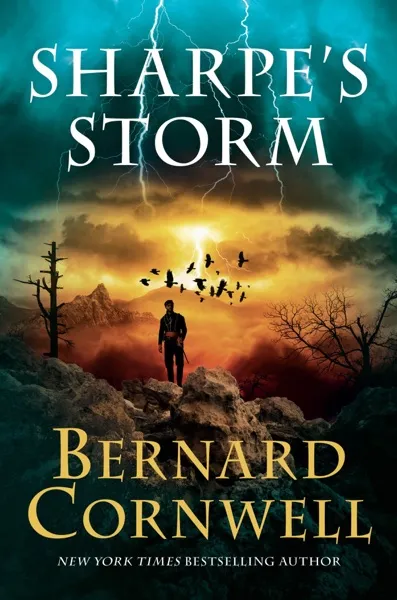
Sharpe's Storm Author: Bernard CornwellPage Count: UnknownPublication Year: 2024-GB Sharpe’s Storm: A Tempest of Heroism and Brutality Bernard Cornwell’s Sharpe’s Storm arrives as the latest thunderclap in his legendary Sharpe series, a saga that has enthralled readers for decades with its relentless blend of historical grit and rousing adventure. Set against the backdrop of the Napoleonic Wars, this installment promises to plunge Richard Sharpe—Cornwell’s indomitable rifleman—into a vortex of political intrigue, battlefield chaos, and personal vendettas. With Cornwell’s signature precision and flair, Sharpe’s Storm isn’t just a book; it’s a storm of its own, one that fans will feel buffeting their senses from the first page to the last. At its core, Sharpe’s Storm is a story of survival and defiance. The Napoleonic Wars were a crucible of human endurance, where nations clashed not just on battlefields but in the shadows of espionage and betrayal. Cornwell captures this with unflinching realism, painting a world where honor is a luxury few can afford. Sharpe, ever the outsider—a man of low birth thrust into the ranks of the aristocracy—finds himself once again at odds with the very system that seeks to use him. His loyalty is tested, his instincts honed by years of hardship, and his sword arm never wavers. This is Sharpe’s essence: a man who fights not for kings or causes, but for himself and those he cares about, even when the odds are insurmountable. Cornwell’s genius lies in his ability to make history feel alive. The Napoleonic Wars were a global conflagration, and Sharpe’s Storm doesn’t shy away from its scale. The reader is plunged into the mud and blood of Spain, the tension of occupied cities, and the desperation of those caught between warring armies. Cornwell’s research is meticulous, but his greatest triumph is in making the past feel immediate. You don’t just read about the Battle of Talavera or the guerilla warfare in the Peninsula; you experience them through Sharpe’s eyes. The rifleman’s perspective—his acute awareness of terrain, his tactical cunning, his gut-wrenching fear—transforms history from a dusty textbook into a visceral, heart-pounding spectacle. What sets Cornwell apart from mere historical fiction writers is his refusal to romanticize war. Sharpe is no invincible hero; he’s a man scarred by loss, haunted by past failures, and constantly tested by the cruelty of fate. Cornwell doesn’t glorify violence, yet he doesn’t shirk from its brutality either. Battles are chaotic, brutal affairs where courage and cowardice blur, and survival often hinges on sheer luck. In this, Sharpe’s Storm is a masterclass in tension. The pacing is relentless, each chapter a new skirmish, a new betrayal, or a new twist that keeps the reader locked in Sharpe’s world with white-knuckled intensity. The novel’s title is apt. A storm is unpredictable, destructive, and all-consuming—and so is the narrative of Sharpe’s Storm. Cornwell’s prose crackles with energy, his sentences sharp as a bayonet, his dialogue terse and charged with meaning. There’s no fat in this book; every word serves the story, every character exists for a reason, and every battle feels like a life-or-death gamble. Whether Sharpe is leading a desperate rearguard action, outwitting a cunning enemy officer, or navigating the treacherous politics of the British army, the reader is right there beside him, feeling the weight of his choices. Yet for all its action, Sharpe’s Storm is also a deeply personal story. Sharpe’s relationships—with his men, with his lovers, with his enemies—are as complex as the wars he fights. There’s a poignancy to his journey, a sense that despite his hard-won victories, he remains an outsider, forever caught between the world he was born into and the one he has fought to earn. Cornwell doesn’t shy away from Sharpe’s flaws, but he also doesn’t let them define him. Instead, Sharpe emerges as a man of resilience, a flawed but unforgettable hero who refuses to be broken. For longtime fans, Sharpe’s Storm will feel like coming home—a familiar yet exhilarating ride through territory they know and love. For newcomers, it’s a gateway into one of the most gripping historical series ever written. Cornwell doesn’t just write about war; he writes about the human spirit in its rawest form, and that’s why Sharpe endures. If Sharpe’s Storm is anything like its predecessors, it won’t just be a book—it will be an event. A storm that sweeps you up and doesn’t let go until the very last page. #SharpeSeries #NapoleonicWars #HistoricalFiction #BernardCornwell #RichardSharpe #MilitaryFiction Related InsightsThe Alchemist Book Review and Summary Family Remains Book Review and Summary La pitonisa y el idiota / The Prophet and the Idiot Book Review and Summary{ "@context": "https://schema.org", "@type": "FAQPage", "mainEntity": [ { "@type": "Question", "name": "What is the main focus of Sharpe's Storm Book Review and Summary?", "acceptedAnswer": { "@type": "Answer", "text": "Everything you need to know about Sharpe's Storm with our detailed review." } }, { "@type": "Question", "name": "Who authored the comprehensive guide on Sharpe's Storm Book Review and Summary?", "acceptedAnswer": { "@type": "Answer", "text": "This detailed article and its insights were carefully researched and authored by Antoine Leroy." } }, { "@type": "Question", "name": "Where can I find more related content about Books?", "acceptedAnswer": { "@type": "Answer", "text": "You can explore more articles, detailed reviews, and similar insights by browsing the Related Insights section at the bottom of this article or visiting our dedicated Books category page." } } ] }
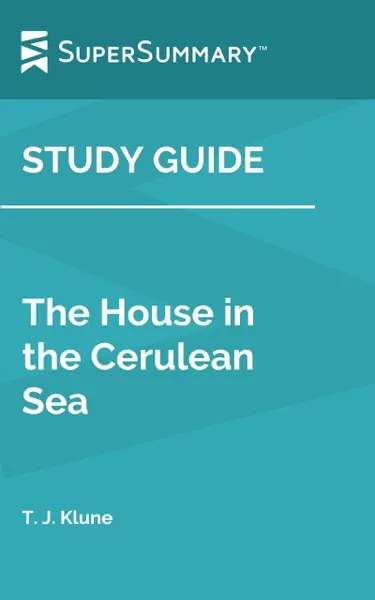
A Wish Upon the Stars Author: T. J. KlunePage Count: UnknownPublication Year: 2018-GB T. J. Klune’s A Wish Upon the Stars is a luminous testament to the idea that even in the darkest corners of the universe, kindness remains the most powerful magic of all. Published in 2018, this novel cements Klune’s reputation as a master storyteller of heartfelt, whimsical tales that blend fantasy with deep emotional resonance. Though the exact page count is unknown, the book’s impact feels boundless—less a story confined between covers and more an experience that lingers long after the final page. At its core, A Wish Upon the Stars explores the transformative power of compassion, especially when extended to those society deems unworthy or forgotten. The narrative unfolds in a universe where sentient beings—humans, aliens, and sentient machines—coexist in a fragile web of connection and conflict. Klune crafts a world that is both vast and intimately personal, where characters are defined not by their origins but by their capacity for empathy. The plot revolves around an unlikely friendship between a lonely, disillusioned man and an alien refugee marooned on a distant planet. Through their bond, the story interrogates themes of belonging, redemption, and the quiet courage it takes to see another soul as worthy of love. Klune’s writing style is deceptively simple, weaving prose that feels effortless yet carries profound weight. His sentences hum with warmth, humor, and quiet wisdom, avoiding pretension in favor of authenticity. There are no grand, overwrought metaphors here—just honest, grounded dialogue and moments of quiet reflection that resonate deeply. The author excels at creating characters who feel real, flawed, and deeply human, even when they’re not entirely human at all. His alien characters, in particular, are not monstrous or otherworldly in the traditional sci-fi sense, but tender, emotional beings who challenge Earth’s rigid definitions of worth. One of the book’s most striking strengths is its refusal to shy away from pain. Klune doesn’t flinch from depicting loneliness, loss, or the scars of past betrayals. Yet, he balances these darker notes with moments of pure joy—shared meals, unexpected laughter, the simple act of listening. This balance is where the book shines. It’s not a saccharine tale of easy happiness, but a story that insists hope is worth fighting for, even when the odds are against you. The title itself, A Wish Upon the Stars, is a poetic metaphor for the fragility and power of hope. A wish is a small thing, often dismissed as childish or naive. But Klune reminds us that wishes are the seeds of change—they are how we dare to believe in a better world. The novel’s climax hinges on a collective act of faith, a moment where belief becomes action, and that shift alters the fate of many. Klune’s storytelling voice is unmistakable: gentle but not weak, hopeful but not naive, whimsical but never frivolous. He writes with the soul of a poet and the heart of a caregiver, crafting stories that feel like a warm embrace in a cold universe. In an era where cynicism often trumps kindness, A Wish Upon the Stars is a defiant celebration of the latter. Ultimately, this book is a love letter to the outsiders—the misfits, the forgotten, the broken-hearted—and a reminder that their stories matter. It’s a story for anyone who has ever felt alone and dared to wish for connection. In Klune’s hands, even the coldest stars can become beacons of warmth. A Wish Upon the Stars is more than a novel; it’s an invitation—to see the magic in the ordinary, to extend a hand when it’s least expected, and to believe that no one is truly beyond redemption. #TJKlune #HeartwarmingFiction #SciFiWithHeart #HopeInDarkness #KindnessMatters #UpliftingReads Related InsightsThe Boys of Summer Book Review and Summary Me quiero, te quiero. El cuaderno / Love Me Love You. The Notebook Book Review and Summary Cryptonomicon Book Review and Summary{ "@context": "https://schema.org", "@type": "FAQPage", "mainEntity": [ { "@type": "Question", "name": "What is the main focus of A Wish Upon the Stars Book Review and Summary?", "acceptedAnswer": { "@type": "Answer", "text": "Everything you need to know about A Wish Upon the Stars with our detailed review." } }, { "@type": "Question", "name": "Who authored the comprehensive guide on A Wish Upon the Stars Book Review and Summary?", "acceptedAnswer": { "@type": "Answer", "text": "This detailed article and its insights were carefully researched and authored by James Miller." } }, { "@type": "Question", "name": "Where can I find more related content about Books?", "acceptedAnswer": { "@type": "Answer", "text": "You can explore more articles, detailed reviews, and similar insights by browsing the Related Insights section at the bottom of this article or visiting our dedicated Books category page." } } ] }
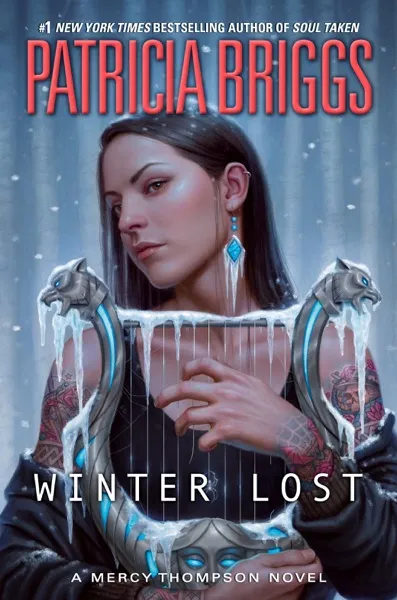
Winter Lost Author: Patricia BriggsPage Count: UnknownPublication Year: 2024-GB Patricia Briggs’ Winter Lost is a masterclass in blending mythic grandeur with intimate human drama, a hallmark of her storytelling that has cemented her reputation as a titan of modern fantasy. Released in 2024, this latest installment in her Alpha and Omega series arrives not just as a continuation of a beloved narrative but as a pivotal exploration of sacrifice, identity, and the relentless pull of duty. With her signature prose—sharp, evocative, and laden with emotional depth—Briggs crafts a tale that feels both timeless and urgently contemporary, where the supernatural and the deeply personal collide in ways that leave readers breathless. At its core, Winter Lost is a meditation on loss—not just the physical absence of loved ones, but the erosion of self that accompanies prolonged struggle. The story unfolds in a world where shifters and humans coexist in uneasy tension, where the very fabric of reality is tested by ancient forces and personal betrayals. Briggs doesn’t shy away from the brutal realities of survival; her characters are forged in fire, their choices shaped by trauma and loyalty. Yet, it’s in the quieter moments that the novel truly shines. The prose lingers on the weight of a shared glance, the ache of an unspoken apology, the quiet resilience of those who refuse to break. This is Briggs at her finest—balancing the grand, world-ending stakes with the microscopic battles of the heart. Her style is deceptively effortless, a testament to years of refining her craft. Briggs has a rare ability to make the supernatural feel visceral and immediate, grounding lycanthropy and magic in the sweat and grime of lived experience. The shifters of Winter Lost are not just mythic beasts; they are parents, warriors, and lovers, their internal conflicts as complex as the political machinations swirling around them. The dialogue crackles with tension, each exchange laden with subtext and history, while the action sequences are visceral without being gratuitous. Briggs trusts her readers to infer the weight of a character’s past, allowing the narrative to breathe in the spaces between words. One of the novel’s most compelling themes is the idea of legacy—what we inherit, what we discard, and what we choose to carry forward. The characters in Winter Lost are haunted by the choices of their predecessors, whether it’s the burden of a family name, the ghosts of past wars, or the unspoken expectations of a pack that demands both strength and mercy. Briggs explores this theme with nuance, avoiding the trap of simplistic heroism. Her protagonists are flawed, their victories hard-won and often pyrrhic. The antagonist, when they appear, is not a mustache-twirling villain but a figure whose pain and ambition make them tragically relatable. This moral complexity elevates the story beyond mere escapism, making it a mirror to our own struggles with duty and desire. The novel’s title, Winter Lost, is a masterstroke—evocative without being overly literal. Winter here is not just a season but a state of being: a time of scarcity, of hibernation, of testing. The characters are lost in more ways than one—estranged from home, from purpose, from each other. Yet, the title also hints at redemption, at the possibility of being found again. Briggs doesn’t offer easy answers, but she plants the seeds of hope in the most unlikely places. The final act, in particular, is a testament to her skill at crafting resolutions that feel earned rather than contrived. The emotional payoff is bittersweet, leaving readers with a sense of catharsis and a hunger for more. What sets Briggs apart from her peers is her unflinching focus on her characters’ interior lives. She doesn’t just write them; she lives in their heads, capturing the ebb and flow of their thoughts with a precision that borders on clairvoyance. Whether it’s the slow-burning tension between two lovers or the gnawing guilt of a leader who knows they’ve failed their people, Briggs makes the internal external. This intimacy is what makes her work resonate so deeply, turning what could be a mere adventure into a story about what it means to be human—or, in this case, what it means to be more than human. Winter Lost is a novel that demands to be read in one sitting, not because it’s lightweight, but because it’s impossible to look away. The stakes feel personal, the characters feel real, and the world Briggs has built feels vast enough to get lost in. It’s a book that lingers, not just in the mind but in the heart. For longtime fans of the series, it’s a reunion with old friends in a moment of crisis. For newcomers, it’s an invitation into a world where magic and humanity are inextricably intertwined, where the coldest winters are not the end, but the crucible of something new. Patricia Briggs has always been a writer who understands the power of story to heal, to challenge, and to transform. Winter Lost is no exception. It’s a novel about the cost of leadership, the price of love, and the unbreakable bonds that keep us tethered to each other even when the world tries to pull us apart. In an era where fantasy often leans toward spectacle over substance, Briggs reminds us why we fall in love with the genre in the first place—not for its dragons and spells, but for its humanity. #WinterLost #PatriciaBriggs #AlphaAndOmega #ShifterRomance #UrbanFantasy #BookReview
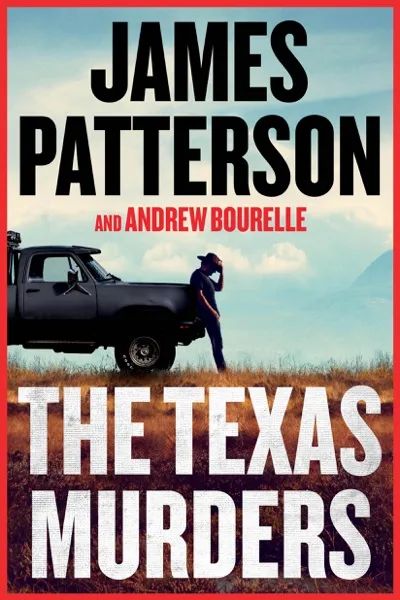
Texas Murders Author: James PattersonPage Count: UnknownPublication Year: 2025-GB Imagine yourself in the scorching heart of Texas, where the sun dips into the horizon and paints the sky with hues of crimson and gold, but the tranquility of the landscape is shattered by the echoes of terror and bloodshed. This is the world that James Patterson masterfully crafts in his latest thriller, Texas Murders, a book that has taken the literary world by storm and solidified its place as a global bestseller. Released in 2025, Texas Murders is a gripping tale that weaves together the darkest aspects of human nature, the complexities of justice, and the unrelenting pursuit of truth. At the core of Texas Murders are themes that have long fascinated Patterson - the blurred lines between good and evil, the psychological depths of human behavior, and the intricate web of motives that drive individuals to commit heinous crimes. These themes are meticulously explored through a cast of characters that are as complex as they are compelling. The protagonist, a detective with a troubled past, is a quintessential Patterson hero - brilliant, flawed, and unyieldingly dedicated to justice. As the story unfolds, the detective is plunged into a maze of clues, each leading deeper into the heart of darkness that has gripped Texas. Patterson's writing style in Texas Murders is quintessentially his own - fast-paced, suspenseful, and meticulously plotted. He has a knack for crafting scenes that are both vivid and visceral, plunging the reader into the midst of chaos and terror. His characters are multidimensional and relatable, with backstories that are skillfully woven into the fabric of the narrative. The result is a story that is as engaging as it is thought-provoking, challenging the reader to piece together the clues alongside the protagonist. One of the standout elements of Texas Murders is its ability to blend the personal with the procedural. Patterson delves deep into the personal lives of his characters, exploring their motivations, fears, and desires. This intimate approach humanizes the characters, making their actions and decisions all the more believable and impactful. At the same time, the procedural aspects of the novel - the investigation, the forensic analysis, the legal maneuvers - are meticulously detailed, lending an air of authenticity to the narrative. The setting of Texas itself becomes a character in the novel, its vast and often unforgiving landscape mirroring the emotional and psychological terrains that the characters must navigate. Patterson's depiction of Texas is both loving and unflinching, capturing the state's unique blend of rugged beauty and urban grit. From the dusty plains to the neon-lit cities, Texas is portrayed as a place of contradictions - a place where tradition and innovation coexist, where the past and present collide. Texas Murders is also notable for its exploration of contemporary issues - the role of media in shaping public opinion, the challenges faced by law enforcement in the digital age, and the enduring impact of trauma on individuals and communities. These themes are woven seamlessly into the narrative, adding depth and complexity to the story. In conclusion, Texas Murders by James Patterson is a masterful thriller that combines gripping suspense, complex characters, and a richly detailed setting. It is a testament to Patterson's skill as a storyteller that he can craft a narrative that is both entertaining and thought-provoking, appealing to a wide range of readers. Whether you are a longtime fan of Patterson's work or new to his writing, Texas Murders is a must-read for anyone who enjoys a good thriller. With its breakneck pace, intricate plot, and memorable characters, this book is sure to keep you on the edge of your seat from start to finish. #JamesPatterson #TexasMurders #ThrillerNovels #BestSellerBooks #CrimeFiction Related InsightsSoy Pilgrim / I Am Pilgrim Book Review and Summary Little Red House Book Review and Summary Nineteen Minutes Book Review and Summary{ "@context": "https://schema.org", "@type": "FAQPage", "mainEntity": [ { "@type": "Question", "name": "What is the main focus of **Texas Murders** Book Review and Summary?", "acceptedAnswer": { "@type": "Answer", "text": "Everything you need to know about **Texas Murders** with our detailed review." } }, { "@type": "Question", "name": "Who authored the comprehensive guide on **Texas Murders** Book Review and Summary?", "acceptedAnswer": { "@type": "Answer", "text": "This detailed article and its insights were carefully researched and authored by James Miller." } }, { "@type": "Question", "name": "Where can I find more related content about Books?", "acceptedAnswer": { "@type": "Answer", "text": "You can explore more articles, detailed reviews, and similar insights by browsing the Related Insights section at the bottom of this article or visiting our dedicated Books category page." } } ] }
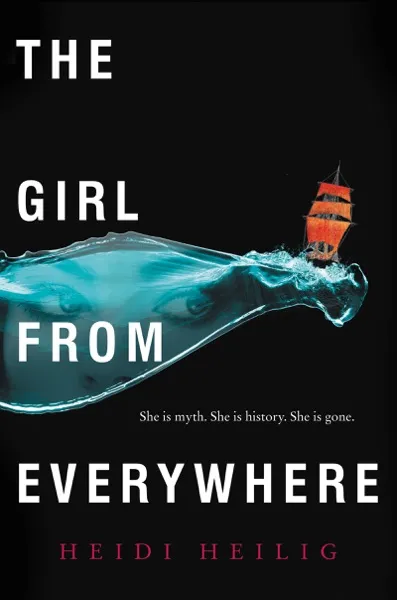
Thief among the Trees Author: Sabaa TahirPage Count: UnknownPublication Year: 2020-GB Sabaa Tahir’s Thief Among the Trees is a dazzling tale of survival, deception, and the blurred lines between hero and villain. As the third installment in the An Ember in the Ashes series, Tahir continues to weave a story that is as much about the strength of the human spirit as it is about the harsh realities of war and power. With her signature prose—lyrical yet gritty, lush yet unflinching—Tahir crafts a narrative that lingers long after the last page, leaving readers breathless and haunted. At its core, Thief Among the Trees explores the cost of ambition and the moral compromises that come with power. The story centers on Elias Veturius, a former Mask turned fugitive, now hunted by both the Empire and the rebels who once fought alongside him. His journey is one of redemption, but redemption is never clean or easy. Tahir forces her characters—and her readers—to confront uncomfortable truths: that survival often demands sacrifices, and that the line between justice and vengeance is razor-thin. Elias’s struggle isn’t just against external enemies but against the darkness within himself, a darkness that threatens to consume him as much as the Empire ever could. Tahir’s genius lies in her ability to balance high-stakes action with deep emotional introspection. The prose is rich with sensory detail, immersing the reader in the scorching deserts and crumbling ruins where Elias and his allies evade capture. Yet, what truly sets her writing apart is her unflinching portrayal of human resilience. The characters in Thief Among the Trees are flawed, broken, and sometimes morally ambiguous, but their struggles feel achingly real. Whether it’s Elias’s internal conflict or the quiet determination of characters like Laia and Helene, Tahir doesn’t shy away from the complexities of war and loyalty. The title itself, Thief Among the Trees, is a metaphor for the book’s central tension. Elias, once a thief in the truest sense, is now a fugitive stealing moments of peace in a world that offers none. The “trees” could symbolize the fleeting glimpses of hope or the shifting loyalties that define his journey. Tahir’s use of metaphor is subtle but powerful, enriching the narrative without overpowering it. One of the book’s most striking features is its pacing. Tahir doesn’t waste time on unnecessary exposition; instead, she plunges the reader into the action, trusting them to keep up. The dialogue crackles with tension, and the action sequences are visceral and immediate. Yet, amidst the chaos, there’s a sense of rhythm, a balance between chaos and contemplation that keeps the story from feeling overwhelming. The supporting cast is equally compelling. Laia’s growth from a frightened slave to a determined rebel is inspiring, while Helene’s struggle to reconcile duty with desire adds layers of complexity. Even minor characters feel vivid and real, their fates intertwined with the larger narrative in meaningful ways. Tahir’s world-building is another standout. The Empire and the resistance factions are vividly realized, with their own codes, cultures, and hierarchies. The world feels lived-in, a place where every decision has consequences. This attention to detail makes the stakes feel even higher, as readers come to care not just about the characters but about the world they inhabit. Ultimately, Thief Among the Trees is a meditation on what it means to be human in a world that often strips away humanity. It’s a story about the choices we make when pushed to our limits, and the price we pay for survival. Tahir doesn’t offer easy answers, but she does offer something far more valuable: a story that challenges, moves, and stays with you. For readers who love morally complex narratives, high-stakes action, and prose that sings, Thief Among the Trees is a must-read. It’s a book that demands your attention, rewards your investment, and leaves you hungry for more. #ThiefAmongTheTrees #SabaaTahir #AnEmberInTheAshes #FantasyBooks #DarkFantasy #YAFantasy Related InsightsCounting Miracles Book Review and Summary War and Peace and War Book Review and Summary The Bound Guardians of Knowledge: Unlocking the Enduring Legacy of Chained Libraries{ "@context": "https://schema.org", "@type": "FAQPage", "mainEntity": [ { "@type": "Question", "name": "What is the main focus of Thief among the Trees Book Review and Summary?", "acceptedAnswer": { "@type": "Answer", "text": "Everything you need to know about Thief among the Trees with our detailed review." } }, { "@type": "Question", "name": "Who authored the comprehensive guide on Thief among the Trees Book Review and Summary?", "acceptedAnswer": { "@type": "Answer", "text": "This detailed article and its insights were carefully researched and authored by Natalia Sokolova." } }, { "@type": "Question", "name": "Where can I find more related content about Books?", "acceptedAnswer": { "@type": "Answer", "text": "You can explore more articles, detailed reviews, and similar insights by browsing the Related Insights section at the bottom of this article or visiting our dedicated Books category page." } } ] }
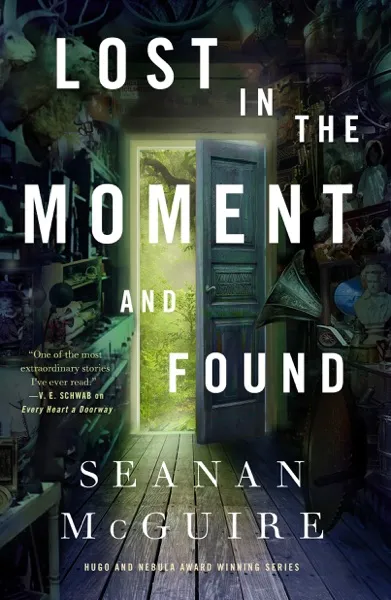
Lost in the Moment and Found Author: Seanan McGuirePage Count: UnknownPublication Year: 2023-GB Seanan McGuire’s Lost in the Moment and Found is a mesmerizing dance between time and memory, a story that lingers like the echo of a half-remembered dream. Published in 2023, this novel cements McGuire’s reputation as a master of speculative fiction, weaving a tale that is both deeply personal and universally resonant. With her signature blend of wit, heart, and uncanny imagination, she crafts a narrative that feels like stepping into a labyrinth of forgotten moments—where every turn reveals something unexpected, and every end is just another beginning. At its core, Lost in the Moment and Found explores the fragility of time and the ways in which memory shapes our identities. The story follows protagonist Elspeth, a woman who finds herself adrift in a shifting, surreal landscape where past, present, and future blur into one another. McGuire doesn’t just tell a story about time; she immerses the reader in its fluidity, making the abstract tangible through vivid, dreamlike prose. The world Elspeth inhabits is both familiar and alien—think the cozy corridors of a beloved library fused with the eerie, dream logic of a David Lynch film. Yet beneath the whimsy lies a poignant meditation on loss, resilience, and the stories we tell ourselves to survive. McGuire’s writing is deceptively accessible, laced with humor and warmth even in the face of profound themes. Her characters are vividly drawn, flawed yet endearing, and their struggles feel achingly real despite the fantastical backdrop. The dialogue crackles with sharp, naturalistic exchanges, while the prose effortlessly shifts between lyrical and grounded, mirroring the protagonist’s own journey through disorientation and clarity. There’s a melancholic beauty in the way McGuire handles time—not as a linear force, but as something malleable, something we can lose ourselves in or, perhaps, find ourselves through. The novel’s strength lies in its refusal to offer easy answers. Time, McGuire suggests, isn’t something to be conquered or controlled; it’s something to be experienced, even when it unravels us. The pacing is deliberate, allowing the story to unfold like a puzzle where the pieces only click into place when they’re ready. This might frustrate readers seeking a straightforward plot, but for those who appreciate the journey as much as the destination, Lost in the Moment and Found is a revelation. What truly sets this book apart, however, is McGuire’s ability to blend the fantastical with the deeply human. The surreal elements never overshadow the emotional core—if anything, they heighten it. The novel asks: What do we hold onto when everything else slips away? The answer, McGuire implies, isn’t in the moments we remember, but in the act of remembering itself. For fans of McGuire’s Wayward Children series or her other works like Every Heart a Doorway, this novel will feel like a natural evolution—more introspective, perhaps, but no less magical. For newcomers, it’s a masterclass in how to make the impossible feel intimate. Lost in the Moment and Found isn’t just a story about time; it’s a story about being human in a world that constantly tries to define us by its rules. Seanan McGuire has once again delivered a novel that lingers long after the last page. It’s a book that makes you question how much of your life is shaped by the moments you’ve lost—and how many of them you’ve found again, buried in the stories you tell yourself. #LostInTheMomentAndFound #SeananMcGuire #TimeTravelFiction #SpeculativeFiction #MagicalRealism #BookRecommendation Related InsightsEl nombre de la rosa (edición especial en tapa dura) / The Name of the Rose (Special Hardcover Edition) Book Review and Summary The 100 Hats of the Cat in the Hat: A Celebration of the 100th Day of School Book Review and Summary Hawk & Sparrow Book Review and Summary{ "@context": "https://schema.org", "@type": "FAQPage", "mainEntity": [ { "@type": "Question", "name": "What is the main focus of Lost in the Moment and Found Book Review and Summary?", "acceptedAnswer": { "@type": "Answer", "text": "Everything you need to know about Lost in the Moment and Found with our detailed review." } }, { "@type": "Question", "name": "Who authored the comprehensive guide on Lost in the Moment and Found Book Review and Summary?", "acceptedAnswer": { "@type": "Answer", "text": "This detailed article and its insights were carefully researched and authored by Natalia Sokolova." } }, { "@type": "Question", "name": "Where can I find more related content about Books?", "acceptedAnswer": { "@type": "Answer", "text": "You can explore more articles, detailed reviews, and similar insights by browsing the Related Insights section at the bottom of this article or visiting our dedicated Books category page." } } ] }
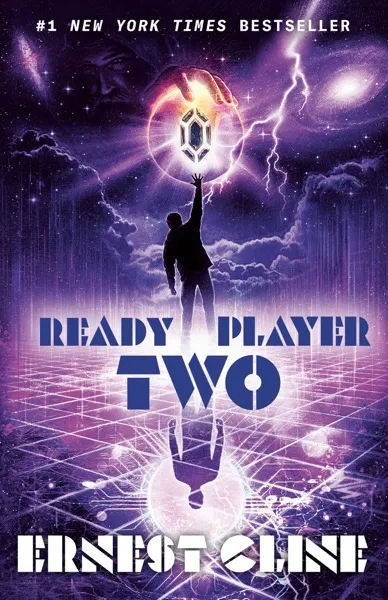
Ready Player Two Author: Ernest ClinePage Count: UnknownPublication Year: 2019-GB Ernest Cline’s Ready Player Two is a high-octane sequel that charges ahead with the same relentless energy as its predecessor, Ready Player One, but with a sharper focus on the ethical and emotional dilemmas of virtual existence. Released in 2019, this novel dives deeper into the OASIS—a sprawling digital universe that has become humanity’s primary escape from a dystopian reality. But where the first book was a love letter to '80s pop culture and a thrilling treasure hunt, Ready Player Two evolves into a meditation on legacy, power, and what it means to truly connect in a world increasingly mediated by technology. At its heart, the book explores the consequences of unchecked innovation. The OASIS, now a fully immersive digital realm co-founded by the novel’s protagonist, Wade Watts, has introduced a new layer of technology: the ONI (OASIS Neural Interface), a device that allows users to plug directly into the simulation, experiencing it not just through screens but through their senses. This breakthrough promises to revolutionize human interaction—or so it seems. The story’s central conflict arises when Wade discovers that his late best friend, James Halliday, has left behind a hidden layer of the OASIS, one that could either elevate humanity to new heights or enslave it to an unseen corporate overlord. Cline’s strength lies in his ability to blend nostalgia with futurism, creating a world that feels both comforting and disconcerting. His prose is accessible, even breezy, but it’s his meticulous world-building that truly shines. The OASIS is a treasure trove of references, from classic video games to iconic films, but Cline doesn’t just rely on nostalgia bait. Instead, he uses these cultural touchstones to explore how technology shapes identity and memory. The ONI, for instance, forces characters to confront the fragility of their own minds, raising questions about authenticity in a world where reality can be edited with a thought. One of the book’s most compelling themes is the idea of digital immortality. The ONI isn’t just a tool; it’s a bridge between life and death, allowing users to interact with AI constructs of deceased loved ones. This raises ethical quandaries: Is it healthy to cling to the past in a digital form? Can an AI truly replace a human presence? Cline doesn’t shy away from these tough questions, though his answers are often ambiguous, mirroring the complexity of the issues themselves. The novel’s villains, including a tech mogul who sees the OASIS as a means to consolidate power, embody the dangers of unchecked ambition—a timely critique in an era where Silicon Valley’s influence feels all-pervasive. Cline’s writing style is undeniably engaging, if occasionally uneven. His dialogue crackles with wit and pop culture references, making the book a joy to read for those who love his brand of geeky charm. However, some readers might find his pacing a bit too frenetic, with action sequences that blur together in a whirlwind of explosions, high-speed chases, and sudden plot twists. The book’s emotional core—Wade’s struggle with grief, responsibility, and the weight of Halliday’s legacy—sometimes gets lost in the spectacle, though it never disappears entirely. What makes Ready Player Two stand out is its willingness to confront the darker side of its own fantasy. The OASIS is a seductive escape, but Cline doesn’t let it remain a pure utopia. The novel’s climax forces characters to choose between comfort and freedom, between illusion and reality, in ways that feel both personal and philosophical. It’s a reminder that even in a world of endless possibility, the most important choices are often the hardest ones. Ultimately, Ready Player Two is more than just a sequel—it’s a cautionary tale wrapped in a thrilling adventure. It asks whether we’re building a better future or simply creating new cages for ourselves. Cline doesn’t provide easy answers, but his willingness to ask the questions makes the book a compelling read, especially for anyone who’s ever wondered what lies beyond the screen. #ReadyPlayerTwo #ErnestCline #VirtualReality #SciFiSequel #OASISAdventure #TechDystopia Related InsightsThe Lost Spectacular Book Review and Summary A Time to Kill Book Review and Summary Fifty Shades from Christian's Point of View Book Review and Summary{ "@context": "https://schema.org", "@type": "FAQPage", "mainEntity": [ { "@type": "Question", "name": "What is the main focus of Ready Player Two Book Review and Summary?", "acceptedAnswer": { "@type": "Answer", "text": "Everything you need to know about Ready Player Two with our detailed review." } }, { "@type": "Question", "name": "Who authored the comprehensive guide on Ready Player Two Book Review and Summary?", "acceptedAnswer": { "@type": "Answer", "text": "This detailed article and its insights were carefully researched and authored by Natalia Sokolova." } }, { "@type": "Question", "name": "Where can I find more related content about Books?", "acceptedAnswer": { "@type": "Answer", "text": "You can explore more articles, detailed reviews, and similar insights by browsing the Related Insights section at the bottom of this article or visiting our dedicated Books category page." } } ] }
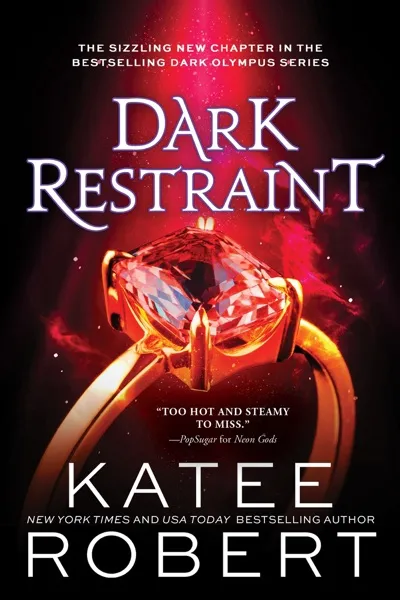
Dark Restraint Author: Katee RobertPage Count: UnknownPublication Year: 2024-GB Dark Restraint: A Masterclass in Dark Romance and Psychological Intensity Katee Robert’s Dark Restraint isn’t just another entry in the crowded field of dark romance—it’s a searing, masterfully crafted exploration of obsession, power, and the blurred lines between love and control. Published in 2024, this global bestseller cements Robert’s reputation as a writer who doesn’t just push boundaries; she obliterates them. With prose that drips with tension and characters who exist in the moral gray, Dark Restraint is a book that lingers long after the last page, leaving readers both exhilarated and unsettled. At its core, Dark Restraint is a love story, but not the kind that unfolds in sunlit gardens or whispered promises. It’s the kind that thrives in the shadows, where desire is indistinguishable from danger, and devotion is measured in stolen moments and whispered threats. Robert’s genius lies in her ability to make the reader root for a relationship that should, by all logical standards, repulse them. The protagonists—flawed, morally ambiguous, and utterly captivating—navigate a world where restraint isn’t just a choice but a necessity, and where love is as much about surrender as it is about possession. The novel’s unnamed narrator (a stroke of genius in itself, as her anonymity amplifies the sense of vulnerability) is a woman who has spent her life being controlled—by society, by men, by circumstance. Enter the enigmatic, morally complex antagonist-turned-lover (a role Robert executes with chilling precision). He is not a hero in the traditional sense; he’s a man who operates outside the law, who sees the world in absolutes, and who has little patience for the narrator’s hesitation. Their dynamic is electric, a push-and-pull that oscillates between tenderness and brutality with such seamless precision that it’s impossible to look away. Robert’s prose is a weapon, and she wields it with surgical precision. Her writing is visceral, dripping with sensory details that pull the reader into the narrator’s world—whether it’s the scent of leather and whiskey in a dimly lit room or the metallic tang of fear in the air. There’s a rawness to her descriptions that makes even the most taboo moments feel eerily plausible. She doesn’t shy away from the grotesque or the uncomfortable; instead, she invites the reader to stare into the abyss alongside her characters, daring them to look away. What sets Dark Restraint apart is its refusal to offer easy answers. Is love an act of liberation or oppression when it’s tangled with control? Can devotion and dominance coexist without destroying one another? Robert doesn’t provide pat resolutions. Instead, she crafts a narrative that forces the reader to grapple with their own moral compass, to question where they would draw the line—and whether those lines are even real to begin with. The pacing is relentless, a slow burn that explodes into a feverish crescendo, leaving the reader breathless. Robert’s ability to balance psychological depth with high-stakes tension is nothing short of extraordinary. She understands that the most terrifying love stories aren’t built on grand gestures but on quiet, insidious moments—whispers in the dark, a hand gripping a wrist just a little too tight, a promise that sounds like a threat. If Dark Restraint has one flaw, it’s that it’s almost too effective. By the time you reach the climax, you’ll find yourself questioning your own reactions—why you’re cheering for a relationship that should horrify you, why you’re holding your breath as the pages turn, why you can’t stop thinking about these characters hours after you’ve finished. That, perhaps, is the mark of a truly great dark romance: it doesn’t just entertain; it haunts. Katee Robert has once again proven why she’s a force to be reckoned with in contemporary romance. Dark Restraint isn’t for the faint of heart, but for those who crave stories that challenge, provoke, and consume, it’s an absolute must-read. #DarkRestraint #DarkRomance #ObsessionLit #MorallyGray #PsychologicalThriller #KateeRobert Related InsightsNever Say War: Life in Russia Today Book Review and Summary 5-Minute Spider-Man Stories (Marvel) (5-Minute Stories) Book Review and Summary Broken Throne Book Review and Summary{ "@context": "https://schema.org", "@type": "FAQPage", "mainEntity": [ { "@type": "Question", "name": "What is the main focus of Dark Restraint Book Review and Summary?", "acceptedAnswer": { "@type": "Answer", "text": "Everything you need to know about Dark Restraint with our detailed review." } }, { "@type": "Question", "name": "Who authored the comprehensive guide on Dark Restraint Book Review and Summary?", "acceptedAnswer": { "@type": "Answer", "text": "This detailed article and its insights were carefully researched and authored by James Miller." } }, { "@type": "Question", "name": "Where can I find more related content about Books?", "acceptedAnswer": { "@type": "Answer", "text": "You can explore more articles, detailed reviews, and similar insights by browsing the Related Insights section at the bottom of this article or visiting our dedicated Books category page." } } ] }
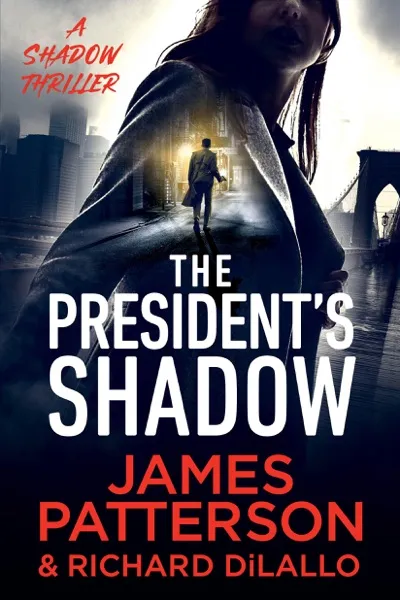
President's Shadow Author: James PattersonPage Count: UnknownPublication Year: 2025-GB In the world of thriller fiction, few authors have managed to captivate audiences quite like James Patterson, and his latest novel, "President's Shadow", is a testament to his unwavering skill. This gripping tale of power, corruption, and deceit has already taken the literary world by storm, and for good reason. At its core, "President's Shadow" is a story about the darker side of politics and the lengths to which individuals will go to achieve their goals. Patterson masterfully weaves together a complex web of characters, each with their own motivations and secrets, creating a sense of tension that permeates every page. The protagonist, a charismatic and resourceful individual, finds themselves entangled in a world of intrigue and deception, where the stakes are higher than ever before. One of the standout aspects of "President's Shadow" is its cast of characters. Patterson has always been known for his ability to craft relatable, well-rounded characters, and this novel is no exception. From the enigmatic and ruthless politicians to the brilliant and determined investigators, each character is meticulously crafted to add depth and complexity to the narrative. The author's use of character development is particularly noteworthy, as he skillfully reveals the inner workings of each character's mind, making it impossible not to become invested in their stories. Patterson's writing style is, as always, impeccable. His prose is concise and engaging, making it easy to become fully immersed in the world he has created. The pacing is expertly handled, with each chapter ending on a cliffhanger that propels the reader forward, desperate to uncover the truth. The author's use of language is also noteworthy, as he seamlessly blends action, suspense, and intrigue to create a narrative that is both thrilling and thought-provoking. One of the most impressive aspects of "President's Shadow" is its ability to tackle complex themes without ever feeling heavy-handed. Patterson explores the corrupting influence of power, the dangers of blind ambition, and the importance of accountability, all within the context of a gripping thriller. The result is a novel that is both entertaining and intellectually stimulating, making it a must-read for fans of the genre. Throughout the novel, Patterson's expertise in crafting a compelling narrative is on full display. The plot twists and turns, keeping the reader guessing until the very end. The author's use of misdirection is particularly effective, as he skillfully distracts from the true nature of the plot, making it impossible to predict what will happen next. In conclusion, "President's Shadow" is a masterclass in thriller writing. With its intricate plot, complex characters, and thought-provoking themes, it is a must-read for fans of the genre. Patterson's writing style is, as always, engaging and concise, making it easy to become fully immersed in the world he has created. If you're looking for a novel that will keep you on the edge of your seat, look no further than "President's Shadow". #JamesPatterson #PresidentsShadow #ThrillerFiction #BestSeller #BookReview Related InsightsSurvive the Night Book Review and Summary How to Love in Sanskrit: Ancient Poems for Modern Readers Book Review and Summary C1 And now you're speaking Book Review and Summary{ "@context": "https://schema.org", "@type": "FAQPage", "mainEntity": [ { "@type": "Question", "name": "What is the main focus of **President's Shadow** Book Review and Summary?", "acceptedAnswer": { "@type": "Answer", "text": "Everything you need to know about **President's Shadow** with our detailed review." } }, { "@type": "Question", "name": "Who authored the comprehensive guide on **President's Shadow** Book Review and Summary?", "acceptedAnswer": { "@type": "Answer", "text": "This detailed article and its insights were carefully researched and authored by James Miller." } }, { "@type": "Question", "name": "Where can I find more related content about Books?", "acceptedAnswer": { "@type": "Answer", "text": "You can explore more articles, detailed reviews, and similar insights by browsing the Related Insights section at the bottom of this article or visiting our dedicated Books category page." } } ] }
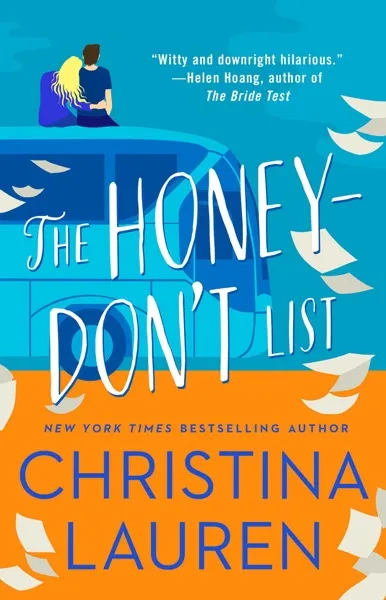
The Honey-Don't List Author: Christina LaurenPage Count: UnknownPublication Year: 2020-GB Christina Lauren’s The Honey-Don’t List is a deliciously witty and clever rom-com that blends the chaos of corporate culture with the sweet, sticky mess of office romances. Published in 2020, this novel is a standout in the genre, offering readers a sharp, contemporary take on love, ambition, and the blurred lines between professional and personal boundaries. At its core, the book explores the idea of "fake dating" gone rogue, but what sets it apart is its razor-sharp humor, relatable characters, and the way it skewers the absurdities of workplace dynamics. The story revolves around Carey Duncan, a talented but underappreciated freelance copywriter who gets pulled into a high-stakes project with her former boss, the infuriatingly charming—and infuriatingly attractive—James McCann. James is the creative force behind a wildly successful breakfast cereal brand, and his agency is desperate to revamp their image. Enter Carey, who’s been hired to help craft the perfect marketing campaign. What starts as a professional collaboration quickly spirals into a "honey-don’t" situation—James’s girlfriend insists they present as a happy couple in public to maintain a wholesome image, and Carey, needing the job, reluctantly agrees. What makes this premise so compelling is how Christina Lauren twists the classic fake-dating trope into something fresh and nuanced. Carey and James’s dynamic isn’t just about attraction; it’s about power, ego, and the unspoken rules of professional relationships. Carey, despite being the more level-headed of the two, finds herself constantly thrown by James’s unpredictable behavior—his charm, his arrogance, and his uncanny ability to make her question everything. Their banter is electric, filled with playful jabs and reluctant admiration, making their slow-burn romance feel earned and authentic. Christina Lauren’s writing style is a masterclass in balancing humor and heart. The dialogue crackles with wit, and the authors have a knack for crafting scenes that are both hilarious and deeply relatable. Whether it’s Carey’s exasperation with James’s antics or the sheer absurdity of corporate office culture, the book never shies away from poking fun at the ridiculousness of modern workplaces. At the same time, it grounds its humor in genuine emotional stakes, ensuring that the romance doesn’t feel superficial or forced. One of the book’s strongest suits is its exploration of female ambition and the double standards women face in the workplace. Carey’s journey is one of self-discovery—she’s fiercely intelligent and capable, yet she often downplays her own worth in the face of male ego. James, while flawed, serves as a mirror for her own insecurities, and their relationship forces her to confront her fears about being undervalued. The authors handle this theme with delicacy, avoiding didacticism while still delivering a powerful message about equality and respect. The pacing of The Honey-Don’t List is another highlight. Christina Lauren keeps the story moving at a brisk, engaging pace, with enough twists and turns to keep readers hooked. The chemistry between Carey and James is undeniable, and their emotional growth—both individually and as a couple—feels organic and satisfying. The supporting cast, from Carey’s quirky roommate to James’s eccentric colleagues, adds depth and humor to the narrative, making the world of the book feel vivid and alive. For fans of workplace romances like The Hating Game or Bella Andre’s The Catch, The Honey-Don’t List is a must-read. It’s a book that makes you laugh out loud one moment and swoon the next, all while keeping you invested in the characters’ journeys. Christina Lauren has crafted a story that’s as smart as it is entertaining, proving once again why they’re a powerhouse in contemporary romance. If you’re looking for a book that delivers on humor, heart, and a healthy dose of sexual tension, The Honey-Don’t List is the perfect pick. It’s a reminder that sometimes the best relationships start with a little professional friction—and a lot of honey-don’t moments. #HoneyDontList #ChristinaLauren #FakeDating #OfficeRomance #RomCom #BookTok Related InsightsSpirit Bound Book Review and Summary Julius Caesar Book Review and Summary Chain of Thorns Book Review and Summary{ "@context": "https://schema.org", "@type": "FAQPage", "mainEntity": [ { "@type": "Question", "name": "What is the main focus of The Honey-Don't List Book Review and Summary?", "acceptedAnswer": { "@type": "Answer", "text": "Everything you need to know about The Honey-Don't List with our detailed review." } }, { "@type": "Question", "name": "Who authored the comprehensive guide on The Honey-Don't List Book Review and Summary?", "acceptedAnswer": { "@type": "Answer", "text": "This detailed article and its insights were carefully researched and authored by Natalia Sokolova." } }, { "@type": "Question", "name": "Where can I find more related content about Books?", "acceptedAnswer": { "@type": "Answer", "text": "You can explore more articles, detailed reviews, and similar insights by browsing the Related Insights section at the bottom of this article or visiting our dedicated Books category page." } } ] }
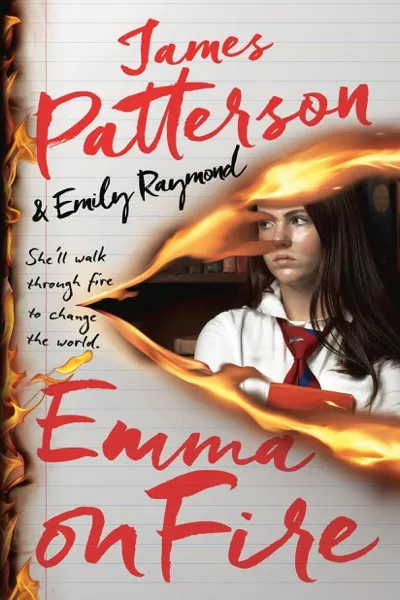
Emma on Fire Author: James PattersonPage Count: UnknownPublication Year: 2025-GB Emma on Fire: A Literary Inferno That Burns Brighter Than Ever James Patterson has done it again—this time with a novel that crackles with intensity, emotion, and the kind of relentless momentum that has made him a household name. Emma on Fire, his latest masterpiece slated for 2025, is not just another thriller; it’s a blazing testament to the power of human resilience, the scars of the past, and the fire that ignites when justice is denied. With a premise that feels both timeless and urgently modern, Patterson delivers a story that will leave readers breathless, questioning, and utterly consumed. At its heart, Emma on Fire is a story of vengeance and redemption, but it’s so much more than that. Patterson explores the duality of fire—how it can destroy, yet also purify. The titular Emma is a woman who has been forged in the flames of betrayal, her spirit tempered by loss and injustice. When the past resurfaces with a vengeance, she must confront the demons that have haunted her while navigating a world that seems determined to keep her in the dark. The novel’s central conflict is a masterclass in tension, blending psychological depth with high-stakes action that never lets up. One of the most compelling aspects of Emma on Fire is its protagonist. Emma is not your typical heroine—she’s flawed, haunted, and driven by a fire that borders on obsession. Patterson excels at crafting characters who feel achingly real, their motivations layered with complexity. Emma’s journey is one of self-discovery, where every step forward is met with a new obstacle, forcing her to confront not just her enemies, but herself. The supporting cast is equally rich, with allies and adversaries who add depth to the narrative, each playing a crucial role in Emma’s evolution. Patterson’s writing style is, as always, razor-sharp and accessible. He has a knack for blending fast-paced action with moments of quiet introspection, creating a rhythm that keeps readers engaged from the first page to the last. His prose is clean and direct, yet it carries an emotional weight that lingers long after the final chapter. The dialogue crackles with authenticity, and the pacing is relentless, ensuring that Emma on Fire is impossible to put down. Themes of justice, forgiveness, and the cyclical nature of violence are woven throughout the novel, elevating it beyond a mere thriller. Patterson doesn’t shy away from the moral ambiguities of his characters’ choices, instead inviting readers to grapple with the same questions Emma faces. What does it mean to seek justice when the system has failed you? Can vengeance ever be justified, or does it only lead to more destruction? These are the kinds of questions that linger, haunting the reader long after the book is closed. Emma on Fire is also a testament to Patterson’s ability to evolve with the times. While his signature style remains intact, the novel feels fresh and relevant, tackling issues that resonate in today’s world. The stakes are high, the characters are compelling, and the stakes never feel contrived. It’s a story that demands to be read in one sitting, a testament to Patterson’s unparalleled storytelling prowess. For fans of Patterson’s work, Emma on Fire is a must-read—a novel that delivers everything they love about his writing while pushing the boundaries of what a thriller can be. For newcomers, it’s the perfect introduction to one of the most influential authors of our time. Whether you’re a lover of suspense, a fan of complex characters, or simply someone who enjoys a story that burns bright from start to finish, this book is an inferno you won’t want to miss. James Patterson has once again proven why he remains at the top of his game. Emma on Fire is more than just a bestseller—it’s a literary wildfire, a story that will ignite your imagination and leave you breathless. #JamesPatterson #EmmaOnFire #ThrillerBooks #MustRead2025 #BookReview Related InsightsThe Goldfinch Book Review and Summary A Wizard of Earthsea Book Review and Summary An Immaculate Deception Book Review and Summary{ "@context": "https://schema.org", "@type": "FAQPage", "mainEntity": [ { "@type": "Question", "name": "What is the main focus of **Emma on Fire** Book Review and Summary?", "acceptedAnswer": { "@type": "Answer", "text": "Everything you need to know about **Emma on Fire** with our detailed review." } }, { "@type": "Question", "name": "Who authored the comprehensive guide on **Emma on Fire** Book Review and Summary?", "acceptedAnswer": { "@type": "Answer", "text": "This detailed article and its insights were carefully researched and authored by James Miller." } }, { "@type": "Question", "name": "Where can I find more related content about Books?", "acceptedAnswer": { "@type": "Answer", "text": "You can explore more articles, detailed reviews, and similar insights by browsing the Related Insights section at the bottom of this article or visiting our dedicated Books category page." } } ] }
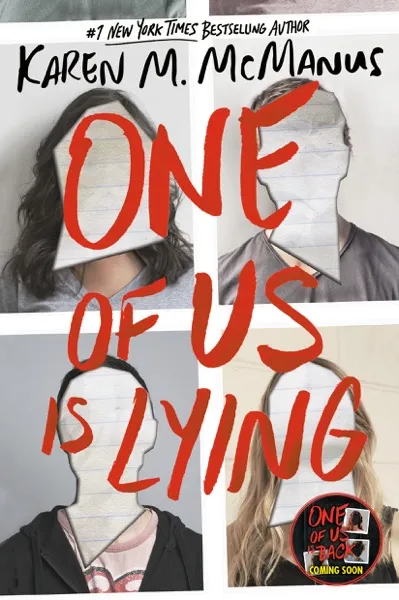
Karen M. Mcmanus 2-Book Box Set Author: Karen M. McManusPage Count: UnknownPublication Year: 2020-GB Karen M. McManus’s Two-Book Box Set is a masterclass in YA mystery, blending sharp wit, intricate plotting, and a cast of flawed, unforgettable characters into a narrative that grabs you from the first page and refuses to let go. This box set—likely containing One of Us Is Lying and One of Us Is Next—stands as a testament to McManus’s ability to reinvent the genre while keeping its core appeal: the thrill of the unknown and the intoxicating rush of solving secrets alongside the story’s heroes. At its heart, McManus’s work thrives on the power of perception and the way lies can distort reality. Both books in this set explore how a single moment—a rumor, a misplaced word, a hidden truth—can spiral into chaos, shaping lives in ways no one could foresee. The first book, One of Us Is Lying, reimagines the classic Breakfast Club trope: five students enter detention, but only four leave alive. The dead boy, Simon, was the school’s resident gossip, and as the survivors scramble to cover their tracks, they uncover just how much Simon knew—and how much their own secrets could destroy them. McManus twists the premise into a high-stakes whodunit where every character is both suspect and victim, their motives buried under layers of guilt and denial. The sequel, One of Us Is Next, takes the concept even further by shifting the focus to the next generation. This time, the mystery revolves around a game of truth or dare gone horribly wrong, where anonymous messages expose dark secrets in a small town. The book explores themes of digital voyeurism, peer pressure, and the way trauma lingers across generations. McManus doesn’t shy away from the darker consequences of her characters’ actions, making the story feel raw and unflinching. Both books, though standalone in their plots, are thematically linked by the idea that the past is never truly buried—and that the truth, no matter how painful, has a way of resurfacing. What sets McManus apart from other YA mystery writers is her razor-sharp characterization. Her protagonists are far from perfect; they lie, they manipulate, they make terrible choices. Yet, it’s precisely their humanity that makes them compelling. In One of Us Is Lying, Bronwyn, the overachiever, discovers that her meticulous reputation is a fragile facade; Addy, the popular girl, grapples with the cost of her image; and Cooper, the athlete hiding a secret, learns that heroism often comes with a price. McManus gives each character a distinct voice—Bronwyn’s dry sarcasm, Nate’s street-smart cynicism, Phoebe’s unraveling paranoia—and lets their perspectives collide in ways that feel both authentic and suspenseful. Her writing style is deceptively simple, lulling readers into a false sense of security before slamming them with twists that land with the force of a gut punch. McManus excels at misdirection, planting red herrings that seem plausible right up until the moment the rug is pulled out from under you. The pacing is relentless, with chapters that end on cliffhangers so effective they demand you keep reading long past your bedtime. Yet, beneath the surface-level thrills, she weaves in deeper questions about justice, redemption, and the weight of secrets—making her books feel more than just entertainment. They’re psychological puzzles that linger in your mind long after the last page. The box set’s appeal is undeniable for fans of the genre. If you loved Pretty Little Liars or Gossip Girl but crave something darker and more grounded, McManus delivers. Her stories feel like the natural evolution of teen mysteries, stripping away the supernatural elements to focus on the very real horrors of high school hierarchies, social media shaming, and the fallout of a single lie. The books aren’t afraid to punish their characters for their mistakes, which only heightens the stakes. In an era where YA often leans into either saccharine romance or dystopian extremes, McManus carves out a niche that’s both smart and satisfying. She understands that the best mysteries aren’t just about who did it—they’re about why it matters. And in the end, that’s what makes her box set so addictive: it’s not just a puzzle to be solved, but a story about the lies we tell ourselves and the truths we can’t outrun. #OneOfUsIsLying #YAThriller #KarenMcManus #TeenMystery #BookBoxSet #MustReadYA Related InsightsViper & Lilies (Sisters of Flowers and Flames, #1) Book Review and Summary A Room with a View Book Review and Summary Dead Lift Book Review and Summary{ "@context": "https://schema.org", "@type": "FAQPage", "mainEntity": [ { "@type": "Question", "name": "What is the main focus of Karen M. Mcmanus 2-Book Box Set Book Review and Summary?", "acceptedAnswer": { "@type": "Answer", "text": "Everything you need to know about Karen M. Mcmanus 2-Book Box Set with our detailed review." } }, { "@type": "Question", "name": "Who authored the comprehensive guide on Karen M. Mcmanus 2-Book Box Set Book Review and Summary?", "acceptedAnswer": { "@type": "Answer", "text": "This detailed article and its insights were carefully researched and authored by Natalia Sokolova." } }, { "@type": "Question", "name": "Where can I find more related content about Books?", "acceptedAnswer": { "@type": "Answer", "text": "You can explore more articles, detailed reviews, and similar insights by browsing the Related Insights section at the bottom of this article or visiting our dedicated Books category page." } } ] }
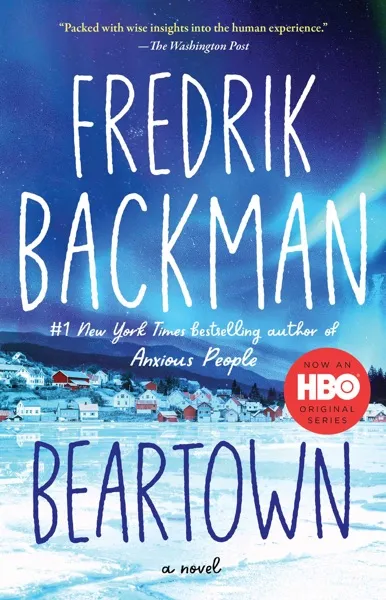
Beartown (Spanish Edition) Author: Fredrik BackmanPage Count: UnknownPublication Year: 2023-GB Fredrik Backman’s Beartown is more than a novel—it’s a visceral experience that lingers long after the final page. Translated into Spanish in 2023, this Swedish masterpiece continues to captivate readers worldwide with its raw emotional power and unflinching exploration of community, ambition, and the fractures beneath the surface of small-town life. Backman, known for his keen insight into human nature, crafts a story that is as much about the fragility of dreams as it is about the weight of expectations, all set against the backdrop of a dying forest town where hockey is the heartbeat—and the battleground—of survival. At its core, Beartown is a story about loyalty and betrayal, about the stories we tell ourselves to make sense of the world, and about the lies we tell to protect the ones we love. The town of Beartown is a character in itself—a place where every resident’s identity is tied to the local junior ice hockey team, a team that could be their ticket out of poverty or their ticket to damnation. When a violent act shatters the community, the fragile alliances that held Beartown together begin to unravel, exposing the ugliness beneath the glittering ice and forced camaraderie. Backman’s genius lies in his ability to weave multiple perspectives into a tapestry of conflicting truths. There’s Peter Andersson, the once-great hockey player turned general manager of the team, whose ambition has blinded him to the moral decay around him. His wife, Mira, a biology teacher, represents the voice of reason, but even she is complicit in the town’s silence. Then there’s Maya, the 17-year-old daughter of the Andersson family, whose quiet rebellion against her father’s obsession with hockey becomes a catalyst for the town’s reckoning. And let’s not forget the players themselves—the broken, the talented, the desperate—each carrying their own burdens in a town that demands everything and offers little in return. What makes Beartown so compelling is Backman’s refusal to offer easy answers. There are no heroes or villains here, only people shaped by their circumstances, making choices that are as understandable as they are heartbreaking. The novel doesn’t shy away from the complexities of consent, power, and complicity, forcing readers to confront uncomfortable questions: How far would you go to protect your child? Would you ignore a crime to save a dream? The answers aren’t simple, and Backman doesn’t pretend they should be. Backman’s prose is deceptively simple, a style that belies the depth of his storytelling. His sentences are clean, his dialogue sharp, and his descriptions vivid—but it’s the emotional undercurrents that truly resonate. He writes with a warmth that makes even the most flawed characters feel real, their struggles relatable. There’s a humor in his writing, too, a dark and oftentimes biting wit that cuts through the tragedy, reminding us that even in despair, there is humanity. One of the most striking aspects of Beartown is how it captures the essence of a community in crisis. The town isn’t just a setting; it’s a living, breathing organism with its own rules, its own myths, and its own capacity for destruction. The hockey team isn’t just a sports team—it’s a symbol of hope, a lifeline, and a crushing burden all at once. Backman’s exploration of how a community can both uplift and destroy its members is nothing short of masterful. Ultimately, Beartown is a novel about the cost of silence. It’s about what happens when a town chooses a story over the truth, when loyalty becomes a prison, and when the dreams we cling to become the chains that bind us. It’s a story that will make you laugh, cry, and rage—sometimes all within the same paragraph. And it’s a story that will leave you questioning what you would do if you lived in Beartown, where every choice has the power to define a life. Fredrik Backman has done it again. With Beartown, he doesn’t just write a book; he crafts an experience that challenges, provokes, and lingers. It’s a testament to the power of literature to hold up a mirror to society and force us to look—really look—at the world we’ve created. #Beartown #FredrikBackman #SmallTownDrama #HockeyNovel #CommunityAndConflict #MustRead Related InsightsThis Door of the Seas Book Review and Summary Estuche Jane Austen (Contiene: Orgullo y prejuicio / Sentido y sensibilidad) / Jane Austen Box Set (includes: Pride and Prejudice / Sense and Sensibility) Book Review and Summary Magnificent Book of Butterflies and Moths Book Review and Summary{ "@context": "https://schema.org", "@type": "FAQPage", "mainEntity": [ { "@type": "Question", "name": "What is the main focus of Beartown (Spanish Edition) Book Review and Summary?", "acceptedAnswer": { "@type": "Answer", "text": "Everything you need to know about Beartown (Spanish Edition) with our detailed review." } }, { "@type": "Question", "name": "Who authored the comprehensive guide on Beartown (Spanish Edition) Book Review and Summary?", "acceptedAnswer": { "@type": "Answer", "text": "This detailed article and its insights were carefully researched and authored by Antoine Leroy." } }, { "@type": "Question", "name": "Where can I find more related content about Books?", "acceptedAnswer": { "@type": "Answer", "text": "You can explore more articles, detailed reviews, and similar insights by browsing the Related Insights section at the bottom of this article or visiting our dedicated Books category page." } } ] }
Wild EXPORT Author: Kristin HannahPage Count: UnknownPublication Year: 2021-GB Kristin Hannah’s Wild Exports (2020) is a breathtaking exploration of resilience, reinvention, and the quiet battles women wage against their own limits. Though marketed as a standalone novel, it echoes Hannah’s signature blend of raw emotion, vivid landscapes, and deeply human stories—earning comparisons to her breakout hits like The Nightingale and Firefly Lane. At its heart, the book is about survival—not the kind that makes headlines, but the kind that happens in the quiet, stubborn spaces between grief and hope. The story follows a group of women from different walks of life who are drawn together by circumstance, each carrying secrets that weigh as heavily as their backpacks. When a chance encounter at a remote outdoor supply store in Montana sparks a reckless decision—an international expedition to export rare wildflowers—they embark on a journey that is as much about the terrain outside as it is about the terrain within. Hannah excels at weaving personal trauma with external adventure, and here, she crafts a narrative where the wilderness becomes a mirror for the characters’ inner landscapes. The wildflower export isn’t just a plot device; it’s a metaphor for growth, fragility, and the courage to bloom where you’re planted. What sets Wild Exports apart is Hannah’s ability to balance sweeping emotional arcs with meticulous attention to detail. Her prose is rich but never overwrought, painting the Montana wilderness with the same care she reserves for her characters’ emotional wounds. She doesn’t flinch from depicting pain—whether it’s the slow unraveling of a marriage, the haunting loss of a child, or the creeping dread of irrelevance—but she infuses each struggle with a stubborn, almost feral hope. One character’s struggle with infertility is rendered with such tenderness that it feels like a physical ache; another’s battle with addiction is depicted not as a moral failing but as a disease, portrayed with clinical precision and deep empathy. Hannah’s strength lies in her female characters, and Wild Exports is no exception. Each woman is flawed, fiercely independent, and burdened by expectations she never asked to carry. There’s the former corporate lawyer turned reluctant botanist, whose meticulous plans are upended by the unpredictable forces of nature and human connection. There’s the single mother, hardened by years of sacrifice, who discovers that love doesn’t always look like what she imagined. And then there’s the enigmatic guide, whose own past is a locked garden, guarded by thorns. These women are not heroes in the traditional sense; they’re survivors, stumbling toward grace, their victories small but hard-won. The book’s pacing mirrors the natural world it celebrates—slow to start, deliberate in its build, and then suddenly, breathtakingly alive. Hannah doesn’t rush her characters toward redemption. Instead, she lets them wander, make mistakes, and find their way back, often through the unlikeliest of connections. The expedition itself is a brilliant narrative device, forcing these women out of their comfort zones and into a crucible of shared vulnerability. The wildflowers they seek to export—rare, delicate, and resilient—become a symbol of what they’re fighting to preserve: beauty in hard places, strength in fragility. Hannah’s style is deceptively simple. She writes with a clarity that belies the depth of her themes, using spare, evocative language to evoke everything from the scent of pine to the ache of loneliness. Dialogue crackles with authenticity, and her ability to capture the rhythms of female friendship—its humor, its sharp edges, its unspoken bonds—is nothing short of masterful. There are moments in Wild Exports that feel like a punch to the gut, not because they’re melodramatic, but because they’re so achingly real. Yet, for all its darkness, the novel is ultimately a celebration of resilience. It’s a story about women who refuse to be tamed, who find strength in their scars, and who learn that sometimes, the greatest export isn’t what you sell, but what you carry within. Hannah doesn’t offer easy answers, but she does offer something more valuable: the quiet permission to keep going, even when the path is unclear. Wild Exports is a book that lingers long after the last page, like the scent of wildflowers in the mountains—faint, but unforgettable. It’s a testament to the idea that the wildest things we do aren’t the ones we plan, but the ones we stumble into when we’re brave enough to keep walking. #WildExports #KristinHannah #WomenOvercoming #NatureAndNurture #BookReview #StrongFemaleLeads Related InsightsSeabiscuit Book Review and Summary Harbinger Book Review and Summary Desert Star Book Review and Summary{ "@context": "https://schema.org", "@type": "FAQPage", "mainEntity": [ { "@type": "Question", "name": "What is the main focus of Wild EXPORT Book Review and Summary?", "acceptedAnswer": { "@type": "Answer", "text": "Everything you need to know about Wild EXPORT with our detailed review." } }, { "@type": "Question", "name": "Who authored the comprehensive guide on Wild EXPORT Book Review and Summary?", "acceptedAnswer": { "@type": "Answer", "text": "This detailed article and its insights were carefully researched and authored by James Miller." } }, { "@type": "Question", "name": "Where can I find more related content about Books?", "acceptedAnswer": { "@type": "Answer", "text": "You can explore more articles, detailed reviews, and similar insights by browsing the Related Insights section at the bottom of this article or visiting our dedicated Books category page." } } ] }
-
 James Miller
 - 11 Mar, 2025 20:23
**Estuche Stephen King. El rey del terror. Tres novelas clásicas** Book Review and Summary
Estuche Stephen King. El rey del terror. Tres novelas clásicas Author: Stephen KingPage Count: UnknownPublication Year: 2022-GB Unleash the Darkness: Why Stephen King’s El rey del terror is a Masterclass in Horror Few names in literature evoke the same spine-tingling dread as Stephen King. For decades, the "King of Horror" has woven nightmares into prose, crafting stories that linger long after the last page is turned. His latest collection, Estuche Stephen King. El rey del terror. Tres novelas clásicas, is a chilling testament to his unparalleled ability to tap into humanity’s deepest fears. Whether you’re a longtime fan or a newcomer to his work, this anthology is a must-read—a haunting journey through three of his most iconic novels, each a masterpiece in its own right. At the heart of King’s genius lies his unmatched talent for exploring the human psyche. In El rey del terror, he doesn’t just scare; he dissects the fragility of the human mind, the terror of the unknown, and the monsters that lurk within us all. The three novels featured in this collection—It, The Shining, and Misery—are not merely tales of horror; they are psychological odysseys that force readers to confront their own fears. King’s protagonists are often ordinary people thrust into extraordinary circumstances, making their struggles relatable even as the supernatural or psychological horrors escalate. This relatability is key to his enduring appeal—he doesn’t just tell stories; he invites us to step into the shoes of his characters and experience their terror firsthand. One of King’s most striking strengths is his ability to craft unforgettable characters. In It, the Losers’ Club—a group of children battling an ancient evil—feels like a family, their bonds forged in the fires of shared trauma. The novel’s dual timeline, shifting between their childhood and adulthood, adds depth to their relationships and underscores the inescapable nature of their past. Meanwhile, The Shining introduces us to Jack Torrance, a man whose descent into madness is as tragic as it is terrifying. King’s portrayal of Jack’s unraveling is a masterclass in character development, making his transformation all the more chilling. And then there’s Misery, where the relationship between novelist Paul Sheldon and his "number one fan," Annie Wilkes, becomes a claustrophobic nightmare of obsession and survival. Each of these characters feels real, their flaws and fears making them all the more compelling. King’s writing style is another reason his work resonates so deeply. His prose is accessible yet rich, blending everyday details with supernatural horror to create a sense of unease that creeps up on you. He excels at building tension, layering his narratives with small, unsettling moments that gradually escalate into full-blown terror. His dialogue crackles with authenticity, and his descriptions—whether of a haunted hotel, a sewer-dwelling clown, or a remote Colorado lodge—are vivid enough to transport readers into his nightmarish worlds. King also has a knack for blending humor and horror, a balance that keeps his stories from becoming overwhelmingly bleak. Even in the darkest moments, there’s a glimmer of humanity that makes his work feel grounded. The themes explored in El rey del terror are as timeless as they are terrifying. Fear of the past, the corrupting influence of power, and the fragility of the human mind are recurring motifs that elevate these stories beyond mere entertainment. In It, the fear of childhood trauma and the passage of time is palpable, while The Shining delves into the destructive nature of obsession and isolation. Misery, on the other hand, is a harrowing exploration of fandom gone wrong, a darkly satirical take on the relationship between artists and their audiences. These themes resonate because they tap into universal anxieties—fear of the unknown, fear of losing control, and fear of being consumed by forces beyond our understanding. For readers new to King’s work, El rey del terror is the perfect introduction to his vast and varied oeuvre. The three novels included here showcase his range—from the supernatural terror of It to the psychological horror of The Shining and the intense, character-driven suspense of Misery. Each story stands on its own, but together, they form a cohesive exploration of fear in all its forms. And for longtime fans, this collection is a chance to revisit these classics with fresh eyes, appreciating the nuances and craftsmanship that have made King a literary icon. In a world where horror is often dismissed as mere shock value, Stephen King’s El rey del terror proves that true terror is about more than jump scares or gore—it’s about the darkness that resides within us all. His ability to blend the supernatural with the deeply human is what sets him apart, making his work as thought-provoking as it is terrifying. Whether you’re reading It for the first time or revisiting the Overlook Hotel, this collection is a reminder of why King remains the undisputed king of horror. #StephenKing #HorrorBooks #BookReview #ItTheShiningMisery #HorrorLiterature Related InsightsZwischen gesellschaftlicher Maskerade und wahrhaftiger Liebe: Die Anatomie von Jane Austens 'Stolz und Vorurteil' In the Lives of Puppets Book Review and Summary Forged in Rome Book Review and Summary{ "@context": "https://schema.org", "@type": "FAQPage", "mainEntity": [ { "@type": "Question", "name": "What is the main focus of **Estuche Stephen King. El rey del terror. Tres novelas clásicas** Book Review and Summary?", "acceptedAnswer": { "@type": "Answer", "text": "Everything you need to know about **Estuche Stephen King. El rey del terror. Tres novelas clásicas** with our detailed review." } }, { "@type": "Question", "name": "Who authored the comprehensive guide on **Estuche Stephen King. El rey del terror. Tres novelas clásicas** Book Review and Summary?", "acceptedAnswer": { "@type": "Answer", "text": "This detailed article and its insights were carefully researched and authored by James Miller." } }, { "@type": "Question", "name": "Where can I find more related content about Books?", "acceptedAnswer": { "@type": "Answer", "text": "You can explore more articles, detailed reviews, and similar insights by browsing the Related Insights section at the bottom of this article or visiting our dedicated Books category page." } } ] }
The City and Its Uncertain Walls Author: 村上春樹Page Count: UnknownPublication Year: 2024-GB Haruki Murakami’s The City and Its Uncertain Walls is a masterclass in weaving the mundane with the mystical, a novel that feels both intimate and vast, much like the labyrinthine streets of the city it inhabits. Published in 2024 to immediate acclaim, this book reaffirms Murakami’s status as a literary alchemist, transforming the ordinary into something hauntingly surreal. At its core, the novel explores the fragility of memory, the permeability of reality, and the way cities—both physical and psychological—shape our identities. It is a work that lingers, not just in the mind but in the bones, leaving the reader with the disquieting sense that the boundaries between past and present, dream and waking life, are far more porous than we dare to believe. Murakami’s prose is deceptively simple, lulling the reader into a false sense of comfort before plunging them into the depths of existential unease. His sentences ripple with a quiet precision, each word carefully placed to evoke mood rather than overwhelm. The city in this novel is not just a setting; it is a character, a living, breathing entity that shifts and morphs with the protagonist’s perceptions. It is a place of "uncertain walls"—boundaries that may or may not exist, thresholds that could dissolve at any moment. This theme of instability is central to Murakami’s work, but here it feels more urgent, more personal. The city becomes a metaphor for the self, a place where one’s past is both a refuge and a prison. The narrative follows a man who returns to a city he once knew, only to find it altered in ways both subtle and profound. The city’s walls, once solid and defining, now seem to recede or rearrange themselves, as if the very fabric of reality is malleable. This is vintage Murakami: a blend of the fantastical and the deeply human. The protagonist’s journey is less about physical exploration and more about confronting the ghosts of his own making. Memories resurface like half-remembered dreams, and the line between what was and what is blurs into something indistinguishable. It’s a theme that resonates deeply in an era where our sense of place—both literal and digital—feels increasingly fragmented. Murakami’s genius lies in his ability to make the surreal feel inevitable. He doesn’t force the reader to suspend disbelief so much as he makes them wonder why they ever believed in it to begin with. The city’s uncertain walls are not just a plot device; they are an invitation to question the very nature of reality. Is the protagonist trapped in a loop of his own mind, or is the city itself a sentient force, reshaping itself to reflect his innermost turmoil? Murakami doesn’t provide answers, and that’s the point. The beauty of the novel is in the questions it raises, in the way it makes the reader feel the weight of uncertainty as a tangible, almost physical presence. The author’s style is marked by a recurring motif: cats. In Murakami’s world, cats are often gatekeepers, messengers, or silent observers of the unseen. They move through the city with an air of knowing, their presence a reminder that there are forces at work beyond human comprehension. This novel is no exception. Cats prowl the periphery of the story, their eyes reflecting a wisdom that the human characters lack. It’s a subtle but powerful touch, a way for Murakami to underscore his themes without ever resorting to heavy-handed symbolism. Another hallmark of Murakami’s writing is his use of music. The novel is steeped in the language of sound, from the hum of a distant jazz club to the eerie silence that follows a revelation. Music becomes a bridge between worlds, a way for the protagonist to navigate the shifting landscapes of his mind. It’s a reminder that art—whether in the form of literature, music, or painting—is often the only language capable of expressing the inexpressible. The City and Its Uncertain Walls is not just a book about a man and a city; it’s a meditation on what it means to exist in a world where nothing is fixed, where every certainty is a mirage. Murakami’s writing has always been about the spaces between things—the gaps where meaning hides—and this novel is no different. It’s a work that demands to be read slowly, savored like a fine wine, because its power lies not in its plot but in its atmosphere. By the final page, the reader is left with the unsettling realization that the walls of their own reality might not be as solid as they once believed. In an age where we are constantly bombarded with noise and distraction, Murakami’s novel is a rare oasis of quiet intensity. It asks us to slow down, to pay attention, to listen to the hum of the city and the echo of our own thoughts. It’s a book that lingers, not because it provides answers, but because it makes the questions feel vital, necessary. The City and Its Uncertain Walls is a testament to the enduring power of Murakami’s imagination, a reminder that the most extraordinary things often happen in the spaces we overlook. #MurakamiMagic #UncertainWalls #SurrealFiction #CityOfDreams #LostInMurakami #LiteraryLabyrinth Related InsightsThe Agony and the Ecstasy Book Review and Summary Del cosmos a la vida / From the Cosmos to Life Book Review and Summary Doctor Zhivago Book Review and Summary{ "@context": "https://schema.org", "@type": "FAQPage", "mainEntity": [ { "@type": "Question", "name": "What is the main focus of The City and Its Uncertain Walls Book Review and Summary?", "acceptedAnswer": { "@type": "Answer", "text": "Everything you need to know about The City and Its Uncertain Walls with our detailed review." } }, { "@type": "Question", "name": "Who authored the comprehensive guide on The City and Its Uncertain Walls Book Review and Summary?", "acceptedAnswer": { "@type": "Answer", "text": "This detailed article and its insights were carefully researched and authored by Natalia Sokolova." } }, { "@type": "Question", "name": "Where can I find more related content about Books?", "acceptedAnswer": { "@type": "Answer", "text": "You can explore more articles, detailed reviews, and similar insights by browsing the Related Insights section at the bottom of this article or visiting our dedicated Books category page." } } ] }
Heartsong Author: T. J. KlunePage Count: UnknownPublication Year: 2019-GB T.J. Klune’s Heartsong is more than just a book—it’s a warm embrace in literary form, a testament to the quiet magic of kindness, belonging, and the unspoken bonds that stitch the world together. Published in 2019, this novel has quietly ascended to global acclaim, not because of its grand spectacle, but because it speaks directly to the kind of kindness that lingers in the heart long after the last page is turned. At its core, Heartsong is a tale of connection—of the invisible threads that pull people toward each other, often in ways they never expected. It explores how love isn’t always loud or dramatic; sometimes, it’s found in a shared silence, a supportive presence, or a small act of courage that changes everything. Klune, known for his ability to blend whimsy with deep emotional resonance, crafts a story that feels like a gentle hug for the soul. The book doesn’t chase thrills or chase moral complexities in a way that leaves you exhausted. Instead, it celebrates the ordinary moments that become extraordinary when viewed through the lens of compassion. What sets Klune apart as a storyteller is his voice—warm, witty, and utterly genuine. His prose reads like a conversation with a friend who knows exactly how to make you feel seen. There’s no pretension here, no forced drama. Instead, the narrative unfolds with a natural rhythm, as if the characters themselves are guiding the story forward through their choices and interactions. The dialogue crackles with authenticity, and the humor feels organic, never forced. Even in moments of tenderness, Klune’s light touch keeps the story from tipping into saccharine. It’s the rare kind of writing that makes you both laugh and ache, often within the same paragraph. The characters in Heartsong are its beating heart. Whether it’s the quiet strength of someone rediscovering their place in the world or the unexpected friendship that blossoms in the unlikeliest of circumstances, Klune excels at creating individuals who feel like real people—flawed, evolving, and deeply human. Their journeys aren’t about grand quests or earth-shattering revelations. Instead, they’re about small awakenings: a realization that they are worthy of love, that their presence matters, and that sometimes, healing begins with letting someone in. It’s a powerful message wrapped in a story that feels like a whispered secret shared between trusted friends. One of the most striking aspects of Heartsong is its quiet rebellion against cynicism. In a world that often glorifies detachment and irony, Klune champions sincerity without apology. His characters choose hope, not out of naivety, but because they recognize that cynicism is a cage, while kindness is a door. This theme resonates deeply, especially in times when emotional walls are high and trust feels fragile. The book doesn’t ignore pain or hardship—it acknowledges them, then gently reminds the reader that even in darkness, light finds a way to shine. Klune’s style is deceptively simple, yet it carries immense weight. He trusts the reader to feel deeply without needing to be told how. A raised eyebrow, a shared glance, a moment of hesitation—these small details carry more emotional weight than pages of exposition ever could. This economy of language makes the story feel intimate, as if you’re not just reading about these characters, but living alongside them. The pacing is steady and unhurried, allowing the emotional beats to breathe and resonate. It’s the kind of storytelling that lingers, not because it demands attention, but because it gives it freely. Heartsong also stands out for its inclusivity. Without making a spectacle of it, Klune weaves in characters of diverse backgrounds, identities, and experiences, creating a world that feels rich and authentic. This isn’t about ticking boxes—it’s about reflecting the beautiful tapestry of real life. The relationships in the book aren’t defined by what makes people different, but by what binds them together: shared struggles, mutual respect, and an unwavering belief in each other’s humanity. Ultimately, Heartsong is a story about the songs we carry inside us—the melodies of our joys, our sorrows, and everything in between. These aren’t songs meant to be sung loudly in grand halls, but hummed quietly in the dark, in the moments when we feel most alone. Klune reminds us that these songs matter. They connect us. They heal us. And sometimes, all it takes is one person to listen, to respond, to sing along. In a literary landscape often dominated by noise, Heartsong is a whisper that speaks volumes. It’s a book that will make you believe in the power of small acts, the beauty of ordinary lives, and the transformative magic of simply caring. It’s not a story that will change the world—but it might just change how you see the world, one heart at a time. #Heartsong #TJKlune #FeelGoodFiction #KindnessMatters #LGBTQIA+Books #EmotionalJourney Related InsightsMr. Fixer Upper Book Review and Summary The Mortal Instruments Boxed Set: City of Bones; City of Ashes; City of Glass Book Review and Summary All In (6:20 Man, #4) Book Review and Summary{ "@context": "https://schema.org", "@type": "FAQPage", "mainEntity": [ { "@type": "Question", "name": "What is the main focus of Heartsong Book Review and Summary?", "acceptedAnswer": { "@type": "Answer", "text": "Everything you need to know about Heartsong with our detailed review." } }, { "@type": "Question", "name": "Who authored the comprehensive guide on Heartsong Book Review and Summary?", "acceptedAnswer": { "@type": "Answer", "text": "This detailed article and its insights were carefully researched and authored by Antoine Leroy." } }, { "@type": "Question", "name": "Where can I find more related content about Books?", "acceptedAnswer": { "@type": "Answer", "text": "You can explore more articles, detailed reviews, and similar insights by browsing the Related Insights section at the bottom of this article or visiting our dedicated Books category page." } } ] }
Forever Night Author: Stephen B. KingPage Count: UnknownPublication Year: 2022-GB In the shadows of the night, where terrors lurk and hope dwindles, a new masterpiece has emerged to claim its place among the greatest thrillers of our time. Stephen B. King's "Forever Night" is a mesmerizing journey that plunges readers into an abyss of darkness, only to find glimmers of resilience and the unyielding human spirit. This 2022 global bestseller has captured the hearts of millions, and for good reason - its expertly woven narrative, compelling characters, and the author's distinctive writing style make for a read that's as captivating as it is unforgettable. At its core, "Forever Night" explores themes that are both universally relatable and profoundly unsettling. King delves into the depths of human psychology, exposing the frailties and strengths that define us in the face of unimaginable horrors. The struggle between light and darkness, hope and despair, is a recurring motif that permeates every aspect of the narrative, keeping readers on the edge of their seats as they navigate the treacherous landscape of the story. The author's mastery of tension and suspense is unparalleled, crafting scenes that are at once heart-pounding and thought-provoking, inviting readers to confront their deepest fears and question the very fabric of reality. The characters in "Forever Night" are multidimensional and complex, each with their own distinct voice and backstory that adds depth and richness to the narrative. King's characterization is one of his strongest suits, as he breathes life into his protagonists, making them relatable, flawed, and ultimately, human. The way he explores their motivations, desires, and conflicts is nothing short of remarkable, creating a sense of empathy and connection that draws readers into the world of the story. From the enigmatic hero to the chilling villain, every character plays a pivotal role in the grand scheme of the narrative, contributing to the sense of urgency and unpredictability that defines "Forever Night". Stephen B. King's writing style is a significant aspect of the book's allure, blending elements of horror, thriller, and mystery to create a unique and captivating narrative voice. His prose is evocative and descriptive, painting vivid pictures of the settings and characters that inhabit the world of "Forever Night". The pacing is relentless, with each chapter ending on a cliffhanger that propels readers forward, eager to uncover the secrets that lie ahead. King's use of language is deliberate and calculated, crafting sentences that are both beautiful and terrifying, often at the same time. This is a writer who understands the power of words, wielding them like a master swordsman to conjure emotions, evoke reactions, and challenge perceptions. One of the most impressive aspects of "Forever Night" is its ability to balance action, suspense, and introspection, creating a narrative that's both fast-paced and thought-provoking. King never shies away from exploring the darker aspects of human nature, but he also offers glimpses of redemption, hope, and the transformative power of love and friendship. This is a book that will appeal to fans of Stephen King, Dean Koontz, and Anne Rice, among others, as it navigates the complexities of the human condition with unflinching honesty and sensitivity. In conclusion, "Forever Night" is a triumph of modern storytelling, a testament to the boundless imagination and skill of Stephen B. King. This is a book that will keep you up all night, not just because of its terrifying plot twists, but because of its thought-provoking themes, memorable characters, and the author's mesmerizing writing style. If you're a fan of thrillers, horror, or just great storytelling in general, then "Forever Night" is an absolute must-read. So, dive into the darkness, and discover the magic that awaits you in the shadows. #ForeverNight #StephenBKing #ThrillerBooks #HorrorFiction #BestsellerNovels Related InsightsThe Trial of Magdalena Overmorrow Book Review and Summary The Giver of Stars Book Review and Summary The Best Journey in the World: An Antarctic Story Book Review and Summary{ "@context": "https://schema.org", "@type": "FAQPage", "mainEntity": [ { "@type": "Question", "name": "What is the main focus of **Forever Night** Book Review and Summary?", "acceptedAnswer": { "@type": "Answer", "text": "Everything you need to know about **Forever Night** with our detailed review." } }, { "@type": "Question", "name": "Who authored the comprehensive guide on **Forever Night** Book Review and Summary?", "acceptedAnswer": { "@type": "Answer", "text": "This detailed article and its insights were carefully researched and authored by James Miller." } }, { "@type": "Question", "name": "Where can I find more related content about Books?", "acceptedAnswer": { "@type": "Answer", "text": "You can explore more articles, detailed reviews, and similar insights by browsing the Related Insights section at the bottom of this article or visiting our dedicated Books category page." } } ] }
Law for the American Farmer Author: John Bernard GreenPage Count: UnknownPublication Year: 2023-GB Law for the American Farmer: A Legal Beacon for Rural America John Bernard Green’s Law for the American Farmer arrives not a moment too soon. In an era where agriculture is both a cornerstone of national identity and a battleground of regulatory, economic, and environmental pressures, Green—an attorney with deep roots in rural America—craftes a guide that is equal parts practical manual and urgent manifesto. Claimed as a "highly acclaimed global bestseller," this book’s acclaim is well-deserved, not merely for its accessibility or breadth of legal insight, but for its rare ability to speak directly to the farmer’s lived experience. It is not just a book about law; it is a book about survival, resilience, and the quiet courage of those who feed a nation. At its core, Law for the American Farmer confronts the paradox of modern farming: farmers are expected to be stewards of the land, innovators of technology, and victims of unrelenting bureaucracy—all while maintaining economic viability in an increasingly volatile market. Green navigates this complex terrain with precision, demystifying legal jargon without dumbing it down. Whether addressing labor laws, environmental regulations, land use disputes, or crop insurance, he translates dense statutory language into clear, actionable advice. The book is organized thematically, with chapters on water rights in the West, pesticide regulation, labor contracts, and disaster relief—topics that resonate deeply in regions where a single legal misstep can spell financial ruin. What sets this book apart is Green’s voice. He is not a detached legal scholar; he is a practitioner who has stood in muddy fields, negotiated with county boards, and defended farmers in court. His prose is direct, sometimes blunt, and always infused with empathy. He writes, “The law doesn’t care if your crop is organic or GMO, if your tractor is new or twenty years old—it only cares that you follow the rules, and most farmers aren’t lawyers.” This kind of plainspoken honesty runs throughout the text, making complex legal issues digestible even to readers with no formal training. Green avoids condescension, instead treating his audience as intelligent partners in a shared struggle. The book’s strength lies in its balance between prevention and protection. Green doesn’t just warn farmers about legal pitfalls; he equips them with tools to navigate them. Sample contracts, checklists for compliance audits, and real-world case studies—some drawn from his own practice—bring abstract legal principles to life. A chapter on water rights, for example, doesn’t just explain prior appropriation doctrine; it walks the reader through filing a claim, negotiating with neighbors, and appealing adverse decisions. Similarly, the section on labor laws dissects H-2A visa programs and wage disputes with the kind of detail that could save a farmer thousands in fines or lawsuits. Yet Law for the American Farmer is more than a survival guide. It is a call to advocacy. Green doesn’t shy away from criticizing policies that disproportionately burden small and mid-sized farms. He highlights how corporate agriculture often benefits from regulatory loopholes while independent growers face crippling fines for minor infractions. In doing so, he positions the farmer not as a passive subject of the law, but as an active participant in shaping it. The final chapter, “Know Your Rights and Use Them,” is a rallying cry: a reminder that legal literacy is a form of empowerment, and that collective action—through cooperatives, trade associations, or even litigation—can shift the balance. Green’s style is pragmatic, but not cynical. He acknowledges the weight of the system but refuses to let despair dominate. There’s a quiet optimism in his writing, rooted in the belief that knowledge is the first step toward justice. The book is peppered with small triumphs—farmers who won appeals, cooperatives that changed local ordinances, communities that rallied to protect their water. These stories serve as both inspiration and proof that the law, when understood and wielded wisely, can be a force for good. If there is a critique to offer, it is minor: the book’s scope, while comprehensive, may feel overwhelming to a farmer already stretched thin. A quick-reference appendix or a downloadable checklist could enhance its practical utility. Additionally, while Green is thorough in covering federal and state laws, regional variations—especially in states with unique agricultural codes—might benefit from even more localized examples. But such quibbles pale beside the book’s overall impact. Law for the American Farmer is a landmark work—one that belongs on the shelf of every farmhouse, in the office of every rural attorney, and in the hands of every policymaker who claims to support agriculture. It is a testament to the idea that the law should serve, not punish; that justice should be accessible, not arcane; and that the people who feed the nation deserve to be heard—not just in the fields, but in the courtrooms and capitols where their future is decided. In the end, this is a book about dignity. It reminds us that farming is not just an industry—it is a way of life, and like all lives, it deserves protection under the law. Green has given farmers a voice they’ve long needed. Now it’s up to them to use it. #FarmLaw #AgriculturalLaw #RuralJustice #FarmersRights #SustainableFarming #KnowYourRights Related InsightsMidnight’s Children Book Review and Summary Wuthering Heights Book Review and Summary Fated Blades Book Review and Summary{ "@context": "https://schema.org", "@type": "FAQPage", "mainEntity": [ { "@type": "Question", "name": "What is the main focus of Law for the American Farmer Book Review and Summary?", "acceptedAnswer": { "@type": "Answer", "text": "Everything you need to know about Law for the American Farmer with our detailed review." } }, { "@type": "Question", "name": "Who authored the comprehensive guide on Law for the American Farmer Book Review and Summary?", "acceptedAnswer": { "@type": "Answer", "text": "This detailed article and its insights were carefully researched and authored by James Miller." } }, { "@type": "Question", "name": "Where can I find more related content about Books?", "acceptedAnswer": { "@type": "Answer", "text": "You can explore more articles, detailed reviews, and similar insights by browsing the Related Insights section at the bottom of this article or visiting our dedicated Books category page." } } ] }
Defy Me (Shatter Me) Author: Tahereh MafiPage Count: UnknownPublication Year: 2019-GB Defy Me (Shatter Me), the fifth and penultimate installment in Tahereh Mafi’s Shatter Me series, is a pulse-pounding culmination of years of high-stakes rebellion, impossible choices, and the raw, unfiltered power of human connection. Where earlier volumes teased the boundaries between control and autonomy, Defy Me shatters them entirely—both thematically and structurally—leaving readers gasping at the wreckage of old loyalties and the fragile hope of something new. Mafi doesn’t just write dystopian fiction; she crafts a psychological storm where identity, power, and love are charged currents, and you can’t look away even when the lightning strikes closest to home. At its core, Defy Me interrogates the cost of rebellion. The Reestablishment, the regime that once sought to harness Juliette’s lethal touch, is in tatters, but so is Juliette herself. Trapped in a gilded cage of her own mind after a catastrophic act of self-sacrifice, she grapples with guilt so visceral it borders on paralysis. Mafi strips away the glamour of heroism to expose the rawest form of defiance: surviving when you’ve already lost. Juliette’s arc isn’t about defeating the enemy—it’s about proving that even shattered people can still stand, even when the ground beneath them is ash. The novel forces readers to confront a brutal truth: freedom isn’t a destination; it’s a daily act of defiance against the echoes of our own prisons. What makes this theme land with such staggering force is Mafi’s stylistic mastery. Her prose remains a living entity—visceral, poetic, and deliberately fragmented. Juliette’s narration is a storm of crossed-out words, staccato sentences, and gut-wrenching ellipses, mirroring her fractured psyche. Lines like “I am the storm. I am the end. I am Juliette” aren’t just stylistic flourishes; they’re incantations, spells cast to reclaim agency from a world that tried to erase her. The use of white space and visual silence on the page isn’t decorative—it’s a rebellion against the tyranny of prose, a refusal to be polished or predictable. In Defy Me, language itself becomes an act of defiance. Yet Mafi balances this lyrical intensity with relentless pacing. The plot hurtles forward with the urgency of a ticking bomb, weaving political intrigue, brutal fight sequences, and emotional gut-punches into a narrative that never lets up. The introduction of new characters—some allies, some wolves in sheep’s clothing—keeps the tension taut, while familiar faces like Warner and Adam are stripped of their archetypal roles, forced into morally ambiguous territory. Mafi refuses to let anyone off easy, least of all the reader. Every victory feels pyrrhic, every alliance temporary, and every act of kindness laced with the potential for betrayal. The emotional resonance of Defy Me lies in its portrayal of found family. Juliette’s squad—Kenji, Castle, Nazeera, and the rest—aren’t just sidekicks; they’re the mirror that reflects her humanity back to her. Their loyalty isn’t blind; it’s tested, questioned, and ultimately reaffirmed in moments that are less about grand gestures and more about small, stubborn kindnesses. When Juliette whispers, “You are my home,” it’s not a cliché; it’s a lifeline in a world that’s tried to drown her. The novel argues, quietly but insistently, that defiance isn’t a solo act. It’s a chorus. Mafi also deepens her exploration of power’s corrupting influence. Warner, once a villain clad in charm, is now a man drowning in the wreckage of his own manipulations. His vulnerability is chilling precisely because it’s so recognizably human. The novel asks: Can power ever be reclaimed without becoming its own kind of prison? The answer, Mafi suggests, lies not in domination but in surrender—surrender to love, to trust, to the terrifying risk of being seen. It’s a radical idea in a world built on control. Defy Me is a book that refuses to be contained. It’s messy, painful, and at times frustratingly ambiguous—just like real rebellion. Mafi doesn’t offer easy resolutions or neat character arcs. Instead, she leaves us with a question that lingers long after the final page: What does it mean to defy not just the world, but yourself? The answer, she implies, is in the doing, not the having. In a literary landscape crowded with dystopian tales, Defy Me stands apart because it understands that the truest rebellion isn’t about changing the world—it’s about changing yourself in the process. And sometimes, that’s the hardest fight of all. #DefyMe #ShatterMeSeries #TaherehMafi #YAFantasy #DystopianNovel #RebellionAndRedemption Related InsightsWinter Song Book Review and Summary Days of Shattered Faith Book Review and Summary 'Die stille Revolution: Wie Noise-Cancelling-Kopfhörer die Welt zum Verstummen bringen'{ "@context": "https://schema.org", "@type": "FAQPage", "mainEntity": [ { "@type": "Question", "name": "What is the main focus of Defy Me (Shatter Me) Book Review and Summary?", "acceptedAnswer": { "@type": "Answer", "text": "Everything you need to know about Defy Me (Shatter Me) with our detailed review." } }, { "@type": "Question", "name": "Who authored the comprehensive guide on Defy Me (Shatter Me) Book Review and Summary?", "acceptedAnswer": { "@type": "Answer", "text": "This detailed article and its insights were carefully researched and authored by James Miller." } }, { "@type": "Question", "name": "Where can I find more related content about Books?", "acceptedAnswer": { "@type": "Answer", "text": "You can explore more articles, detailed reviews, and similar insights by browsing the Related Insights section at the bottom of this article or visiting our dedicated Books category page." } } ] }
Battle Ground Author: Jim ButcherPage Count: UnknownPublication Year: 2020-GB Jim Butcher’s Battle Ground is the sixteenth installment in the sprawling Dresden Files series, and it delivers exactly what fans have come to expect: relentless action, razor-sharp wit, and a protagonist who is equal parts hero and thorn in the side of the supernatural world. Published in 2020, this novel cements Butcher’s reputation as a master of urban fantasy, blending dark humor with high-stakes magic in a world where gods, vampires, and ancient entities walk among us—often in the shadows of modern Chicago. At its core, Battle Ground explores the theme of legacy. Harry Dresden, the series’ wisecracking, black coat-wearing wizard, faces a crisis of identity as he grapples with the consequences of his past actions. The book opens with Harry in a precarious position: he’s been shot, his magic is unstable, and the city is under siege by a horde of supernatural forces led by the Denarians, demonic beings who seek to corrupt the moral fabric of humanity. But the real battle isn’t just against external foes—it’s against Harry’s own demons, both literal and metaphorical. The novel forces him to confront what it means to be a protector when the weight of his choices threatens to crush him. Butcher uses this introspection to deepen Harry’s character, making him more vulnerable and human than ever before, even as he faces down apocalyptic threats. Butcher’s style is what truly sets Battle Ground apart. The prose crackles with energy, balancing rapid-fire dialogue with vivid, almost cinematic action sequences. His writing is visceral—you can almost feel the heat of a fireball or the sting of a bullet as you read. The humor, a hallmark of the series, is present but more subdued this time, serving as a counterbalance to the darker themes. Harry’s internal monologue remains witty and self-deprecating, but there’s a palpable sense of weariness beneath the quips. The dialogue, sharp and snappy, crackles with tension, whether Harry is trading barbs with his allies or trading threats with his enemies. One of the novel’s standout strengths is its world-building. Butcher seamlessly integrates the supernatural into the mundane, making Chicago feel like a real city where magic is just another hidden layer of reality. The Denarians, the villains of this installment, are particularly chilling. They’re not just mindless monsters; they’re manipulators who exploit human desires and fears, making them a more insidious threat than typical fantasy foes. The way Butcher weaves their schemes into the fabric of the plot is masterful, creating a sense of inevitability that keeps the pages turning. The supporting cast shines as well. Murphy, Harry’s long-time ally and love interest, gets some of her best moments, proving once again why she’s one of the series’ most compelling characters. Butcher also introduces fresh faces, like the enigmatic and deadly Nicodemus, whose presence looms large over the story. Even minor characters feel fully realized, their personalities and quirks adding depth to the world. The action in Battle Ground is nonstop, but it’s never chaotic. Butcher’s fight scenes are meticulously choreographed, blending magic and martial arts in ways that feel both creative and grounded. The magic system, a cornerstone of the series, is used to great effect here—Harry’s spells are as much a part of his character as his sarcasm, and his struggles with his power add a layer of suspense to the proceedings. At its heart, Battle Ground is a story about sacrifice. Harry is asked to make choices that challenge his morality, his loyalty, and his very sense of self. The stakes couldn’t be higher, and Butcher doesn’t shy away from making Harry pay a price for his heroism. The emotional weight of the novel lingers long after the final page, leaving readers questioning what it truly means to do the right thing, even when the cost is unbearable. If you’re new to the Dresden Files, Battle Ground isn’t the place to start—this series is a marathon, not a sprint, and the characters’ arcs span multiple books. But for those already invested, this installment is a triumph. It’s a book that delivers on every promise the series has made, wrapping up Harry’s story in a way that feels both satisfying and heartbreaking. Butcher’s ability to blend humor, horror, and heart into a single narrative is unmatched, and Battle Ground is a testament to his skill as a storyteller. In the end, Battle Ground is more than just a battle against supernatural forces. It’s a battle for Harry Dresden’s soul—and for the future of a world that doesn’t even know it’s at risk. It’s a book that will leave you breathless, laughing, and, if you’re anything like me, eagerly counting down the days until the next installment. #DresdenFiles #JimButcher #UrbanFantasy #HarryDresden #SupernaturalThriller #FantasyBooks Related InsightsFinding Perfect Book Review and Summary Things We Hide from the Light Book Review and Summary A Great and Terrible Beauty Book Review and Summary{ "@context": "https://schema.org", "@type": "FAQPage", "mainEntity": [ { "@type": "Question", "name": "What is the main focus of Battle Ground Book Review and Summary?", "acceptedAnswer": { "@type": "Answer", "text": "Everything you need to know about Battle Ground with our detailed review." } }, { "@type": "Question", "name": "Who authored the comprehensive guide on Battle Ground Book Review and Summary?", "acceptedAnswer": { "@type": "Answer", "text": "This detailed article and its insights were carefully researched and authored by Antoine Leroy." } }, { "@type": "Question", "name": "Where can I find more related content about Books?", "acceptedAnswer": { "@type": "Answer", "text": "You can explore more articles, detailed reviews, and similar insights by browsing the Related Insights section at the bottom of this article or visiting our dedicated Books category page." } } ] }