Showing Posts From
Sea of tranquility
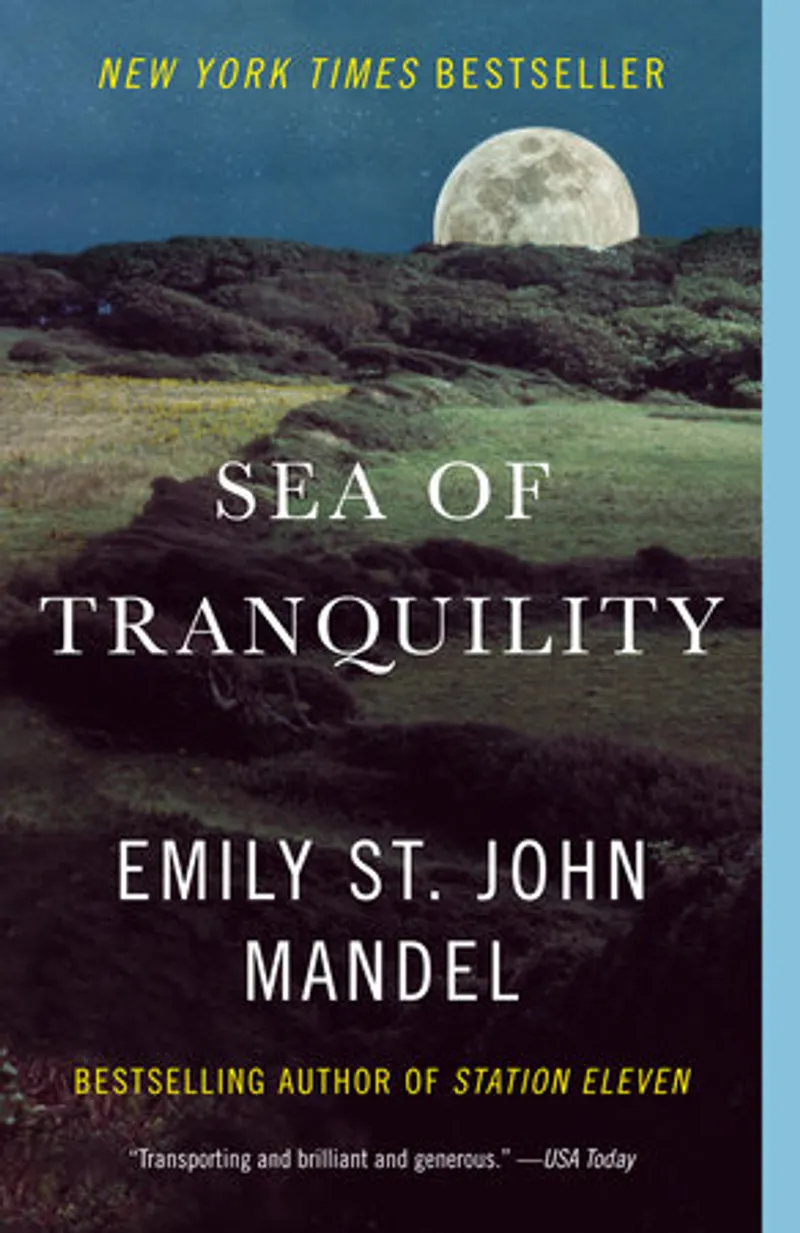
Sea of Tranquility Author: Emily St. John MandelPage Count: UnknownPublication Date: 2023-PRH Emily St. John Mandel’s Sea of Tranquility is a masterclass in speculative fiction, weaving together time travel, existential dread, and quiet human resilience into a narrative that feels both timeless and urgently contemporary. Published in 2023, this novel cements Mandel’s reputation as a writer who can elevate genre fiction into something profound, blending the intimate with the cosmic in a way that lingers long after the last page. At its core, Sea of Tranquility is a meditation on the fragility of reality and the ways in which art—whether a violin’s melody, a novel’s passage, or a detective’s investigation—can ripple through time, altering lives in ways both grand and imperceptible. The story unfolds across centuries, from a 1912 Vancouver Island forest where Edwin St. Andrew, a disgraced young aristocrat, hears an impossible violin tune in an airship terminal, to a 25th-century moon colony where writer Olive Llewellyn’s pandemic novel contains a cryptic reference to that same moment. Between these poles, Mandel introduces Gaspery-Jacques Roberts, a detective in a dystopian Night City, tasked with uncovering the truth behind anomalies that defy the laws of physics. What connects these disparate lives is a single, recurring question: Is time a fixed line, or is it a sea of possibilities, endlessly shifting? Mandel’s genius lies in her ability to balance the speculative with the deeply human. The novel’s time-travel mechanics are never the focus; instead, they serve as a lens to examine how people endure, create, and find meaning in chaos. The 1912 prologue, with its lush descriptions of wilderness and Edwin’s disorientation, feels like a gothic ghost story, while the moon colony’s sterile, artificial beauty in Olive’s era evokes a sterile, controlled future where nature has been replaced by human design. Gaspery’s world, meanwhile, is a noir-tinged nightmare of neon and decay, where the past and future bleed into one another in ways that feel both thrilling and unsettling. What makes Sea of Tranquility so compelling is Mandel’s prose, which is at once elegant and unadorned. She has a knack for capturing the quiet moments—the way a character’s breath catches in their throat, the weight of a single decision that alters a life. The novel’s structure is deceptively simple, moving between timelines with a precision that feels effortless, but the cumulative effect is one of inevitability. Each character’s arc is a thread in a larger tapestry, and by the time the threads converge, the reader is left with a sense of awe at how perfectly everything fits together. The pandemic subplot, woven through Olive’s novel within the novel, adds a layer of prescient dread, grounding the story in the anxieties of our own time. Mandel doesn’t dwell on the horror of disease, but rather on how people adapt, create, and find solace in art and connection. It’s a reminder that even in the face of collapse, humanity persists—and that persistence is what makes us extraordinary. Sea of Tranquility is not just a book about time travel; it’s a book about the stories we tell ourselves to make sense of existence. Mandel’s characters are not heroes or villains, but ordinary people caught in extraordinary circumstances, forced to confront the idea that their lives might be part of something larger than themselves. The novel’s title, taken from the lunar mare where the first moon landing occurred, is a perfect metaphor: tranquility is an illusion, a fleeting moment of stillness in an ever-shifting sea. In the end, Sea of Tranquility is a novel that will appeal to fans of literary fiction and speculative readers alike. It’s a book that makes you think, but it’s also a book that makes you feel—deeply, viscerally. Mandel has crafted a story that is both a puzzle and a revelation, one that lingers in the mind like a half-remembered dream. #SeaOfTranquility #EmilyStJohnMandel #TimeTravelFiction #SpeculativeFiction #LiterarySciFi #BookReview Related InsightsHarbinger Book Review and Summary The Norton Introduction to Literature--Shorter thirteenth edition Book Review and Summary Dream Town Book Review and Summary{ "@context": "https://schema.org", "@type": "FAQPage", "mainEntity": [ { "@type": "Question", "name": "What is the main focus of Sea of Tranquility Book Review and Summary?", "acceptedAnswer": { "@type": "Answer", "text": "Everything you need to know about Sea of Tranquility with our detailed review." } }, { "@type": "Question", "name": "Who authored the comprehensive guide on Sea of Tranquility Book Review and Summary?", "acceptedAnswer": { "@type": "Answer", "text": "This detailed article and its insights were carefully researched and authored by Emily St. John Mandel." } }, { "@type": "Question", "name": "Where can I find more related content about Books?", "acceptedAnswer": { "@type": "Answer", "text": "You can explore more articles, detailed reviews, and similar insights by browsing the Related Insights section at the bottom of this article or visiting our dedicated Books category page." } } ] }