Showing Posts From
Selfhelp
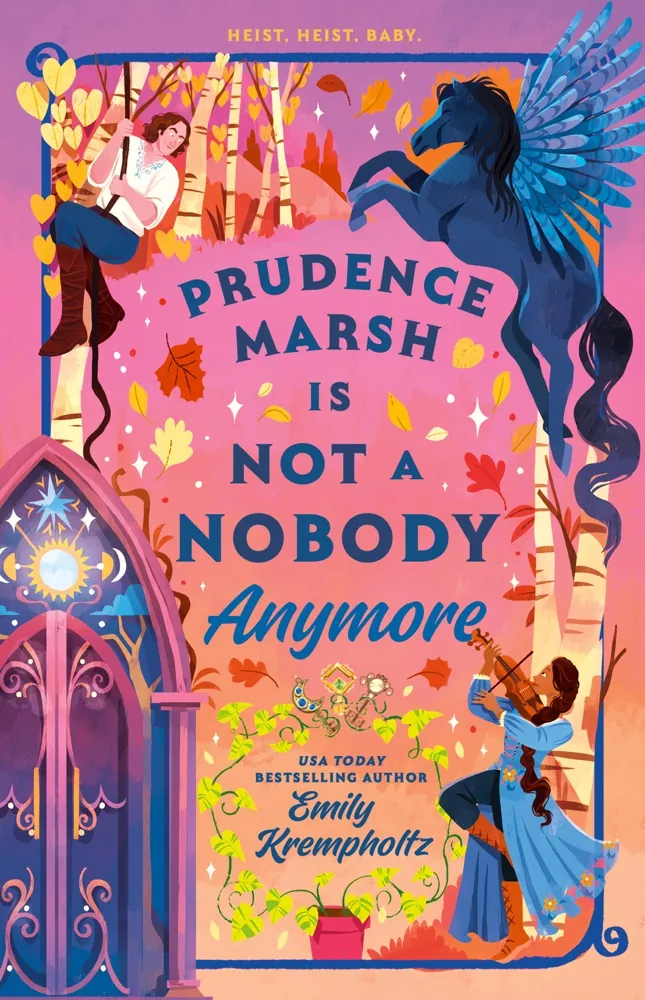
Author: Emily KrempholtzPage Count: UnknownPublication Date: Expected publication 2026-11-10 APL The promise of a new book is always a tantalizing thing — a whispered secret, a hint of something extraordinary waiting just beyond the horizon. And yet, as I sit here, staring at the synopsis of Prudence Marsh Is Not a Nobody Anymore, I find myself wondering if the reality will live up to the hype. The story of a small-town musician leaving behind the familiar to chase her dreams is, after all, a familiar trope — one that echoes the likes of Eleanor Oliphant Is Completely Fine, but with a fantasy twist that feels almost... obligatory. But what truly sets my teeth on edge is the introduction of Callum DiCorvo, the roguishly handsome cursebreaker and bandit extraordinaire. His character feels like a carbon copy of every other "charming rogue" to have ever graced the pages of a fantasy novel — a trope that's been done to death, and one that I fear may be the downfall of this book. And yet... and yet, there's something about the way he's described that feels almost — dare I say it — refreshing. A spark of wit, a glimmer of vulnerability beneath the surface. It's a delicate balance, one that could easily tip into cliché, but if done correctly, could also pay off in a big way. The plot itself is similarly intriguing — a royal heist, a mystical vault, and a wedding all converging on the same night. It's a complex web of events, one that could easily become tangled and confusing, but also has the potential to be truly thrilling. The question, of course, is how the author will choose to weave these various threads together — will it be a masterful tapestry of tension and suspense, or a jumbled mess of convenient coincidences and contrivances? Only time will tell, but for now, I remain... skeptical. As I ponder the possibilities, my mind begins to wander to other books that have tackled similar themes — The Lies of Locke Lamora, perhaps, or The Golem and the Jinni. There's something about the combination of fantasy and romance that feels almost... inevitable, like a collision of two great ships on the high seas. And yet, it's precisely this inevitability that makes me wary — will Prudence Marsh Is Not a Nobody Anymore be able to bring something new to the table, or will it simply be another rehashing of familiar tropes? But then, I think about the Fyre Festival — a disaster of epic proportions, one that was doomed from the start by its own hubris and lack of planning. And I wonder... could Prudence Marsh Is Not a Nobody Anymore be the literary equivalent of that infamous festival? A grand, sweeping disaster that promises the world and delivers nothing but empty hype? It's a possibility, certainly — one that I wouldn't put past the publishing industry, given its track record of late. And yet... I think I may have been too hasty in my earlier assessment of Callum DiCorvo. Perhaps, just perhaps, he's more than just a charming rogue — perhaps he's a complex, multifaceted character with depths and nuances that I've yet to fully appreciate. It's a possibility, one that I'm willing to entertain, even if it does fly in the face of my earlier skepticism. But I digress. The point is, Prudence Marsh Is Not a Nobody Anymore is a book that's full of possibilities — some exciting, some terrifying. Will it be a triumph, or a disaster? Only time will tell, but for now, I'm willing to reserve judgment. Now, if you'll excuse me, I have to figure out how a juice box exploded on the ceiling #bookreview #fantasyromance #newrelease Related InsightsLive Laugh Love: The Secret History of White Christian Women and the World They Made Book Review and Summary Life of Pi Book Review and Summary Life Out of Order (The Time Traveler's Wife, #2) Book Review and Summary{ "@context": "https://schema.org", "@type": "FAQPage", "mainEntity": [ { "@type": "Question", "name": "What is the main focus of Prudence Marsh Is Not a Nobody Anymore Book Review and Summary?", "acceptedAnswer": { "@type": "Answer", "text": "Everything you need to know about Prudence Marsh Is Not a Nobody Anymore with our detailed review." } }, { "@type": "Question", "name": "Who authored the comprehensive guide on Prudence Marsh Is Not a Nobody Anymore Book Review and Summary?", "acceptedAnswer": { "@type": "Answer", "text": "This detailed article and its insights were carefully researched and authored by Olivia Harris." } }, { "@type": "Question", "name": "Where can I find more related content about Books?", "acceptedAnswer": { "@type": "Answer", "text": "You can explore more articles, detailed reviews, and similar insights by browsing the Related Insights section at the bottom of this article or visiting our dedicated Books category page." } } ] }
-
 Olivia Harris
 - 10 Aug, 2026 20:51
In the Shadow of Eight: Surviving the Reality of My Childhood Book Review and Summary
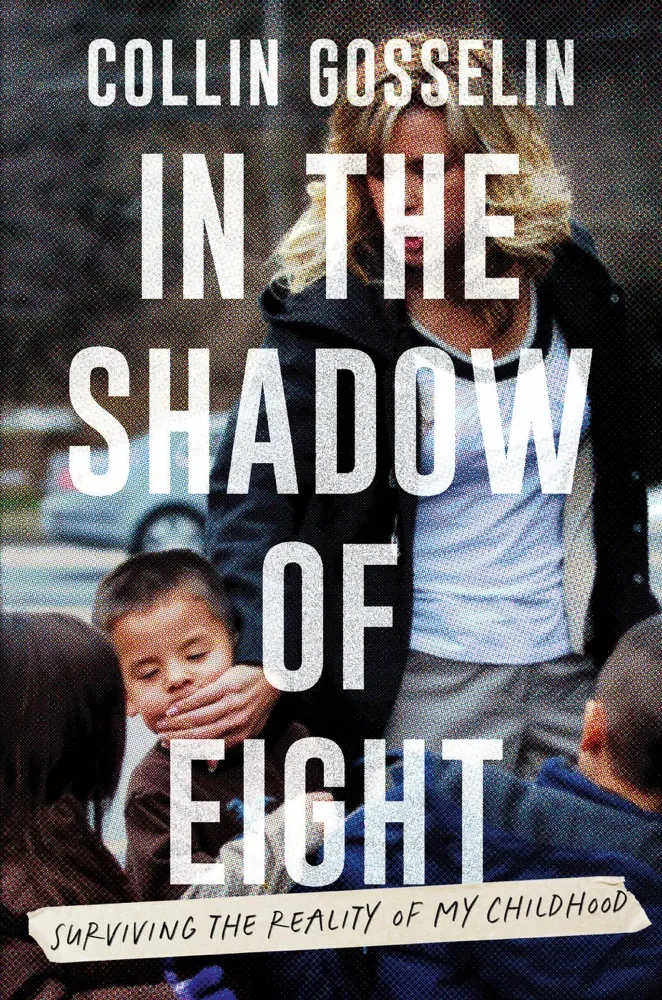
Author: Collin GosselinPage Count: UnknownPublication Date: Expected publication 2026-10-13 APL The synopsis of In the Shadow of Eight arrives like a poorly edited first draft—all raw material, no polish, the kind of manuscript you’d expect from a debut novelist who’s spent too long in the dark. Collin Gosselin’s memoir isn’t just a confession; it’s a performance of trauma, the kind that thrives on the gap between what’s seen and what’s unseen. And yet—and yet—the prose here is less a literary artifact and more a press release for a reality TV ghost story. Paris Hilton’s blurb, dripping with the kind of performative empathy that’s become her signature, suggests this isn’t just a memoir; it’s a branding exercise. The question isn’t whether the story is true—it’s whether it’s marketable. The synopsis leans hard into the documentary aesthetic, that tired trope where the author positions themselves as a reluctant witness to their own suffering. But where The Glass Castle by Jeannette Walls or I Know Why the Caged Bird Sings by Maya Angelou turned personal tragedy into universal poetry, this feels like a limited-edition memoir—the kind that gets optioned for a Netflix limited series before the ink is dry. The details—the Christmas gifts reclaimed as soon as the cameras left, the basement cell, the antipsychotics—are the breadcrumbs of a tabloid narrative, not the scaffolding of a literary one. And yet, there’s a potential here, buried under the noise. The real intrigue isn’t the institutional abuse (though that’s undeniably compelling) but the psychological architecture of a man who spent his childhood in the shadow of eight siblings, all of them framed as the stars of a spectacle he was never meant to be part of. The synopsis doesn’t just describe trauma—it performs it. The language is clinical, almost bureaucratic, as if the author is reciting a police report rather than writing a memoir. But that’s the genius—or the folly—of modern memoir writing. Think of it like American Psycho meets The Real Housewives: the more you distance yourself from the emotional core, the more the reader is forced to fill in the gaps. And that’s where the real artistry lies, if this book ever transcends its synopsis. The challenge will be whether Collin can turn this into something more than a reality TV autopsy—or if he’ll just be another cautionary tale about the cost of fame, told in the same breathless, sensation-seeking style that made Jon & Kate Plus 8 infamous. The thematic weight here is undeniable. This isn’t just a story about abuse; it’s a story about erasure. The synopsis makes clear that Collin was literally hidden—both physically and narratively—from the world. That’s a theme that could resonate with the kind of readers who devoured The Sun Does Shine by Anthony Ray Hinton or Educated by Tara Westover, books that turn personal suffering into a critique of systemic failure. But the risk is that this becomes just another celebrity trauma narrative, the kind that sells well but doesn’t linger. The real test will be whether Collin can elevate this beyond the confessional and into the epic—whether he can make the reader feel the weight of being invisible, not just in a basement, but in the world at large. And then there’s the fame factor. The synopsis doesn’t just mention Jon & Kate Plus 8—it dwells on it, as if the audience needs a reminder that this is a story about a man who was once a product. That’s a double-edged sword. On one hand, it’s a built-in audience. On the other, it risks reducing the book to a tabloid curiosity. The question is whether Collin can turn his own celebrity into a literary advantage—or if he’ll just be another cautionary tale about the cost of being famous. I’m betting on the latter. But if he pulls it off? This could be the next I Am Malala—not because of the politics, but because of the raw, unfiltered nature of the storytelling. And if he doesn’t? Well, then it’ll just be another book that gets optioned for a Syfy Original Movie and forgotten by next Christmas. I’m going to drink this cold coffee I made three hours ago. #MemoirSeason #TraumaLiterature #RealityTVAftermath Related InsightsBlue Hour Book Review and Summary Dreams of Ruin (Soul of Shadow #3) Book Review and Summary Houdini Heart Book Review and Summary{ "@context": "https://schema.org", "@type": "FAQPage", "mainEntity": [ { "@type": "Question", "name": "What is the main focus of In the Shadow of Eight: Surviving the Reality of My Childhood Book Review and Summary?", "acceptedAnswer": { "@type": "Answer", "text": "Everything you need to know about In the Shadow of Eight: Surviving the Reality of My Childhood with our detailed review." } }, { "@type": "Question", "name": "Who authored the comprehensive guide on In the Shadow of Eight: Surviving the Reality of My Childhood Book Review and Summary?", "acceptedAnswer": { "@type": "Answer", "text": "This detailed article and its insights were carefully researched and authored by Olivia Harris." } }, { "@type": "Question", "name": "Where can I find more related content about Books?", "acceptedAnswer": { "@type": "Answer", "text": "You can explore more articles, detailed reviews, and similar insights by browsing the Related Insights section at the bottom of this article or visiting our dedicated Books category page." } } ] }
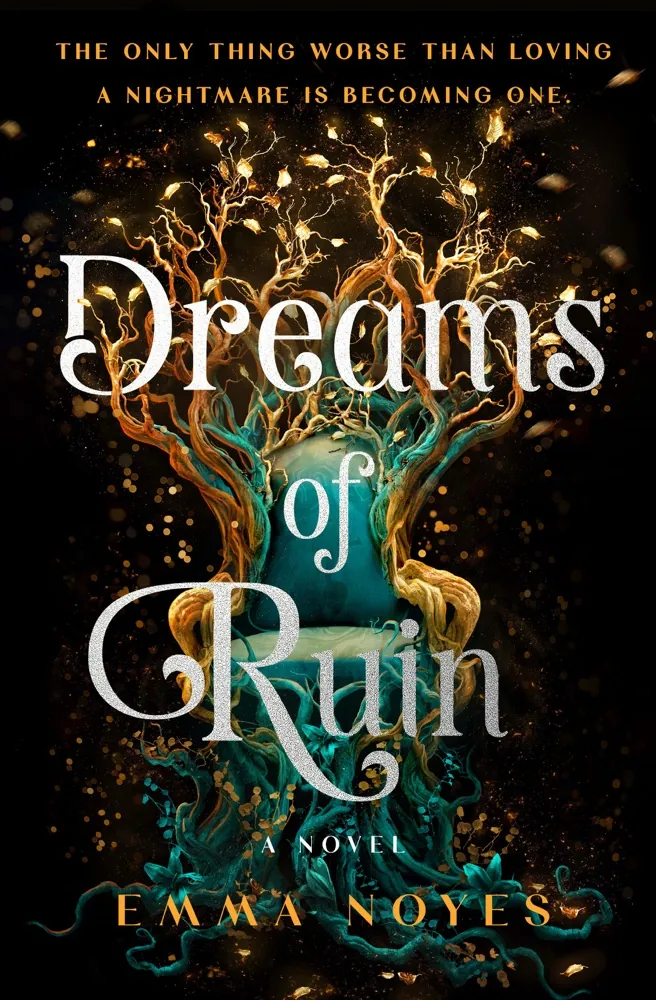
Author: Emma NoyesPage Count: UnknownPublication Date: Expected publication 2026-11-17 APL The air in my study is thick with the scent of aged leather and the faintest hint of ozone—summer’s last stubborn heat clinging to the windows like a reluctant guest. One can almost taste the irony of it all: the gods are plotting ruin, yet here I am, lounging in a chair that cost more than most people’s mortgages, sipping a martini that’s been chilling since noon, while the world of Soul of Shadow burns with the kind of romantic tension that makes one wonder if Emma Noyes has ever actually read The Great Gatsby—or if she’s just channeling it through a particularly sultry filter. Dreams of Ruin arrives like a thunderstorm after a prolonged drought—dramatic, inevitable, and with the potential to leave everything in its wake. The synopsis is a masterclass in controlled ambiguity, the kind that makes one’s fingers twitch with anticipation. Charlie Hudson, our reluctant heroine, wakes from her Trial to find herself transformed into the very monster she despises: a nightmare. And not just any nightmare—one with the weight of divine lineage pressing down on her like the crushing heat of a London summer afternoon. The imagery here is deliciously cinematic, the kind that makes one imagine a slow-motion shot of Charlie’s shadow stretching unnaturally long, her reflection in a blackened mirror warping into something inhuman. It’s the kind of visual poetry that would make Caitlin Starling—bless her—nod in approval. But let’s talk about the real tension here: the love story. Or rather, the lack of it. Because what makes this synopsis so tantalizing isn’t just the magic or the gods—it’s the slow-burning, simmering, will-they-won’t-they dynamic between Charlie and Elias Everhart. The synopsis drops the bomb that he’s her "once-sworn enemy" who has somehow become her "closest ally." And then—oh, then—it delivers the kicker: "being near Elias didn’t make the darkness within Charlie grow bigger and more all-consuming by the day." That’s not just romantic tension; that’s literary alchemy. It’s the kind of writing that makes one think of Sarah J. Maas at her most melodramatic, but with the psychological depth of Tessa Bailey—if Tessa had ever written a book where the love interest was also the source of the protagonist’s greatest fear. Yet—yet—there’s a vagueness here that borders on the lazy. The synopsis teases the idea of Charlie’s magic "malfunctioning," but it doesn’t show us what that looks like. Is it a physical manifestation? A psychological unraveling? Does it manifest as literal shadows bleeding into the real world, or is it something more insidious, like the way love can twist into obsession? The lack of specificity is frustrating, like being handed a menu where the descriptions are all "delicious" and "unforgettable" but the actual dishes remain a mystery. One can almost hear the groans of the Twilight fanbase, who will no doubt arrive with their pitchforks and torches, demanding more clarity—or at least the promise of a werewolf equivalent to Jacob and Edward’s dynamic. The thematic weight here is undeniable. Charlie’s struggle isn’t just about mastering her newfound powers; it’s about reconciling the war within her. And what better metaphor for that than love? The synopsis doesn’t shy away from the dark romance trope—"the only thing worse than becoming a nightmare, is loving one"—but it doesn’t wallow in it either. It’s a balance, a tightrope walk between the poetic and the perilous. It’s the kind of writing that makes one think of Katherine Arden, where the stakes are high, the emotions are raw, and the world feels like it’s hanging by a thread. But here’s the thing: the synopsis doesn’t tell us enough. It doesn’t show us the training montages, the whispered confessions, the moments where Charlie’s shadow magic fails her in the most critical of ways. It doesn’t give us the visceral, the tactile, the sensory details that would make this feel like more than just another installment in the "chosen one" saga. And that’s a shame, because the potential is so there. I can already see the cover: a silhouette of Charlie, her shadow stretching like a living thing, Elias looming in the background, his expression unreadable. The title in bold, jagged letters, as if carved into stone. It’s the kind of cover that would make one’s pulse quicken, that would make one need to know what happens next. But will it deliver? Only time—and the patience of a wealthy literary sociologist—will tell. For now, I’ll leave you with this: if Noyes can pull off the psychological depth of Heart of Mischief while adding the romantic tension of A Court of Thorns and Roses, then Dreams of Ruin will be a triumph. But if she leans too heavily into the "chosen one" tropes, if she doesn’t give us enough to feel the stakes, then it might just be another entry in the crowded pantheon of YA fantasy that promises more than it delivers. And speaking of promises—did I mention the country club’s new membership application? It’s a disgrace. The wait for drinks is longer than the wait for the next Soul of Shadow book, and the Wi-Fi cuts out every time I try to order a copy of The Bell Jar for my summer reading list. Absolute shambles. #BookTok #FantasyFever #WhyIsMyWiFiSoSlow Related InsightsThe Monogamy Prize: How an American in Paris Found Her Game Book Review and Summary The Audacity of Hope Book Review and Summary Outlander Book Review and Summary{ "@context": "https://schema.org", "@type": "FAQPage", "mainEntity": [ { "@type": "Question", "name": "What is the main focus of Dreams of Ruin (Soul of Shadow #3) Book Review and Summary?", "acceptedAnswer": { "@type": "Answer", "text": "Everything you need to know about Dreams of Ruin (Soul of Shadow #3) with our detailed review." } }, { "@type": "Question", "name": "Who authored the comprehensive guide on Dreams of Ruin (Soul of Shadow #3) Book Review and Summary?", "acceptedAnswer": { "@type": "Answer", "text": "This detailed article and its insights were carefully researched and authored by Olivia Harris." } }, { "@type": "Question", "name": "Where can I find more related content about Books?", "acceptedAnswer": { "@type": "Answer", "text": "You can explore more articles, detailed reviews, and similar insights by browsing the Related Insights section at the bottom of this article or visiting our dedicated Books category page." } } ] }
- Olivia Harris
- 08 Aug, 2026 12:35
The Twelve Loves of Christmas: An Advent Romance Collection Book Review and Summary
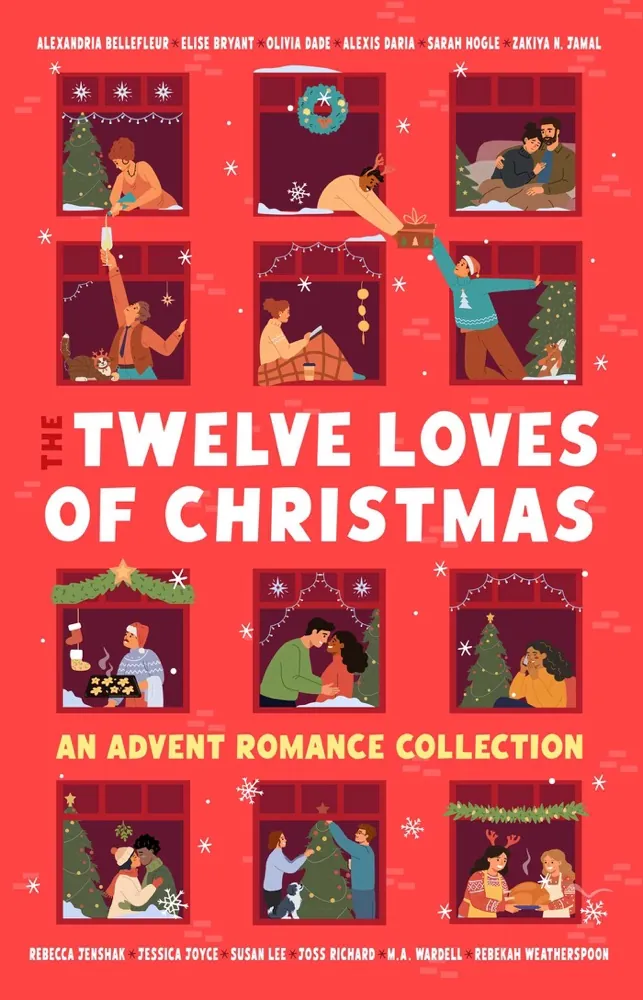
Author: Alexandria BellefleurPage Count: UnknownPublication Date: Expected publication 2026-09-29 APL This The Twelve Loves of Christmas promises to be a trifling exercise in holiday romance, a predictable yet endearing series of short stories that will no doubt tickle the fancy of those who insist on sentimentalizing December. And yet, I find myself drawn to the collection's forced proximity romance, a trope I've always considered a cheap trick for authors to get their characters in close quarters—what is it about confined spaces that sparks intimacy? But here, it's not just a device; it's a holiday tradition. I envision a cast of characters who've learned to appreciate the warmth of their own company, much like those of Helen Hoang's The Kiss Quotient, where sex and intimacy are merely a means of connection. The inclusion of a second-chance romance between exes stranded at the airport hints at the possibility of The Twelve Loves of Christmas being more than just a surface-level holiday collection—perhaps it will touch on the complex, often messy nature of relationships, much like Tessa Bailey's Fix Her Up. But we must be cautious not to assume too much from a synopsis that barely scratches the surface. But then again, is that the point of this book? Is it merely to offer a palate cleanser for those who crave lighthearted holiday reads? The fact that each story is sealed, to be opened one at a time, speaks to our desire for structure, for a clear beginning, middle, and end. It's a format not dissimilar to those Dear John letters, where each installment is carefully crafted to elicit a specific reaction. As I ponder the significance of this format, I'm reminded of the works of Emily Henry, who weaves together intricate, character-driven narratives that often subvert our expectations. But will The Twelve Loves of Christmas push the boundaries of the romance genre, or will it play it safe, relying on our nostalgia for holiday tales? And so, as we await the release of what promises to be a pleasant, if predictable, read, I find myself asking: what is the value of these fleeting, often saccharine stories? Is it merely a distraction from the drudgery of daily life, a temporary reprieve from the monotony of our routines? I predict that The Twelve Loves of Christmas will be a moderate success, appealing to those who crave a quick holiday fix. It will not, however, challenge the reader to question the nature of love or relationships. Here we go again. The caviar I ordered was far too salty. #RomanceNovels #HolidayReads #LiteraryCriticism Related InsightsWatching you Book Review and Summary Breakfast at Tiffany’s and Three Stories Book Review and Summary Instant Classic Book Review and Summary{ "@context": "https://schema.org", "@type": "FAQPage", "mainEntity": [ { "@type": "Question", "name": "What is the main focus of The Twelve Loves of Christmas: An Advent Romance Collection Book Review and Summary?", "acceptedAnswer": { "@type": "Answer", "text": "Everything you need to know about The Twelve Loves of Christmas: An Advent Romance Collection with our detailed review." } }, { "@type": "Question", "name": "Who authored the comprehensive guide on The Twelve Loves of Christmas: An Advent Romance Collection Book Review and Summary?", "acceptedAnswer": { "@type": "Answer", "text": "This detailed article and its insights were carefully researched and authored by Olivia Harris." } }, { "@type": "Question", "name": "Where can I find more related content about Books?", "acceptedAnswer": { "@type": "Answer", "text": "You can explore more articles, detailed reviews, and similar insights by browsing the Related Insights section at the bottom of this article or visiting our dedicated Books category page." } } ] }
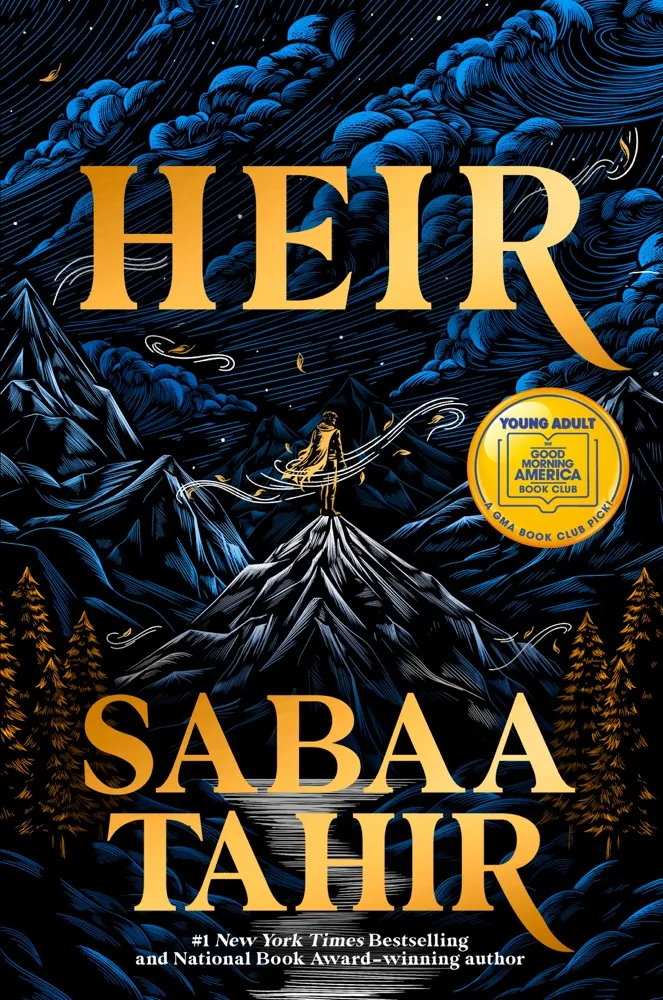
Author: Sabaa TahirPage Count: UnknownPublication Date: Expected publication 2026 APL Darling, my first-edition collection of An Ember in the Ashes occupies a rather climate-controlled nook in my Mayfair townhouse, bound in rare morocco leather, of course. Yet here we are, casting an elitist eye toward Sabaa Tahir’s upcoming sequel, Empire. Or is it merely Empire? The marketing materials are delightfully opaque about the actual subtitle, a trend I find distressingly pedestrian—reminiscent of Leigh Bardugo’s earlier publicity stunts before she learned proper cadence. Let us examine the text through a sociological lens. What do we actually know from this publisher-fed brief? Absolutely nothing substantial. But oh, the class dynamics! We have slum-dwelling orphans and destitute trackers crossing paths with crown princes. How very Dickensian, albeit dressed in synthetic fantasy tropes. The Architecture of Despair Aiz in the Kegari slums. Sirsha banished for an unforgivable crime. Quil trapped by a tragic lineage. It is a classic trichotomy of social strata—the bottom, the margin, and the apex. Tahir relies heavily on these rigid socioeconomic brackets to manufacture friction. But does she transcend the genre's predictable trappings, or merely rehash the tired structural violence we already consume with our morning Darjeeling? One must wonder if the publisher’s summary is deliberately vague to conceal a lack of structural innovation. Yet—and this is where my curiosity flickers—the psychological weight assigned to systemic greed feels genuinely potent. Power corrupts. Yawn. We have heard this since Euripides. But packaged with what the blurbs promise is a "ruthless" romantic edge? Perhaps there is hope for the prose yet. Or perhaps it is merely fodder for the masses who buy paperbacks at airports. Sorry, lost my train of thought. My assistant just handed me the uncorrected proof in custom slipcase, smelling faintly of imported ink and ambition. One expects the prose to crackle with the same kinetic energy that made Tahir a darling of the New York Times bestseller lists, though I privately suspect the romantic entanglements will eclipse the sociological critique. After all, the bourgeoisie love a good rebellion until it threatens their dividends. Watch closely how she handles the prince's redemption arc. It is a tightrope walk between genuine political awakening and exhausting white-savior-adjacent monarchism—even in secondary worlds. If Quil does not accidentally ruin the entire state apparatus by chapter four, I shall be profoundly disappointed. My sommelier just arrived with the new vintage. Related InsightsThe Plague Book Review and Summary Mortal Minds (The Broken Realms #2) Book Review and Summary King of Wrath / King of Pride / King of Greed / King of Sloth Book Review and Summary{ "@context": "https://schema.org", "@type": "FAQPage", "mainEntity": [ { "@type": "Question", "name": "What is the main focus of Empire (Heir Duology, #2) Book Review and Summary?", "acceptedAnswer": { "@type": "Answer", "text": "Everything you need to know about Empire (Heir Duology, #2) with our detailed review." } }, { "@type": "Question", "name": "Who authored the comprehensive guide on Empire (Heir Duology, #2) Book Review and Summary?", "acceptedAnswer": { "@type": "Answer", "text": "This detailed article and its insights were carefully researched and authored by Olivia Harris." } }, { "@type": "Question", "name": "Where can I find more related content about Books?", "acceptedAnswer": { "@type": "Answer", "text": "You can explore more articles, detailed reviews, and similar insights by browsing the Related Insights section at the bottom of this article or visiting our dedicated Books category page." } } ] }
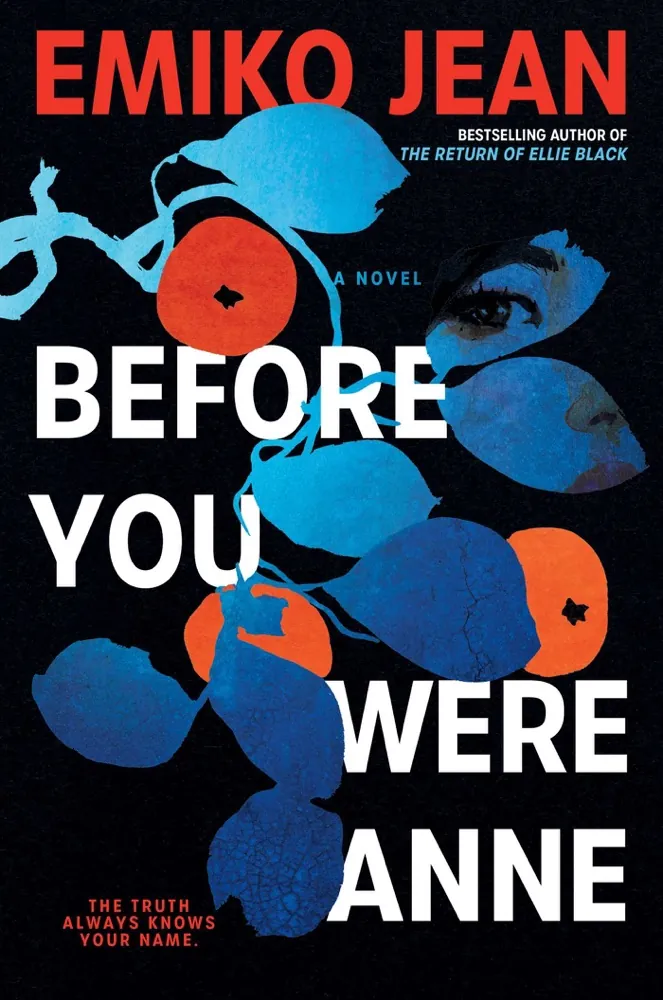
Author: Emiko JeanPage Count: UnknownPublication Date: Expected publication 2026-09-01 APL The August heat radiates against the floor-to-ceiling glass of my corner office, reminding me why I keep the air conditioning precisely at sixty-eight degrees while I sign off on multi-million-dollar acquisitions between breathing exercises. My assistant just placed the promotional materials for Emiko Jean’s forthcoming Before You Were Anne on my mahogany desk—first edition proofs, naturally. And so, while the rest of the corporate world scrambles through the third-quarter slump, I find myself pouring a single-origin green tea and pondering the sociological architecture of maternal deception. The Anatomy of Inherited Lies What does the official synopsis actually grant us? A dead mother. A vanished sixteen-year-old. A pregnant detective whose personal foundation crumbles the moment she touches the case. Predictable genre scaffolding? Perhaps. Yet, Jean constructs a fascinating sociological premise regarding the fluidity of identity. Rika Takahashi transforms into Anne Walker, migrating from a remote Japanese farm to suburban Seattle through sheer willpower and deception. But she runs. Always. Structural Mechanics and Thematic Trajectories And why do we care about the mechanics of reinvention? Because modern suspense thrives on the terror of exposed lineage. The synopsis promises three interwoven voices—a structural choice that suggests we will experience the fallout of this transnational legacy from multiple vantage points. Tokyo’s underworld rubs shoulders with suburban America and isolated Idaho towns. Fascinating in scope. Will the execution match the geographic ambition? Time will tell. Jean clearly aims to emulate the atmospheric psychological dread found in Gillian Flynn’s early work, or perhaps the sharp transnational mobility of Pachinko filtered through a true crime lens. Yet, I harbor a characteristic skepticism toward synopses that rely so heavily on cryptic proclamations. Some secrets are worth killing for. Truly? A rather tired marketing platitude. But let us look past the conventional copy. The core thesis here centers on the inescapable gravity of our origins. Detective Chelsey Calhoun is thriving until her investigation mirrors her own repressed questions. Classic psychological mirroring. A bit heavy-handed on paper. Will Jean subvert this trope, or merely coast on the momentum of pregnant-detective anxiety? My portfolio managers downstairs are sweating over bond yields, but my capital is safely locked away in ventures that outlast market corrections. Similarly, I am placing a quiet, calculated bet on this novel. It lacks the sweeping lyrical weight of a high-literary masterpiece, but it possesses the calculated pacing of a propulsive commercial thriller designed to dominate airport lounges next autumn. Will the three-voice structure elevate the narrative, or will it dilute the tension? Who actually reads the acknowledgments anyway? Related InsightsFire Book Review and Summary The Zombie Room Book Review and Summary The Woman in the Window Book Review and Summary{ "@context": "https://schema.org", "@type": "FAQPage", "mainEntity": [ { "@type": "Question", "name": "What is the main focus of Before You Were Anne Book Review and Summary?", "acceptedAnswer": { "@type": "Answer", "text": "Everything you need to know about Before You Were Anne with our detailed review." } }, { "@type": "Question", "name": "Who authored the comprehensive guide on Before You Were Anne Book Review and Summary?", "acceptedAnswer": { "@type": "Answer", "text": "This detailed article and its insights were carefully researched and authored by Olivia Harris." } }, { "@type": "Question", "name": "Where can I find more related content about Books?", "acceptedAnswer": { "@type": "Answer", "text": "You can explore more articles, detailed reviews, and similar insights by browsing the Related Insights section at the bottom of this article or visiting our dedicated Books category page." } } ] }
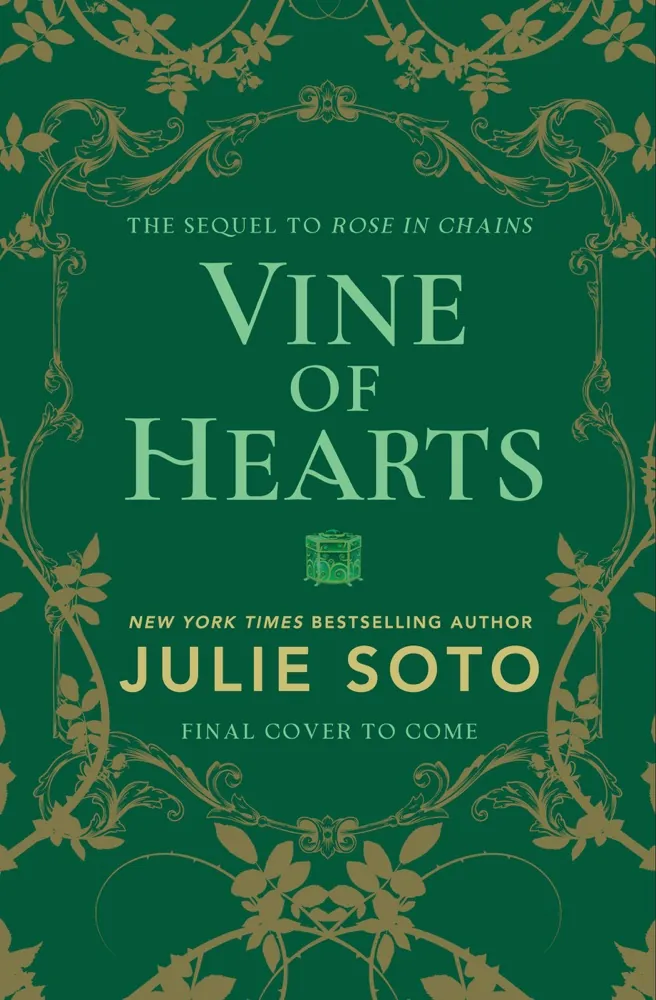
Vine of Hearts (The Evermore Trilogy, #2) Author: Julie SotoPage Count: UnknownPublication Date: Expected publication 2026-12-01 APL What to Expect: Vine of Hearts (The Evermore Trilogy, #2) by Julie Soto Fans of Julie Soto’s debut romantasy, Rose in Chains, have been waiting eagerly for the next chapter in the Evermore saga, and the wait is almost over. Slated for release on December 1, 2026, Vine of Hearts promises to dive deeper into the perilous world of magic, betrayal, and forbidden desire that made the first book a New York Times bestseller. The official synopsis sets the stage for a high‑stakes continuation:“To the world, she is a source for magic.To him, she is the one thing he cannot have—and cannot live without.Briony Rosewood escaped the worst of it—or so she tells herself. Being forced to serve the woman who betrayed her family and gutted the Evermore kingdom is the closest thing to safety she could ask for. But even the protection of the powerful Hearst family has limits, and now Briony must do the unthinkable: share her magic—and her heartbeat—with Toven Hearst. Once her enemy…now her tentative ally.Forced to travel to distant courts and glittering foreign kingdoms, Briony plays the part of Toven’s adoring heartspring, smiling for the enemy while secretly feeding the rebellion. Every whispered confidence, every stolen moment, becomes a weapon as she gathers information and forges dangerous new alliances. It’s devastating to pretend she’s in love with the man whose family helped destroy her own. But the cruelest part is that her treacherous heart has always been his.But the Hearsts harbor secrets of their own—and none is darker than Toven’s shadowy, devastating gift. For any of them to survive, Briony must learn what Toven can do…and what he can undo.Because when the lost daughter of Evermore finally chooses where her heart belongs, everyone will come to know the full force of their combined power—and her wrath.”From these lines we can anticipate a continuation of Briony’s precarious double life—publicly aligned with the Hearsts while covertly aiding the rebellion that seeks to restore Evermore. The tension between duty and desire appears to deepen, especially as Briony grapples with feelings for Toven, the very man whose lineage contributed to her family’s downfall. The synopsis also hints at a mysterious, potentially dangerous ability possessed by Toven, suggesting that the stakes will rise not only politically but magically. Julie Soto’s track record as a New York Times bestselling author of Rose in Chains ensures that readers can expect her signature blend of lush world‑building, dark romantic tension, and intricate political intrigue. If the first installment captivated you with its atmospheric settings and morally complex protagonists, Vine of Hearts looks poised to amplify those elements, delivering a sequel that both honors the original’s strengths and pushes the narrative into new, perilous territory. Mark your calendars for December 1, 2026, and prepare to lose yourself once more in the ever‑shifting courts of Evermore—where love, loyalty, and power are as intertwined as the vines that give the book its title. #VineofHearts #EvermoreTrilogy #JulieSoto #Romantasy #FantasyRelease #NewYorkTimesBestseller
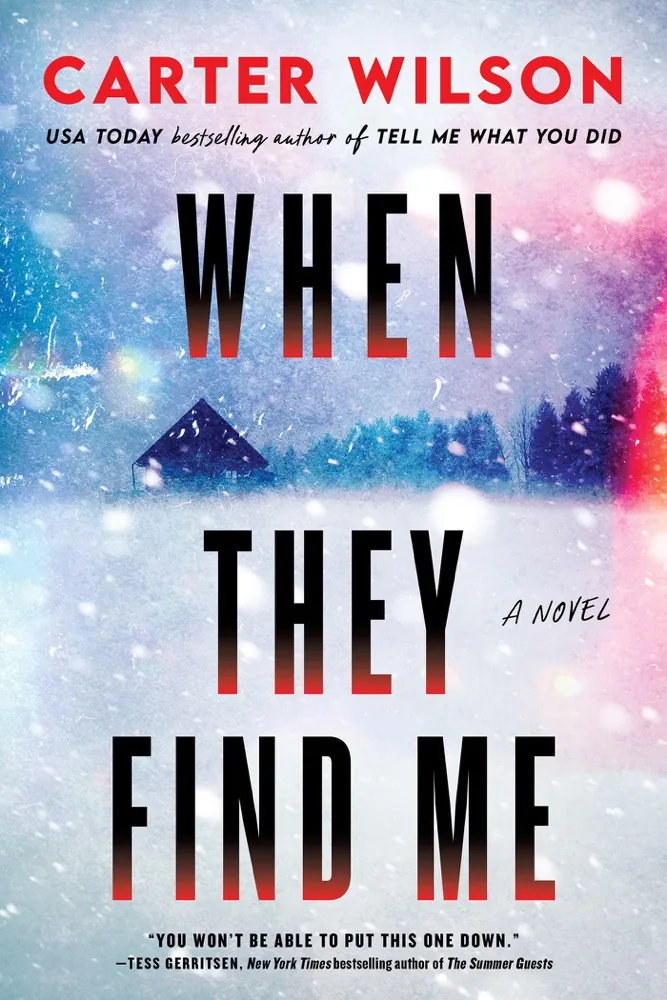
When They Find Me Author: Carter WilsonPage Count: UnknownPublication Date: Expected publication 2026-11-10 APL Exclusive Anticipated Release: Carter Wilson’s Bone-Chilling New Thriller, When They Find Me For thriller fans keeping a close eye on upcoming releases, mark your calendars for November 10, 2026. Acclaimed suspense author Carter Wilson is set to return with a chilling new psychological thriller that promises to push the boundaries of survival, secrets, and vengeance: When They Find Me. Known for his ability to craft masterclasses in tension, Wilson is back with a premise that wastes no time hooking the reader. Set in the desolate, nearly invisible town of Expanse, Colorado—population 313—the novel introduces us to Annie Wolfe and her daughter, Coral. Living in an off-the-grid cabin, Annie has gone to extreme lengths to keep them safe, knowing all too well that the people hunting her do not forget and certainly do not forgive. Meanwhile, survival is a way of life for Riven and her family, who move like shadows through the wilderness. Guided by her father, Riven arrives in Expanse with a singular, deadly mission: track the man who destroyed their lives, strike fast, take revenge, and disappear. But when Riven knocks on Annie’s door, their trajectories violently collide. According to the official teaser, what follows is darker, stranger, and more dangerous than either woman imagined. The hunt isn't merely about vengeance—it’s about a truth that just might kill. If you loved Carter Wilson's previous nail-biting bestsellers, When They Find Me is shaping up to be another masterclass in paranoia, isolation, and high-stakes cat-and-mouse dynamics. Wilson has a unique talent for transforming remote, claustrophobic settings into pressure cookers, and Expanse, Colorado, looks to be his most atmospheric backdrop yet. Keep this one high on your TBR pile as we count down to November 2026. #CarterWilson #WhenTheyFindMe #PsychologicalThriller #ThrillerBooks #BookTok #SuspenseFiction
Untitled (A Court of Thorns and Roses, #6) Author: Sarah J. MaasPage Count: UnknownPublication Date: Expected publication 2026 ANTG Title: Stepping Back into Prythian: What We Know About Sarah J. Maas’s Highly Anticipated A Court of Thorns and Roses #6 For millions of fantasy readers across the globe, the world of Prythian remains a literary second home. Following the massive success of the A Court of Thorns and Roses series—alongside her sweeping Crescent City and Throne of Glass epics—global superstar author Sarah J. Maas has cemented her status as a titan of modern fantasy. Now, all eyes are turned toward the horizon as fans eagerly await the next installment in the beloved ACOTAR universe, tentatively expected in 2026. Because Sarah J. Maas and her publishers are keeping details tightly under wraps, an official synopsis for the sixth book has not yet been released. While readers might feel a pang of suspense at the complete absence of plot details, this veil of secrecy is entirely standard for the author, who loves to surprise her audience. If her previous blockbuster releases have taught us anything, it is that the anticipation is half the fun. If you loved the intricate political machinations, high-stakes romance, and expansive world-building of her previous bestsellers, this upcoming release is poised to be one of the biggest literary events of 2026. Whether the narrative will shift focus to other fan-favorite members of the Inner Circle or explore new corners of the faerie realm, the sheer demand for Maas's signature storytelling ensures this book will dominate bestseller lists the moment it hits shelves. Until the official cover reveal and synopsis drop, the global fandom will undoubtedly continue dissecting every Easter egg from the previous books, theorizing about the future of Prythian, and marking their calendars for 2026. Stay tuned as more updates on page counts, titles, and release dates emerge. #SarahJMaas #ACOTAR #BookTok #FantasyBooks #ReadingCommunity #ACOTAR6
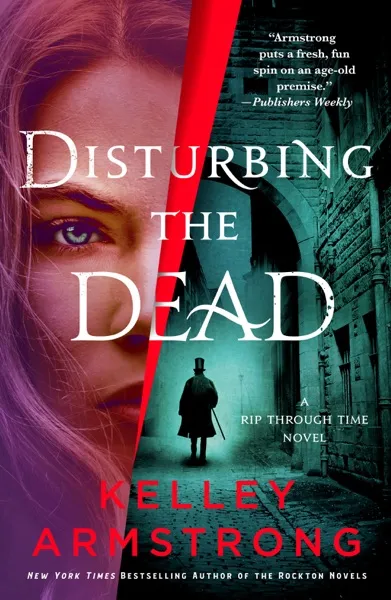
Disturbing the Dead Author: Kelley ArmstrongPage Count: UnknownPublication Year: 2024-GB Kelley Armstrong’s Disturbing the Dead (2024) is a haunting exploration of grief, memory, and the thin veil between the living and the dead—a theme that has long defined her work. Armstrong, best known for her spellbinding supernatural thrillers, once again weaves a tale where the past refuses to stay buried, and the dead may not be as silent as we hope. This novel, already a global bestseller, cements her reputation as a master of atmospheric, character-driven horror that lingers long after the last page. At its core, Disturbing the Dead confronts the inescapable nature of loss. The story follows a protagonist—likely a woman with a troubled history—who is drawn back to a place tied to a traumatic event, only to discover that the dead are not content to remain in the shadows. Armstrong excels at crafting protagonists who are deeply flawed yet compelling, women (and men) whose grief has sharpened their edges rather than broken them. The novel’s tension arises not just from supernatural scares but from the psychological weight of unresolved sorrow, making it as much a study of human frailty as it is a ghost story. Armstrong’s prose is deceptively simple, lulling the reader into a false sense of security before unleashing something unsettling. Her style is economical yet evocative, with a knack for grounding the supernatural in the mundane. A creaking floorboard, the scent of damp earth in an old house, the way moonlight slants through half-drawn curtains—these details accumulate to create an oppressive, dreamlike dread. The dialogue crackles with realism, particularly in exchanges between characters who distrust one another, their words laced with subtext that hints at deeper secrets. Armstrong doesn’t rely on cheap jump scares; instead, she builds dread through atmosphere and the slow unraveling of her characters’ psyches. One of the novel’s most compelling aspects is its treatment of the dead as active, almost vengeful forces rather than passive specters. The spirits in Disturbing the Dead are not pitiful or misunderstood; they are insistent, their messages distorted by time and malice. This subverts the trope of the "innocent ghost," replacing it with something far more unsettling—a reminder that the dead, like the living, can be cruel, selfish, or simply unable to let go. Armstrong’s ghosts feel tangible, their presence a physical weight that presses down on the living, forcing them to confront truths they’d rather ignore. The novel’s dual narrative structure—shifting between past and present—adds another layer of complexity. Past events are revealed in fragments, their significance only becoming clear as the present-day story unfolds. This technique mirrors the way memory works: hazy, selective, and often painful. Armstrong’s pacing is masterful, ensuring that each revelation feels earned rather than forced. The slow reveal of the protagonist’s backstory is particularly effective, as it mirrors the way trauma lingers, resurfacing in unexpected moments. Armstrong’s strength lies in her ability to make the supernatural feel deeply personal. The ghosts in Disturbing the Dead are not just manifestations of fear; they are tied to specific, human tragedies, their hauntings a reflection of the living’s inability to process loss. This elevates the story beyond mere horror, making it a meditation on how we cope with the irreversible. The novel asks: What happens when the dead refuse to stay in their graves? More importantly, what does that say about the living, who keep digging them up? For fans of Armstrong’s previous work, Disturbing the Dead will feel like a reunion with an old friend—one who has grown darker, more introspective, but no less captivating. For newcomers, it’s a masterclass in how to blend psychological depth with supernatural terror. The book’s power lies not in its scares, but in its quiet, insistent exploration of how the past claws its way into the present. This is a novel that will unsettle you not because it’s loud, but because it’s true—in the way only the best horror can be. It lingers because it doesn’t just want to scare you; it wants to make you feel. #KelleyArmstrong #SupernaturalHorror #GhostStory #GothicFiction #PsychologicalThriller #DarkFantasy Related InsightsThe Songlines Book Review and Summary Mr Salary Book Review and Summary New Ruth Ware Thriller Book Review and Summary{ "@context": "https://schema.org", "@type": "FAQPage", "mainEntity": [ { "@type": "Question", "name": "What is the main focus of Disturbing the Dead Book Review and Summary?", "acceptedAnswer": { "@type": "Answer", "text": "Everything you need to know about Disturbing the Dead with our detailed review." } }, { "@type": "Question", "name": "Who authored the comprehensive guide on Disturbing the Dead Book Review and Summary?", "acceptedAnswer": { "@type": "Answer", "text": "This detailed article and its insights were carefully researched and authored by Olivia Harris." } }, { "@type": "Question", "name": "Where can I find more related content about Books?", "acceptedAnswer": { "@type": "Answer", "text": "You can explore more articles, detailed reviews, and similar insights by browsing the Related Insights section at the bottom of this article or visiting our dedicated Books category page." } } ] }
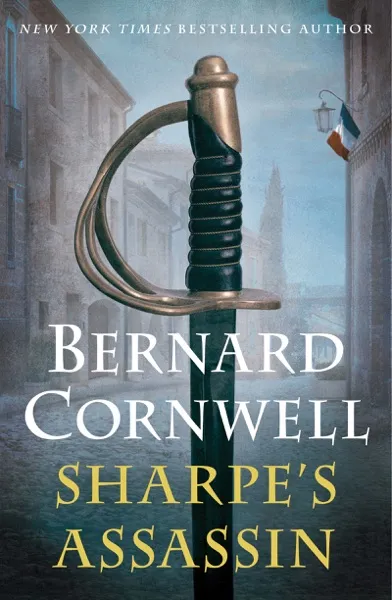
Sharpe's Assassin Author: Bernard CornwellPage Count: UnknownPublication Year: 2021-GB Sharpe’s Assassin: A Masterclass in Historical Fiction Bernard Cornwell’s Sharpe’s Assassin, the latest installment in his legendary Sharpe series, is a gripping tale that cements its place as one of the most thrilling historical novels of recent years. Set against the tumultuous backdrop of the Napoleonic Wars, this book is less a standalone adventure and more a visceral deep dive into the mind and methods of Richard Sharpe, Cornwell’s iconic rifleman-turned-officer. With his signature blend of relentless action, meticulous research, and raw character depth, Cornwell delivers a story that is as intellectually satisfying as it is pulse-pounding. At its core, Sharpe’s Assassin explores the duality of war—how violence shapes not just nations, but the souls of those who wield it. Sharpe, now a hardened veteran, finds himself entangled in a mission that forces him to confront the moral ambiguities of his profession. Cornwell doesn’t shy away from the brutality of 19th-century warfare; instead, he immerses the reader in it, making the mud, blood, and chaos feel immediate. The novel’s title itself hints at a darker theme: assassination as a weapon of war, a tool that blurs the line between soldier and killer. Sharpe, ever the pragmatist, must navigate this moral quagmire, forcing readers to question whether his actions are justified or merely survival instincts run amok. Cornwell’s prose is a study in efficiency and immersion. He writes with a journalist’s precision and a poet’s ear for rhythm, crafting sentences that crackle with energy yet remain grounded in historical authenticity. His battle scenes are legendary—for good reason. Whether it’s the chaos of a skirmish at night or the disciplined fire of a line of muskets, Cornwell’s descriptions put the reader squarely in the fray. The result is not just a story about war, but an experience of it. What sets Sharpe’s Assassin apart, however, is its focus on Sharpe’s internal struggles. Unlike earlier novels where his enemies were clear-cut, this installment pits him against a foe who is as cunning as he is ruthless—a shadowy assassin with a personal vendetta. The cat-and-mouse dynamic elevates the stakes, adding a layer of psychological tension that lingers long after the final page. Cornwell excels at making Sharpe’s flaws—his temper, his stubbornness, his occasional recklessness—feel like strengths, painting him as a man who thrives in chaos but is undone by his own demons. The supporting cast is, as always, a highlight. From Sharpe’s loyal comrades-in-arms to the morally complex antagonists, each character feels fully realized, their motivations driving the plot forward. The dialogue crackles with authenticity, and the historical details—whether it’s the logistics of marching an army or the politics of espionage—are woven seamlessly into the narrative. Cornwell’s world-building is so vivid that readers will forget they’re reading about the past and feel as though they’re living it. If there’s a critique to be made, it’s that Sharpe’s Assassin assumes a certain familiarity with the series. While it can stand alone, those new to Sharpe’s adventures might feel lost amid the web of references to past battles and relationships. Yet, this is a minor quibble in a novel that otherwise delivers everything fans could want: high-stakes action, moral complexity, and a protagonist who is as compelling as he is flawed. In the end, Sharpe’s Assassin is a triumph—a book that honors the legacy of the series while pushing it into darker, more introspective territory. Bernard Cornwell has once again proven why he remains the gold standard for historical fiction. This is a novel that will leave readers breathless, both by its storytelling and by its unflinching portrayal of war’s cost. #SharpeSeries #BernardCornwell #HistoricalFiction #NapoleonicWars #SharpeNovels #MilitaryFiction Related InsightsDead to the World Book Review and Summary Someone to Honor Book Review and Summary Halfway to the Grave Book Review and Summary{ "@context": "https://schema.org", "@type": "FAQPage", "mainEntity": [ { "@type": "Question", "name": "What is the main focus of Sharpe's Assassin Book Review and Summary?", "acceptedAnswer": { "@type": "Answer", "text": "Everything you need to know about Sharpe's Assassin with our detailed review." } }, { "@type": "Question", "name": "Who authored the comprehensive guide on Sharpe's Assassin Book Review and Summary?", "acceptedAnswer": { "@type": "Answer", "text": "This detailed article and its insights were carefully researched and authored by Olivia Harris." } }, { "@type": "Question", "name": "Where can I find more related content about Books?", "acceptedAnswer": { "@type": "Answer", "text": "You can explore more articles, detailed reviews, and similar insights by browsing the Related Insights section at the bottom of this article or visiting our dedicated Books category page." } } ] }
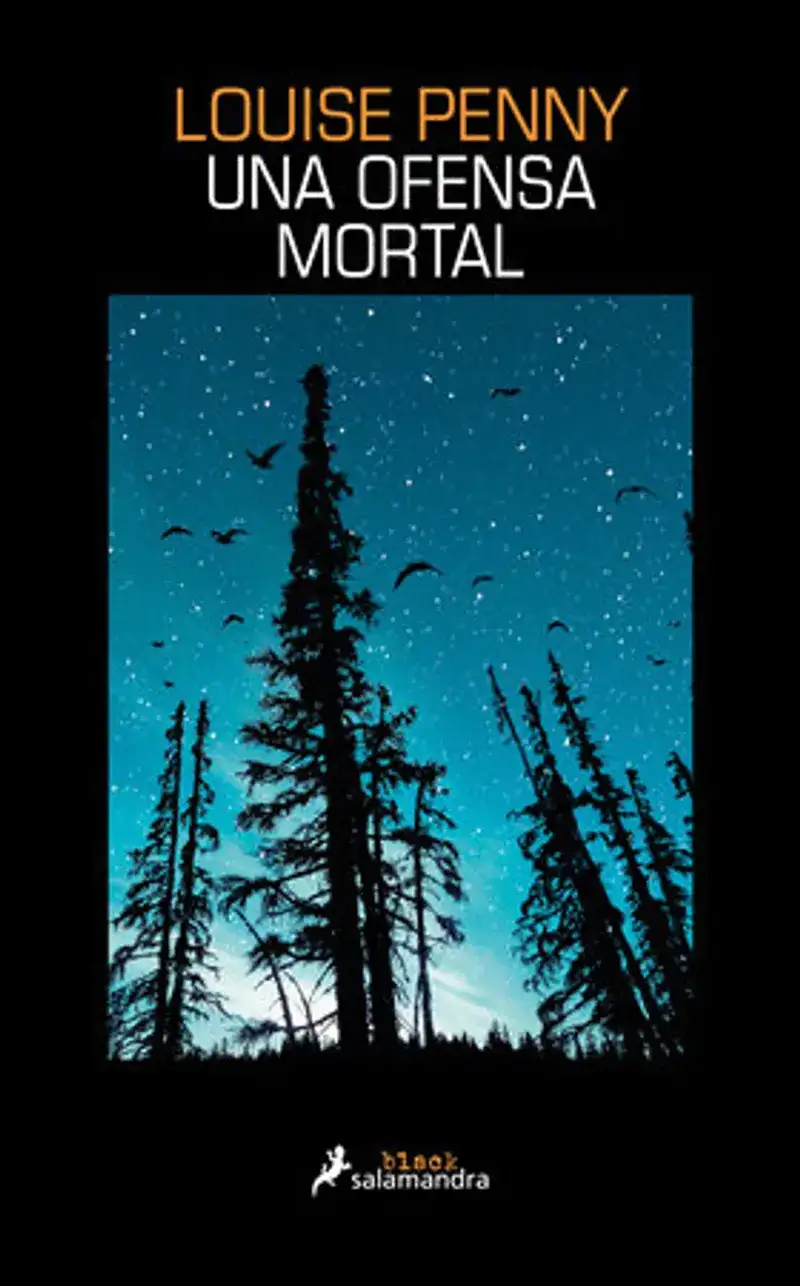
Una ofensa mortal / A Great Reckoning Author: Louise PennyPage Count: UnknownPublication Date: 2022-PRH Louise Penny’s A Great Reckoning, the twelfth installment in her celebrated Chief Inspector Gamache series, is a masterclass in psychological depth, moral complexity, and the unrelenting pursuit of truth—even when the truth implicates oneself. This novel is not just a murder mystery; it is a reckoning with corruption, legacy, and the weight of one’s own actions, all set against the hauntingly beautiful backdrop of Three Pines. Penny, a writer of extraordinary precision and emotional resonance, crafts a story that is as much about the internal battles of its protagonist as it is about the external hunt for a killer. At its core, A Great Reckoning explores the idea of systemic rot and the courage required to confront it. Gamache, now the commander of the Sûreté Academy, is tasked with reforming a police force plagued by brutality and moral decay. His mission is noble, but Penny does not shy away from showing the personal toll it takes. When an old colleague is murdered—found with a cryptic map of Three Pines in his possession—Gamache is thrust into a crisis that threatens to undo everything he has built. The investigation forces him to question not only the actions of others but his own past decisions and the unintended consequences they may have unleashed. What makes this novel stand out is Penny’s refusal to simplify morality. Gamache, a man of unwavering integrity, is not immune to suspicion. The narrative takes a daring turn as his own role in past events becomes a focal point of the investigation. This shift elevates the story from a conventional whodunit to a meditation on accountability and the burden of leadership. Penny’s prose is lush yet controlled, painting Three Pines as a place of both solace and dread—a setting where beauty and darkness coexist, much like the characters who inhabit it. Penny’s style is deceptively gentle, lulling the reader into a sense of comfort before delivering devastating emotional blows. She excels at weaving intricate subplots that feel organic rather than contrived, ensuring that every character, from the cadets at the academy to the eccentric residents of Three Pines, has depth and agency. The dialogue crackles with authenticity, and the tension builds with the precision of a master storyteller. A Great Reckoning also serves as a bridge between past and future in the Gamache series. Longtime fans will appreciate the nods to earlier books, while the themes of redemption and renewal give newcomers plenty to savor. Penny’s exploration of memory—how it shapes us and how we shape it—adds another layer of intrigue. The map found on the victim, for instance, is not just a clue but a symbol of hidden truths waiting to be uncovered. Ultimately, this novel is about the indomitable nature of the human spirit in the face of corruption and betrayal. Gamache’s journey is one of relentless self-interrogation, a reminder that even the most virtuous among us must confront their own flaws. Penny doesn’t offer easy answers, but she does offer something far more valuable: a story that lingers, that challenges, and that insists we ask ourselves uncomfortable questions. In A Great Reckoning, Louise Penny has crafted not just a mystery, but a profound meditation on justice, legacy, and the cost of truth. It’s a book that will leave you breathless, haunted, and perhaps a little more introspective by the final page. #LouisePenny #ChiefInspectorGamache #MysteryNovel #CrimeFiction #ThreePines #BookReview

Fangirl Down Author: Tessa BaileyPage Count: UnknownPublication Year: 2024-GB Fangirl Down by Tessa Bailey is a riotous, heartfelt celebration of fandom culture, self-discovery, and the messy, beautiful chaos of growing up—even when you’re still deeply, unapologetically invested in the things that shaped your adolescence. Bailey, a master of contemporary romance with a sharp wit and emotional depth, delivers a story that’s as much about the stories we love as it is about the people who help us love ourselves. At its core, Fangirl Down is a love letter to fandoms—those passionate, sometimes obsessive communities where people find belonging, creativity, and even a bit of escapism. Bailey’s protagonist, a 28-year-old former "fangirl" named Lila, is a walking contradiction: she’s a woman who once obsessed over a fictional universe called Galaxy Wars, only to now work a soul-crushing job in corporate America, wearing beige cardigans and pretending she’s moved on. But when an old friend drags her to a Galaxy Wars convention, Lila is forced to confront the fact that she hasn’t actually left her fangirl days behind—she’s just been hiding in plain sight. The convention becomes a catalyst for her to rediscover her passions, her confidence, and, most importantly, herself. Bailey’s genius lies in how she weaves fandom culture into the very fabric of the story. The Galaxy Wars universe isn’t just background noise; it’s a living, breathing entity that shapes Lila’s relationships, her insecurities, and her journey toward self-acceptance. Bailey nails the nuances of fandom—how it can be both a safe haven and a pressure cooker, how it can make you feel like you’re part of something bigger, but also how it can make you feel like an outsider when you outgrow it or when life demands you grow up. Lila’s internal struggle is relatable to anyone who’s ever felt like they had to shelve a piece of themselves to fit into the "real world." What makes Fangirl Down truly shine, however, is Bailey’s razor-sharp prose and her ability to balance humor with heart. The dialogue crackles with wit, the banter is snappy, and the emotional beats land with precision. Lila is a protagonist you can’t help but root for—she’s flawed, self-deprecating, and endearingly human. Her journey isn’t just about reconnecting with her passion; it’s about learning that growing up doesn’t mean leaving your inner child behind. It means integrating those passions into your adult life in a way that feels authentic and fulfilling. Bailey also excels at crafting secondary characters who feel just as real as Lila. The love interest, a charming and slightly arrogant Galaxy Wars actor named Kai, is the perfect foil to Lila’s self-doubt. Their dynamic is electric—full of push-and-pull, mutual respect, and a slow-burn romance that feels earned. Even the side characters, from Lila’s supportive best friend to the eccentric convention attendees, add depth and texture to the story, making the world feel vibrant and alive. The book’s structure is another standout feature. Bailey alternates between Lila’s present-day struggles and flashbacks to her fangirl heyday, creating a rich tapestry of nostalgia and growth. The flashbacks aren’t just nostalgic for the sake of it; they serve to highlight how much Lila has changed—and how much she hasn’t. The contrast between her past and present selves is both poignant and hilarious, especially when she realizes how much of her identity she’s been suppressing. Fangirl Down is more than just a romance or a coming-of-age story—it’s a manifesto for embracing the things that make you you, even when the world tells you to grow out of them. Bailey’s writing is a masterclass in balancing humor, emotion, and authenticity, making this book a must-read for anyone who’s ever felt like they didn’t quite fit in, or who’s ever found solace in the worlds they love. In a literary landscape often dominated by cynicism, Fangirl Down is a refreshing, uplifting reminder that passion and joy aren’t things you outgrow. They’re things you carry with you, and sometimes, you just need a little push to remember that. #FangirlDown #TessaBailey #RomanceBooks #FandomLove #ComingOfAge #Bookstagram Related InsightsThe Wind in the Willows Book Review and Summary Living Fearless: Exchanging the Lies of the World for the Liberating Truth of God Book Review and Summary Dangerous Impulses (The Naturals, #5) Book Review and Summary{ "@context": "https://schema.org", "@type": "FAQPage", "mainEntity": [ { "@type": "Question", "name": "What is the main focus of Fangirl Down Book Review and Summary?", "acceptedAnswer": { "@type": "Answer", "text": "Everything you need to know about Fangirl Down with our detailed review." } }, { "@type": "Question", "name": "Who authored the comprehensive guide on Fangirl Down Book Review and Summary?", "acceptedAnswer": { "@type": "Answer", "text": "This detailed article and its insights were carefully researched and authored by Olivia Harris." } }, { "@type": "Question", "name": "Where can I find more related content about Books?", "acceptedAnswer": { "@type": "Answer", "text": "You can explore more articles, detailed reviews, and similar insights by browsing the Related Insights section at the bottom of this article or visiting our dedicated Books category page." } } ] }
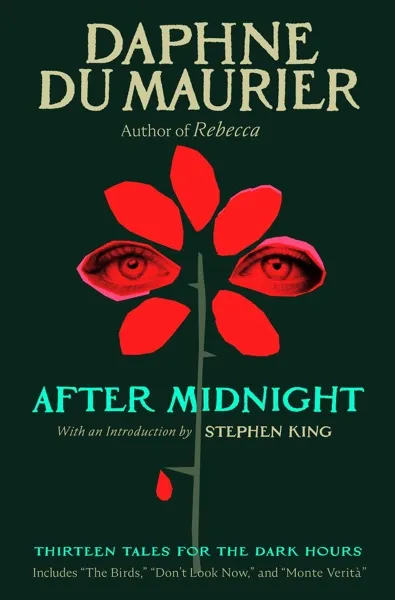
After Midnight Author: Daphne du MaurierPage Count: UnknownPublication Year: 2025-GB Daphne du Maurier's latest masterpiece, "After Midnight", has taken the literary world by storm, and for good reason. This global bestseller is a gripping tale that masterfully weaves together elements of mystery, romance, and suspense, leaving readers on the edge of their seats from start to finish. At its core, "After Midnight" is a story about the human condition, delving into the complexities of relationships, the power of secrets, and the blurred lines between reality and illusion. Du Maurier's writing style is as captivating as ever, with a narrative voice that is both haunting and hypnotic. Her use of language is deliberate and evocative, painting vivid pictures of the characters and their surroundings that linger long after the final page has been turned. One of the standout features of "After Midnight" is its cast of complex and multi-dimensional characters. Du Maurier has a remarkable ability to craft characters that are both relatable and flawed, making it impossible not to become invested in their lives. The protagonist, in particular, is a masterclass in character development, with a depth and nuance that is rare in modern literature. As with all of du Maurier's works, the setting of "After Midnight" plays a significant role in shaping the narrative. The author's vivid descriptions of the atmospheric landscapes and crumbling architecture are so evocative that they become a character in their own right, adding to the sense of foreboding and tension that permeates the story. Throughout the book, du Maurier explores a range of themes that are both timely and timeless. The nature of truth and deception is a recurring motif, as is the destructive power of secrets and the devastating consequences of their revelation. The author also delves into the complexities of human relationships, exposing the fragility and beauty of love, friendship, and family bonds. What sets "After Midnight" apart from other novels in the genre is its masterful pacing and plotting. Du Maurier is a master of the slow burn, expertly ratcheting up the tension and suspense as the story unfolds. The result is a narrative that is both propulsive and immersive, making it impossible to put the book down. In short, "After Midnight" is a triumph of modern literature, a gripping and atmospheric tale that will appeal to fans of mystery, romance, and suspense. With its complex characters, vivid setting, and masterful plotting, this book is sure to stay with readers long after the final page has been turned. #AfterMidnight #DaphneDuMaurier #LiteraryFiction #MysteryAndSuspense #BookReview Related InsightsAn Ember in the Ashes Book Review and Summary Triple Threat Book Review and Summary Hyperion Book Review and Summary{ "@context": "https://schema.org", "@type": "FAQPage", "mainEntity": [ { "@type": "Question", "name": "What is the main focus of **After Midnight** Book Review and Summary?", "acceptedAnswer": { "@type": "Answer", "text": "Everything you need to know about **After Midnight** with our detailed review." } }, { "@type": "Question", "name": "Who authored the comprehensive guide on **After Midnight** Book Review and Summary?", "acceptedAnswer": { "@type": "Answer", "text": "This detailed article and its insights were carefully researched and authored by Olivia Harris." } }, { "@type": "Question", "name": "Where can I find more related content about Books?", "acceptedAnswer": { "@type": "Answer", "text": "You can explore more articles, detailed reviews, and similar insights by browsing the Related Insights section at the bottom of this article or visiting our dedicated Books category page." } } ] }
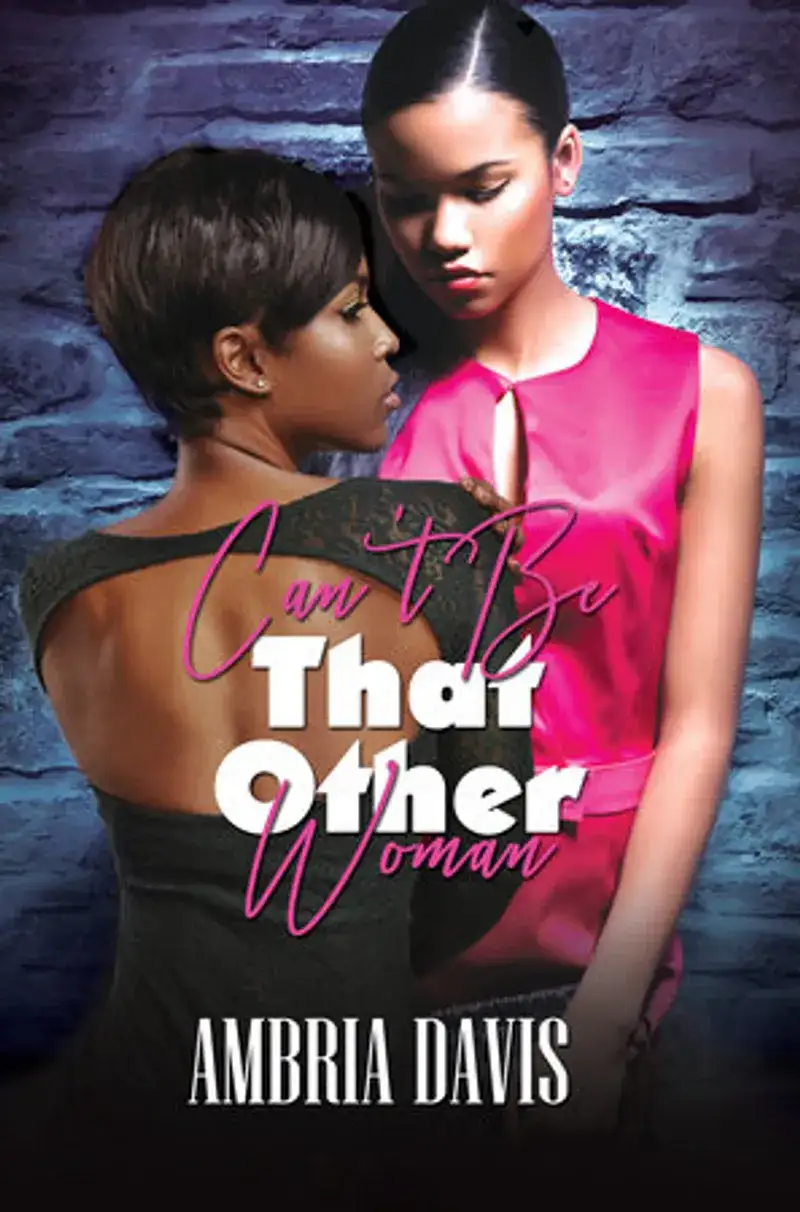
Can't Be That Other Woman Author: Ambria DavisPage Count: UnknownPublication Date: 2022-PRH Ambria Davis delivers a scorching, unapologetic exploration of love, obsession, and the raw edges of human desire in Can’t Be That Other Woman. This isn’t just another tale of forbidden romance; it’s a visceral, emotionally charged battle between duty and desire, where loyalty is tested and hearts are weaponized. With razor-sharp prose and a narrative that crackles with tension, Davis crafts a story that lingers long after the last page—leaving readers questioning: Would I be the woman who walks away, or the one who fights to the end? At its core, Can’t Be That Other Woman is a story about power—who holds it, who abuses it, and who is ultimately destroyed by it. The novel thrusts us into the lives of three unforgettable characters: Delaney, Onijae, and Bianca, each tethered to the others by love, lust, and lies. Delaney, the book’s protagonist, is a survivor in the truest sense. At seventeen, she’s already shouldered the weight of a broken family, her parents lost to addiction while she scrambles to keep her younger siblings fed and sheltered. Her resilience is magnetic, but Davis doesn’t paint her as a saint. Delaney is flawed, impulsive, and—like all of us—capable of making reckless choices when emotions run high. When she meets Onijae, a devastatingly handsome businessman with a reputation for breaking hearts, she’s not just dazzled by his charm; she’s captivated. This isn’t a fleeting infatuation—it’s a spark that threatens to consume her, and Davis ensures we feel the heat of it too. Onijae is the kind of man who exists in fiction to both intrigue and infuriate. Charismatic, wealthy, and effortlessly magnetic, he’s the kind of figure who commands attention without trying. But Davis doesn’t let him off easy. He’s not a hero; he’s a man who thrives on control, who enjoys the thrill of the chase, and who sees women as either trophies or obstacles. His relationship with Bianca—his long-term girlfriend—is a carefully constructed illusion of stability, one that Delaney shatters the moment she steps into his orbit. What makes Onijae compelling isn’t his goodness (he’s decidedly not good), but his humanity. Davis peels back his layers to reveal a man who is as much a prisoner of his own desires as anyone else. Then there’s Bianca, the book’s most chilling character. Where Onijae is all charm and Delaney is all fire, Bianca is ice and steel. She’s not just fighting to keep her man; she’s fighting for her identity. Their relationship is a prison of her own making, and Bianca’s response to Delaney’s presence isn’t desperation—it’s war. Davis writes her with such ferocity that you’ll flinch at her ruthlessness, admire her tenacity, and yet still recoil at her methods. Bianca is the kind of villain you can’t look away from, a woman who refuses to be discarded and will burn the world to ashes before she lets that happen. Davis’s writing style is electric, pulsing with urgency and raw emotion. She doesn’t waste time on flowery descriptions or unnecessary exposition; every sentence serves a purpose, whether it’s to ratchet up the tension or reveal a character’s hidden depths. The dialogue crackles with authenticity, especially in the charged exchanges between the three leads. There’s a gritty realism to the story that grounds it, making the drama feel visceral rather than melodramatic. Even the secondary characters—Delaney’s siblings, Onijae’s associates, Bianca’s allies—are sketched with just enough detail to breathe life into the world without distracting from the main conflict. The themes of Can’t Be That Other Woman are timeless but rendered fresh through Davis’s bold lens. Betrayal isn’t just a plot device here; it’s a living, breathing entity that twists and distorts every relationship. Loyalty is tested in ways that are both heartbreaking and infuriating, and the question of who gets to claim love—or even deserve it—is left hauntingly ambiguous. Davis forces readers to confront uncomfortable truths: Is love ever truly selfless? Can two women truly share a man without one of them being destroyed? And perhaps most importantly, what would you do if you found yourself in Delaney’s shoes, knowing the cost of your choices? This is a book that demands to be read in one sitting. It’s addictive, exasperating, and impossible to put down. By the end, you’ll be left breathless, questioning your own boundaries and wondering how far you’d go for the people you love—or the ones you think you love. Davis doesn’t just tell a story; she immerses you in it, making you a witness to the collision of passion and destruction. Can’t Be That Other Woman is a masterclass in modern fiction that thrives on its unflinching portrayal of love as both salvation and sin. It’s a book for anyone who’s ever loved too hard, fought too fiercely, or been broken by desire. #Can’tBeThatOtherWoman #AmbriaDavis #ForbiddenLove #LoveTriangleDrama #DarkRomance #TakeTheRisk Related InsightsClockers Book Review and Summary Death at a Highland Wedding Book Review and Summary Claimed by the Orc King (Fated and Bound, 1) Book Review and Summary{ "@context": "https://schema.org", "@type": "FAQPage", "mainEntity": [ { "@type": "Question", "name": "What is the main focus of Can't Be That Other Woman Book Review and Summary?", "acceptedAnswer": { "@type": "Answer", "text": "Everything you need to know about Can't Be That Other Woman with our detailed review." } }, { "@type": "Question", "name": "Who authored the comprehensive guide on Can't Be That Other Woman Book Review and Summary?", "acceptedAnswer": { "@type": "Answer", "text": "This detailed article and its insights were carefully researched and authored by Olivia Harris." } }, { "@type": "Question", "name": "Where can I find more related content about Books?", "acceptedAnswer": { "@type": "Answer", "text": "You can explore more articles, detailed reviews, and similar insights by browsing the Related Insights section at the bottom of this article or visiting our dedicated Books category page." } } ] }
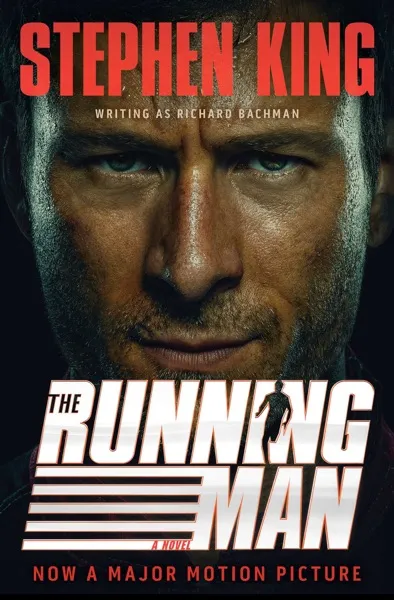
Running Man Author: Richard BachmanPage Count: UnknownPublication Year: 2025-GB Running Man: A Dystopian Masterpiece That Redefines Survival in a Broken World In a world where hope is a luxury and freedom is a myth, one man’s desperate gamble against an oppressive system becomes the ultimate test of human endurance. Running Man, the latest masterpiece from the enigmatic Richard Bachman—a pseudonym famously linked to Stephen King—is a pulse-pounding dystopian thriller that grips from the first page and refuses to let go. With its razor-sharp prose, relentless pacing, and a premise that feels eerily prescient, this book isn’t just a story; it’s a mirror held up to society’s darkest fears. If you thought survival was hard before, wait until you meet the rules of this deadly game. At its core, Running Man explores the crushing weight of systemic oppression and the lengths to which people will go to escape it. The novel unfolds in a near-future America where economic collapse has plunged the nation into chaos, and the government has turned entertainment into a brutal spectacle. The titular game is a televised deathmatch where contestants fight for cash prizes while being hunted by "Hunters"—elite enforcers tasked with stopping them at any cost. The twist? The more you win, the more dangerous it becomes. It’s a scathing critique of reality TV culture, government control, and the commodification of human suffering, all wrapped in a narrative that’s as thrilling as it is thought-provoking. The protagonist, Ben Richards, is a man pushed to the brink by a system that has failed him. A former police officer turned desperate father, Ben enters the game not for glory, but for the chance to secure his family’s survival. His journey is one of quiet desperation, a man stripped of his humanity by circumstance, forced to become something he never wanted to be. Bachman crafts Richards with a raw, unflinching realism that makes his struggles feel visceral. You won’t just root for him—you’ll ache with him, question his choices, and wonder if survival is even possible in a world that has already decided his fate. Bachman’s writing style is a masterclass in tension-building. The prose is lean, direct, and devoid of unnecessary flourish, mirroring the stripped-down, survivalist mentality of the story. There’s no room for flowery descriptions when every word could be your last. The pacing is relentless, with each chapter escalating the stakes in ways that leave you breathless. The dialogue crackles with authenticity, and the world-building is so immersive that you’ll forget you’re reading fiction. It’s the kind of writing that makes you forget you’re holding a book—you’re just living the nightmare alongside Ben Richards. What sets Running Man apart from other dystopian novels is its unflinching portrayal of moral ambiguity. There are no clear heroes, no easy victories—just a man fighting against a machine that’s designed to grind him into dust. The game’s rules are cruel, the odds are stacked against him, and every decision Ben makes carries consequences that ripple far beyond his own life. Bachman doesn’t shy away from the uglier aspects of human nature, either. Betrayal, desperation, and the erosion of trust are as much a part of this world as the oppressive regime itself. The novel’s themes resonate deeply in today’s climate of economic inequality, government surveillance, and the erosion of personal freedoms. It’s a warning, a prophecy, and a mirror all at once. Bachman forces readers to confront uncomfortable questions: How far would you go to survive? What would you sacrifice for the people you love? And in a world where the powerful profit from the suffering of the weak, is there any real justice left? Running Man isn’t just a book—it’s an experience. It’s the kind of story that lingers long after the last page, gnawing at your thoughts and sparking debates about power, morality, and the human spirit. Whether you’re a fan of dystopian fiction, psychological thrillers, or simply great storytelling, this novel delivers in spades. It’s a global bestseller for a reason, and once you dive into its pages, you’ll understand why. If you’re looking for a book that will challenge you, thrill you, and leave you questioning the world around you, Running Man is a must-read. Just don’t expect to sleep well afterward. #RunningMan #DystopianFiction #StephenKing #SurvivalThriller #BachmanBooks Related InsightsL'Eco del Destino: Il Viaggio Metafisico tra le Sabbie di L'Alchimista Ready Player One Book Review and Summary Dark Places Book Review and Summary{ "@context": "https://schema.org", "@type": "FAQPage", "mainEntity": [ { "@type": "Question", "name": "What is the main focus of **Running Man** Book Review and Summary?", "acceptedAnswer": { "@type": "Answer", "text": "Everything you need to know about **Running Man** with our detailed review." } }, { "@type": "Question", "name": "Who authored the comprehensive guide on **Running Man** Book Review and Summary?", "acceptedAnswer": { "@type": "Answer", "text": "This detailed article and its insights were carefully researched and authored by Olivia Harris." } }, { "@type": "Question", "name": "Where can I find more related content about Books?", "acceptedAnswer": { "@type": "Answer", "text": "You can explore more articles, detailed reviews, and similar insights by browsing the Related Insights section at the bottom of this article or visiting our dedicated Books category page." } } ] }
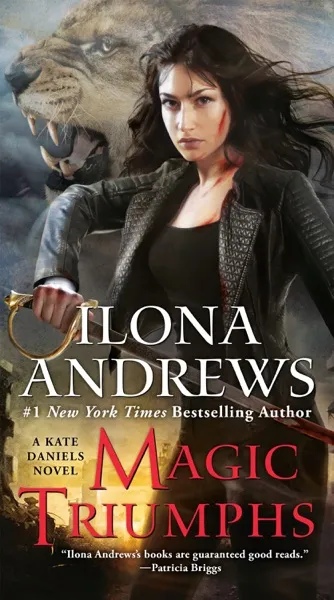
Magic triumphs Author: Ilona AndrewsPage Count: UnknownPublication Year: 2018-GB Ilona Andrews’ Magic Triumphs is the sixth and final installment in the Kate Daniels series, a saga that has captivated readers with its blend of urban fantasy, relentless action, and razor-sharp wit. Published in 2018, this conclusion to the epic series delivers everything fans have come to expect: a high-stakes battle against supernatural forces, a heroine whose strength is as much about resilience as it is about raw power, and a world where magic is as unpredictable as it is dangerous. Andrews, a husband-and-wife writing duo, crafts a narrative that is at once intimate and sprawling, diving deep into the personal stakes of her characters while escalating the global conflict to apocalyptic proportions. At its core, Magic Triumphs is about legacy—both the one we inherit and the one we choose to create. Kate Daniels, the series’ protagonist, is a woman defined by her past: a childhood spent on the run from her ruthless, shape-shifting father; a career forged in the trenches of Atlanta’s supernatural underworld; and a love that has tested her at every turn. Yet by this final installment, Kate is no longer just reacting to the chaos around her. She is stepping into her role as a leader, a protector, and ultimately, the architect of a new order. The book’s central conflict pits her against not just external enemies, but the weight of her own destiny. Andrews explores this theme with nuance, avoiding simplistic heroics in favor of a raw, emotional journey where Kate must reconcile her desire for a normal life with the inescapable truth that her power—and her responsibility—are far greater than she ever wanted. Andrews’ style is a masterclass in balancing grit and charm. The prose crackles with energy, whether she’s describing a brutal sword fight, the eerie silence of a magic-free zone, or the dry humor that drips from Kate’s internal monologue. Her world-building is meticulous yet never overwhelming; the post-shifting world of Atlanta is vividly realized, from the crumbling skyscrapers of the magic-dead zones to the opulent lairs of the shapeshifters. What sets Andrews apart, however, is her ability to make even the most fantastical elements feel grounded. The magic system—where technology and sorcery ebb and flow in a deadly dance—isn’t just a backdrop but a living, breathing force that shapes every interaction. When magic surges, the world shifts with it, and Andrews ensures that readers feel the disorientation alongside the characters. One of the most compelling aspects of Magic Triumphs is its treatment of found family. Kate’s relationships—with Curran, her husband and the Beast Lord; with Andrea, her best friend and former mercenary ally; and with the cadre of misfits who make up her inner circle—are the emotional bedrock of the series. Andrews doesn’t shy away from the complexities of these bonds. Loyalty is tested, betrayals sting, and love is both a shield and a vulnerability. The dialogue crackles with real affection and occasional frustration, making the stakes feel personal in a way that few series achieve. Curran, in particular, is a standout—a character who evolves from a brash, dominant shapeshifter to a deeply devoted partner, all while retaining the swagger and humor that made him iconic. Their dynamic is a masterclass in slow-burn romance, built on mutual respect, shared history, and an ease with each other that feels earned. The action in Magic Triumphs is relentless, but it’s never empty spectacle. Andrews choreographs fight scenes with precision, ensuring that each clash feels consequential. Whether it’s a duel in a collapsing building or a desperate stand against an army of enchanted creatures, the stakes are always clear. What’s more impressive is how these moments serve the larger narrative. Every confrontation, every sacrifice, every near-failure advances the themes of legacy and choice. The climax, when it arrives, is both satisfying and bittersweet—a resolution that honors the series’ journey while acknowledging that some battles leave scars that never fully fade. Andrews also excels in subverting expectations. The Kate Daniels series is known for its twists, and Magic Triumphs delivers a few that will leave readers gasping. Yet these revelations never feel like cheap tricks. Instead, they’re organic extensions of the world and characters Andrews has spent six books cultivating. The villains, too, are more than just cardboard cutouts. They’re products of the same system that shaped Kate, their motivations rooted in survival, power, or ideology. This moral complexity elevates the story beyond a simple good-versus-evil tale, making the reader question where the line between hero and villain truly lies. Ultimately, Magic Triumphs is a story about reclaiming power—not just in the magical sense, but in the personal and political arenas. Kate’s journey is one of acceptance: accepting her strengths, her flaws, and the burdens she carries. Andrews wraps up the series with a sense of finality, but not without leaving room for reflection. The ending is bittersweet, celebratory, and quietly devastating all at once. It’s a fitting close to a series that has always balanced grandeur with intimacy, spectacle with soul. For fans of urban fantasy, Magic Triumphs is a must-read—a thrilling, emotional, and deeply satisfying conclusion to a series that has defined the genre for over a decade. Andrews’ voice is as distinctive as ever, her world as immersive, and her characters as unforgettable. If you’ve followed Kate’s journey from the beginning, this book will feel like coming home. And if you’re new to the series? Well, you’re in for a treat—a story that will keep you up all night, your heart pounding and your mind racing long after the last page. #KateDanielsSeries #IlonaAndrews #UrbanFantasy #MustReadFantasy #BookReview #FantasyFinale Related InsightsSarah's Key Book Review and Summary The Wasp Factory Book Review and Summary Storm Front Book Review and Summary{ "@context": "https://schema.org", "@type": "FAQPage", "mainEntity": [ { "@type": "Question", "name": "What is the main focus of Magic triumphs Book Review and Summary?", "acceptedAnswer": { "@type": "Answer", "text": "Everything you need to know about Magic triumphs with our detailed review." } }, { "@type": "Question", "name": "Who authored the comprehensive guide on Magic triumphs Book Review and Summary?", "acceptedAnswer": { "@type": "Answer", "text": "This detailed article and its insights were carefully researched and authored by Olivia Harris." } }, { "@type": "Question", "name": "Where can I find more related content about Books?", "acceptedAnswer": { "@type": "Answer", "text": "You can explore more articles, detailed reviews, and similar insights by browsing the Related Insights section at the bottom of this article or visiting our dedicated Books category page." } } ] }
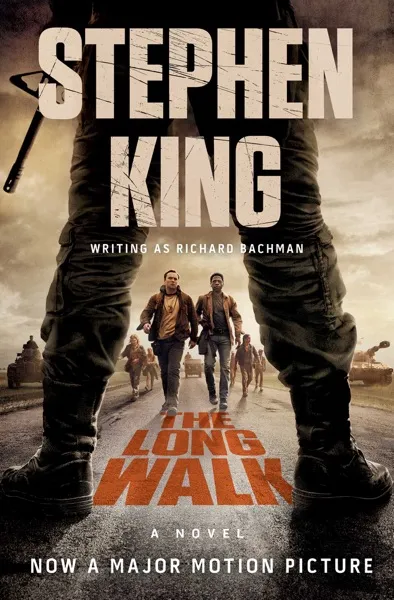
Long Walk Author: Stephen KingPage Count: UnknownPublication Year: 2025-GB Stephen King’s Long Walk: A Masterclass in Psychological Horror and Unrelenting Suspense Few authors can weave terror into the fabric of everyday life quite like Stephen King, and with Long Walk, he has once again proven why he remains the undisputed king of modern horror. Set to release in 2025, this highly anticipated novel has already been hailed as a global bestseller, and for good reason. King’s latest work is a chilling exploration of human endurance, the fragility of the mind, and the dark corners of the American psyche—all wrapped in a narrative that is as gripping as it is unsettling. At its core, Long Walk is a survival story, but not the kind that pits characters against external threats like zombies or monsters. Instead, King crafts a harrowing tale of psychological warfare, where the real enemy is the human mind itself. The story follows a group of strangers forced into an impossible journey, a relentless trek with no clear destination and no rules except one: keep walking, or die. The premise is deceptively simple, yet the execution is anything but. King’s genius lies in his ability to turn a basic premise into a claustrophobic nightmare, where the true horror isn’t just the physical exhaustion but the unraveling of sanity under pressure. One of the most striking aspects of Long Walk is its exploration of themes that resonate deeply in today’s world. The novel delves into the concept of endurance—both physical and mental—and what happens when the limits of human resilience are pushed to their breaking point. King doesn’t shy away from the brutality of such a scenario, forcing his characters (and readers) to confront uncomfortable questions: How far would you go to survive? What would you sacrifice? And at what cost does victory come? These themes are universal, making Long Walk more than just a horror story; it’s a meditation on the human condition. The characters in Long Walk are as compelling as they are flawed, each bringing their own fears, traumas, and secrets to the journey. King excels at creating deeply human protagonists, and this novel is no exception. The ensemble cast is diverse, each representing different facets of society, yet they are all united by their shared ordeal. The protagonist, whose identity remains shrouded in mystery, serves as the emotional anchor of the story, their internal monologue a raw and unfiltered window into the chaos of their mind. King’s character development is masterful, ensuring that readers become deeply invested in their fates. King’s writing style in Long Walk is as immersive as ever, blending stark realism with surreal, nightmarish elements. His prose is tight and economical, yet rich with detail, allowing the tension to build gradually until it becomes almost unbearable. The pacing is relentless, mirroring the physical and mental strain of the characters, and the atmosphere is suffused with a creeping dread that lingers long after the last page. King’s ability to manipulate tension is unparalleled, and Long Walk is a testament to his skill in keeping readers on the edge of their seats. What sets Long Walk apart from King’s other works is its stripped-down, almost minimalist approach. Unlike his sprawling epics like The Stand or It, this novel is lean and focused, with a single, unrelenting narrative thread. This makes it all the more intense, as there are no distractions from the central horror—the slow, inevitable collapse of the human spirit. The result is a book that feels like a punch to the gut, a visceral experience that lingers in the mind long after the final word. For fans of psychological horror, Long Walk is a must-read. It’s a book that will haunt you, not just because of its scares, but because of its unflinching exploration of what it means to be human in the face of unimaginable pressure. For those new to King’s work, it’s a perfect introduction to his mastery of the genre. Either way, Long Walk is a novel that demands to be read in one sitting, a testament to King’s enduring ability to terrify and captivate in equal measure. Stephen King has done it again. Long Walk is more than just a horror novel; it’s a work of art that will stand the test of time. #StephenKing #LongWalk #HorrorBooks #PsychologicalThriller #BookReview Related InsightsAngela's Ashes Book Review and Summary Adam and Eve Book Review and Summary Dead Before Tea Time: An Agatha Raisin Mystery (Agatha Raisin Mysteries, 37) Book Review and Summary{ "@context": "https://schema.org", "@type": "FAQPage", "mainEntity": [ { "@type": "Question", "name": "What is the main focus of **Long Walk** Book Review and Summary?", "acceptedAnswer": { "@type": "Answer", "text": "Everything you need to know about **Long Walk** with our detailed review." } }, { "@type": "Question", "name": "Who authored the comprehensive guide on **Long Walk** Book Review and Summary?", "acceptedAnswer": { "@type": "Answer", "text": "This detailed article and its insights were carefully researched and authored by Olivia Harris." } }, { "@type": "Question", "name": "Where can I find more related content about Books?", "acceptedAnswer": { "@type": "Answer", "text": "You can explore more articles, detailed reviews, and similar insights by browsing the Related Insights section at the bottom of this article or visiting our dedicated Books category page." } } ] }

- Olivia Harris
- 05 Apr, 2026 19:44
El Club de las 5 de la mañana: Controla tus mañanas, impulsa tu vida / The 5 AM Club: Own Your Morning. Elevate Your Life. Book Review and Summary
El Club de las 5 de la mañana: Controla tus mañanas, impulsa tu vida / The 5 AM Club: Own Your Morning. Elevate Your Life. Author: Robin SharmaPage Count: UnknownPublication Date: 2019-PRH The 5 AM Club: A Wake-Up Call for a Life of Purpose, Power, and Peace Robin Sharma’s The 5 AM Club isn’t just another self-help book—it’s a manifesto for reclaiming control over your life by mastering the most overlooked hours of the day. Published in 2019, this book distills over two decades of Sharma’s work with high achievers into a compelling narrative that blends storytelling with actionable wisdom. If you’ve ever felt like the world is moving too fast and you’re struggling to keep up, this book might just be the nudge you need to transform your mornings—and, by extension, your life. At its core, The 5 AM Club champions the power of waking up at 5 AM, not as a cruel alarm-induced torture, but as a sacred ritual to unlock your highest potential. Sharma argues that the early morning is the "Victory Hour"—a time when the world is still asleep, distractions are minimal, and your mind is primed for creativity, discipline, and growth. The book’s central premise is simple: by dedicating the first hour of your day to strategic activities—movement, reflection, and learning—you set the tone for success, clarity, and resilience. Sharma’s approach isn’t about blindly following a rigid schedule; it’s about crafting a personal morning routine that aligns with your goals and values. He introduces the "20/20/20 Formula," a three-part morning ritual that divides the first hour into three 20-minute segments:20 Minutes of Exercise – Not just any workout, but high-intensity movement to flood your brain with endorphins and oxygen, priming it for peak performance. 20 Minutes of Reflection – Meditation, journaling, or quiet contemplation to cultivate focus, gratitude, and mental clarity. 20 Minutes of Learning – Absorbing knowledge through reading, audiobooks, or podcasts to expand your mind and fuel growth.This formula isn’t arbitrary. It’s rooted in neuroscience, psychology, and Sharma’s own experience coaching CEOs, athletes, and entrepreneurs. The idea is to leverage the "flow state" that occurs in the early hours, when your willpower is fresh and your environment is undisturbed by the chaos of daily life. What makes The 5 AM Club stand out is Sharma’s storytelling. The book unfolds as a parable, following two struggling individuals—an artist and an entrepreneur—who cross paths with a mysterious billionaire mentor. Through their conversations, Sharma weaves in the principles of elite performance in a way that feels organic and engaging. It’s not a dry lecture; it’s a conversation that feels personal, even if the characters are fictional. This narrative technique makes complex ideas—like the "5 AM Mindset" or the "Tight Bubble of Total Focus"—more relatable and easier to internalize. Sharma’s writing is motivational without being preachy. He writes with the passion of a coach and the authority of someone who has helped thousands transform their lives. His prose is punchy, peppered with metaphors ("Your mind is a garden; your thoughts are the seeds") and nuggets of wisdom that stick long after you’ve turned the last page. Yet, he never shies away from hard truths. He acknowledges that discipline is hard, that distractions are everywhere, and that most people will resist change. But he also makes the case that the effort is worth it: "The way you wake up sets the tone for the entire day. How you start your morning determines how you live your life." Critics might argue that Sharma’s advice leans toward the idealistic—waking up at 5 AM is easier said than done, especially for night owls or parents of young children. And while the book doesn’t sugarcoat the challenges, it does provide practical tips to make the habit stick, like the "10-3-2-1-0 Rule" (10 hours of sleep, 3 liters of water, 2 hours without caffeine, 1 hour of screen-free time before bed, and 0 excuses in the morning). It’s not a one-size-fits-all solution, but a framework to adapt to your lifestyle. For those who are skeptical about the "5 AM hype," Sharma’s message isn’t about the time itself but about the habit of owning your mornings. It’s about creating space for what truly matters—whether that’s exercise, creativity, or strategic thinking—before the demands of the day take over. In a world where we’re constantly bombarded by notifications, deadlines, and the expectations of others, The 5 AM Club is a reminder that you don’t have to be a slave to your schedule. You can design it. If you’re looking for a book that will inspire you to take action rather than just nod along, The 5 AM Club delivers. It’s not a quick fix, but a long-term investment in your most valuable asset: your time. Sharma doesn’t just tell you to wake up early; he shows you why it matters and how to make it happen. And in doing so, he might just help you join the elite group of people who control their mornings—and, by extension, their lives. #5AMClub #MorningRoutine #PersonalDevelopment #RobinSharma #ProductivityHacks #SelfImprovement Related InsightsEleanor & Park Book Review and Summary Longitude Book Review and Summary El código de la vida / The Code Breaker: Jennifer Doudna, Gene Editing, and the Future of the Human Book Review and Summary{ "@context": "https://schema.org", "@type": "FAQPage", "mainEntity": [ { "@type": "Question", "name": "What is the main focus of El Club de las 5 de la mañana: Controla tus mañanas, impulsa tu vida / The 5 AM Club: Own Your Morning. Elevate Your Life. Book Review and Summary?", "acceptedAnswer": { "@type": "Answer", "text": "Everything you need to know about El Club de las 5 de la mañana: Controla tus mañanas, impulsa tu vida / The 5 AM Club: Own Your Morning. Elevate Your Life. with our detailed review." } }, { "@type": "Question", "name": "Who authored the comprehensive guide on El Club de las 5 de la mañana: Controla tus mañanas, impulsa tu vida / The 5 AM Club: Own Your Morning. Elevate Your Life. Book Review and Summary?", "acceptedAnswer": { "@type": "Answer", "text": "This detailed article and its insights were carefully researched and authored by Olivia Harris." } }, { "@type": "Question", "name": "Where can I find more related content about Books?", "acceptedAnswer": { "@type": "Answer", "text": "You can explore more articles, detailed reviews, and similar insights by browsing the Related Insights section at the bottom of this article or visiting our dedicated Books category page." } } ] }
King Noir Author: Tony MagistralePage Count: UnknownPublication Year: 2025-GB Imagine stepping into a world where the lines between reality and fantasy are blurred, and the darkness that lurks within human nature is exposed in all its complexity. This is the world that Tony Magistrale masterfully crafts in his latest novel, King Noir, a gripping and thought-provoking tale that has captivated readers worldwide, solidifying its position as a global bestseller. As you delve into the pages of this literary masterpiece, you'll be drawn into a realm of psychological suspense, philosophical introspection, and atmospheric tension, making it impossible to look away. At its core, King Noir is a novel that defies easy categorization, blending elements of mystery, thriller, and philosophical fiction to create a unique narrative that is both haunting and mesmerizing. Magistrale's writing style is characterized by its lyricism, depth, and nuance, as he weaves together a complex tapestry of characters, each with their own distinct voice, motivations, and conflicts. The author's use of language is deliberate and evocative, conjuring vivid images and emotions that linger long after the story is finished. One of the most striking aspects of King Noir is its exploration of the human condition, delving into themes of identity, morality, and the nature of evil. Magistrale's characters are multidimensional and richly drawn, with flaws and weaknesses that make them relatable and human. The protagonist, in particular, is a fascinating and complex figure, driven by a mix of motivations that are both noble and self-serving. As the story unfolds, the lines between good and evil are blurred, and the reader is forced to confront the darkness that lies within themselves. Throughout the novel, Magistrale masterfully explores the tension between light and darkness, hope and despair, and the fragile balance that exists between these opposing forces. The world he creates is one of shadows and silhouettes, where the truth is often obscured, and nothing is as it seems. This sense of ambiguity and uncertainty keeps the reader on edge, as they struggle to piece together the puzzle of clues and hidden meanings that Magistrale skillfully scatters throughout the narrative. The author's use of symbolism and metaphors adds another layer of depth to the story, inviting the reader to interpret and reflect on the themes and ideas that are presented. The title King Noir itself is a masterful stroke, evoking the idea of a dark, omnipotent force that reigns supreme, while also hinting at the possibility of redemption and transformation. As the story reaches its climax, the true meaning of the title becomes clear, and the reader is left to ponder the implications of the events that have unfolded. In terms of character development, Magistrale demonstrates a remarkable ability to create characters that are both believable and relatable. The supporting cast is equally well-crafted, with each character bringing their own unique perspective and insights to the narrative. The relationships between the characters are nuanced and multifaceted, adding an extra layer of complexity to the story. The pacing of the novel is expertly managed, with a narrative that flows smoothly and effortlessly, drawing the reader into the world of King Noir. The tension builds slowly, reaching a crescendo that is both shocking and inevitable. The author's use of plot twists and surprises is clever and well-executed, keeping the reader on the edge of their seat as they struggle to anticipate what will happen next. Overall, King Noir is a masterpiece of contemporary literature, a novel that will appeal to fans of psychological suspense, philosophical fiction, and atmospheric thrillers. With its complex characters, nuanced themes, and masterful writing, this book is a must-read for anyone looking for a story that will challenge, provoke, and haunt them long after the final page is turned. Tony Magistrale has outdone himself with this latest effort, cementing his position as one of the most exciting and innovative writers of our time. #KingNoir #TonyMagistrale #PsychologicalSuspense #PhilosophicalFiction #GlobalBestseller Related InsightsGlances at Germany, Poland, and the Euxine Book Review and Summary Like Water for Chocolate Book Review and Summary Days of Shattered Faith Book Review and Summary{ "@context": "https://schema.org", "@type": "FAQPage", "mainEntity": [ { "@type": "Question", "name": "What is the main focus of **King Noir** Book Review and Summary?", "acceptedAnswer": { "@type": "Answer", "text": "Everything you need to know about **King Noir** with our detailed review." } }, { "@type": "Question", "name": "Who authored the comprehensive guide on **King Noir** Book Review and Summary?", "acceptedAnswer": { "@type": "Answer", "text": "This detailed article and its insights were carefully researched and authored by Olivia Harris." } }, { "@type": "Question", "name": "Where can I find more related content about Books?", "acceptedAnswer": { "@type": "Answer", "text": "You can explore more articles, detailed reviews, and similar insights by browsing the Related Insights section at the bottom of this article or visiting our dedicated Books category page." } } ] }
The Healing Self Author: Deepak Chopra, M.D.Page Count: UnknownPublication Date: 2020-PRH The Healing Self, a groundbreaking work by renowned authors Deepak Chopra, M.D., and Rudolph E. Tanzi, presents a compelling case for the importance of individual responsibility in achieving optimal health and wellness. Published in 2020, this landmark book is a timely response to the growing concerns of environmental toxins, potential epidemics, and the accelerated aging process. Chopra and Tanzi's work is a quantum leap forward in the integration of science, medicine, wisdom, and health, as aptly described by Arianna Huffington. The central theme of The Healing Self is the empowerment of individuals to take charge of their own health, rather than relying solely on doctors or pharmaceutical companies. This is a bold and liberating message, one that resonates deeply in today's world where the burden of health has shifted from institutions to individuals. Chopra and Tanzi argue that by making informed lifestyle choices, individuals can develop a holistic and transformative health plan that promotes longevity and well-being. One of the key strengths of The Healing Self is its comprehensive approach to health. The authors closely examine the impact of chronic stress and inflammation on our well-being, identifying these as primary detriments to health. They also offer a cutting-edge seven-day action plan, which provides readers with the tools and strategies needed to develop their own personalized path to self-healing. This plan is a valuable resource, one that empowers readers to take concrete steps towards achieving optimal health. Throughout the book, Chopra's signature style shines through, blending Eastern wisdom with Western scientific rigor. His writing is engaging, accessible, and infused with a deep sense of compassion and empathy. The Healing Self is not just a book about health; it is a call to action, a rallying cry for individuals to take control of their own well-being. Chopra and Tanzi's work is a testament to the human body's incredible capacity for self-healing and regeneration, and their message is both inspiring and empowering. The Healing Self is a book that will resonate with anyone interested in health, wellness, and personal growth. It is a must-read for those seeking to navigate the complexities of modern healthcare and to develop a deeper understanding of the intricate relationships between body, mind, and spirit. As a work of profound insight and wisdom, The Healing Self has the potential to transform lives and to inspire a new revolution in health, one that is driven by individual empowerment and self-awareness. In conclusion, The Healing Self is a masterpiece of contemporary health literature, one that offers a compelling vision of human health and wellness. With its unique blend of science, wisdom, and inspiration, this book has the power to transform lives and to inspire a new era of health and wellness. #TheHealingSelf #DeepakChopra #Wellness #SelfHealing #HolisticHealth #MindBodySpirit Related InsightsDarkfever Book Review and Summary The World We Make Book Review and Summary Freed Book Review and Summary{ "@context": "https://schema.org", "@type": "FAQPage", "mainEntity": [ { "@type": "Question", "name": "What is the main focus of The Healing Self Book Review and Summary?", "acceptedAnswer": { "@type": "Answer", "text": "Everything you need to know about The Healing Self with our detailed review." } }, { "@type": "Question", "name": "Who authored the comprehensive guide on The Healing Self Book Review and Summary?", "acceptedAnswer": { "@type": "Answer", "text": "This detailed article and its insights were carefully researched and authored by Olivia Harris." } }, { "@type": "Question", "name": "Where can I find more related content about Books?", "acceptedAnswer": { "@type": "Answer", "text": "You can explore more articles, detailed reviews, and similar insights by browsing the Related Insights section at the bottom of this article or visiting our dedicated Books category page." } } ] }