Showing Posts From
Sharpe s assassin
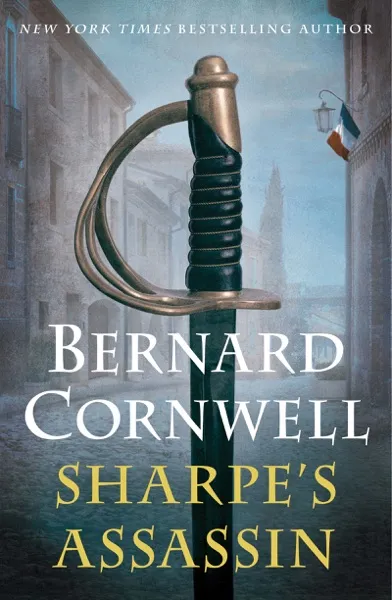

Sharpe's Assassin Author: Bernard CornwellPage Count: UnknownPublication Year: 2021-GB Sharpe’s Assassin: A Masterclass in Historical Fiction Bernard Cornwell’s Sharpe’s Assassin, the latest installment in his legendary Sharpe series, is a gripping tale that cements its place as one of the most thrilling historical novels of recent years. Set against the tumultuous backdrop of the Napoleonic Wars, this book is less a standalone adventure and more a visceral deep dive into the mind and methods of Richard Sharpe, Cornwell’s iconic rifleman-turned-officer. With his signature blend of relentless action, meticulous research, and raw character depth, Cornwell delivers a story that is as intellectually satisfying as it is pulse-pounding. At its core, Sharpe’s Assassin explores the duality of war—how violence shapes not just nations, but the souls of those who wield it. Sharpe, now a hardened veteran, finds himself entangled in a mission that forces him to confront the moral ambiguities of his profession. Cornwell doesn’t shy away from the brutality of 19th-century warfare; instead, he immerses the reader in it, making the mud, blood, and chaos feel immediate. The novel’s title itself hints at a darker theme: assassination as a weapon of war, a tool that blurs the line between soldier and killer. Sharpe, ever the pragmatist, must navigate this moral quagmire, forcing readers to question whether his actions are justified or merely survival instincts run amok. Cornwell’s prose is a study in efficiency and immersion. He writes with a journalist’s precision and a poet’s ear for rhythm, crafting sentences that crackle with energy yet remain grounded in historical authenticity. His battle scenes are legendary—for good reason. Whether it’s the chaos of a skirmish at night or the disciplined fire of a line of muskets, Cornwell’s descriptions put the reader squarely in the fray. The result is not just a story about war, but an experience of it. What sets Sharpe’s Assassin apart, however, is its focus on Sharpe’s internal struggles. Unlike earlier novels where his enemies were clear-cut, this installment pits him against a foe who is as cunning as he is ruthless—a shadowy assassin with a personal vendetta. The cat-and-mouse dynamic elevates the stakes, adding a layer of psychological tension that lingers long after the final page. Cornwell excels at making Sharpe’s flaws—his temper, his stubbornness, his occasional recklessness—feel like strengths, painting him as a man who thrives in chaos but is undone by his own demons. The supporting cast is, as always, a highlight. From Sharpe’s loyal comrades-in-arms to the morally complex antagonists, each character feels fully realized, their motivations driving the plot forward. The dialogue crackles with authenticity, and the historical details—whether it’s the logistics of marching an army or the politics of espionage—are woven seamlessly into the narrative. Cornwell’s world-building is so vivid that readers will forget they’re reading about the past and feel as though they’re living it. If there’s a critique to be made, it’s that Sharpe’s Assassin assumes a certain familiarity with the series. While it can stand alone, those new to Sharpe’s adventures might feel lost amid the web of references to past battles and relationships. Yet, this is a minor quibble in a novel that otherwise delivers everything fans could want: high-stakes action, moral complexity, and a protagonist who is as compelling as he is flawed. In the end, Sharpe’s Assassin is a triumph—a book that honors the legacy of the series while pushing it into darker, more introspective territory. Bernard Cornwell has once again proven why he remains the gold standard for historical fiction. This is a novel that will leave readers breathless, both by its storytelling and by its unflinching portrayal of war’s cost. #SharpeSeries #BernardCornwell #HistoricalFiction #NapoleonicWars #SharpeNovels #MilitaryFiction Related InsightsDead to the World Book Review and Summary Someone to Honor Book Review and Summary Halfway to the Grave Book Review and Summary{ "@context": "https://schema.org", "@type": "FAQPage", "mainEntity": [ { "@type": "Question", "name": "What is the main focus of Sharpe's Assassin Book Review and Summary?", "acceptedAnswer": { "@type": "Answer", "text": "Everything you need to know about Sharpe's Assassin with our detailed review." } }, { "@type": "Question", "name": "Who authored the comprehensive guide on Sharpe's Assassin Book Review and Summary?", "acceptedAnswer": { "@type": "Answer", "text": "This detailed article and its insights were carefully researched and authored by Olivia Harris." } }, { "@type": "Question", "name": "Where can I find more related content about Books?", "acceptedAnswer": { "@type": "Answer", "text": "You can explore more articles, detailed reviews, and similar insights by browsing the Related Insights section at the bottom of this article or visiting our dedicated Books category page." } } ] }