Showing Posts From
Siem reap
-
 Chloe Tremblay
 - 17 Sep, 2026 07:18
Shadows of Angkor: Unveiling the Jungle‑Cloaked Temples Beyond the Tourist Trail
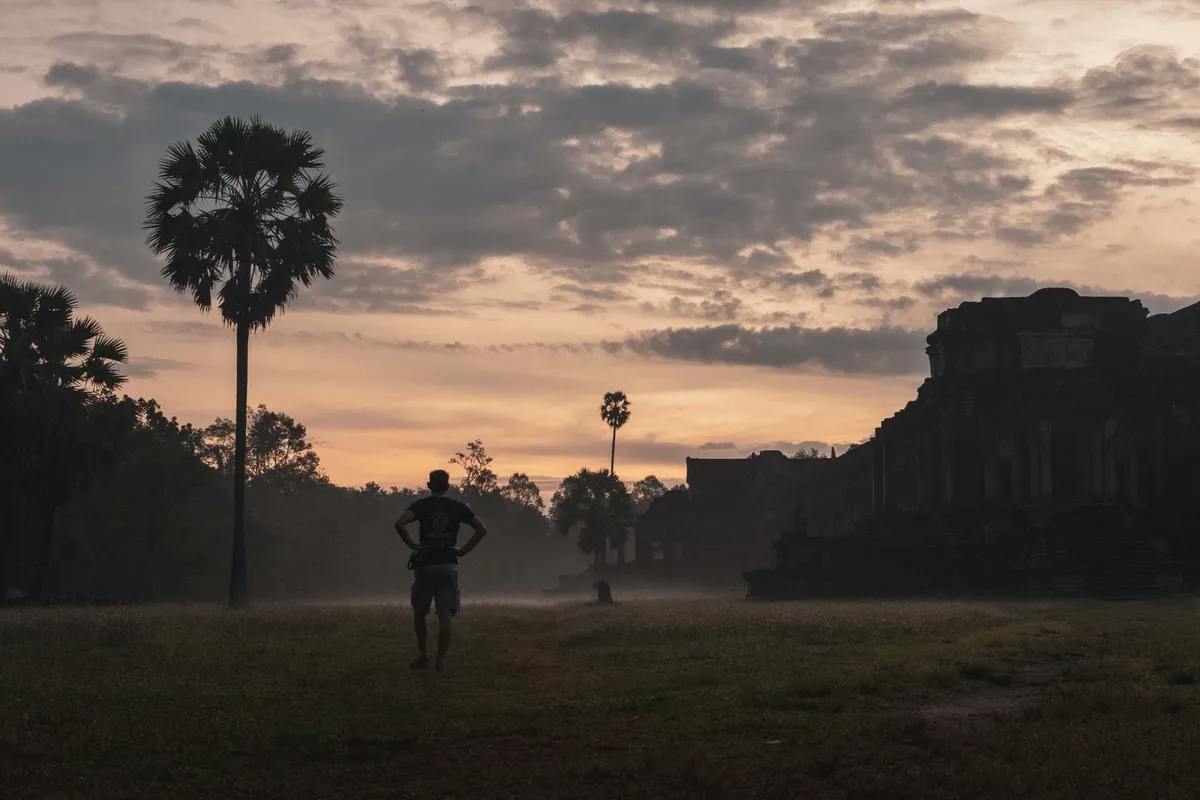
Dawn Over the Lotus Moat The first light that slips over the lotus‑filled moat of Angkor Wat does more than illuminate sandstone; it rewrites the narrative of a site that has been photographed a million times yet still hides secrets in its shadowed galleries. Arriving before the tour buses rumble in, you hear the soft rustle of palm fronds and the distant call of a white‑rumped shama, a soundtrack that has accompanied pilgrims for centuries. The UNESCO World Heritage designation, granted in 1992, protects over 400 square kilometres of temple complexes, reservoirs, and jungle, but the real magic lives in the details that escape the standard itinerary. The central sanctuary, oriented precisely to the west, aligns with the equinox sun, a celestial engineering feat that still baffles archaeologists. As you step onto the causeway, the sandstone blocks — quarried from the Kulen Mountains some 30 kilometres away — feel cool underfoot, each one bearing the faint chisel marks of Khmer artisans who moved an estimated five million tonnes of stone without the wheel. The bas‑reliefs that line the outer galleries narrate the Churning of the Ocean of Milk, a mythic tug‑of‑war between devas and asuras, yet the deeper panels, often missed by hurried visitors, depict everyday life: rice harvesting, market bargaining, and even early forms of Khmer chess. Spending the morning here, you can trace the evolution of Khmer architecture from the early brick towers of Bakong to the soaring lotus bud towers of Angkor Wat itself, a progression that mirrors the empire’s rise from a regional chiefdom to a continental power. For the modern traveller, the early hours also mean a practical advantage: the temperature hovers around 24 °C, humidity is manageable, and the light is perfect for photography without the harsh midday glare. A modest entry fee of US 37 for a one‑day pass (US 62 for three days) grants access to the entire archaeological park, and the ticket booth opens at 5 am, allowing you to claim a quiet corner before the crowds arrive. Navigating the Jungle Corridors Beyond the iconic silhouette of Angkor Wat lies a labyrinth of lesser‑known temples where the jungle has reclaimed its territory, creating an atmosphere that feels more like an explorer’s journal than a tourist brochure. Ta Prohm, famously entwined with massive silk‑cotton roots, is the poster child for this symbiosis, yet the surrounding satellites — Banteay Kdei, Preah Khan, and the remote Beng Mealea — offer equally haunting corridors where stone and strangler fig engage in a slow, silent wrestle. The park’s 400 km² expanse includes over 1,000 identified structures, but only a fraction receive regular foot traffic. A bicycle or tuk‑tuk hired from Siem Reap (approximately US 15 per day for a bike, US 25 for a tuk‑tuk with driver) lets you chart a personal route that bypasses the main circuit. The “Grand Circuit” — a 26‑kilometre loop — connects the major outlying temples and can be completed in a leisurely day, while the “Small Circuit” covers the core sites in half the distance. For those who crave solitude, the early‑morning trek to Beng Mealea, 40 km east of the main park, rewards you with a temple still largely unrestored, its galleries choked by vines and its central tower collapsed into a pile of sandstone blocks that you can climb for a panoramic view of the surrounding forest canopy. The park’s management, overseen by the APSARA Authority, has implemented a zoning system that limits visitor numbers at fragile sites; permits for sunrise at Angkor Wat are capped at 2,000 per day, and a new digital booking platform launched in 2023 reduces queue times dramatically. Practical tip: carry a reusable water bottle (refill stations exist at the main entrance and at the Angkor Conservation Office), wear breathable long‑sleeve shirts to protect against both sun and insect bites, and download the offline map “Angkor Park Explorer” which marks lesser‑known trails, restroom locations, and the positions of the 12‑meter‑high laterite walls that once demarcated the royal city of Angkor Thom. Digital Nomad Life Among the Stones Siem Reap has quietly morphed from a backpacker stopover into a legitimate digital nomad hub, a transformation fueled by Cambodia’s “visa‑everything” approach — most nationalities receive a 30‑day e‑visa on arrival for US 36, extendable for another 30 days — and a cost of living that remains among Southeast Asia’s lowest. A comfortable one‑bedroom apartment in the Riverside district rents for US 350‑450 per month, while a high‑speed fibre connection (30‑50 Mbps) costs roughly US 30. Co‑working spaces such as “The Hive” and “Angkor Hub” offer day passes at US 10 and monthly memberships at US 120, complete with air‑conditioning, meeting rooms, and a community of freelancers, developers, and content creators who swap code reviews over Khmer iced coffee. The city’s population of roughly 245,000 swells during the high season (November‑March) but retains a laid‑back rhythm; Pub Street and the Night Market provide vibrant social scenes without the frenetic energy of Bangkok or Bali. Weekend excursions to the temples become a routine “office break” — many nomads schedule sunrise shoots at Angkor Wat, then return to a riverside café for a bowl of kuy teav (rice noodle soup) before diving into afternoon sprints. The local government has recognized this demographic, launching a “Digital Nomad Visa” pilot in 2024 that allows stays of up to one year with minimal paperwork, provided applicants show proof of remote income exceeding US 1,500 per month. Health care is accessible: the Royal Angkor International Hospital offers English‑speaking staff and international‑standard facilities, and a routine consultation costs US 25. For those who crave nature, the nearby Phnom Kulen National Park — a 45‑minute drive — provides waterfalls, sacred river carvings, and a chance to disconnect completely. The blend of ancient wonder and modern connectivity creates a unique productivity loop: the stones remind you of impermanence, while the Wi‑Fi keeps your deadlines alive. Feasting on Khmer Flavors at Sunset No exploration of Angkor is complete without surrendering to the culinary rhythm that pulses through Siem Reap’s streets as the sun dips behind the western gopura. The city’s food scene balances tradition with innovation, offering everything from humble street‑side amok — a fragrant fish curry steamed in banana leaves — to upscale tasting menus that reinterpret ancient recipes with modern technique. At “Malis Restaurant,” a Michelin‑commended venue, the signature “Fish Amok” uses locally sourced snakehead fish, kroeung paste (lemongrass, galangal, turmeric, kaffir lime), and coconut cream, served in a carved coconut shell; a portion costs US 12 and arrives with a side of jasmine rice and pickled vegetables. For a more casual experience, the “Old Market” (Phsar Chas) teems with vendors selling num banh chok — thin rice noodles topped with a green fish gravy, fresh herbs, and bean sprouts — at US 1.50 a bowl. Night markets along the riverfront transform into open‑air grills where skewers of marinated beef (sach ko ang) and pork belly (sach chrouk) sizzle over charcoal, releasing aromas that mingle with the incense from nearby pagodas. Vegetarian travellers will find “Vibe Café” offering a Khmer‑style “Lok Lak” made with seitan, served with a pepper‑lime dipping sauce and a side of fresh papaya salad. Pair any meal with a glass of “Angkor Beer” (5 % ABV, US 1.20 per can) or a freshly pressed sugarcane juice (US 0.50) for a refreshing counterpoint to the tropical heat. Dining al fresco at a riverside table as the sky blushes orange, you can watch the silhouette of Angkor Wat darken against the horizon, a daily reminder that the empire’s legacy is not only etched in stone but also simmered in the pots of its people. Preserving the Past for Future Wanderers Conservation at Angkor is a living dialogue between archaeology, community, and tourism economics. The APSARA Authority, established in 1995, coordinates restoration projects funded by international partners — Japan, France, Germany, and the United States — each contributing expertise in stone consolidation, laser scanning, and hydrological management. The “Angkor Hydraulic City” research initiative, launched in 2018, uses LiDAR to map the ancient water network that once sustained a population estimated at 750,000, revealing canals, reservoirs (barays), and moats that functioned as both irrigation and spiritual symbols. Recent work at the West Mebon, a temple situated on an artificial island in the West Baray, has stabilized its laterite foundation using a breathable lime‑based mortar that respects the original chemistry of the stone. Community‑based tourism programs employ local villagers as site guardians, guides, and artisans, ensuring that revenue circulates within the 40 surrounding communes. The “Adopt a Temple” scheme allows donors to sponsor specific conservation tasks — such as the removal of invasive vegetation at Preah Palilay — with transparent reporting on progress. Visitors can contribute directly by purchasing the “Angkor Pass Plus” (US 72 for three days) which allocates a portion to the Conservation Fund. Educational outreach includes school visits where children learn traditional stone‑carving techniques, fostering a sense of ownership that transcends generations. The challenge remains balancing access with preservation: foot traffic erodes delicate bas‑reliefs, while climate change intensifies seasonal flooding that threatens the structural integrity of the barays. Ongoing monitoring, coupled with visitor education — signage in Khmer, English, Chinese, and French — aims to cultivate a culture of respect that protects the site for the next millennium. Item Cost (USD) Cost (KHR)3‑day Angkor Pass 62 254,000Bicycle rental (per day) 15 61,500Tuk‑tuk with driver (per day) 25 102,500Co‑working day pass 10 41,000One‑bedroom apartment (monthly) 400 1,640,000Meal at mid‑range restaurant 12 49,200Street‑food bowl (num banh chok) 1.5 6,150Angkor Beer (can) 1.2 4,920Visa on arrival (30 days) 36 147,600Digital Nomad Visa (annual) 150 615,000Echoes That Linger Beyond the Temples Leaving Angkor feels less like a departure and more like a shift in perspective. The stone corridors you walked, the roots you brushed aside, the flavors you tasted — they all become reference points for a deeper understanding of resilience. The empire that built these monuments thrived on an intricate water management system, a lesson that resonates with today’s climate‑conscious planners. The digital nomads who now call Siem Reap home illustrate how ancient infrastructure can support modern livelihoods when connectivity and community align. As the last tuk‑tuk rolls away and the night market lights flicker, the silhouette of Angkor Wat remains etched against a star‑spangled sky, a silent promise that the stories carved in sandstone will continue to inspire wanderers, coders, Related InsightsLa Alcazaba de Málaga: Fortaleza Inexpugnable Istanbul: Two Continents Angkor Wat: Il Cuore Cosmico di Pietra, Tra Devozione e Mistero nel Regno Khmer{ "@context": "https://schema.org", "@type": "FAQPage", "mainEntity": [ { "@type": "Question", "name": "What is the main focus of Shadows of Angkor: Unveiling the Jungle‑Cloaked Temples Beyond the Tourist Trail?", "acceptedAnswer": { "@type": "Answer", "text": "Journey past the crowds into the mist‑shrouded corridors of Angkor, where ancient stone meets modern nomad life." } }, { "@type": "Question", "name": "Who authored the comprehensive guide on Shadows of Angkor: Unveiling the Jungle‑Cloaked Temples Beyond the Tourist Trail?", "acceptedAnswer": { "@type": "Answer", "text": "This detailed article and its insights were carefully researched and authored by Chloe Tremblay." } }, { "@type": "Question", "name": "Where can I find more related content about Travel?", "acceptedAnswer": { "@type": "Answer", "text": "You can explore more articles, detailed reviews, and similar insights by browsing the Related Insights section at the bottom of this article or visiting our dedicated Travel category page." } } ] }
-
 Aisha Sharma
 - 03 Aug, 2026 10:26
The Enigmatic Ruins of Angkor Wat: Beyond the Crowds and Into the Jungle
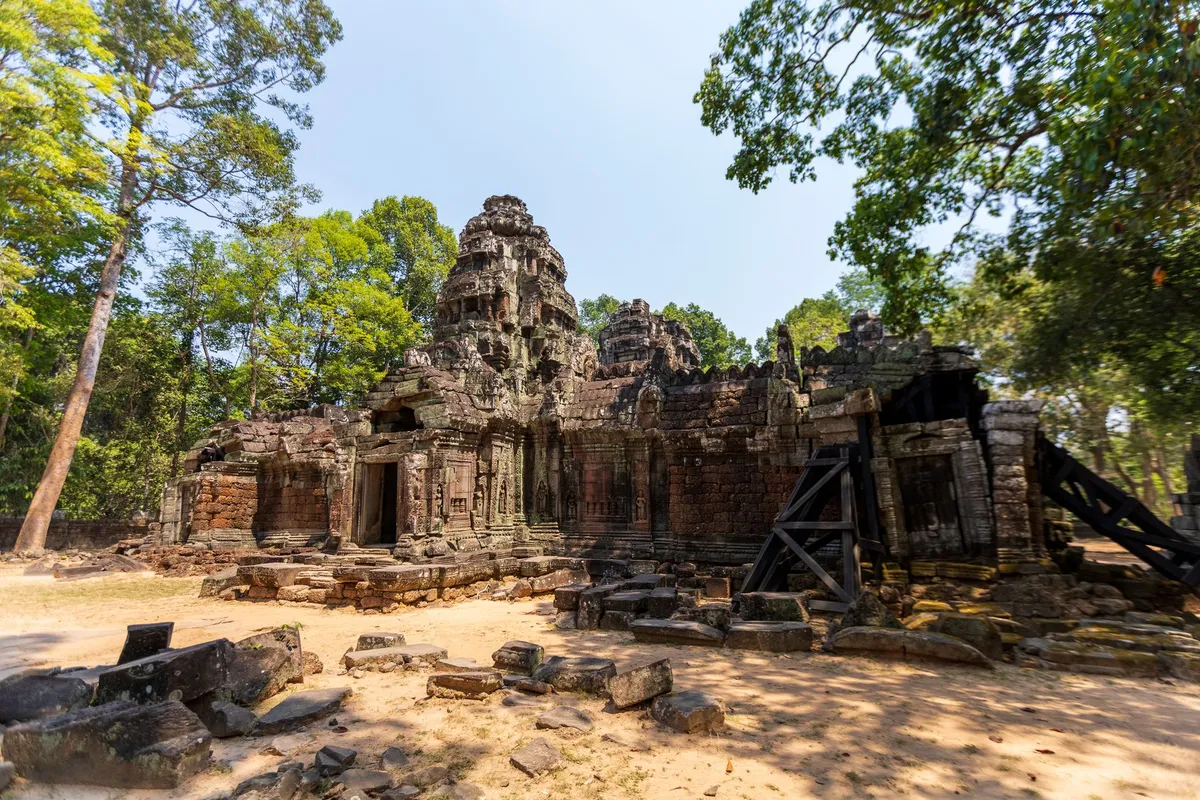
The Enigmatic Ruins of Angkor Wat: Beyond the Crowds and Into the JungleFor centuries, the jungles of Cambodia have whispered secrets to those brave enough to listen. Among the tangled vines and crumbling stone, the temples of Angkor Wat stand as silent sentinels of a forgotten empire, their spires piercing the emerald canopy like the fingers of giants. This is not just a destination; it’s a pilgrimage into the heart of history, where every moss-covered wall tells a story of kings, gods, and the relentless march of time. But Angkor Wat is more than a postcard-perfect ruin—it’s a living, breathing entity, where the past and present collide in a symphony of adventure and tranquility. Siem Reap, the gateway to this archaeological wonder, has evolved from a humble backpacker stopover into a thriving digital nomad hub. Here, the ancient and the modern coexist: monks in saffron robes glide past co-working spaces, while the hum of tuk-tuks blends with the clatter of laptop keyboards. The Angkor Archaeological Park, a UNESCO World Heritage Site, spans over 400 square kilometers and houses nearly 1,000 temples, each with its own legend. Yet, beyond the iconic faces of Angkor Wat and Bayon, lies a world of hidden gems—crumbling libraries, overgrown moats, and jungle-shrouded sanctuaries where the crowds rarely venture. This guide is your passport to exploring Angkor Wat beyond the beaten path. We’ll delve into the logistics of visiting, uncover the best-kept secrets of the jungle, and reveal how Siem Reap has become a sanctuary for remote workers seeking adventure without sacrificing comfort. Whether you’re a history buff, a digital nomad, or an intrepid traveler, Angkor Wat promises an experience that transcends the ordinary. So, lace up your hiking boots, charge your camera, and prepare to step into a world where the past is alive—and the jungle is waiting.1. The History and Mythology of Angkor Wat: A Civilization’s LegacyAngkor Wat is not merely a temple; it is a testament to the ingenuity, ambition, and spiritual devotion of the Khmer Empire. Built in the early 12th century by King Suryavarman II, this sprawling complex was originally dedicated to the Hindu god Vishnu before later becoming a Buddhist site. Its name, Angkor Wat, translates to "City of Temples," a fitting description for a complex that once served as the empire’s capital. The temple’s design is a masterclass in Khmer architecture, with its iconic five lotus-shaped towers symbolizing the peaks of Mount Meru, the mythical home of the gods in Hindu cosmology. The intricate bas-reliefs that adorn its walls depict scenes from Hindu epics like the Ramayana and Mahabharata, as well as historical battles and royal processions. These carvings are not just decorative—they are a visual chronicle of a civilization that flourished between the 9th and 15th centuries. But Angkor Wat’s history is shrouded in mystery. By the 15th century, the Khmer Empire began to decline, and the temples were gradually reclaimed by the jungle. It wasn’t until the 19th century that French explorers, led by Henri Mouhot, "rediscovered" Angkor Wat, sparking global fascination. Today, the site is a UNESCO World Heritage Site and a source of immense national pride for Cambodia. The Legends Behind the Stones Angkor Wat is steeped in mythology. One popular legend claims that the temple was built in a single night by the god Indra, who carried the stones from the heavens. Another tale speaks of a naga—a serpent deity—guarding the temple’s secrets. These stories add a layer of mystique to the ruins, making them feel less like relics and more like living entities. Preservation and Restoration Preserving Angkor Wat is an ongoing challenge. The temples face threats from erosion, vegetation overgrowth, and the sheer weight of centuries. The Authority for the Protection and Management of Angkor and the Region of Siem Reap (APSARA) oversees conservation efforts, using a combination of traditional techniques and modern technology. Visitors can support these efforts by purchasing official tickets, which fund preservation projects.2. Navigating Angkor Wat: Practical Tips for the Modern ExplorerVisiting Angkor Wat is an exercise in patience, planning, and curiosity. The site is vast, and the crowds can be overwhelming if you don’t know where to look. Here’s how to make the most of your visit without getting lost in the chaos. Choosing Your Ticket: The Key to Unlocking Angkor Angkor Archaeological Park operates on a tiered ticket system, with passes valid for 1, 3, or 7 days. Prices (as of 2026) are as follows:1-day pass: $37 3-day pass: $62 (valid for 10 days from first use) 7-day pass: $72 (valid for 30 days from first use)Pro Tip: The 3-day pass is the best value for most travelers, allowing you to explore at a leisurely pace without rushing. Purchase tickets at the official Angkor Enterprise ticket center in Siem Reap—avoid third-party sellers to ensure authenticity. The Best Time to Visit: When the Crowds Thin Angkor Wat is open from 5:00 AM to 5:30 PM, but the magic happens at sunrise. Arrive by 4:30 AM to secure a spot near the main temple for the iconic sunrise over the lotus towers. If you prefer fewer crowds, visit during the shoulder seasons (April–May or September–October), when temperatures are milder, and the tourist hordes are thinner. Getting Around: Tuk-Tuks, Bikes, and Elephants The most common way to explore Angkor Wat is by tuk-tuk, a motorized rickshaw that can navigate the park’s rough terrain. A full-day tuk-tuk tour (6–8 hours) typically costs between $15–$25, depending on the driver and route. For the adventurous, renting a bicycle is a cost-effective option (around $2–$5 per day), but be prepared for long distances and steep climbs. Alternative Transport:Private car: Ideal for groups or those with mobility issues ($40–$60 per day). E-bike: A quieter, eco-friendly option ($10–$15 per day). Elephant ride: A controversial but historically accurate way to enter the park (check ethical tour operators).The Essential Angkor Wat Route To avoid the crowds, skip the main temple at midday and explore the lesser-known sites first. A well-planned route might include:Preah Khan: A sprawling temple complex with a maze-like layout and jungle-shrouded corridors. Neak Pean: A serene, isolated temple surrounded by a circular island. Ta Prohm: Famous for its "Tomb Raider" roots, where tree roots engulf the ruins. Banteay Srei: Known as the "Citadel of Women," this pink sandstone temple is a masterpiece of Khmer art. Phnom Bakheng: A hilltop temple offering panoramic views of the surrounding jungle.Avoid: The main temple (Angkor Wat) between 8:00 AM and 11:00 AM, when tour groups descend en masse.3. Siem Reap: The Digital Nomad’s Paradise in the JungleSiem Reap has undergone a remarkable transformation in the past decade. Once a sleepy backpacker town, it’s now a thriving hub for remote workers, digital nomads, and entrepreneurs. The city’s low cost of living, reliable internet, and vibrant social scene make it an ideal base for exploring Angkor Wat while maintaining a productive lifestyle. The Cost of Living: Affordability Meets Adventure Siem Reap is one of Southeast Asia’s most budget-friendly cities, with a monthly cost of living ranging from $800 to $1,200, depending on your lifestyle. Here’s a breakdown of typical expenses:Expense Cost (USD)Rent (1-bedroom apartment) $300–$600Coworking space $5–$10/dayMeal (local restaurant) $2–$5Beer (Angkor Beer) $1–$2Tuk-tuk ride (10 km) $3–$5SIM card (1-month data) $5–$10Pro Tip: Many cafes and restaurants offer discounts for digital nomads who work on-site. Popular spots include The Pub Street area, Riverside, and The Haven. Internet and Infrastructure Siem Reap’s internet infrastructure has improved dramatically, with average speeds of 51 Mbps—more than sufficient for remote work. Major providers like Cellcard and Smart offer affordable SIM cards with generous data plans. Coworking spaces like AngkorHub and The Factory provide high-speed Wi-Fi, printing services, and networking opportunities. The Social Scene: Where Work Meets Play Siem Reap’s social life revolves around Pub Street, a bustling thoroughfare lined with bars, restaurants, and live music venues. Here, you’ll find everything from rooftop cocktail bars to backpacker hostels with communal kitchens. For a more laid-back vibe, head to the Riverside area, where expats and locals mingle over sunset drinks. Must-Visit Spots:The Temple Balcony: A rooftop bar with views of the city. Miss Wong Cocktail Bar: A speakeasy-style lounge with creative drinks. Angkor What? The Pub: A favorite among digital nomads for its lively atmosphere.Visa Rules and Tax Residency Cambodia offers a flexible visa policy, making it easy for digital nomads to stay long-term. The most popular options are:Tourist Visa (T-class): 30 days, extendable for another 30 days ($30). Ordinary Visa (E-class): 30 days, extendable indefinitely ($35). Business Visa (EB-class): For those working remotely (requires a local sponsor).Tax Residency: Cambodia taxes residents on worldwide income after 182 days of stay. Digital nomads should keep track of their days to avoid double taxation.4. Beyond the Temples: Jungle Adventures and Local ExperiencesAngkor Wat is just the beginning. The surrounding region is a playground for adventure seekers, offering everything from jungle treks to cultural immersion. Here’s how to experience the wild side of Siem Reap. Jungle Trekking and Wildlife Encounters The jungles around Angkor Wat are teeming with life. Guided treks lead to hidden waterfalls, ancient cave temples, and remote villages untouched by tourism. Popular routes include:Kulen Mountain: A sacred site with a 55-meter waterfall and a giant reclining Buddha. Beng Mealea: A "lost temple" enveloped by jungle, requiring a short hike to reach. Phnom Kulen National Park: Home to rare wildlife like the Indochinese silvered langur.Wildlife Watching: Keep an eye out for macaques, monitor lizards, and exotic birds. The best time for wildlife spotting is early morning or late afternoon. Cultural Immersion: Villages and Crafts Cambodia’s rural communities offer a glimpse into traditional Khmer life. Visit the floating villages on Tonlé Sap Lake, where stilt houses and floating markets thrive. Alternatively, explore the Artisans Angkor workshop, where locals craft silk textiles and stone carvings using age-old techniques. Homestays: For a deeper experience, stay with a local family in a village like Kampong Phluk, where you can participate in fishing, rice farming, and traditional cooking. Adrenaline Activities For thrill-seekers, Siem Reap offers:Zip-lining: Soar over the treetops at Angkor Zipline. ATV Tours: Ride through rice fields and rural villages. Kayaking: Paddle through the mangroves of Tonlé Sap Lake.5. Sustainable Travel: Preserving Angkor Wat for Future GenerationsAngkor Wat is a fragile treasure, and its preservation depends on responsible tourism. Here’s how you can minimize your impact while exploring this ancient wonder. Leave No Trace PrinciplesStay on marked paths to avoid damaging delicate structures. Carry reusable water bottles to reduce plastic waste. Respect sacred sites by dressing modestly and refraining from touching carvings.Supporting Local ConservationDonate to APSARA or organizations like Global Heritage Fund. Choose ethical tour operators that prioritize sustainability. Buy local crafts to support Cambodian artisans.Eco-Friendly Accommodation Opt for eco-lodges like The Green House or Tara Angkor Hotel, which use solar power and sustainable practices.Conclusion: Angkor Wat Awaits Your Discovery The ruins of Angkor Wat are more than just a tourist attraction—they are a gateway to a world where history, nature, and modernity intertwine. Whether you’re marveling at the sunrise over the lotus towers, sipping coffee in a Siem Reap coworking space, or trekking through the jungle to a hidden temple, this place will leave an indelible mark on your soul. Siem Reap’s transformation into a digital nomad haven means you can explore Angkor Wat without sacrificing the comforts of home. With its affordable cost of living, vibrant social scene, and easy visa policies, it’s the perfect base for adventure and productivity. So, pack your bags, book your ticket, and prepare to step into a story older than time itself. Angkor Wat is waiting—and it’s calling your name.#AngkorWat #SiemReap #DigitalNomad #JungleExploration #AncientRuins Related InsightsL'Eveil des Cimes : Suspendu dans le Souffle du Tigre Floating Above the Clouds: A Definitive Pilgrimage to Bhutan’s Tiger’s Nest Ethiopia’s Danakil Depression: Where Earth’s Hellish Beauty Meets Alien Landscapes{ "@context": "https://schema.org", "@type": "FAQPage", "mainEntity": [ { "@type": "Question", "name": "What is the main focus of The Enigmatic Ruins of Angkor Wat: Beyond the Crowds and Into the Jungle?", "acceptedAnswer": { "@type": "Answer", "text": "Uncover the mystical ruins of Angkor Wat beyond the tourist trails—where ancient temples meet untamed jungle, and digital nomads thrive in Siem Reap’s vibrant heart." } }, { "@type": "Question", "name": "Who authored the comprehensive guide on The Enigmatic Ruins of Angkor Wat: Beyond the Crowds and Into the Jungle?", "acceptedAnswer": { "@type": "Answer", "text": "This detailed article and its insights were carefully researched and authored by Aisha Sharma." } }, { "@type": "Question", "name": "Where can I find more related content about Travel?", "acceptedAnswer": { "@type": "Answer", "text": "You can explore more articles, detailed reviews, and similar insights by browsing the Related Insights section at the bottom of this article or visiting our dedicated Travel category page." } } ] }