Showing Posts From
Slowtravel
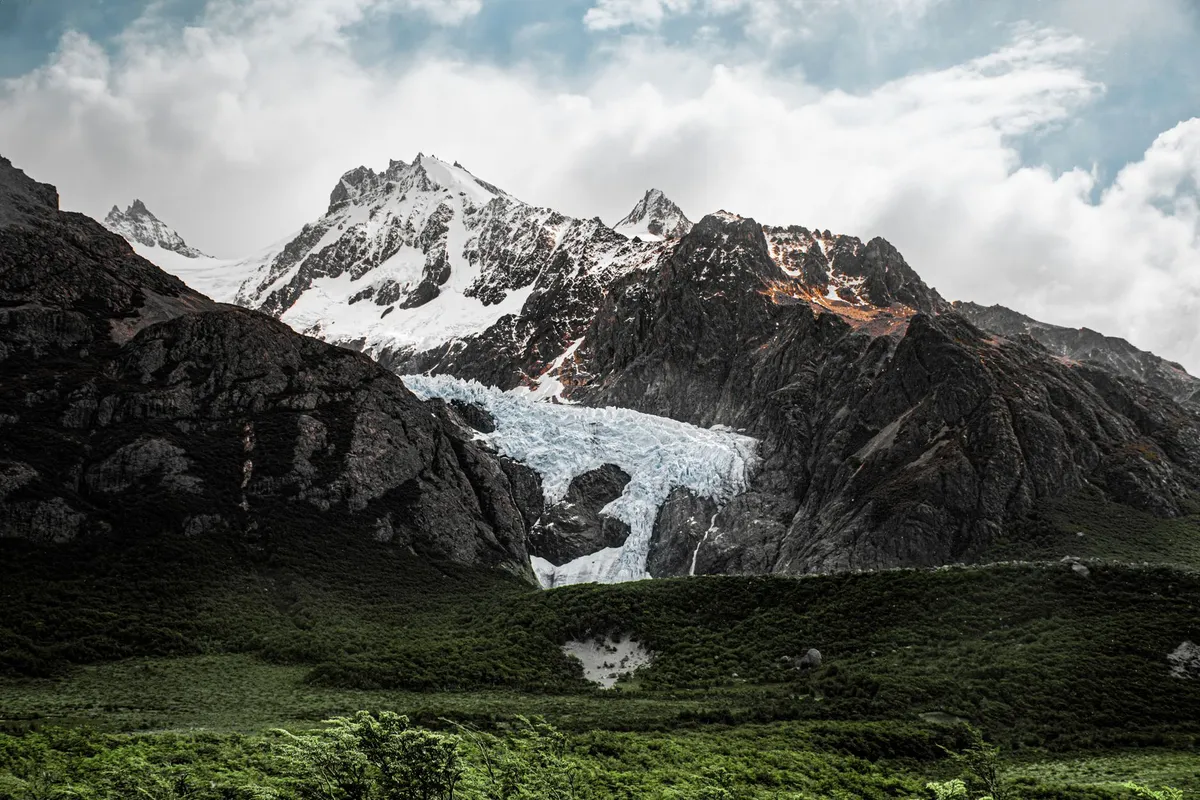
Where the map ends and the wind begins, Patagonia whispers secrets to those willing to listen. While Torres del Paine dominates the Instagram feeds of the world, those who venture deeper find a region not merely defined by peaks, but by the relentless rhythm of the Southern Hemisphere’s raw, untamed heart. I am Aisha Sharma, and today we move past the overcrowded viewpoints to uncover the true essence of this jagged wilderness. This is not just a travel guide; it is an economic and experiential blueprint for navigating the immense, expensive, and breathtaking duality of Argentine and Chilean Patagonia as we head into late 2026. The Alpine Soul of Bariloche and the Argentine Lake District If you seek the intersection of European charm and jagged Andean reality, San Carlos de Bariloche serves as the gateway. Situated in the heart of Nahuel Huapi National Park, Bariloche is where the myth of the "Swiss Alps of South America" meets the reality of high-altitude desert and temperate rainforest. As of late 2026, the cost of living here has stabilized following recent economic fluctuations in Argentina, yet it remains a destination of contrasts. For the slow traveler, a monthly budget of approximately $1,800 to $2,200 USD provides a comfortable standard of living, covering local apartment rentals, fresh market produce, and the occasional indulgent excursion. Navigating Bariloche requires an appreciation for the "Circuito Chico." Skip the tour buses; rent a mountain bike or utilize the reliable public transit system, the SUBE card, to reach the hidden bays of Lake Moreno. When you head into the mountains, specifically the Refugio Frey trek, you are not just hiking; you are walking through geological history. The granite spires here, while distinct from the Paine massif, offer technical climbing challenges that have drawn mountaineers for decades. Connectivity is surprisingly robust in the city center, making it a viable hub for digital nomads, though the further you retreat into the Llao Llao Peninsula, the more you are forced into a welcomed digital disconnection.Dining in Bariloche is a cultural ritual. The influence of Central European immigration means that smoked trout, wild boar, and, of course, the world’s most refined chocolate shops line Mitre Street. My authoritative advice: skip the tourist-trap storefronts near the clock tower and find the small, family-owned producers in the Colonia Suiza settlement. Here, the "Curanto"—a traditional method of cooking food in the earth—is an authentic experience that connects you to the indigenous Mapuche traditions that permeate the region’s soil. Budgeting for food is manageable if you cook at home using local artisanal ingredients; supermarkets are efficient, but the local "ferias" offer a significantly better price-to-quality ratio. El Chaltén: The Vertical Frontier of Human Endurance In the shadows of Fitz Roy and Cerro Torre lies El Chaltén, a village that feels more like a base camp for an expedition than a tourist town. It is the trekking capital of Argentina, and in 2026, it remains a place where the wind is the primary architect of the landscape. Unlike the structured luxury of Chilean resorts, El Chaltén retains a raw, rugged aesthetic. Expenses here are heavily influenced by the extreme seasonality of the location. Because almost every resource—from fresh produce to electricity—must be trucked in across vast distances, expect to pay a premium. A monthly slow-travel budget of $2,500 is a realistic baseline if you prioritize proximity to the trails. The magic of this region is that the most iconic views are accessible without a private guide, provided you respect the unpredictability of the weather. The hike to Laguna de los Tres is legendary, but the true secret is the Loma del Pliegue Tumbado. From this vantage point, you see the convergence of the Viedma Glacier and the granite giants in a panoramic sweep that most casual travelers overlook. As you plan your 2026 itinerary, remember that connectivity in El Chaltén is notoriously fragile. If your livelihood depends on a stable internet connection, opt for the dedicated co-working cafes rather than relying on hostel Wi-Fi, which often struggles during high-occupancy months.When packing for the wind, do not prioritize "fashionable" outdoor gear. Patagonia’s wind is legendary for its ability to test the integrity of technical fabrics. Ensure your gear is windproof rather than just water-resistant; in this region, the rain is secondary to the gusts that can reach speeds of over 100 kilometers per hour. Economically, El Chaltén is a cash-heavy environment. While card payments are increasingly accepted, having a reserve of Argentine pesos is a necessity for the smaller backcountry lodges and remote mountain huts (refugios). Managing these logistics is part of the "Patagonian tax," a small price for the privilege of existing on the edge of the Southern Patagonian Ice Field. The Chilean Duality: Puerto Natales and the Cost of Remoteness Crossing the border into Chile changes the economic landscape entirely. Chile operates on a more predictable, yet significantly higher, cost structure than Argentina. Puerto Natales, the primary staging ground for the southern fjords, has transformed into a sophisticated hub of sustainable tourism. Here, the currency is the Chilean Peso, and your daily expenses—particularly regarding transportation and park entry fees—will be notably higher than across the border. A slow-travel budget for Puerto Natales should hover around $3,000 USD per month if you intend to participate in the local culture while utilizing the town as a base for deep-wilderness exploration. The secret to Puerto Natales is not the town itself, but the access it provides to the Bernardo O’Higgins National Park and the fjords. While everyone heads north to Torres del Paine, the savvy traveler heads toward the Balmaceda and Serrano glaciers. These maritime routes provide an intimate look at the calving ice that few people see. By booking with smaller, local eco-operators, you are not only supporting the community but also avoiding the massive group tours that dominate the inland trails. Chile’s infrastructure is superior, with bus networks that make regional travel efficient and relatively comfortable, though the prices reflect this high level of service.Healthcare and safety standards in Chile are among the highest in South America. If you are planning an extended stay, ensure your travel insurance covers high-altitude mountain rescue, as this is a specific requirement for many of the more remote, non-maintained trails. The digital infrastructure in Puerto Natales is significantly more reliable than in the northern Argentine villages, making it the preferred choice for those who need to maintain a professional career while exploring the wild. The culinary scene is dominated by seafood—specifically the centolla (king crab)—and the local cordero (lamb). Budget tip: utilize the local markets in the center of town to source ingredients, as dining out for every meal in Puerto Natales will quickly inflate your monthly expenditure beyond the $3,000 threshold. Economic Benchmarks and Fiscal Realities for the 2026 Traveler To understand Patagonia, one must understand the fiscal divide. Argentina’s economy is defined by high volatility and the "blue" market exchange rates, whereas Chile offers stability with a high cost of entry. The table below outlines a comparison of approximate monthly costs for a single individual engaged in slow travel. These figures account for mid-range accommodation, market-sourced food, local transport, and occasional leisure activities. Note that park fees in Chile, particularly for high-traffic areas, can constitute a significant portion of your discretionary spending.Expense Category Bariloche, Argentina (USD) Puerto Natales, Chile (USD)Apartment Rent (Monthly) $700 - $900 $1,100 - $1,400Groceries (Monthly) $350 - $450 $500 - $650Local Transport/Transit $80 - $120 $150 - $200Connectivity (Internet) $30 - $50 $60 - $90Leisure & Park Fees $400 - $600 $800 - $1,000Total Estimated Monthly $1,560 - $2,120 $2,610 - $3,340Data synthesis based on 2026 market-data collection and regional cost-of-living benchmarks. This table serves as an authoritative guide for your financial planning. In Argentina, the strategy is to carry cash, understand the value of the parallel exchange rate, and remain flexible regarding price fluctuations. In Chile, the strategy is to budget for premium costs and take advantage of the ease of digital payments and credit card usage. Remember that in both countries, "slow travel" is inherently cheaper than "tourist travel." By renting long-term apartments rather than staying in short-term hotels and preparing your own meals, you significantly decrease the overhead costs associated with the remote logistics of this region. Mastering the Wind: Environmental Ethics and Cultural Preservation As we conclude this exploration, it is imperative to address the responsibility of the traveler. Patagonia is not merely a backdrop for our experiences; it is a fragile, hyper-sensitive ecosystem. The winds that carve the granite spires also spread wildfire, and the pristine waters are threatened by the influx of mass tourism. When you travel to these "secret gems," you are an ambassador for the region. The principle of 'Leave No Trace' is not a suggestion here; it is the fundamental law of the landscape. Carry your waste out of the wilderness, stay on designated trails, and respect the wildlife that calls this extreme environment home. Cultural preservation is equally vital. The Mapuche and Tehuelche people hold deep, ancestral connections to this land. When you purchase local handicrafts, ensure they are authentic. When you listen to stories about the region, recognize that they are part of a history that predates the arrival of global mountaineers. The true secret of Patagonia is not found in a map coordinate, but in the humility one feels when standing before a glacier that has existed for millennia. We are temporary visitors in a land that has been, and will continue to be, shaped by forces far greater than ourselves. As you finalize your plans for your 2026 journey, remember that Patagonia rewards those who are patient. If the wind prevents you from reaching a peak, spend the day in a local café reading, observing the rhythm of the town, and engaging with the locals. The beauty of this region is that it forces you to slow down. It strips away the pretense of modern life and leaves you with the fundamental elements of existence: stone, water, ice, and wind. Embrace the difficulty, budget wisely, respect the environment, and you will find that the legends you carve in your own memory are far more enduring than any digital image you could ever capture. The trail awaits, but remember, the most significant path is the one that respects the silence of the mountains. Patagonia is not a destination you conquer; it is a wild, living force that allows you to witness its grandeur, provided you treat it with the reverence it demands. Carry your gear, protect the fragile alpine tundra, and let the wind carry your footprints away until they are nothing but dust and memory. #Patagonia #SlowTravel #DigitalNomad #AdventureTravel #SustainableTourism Related InsightsThe Maldives: Where Overwater Bungalows Meet Coral Reef Conservation (Part 2) The Silent Cathedral of Sands: A Pilgrim’s Guide to Namibia’s Sossusvlei Palawan’s Hidden Lagoons: The Philippines’ Most Breathtaking Coastal Escapes You Can’t Miss{ "@context": "https://schema.org", "@type": "FAQPage", "mainEntity": [ { "@type": "Question", "name": "What is the main focus of Beyond the Granite Spires: Unveiling Patagonia’s Untamed Secrets?", "acceptedAnswer": { "@type": "Answer", "text": "Escape the crowds and discover the hidden soul of Patagonia, from the wind-whipped trails of El Chaltén to the alpine retreats of Bariloche." } }, { "@type": "Question", "name": "Who authored the comprehensive guide on Beyond the Granite Spires: Unveiling Patagonia’s Untamed Secrets?", "acceptedAnswer": { "@type": "Answer", "text": "This detailed article and its insights were carefully researched and authored by Aisha Sharma." } }, { "@type": "Question", "name": "Where can I find more related content about Travel?", "acceptedAnswer": { "@type": "Answer", "text": "You can explore more articles, detailed reviews, and similar insights by browsing the Related Insights section at the bottom of this article or visiting our dedicated Travel category page." } } ] }
-
 John Explorer
 - 02 Jul, 2026 13:53
The Whispering Paths: Tracing Europe's Forgotten Salt Roads, From Alpine Mines to Adriatic Shores
Imagine a time when a simple crystalline mineral held the power of empires, drove economies, and shaped the very arteries of a continent. Not gold, nor silver, but salt. In an age before refrigeration, this humble "white gold" was life itself, a currency more precious than coinage, carving pathways through Europe's most formidable landscapes. These are the forgotten arteries, the Salzstraßen or salt roads, silent witnesses to millennia of human endeavor, whispers of which still echo through remote valleys and ancient towns, beckoning the modern explorer to rediscover their profound legacy. As John Explorer, my passion lies in unearthing the stories etched into the very fabric of our world, particularly those overlooked by the well-trodden paths of conventional tourism. Today, we embark on a journey not just through space, but through time, to traverse the ancient salt routes that once pulsed with life, connecting distant communities and fueling civilizations from the Iron Age to the Industrial Revolution. This is an invitation to look beyond the guidebooks, to lace up your boots, and to truly feel the weight of history underfoot on paths that dictated the fate of nations. The Indispensable Grain: Why Salt Shaped a Continent Before diving into the physical routes, it's crucial to grasp the sheer indispensability of salt throughout history. For millennia, salt was not merely a seasoning; it was the bedrock of human civilization. Its primary role was preservation, allowing communities to store food – meat, fish, vegetables – through lean seasons, enabling settled agriculture, and supporting larger, non-nomadic populations. Without it, long voyages were impossible, armies couldn't be provisioned, and cities couldn't thrive beyond the immediate reach of their food sources. Beyond preservation, salt was a vital dietary supplement, especially for those in agricultural or physically demanding professions, preventing dehydration and heatstroke. It had medicinal uses, religious significance, and even played a role in tanning hides and making dyes. Its value was so immense that it often served as currency, leading to the saying "worth one's salt" and providing the etymological root for the word "salary." Control over salt sources and trade routes meant immense power and wealth, leading to conflicts, alliances, and the strategic positioning of countless towns and cities along these crucial arteries. Alpine Veins: The Heart of Europe's Salt Production Many of Europe's most significant salt routes originated in the rich salt deposits found deep within the Alps. Places like Hallstatt in Austria, famously one of the oldest continuously inhabited settlements in Europe, boast a salt mining history stretching back over 7,000 years. Imagine miners, long before recorded history, painstakingly carving out tunnels with primitive tools, driven by the knowledge that their efforts literally sustained their communities. These mines were not just industrial sites; they were epicenters of technological innovation and cultural exchange. From these subterranean riches, salt was brought to the surface, often compacted into solid blocks or carefully measured quantities, ready for the arduous journey across mountains and rivers. The paths weren't always direct; they often wound through challenging terrain, following river valleys, ancient Roman roads, or purpose-built tracks designed to accommodate pack animals and, later, wheeled carts. These were not mere trails but meticulously maintained infrastructure, crucial to the economic health of entire regions.One particularly fascinating example is the Alte Salzstraße (Old Salt Road) that linked Luneburg in northern Germany, another vital salt production center, with the Hanseatic League trading hubs on the Baltic Sea. This route, active from the 10th to the 19th centuries, was so integral to the region's prosperity that it shaped the urban development of cities like Lübeck and Hamburg. While Luneburg salt was a significant player, our focus today draws us further south, to the more dramatic landscapes of the Alps and their connections to the Mediterranean. The Southern Cross: Routes to the Adriatic and Beyond While northern routes supplied the Baltic, the Alpine salt sources, particularly those in Austria and Bavaria, looked south and east, feeding the burgeoning markets of Italy, the Balkans, and even further into the Mediterranean. These routes were characterized by their incredible diversity, adapting to varied geographies from high mountain passes to gentle rolling hills, river plains, and coastal stretches. Consider the routes emanating from Bad Reichenhall in Bavaria or Hallstatt and Hallein in Austria. Salt from these mines would travel south, often utilizing the Inn River or crossing formidable passes like the Reschenpass or Brenner Pass. These aren't just scenic drives today; they were arteries of life, thronged with merchants, guards, and local laborers. One of the most compelling, yet less-explored, segments connected these Alpine sources to the Adriatic Sea. Imagine caravans laden with precious salt traversing modern-day Slovenia and Croatia, heading for Venetian or Genoese trading posts. Venice, in particular, built much of its immense wealth and naval power on its control of the salt trade, importing vast quantities from central Europe and its own salt pans, then distributing it throughout the Mediterranean. The cities along these routes, often fortified, became critical checkpoints, collecting tolls, providing lodging, and sometimes even fostering unique local cultures blending Alpine and Mediterranean influences. The Echoes of Commerce: Villages, Customs, and Cuisine The enduring legacy of the salt roads isn't just found in historical documents or archaeological digs; it lives on in the villages and towns that line these ancient paths. Many of these communities owe their very existence, prosperity, and unique cultural characteristics to their position on a salt route. Walk through a medieval town like Sterzing (Vipiteno) in South Tyrol, Italy, or visit a market in Slovenia's Vipava Valley, and you'll find subtle clues. Architectural styles might reveal a mix of Germanic and Italian influences, reflecting centuries of trade and cultural exchange. Local festivals might hark back to old merchant traditions. Even regional cuisines often bear the imprint of salt’s historical importance, with specialized methods of curing meats and cheeses evolving from the need to preserve provisions for long journeys or to store surplus goods. These weren't just transit points; they were melting pots. Merchants from diverse regions, speaking different languages, would converge, exchanging not just goods but also ideas, technologies, and stories. Inns along the routes became crucial social hubs, fostering a unique "roadside culture" distinct from purely agricultural or urban centers. The very landscape around these paths was often shaped by the salt trade, with terraced fields and cleared forests reflecting the need for both sustenance and navigable terrain. Tracing the Paths: A Modern Explorer's Quest Today, many of the original salt roads are no longer identifiable as distinct pathways, having been absorbed into modern road networks, overgrown by forests, or repurposed for other uses. However, a dedicated explorer can still trace their ghosts. This isn't about following a single, perfectly preserved trail; it’s about piecing together fragments, using historical maps, local knowledge, and an adventurous spirit. The best way to experience these routes is often on foot or by bicycle. European long-distance hiking trails, such as sections of the Via Alpina or various regional "Salzsteig" (salt trail) paths, sometimes incorporate segments of these ancient trade routes. The rewards are immense: you'll discover pristine natural landscapes, stumble upon forgotten chapels or waymarkers, and encounter local communities far removed from the mainstream tourist circuits. Imagine hiking through the high mountain pastures of the Austrian Salzkammergut, knowing that every step mirrors the path of a medieval salt carrier. Or cycling along a quiet valley road in Slovenia, recognizing that the contours of the land were chosen centuries ago for their practicality in transporting precious cargo. This is slow travel at its finest, a journey of discovery that prioritizes immersion over mere sightseeing. To plan such an adventure, extensive research is key. Look for regional historical societies, local tourism boards that highlight "heritage trails," and specialized guidebooks focusing on trade routes. Google Earth can be surprisingly useful in identifying old, disused tracks that align with historical maps. Engage with locals; the elder generations in many of these villages often hold an invaluable oral history of their region’s connections to the salt trade.Challenges and Rewards: The Explorer's Ethos Embarking on a journey to trace Europe's forgotten salt roads presents its own set of challenges. Some sections might be poorly marked, requiring navigational skills and a degree of self-reliance. Accommodation might be sparse in truly remote areas, necessitating careful planning or even wild camping (where permitted). Language barriers can also be a factor, particularly in less-visited regions. However, these challenges are precisely what make the rewards so profound. The sense of accomplishment from navigating a forgotten path, the unexpected beauty of a hidden village, the taste of a local dish prepared with centuries-old techniques – these are the moments that define true exploration. You're not just a tourist; you're a modern-day pioneer, connecting with a profound human story that spans millennia. This journey is also a poignant reminder of our connection to the past and the ingenuity of our ancestors. It highlights how something as fundamental as a mineral could shape entire landscapes, cultures, and economies, leaving an indelible mark that, though often overlooked, continues to define regions even today. The salt roads teach us about resilience, trade, and the enduring human spirit that seeks to connect, to preserve, and to thrive against all odds. The Enduring Legacy: Why These Paths Still Matter In an age of instant gratification and globalized supply chains, it’s easy to forget the sheer logistical challenge and human effort involved in moving essential goods across continents. The salt roads stand as monumental testaments to this endeavor. They remind us that infrastructure, communication, and trade are not modern inventions but ancient human impulses. Furthermore, exploring these routes offers a unique perspective on environmental stewardship. Many of these paths traverse fragile ecosystems, and their continued existence relies on careful preservation. By engaging with these historical trails, we contribute to their recognition and protection, ensuring that future generations can also walk in the footsteps of ancient merchants and discover the powerful story of "white gold." So, as you plan your next adventure, consider straying from the well-worn tourist routes. Seek out the whispers of history, the faint echoes of commerce, and the enduring spirit of the communities forged by the vital flow of salt. The salt roads of Europe are more than just historical curiosities; they are living pathways to understanding our shared past, offering an unparalleled journey into the heart of a continent shaped by this most unassuming yet utterly essential mineral. Unearth their secrets, and you'll discover not just ancient history, but a deeper connection to the very pulse of human civilization.#HistoricalTravel #EuropeanHeritage #AncientTradeRoutes #SlowTravel #HiddenGems