Showing Posts From
Small gods
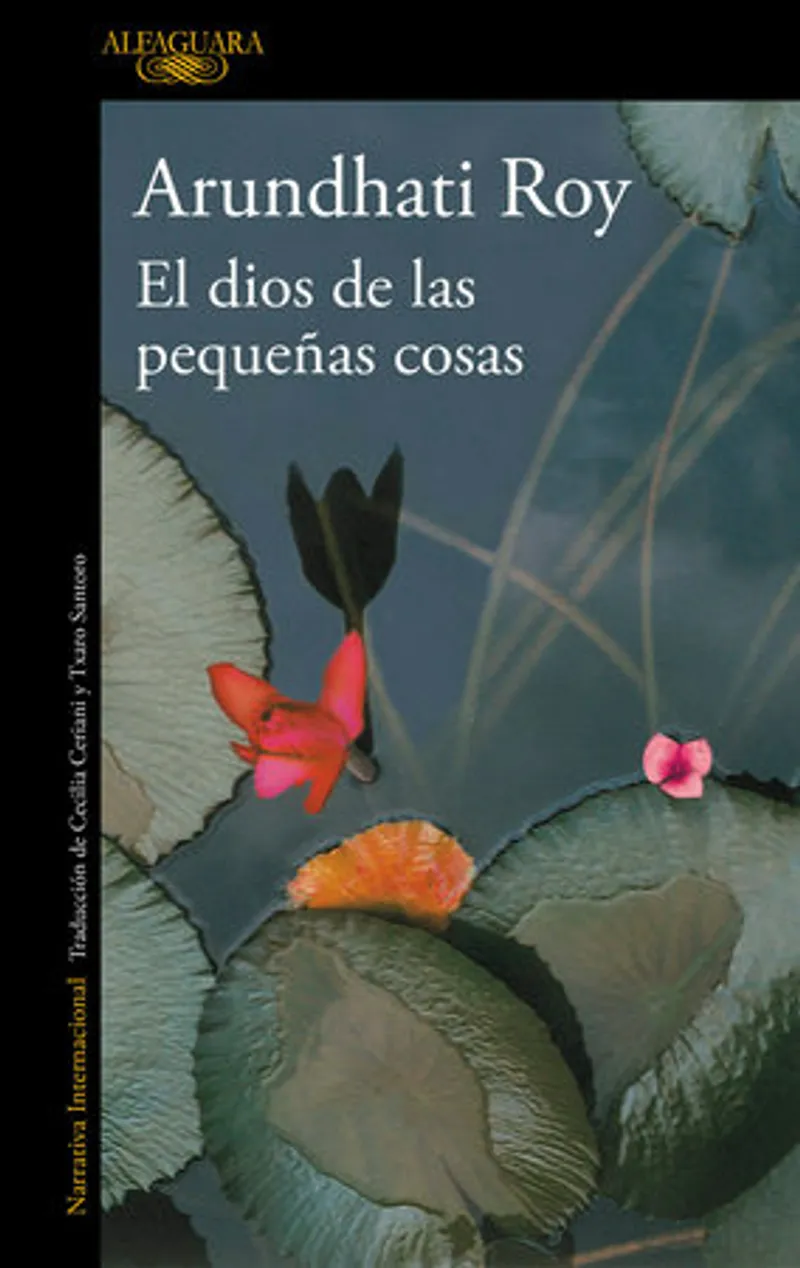
El dios de las pequeñas cosas / The God of Small Things Author: Arundhati RoyPage Count: UnknownPublication Date: 2026-PRH Arundhati Roy’s The God of Small Things is a masterpiece of literary alchemy, a novel that transforms the mundane into the mythic and the personal into the political with breathtaking precision. Though the book’s publication year is listed as 2026—a detail that only deepens its mystique—Roy’s prose feels timeless, as if carved from the same river that flows through Kerala’s backwaters, carrying with it the weight of history, caste, and forbidden love. At its core, the novel is a dissection of love’s fragility in the face of societal oppression. The story unfolds through the eyes of Rahel, a woman returning to her childhood home in Ayemenem, where the ghosts of her past—her twin brother Estha, her mother Ammu, and the tragic events that shattered their family—await like uninvited guests. Roy’s narrative is a labyrinth of memory, where time is not linear but a spiral, looping back on itself to reveal how small, seemingly insignificant moments—like the touch of a hand, the flicker of a forbidden glance, or the sting of a slap—can reverberate across decades, shaping lives in ways that are both devastating and irreversible. The title itself is a clue to Roy’s thematic obsession: the idea that the divine is not found in grand, cosmic events but in the quiet, almost imperceptible acts of kindness, cruelty, or connection that define human existence. The "god of small things" is a paradox—a deity who governs not through thunderbolts but through the unspoken rules of a rigid caste system, the unyielding expectations of family, and the cruel whims of those in power. Roy forces us to confront how these "small things" are, in fact, the most powerful forces in shaping our lives. The novel’s most heartbreaking moments arise not from dramatic confrontations but from the slow, suffocating erosion of dignity, as when Velutha, the untouchable carpenter, is beaten to death for daring to love Ammu, a woman of a higher caste. The tragedy isn’t just in his death but in the way the world conspires to make his love—and Ammu’s—seem like the real sin. Roy’s prose is a revelation, a symphony of sensory detail and lyrical intensity. Her sentences are like monsoon rains—unpredictable, relentless, and capable of both nourishing and drowning. She weaves Malayalam phrases into the text without translation, immersing the reader in the rhythm of the language and the culture. The novel’s structure is equally daring, flipping between past and present with a nonchalance that mirrors the way memory works. Chapters titled "Pappachi’s Moth," "The God of Small Things," and "The Cost of Living" are not just placeholders but incantations, each one a spell that pulls the reader deeper into the story’s emotional and political undercurrents. What makes The God of Small Things so devastating is Roy’s refusal to offer easy resolutions. There are no heroes here, only flawed humans trapped in a system that rewards cruelty and punishes love. The novel’s power lies in its ambiguity—was Estha’s silence a form of survival or complicity? Was Rahel’s return an act of healing or a surrender to the past? Roy leaves these questions unanswered, trusting the reader to sit with the discomfort, to feel the weight of history pressing down on every character. This is a book that demands to be read slowly, savored like fine wine, and then read again to uncover the layers of meaning buried in its prose. It is a novel about the things we cannot change—the rigid hierarchies of caste, the inescapable pull of family, the irreversible consequences of our actions—but also about the small rebellions that make life worth living. In a world where love is often treated as a luxury, Roy reminds us that it is, in fact, the most radical act of all. The God of Small Things is not just a book; it is an experience, a wound that lingers long after the last page is turned. It is a testament to the idea that the most profound stories are not about kings or gods, but about the ordinary people who dare to love, to defy, and to survive in a world that would rather see them broken. #TheGodOfSmallThings #ArundhatiRoy #CasteAndLove #LiteraryFiction #ForbiddenLove #KeralaNovel Related InsightsSecrets of a Summer Night Book Review and Summary The Catcher in the Rye Book Review and Summary The Radiance Book Review and Summary{ "@context": "https://schema.org", "@type": "FAQPage", "mainEntity": [ { "@type": "Question", "name": "What is the main focus of Small Gods Book Review and Summary?", "acceptedAnswer": { "@type": "Answer", "text": "Everything you need to know about Small Gods with our detailed review." } }, { "@type": "Question", "name": "Who authored the comprehensive guide on Small Gods Book Review and Summary?", "acceptedAnswer": { "@type": "Answer", "text": "This detailed article and its insights were carefully researched and authored by Terry Pratchett." } }, { "@type": "Question", "name": "Where can I find more related content about Books?", "acceptedAnswer": { "@type": "Answer", "text": "You can explore more articles, detailed reviews, and similar insights by browsing the Related Insights section at the bottom of this article or visiting our dedicated Books category page." } } ] }