Showing Posts From
Snow crash
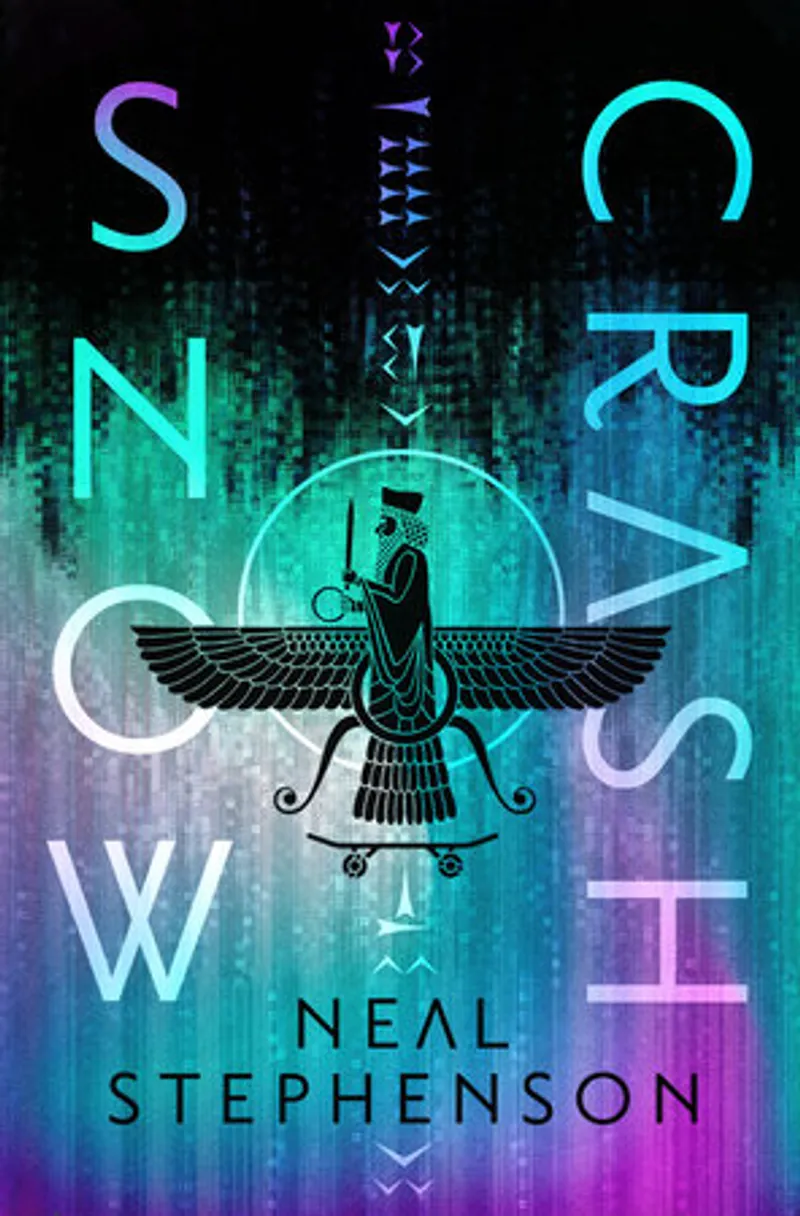
Snow Crash Author: Neal StephensonPage Count: UnknownPublication Date: 2022-PRH Neal Stephenson’s Snow Crash is a cyberpunk fever dream that feels less like a novel and more like a prophetic manifesto for the digital age—one that predicted the metaverse, corporate feudalism, and the addictive power of virtual escapism long before Mark Zuckerberg ever uttered the word. Originally published in 1992, this newly reissued hardcover edition (2022) arrives with fresh material, but its genius remains undiminished: a wild, sprawling, and endlessly inventive satire that blends linguistics, theology, and techno-paranoia into a high-octane thriller. At its core, Snow Crash is a meditation on language as both a virus and a weapon. Stephenson posits that ancient Sumerian priest-kings weaponized the structure of human speech to enslave populations, and in the novel’s near-future dystopia, this "Snow Crash" memetic code has resurfaced in a digital form, capable of hijacking minds—both in the Metaverse and the real world. The book’s title itself is a double entendre: a literal "snow crash" is the visual glitch that occurs when a hacker’s avatar is corrupted by the virus, while the metaphorical "snow crash" refers to the catastrophic mental breakdown it induces. It’s a brilliant conceit that ties together Stephenson’s obsessions with semiotics, power, and the fragility of human cognition. The novel’s protagonist, Hiro Protagonist (yes, that’s his name), is a hacker-samurai pizza delivery guy who navigates a fractured America where franchises have replaced governments, and the only law is the one you can enforce with a sword or a keyboard. His foil is Y.T., a teenage skateboard courier with a magnetic personality and a knack for getting into trouble. Together, they uncover a conspiracy that stretches from the Metaverse’s neon-lit back alleys to the biblical origins of language itself. Stephenson’s world-building is nothing short of audacious—imagine Blade Runner meets The Matrix meets a cyberpunk Illiad, with a dash of absurdist humor thrown in for good measure. What makes Snow Crash truly remarkable is Stephenson’s style: a relentless, hyperkinetic prose that mirrors the novel’s themes of information overload and digital acceleration. His sentences are dense with neologisms ("gargoyles," "rat things," "Mr. Lee’s Greater Hong Kong"), tech jargon, and rapid-fire cultural references that range from Sumerian mythology to 1980s hacker culture. The dialogue crackles with wit, and the action sequences—whether it’s a sword fight in a pizza van or a high-speed chase on a skateboard—are executed with a kinetic energy that leaves you breathless. Stephenson doesn’t just describe the Metaverse; he immerses you in it, making the virtual world feel as tangible as the crumbling, franchise-ridden streets of Los Angeles. Yet beneath the novel’s dazzling surface lies a sharp critique of late-stage capitalism and the erosion of public space. In Stephenson’s America, corporations have replaced nations, and citizenship is just another subscription service. The government is a relic, the streets are controlled by franchises like franchises control everything else, and the only way to survive is to either opt out entirely (like Hiro, who lives in a storage unit) or become a corporate mercenary. It’s a vision that feels eerily prescient in an era where Amazon, Meta, and Google wield more power than most governments. Snow Crash is also a novel about addiction—whether to drugs, virtual reality, or the endless dopamine hits of consumer culture. The Snow Crash virus isn’t just a hack; it’s a metaphor for the way language, media, and capitalism colonize our minds. Stephenson’s genius is in making this idea thrilling rather than didactic, wrapping it in a plot that’s equal parts cyber-thriller, conspiracy epic, and absurdist comedy. If there’s a flaw, it’s that the novel’s sheer ambition sometimes outpaces its coherence. The plot careens from one set piece to another with dizzying speed, and the sheer volume of ideas can feel overwhelming. But that’s also part of its charm—Snow Crash is a book that demands to be reread, not because it’s confusing, but because it’s so packed with insights and Easter eggs that you’ll catch new details every time. In the end, Snow Crash isn’t just a cult classic; it’s a foundational text for the digital age. It predicted the rise of virtual reality, the gig economy, and the way corporations would colonize every aspect of our lives. Stephenson’s vision is both exhilarating and unsettling, a reminder that the future isn’t something that happens to us—it’s something we build, one line of code at a time. #SnowCrash #NealStephenson #Cyberpunk #Metaverse #DystopianFiction #TechSatire Related InsightsThe Dues & Don'ts of Magic Book Review and Summary Observer: A Novel Book Review and Summary Fifty Shades Darker Book Review and Summary{ "@context": "https://schema.org", "@type": "FAQPage", "mainEntity": [ { "@type": "Question", "name": "What is the main focus of Snow Crash Book Review and Summary?", "acceptedAnswer": { "@type": "Answer", "text": "Everything you need to know about Snow Crash with our detailed review." } }, { "@type": "Question", "name": "Who authored the comprehensive guide on Snow Crash Book Review and Summary?", "acceptedAnswer": { "@type": "Answer", "text": "This detailed article and its insights were carefully researched and authored by Neal Stephenson." } }, { "@type": "Question", "name": "Where can I find more related content about Books?", "acceptedAnswer": { "@type": "Answer", "text": "You can explore more articles, detailed reviews, and similar insights by browsing the Related Insights section at the bottom of this article or visiting our dedicated Books category page." } } ] }