Showing Posts From
Sossusvlei
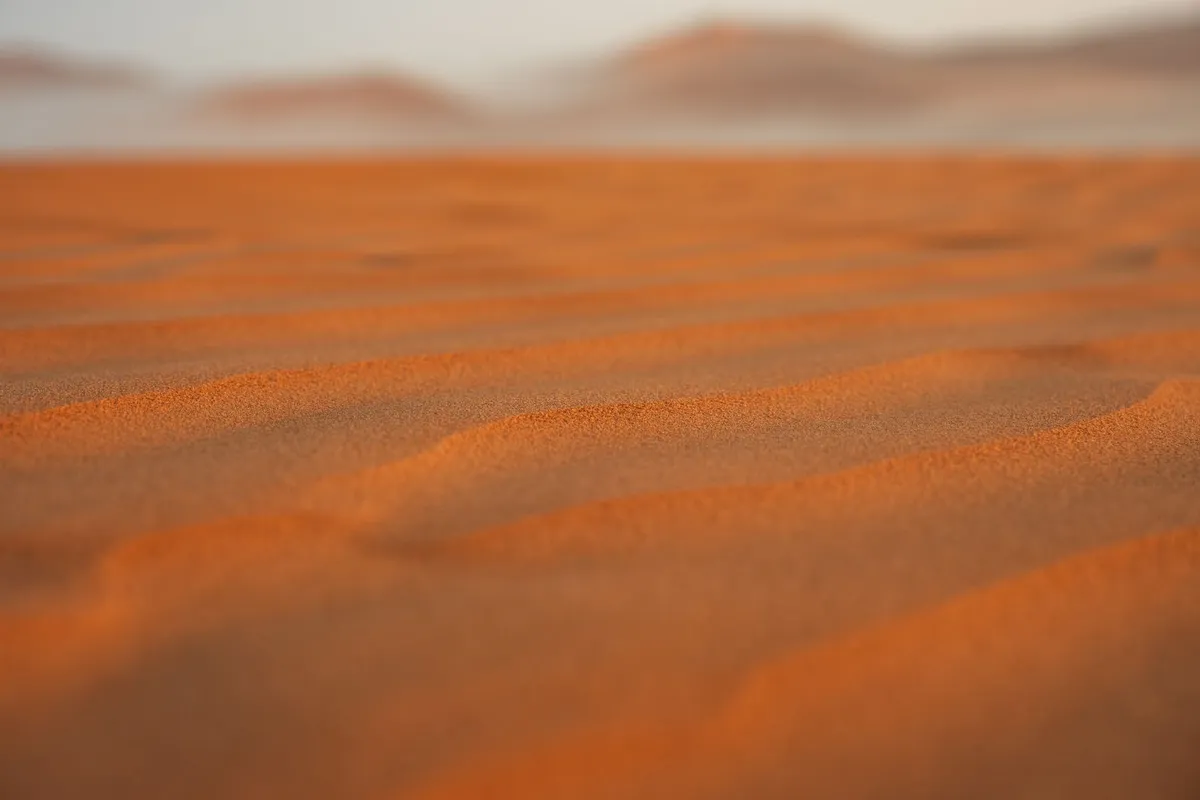

Where the Skeleton Coast breathes its final sigh into the interior, the Namib Desert rises in a defiance of geology. Sossusvlei is not merely a destination; it is a profound sensory experience where the world’s oldest desert meets a sky so clear it feels like looking into the nascent vacuum of space. Standing at the base of Big Daddy, the tallest dune in the Sossusvlei area, one feels the crushing weight of geological time. The orange sands, oxidized by eons of solar exposure, stretch infinitely, creating a landscape that has remained largely unchanged for millions of years. This is the heart of the Namib-Naukluft National Park, a place where the stillness is so absolute it possesses a texture. For the traveler, the digital nomad, or the seeker of solitude, Sossusvlei serves as a reminder of our fleeting presence on a planet that measures time in the rise and fall of dunes rather than the ticking of a clock. As an expert observer, I find that the magnetism of Namibia lies not in what you see, but in the silence you eventually learn to hear when the wind dies down. Sculpting the Infinite: The Geologic Architecture of the Namib The Sossusvlei region is a paradox of life and void. At its core lies the Vlei—a salt-clay pan surrounded by towering dunes that reach heights of over 300 meters. These are not static mounds of sand; they are shifting, living gargoyles sculpted by the Atlantic winds that blow moisture inland, only for it to be stripped away by the harsh heat. The color palette of the sand—ranging from pale cream to a deep, visceral rust—is a direct result of iron oxide content. The older the dune, the deeper the hue. Geologically, these dunes are part of an erg that covers much of Western Namibia. When you climb Dune 45 or the iconic Big Daddy, you are effectively traversing layers of history. Each step forward is a literal interaction with antiquity. The clay pans, or vlei, form when the Tsauchab River floods, though such events are agonizingly rare. When the water does arrive, it creates a temporary, mirror-like oasis that reflects the intense blue sky, turning the desert into a surrealist painting. Between these events, the pans crack into intricate, mosaic-like polygons of white earth. This environment demands respect. It is a harsh, unforgiving ecosystem that dictates every move you make, from the timing of your hikes—always at dawn—to the necessity of hydration. For the photographer, the contrast between the desiccated acacia trees in Deadvlei, some of which have been standing dead for nearly a thousand years, and the vibrant orange walls of the dunes provides an aesthetic that cannot be replicated elsewhere on Earth.Financial Horizons: Decoding the Cost of Living in the Desert Frontier For those considering an extended stay in the Namibian interior, understanding the economic landscape is as critical as carrying extra water. Namibia offers a remarkably affordable lifestyle, especially when compared to the inflated markets of the United States. Recent 2026 data indicates that the cost of living in Namibia is, on average, 44.3% lower than in the United States, providing a substantial buffer for long-term travelers and expatriates. If you are planning to anchor yourself in the region, the estimated monthly costs for a single person hover around $695.20 (approximately N$11,107.0), excluding rent. For a family of four, these costs rise to $2,480.40 (N$39,628.0). These figures are essential for digital nomads who seek to integrate their professional lives with the tranquility of the desert. The Namibian government has become increasingly accommodating to the remote workforce, introducing a dedicated Digital Nomad Visa. This initiative is designed for those who want to call the Land of the Brave their office for a temporary duration. The program mandates an income requirement of $2,000 per month, a modest threshold for a high-value remote career. The estimated cost for processing and residency logistics is approximately $880 per month, a reasonable investment for tax-free status in a location that offers unparalleled mental clarity. While rent in remote regions like Sossusvlei fluctuates based on the proximity to luxury eco-lodges versus local town setups in nearby Sesriem, the overall fiscal environment remains highly favorable. Whether you are budget-conscious or seeking premium isolation, the economic architecture of Namibia allows for a diverse range of survival strategies. It is a place where your dollar retains its purchasing power, allowing you to focus on the terrain rather than the transaction.Category Cost (Monthly / USD) NoteSingle Person (No Rent) $695.20 Excluding housing and utilitiesFamily of Four (No Rent) $2,480.40 Excluding housing and utilitiesDigital Nomad Visa Fee ~$880.00 Monthly cost estimateIncome Threshold $2,000.00 Minimum monthly requirementNamibia vs USA 44.3% Lower Average cost reductionNavigating the Silence: A Tactical Guide to Desert Exploration To experience Sossusvlei correctly, one must embrace a nocturnal and matutinal rhythm. The desert heat is a predator by midday, effectively shutting down human activity between 11:00 AM and 4:00 PM. My advice to any explorer is to be at the gates of the Namib-Naukluft National Park before sunrise. The gate usually opens at dawn, and the race to the dunes is a rite of passage. Entering the park in the twilight, you will find the silhouettes of the dunes towering over the road like sleeping giants. The transition of the desert floor from cool, dark blue to the golden warmth of the rising sun is a transformation that warrants silence. Once you reach the parking area near the base of the dunes, ensure your vehicle is capable of handling deep sand if you intend to push beyond the main parking lot. For the average tourist, the 4x4 shuttle from the parking area to the start of the hike is standard, but if you have your own vehicle, deflate your tires to handle the loose substrate. Footwear is another critical component; the sand is soft and punishing, making lightweight, breathable trainers or specialized desert boots essential. Avoid thick leather boots that trap heat. When hiking, follow the ridges of the dunes. It is less strenuous than trudging through the soft slopes and offers better structural stability. Always carry more water than you think you need—at least 3 to 4 liters per person. Even if the air feels dry and comfortable in the morning, the lack of shade means the solar radiation will sap your energy before you realize it. The Nomad’s Sanctuary: Connectivity and Lifestyle in Namibia Many professionals are hesitant to venture into the Namib because they fear the loss of connectivity. However, the rise of the digital nomad culture has fostered a surprising level of infrastructure even in remote areas. While the depths of the Namib-Naukluft are designed to disconnect you, the nearby hubs are increasingly equipped with reliable internet access. When you are not in the heart of the park, locations near Sesriem and the wider Hardap region provide bases where the 2026 digital infrastructure allows for seamless communication. The tax-free nature of the Digital Nomad Visa is a significant incentive, allowing one to maximize their earnings while living a life dictated by the sun and the horizon rather than an office building. Imagine ending your workday with a sundowner overlooking the Elim Dune, where the iron in the sand glows deep red under the darkening sky. The psychological shift of moving from a high-stress urban environment to the vast openness of Namibia cannot be overstated. It is a reset button for the creative mind. The cost-of-living advantages allow for a higher quality of life—perhaps opting for a lodge that offers sustainable, off-grid power solutions—without breaking your monthly budget. In this environment, you do not just work; you exist in a state of flow. The challenge is not in the work itself, but in the distraction provided by the sheer magnificence of the surroundings. To thrive here, one must be disciplined, setting firm boundaries between the digital workspace and the vast, untamed playground just outside the window. Echoes of the Earth: Preserving the Delicate Equilibrium Sossusvlei is a fragile masterpiece. As travelers, our presence carries a weight that the ecosystem feels. The footprint you leave on the side of a dune will be erased by the wind within hours, but the impact of irresponsible tourism can last a lifetime. Conservation in Namibia is proactive and community-led. When visiting, adhere strictly to the marked trails. The cryptobiotic crusts of the desert—thin layers of cyanobacteria, lichens, and mosses that hold the soil together—are easily destroyed by trampling. Once broken, these surfaces take years, sometimes decades, to reform, leading to accelerated erosion and soil degradation. Wildlife, including oryx, springbok, and the occasional desert-adapted ostrich, rely on the sparse vegetation supported by these crusts. Watching an oryx navigate the dunes is a lesson in adaptation; they are perfectly evolved for this heat, and observing them from a respectful distance is one of the true privileges of a Namibian expedition. We are guests in a cathedral of time. The silence, the heat, and the vast, empty vistas are not merely scenery; they are the heritage of a planet that existed long before us and will persist long after we have packed our bags. As you prepare for your journey, pack light, respect the local laws, and, most importantly, leave nothing behind but the ghost of your footsteps. Whether you come for the photography, the scientific curiosity, or the simple need to find a space where the modern world feels distant, Sossusvlei delivers an experience that strips away the superficial and leaves you with the raw truth of the earth. The desert does not change for the visitor; the visitor must change for the desert.The journey through Sossusvlei is ultimately an inward one. You arrive with expectations of grandeur and leave with an understanding of insignificance. It is a grounding experience that shifts your perception of what is essential. In the quiet hours of the late afternoon, when the wind settles and the shadows lengthen, you find that the desert has a voice of its own—a low, humming vibration that speaks of the deep time it has witnessed. Namibia is not just a location on a map; it is a profound testament to the endurance of nature. For the digital nomad, the dreamer, and the traveler, it offers a rare opportunity to live, if only for a short time, in a world that operates on a scale far greater than our own. May your journey into the sands be as transformative as the shifting dunes themselves, and may you return to your corner of the world with the clarity that only the Namib can provide. #NamibiaTravel #Sossusvlei #DigitalNomadLife #DesertExploration #NaturePhotography Related InsightsMétéora : L'Ascension Mystique entre Ciel et Pierre 新疆火焰山:穿越神话、历史与烈焰的奇幻之旅 Golden Ring Cities{ "@context": "https://schema.org", "@type": "FAQPage", "mainEntity": [ { "@type": "Question", "name": "What is the main focus of The Silent Cathedral of Sands: A Pilgrim’s Guide to Namibia’s Sossusvlei?", "acceptedAnswer": { "@type": "Answer", "text": "Experience the timeless majesty of Sossusvlei. From cost-effective desert living to the architectural genius of nature, explore Namibia’s most iconic landscape." } }, { "@type": "Question", "name": "Who authored the comprehensive guide on The Silent Cathedral of Sands: A Pilgrim’s Guide to Namibia’s Sossusvlei?", "acceptedAnswer": { "@type": "Answer", "text": "This detailed article and its insights were carefully researched and authored by Mark Dinn." } }, { "@type": "Question", "name": "Where can I find more related content about Travel?", "acceptedAnswer": { "@type": "Answer", "text": "You can explore more articles, detailed reviews, and similar insights by browsing the Related Insights section at the bottom of this article or visiting our dedicated Travel category page." } } ] }
-
 Chloe Tremblay
 - 14 Jul, 2026 20:45
Unveiling the Breathtaking Landscape of Namibia's Sossusvlei: A Journey Through Time and Nature
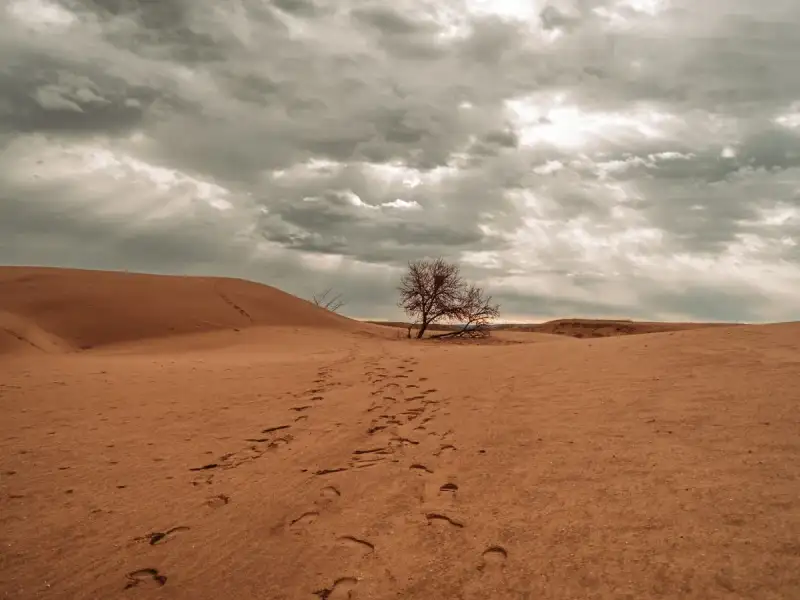
Introduction Namibia's Sossusvlei is a destination that embodies the essence of natural wonder, where the forces of time and erosion have crafted an breathtaking landscape of sculpted dunes and ancient trees. Located in the southern part of the Namib Desert, Sossusvlei is a must-visit destination for any traveler seeking to experience the raw beauty of Africa. As a traveler and explorer, I have had the privilege of witnessing the majesty of Sossusvlei firsthand, and I can attest to its awe-inspiring beauty. From the towering dunes that stretch towards the sky to the eerie silence of the Deadvlei, Sossusvlei is a place that will leave you speechless and yearning for more. The Geology of Sossusvlei Sossusvlei is nestled within the Namib-Naukluft National Park, which is the largest game reserve in Africa. The park is home to a diverse range of flora and fauna, including several endangered species. The geology of Sossusvlei is characterized by its unique dune landscape, which is shaped by the constant winds that sweep across the desert. The dunes are made up of sand that has been eroded from the rocks and soil of the surrounding landscape, and they can reach heights of up to 300 meters. The dunes are also home to a variety of unique fauna, including the Namib desert beetle, which is capable of collecting fog droplets on its back and channeling them into its mouth. The History of Sossusvlei The history of Sossusvlei is shrouded in mystery, but it is believed that the area has been inhabited by humans for thousands of years. The earliest known inhabitants of the region were the San people, who were skilled hunters and gatherers. The San people left behind a rich cultural heritage, including rock art and other artifacts that can still be seen today. In the 19th century, Sossusvlei was visited by European explorers, who were drawn to the area's unique landscape and natural resources. Today, Sossusvlei is a popular tourist destination, attracting visitors from all over the world.Exploring Deadvlei Deadvlei is a surreal landscape that is nestled within the heart of Sossusvlei. The area is characterized by its eerie silence and its stark beauty, with dead trees standing like skeletons against the backdrop of the dunes. Deadvlei is a place of great beauty and great sadness, where the forces of nature have crafted a landscape that is both haunting and awe-inspiring. The area is also home to a variety of unique flora and fauna, including the majestic oryx, which is capable of surviving in the harsh conditions of the desert. Planning Your Trip to Sossusvlei Planning a trip to Sossusvlei requires careful consideration and preparation. The best time to visit Sossusvlei is during the winter months, when the weather is cooler and the skies are clearer. Visitors can reach Sossusvlei by flying into Windhoek, the capital city of Namibia, and then taking a charter flight or driving to the park. Accommodation options range from luxury lodges to budget-friendly camping sites, and visitors can choose from a variety of activities, including hiking, birdwatching, and scenic flights.Cost and Logistics The cost of visiting Sossusvlei can vary greatly, depending on the time of year and the type of accommodation and activities chosen. Here is a breakdown of the estimated costs:Activity Cost (USD)Accommodation (per night) 100-500Charter flight (return) 200-500Guided tour (per person) 50-100Scenic flight (per person) 100-200Visitors should also be aware of the logistics of traveling to Sossusvlei, including the need for a 4x4 vehicle and the importance of bringing plenty of water and sunscreen.Conclusion In conclusion, Sossusvlei is a destination that is not to be missed. With its unique landscape, rich history, and diverse flora and fauna, Sossusvlei is a place that will leave you in awe of the natural beauty of Africa. Whether you are a seasoned traveler or just starting to plan your next adventure, Sossusvlei is a must-visit destination that is sure to leave you with memories that will last a lifetime. As a traveler and explorer, I highly recommend adding Sossusvlei to your bucket list and experiencing the magic of this incredible destination for yourself. #NamibiaTourism #Sossusvlei #AfricanAdventures #DesertLandscapes #TravelGuide #WildlifeConservation