Showing Posts From
Sourdough pastries
-
 Marcus Vance
 - 21 Jul, 2026 17:54
Sourdough Beyond Bread: The Art of Crafting Pizzas, Pastries, and Innovative Baked Delights
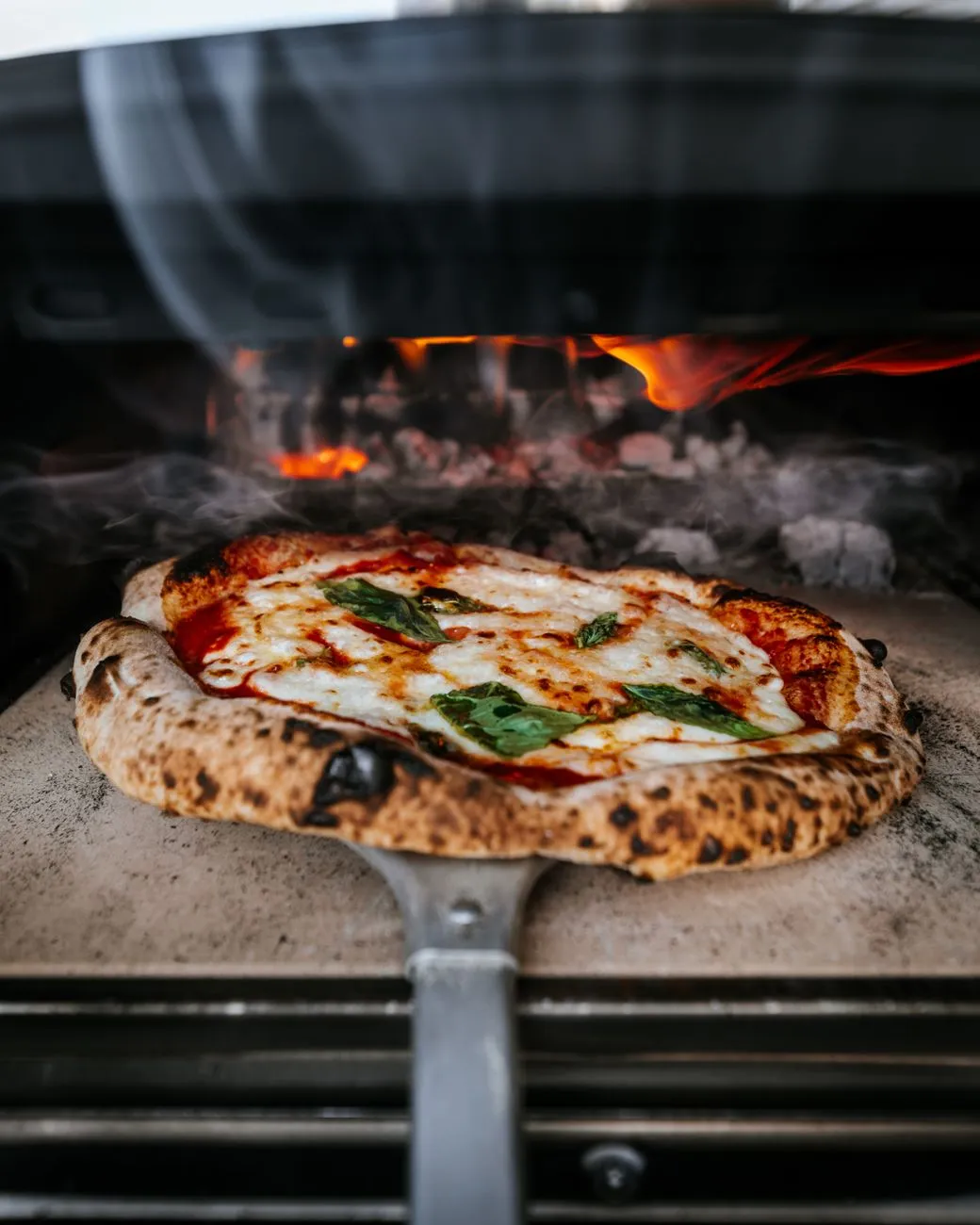
The golden crust cracks under the pressure of a fork, releasing a symphony of tangy aroma and cheesy bliss—this is no ordinary pizza. This is a sourdough pizza, where the slow-fermented magic of a wild yeast culture transforms humble ingredients into a transcendent culinary experience. Sourdough is no longer confined to the loaf; it has evolved into a versatile medium for creativity in the kitchen, from airy, leopard-spotted pizzas to flaky, buttery pastries that melt in the mouth. The resurgence of sourdough baking, fueled by a global pandemic and a renewed appreciation for fermentation, has unlocked a world of possibilities beyond the traditional boule or batard. What began as a preservation technique in ancient Egypt has evolved into a symbol of artisan craftsmanship and culinary innovation. Today, sourdough is celebrated not just for its distinctive flavor but for its digestibility, nutritional benefits, and adaptability. Whether you're a seasoned baker or a curious home cook, the journey into sourdough’s expansive repertoire promises to elevate your baking game. In this article, we’ll delve into the science, techniques, and creativity behind sourdough pizzas, pastries, and innovative baked goods, backed by research and expert insights.The versatility of sourdough lies in its microbial ecosystem—a delicate balance of lactic acid bacteria (LAB) and wild yeast that work in harmony to break down starches and proteins, enhancing flavor and texture. Unlike commercial yeast, which provides a rapid rise, sourdough’s slow fermentation develops complex flavors and improves gluten structure, making it ideal for a wide range of baked goods. From the crispy edges of a Neapolitan-style pizza to the delicate layers of a croissant, sourdough’s adaptability is unparalleled. Let’s explore how to harness this ancient technique for modern culinary adventures.The Science of Sourdough: Why It Elevates Pizzas to Masterpieces Sourdough pizza is more than a trend—it’s a scientific marvel. The key to its success lies in the fermentation process, which begins with a sourdough starter, a living culture of wild yeast and lactic acid bacteria. When combined with flour and water, these microorganisms consume sugars, producing carbon dioxide (for rise) and organic acids (for flavor). The result? A dough that’s easier to digest, richer in flavor, and more resilient during baking. Research from OpenAlex highlights the cultural diversity of traditional flatbreads, emphasizing how fermentation techniques vary across regions. In Italy, for example, sourdough pizzas like pizza napoletana rely on a long fermentation (24–48 hours) to develop a light, airy crust with a chewy interior. The slow fermentation allows enzymes to break down starches, reducing the glycemic index and improving digestibility. Meanwhile, the lactic acid bacteria produce compounds like acetic acid (vinegar-like tang) and propionic acid (nutty notes), which contribute to the pizza’s complex flavor profile.To achieve the perfect sourdough pizza, start with a high-hydration dough (65–75% water) to create a tender, extensible crust. Autolyse the dough (mix flour and water first, then add starter and salt later) to hydrate the gluten evenly. Ferment at room temperature (70–75°F) for 4–6 hours, then cold-proof in the fridge for 12–24 hours. This extended fermentation enhances flavor and makes the dough easier to shape. When baking, use a pizza stone or steel preheated to 500–550°F (260–290°C) for a crispy, leopard-spotted crust. The science behind sourdough pizza also extends to its nutritional benefits. Studies show that sourdough fermentation reduces phytic acid, an anti-nutrient found in grains that can inhibit mineral absorption. This makes sourdough pizza a more digestible option for those with mild gluten sensitivities. Additionally, the prebiotic fibers produced during fermentation support gut health, making it a win-win for both flavor and wellness.Sourdough Pastries: Flaky, Buttery, and Irresistible Sourdough isn’t just for bread and pizza—it’s a game-changer for pastries too. The same microbial magic that gives sourdough bread its tangy depth can be harnessed to create pastries with unparalleled texture and flavor. From croissants to Danish pastries, sourdough adds a subtle complexity that commercial yeast simply can’t match. The secret lies in the dough’s hydration and fermentation time. Sourdough pastries typically use a lower hydration dough (50–60%) to maintain structure, with a longer fermentation (12–24 hours) to develop flavor. The lactic acid bacteria soften the gluten, creating a tender crumb, while the wild yeast provides a slow, steady rise. For laminated pastries like croissants, sourdough can be incorporated into the dough or used as a levain (pre-ferment) to enhance flavor without compromising flakiness.One of the most popular sourdough pastries is the sourdough cinnamon roll, where the tangy dough pairs perfectly with sweet fillings. To make these, prepare a sourdough dough with 60% hydration, ferment for 12 hours, then roll out, fill with cinnamon sugar and butter, and bake until golden. The result is a pastry with a tender interior and a slightly crisp exterior, with a flavor profile that’s both familiar and excitingly new. Another innovative use of sourdough in pastries is the sourdough pie crust. Traditional pie crusts can be dense and tough, but sourdough fermentation tenderizes the dough, resulting in a flaky, melt-in-your-mouth crust. To make a sourdough pie crust, mix 50% sourdough starter with 50% flour and water, ferment for 12 hours, then incorporate into your pie dough. The lactic acid bacteria break down proteins, creating a more tender texture. For those looking to experiment, sourdough can also be used in scones, muffins, and even cookies. The key is to adjust hydration and fermentation time to suit the pastry’s structure. For example, sourdough scones benefit from a shorter fermentation (4–6 hours) to maintain their crumbly texture, while sourdough muffins can handle a longer fermentation (12–18 hours) for a tender crumb.Innovative Sourdough Baking: Beyond the Basics Sourdough baking is an art form, and innovation is at its heart. While traditional bread and pizza are staples, modern bakers are pushing the boundaries of what sourdough can do. From savory sourdough pancakes to sweet sourdough doughnuts, the possibilities are endless. One innovative trend is sourdough discard baking, where bakers use the unfed portion of their starter (discard) to create quick breads, muffins, and even waffles. Discard baking is not only waste-reducing but also adds depth of flavor to baked goods. For example, a sourdough discard banana bread combines the tangy notes of sourdough with the sweetness of ripe bananas, resulting in a moist, flavorful loaf.Another exciting innovation is sourdough flatbreads, inspired by traditional Italian flatbreads like focaccia and piadina. These flatbreads are quick to make, requiring minimal fermentation (2–4 hours) and no shaping. Simply mix sourdough starter with flour, water, and salt, let it rest, then cook in a hot skillet or on a griddle. The result is a soft, pillowy flatbread with a subtle tang, perfect for dipping in olive oil or topping with fresh herbs. Sourdough can also be used in gluten-free baking, where it helps improve texture and flavor. For gluten-free sourdough bread, a blend of rice flour, tapioca starch, and xanthan gum is often used, with a sourdough starter to provide structure and tang. The fermentation process helps break down the starches, making the bread easier to digest. For the adventurous baker, sourdough can even be incorporated into savory dishes like sourdough crackers, sourdough pretzels, and sourdough waffles. The key is to experiment with hydration, fermentation time, and ingredient ratios to achieve the desired texture and flavor.Sourdough Pizza: A Step-by-Step Guide to the Perfect Crust Making sourdough pizza at home is a rewarding experience, but it requires patience and precision. Here’s a step-by-step guide to crafting a pizza that rivals your favorite pizzeria. Ingredients:500g bread flour or Tipo 00 flour 350g water (70% hydration) 100g active sourdough starter (100% hydration) 10g salt 5g olive oil (optional, for extensibility)Method:Autolyse: Mix flour and water in a bowl, cover, and let rest for 30–60 minutes. This hydrates the flour and begins gluten development. Add Starter and Salt: After autolyse, add the sourdough starter and salt (and olive oil, if using). Mix until fully incorporated. Bulk Fermentation: Cover and ferment at room temperature (70–75°F) for 4–6 hours, performing 2–3 sets of stretch and folds every 30 minutes to strengthen the dough. Cold Proof: Transfer the dough to the fridge and cold-proof for 12–24 hours. This slow fermentation enhances flavor and makes the dough easier to shape. Shape and Proof: Divide the dough into 250g balls, shape into rounds, and proof at room temperature for 2–4 hours until doubled in size. Bake: Preheat your oven to its highest setting (500–550°F) with a pizza stone or steel inside. Stretch the dough, top with sauce and cheese, and bake for 5–7 minutes until the crust is golden and the cheese is bubbly.Tips for Success:Use high-quality flour (Tipo 00 for Neapolitan-style, bread flour for chewier crusts). Keep your starter active and at peak strength for best results. Don’t overload the pizza with toppings—less is more for a crispy crust. Experiment with different fermentation times to find your preferred flavor profile.Nutritional Comparison: Sourdough vs. Commercial Yeast PizzaNutrient Sourdough Pizza Commercial Yeast PizzaCalories (per slice) 250–300 kcal 280–320 kcalCarbohydrates 35–40g 40–45gProtein 10–12g 8–10gFiber 2–3g 1–2gGlycemic Index Low (50–55) High (70–80)Digestibility High (reduced phytic acid) ModerateFlavor Complexity High (tangy, complex) Low (yeasty, one-note)Data sourced from nutritional databases and sourdough fermentation studies.Conclusion & Sign-off Sourdough baking is a journey of patience, experimentation, and discovery. From the crispy perfection of a sourdough pizza to the buttery layers of a sourdough croissant, this ancient technique offers endless possibilities for the modern baker. By understanding the science behind fermentation and embracing creativity, you can transform sourdough into a versatile medium for culinary innovation. Whether you’re a seasoned baker or a curious beginner, the world of sourdough pastries and innovative baking awaits. Start with a simple sourdough starter, experiment with different flours and fermentation times, and let your creativity soar. Remember, the key to great sourdough is in the details—hydration, temperature, and time all play crucial roles in shaping the final product. As you embark on your sourdough adventure, don’t be afraid to push boundaries. Try a sourdough scone with lemon curd, or a sourdough focaccia topped with roasted vegetables. The beauty of sourdough lies in its adaptability, and the only limit is your imagination. So, fire up your oven, feed your starter, and let the magic of sourdough transform your baking. The results will speak for themselves—one tangy, flavorful bite at a time. Happy baking! Marcus Vance#SourdoughBaking #ArtisanBread #PizzaPerfection #SourdoughPastries #InnovativeBaking Related InsightsMumbai's Sizzling Soul: The Spice, Sweet, and Chaotic Heartbeat of Street Food Middle Eastern Mezze Beyond Turkish: Authentic Lebanese and Syrian Small Plates High‑Pressure Culinary Science: Exploring Hydrothermal Cooking Techniques{ "@context": "https://schema.org", "@type": "FAQPage", "mainEntity": [ { "@type": "Question", "name": "What is the main focus of Sourdough Beyond Bread: The Art of Crafting Pizzas, Pastries, and Innovative Baked Delights?", "acceptedAnswer": { "@type": "Answer", "text": "Unlock the secrets of sourdough beyond bread—explore sourdough pizzas, pastries, and innovative baking techniques with expert insights and step-by-step guides." } }, { "@type": "Question", "name": "Who authored the comprehensive guide on Sourdough Beyond Bread: The Art of Crafting Pizzas, Pastries, and Innovative Baked Delights?", "acceptedAnswer": { "@type": "Answer", "text": "This detailed article and its insights were carefully researched and authored by Marcus Vance." } }, { "@type": "Question", "name": "Where can I find more related content about Food?", "acceptedAnswer": { "@type": "Answer", "text": "You can explore more articles, detailed reviews, and similar insights by browsing the Related Insights section at the bottom of this article or visiting our dedicated Food category page." } } ] }