Showing Posts From
Soviet union
-
 Emily Page
 - 16 Aug, 2026 06:22
Ink and Iron: The Silent War Against the Forbidden Pages of the Soviet Union
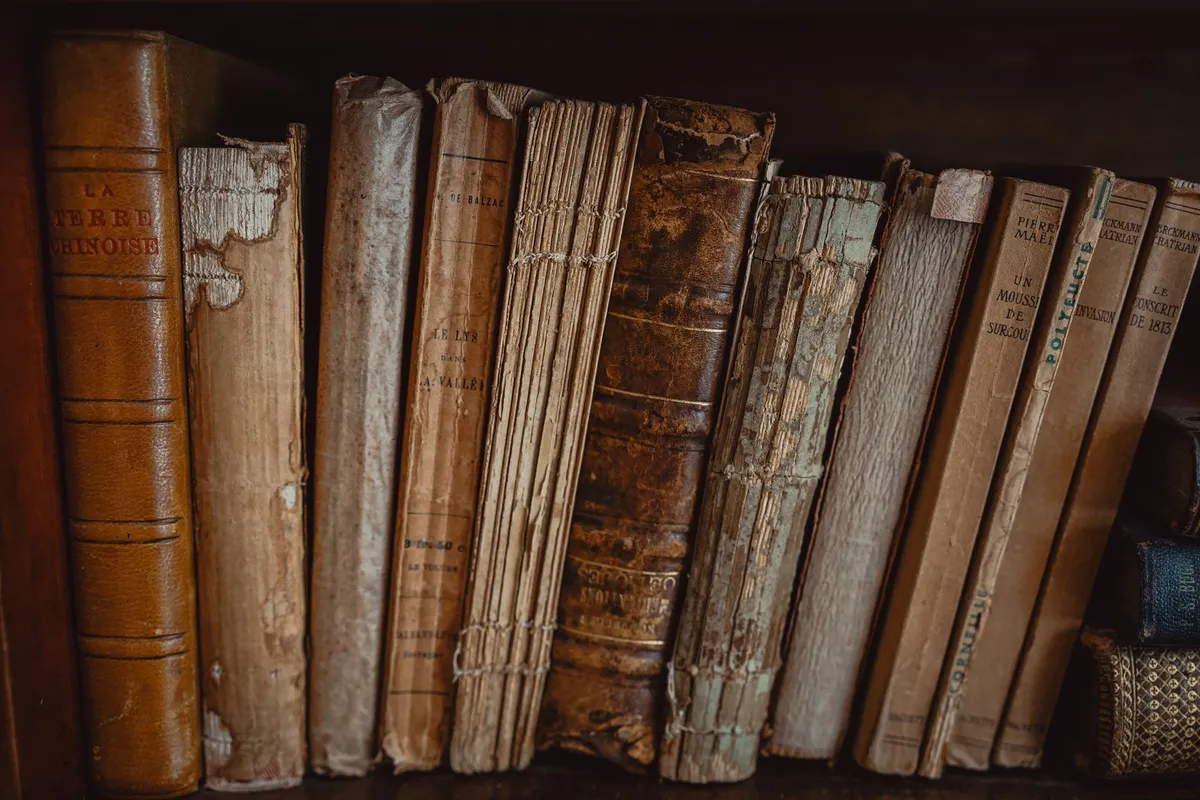
The scent of old paper and damp basements often carried the fragrance of revolution. In a land where a single misplaced adjective could be interpreted as treason, the book became more than a vessel for storytelling—it became a weapon of survival, a clandestine currency, and a dangerous act of defiance. To possess a banned book in the Soviet Union was to dance on the edge of a blade, inviting the gaze of the Glavlit (the Main Administration for Literary and Publishing Affairs) and the shadow of the KGB. For decades, the Soviet state did not merely curate its libraries; it sculpted a reality by erasing the words that dared to contradict the official party line. The Architecture of Silence and the Glavlit Grip The mechanism of Soviet censorship was not a sporadic set of bans but a systemic architecture of silence. At the heart of this machinery was Glavlit, the state organ tasked with ensuring that no printed word escaped into the public consciousness unless it aligned perfectly with Marxist-Leninist ideology. This wasn't just about banning "anti-Soviet" propaganda; it was about the meticulous scrubbing of history. Maps were redrawn, names were excised from encyclopedias, and entire literary movements were treated as if they had never existed. The criteria for banning a book were as fluid as the political winds of the Kremlin. A writer could be the darling of the state one year and a "class enemy" the next. The state feared not only the explicit political critique but also the "bourgeois" influence—the notion that individual experience, spiritual longing, or existential dread mattered more than the collective progress of the proletariat.Shadows of the Masters: The Internal Exiles Among the most tragic figures of this era were those whose books were banned in their own homeland, often while the authors were still breathing. Mikhail Bulgakov stands as a titan of this struggle. His masterpiece, The Master and Margarita, a surrealist blend of biblical satire and a critique of Soviet bureaucracy, was far too subversive for the official presses. Bulgakov wrote it in secrecy, knowing that the imagery of the Devil visiting Moscow would be seen as a direct assault on the state's claim to absolute moral and social order. The book circulated in fragmented, handwritten copies for years, gaining a legendary status that no official publication could have ever achieved. In the Soviet Union, the "underground" status of a book often acted as a seal of authenticity. If the state hated it, the people craved it. Then there was Boris Pasternak. The publication of Doctor Zhivago became an international geopolitical incident. The novel, which focused on the personal tragedies of an individual caught in the gears of the Russian Revolution, was viewed as a betrayal of the socialist cause. When it was smuggled out of the USSR and published in Italy, the Soviet state responded with a campaign of vitriol. Pasternak was pressured to refuse the Nobel Prize in Literature in 1958, proving that the state's reach extended far beyond the borders of its own bookstores. The Western Contagion: Orwell and the Dread of Dystopia While the state fought its own writers, it was equally terrified of the "Western contagion." English-language literature, particularly that which critiqued totalitarianism, was strictly forbidden. George Orwell’s 1984 and Animal Farm were the ultimate forbidden fruits. The irony, of course, was that Orwell’s descriptions of Big Brother, the Thought Police, and the rewriting of history mirrored the lived experience of millions of Soviet citizens with terrifying precision. Reading Orwell was not merely a literary exercise; it was a cognitive awakening. It provided the vocabulary for the citizens to describe their own oppression. Along with Orwell, the works of Aldous Huxley and other Western philosophers who questioned the nature of power and the state were treated as spiritual poisons. These books were often translated in secret, the typed pages passed from hand to hand in a relay of intellectual bravery.Samizdat and Tamizdat: The Secret Arteries of Truth When the official printing presses were locked, the people created their own. This gave birth to the phenomenon of Samizdat (self-publishing). The process was painstaking: a person would acquire a typewriter, use carbon paper to make several copies of a banned text, and pass them to trusted friends. Each recipient was expected to make further copies. The sound of a typewriter clicking in a midnight apartment became the heartbeat of the Soviet intellectual resistance. Samizdat was not just for novels. It included poetry, political essays, and smuggled news reports. It was a decentralized network of truth that the KGB spent decades trying to dismantle. Those caught with Samizdat materials faced charges of "anti-Soviet agitation and propaganda," which could lead to imprisonment in the Gulags or forced psychiatric hospitalization. Parallel to this was Tamizdat (published "there," meaning abroad). This involved smuggling manuscripts out of the Soviet Union to publishing houses in Paris or New York. Once printed in the West, these books would be smuggled back into the USSR—often hidden in the linings of suitcases or disguised as innocuous travel guides. This bidirectional flow of information ensured that the voices of the suppressed were heard, even if only in whispers. The Sacred and the Profane: Religious Banning The Soviet Union's commitment to state atheism meant that any text promoting religion was subject to immediate banning. Bibles, Torahs, and Quranic texts were hunted by the state. Religious literature was seen as a competing loyalty, a spiritual allegiance that threatened the total devotion required by the Party. The banning of religious texts led to the creation of underground "home churches" and secret study circles. In these spaces, the act of reading a religious text became a liturgical act of rebellion. The state's attempt to erase the divine from the printed page only served to push faith deeper into the private, impenetrable spheres of the home and the heart.The Legacy of the Forbidden Page The fall of the Soviet Union eventually opened the floodgates, allowing the forbidden works to flood back into the bookstores of Moscow and Kyiv. However, the era of banning left a permanent mark on the global literary landscape. It taught the world that the more a government attempts to erase a story, the more immortal that story becomes. The works of Solzhenitsyn, particularly The Gulag Archipelago, stand as the ultimate testament to this era. By documenting the horrors of the labor camps, Solzhenitsyn did more than just write a book; he dismantled the legitimacy of a regime. His writing proved that the truth, once written down and shared, is an unstoppable force. The history of banned books in the Soviet Union is not just a list of titles; it is a map of human resilience. It reminds us that the desire for truth is more powerful than the fear of the police and that a single book, hidden under a mattress or passed in a dark alley, can eventually bring down an empire of silence. The Enduring Power of the Word Today, as we look back at the lists of forbidden authors—from the satirical brilliance of Bulgakov and the haunting prose of Pasternak to the searing honesty of Solzhenitsyn—we realize that censorship is a confession of weakness. A state that fears a book is a state that knows its own narrative is a lie. The Soviet experiment in literary control failed because it ignored a fundamental truth: the human mind cannot be fenced in. The "Ink and Iron" war was won not by the iron of the state, but by the ink of the dreamers, the dissidents, and the brave souls who dared to read.#SovietHistory #ForbiddenBooks #LiteraryResistance #Censorship #BookLovers Related InsightsOne Last Warning (Quinn & Costa, #8) Book Review and Summary Atmosphere Book Review and Summary Houdini Heart Book Review and Summary{ "@context": "https://schema.org", "@type": "FAQPage", "mainEntity": [ { "@type": "Question", "name": "What is the main focus of Ink and Iron: The Silent War Against the Forbidden Pages of the Soviet Union?", "acceptedAnswer": { "@type": "Answer", "text": "Explore the dangerous allure of forbidden literature in the USSR, from Samizdat to the works of Bulgakov and Orwell." } }, { "@type": "Question", "name": "Who authored the comprehensive guide on Ink and Iron: The Silent War Against the Forbidden Pages of the Soviet Union?", "acceptedAnswer": { "@type": "Answer", "text": "This detailed article and its insights were carefully researched and authored by Emily Page." } }, { "@type": "Question", "name": "Where can I find more related content about Books?", "acceptedAnswer": { "@type": "Answer", "text": "You can explore more articles, detailed reviews, and similar insights by browsing the Related Insights section at the bottom of this article or visiting our dedicated Books category page." } } ] }
- Emily Page
- 08 Aug, 2026 06:34
Ink and Iron: The Silent War Against the Written Word in the Soviet Union
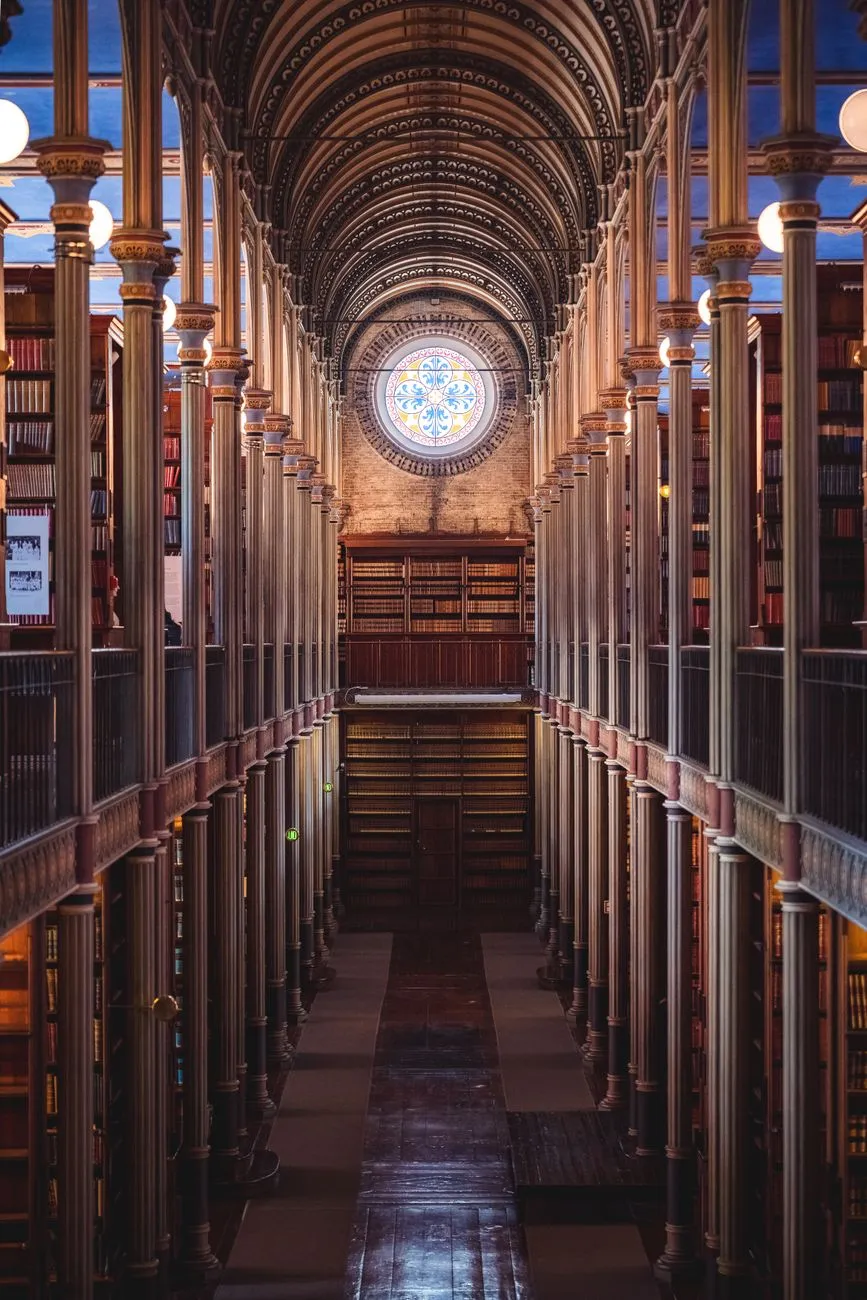
A single page of paper, whispered in the shadows of a communal apartment, could be more dangerous than a suitcase full of explosives. In the monolithic machinery of the Soviet Union, the written word was not merely a vehicle for art or information; it was a strategic weapon. To write a sentence that deviated from the party line was an act of rebellion; to read a banned book was a flirtation with the Gulag. For decades, the state attempted to build a wall not just of concrete and barbed wire, but of silence, scrubbing the libraries of any thought that dared to breathe outside the suffocating confines of Socialist Realism. The Architect of Silence and the Glavlit Machine To understand why certain books were banished, one must understand the apparatus of the ban. The Soviet Union didn't just "dislike" certain books; it institutionalized the erasure of thought via Glavlit—the Main Administration for Literary and Publishing Affairs. This was the central censorship body that acted as the state's ideological filter. Every manuscript, every newspaper column, and every textbook had to pass through this sieve. The criteria for banning were fluid and terrifyingly broad. A book could be prohibited for "anti-Soviet agitation," "cosmopolitanism," "formalism," or simply because the author had fallen out of favor with the General Secretary. The goal was the creation of the "New Soviet Man," an individual whose intellectual landscape was curated by the Party. Anything that suggested a contradictory truth—whether it was the horror of the Great Purge or the allure of Western individualism—was treated as a contagion.The Giants of Dissent: Solzhenitsyn and the Truth of the Labor Camps Perhaps no name evokes the struggle between the pen and the state more than Aleksandr Solzhenitsyn. His work represents the ultimate nightmare of the Soviet censor: the witness. The Gulag Archipelago was not just a book; it was a panoramic indictment of the entire Soviet experiment. By documenting the sprawling system of forced labor camps, Solzhenitsyn stripped away the veneer of socialist utopia to reveal a skeletal reality of torture, starvation, and systemic cruelty. The state’s reaction was visceral. The manuscript had to be smuggled out of the country, published in the West, and then leaked back into the USSR via samizdat—the clandestine practice of self-publishing. People would manually type a banned manuscript, creating multiple carbon copies, which were then passed from trusted friend to trusted friend. To possess a copy of The Gulag Archipelago was to hold a piece of radioactive truth; it was an invitation for a visit from the KGB. Similarly, Solzhenitsyn's One Day in the Life of Ivan Denisovich managed a brief, paradoxical existence. It was initially permitted under Nikita Khrushchev during the "Thaw" as a way to criticize the excesses of Stalinism. However, as the political winds shifted and the state regained its appetite for control, the book was snatched back into the darkness of the prohibited list. It serves as a stark reminder that in the Soviet Union, a book's legality depended entirely on the current mood of the Kremlin. The Forbidden Mirrors: Bulgakov and the Absurdity of Power While Solzhenitsyn fought with facts, Mikhail Bulgakov fought with satire and the supernatural. The Master and Margarita is one of the most profound examples of a "ghost book"—a masterpiece written in secret, burned by the author himself in a fit of despair, and eventually reconstructed from fragments. Bulgakov’s novel was a direct assault on the spiritual bankruptcy of the Soviet elite. By bringing the Devil to Moscow, Bulgakov exposed the greed, hypocrisy, and cowardice of the literary establishment. The novel’s juxtaposition of a satirical modern Moscow with a poignant, humanized retelling of the trial of Pontius Pilate was an affront to the state's mandatory atheism and its insistence on a linear, materialist history. For years, The Master and Margarita existed only in the whispers of the intelligentsia. When a censored version finally appeared in the 1960s, it missing key passages, yet it still managed to ignite the imaginations of a generation. The book proved that the state could ban the printing press, but it could not ban the human impulse to laugh at the absurdity of tyranny.Western Contaminants: The Danger of the Foreign Word The ban didn't just target internal dissidents; it targeted the " decadent" influence of the West. Any work that promoted liberal democracy, religious faith, or "bourgeois" individualism was strictly forbidden. This included a wide swath of world literature and philosophy.George Orwell's 1984 and Animal Farm: These were the most feared imports. Orwell’s depiction of Big Brother and the manipulation of language (Newspeak) was too close to home. The Soviet state recognized that Animal Farm was a precise autopsy of the Russian Revolution's betrayal of its own ideals. The Works of Albert Camus and Jean-Paul Sartre: Existentialism was viewed with suspicion. The idea that an individual is responsible for creating their own meaning in an indifferent universe contradicted the Marxist-Leninist view that meaning was derived solely from one's role in the class struggle. Religious Texts: While the Bible and the Quran existed in clandestine circles, they were officially suppressed. Any theology that placed a higher power above the State was considered a threat to national security. American Pulp and "Jazz" Literature: Even non-political works were often banned if they depicted a lifestyle of leisure and consumption that contradicted the austere, hardworking image of the Soviet citizen.The Art of Survival: Samizdat and Tamizdat When the official bookstores became museums of propaganda, the people created their own publishing houses. Samizdat (self-publishing) became the lifeline of the Soviet soul. This was a decentralized network of bravery. A person would receive a banned text, type it out on a manual typewriter—often with several sheets of carbon paper underneath—and pass the copies to others. The risks were astronomical. If the KGB discovered a samizdat ring, the participants faced charges of "anti-Soviet agitation," which could lead to years in a labor camp or internal exile to the frozen wastes of Siberia. Yet, the hunger for forbidden knowledge outweighed the fear. Then there was Tamizdat (publishing "over there"). This involved smuggling manuscripts out of the USSR to publishers in Paris, London, or New York. Once published abroad, these books would be smuggled back into the country in the linings of suitcases or hidden within the covers of approved texts. This cycle created a global conversation about the Soviet Union that the state could not silence.The Ghostly Echoes of Erased Authors Beyond the famous names, thousands of lesser-known poets, historians, and essayists were simply erased. This was the "damnatio memoriae" of the Soviet era. Authors who had once been celebrated were suddenly stripped of their titles, their books were purged from libraries (often physically ripped out or thrown into incinerators), and their names were scrubbed from the indices of encyclopedias. The tragedy of the banned book in the Soviet Union was not just the loss of the text, but the attempted erasure of the human experience. When a book is banned, the state is claiming that the experience described in that book—the suffering, the doubt, the love, the heresy—did not happen, or should not be remembered. The Legacy of the Forbidden Page The fall of the Soviet Union eventually opened the floodgates, allowing the "forbidden" books to flood back into the Russian consciousness. However, the era of censorship left a permanent scar on the literary landscape. It created a culture where the most valuable books were the ones that were illegal, and where the act of reading became a political statement. The history of banned books in the USSR teaches us that censorship is an admission of weakness. The state banned Solzhenitsyn, Bulgakov, and Orwell not because their words were false, but because they were too true to be managed. The ink of the dissident proved more durable than the iron of the regime. Today, these works stand as monuments to the resilience of the human spirit. They remind us that as long as there is a single person willing to type a page in secret and another willing to read it in the dark, the truth can never be fully extinguished.#SovietHistory #BannedBooks #LiteraryResistance #Censorship #HistoryOfBooks Related InsightsThe Four Agreements Book Review and Summary Magic Claims Book Review and Summary Kafka on the Shore Book Review and Summary{ "@context": "https://schema.org", "@type": "FAQPage", "mainEntity": [ { "@type": "Question", "name": "What is the main focus of Ink and Iron: The Silent War Against the Written Word in the Soviet Union?", "acceptedAnswer": { "@type": "Answer", "text": "Explore the dangerous allure of forbidden literature in the USSR and the books that challenged the iron grip of state censorship." } }, { "@type": "Question", "name": "Who authored the comprehensive guide on Ink and Iron: The Silent War Against the Written Word in the Soviet Union?", "acceptedAnswer": { "@type": "Answer", "text": "This detailed article and its insights were carefully researched and authored by Emily Page." } }, { "@type": "Question", "name": "Where can I find more related content about Books?", "acceptedAnswer": { "@type": "Answer", "text": "You can explore more articles, detailed reviews, and similar insights by browsing the Related Insights section at the bottom of this article or visiting our dedicated Books category page." } } ] }