Showing Posts From
Spanishcuisine
-
 Aylin Okur
 - 06 Sep, 2026 09:54
Savoring the Soul of Spain: A Culinary Journey Through the Art of Tapas
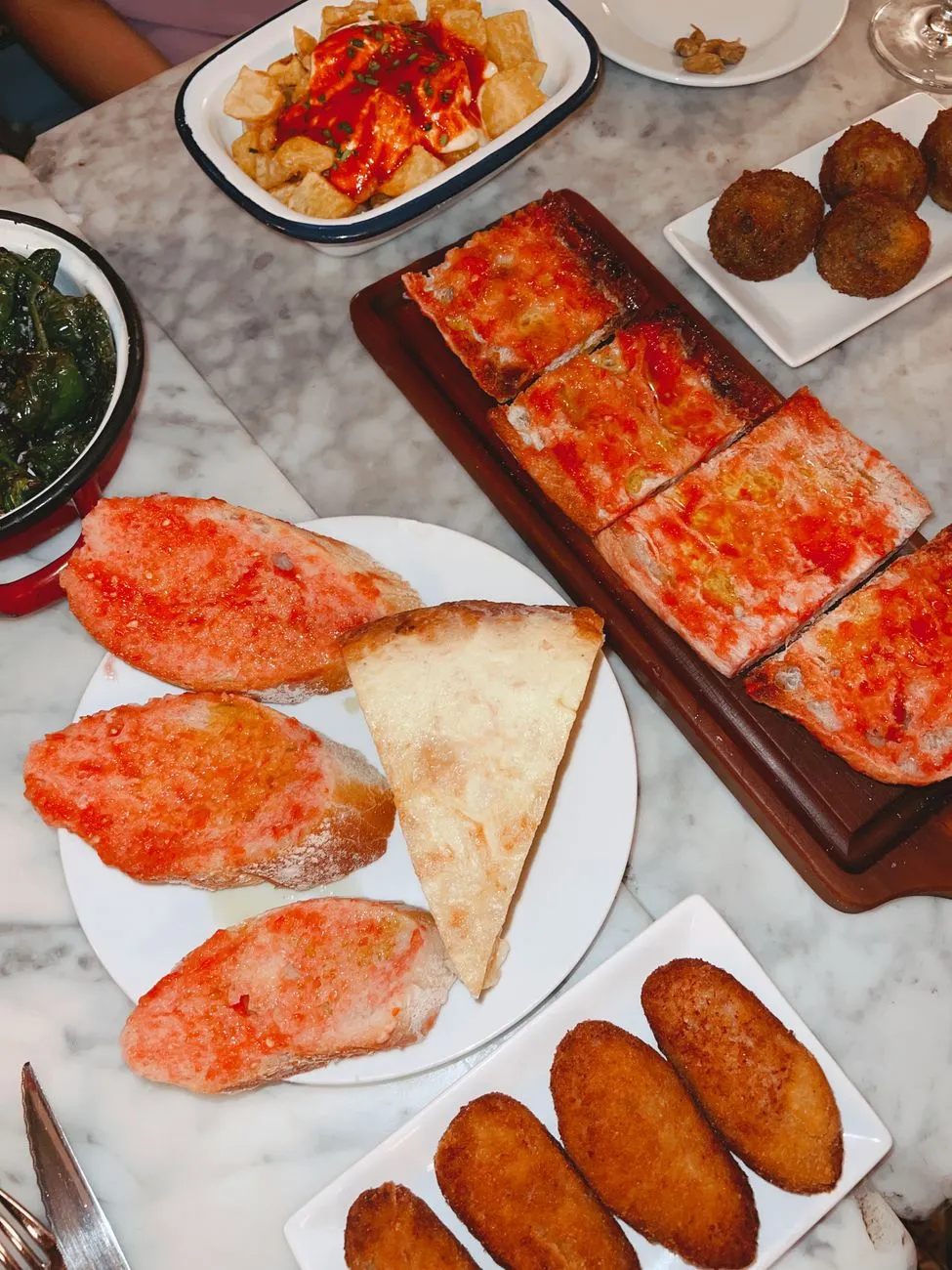
The sun dips low over the Iberian Peninsula, painting the ancient stone walls of Seville in hues of burnt orange and soft gold. In the narrow, winding alleys, the air begins to thicken with the intoxicating scent of sizzling garlic, briny olives, and the rich, nutty aroma of cured Ibérico ham. Here, dining is not merely a task of nourishment; it is a sacred social ritual, a rhythmic dance of flavors known as el tapeo. To eat tapas is to participate in a centuries-old conversation between the land, the history of the Mediterranean, and the irrepressible Spanish zest for communal life. The Origins of a Bite-Sized Revolution The history of the tapa is as murky and delightful as a glass of aged sherry. While historians often debate the exact etymology, the word tapa—meaning "cover" or "lid"—likely originated from the practical custom of placing a slice of bread or a small saucer of cured meat over a glass of wine to keep the buzzing insects at bay. Over time, these makeshift lids evolved from functional necessity into a sophisticated culinary institution. From the royal decrees that allegedly required innkeepers to serve small plates with wine to curb the effects of public intoxication, to the simple peasant necessity of making a modest pantry stretch across a long day of labor, tapas embody the Spanish genius for improvisation. They reflect a landscape shaped by Phoenicians, Romans, Moors, and Christians, each leaving a distinct fingerprint on the pantry of the peninsula.Northern Treasures: From Basque Pintxos to Cantabrian Delights As we move toward the jagged, emerald coast of the North, the culture of tapas undergoes a transformation. In the Basque Country, we encounter the pintxo. Unlike the varied tapas of the south, a pintxo is traditionally anchored by a toothpick—often used to skewer a complex arrangement of ingredients atop a crisp slice of baguette. These are not merely appetizers; they are edible architecture. In cities like San Sebastián, the counters of the txikito bars groan under the weight of elaborate displays: gilda (a spicy, salty marriage of an olive, an anchovy, and a pickled guindilla pepper), bacalao al pil-pil, and seared scallops drizzled in vibrant verde sauce. The secret here lies in the quality of the raw ingredients. The Cantabrian Sea provides the freshest anchovies in the world, cured in salt until they melt like butter on the tongue. The Heart of Castile: Earthy Flavors and Heartland Classics Moving into the high, sweeping plains of the Castilian interior, the tapas menu shifts to heartier fare suited for a colder climate. This is the land of torreznos—thick strips of pork belly fried until the skin shatters like glass and the fat turns into pure, savory velvet. In the taverns of Madrid and Valladolid, the patatas bravas reign supreme. This dish—cubed potatoes fried until golden and crowned with a fiery, piquant sauce—is the litmus test for any traditional establishment. While the recipe for the "brava" sauce is often a fiercely guarded family secret, the harmony of paprika, vinegar, and a subtle touch of sweetness is non-negotiable. Pair this with a robust glass of Tempranillo from the nearby Ribera del Duero, and you have the quintessential Castilian experience: bold, rustic, and deeply satisfying.The Andalusian Alchemy: Where History Meets the Sea Back in the South, in the whitewashed cities of Andalusia, the tapa is light, bright, and influenced by the legacy of Al-Andalus. Here, the focus turns to the abundance of the Mediterranean. Boquerones en vinagre—fresh anchovies marinated in vinegar, garlic, and parsley—offer a sharp, acidic contrast to the heat of the afternoon sun. One cannot speak of Andalusian tapas without mentioning gazpacho and its richer sibling, salmorejo. While the former is a refreshing liquid soup of tomatoes, peppers, and cucumbers, the latter is a thick, cream-like purée from Córdoba, topped with shavings of hard-boiled egg and crispy, salt-cured serrano ham. The interplay of textures here is masterful, demonstrating how ancient, humble ingredients can be elevated to high art through precision and balance. Crafting Your Own Tapas Table: A Guide to Essential Techniques If you wish to recreate the magic of a Spanish tavern at home, you must first master the art of the pantry. A successful tapas spread requires three pillars: a selection of cured meats and cheeses, a cooked vegetable dish, and at least one seafood preparation. For the aspiring home chef, simplicity is the ultimate sophistication. When working with ingredients as pure as Manchego cheese or Ibérico ham, the role of the cook is to get out of the way. Let the cheese reach room temperature before serving to unlock its sheep's-milk sweetness, and slice the ham paper-thin to allow the marbling to dissolve against the heat of the palate. If you are looking to experiment with traditional preparation, here is the basic structural approach for a classic Gambas al Ajillo (Garlic Shrimp): # The logic of the perfect Gambas al Ajillo ingredients = { "shrimp": "fresh, peeled, tails on", "garlic": "thinly sliced cloves, plenty of them", "oil": "extra virgin olive oil, cold pressed", "chili": "dried guindilla or red pepper flakes", "finish": "fresh parsley and lemon juice" }def cook_tapa(shrimp, oil, garlic, chili): # Heat the oil with garlic and chili until aromatic # Add shrimp and sear briefly to keep them tender # Finish with fresh parsley for a burst of color and bite return "Tapa ready for service"The golden rule when preparing tapas is to ensure that everything is served at the correct temperature—hot items must be searing, and cold items must be crisp. The bread should always be fresh, crusty, and plentiful, serving as the essential tool for soaking up the residual oils and sauces that are the true heart of the dish.The Ritual of the Crawl: Why Tapas Should Be Shared The most important element of any tapas guide is not the food itself, but the tapeo—the movement. In Spain, rarely does one sit in a single establishment for an entire meal. Instead, the night is a journey. You have a glass of manzanilla sherry and a plate of olives at one bar, then move to a second for the house-specialty croquetas, and perhaps a third for a grilled chorizo slider. This nomadic style of eating keeps the conversation fluid and the appetite sharp. It encourages you to sample a wider variety of regional specialties, prevents the palate from becoming fatigued by one flavor profile, and turns the act of dining into a communal adventure. The true professional at tapas dining knows that the goal is not to fill the stomach, but to fuel the spirit. Sustaining the Legacy: The Future of the Tapa As the world continues to globalize, the traditional tapas bar faces both challenges and opportunities. Modern chefs in cities like Barcelona are pushing the boundaries, incorporating global ingredients like ginger, soy, and yuzu into the classical framework. Yet, the core essence of the tapa remains stubbornly anchored to its roots: high-quality seasonal produce, a focus on communal interaction, and a deep respect for regional heritage. Whether you are enjoying a plate of pimientos de Padrón—where the fun lies in the occasional spicy kick—or a bowl of slowly simmered callos (tripe stew), you are tasting the history of a nation that views life as a series of small, intense moments to be savored. The guide to Spanish tapas is ultimately a guide to living well. It teaches us that richness is not found in the grandiosity of a feast, but in the perfection of a single, shared bite. So, the next time you find yourself in the bustling heart of a Spanish plaza, step away from the tourist-heavy squares and follow the local sound of clinking glasses. Find a place with worn wooden counters, a chalkboard menu, and the lingering scent of garlic in the air. Order a small plate, pour a glass of wine, and remember: you are not just eating, you are partaking in a living, breathing tradition that has defined a culture for centuries. #SpanishCuisine #TapasGuide #Gastronomy #FoodHistory #MediterraneanDiet Related InsightsLoving a Demon is a Total Nightmare (Total Chaos, #3) Book Review and Summary Winter Book Review and Summary The Monster at the End of this Book Book Review and Summary{ "@context": "https://schema.org", "@type": "FAQPage", "mainEntity": [ { "@type": "Question", "name": "What is the main focus of Savoring the Soul of Spain: A Culinary Journey Through the Art of Tapas?", "acceptedAnswer": { "@type": "Answer", "text": "Discover the storied history and vibrant regional flavors of Spanish tapas, from iconic bite-sized classics to the cultural rhythm of the traditional tavern crawl." } }, { "@type": "Question", "name": "Who authored the comprehensive guide on Savoring the Soul of Spain: A Culinary Journey Through the Art of Tapas?", "acceptedAnswer": { "@type": "Answer", "text": "This detailed article and its insights were carefully researched and authored by Aylin Okur." } }, { "@type": "Question", "name": "Where can I find more related content about Books?", "acceptedAnswer": { "@type": "Answer", "text": "You can explore more articles, detailed reviews, and similar insights by browsing the Related Insights section at the bottom of this article or visiting our dedicated Books category page." } } ] }