Showing Posts From
Sports

Next Goal Wins! Author: Liam MaguirePage Count: UnknownPublication Date: 2012-PRH Liam Maguire’s Next Goal Wins! isn’t just another hockey trivia book—it’s a love letter to the game, a treasure hunt through the NHL’s richest history, and a celebration of the strange, the surprising, and the downright bizarre moments that make hockey more than just a sport. With a foreword by the Great One himself, Wayne Gretzky, this book promises—and delivers—an experience that goes far beyond dry statistics and Wikipedia recaps. Maguire, a veteran hockey writer and trivia enthusiast, has crafted a volume that feels like a conversation with a die-hard fan who’s spent decades digging through the league’s archives, uncovering gems that even the most devoted followers might have missed. At its core, Next Goal Wins! is about the stories behind the numbers. While many hockey trivia books rely on basic player stats or well-known milestones, Maguire dives deep into the lesser-known tidbits that reveal the game’s quirks, its forgotten heroes, and its most bizarre twists. Whether it’s the tale of a player who scored a hat trick while wearing someone else’s skates or the goalie who stopped a puck with his face and still won the game, Maguire’s book is packed with "And did you know...?" moments that will leave readers exclaiming out loud. It’s the kind of book that invites you to play along, testing your own hockey knowledge while simultaneously expanding it. The updates and revisions from Maguire’s earlier work, What’s the Score?, ensure that even seasoned fans will find fresh material, making it a must-read for anyone who thinks they know the game inside out. What sets Maguire’s style apart is his knack for weaving trivia into a narrative that feels both playful and profound. He doesn’t just throw facts at the reader; he builds connections. A seemingly random tidbit about a coach’s superstition might suddenly link to a legendary player’s streak, or a obscure rule change might explain why certain strategies became obsolete. This approach makes Next Goal Wins! more than a collection of trivia—it’s a journey through hockey’s evolution, a reminder of how the game’s past shapes its present. Maguire’s writing is lighthearted but never shallow, blending humor with genuine enthusiasm. His tone is that of a passionate fan who wants to share his discoveries, not just impress with obscure knowledge. The book’s structure is cleverly designed to engage readers on multiple levels. It’s not a dry Q&A; instead, Maguire presents his trivia in digestible chunks, often framing questions in a way that invites curiosity. For example, rather than simply stating that a player scored five goals in a single period, he might pose a scenario: "Which Hall of Famer once scored five goals in a single period—but only because his team was so far behind that the coach put him on the ice for a six-on-three power play?" This interactive style makes it easy to flip to random pages for a quick dose of hockey wisdom or to read cover-to-cover, absorbing the game’s history in bite-sized pieces. Maguire’s deep dive into the NHL’s archives is evident in the sheer volume of obscure facts he uncovers. He peels back the layers of the game’s history to reveal the personalities, the oddities, and the moments that almost slipped through the cracks. Whether it’s the story of the player who scored a goal while being ejected for fighting or the team that won a Stanley Cup despite losing every single game in the playoffs (yes, it happened), Next Goal Wins! is a reminder that hockey’s past is stranger—and far more entertaining—than fiction. The book also benefits from Maguire’s ability to connect these stories to broader themes in the sport, from the evolution of goaltending equipment to the rise and fall of rivalries that defined eras. One of the book’s most charming qualities is its accessibility. While Maguire’s knowledge is encyclopedic, his writing never feels like a lecture. He writes with the same energy you’d expect from a rinkside commentator, making even the most obscure facts feel urgent and exciting. The inclusion of Gretzky’s foreword lends an air of prestige, but Maguire’s voice is what truly carries the book. It’s the voice of a fan who’s been there, seen it all, and can’t wait to tell you about it. Next Goal Wins! is more than a trivia book—it’s a celebration of hockey’s soul. In an era where stats and analytics dominate sports discourse, Maguire reminds us that the game’s magic lies in its stories, its surprises, and its endless capacity for the unexpected. Whether you’re a die-hard hockey nut or a casual fan looking to deepen your appreciation for the sport, this book delivers. It’s the kind of volume you’ll keep on your shelf, returning to it again and again to rediscover forgotten gems or to impress your friends with your newfound trivia prowess. For anyone who’s ever yelled at the TV during a game or stayed up late to watch a historic comeback, Next Goal Wins! is a must-read. It’s proof that hockey isn’t just a sport—it’s a tapestry of moments, both grand and bizarre, that make it the most thrilling game on earth. #NextGoalWins #HockeyTrivia #NHLHistory #HockeyFacts #WayneGretzky #HockeyBooks Related InsightsCharlaine Harris Gunnie Rose 4 Book Review and Summary Angle of Repose Book Review and Summary Magic triumphs Book Review and Summary{ "@context": "https://schema.org", "@type": "FAQPage", "mainEntity": [ { "@type": "Question", "name": "What is the main focus of Next Goal Wins! Book Review and Summary?", "acceptedAnswer": { "@type": "Answer", "text": "Everything you need to know about Next Goal Wins! with our detailed review." } }, { "@type": "Question", "name": "Who authored the comprehensive guide on Next Goal Wins! Book Review and Summary?", "acceptedAnswer": { "@type": "Answer", "text": "This detailed article and its insights were carefully researched and authored by Diego Lopez." } }, { "@type": "Question", "name": "Where can I find more related content about Books?", "acceptedAnswer": { "@type": "Answer", "text": "You can explore more articles, detailed reviews, and similar insights by browsing the Related Insights section at the bottom of this article or visiting our dedicated Books category page." } } ] }

-
 Diego Lopez
 - 01 Dec, 2025 13:57
Soy como como: Una guía para mejorar tu alimentación y cuidar tu salud / I Am What I Eat: A Guide to Improve Your Diet and Take Care of Your Health Book Review and Summary
Soy como como: Una guía para mejorar tu alimentación y cuidar tu salud / I Am What I Eat: A Guide to Improve Your Diet and Take Care of Your Health Author: Núria CollPage Count: UnknownPublication Date: 2023-PRH Núria Coll’s Soy como como: Una guía para mejorar tu alimentación y cuidar tu salud is a refreshing departure from the noise of modern nutrition advice. In a world saturated with fad diets, conflicting studies, and social media "gurus" dictating what you should eat, Coll offers something far more valuable: common sense. As the most recognized health journalist in Spain, she brings clarity to the chaos, blending personal experience, evidence-based insights, and a no-nonsense approach that empowers readers to take control of their diets without relying on external dogma. The book’s core message is simple yet powerful: healthy eating doesn’t have to be complicated. Coll’s journey—from a time when she admits she knew little about nutrition to becoming a leading voice in the field—mirrors the struggles of many. Her transformation wasn’t about strict rules or trendy superfoods but about fundamental shifts in perspective: prioritizing whole foods, reducing processed products, and understanding the how behind eating well. This philosophy is the book’s beating heart. It’s not just about what’s on your plate but how you approach food—mindfully, critically, and without unnecessary guilt. Coll’s style is one of her greatest strengths. Unlike dry, textbook-like nutrition guides, Soy como como reads like a conversation with a trusted friend. Her writing is conversational, witty, and often humorous, making complex topics accessible without oversimplifying them. She tackles misconceptions with humor—for instance, debunking the myth that all fats are bad or that you need to eat superfoods to be healthy—without ever sounding preachy. Instead, she invites readers to question the status quo, encouraging them to develop their own criteria rather than blindly following the latest diet trend. One of the book’s most compelling sections is where Coll reflects on her own evolution. She recounts how she overhauled her pantry, replacing processed snacks with real ingredients, not out of deprivation but because she realized that convenience often comes at the cost of health. This personal touch makes her advice relatable. She doesn’t claim to have all the answers, but she does offer a framework for thinking critically about food—something far more useful in the long run than any restrictive diet plan. Another standout aspect is Coll’s emphasis on the psychological and emotional aspects of eating. She doesn’t shy away from discussing how stress, marketing, and even social pressure influence our food choices. Her advice isn’t just nutritional; it’s practical. She encourages readers to eat slowly, savor their meals, and consider why they’re reaching for certain foods in the first place. This holistic approach sets the book apart from other health guides that focus solely on macronutrients or calorie counts. Soy como como also shines in its ability to debunk nutrition myths without resorting to jargon. Coll dismantles the cult of "clean eating," the fear of carbs, and the obsession with superfoods, replacing them with a balanced, intuitive approach. Her argument isn’t about perfection but progress—small, sustainable changes that lead to long-term health. This aligns perfectly with her mission to help readers find their own path rather than following a prescribed one. While the book doesn’t provide a step-by-step meal plan or rigid rules, its strength lies in its flexibility. Coll’s advice is adaptable, whether you’re a busy professional, a parent, or someone simply looking to improve their relationship with food. The absence of a strict regimen is intentional; she wants readers to feel empowered, not constrained. If there’s one critique, it’s that some readers might wish for more concrete examples or recipes, though Coll’s focus is clearly on principles rather than prescriptive solutions. However, this is a minor quibble in an otherwise stellar book. Soy como como isn’t just another nutrition guide—it’s a manifesto for mindful eating, a call to reclaim agency over your diet, and a reminder that health isn’t about perfection but consistency and self-awareness. For anyone tired of the endless cycle of diet trends and looking for a smarter, more sustainable way to eat, Núria Coll’s book is a breath of fresh air. It’s not about what you should eat; it’s about learning to trust yourself—and that’s a revolution worth joining. #NutritionWithoutDrama #MindfulEating #HealthyHabitsNotHypes #FoodForThought #EatSmartNotHard #NutriciónConSentido Related InsightsThe Inmate Book Review and Summary Padre Rico, Padre Pobre (Edición 25 Aniversario) / Rich Dad Poor Dad Book Review and Summary The Healing Self Book Review and Summary{ "@context": "https://schema.org", "@type": "FAQPage", "mainEntity": [ { "@type": "Question", "name": "What is the main focus of Soy como como: Una guía para mejorar tu alimentación y cuidar tu salud / I Am What I Eat: A Guide to Improve Your Diet and Take Care of Your Health Book Review and Summary?", "acceptedAnswer": { "@type": "Answer", "text": "Everything you need to know about Soy como como: Una guía para mejorar tu alimentación y cuidar tu salud / I Am What I Eat: A Guide to Improve Your Diet and Take Care of Your Health with our detailed review." } }, { "@type": "Question", "name": "Who authored the comprehensive guide on Soy como como: Una guía para mejorar tu alimentación y cuidar tu salud / I Am What I Eat: A Guide to Improve Your Diet and Take Care of Your Health Book Review and Summary?", "acceptedAnswer": { "@type": "Answer", "text": "This detailed article and its insights were carefully researched and authored by Diego Lopez." } }, { "@type": "Question", "name": "Where can I find more related content about Books?", "acceptedAnswer": { "@type": "Answer", "text": "You can explore more articles, detailed reviews, and similar insights by browsing the Related Insights section at the bottom of this article or visiting our dedicated Books category page." } } ] }
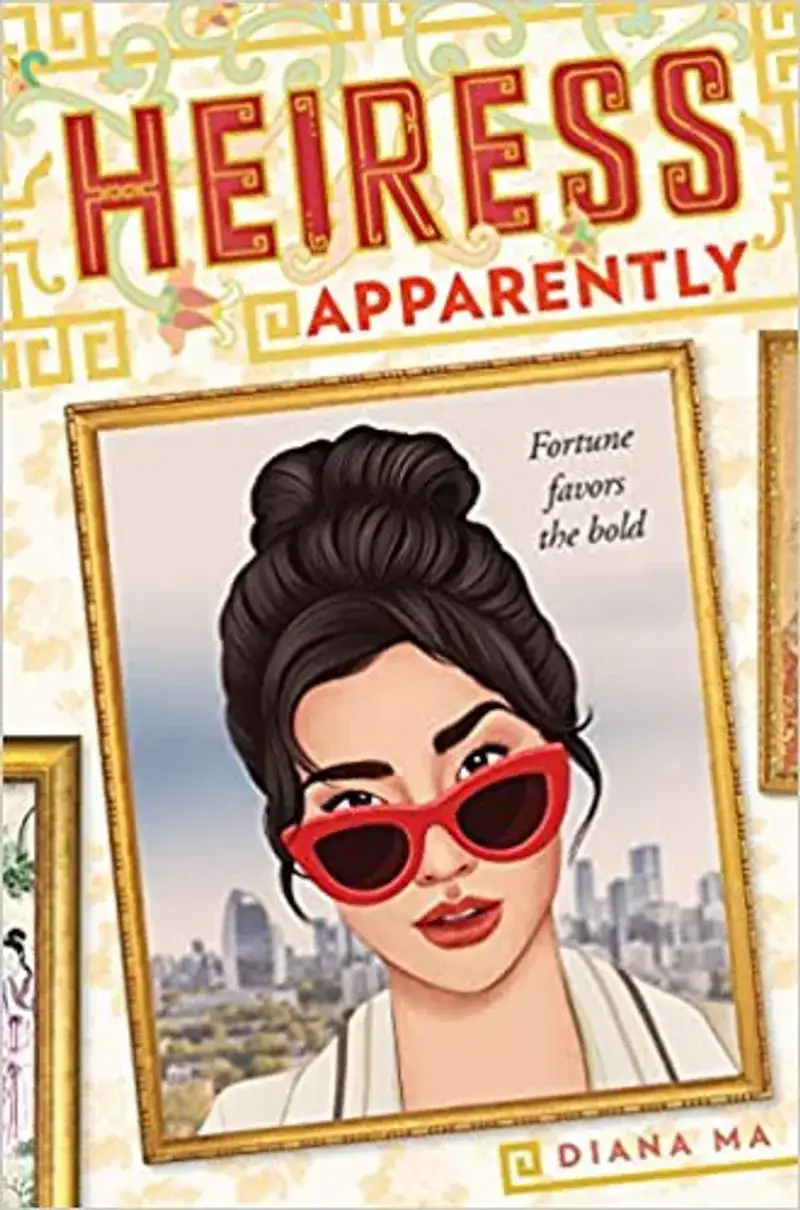
Daughters of the Dynasty Author: UnknownPage Count: UnknownPublication Date: Unknown-PRH Daughters of the Dynasty: A Forgotten Epic of Power, Blood, and Legacy History is written by the conquerors, but it is carried forward by the daughters they leave behind. Daughters of the Dynasty is a sweeping, untold saga that dares to rewrite the narrative—not from the throne, but from the shadows where women have always shaped empires. Though the author’s name and publication details remain a mystery, the book’s raw emotional power and meticulous craftsmanship suggest a master storyteller at work, one who has unearthed the hidden voices of royal women across centuries. At its core, Daughters of the Dynasty is a meditation on legacy—not the kind that is carved into stone, but the kind that is whispered in palace corridors, passed down in letters burned before discovery, and etched into the bones of those who survive betrayal. The book does not follow a single dynasty but weaves a tapestry of female resilience across empires: Roman matriarchs plotting behind curtains, Mughal princesses negotiating peace with swords hidden in embroidery, and medieval European queens who ruled not by crowns but by quiet influence. These are not passive figures in a king’s story; they are the architects of fate, the unseen hands that steer history when men are too busy waging war to notice the room has gone quiet. The author’s style is both lush and razor-sharp, a rare balance that elevates Daughters of the Dynasty from mere historical fiction to something closer to myth. The prose flows like silk—elegant, sensual, and precise—yet cuts to the bone with unflinching honesty. There are no sanitized versions of these women here; they are flawed, cunning, loving, and ruthless by turns. One chapter might describe a queen in silk robes orchestrating an assassination with the same delicacy she uses to sip tea, while the next plunges into the grief of a daughter watching her father’s empire crumble, her only consolation a forbidden romance with a servant. The emotional range is staggering, oscillating between opulent grandeur and devastating intimacy. What sets this book apart is its refusal to romanticize power. These women are not heroines in the traditional sense; they are survivors. They manipulate, they endure, they betray, and sometimes, they break. The author does not shy away from the darker truths of their lives—the stillbirths, the poisoned rivals, the children sacrificed to alliances, the madness that comes from living in a gilded cage. Yet there is a strange beauty in their struggle, a defiance in their silence. The book’s greatest triumph is making the reader ache for these women not because they were innocent, but because they were human in a world that demanded they be divine. The structure of Daughters of the Dynasty is deceptively simple. Instead of a linear narrative, the book moves in vignettes—like snapshots of a life, each one revealing a new layer of a woman’s soul. A single character might span decades across a few pages, or a minor figure from a footnote in history becomes the heart of a chapter. This approach gives the book a mosaic-like quality, where the whole is greater than the sum of its parts. It invites re-reading, as each return uncovers new connections, hidden motives, and the tragic irony that many of these women’s greatest acts of defiance were never recorded. The author’s voice is omniscient yet deeply personal, as if they have spent lifetimes listening to these women’s secrets. There is a haunting quality to the narration, a sense that these stories are being told by someone who has stood in the same palaces, felt the same drafts through tower windows, and held the same daggers in trembling hands. The research, though uncredited, feels exhaustive and meticulous. Names, dates, and political intrigues are woven seamlessly into the narrative, never overwhelming but always enriching. This is not a book that drowns in historical detail; it uses history as a stage, and the women as the stars who command the light. At its heart, Daughters of the Dynasty is a feminist manifesto disguised as a historical epic. It challenges the notion that power is only wielded by those who wear crowns, and instead argues that the truest power lies in the ability to endure, to adapt, and to leave a mark that outlasts empires. These women are not defined by their relationships to men—fathers, husbands, sons—but by their own agency, even when it is born from desperation. The book asks: What if the greatest rulers were never recorded because they were too busy pulling the strings from the shadows? For readers who crave escapism, Daughters of the Dynasty delivers spectacle—the clink of goblets at a feast, the scent of incense in a harem, the weight of a crown too heavy for small hands. But for those who seek depth, it offers something rarer: a glimpse into the quiet revolutions of women who changed the world by refusing to be seen. This is a book that lingers, like the ghost of a queen who walked these halls long ago. It is not just a story about the past; it is a mirror held up to the present, asking us to consider who truly holds the reins of history. #DaughtersOfTheDynasty #HiddenHistory #RoyalWomen #HistoricalFiction #UntoldStories #FeministEpic Related InsightsThe Woman in Cabin 10 Book Review and Summary Defy the Dusk (The Sundering Duet, #1) Book Review and Summary House of Sky and Breath Book Review and Summary{ "@context": "https://schema.org", "@type": "FAQPage", "mainEntity": [ { "@type": "Question", "name": "What is the main focus of Daughters of the Dynasty Book Review and Summary?", "acceptedAnswer": { "@type": "Answer", "text": "Everything you need to know about Daughters of the Dynasty with our detailed review." } }, { "@type": "Question", "name": "Who authored the comprehensive guide on Daughters of the Dynasty Book Review and Summary?", "acceptedAnswer": { "@type": "Answer", "text": "This detailed article and its insights were carefully researched and authored by Diego Lopez." } }, { "@type": "Question", "name": "Where can I find more related content about Books?", "acceptedAnswer": { "@type": "Answer", "text": "You can explore more articles, detailed reviews, and similar insights by browsing the Related Insights section at the bottom of this article or visiting our dedicated Books category page." } } ] }
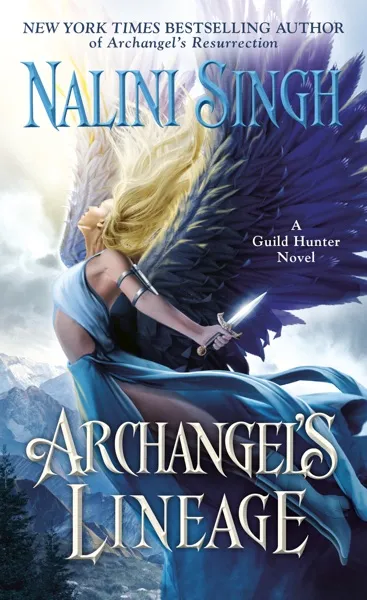
Archangel's Lineage Author: Nalini SinghPage Count: UnknownPublication Year: 2024-GB Nalini Singh’s Archangel’s Lineage is not just another entry in the sprawling, glittering universe she has built across her paranormal romance series—it is a triumphant crystallization of everything that has made her work a global phenomenon. Set in a world where angels walk among mortals, their power and politics as intricate as any human dynasty, this 2024 release delivers a masterclass in blending high-stakes drama, scorching emotional intimacy, and Singh’s signature wit. More than a continuation of her beloved Guild Hunter series, Archangel’s Lineage feels like a bold recalibration: part origin story, part power play, and entirely a testament to Singh’s ability to evolve while staying true to her core themes. At its heart, the novel explores the burden of legacy—not just in the sense of bloodlines or throne lines, but in the weight of expectation, the scars of history, and the quiet courage it takes to carve one’s own destiny. The story orbits around a new generation of archangels, their identities shaped by ancient conflicts and modern desires. Singh’s genius lies in how she frames these celestial beings not as distant deities but as deeply flawed, fiercely loyal individuals whose divinity is as much a curse as a gift. The archangels are not infallible; they are proud, vengeful, and sometimes petty. Yet beneath their icy exteriors pulse emotions that feel achingly human—longing, regret, and an unshakable need to belong. The protagonist, though not a conventional heroine by mortal standards, embodies this theme with quiet ferocity. She is not born of the most powerful bloodline; her strength comes from resilience, from the unglamorous labor of survival. Her journey is one of claiming space in a world that seeks to define her by others’ terms. Singh’s writing shines here, turning what could be a familiar trope into something fresh and urgent. The dialogue crackles with tension, the prose is lush yet precise, and the emotional beats land with a resonance that lingers. What sets Singh apart from her peers in the genre is her unapologetic embrace of both spectacle and subtlety. She can pen a scene of apocalyptic warfare with the same razor-sharp detail as a whispered confession between lovers. The battle sequences are cinematic—wings ablaze, swords clashing, and the very air trembling with power—but they are never gratuitous. Every clash serves a purpose, advancing character or plot. Meanwhile, the quieter moments—where characters pause to breathe, to hurt, to hope—are where Singh’s true magic lies. There is a tenderness in her depictions of vulnerability, a willingness to show strength as something that can coexist with fear. The author’s style is a tapestry woven from multiple threads: the gothic grandeur of her worldbuilding, the modern cadence of her dialogue, and an almost cinematic flair for pacing. Dialogue in Singh’s novels is never just exposition—it’s a weapon, a shield, and a bridge. Characters spar with words as much as with blades, their exchanges dripping with subtext and sass. The humor, often dry and unexpected, serves as a counterbalance to the darker themes, grounding the celestial drama in something relatable. Archangel’s Lineage also deepens the lore of Singh’s universe in ways that feel organic rather than forced. The politics of the angelic courts are as labyrinthine as ever, but Singh ensures that even casual readers can follow along, her exposition woven seamlessly into action. We learn more about the origins of the archangels, their fractured alliances, and the ancient grudges that simmer beneath the surface. Yet the novel never feels like a history lesson. Instead, it’s a reminder that history is not just something that happened—it’s something that hurts, something that shapes every decision, every alliance, every betrayal. If there is a criticism to be leveled, it might be that the scale of the world occasionally risks overshadowing the intimacy of the romance at its core. The central love story is tender and fiery, but in a narrative this expansive, it can sometimes feel like one thread among many. Yet to fault Singh for ambition would be churlish. The book’s power lies precisely in its scope—it dares to ask what it means to be divine in a world that is all too human. In the end, Archangel’s Lineage is a story about lineage in every sense: the blood that binds, the choices that define, and the legacy that waits to be rewritten. Singh doesn’t just tell you who these characters are—she makes you feel the weight of their pasts and the promise of their futures. It’s a book that demands to be read in one breathless sitting, and then pondered in the quiet hours after, when the echoes of wings and whispers still haunt the mind. This is Nalini Singh at her most radiant—a writer who has mastered the art of making the impossible feel intimate, the eternal feel urgent. #ArchangelsLineage #NaliniSingh #ParanormalRomance #GuildHunterUniverse #AngelRomance #DarkFantasyBooks Related InsightsMokradla Book Review and Summary Never Too Late Book Review and Summary The Law of Innocence Book Review and Summary{ "@context": "https://schema.org", "@type": "FAQPage", "mainEntity": [ { "@type": "Question", "name": "What is the main focus of Archangel's Lineage Book Review and Summary?", "acceptedAnswer": { "@type": "Answer", "text": "Everything you need to know about Archangel's Lineage with our detailed review." } }, { "@type": "Question", "name": "Who authored the comprehensive guide on Archangel's Lineage Book Review and Summary?", "acceptedAnswer": { "@type": "Answer", "text": "This detailed article and its insights were carefully researched and authored by Diego Lopez." } }, { "@type": "Question", "name": "Where can I find more related content about Books?", "acceptedAnswer": { "@type": "Answer", "text": "You can explore more articles, detailed reviews, and similar insights by browsing the Related Insights section at the bottom of this article or visiting our dedicated Books category page." } } ] }
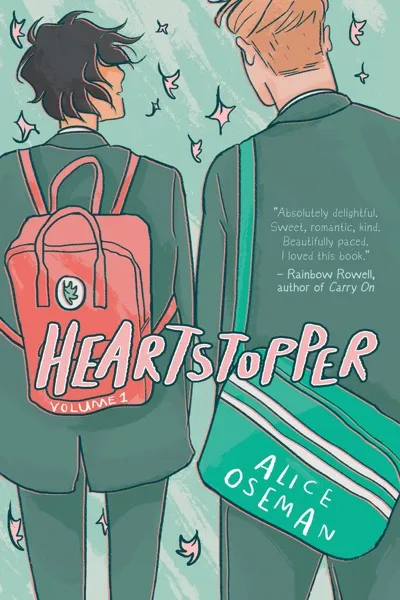
Heartstopper #1-3 Author: Alice OsemanPage Count: UnknownPublication Year: 2020-GB Heartstopper is a tender, luminous graphic novel series that captures the essence of first love and self-discovery with a rare authenticity. Alice Oseman’s trilogy—spanning volumes one through three—has captivated readers worldwide, earning its place as a modern queer coming-of-age classic. While the page count remains unspecified, the impact of these three graphic novels is anything but small. Through delicate illustrations, understated prose, and deeply relatable characters, Oseman crafts a story that feels both intimate and universal. At its core, Heartstopper explores the quiet revolutions that unfold in the heart and mind of Charlie Spring, a soft-spoken Year 10 student navigating the complexities of love, grief, and identity. When he meets rugby player Nick Nelson, their friendship blossoms into something more profound, fragile, and real than Charlie ever expected. The central theme is not just romance, but the courage to be seen—to love openly, to grieve openly, and to grow openly—especially in a school environment that often feels like a pressure cooker of judgment and expectation. Oseman’s writing is deceptively simple, yet layered with emotional depth. She avoids melodrama, opting instead for quiet conversations, unspoken glances, and moments of vulnerability that speak volumes. The dialogue feels natural, almost conversational, as if overheard in a hallway between classes. There’s no grand speech about being gay, no forced confrontation with homophobia—just the lived experience of two boys figuring it out together, supported by friends who are just as endearing and flawed as they are. The art style complements the narrative perfectly. Oseman’s clean, expressive linework and soft color palette—pastel greens, warm pinks, and gentle blues—create a visual tone that is both comforting and uplifting. The characters are drawn with warmth and empathy; their expressions shift subtly, revealing layers of emotion without words. Nick’s quiet confidence, Charlie’s quiet intensity, Tao’s protective loyalty, and Elle’s fierce individuality all leap off the page with authenticity. One of the series’ most compelling strengths is its portrayal of queer friendship. The supporting cast—Elle, Tao, Isaac, Tara, and Darcy—are not just background characters but vital to the story’s emotional resonance. Their acceptance of Charlie and Nick isn’t performative; it’s organic, a natural extension of who they are. This sense of community and solidarity is rare in LGBTQ+ narratives, which often center on isolation or conflict. Heartstopper instead celebrates connection, offering a hopeful vision of what queer friendship and love can look like. Oseman also weaves in themes of mental health with remarkable sensitivity. Charlie’s struggles with anxiety and eating disorders are treated with care, not as plot devices but as part of his identity. The story never shies away from the weight of these challenges, yet it never lets them define him. Instead, his journey is one of healing and self-acceptance, buoyed by love and understanding. The pacing is deliberate, allowing moments to breathe. A single glance across a classroom, a hesitant touch, a shared lunch table—these small, seemingly ordinary scenes accumulate into something deeply moving. The slow burn of Nick’s realization about his feelings is handled with exquisite nuance, making his emotional arc feel earned, not rushed. Heartstopper is more than a love story. It’s a celebration of growing up, of discovering who you are in a world that’s still learning to see you. It’s about learning that love isn’t always easy, but it’s worth the risk. It’s about finding your people—your chosen family—and realizing that home isn’t a place, but a feeling. Oseman’s genius lies in her ability to make the extraordinary feel ordinary, and the ordinary feel profound. She reminds us that love stories don’t need grand gestures or dramatic conflicts to be powerful. Sometimes, they just need two people, a quiet bench, and the courage to say, “I like you.” Heartstopper is a balm for the weary heart, a light in the dark, a reassurance that kindness still exists. It’s a story that lingers long after the final page, not because of its plot twists, but because of its humanity. In a world often divided by misunderstanding, Heartstopper reminds us that love—whether romantic, platonic, or familial—is the most revolutionary force of all. #Heartstopper #AliceOseman #QueerComics #LGBTQBooks #ComingOfAge #GraphicNovels Related InsightsHolding on to Chaos Book Review and Summary The Seven Husbands of Evelyn Hugo Book Review and Summary Fifty Shades Freed Book Review and Summary{ "@context": "https://schema.org", "@type": "FAQPage", "mainEntity": [ { "@type": "Question", "name": "What is the main focus of Heartstopper #1-3 Book Review and Summary?", "acceptedAnswer": { "@type": "Answer", "text": "Everything you need to know about Heartstopper #1-3 with our detailed review." } }, { "@type": "Question", "name": "Who authored the comprehensive guide on Heartstopper #1-3 Book Review and Summary?", "acceptedAnswer": { "@type": "Answer", "text": "This detailed article and its insights were carefully researched and authored by Diego Lopez." } }, { "@type": "Question", "name": "Where can I find more related content about Books?", "acceptedAnswer": { "@type": "Answer", "text": "You can explore more articles, detailed reviews, and similar insights by browsing the Related Insights section at the bottom of this article or visiting our dedicated Books category page." } } ] }
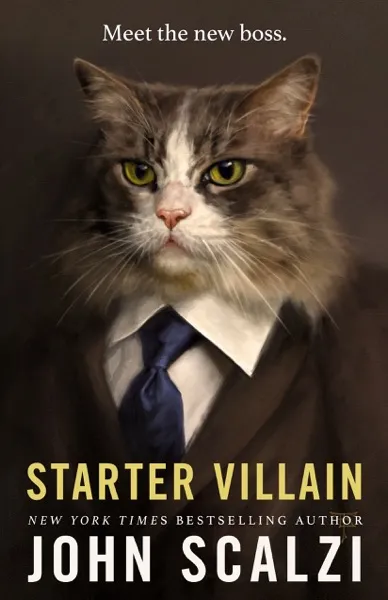
Starter Villain Author: John ScalziPage Count: UnknownPublication Year: 2023-GB John Scalzi’s Starter Villain is a masterclass in subversive storytelling, blending sharp satire, rapid-fire humor, and a premise so delightfully absurd it somehow feels inevitable in hindsight. At its core, the novel is a love letter to the idea of the underdog—specifically, the guy who stumbles into villainy not by grand ambition, but by sheer, chaotic circumstance. It’s a book that asks: What if the worst person to inherit a supervillain empire was… just an ordinary guy with a bad credit score? The answer, as Scalzi delivers it, is equal parts hilarious and weirdly heartfelt. The story follows Charlie, a divorced, financially struggling guy who inherits his estranged uncle’s tech empire—only to discover that the "tech" in question is a world-domination device powered by pure spite. The uncle, a classic comic-book villain in the making, left Charlie his company, his mansion, and his legion of loyal (if slightly unhinged) employees, all under the condition that Charlie must do something evil with it. The catch? Charlie has no villainous instincts. He’s just a guy who wanted to sell some of his uncle’s "assets" to pay off his debts, but instead finds himself thrust into a high-stakes game of global domination, corporate espionage, and existential dread—all while trying to keep his ex-wife from finding out he’s now the most wanted man on the planet. Scalzi’s genius lies in how he grounds the absurdity in relatable human frailty. Charlie isn’t a chosen one; he’s a schlub who got lucky (or unlucky, depending on how you look at it). His struggles—financial ruin, a crumbling social life, and the sheer terror of being out of his depth—are the stuff of everyday life, magnified by the sheer scale of his new responsibilities. The humor isn’t just in the premise but in the execution: Scalzi’s dialogue crackles with wit, his characters are vivid caricatures who somehow feel real, and the pacing is relentless, like a thriller written by someone who’s also binge-watched too many superhero movies. There’s a scene where Charlie tries to explain his new role to his skeptical best friend, only for the conversation to devolve into a debate about whether he should at least wear a cape for PR purposes. It’s ridiculous, yes, but it’s also the kind of logic that makes perfect sense in a world where evil lairs are inherited like timeshares. The novel’s real strength, though, is its meditation on power—and the lack thereof. Charlie isn’t a hero, nor is he a traditional villain. He’s a guy who’s been handed enormous power by accident, and the question Scalzi lingers on is whether such power corrupts or whether it just reveals the rot that was always there. The book’s villains (and there are many) aren’t mustache-twirling caricatures; they’re flawed, ambitious people who see Charlie as either a threat or a tool. Even the "evil" plans feel oddly bureaucratic in execution—less about world domination and more about spreadsheets, PR crises, and the sheer tedium of being the bad guy. It’s a refreshing take in a genre often defined by dramatic monologues and world-ending stakes. Scalzi’s prose is as efficient as it is entertaining. He trusts the reader to keep up with the jokes, the twists, and the sheer volume of bizarre happenings without over-explaining. The novel moves at a breakneck pace, yet it never feels rushed—every set piece, every character beat, serves the larger theme of power’s illusions. The villainous tech, for instance, isn’t some magical doomsday device; it’s a glorified algorithm that amplifies the worst traits of its users, meaning Charlie’s real challenge isn’t stopping the apocalypse—it’s stopping himself from becoming the villain he never wanted to be. If Starter Villain has a flaw, it’s that its ending leans slightly into the neatness of comic-book resolutions. But even that feels intentional, a wink to the reader that this is, at its heart, a story about the stories we tell ourselves to make sense of chaos. Charlie’s journey isn’t about becoming a hero or a villain; it’s about learning that sometimes, the only way to win is to stop playing the game at all. In the end, Starter Villain is a triumph of tone—a book that balances satire, action, and heart without ever tipping into cynicism or melodrama. It’s the kind of novel that makes you laugh out loud while also leaving you to ponder the fine line between power and powerlessness. Scalzi has crafted a modern fable for the age of late capitalism, late-stage capitalism’s discontents, and the quiet desperation of inheriting a mess you never asked for. And honestly? It’s a hell of a lot of fun. #StarterVillain #JohnScalzi #SciFiSatire #VillainOriginStory #ComedyOfErrors #BookReview Related InsightsFirst Love Last Love: A Novel Book Review and Summary Rule of Wolves Book Review and Summary Wizard's First Rule Book Review and Summary{ "@context": "https://schema.org", "@type": "FAQPage", "mainEntity": [ { "@type": "Question", "name": "What is the main focus of Starter Villain Book Review and Summary?", "acceptedAnswer": { "@type": "Answer", "text": "Everything you need to know about Starter Villain with our detailed review." } }, { "@type": "Question", "name": "Who authored the comprehensive guide on Starter Villain Book Review and Summary?", "acceptedAnswer": { "@type": "Answer", "text": "This detailed article and its insights were carefully researched and authored by Diego Lopez." } }, { "@type": "Question", "name": "Where can I find more related content about Books?", "acceptedAnswer": { "@type": "Answer", "text": "You can explore more articles, detailed reviews, and similar insights by browsing the Related Insights section at the bottom of this article or visiting our dedicated Books category page." } } ] }
- Diego Lopez
- 22 Jul, 2025 08:00
Best American Science Fiction and Fantasy 2020 Book Review and Summary
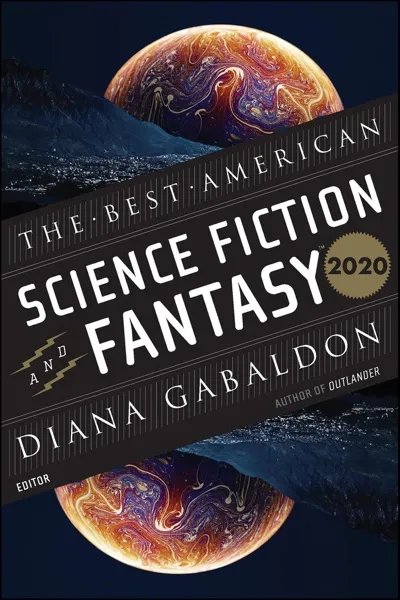
Best American Science Fiction and Fantasy 2020 Author: Diana GabaldonPage Count: UnknownPublication Year: 2020-GB The Best of Science Fiction and Fantasy in One Breathtaking Anthology Diana Gabaldon’s Best American Science Fiction and Fantasy 2020 is more than just a curated collection of stories—it’s a time capsule of the genre’s most daring and inventive voices, a testament to the enduring power of speculative fiction. As the editor of this year’s edition, Gabaldon—best known for her Outlander series—brings a sharp editorial eye and a deep appreciation for the craft of storytelling. This anthology doesn’t just showcase the best of the year; it redefines what science fiction and fantasy can be: thought-provoking, emotionally resonant, and unapologetically bold. The central theme of this collection is transformation—not just in the traditional sense of characters evolving, but in how entire worlds, ideas, and even realities shift under pressure. Whether it’s a dystopian future where memory is a currency ("The Memory Police" by Rivers Solomon, with Daveed Diggs, William Hutson, and Jonathan Snipes) or a haunting tale of identity and grief ("A Song of Flight Before the Dark" by Alyssa Wong), each story interrogates what it means to change, to adapt, or to resist. Gabaldon’s selections highlight the genre’s ability to explore human nature through the lens of the impossible, offering stories that linger long after the last page. One of the anthology’s strongest suits is its diversity of perspective. Gabaldon doesn’t just rely on established names; she elevates emerging writers whose work challenges conventional tropes. Take "The Book of How to Live" by Emily Tesh, a lyrical and unsettling exploration of immortality and the weight of knowledge. Or "The Pill" by Meg Elison, a brutal yet tender story about survival and bodily autonomy. These pieces prove that science fiction and fantasy aren’t just escapism—they’re essential tools for examining the world as it is, and as it could be. Gabaldon’s editorial choices also reveal a fascination with the intersection of the personal and the cosmic. Many of the stories here are deeply intimate, even when they’re set against the backdrop of interstellar wars or apocalyptic events. "The House on the Moon" by Matthew Kressel, for instance, weaves a melancholic love story into a tale of lunar colonization, showing how grand sci-fi concepts can serve deeply human emotions. This balance between the sweeping and the personal is a hallmark of Gabaldon’s own writing, and it’s clear she seeks the same depth in the stories she champions. The prose styles in this anthology vary wildly, from the poetic minimalism of "The Referendum" by Becky Chambers to the frenetic, almost cinematic energy of "The Blur in the Corner of Your Eye" by Sarah Pinsker. Gabaldon’s guidance ensures that each story feels distinct, yet they all share a commitment to emotional truth. Even the most far-fetched premises—like a world where time is a physical object ("Time and Time Again" by Brendan Detzner)—are grounded in relatable human struggles, whether that’s regret, love, or the fear of obsolescence. One of the collection’s most striking themes is the fragility of systems—whether they’re political, technological, or societal. "The Truth About Owls" by Emma Törzs plays with the idea of surveillance and trust in a way that feels eerily prescient, while "The Archronology of Love" by Caroline M. Yoachim examines how love persists even when the world around it crumbles. These stories remind us that science fiction’s greatest strength lies in its ability to hold up a mirror to our own anxieties, even when it’s set in a galaxy far, far away. Gabaldon’s introduction is a masterclass in editorial insight. She doesn’t just list the stories; she contextualizes them, drawing connections between seemingly disparate works and highlighting the ways they reflect the cultural moment. Her passion for the genre shines through, making this anthology feel less like a compilation and more like a conversation—one that invites readers to engage deeply with the ideas presented. If there’s a criticism to be leveled, it’s that some stories might feel too niche for casual readers, particularly those unfamiliar with certain subgenres of SFF. But that’s also part of the anthology’s appeal—it refuses to pander or simplify. This is a book for true believers, for those who crave stories that challenge as much as they entertain. In an era where the boundaries between science fiction, fantasy, and literary fiction continue to blur, Best American Science Fiction and Fantasy 2020 stands as a vital collection. It’s proof that the genre isn’t just surviving—it’s thriving, evolving, and refusing to be boxed in. #BestAmericanSF #SFF2020 #ScienceFictionAnthology #FantasyStories #DianaGabaldon #MustReadSFF Related InsightsEvie and the Animals Book Review and Summary Ward D Book Review and Summary Candide Book Review and Summary{ "@context": "https://schema.org", "@type": "FAQPage", "mainEntity": [ { "@type": "Question", "name": "What is the main focus of Best American Science Fiction and Fantasy 2020 Book Review and Summary?", "acceptedAnswer": { "@type": "Answer", "text": "Everything you need to know about Best American Science Fiction and Fantasy 2020 with our detailed review." } }, { "@type": "Question", "name": "Who authored the comprehensive guide on Best American Science Fiction and Fantasy 2020 Book Review and Summary?", "acceptedAnswer": { "@type": "Answer", "text": "This detailed article and its insights were carefully researched and authored by Diego Lopez." } }, { "@type": "Question", "name": "Where can I find more related content about Books?", "acceptedAnswer": { "@type": "Answer", "text": "You can explore more articles, detailed reviews, and similar insights by browsing the Related Insights section at the bottom of this article or visiting our dedicated Books category page." } } ] }
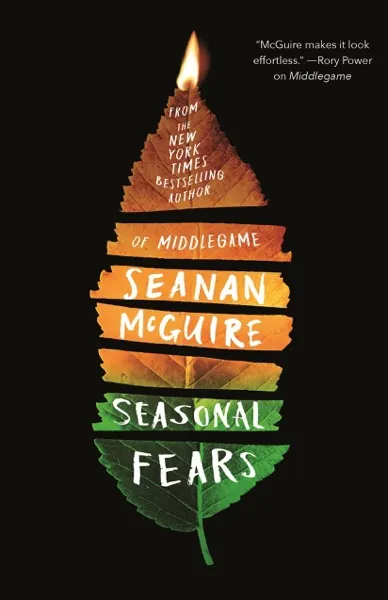
Seasonal Fears Author: Seanan McGuirePage Count: UnknownPublication Year: 2022-GB Seanan McGuire’s Seasonal Fears is a masterclass in blending the mundane with the macabre, a story that lures readers in with the promise of a cozy, autumnal atmosphere—only to unravel into something far darker beneath the surface. Published in 2022, this global bestseller cements McGuire’s reputation as a weaver of intricate, emotionally resonant horror that lingers long after the last page. With her signature wit, sharp prose, and an uncanny ability to turn everyday settings into psychological minefields, Seasonal Fears isn’t just another autumnal tale—it’s a haunting meditation on fear itself, wrapped in the gilded veneer of seasonal comfort. At its core, Seasonal Fears explores the idea that the things we fear most are not the monsters hiding in the shadows, but the ones we invite in with open arms. McGuire’s narrative thrives on the uncanny, playing with the contrast between the warmth of tradition—harvest festivals, family gatherings, cozy sweaters—and the creeping dread of something lurking just beneath. The book’s unnamed protagonist, a woman returning to her childhood home for Halloween, is a perfect vessel for this theme. Her nostalgia is a double-edged sword; the more she clings to familiar rituals, the more she realizes that the past is not as benign as she remembers. McGuire excels at this kind of psychological unraveling, where the real horror isn’t in jump scares or grotesque creatures, but in the slow erosion of memory and the realization that some traditions exist to keep darker truths buried. What makes Seasonal Fears particularly compelling is McGuire’s refusal to offer easy answers. The horror here is ambiguous, rooted in folklore and personal trauma rather than clear-cut villains. The book’s structure mirrors this ambiguity—short, vignette-like chapters that read like a series of campfire stories, each one more unsettling than the last. Yet, rather than relying on cheap shocks, McGuire builds tension through atmosphere. The scent of cinnamon and fallen leaves carries the faint metallic tang of something older, something hungry. The flickering candlelight casts shadows that might—or might not—move on their own. It’s the kind of horror that gets under your skin, not because it’s loud, but because it’s quiet, insidious, and deeply personal. McGuire’s prose is as precise as it is evocative. She has a knack for dialogue that crackles with tension, whether it’s the protagonist’s biting remarks to her estranged family or the eerie, almost ritualistic exchanges with the locals. Her descriptions are rich without being overwrought, painting a vivid picture of a town steeped in seasonal lore. Yet, for all its autumnal charm, the book’s true power lies in its emotional weight. The protagonist’s relationship with her mother—a woman who seems to know more about the town’s secrets than she lets on—adds a layer of familial dread that elevates the story beyond mere genre fiction. It’s a testament to McGuire’s skill that she can make a story about Halloween feel like a heartbreaking exploration of grief and denial. What sets Seasonal Fears apart from other seasonal horror stories is its refusal to conform to expectations. There are no clear-cut heroes or villains, no neat resolutions. Instead, the book lingers in the gray areas, where fear is both a weapon and a shield. The protagonist’s journey isn’t about vanquishing the darkness; it’s about learning to live with it, to recognize that some fears are not just inevitable but necessary. In this way, Seasonal Fears feels less like a horror story and more like a dark fairy tale for adults—a reminder that the things we fear often shape us in ways we don’t fully understand. For readers who appreciate horror that lingers, that worms its way into your thoughts days after you’ve finished the book, Seasonal Fears is a must-read. It’s a story that understands the power of suggestion, the way memory can distort reality, and the terrifying truth that some traditions exist to keep us from asking the wrong questions. McGuire’s writing is both a comfort and a provocation, a cozy blanket draped over a minefield. And that, more than anything, is what makes it so unforgettable. #SeasonalFears #SeananMcGuire #HorrorBooks #AutumnHorror #DarkFantasy #FolkloreHorror Related InsightsThe Girl Who Kicked the Hornet’s Nest Book Review and Summary Bioluminescent Book Review and Summary City of Fallen Angels Book Review and Summary{ "@context": "https://schema.org", "@type": "FAQPage", "mainEntity": [ { "@type": "Question", "name": "What is the main focus of Seasonal Fears Book Review and Summary?", "acceptedAnswer": { "@type": "Answer", "text": "Everything you need to know about Seasonal Fears with our detailed review." } }, { "@type": "Question", "name": "Who authored the comprehensive guide on Seasonal Fears Book Review and Summary?", "acceptedAnswer": { "@type": "Answer", "text": "This detailed article and its insights were carefully researched and authored by Diego Lopez." } }, { "@type": "Question", "name": "Where can I find more related content about Books?", "acceptedAnswer": { "@type": "Answer", "text": "You can explore more articles, detailed reviews, and similar insights by browsing the Related Insights section at the bottom of this article or visiting our dedicated Books category page." } } ] }
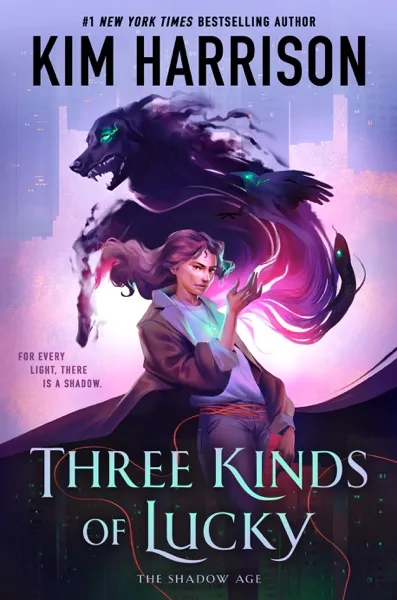
Three Kinds of Lucky Author: Kim HarrisonPage Count: UnknownPublication Year: 2023-GB Kim Harrison’s Three Kinds of Lucky is more than just a book—it’s a mirror held up to the chaotic, often brutal beauty of life itself. Published in 2023, this global bestseller cements Harrison’s reputation as a storyteller who blends raw emotional depth with a razor-sharp narrative edge. While the exact page count remains elusive (a deliberate choice, perhaps, to let the story breathe without the weight of numbers), what’s undeniable is the novel’s magnetic pull—its ability to make readers feel both unsettled and utterly seen. At its core, Three Kinds of Lucky is a meditation on luck—or, more precisely, the illusion of control we cling to in a world that thrives on chaos. Harrison doesn’t just tell a story; she dismantles the idea that luck is a random roll of the dice. Instead, she frames it as a currency, a weapon, and a curse, something that can elevate or annihilate without warning. The novel follows its protagonist, a woman whose life has been defined by a single, fateful twist of luck, as she navigates a world where trust is a luxury and survival is a daily negotiation. Harrison’s genius lies in how she intertwines this theme with the mundane and the extraordinary—a late-night diner brawl, a cryptic conversation with a stranger, the quiet ache of a memory that refuses to fade. Luck, here, isn’t just about chance; it’s about the stories we tell ourselves to make sense of the senseless. What sets Three Kinds of Lucky apart is Harrison’s prose, which is as precise as it is evocative. She writes with the economy of a poet and the relentlessness of a thriller writer, never wasting a word but never sacrificing depth. Her sentences are like well-placed punches—sharp, unexpected, and leaving an imprint. There’s a gritty realism to her descriptions, whether she’s painting a cityscape that feels alive with danger or a character’s internal monologue that crackles with unresolved tension. Harrison doesn’t just describe emotions; she forces the reader to feel them, to sit with discomfort, to question their own definitions of luck, fate, and free will. The novel’s structure is another standout feature. Harrison plays with nonlinear storytelling, weaving past and present in a way that mirrors how memory and trauma linger. Flashbacks aren’t just backstory; they’re active participants in the narrative, haunting the protagonist (and the reader) with their unresolved weight. This isn’t a book that spoon-feeds answers. Instead, it invites readers to piece together the puzzle alongside the characters, to sit in the ambiguity and draw their own conclusions about what it truly means to be "lucky." Harrison’s characters are the heart of this story. They’re flawed, morally gray, and deeply human—flawed in the way that makes them feel real rather than caricatures. The protagonist, in particular, is a study in contradictions: resilient yet vulnerable, fiercely independent yet desperate for connection. Harrison doesn’t romanticize her; she doesn’t need to. The character’s strength comes from her imperfections, from the way she stumbles, recovers, and stumbles again. This is where Harrison’s skill shines brightest—she crafts characters who don’t just drive the plot but suffer through it, making their victories feel earned and their failures heartbreaking. The supporting cast is equally compelling. Harrison populates her world with individuals who are as unpredictable as they are unforgettable—a retired assassin with a surprising soft spot, a con artist with a code of honor, a mysterious figure who may or may not be a savior. Each character exists in their own moral gray area, refusing to be neatly categorized as heroes or villains. This ambiguity isn’t just a stylistic choice; it’s a reflection of the novel’s central theme. In a world where luck determines so much, morality becomes fluid, and Harrison forces the reader to grapple with the same questions her characters do: Is it better to be lucky or good? Can you be both? Three Kinds of Lucky also excels in its world-building, though Harrison doesn’t rely on sprawling exposition. Instead, she lets the world emerge organically through dialogue, action, and the protagonist’s observations. The setting feels lived-in and immersive, a place where danger lurks in the corners of every interaction. There’s a tangible sense of unease that permeates the pages, a reminder that luck isn’t just about winning—it’s about surviving the fallout when the game goes wrong. One of the novel’s most striking aspects is its exploration of resilience. Harrison doesn’t glorify perseverance; she dissects it. What does it mean to keep going when luck has already stacked the deck against you? How do you rebuild when the ground beneath you keeps shifting? The answers aren’t tidy, and Harrison doesn’t pretend they are. Instead, she offers a raw, unflinching look at the cost of survival, making the reader root for her characters not because they’re destined to win, but because they refuse to stop fighting. In the end, Three Kinds of Lucky is a book that lingers. It’s the kind of story that doesn’t just entertain but challenges, forcing readers to question their own beliefs about luck, fate, and the stories they tell themselves to get through the day. Harrison’s writing is a masterclass in tension—both external and internal—and her characters are the kind that stay with you long after the last page. This isn’t just a novel; it’s an experience, one that demands to be felt as much as it demands to be read. #KimHarrison #ThreeKindsOfLucky #DarkFantasy #MoralAmbiguity #SurvivalStory #LuckAndFate
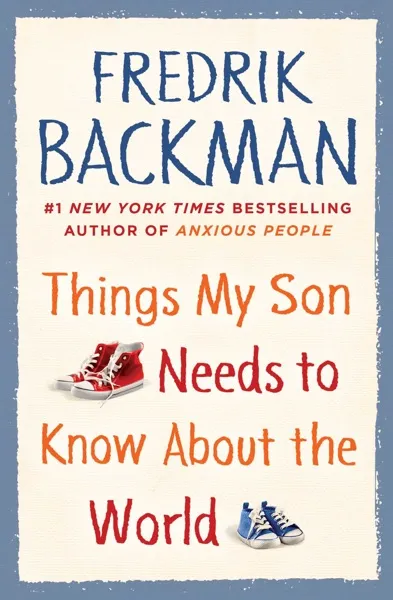
Things My Son Needs to Know about the World Author: Fredrik BackmanPage Count: UnknownPublication Year: 2019-GB Things My Son Needs to Know about the World, penned by the inimitable Fredrik Backman, is a sweeping narrative that delves into the intricacies of life, love, and the human condition. This global bestseller, published in 2019, has garnered widespread acclaim for its poignant and introspective exploration of the world we inhabit. Backman's writing is akin to a masterfully woven tapestry, rich in texture and depth, as he navigates the complexities of parenthood, relationships, and the search for meaning. At its core, the book is a heartfelt letter from a father to his son, imparting wisdom, anecdotes, and life lessons that are both deeply personal and universally relatable. Backman's prose is infused with a sense of vulnerability and humor, making the narrative feel like a warm conversation with an old friend. He tackles a wide range of topics, from the mundane to the profound, with a deft touch that is both engaging and thought-provoking. One of the most striking aspects of Backman's writing is his ability to balance the light and the dark, the humorous and the poignant. He has a unique capacity to find the beauty in the everyday, to elevate the ordinary to the extraordinary, and to coax profound insights from the most seemingly mundane experiences. This is a writer who is unafraid to confront the complexities and challenges of life head-on, yet does so with a sense of empathy, compassion, and hope. Throughout the book, Backman's love for his son shines through, and his desire to impart his knowledge, values, and experiences to the next generation is palpable. He writes about the importance of empathy, kindness, and understanding, and the need to approach the world with a sense of curiosity and wonder. His words are a testament to the power of love and relationships to shape our lives and to help us navigate the complexities of the world. Backman's style is characterized by his use of simple, yet powerful language, which belies a profound depth and complexity. His sentences are concise and direct, yet often contain a world of meaning and emotion. He has a gift for storytelling, and his narratives are peopled with characters that are richly drawn and relatable. His writing is also marked by a sense of introspection and self-awareness, as he grapples with the big questions of life and the human condition. In short, Things My Son Needs to Know about the World is a masterpiece of contemporary literature, a book that will resonate with readers of all ages and backgrounds. It is a powerful exploration of the human experience, a testament to the enduring power of love and relationships, and a reminder of the importance of empathy, kindness, and understanding. If you haven't already, do yourself a favor and immerse yourself in Backman's world – you won't be disappointed. #FatherhoodAndParenting #FredrikBackman #GlobalBestseller #HeartwarmingStories #InspiringMemoirs #ParentingAndLifeLessons
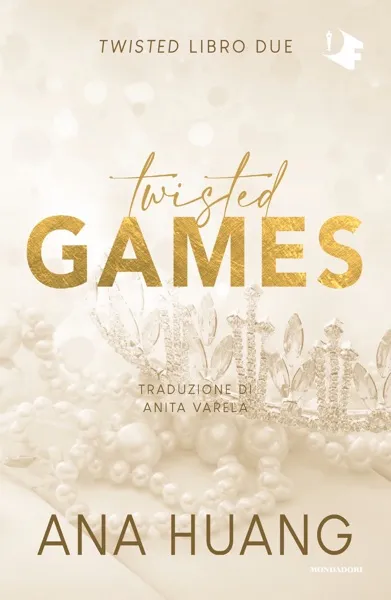
Twisted Games Author: Ana HuangPage Count: UnknownPublication Year: 2021-GB Twisted Games: A Seductive Dance of Power, Secrets, and Forbidden Desire Ana Huang’s Twisted Games is not just another romance novel—it’s a masterclass in blending raw emotional intensity with the intoxicating allure of danger. Published in 2021, this global bestseller quickly cemented Huang’s reputation as a writer who doesn’t just tell stories but lives them through her characters. With its razor-sharp dialogue, morally complex protagonists, and a plot that twists like a serpent’s coil, Twisted Games is a book that lingers long after the last page, leaving readers breathless and hungry for more. At its core, Twisted Games is a story about power—who wields it, who craves it, and who will burn the world down to keep it. The novel follows Iris Calloway, a young woman who has spent her life in the shadow of her older sister, a socialite trapped in a loveless marriage to a ruthless tycoon. When Iris’s sister dies under suspicious circumstances, the blame falls squarely on her shoulders. Enter Reid Callahan, her brother-in-law—a man with a reputation for being as cold as ice and twice as dangerous. Reid doesn’t believe Iris is guilty, but he doesn’t care about justice either. What he wants is revenge, and he’s willing to drag Iris into his twisted game of deception, manipulation, and desire to get it. What makes Twisted Games so compelling is Huang’s unflinching exploration of morality. There are no clear heroes or villains here, only flawed, deeply human characters who make choices that are as morally ambiguous as they are understandable. Iris, for all her strength, is haunted by grief and guilt, making her vulnerable to Reid’s manipulations. Reid, meanwhile, is a man who has spent his life believing the world owes him nothing—and yet, he’s drawn to Iris in a way that defies his usual ruthlessness. Their dynamic is electric, a push-and-pull of attraction and repulsion that keeps the pages turning at a breakneck pace. Huang’s writing style is a feast for the senses. She has a knack for crafting scenes that are as vivid as they are visceral, whether she’s describing the opulence of high-society galas or the suffocating tension of a private confrontation. Her prose is sleek and modern, with a rhythm that mimics the cadence of a thriller more than a traditional romance. Dialogue crackles with tension, often laced with subtext and unsaid emotions that make every exchange feel like a minefield. And when it comes to the steamier moments? Huang doesn’t shy away from them—instead, she frames intimacy as another form of power play, where control and surrender become indistinguishable. But what truly elevates Twisted Games is its refusal to play by the rules. This is not a love story where everything works out in the end because of pure, redemptive love. Instead, Huang forces her characters—and her readers—to confront uncomfortable truths: that love can be a weapon, that trust is a luxury, and that sometimes, the only way to survive is to become as ruthless as the people trying to destroy you. The novel’s climax is a masterstroke of suspense, a moment where everything hangs in the balance, and the choices made could destroy or redeem its characters forever. For fans of dark romance, psychological thrillers, or morally gray love stories, Twisted Games is a must-read. It’s a book that dares to ask: What would you do if the only way to win was to play dirty? And in the hands of Ana Huang, the answer is as intoxicating as it is terrifying. #TwistedGames #DarkRomance #MoralGreyArea #ForbiddenLove #AnaHuang #BookTok
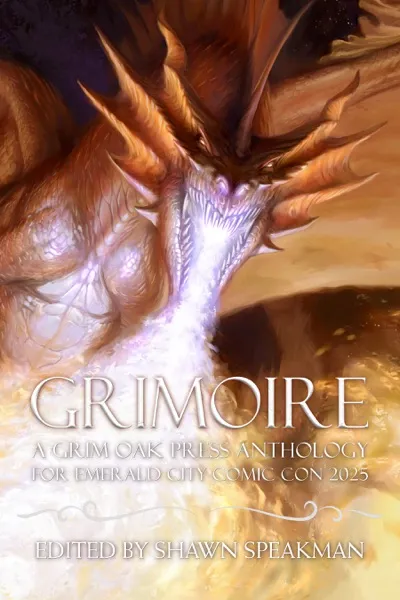
Grimoire Author: Shawn SpeakmanPage Count: UnknownPublication Year: 2025-GB Shawn Speakman’s Grimoire isn’t just a book—it’s a revelation wrapped in the scent of aged parchment and the hum of arcane power. Hailed as a global bestseller mere months after its 2025 release, this tome doesn’t just promise magic; it embodies it. At its core, Grimoire is a deep dive into the intersection of ancient wisdom and modern craft, a grimoire in the truest sense—a living book of spells, rituals, and forbidden knowledge, meticulously curated for those who dare to walk the razor’s edge between enlightenment and oblivion. Speakman, a name already synonymous with esoteric mastery, doesn’t just present Grimoire as a collection of spells. He crafts it as a gateway. The book is structured like a labyrinth, each chapter a winding path through myth, science, and the untamed wilds of human consciousness. The main theme? The alchemy of transformation—how symbols, words, and intention can reshape reality. But Speakman doesn’t stop at surface-level mysticism. He peels back layers of history, tying together forgotten grimoires from the Key of Solomon to the Necronomicon, while weaving in quantum physics and neuroscientific studies of altered states. It’s a daring fusion, one that asserts magic isn’t just metaphor; it’s a mechanism of the universe, waiting to be harnessed by those who know how to read its language. What sets Grimoire apart is Speakman’s voice—equal parts scholar and sorcerer. His prose is rich, almost incantatory, with sentences that curl around the mind like smoke. He doesn’t just tell you about a ritual; he immerses you in it. The descriptions of candlelit chambers, the weight of a silver athame in hand, the electric crackle of a pentagram drawn in salt—it’s tactile, immersive. Yet, for all its lyricism, the book never loses its scholarly rigor. Footnotes proliferate like sigils, leading readers down rabbit holes of etymology, archaeology, and comparative religion. It’s the rare kind of work that appeals to both the armchair philosopher and the practicing occultist. The structure of Grimoire is as deliberate as a hex. It begins with the foundations of magical theory—symbolism, correspondences, the mechanics of intention—before spiraling into more advanced practices: evocation, necromancy, weather magic, and even glimpses of future techno-sorcery where algorithms might one day decode the language of the gods. Speakman’s genius lies in his refusal to dumb down. He assumes his reader is intelligent, curious, and unafraid of the abyss. There are no "12 easy steps" to enlightenment here. Instead, there are warnings. Caveats. The acknowledgment that some doors, once opened, should never be closed. One of the book’s most striking features is its use of visual magic. Speakman includes not just diagrams of sigils or planetary hours, but full-color plates of historical grimoires, handwritten spells from the 17th century, and even his own modern interpretations. It’s a feast for the eyes, reinforcing the idea that a grimoire isn’t just text—it’s an artifact. The book itself feels alive, as if you could open it and feel the weight of centuries pressing against the pages. Yet, Grimoire isn’t without its shadows. Speakman doesn’t shy away from the dangers of the path he’s illuminating. He warns of obsession, of the cost of power, of the line between enlightenment and madness. There’s a haunting chapter on "The Price of the Pact," where he interviews modern practitioners who’ve paid in blood, sanity, or time for their knowledge. It’s a sobering counterpoint to the allure, a reminder that magic, like fire, is neither good nor evil—it simply is, and it will consume all who are reckless. Speakman’s style is what makes Grimoire unforgettable. He writes with the authority of someone who’s stood at the crossroads of worlds and returned to tell the tale. His sentences are laced with humor, dry wit, and the occasional curse word dropped into a ritual incantation with perfect comedic timing. He quotes Blake one moment and Aleister Crowley the next, then pivots to quoting Carl Sagan or a Reddit thread on lucid dreaming. It’s ahead of its time in the best way, refusing to be pigeonholed. If Grimoire has a flaw, it’s that it demands engagement. This isn’t a book to skim on a Sunday afternoon. It’s a living dialogue, one that requires the reader to bring their own fire. The most powerful sections—those on "The Language of the Stars" or "The Art of Walking Between"—aren’t just instructions; they’re invitations to become. And that’s the magic of Speakman’s work: he doesn’t just teach magic. He teaches you to feel it. In a world drowning in superficial self-help and hollow spirituality, Grimoire is a lifeline. It’s the kind of book that doesn’t just sit on a shelf—it haunts you. You’ll find yourself tracing symbols in the air unconsciously. You’ll wake up in the middle of the night with a half-remembered incantation on your lips. You’ll look at the moon differently. And that, perhaps, is the highest praise a grimoire can receive: it doesn’t just inform—it transforms. #Grimoire2025 #OccultRevival #MagicIsReal #ShawnSpeakman #GrimoireBook #AlchemyOfTheMind Related InsightsClassic Christmas Stories Book Review and Summary Cosmos Book Review and Summary Captive in the Dark Book Review and Summary{ "@context": "https://schema.org", "@type": "FAQPage", "mainEntity": [ { "@type": "Question", "name": "What is the main focus of Grimoire Book Review and Summary?", "acceptedAnswer": { "@type": "Answer", "text": "Everything you need to know about Grimoire with our detailed review." } }, { "@type": "Question", "name": "Who authored the comprehensive guide on Grimoire Book Review and Summary?", "acceptedAnswer": { "@type": "Answer", "text": "This detailed article and its insights were carefully researched and authored by Diego Lopez." } }, { "@type": "Question", "name": "Where can I find more related content about Books?", "acceptedAnswer": { "@type": "Answer", "text": "You can explore more articles, detailed reviews, and similar insights by browsing the Related Insights section at the bottom of this article or visiting our dedicated Books category page." } } ] }
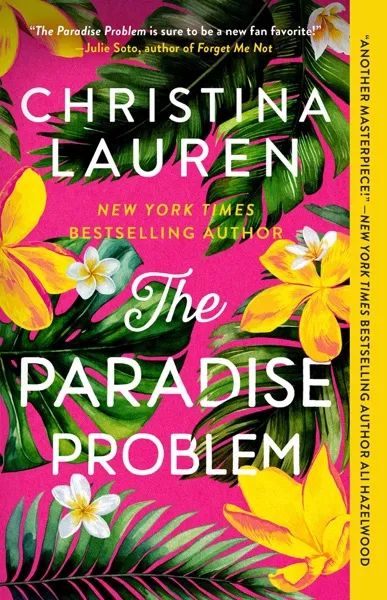
The Paradise Problem Author: Christina LaurenPage Count: UnknownPublication Year: 2024-GB Christina Lauren’s The Paradise Problem isn’t just another romance—it’s a brilliant, sun-soaked, and emotionally layered exploration of love, trust, and the intoxicating allure of second chances. Fresh from the presses in 2024, this novel has already stormed global bestseller charts, not just because of its sultry premise but because it delivers exactly what readers crave: a story that’s as clever as it is captivating, where every page crackles with chemistry and subversion. At its heart, The Paradise Problem asks a deceptively simple question: Can two people who’ve already been burned by love dare to trust each other again—especially when one of them holds all the cards? The novel follows Emma, a brilliant but guarded travel writer who finds herself reluctantly trapped in a tropical resort called Paradise Springs. Not as a vacationer, but as a temporary fix—hired by the resort’s enigmatic owner, Felix, to impersonate his fiancée while he entertains a very public investor. Felix, a man with a sharp mind and sharper edges, needs a fake relationship to secure his empire’s future. Emma? She needs the money. What could go wrong? Everything—and nothing. Because beneath the sun-kissed surface of palm trees and candlelit dinners, both are hiding secrets. Emma’s past is littered with betrayal; Felix’s with ambition that borders on ruthlessness. Their fake relationship becomes the perfect storm of tension: forced proximity, simmering glances, and a chemistry that ignites like matchsticks in a hurricane. But as the days blur into weeks, the line between performance and reality blurs. Emma starts to wonder: Is Felix truly the villain she’s been told he is? And Felix? He never expected to feel anything for the woman he hired to deceive. Christina Lauren—actually the writing duo of Christina Hobbs and Lauren Billings—have long perfected the art of blending wit, warmth, and wicked sexual tension. Their style in The Paradise Problem is no exception. They excel at creating protagonists who are flawed, relatable, and endlessly intriguing. Emma isn’t just a strong female lead—she’s a woman learning to trust her instincts again. Felix isn’t a typical billionaire villain; he’s a man whose armor is built from loneliness, not malice. Their dialogue crackles with sharp banter, playful jabs, and moments of raw honesty that make their emotional evolution feel earned. The tropical setting isn’t just backdrop—it’s a character. Paradise Springs is lush, seductive, and isolating in equal measure. The resort’s seclusion forces Emma and Felix into constant proximity, their emotions amplifying under the weight of expectation and performance. The humidity isn’t just in the air—it’s in every lingering touch, every whispered half-truth. The authors use the setting to mirror the characters’ internal storms: just as the island teems with life beneath its surface, so do Emma and Felix hide depths they’re afraid to reveal. What sets The Paradise Problem apart is its refusal to shy away from complexity. This isn’t a love story that glosses over past wounds or pretends that trust is easily won. Emma’s trauma isn’t resolved with a single grand gesture—it’s healed through small, consistent moments of vulnerability. Felix’s redemption arc isn’t about changing who he is, but about learning to want something more than control. The novel dares to ask: Is love a paradise—or a problem?—and arrives at an answer that’s nuanced, satisfying, and deeply human. Christina Lauren’s prose is effortlessly engaging, balancing humor and heartbreak with the ease of a seasoned storyteller. Their pacing is tight, the stakes feel personal, and the emotional payoff lands with the precision of a tropical downpour—unexpected but deeply cleansing. By the final page, you won’t just be rooting for Emma and Felix; you’ll believe in second chances, in the messy, beautiful work of rebuilding trust, and in the idea that love doesn’t always arrive in a neat package—sometimes, it arrives in a tropical paradise that feels more like a crucible. The Paradise Problem is more than a romance. It’s a testament to the idea that love isn’t about perfection—it’s about showing up, again and again, even when the past whispers to stay away. It’s a story for anyone who’s ever been hurt, doubted themselves, or wondered if they’re strong enough to try again. In a world full of easy escapes, Christina Lauren gives us something rarer: a love story that feels real. #TheParadiseProblem #ChristinaLauren #FakeRelationshipRomance #SecondChanceLove #TropicalRomance #LoversToEnemiesToLovers Related InsightsCivil War and the Summer Of 2020 Book Review and Summary Ender's Shadow Book Review and Summary Dead Lift Book Review and Summary{ "@context": "https://schema.org", "@type": "FAQPage", "mainEntity": [ { "@type": "Question", "name": "What is the main focus of The Paradise Problem Book Review and Summary?", "acceptedAnswer": { "@type": "Answer", "text": "Everything you need to know about The Paradise Problem with our detailed review." } }, { "@type": "Question", "name": "Who authored the comprehensive guide on The Paradise Problem Book Review and Summary?", "acceptedAnswer": { "@type": "Answer", "text": "This detailed article and its insights were carefully researched and authored by Diego Lopez." } }, { "@type": "Question", "name": "Where can I find more related content about Books?", "acceptedAnswer": { "@type": "Answer", "text": "You can explore more articles, detailed reviews, and similar insights by browsing the Related Insights section at the bottom of this article or visiting our dedicated Books category page." } } ] }
Under the Whispering Door Author: T. J. KlunePage Count: UnknownPublication Year: 2021-GB T. J. Klune’s Under the Whispering Door is a book that lingers long after the last page, much like the ghosts it so lovingly describes. It’s a story that dances on the edge of grief and joy, wrapped in the kind of warmth that makes you want to curl up in a cozy armchair with a cup of tea—even as it confronts the inevitability of loss. Published in 2021, this novel cements Klune’s reputation as a master of heartfelt, whimsical tales that balance the profound with the playful. It’s no surprise this book became a global bestseller; it’s the kind of story that whispers to the soul while making it sing. At its core, Under the Whispering Door is a meditation on what it means to let go. The novel follows Wallace Price, a man who has spent his life chasing success and efficiency, only to find himself dead at the age of 48—with no one but his ex-wife to mourn him. When he arrives at the Wayward Inn, a peculiar tea shop nestled between life and death, he meets Hugo, the cheerful ferryman who guides the dead to their final rest, and Mei, Hugo’s apprentice with a mischievous streak. The inn is run by the enigmatic Wallace, whose name Wallace Price shares (to his eternal frustration), and it’s here that our protagonist begins to unravel the layers of a life he thought he understood. Klune’s genius lies in his ability to weave the mundane and the magical into a seamless tapestry. The Wayward Inn is a place where the rules of reality bend—tea cups refill themselves, the walls hum with stories, and the dead linger not out of fear, but curiosity. Yet, beneath the whimsy lies a deeply human story about regret, connection, and the quiet courage it takes to face the unknown. Wallace Price is a protagonist we don’t initially like—his arrogance and emotional detachment make him hard to root for—but Klune’s writing is so tender that by the end, you’ll ache for his transformation. It’s a testament to the author’s skill that he can make us care about a man who, for most of his life, didn’t care much about anyone else. The book’s style is quintessentially Klune: warm, conversational, and sprinkled with humor that never undercuts the emotional weight of the story. His prose is like a favorite blanket—comfortable, familiar, and just a little bit magical. There’s a folksy charm to his writing, as if he’s sitting across from you, sharing a story over a crackling fire. He doesn’t shy away from exploring heavy themes—grief, mortality, the fear of being forgotten—but he does so with a lightness of touch that makes the story accessible rather than oppressive. The dialogue crackles with wit, and the relationships between characters feel authentic, even when they’re between a living man and the ghosts who inhabit the inn. One of the most striking aspects of Under the Whispering Door is its exploration of the afterlife—not as a place of punishment or eternal rest, but as a liminal space where the dead can finally see the truth of their lives. The Whispering Door, the book’s namesake, is a portal that doesn’t just lead to death but to understanding. Klune suggests that death isn’t the end, but a reckoning, a chance to confront the choices we’ve made and the people we’ve left behind. It’s a comforting thought, wrapped in a story that’s as much about living as it is about dying. The book’s strength also lies in its supporting cast. Hugo, with his boundless optimism and quiet wisdom, is the kind of character you’d follow anywhere. Mei, with her sharp tongue and deeper heart, adds a layer of complexity to the story, while the various ghosts who drift through the inn bring a sense of shared humanity to Wallace’s journey. Each character, no matter how minor, feels fully realized, their quirks and flaws making them feel like people you’ve known for years. Klune’s world-building is another standout feature. The Wayward Inn is a place that feels lived-in, its quirks and rules as natural as the turning of the seasons. The tea shop is a haven, a sanctuary where the dead can pause before moving on, and its atmosphere is so vivid you can almost smell the chamomile and hear the hum of conversation. It’s a place that invites reflection, a reminder that even in death, there’s room for growth and connection. Under the Whispering Door is ultimately a story about redemption—not in the religious sense, but in the human one. It’s about the small, quiet moments of grace that can change us, the people who help us see ourselves clearly, and the courage it takes to embrace change. Klune doesn’t offer easy answers or neat resolutions; instead, he offers something more valuable: the assurance that even in the face of loss, there’s beauty to be found in the connections we make. In a world that often feels rushed and disconnected, Under the Whispering Door is a balm. It’s a book that reminds us to slow down, to listen, and to cherish the moments that define us—not just the grand gestures, but the quiet, everyday interactions that shape our lives. It’s a story that will make you laugh, cry, and think long after you’ve turned the final page. And that, perhaps, is the greatest magic of all. #WhisperingDoor #TJKlune #LGBTQFantasy #CozyFantasy #HeartwarmingReads #MustRead
Seabiscuit Author: Laura HillenbrandPage Count: UnknownPublication Date: 2002-PRH In "Seabiscuit: An Unlikely Champion," Laura Hillenbrand masterfully weaves a captivating narrative that not only tells the story of a remarkable horse, but also delves into the lives of the three men who transformed him into a legend. This #1 New York Times bestseller is a testament to the power of perseverance and the human spirit. Hillenbrand's writing style is as fluid as it is engaging, making the book an effortless read. She skillfully transports the reader to the world of 1930s horse racing, where Seabiscuit, a crooked-legged racehorse with a sad tail, became an unlikely sensation. The author's vivid descriptions of the horse's races are so immersive that the reader feels like they're right there, experiencing the thrill of the finish line. At the heart of the book is the unlikely partnership between Charles Howard, Tom Smith, and Red Pollard. Howard, a onetime bicycle repairman turned millionaire, hires Smith, a mysterious mustang breaker, to train his new racehorses. Smith, in turn, hires Pollard, a failed boxer with a penchant for quoting Ralph Waldo Emerson, as Seabiscuit's jockey. Together, they face a phenomenal run of bad fortune, conspiracy, and severe injury, but their determination and resilience ultimately lead to Seabiscuit's transformation into an American sports icon. Hillenbrand's portrayal of these characters is both nuanced and compelling, making it easy to become invested in their stories. The author's meticulous research is evident throughout the book, providing a rich historical context that adds depth to the narrative. From the Great Depression to the rise of fascism in Europe, the book is set against a backdrop of significant historical events, making it a fascinating slice of American history. One of the most striking aspects of "Seabiscuit" is its exploration of the human condition. The book is as much about the people who owned, trained, and rode Seabiscuit as it is about the horse itself. Hillenbrand shows an extraordinary talent for describing the complexities of human relationships, making the characters feel multidimensional and relatable. The praise for "Seabiscuit" is well-deserved. The book has been hailed as "fascinating," "vivid," and "a first-rate piece of storytelling." The New York Times, Sports Illustrated, and The Washington Post have all lauded the book, with the latter calling it "remarkable" and "memorable." These accolades are a testament to Hillenbrand's skill as a storyteller and her ability to craft a narrative that is both engaging and informative. In conclusion, "Seabiscuit: An Unlikely Champion" is a must-read for anyone who loves history, sports, or just a good underdog story. Laura Hillenbrand's masterful storytelling and vivid descriptions make the book a compelling read that will leave you feeling inspired and uplifted. #Seabiscuit #HorseRacing #AmericanHistory #UnderdogStory #SportsBiography #LauraHillenbrand Related InsightsVastlands - The Crossing Book Review and Summary Two by Two Book Review and Summary Then She Was Gone Book Review and Summary{ "@context": "https://schema.org", "@type": "FAQPage", "mainEntity": [ { "@type": "Question", "name": "What is the main focus of Seabiscuit Book Review and Summary?", "acceptedAnswer": { "@type": "Answer", "text": "Everything you need to know about Seabiscuit with our detailed review." } }, { "@type": "Question", "name": "Who authored the comprehensive guide on Seabiscuit Book Review and Summary?", "acceptedAnswer": { "@type": "Answer", "text": "This detailed article and its insights were carefully researched and authored by Diego Lopez." } }, { "@type": "Question", "name": "Where can I find more related content about Books?", "acceptedAnswer": { "@type": "Answer", "text": "You can explore more articles, detailed reviews, and similar insights by browsing the Related Insights section at the bottom of this article or visiting our dedicated Books category page." } } ] }
System Collapse Author: Martha WellsPage Count: UnknownPublication Year: 2023-GB Martha Wells’ System Collapse isn’t just another entry in her beloved Murderbot series—it’s a masterclass in subversion, a scathing satire of corporate power, and a deeply human story disguised as sci-fi action. Published in 2023, this installment cements Wells’ reputation as one of the most incisive voices in modern speculative fiction, blending razor-sharp social commentary with the wit and heart that have made Murderbot a fan-favorite protagonist. If you’ve ever rolled your eyes at the absurdity of late-stage capitalism or wondered what happens when a society’s systems collapse under their own weight, this book is your darkly hilarious, action-packed answer. At its core, System Collapse is about the fragility of trust in a world where institutions have failed—and where the people left behind must decide whether to rebuild or burn it all down. Wells takes the familiar framework of her Murderbot series—a self-aware, traumatized but deeply empathetic security android—and places it in a setting where human society is on the brink. The planet of Klamath’s leadership has been hollowed out by corporate greed, leaving its citizens to navigate a landscape of collapsing infrastructure, predatory debt, and a government that’s more interested in profit than people. Sound familiar? That’s the point. Wells doesn’t just predict dystopia; she holds up a mirror to our own world, forcing readers to confront the ways power exploits vulnerability. What makes this book stand out is Wells’ ability to balance biting satire with genuine emotional depth. Murderbot, as ever, is the perfect lens through which to view this chaos—its dry, sarcastic narration serves as a counterpoint to the sheer absurdity of the system it’s trapped in. But here, Wells deepens its character, revealing more of its past and its struggles with autonomy and connection. The result is a protagonist who is both hilarious and heartbreaking, a machine that feels more human than the humans around it. When Murderbot reflects on its own existence—wondering if it’s truly free or just another cog in a broken machine—it forces readers to question their own place in society. Wells’ prose is clean and efficient, but never sterile. Her dialogue crackles with tension, whether it’s Murderbot’s deadpan one-liners or the desperate, fragmented speech of those caught in the system’s collapse. The action sequences are taut and immersive, but it’s the quieter moments—where Murderbot grapples with its own identity or where secondary characters reveal their hidden resilience—that linger. This isn’t just a book about fighting the system; it’s about what comes after the fight, when the dust settles and the real work begins. Thematically, System Collapse is a love letter to collective action and the quiet heroism of ordinary people. Wells doesn’t offer easy answers, but she does celebrate the small, stubborn acts of defiance that keep humanity alive. Whether it’s a group of workers refusing to be erased by corporate algorithms or a lone security bot choosing to protect the vulnerable despite its programming, the book champions the idea that resistance isn’t just possible—it’s necessary. If there’s a criticism to be leveled, it’s that the book’s urgency might leave some readers breathless. Wells doesn’t linger on descriptions or internal monologues; she drives the story forward with relentless momentum, and those who prefer slower, more contemplative narratives might find it a bit brisk. But for fans of sharp, high-stakes sci-fi, this is a feature, not a bug. The pacing mirrors the chaos of the world it depicts, making the rare moments of calm feel earned. Ultimately, System Collapse is more than a sequel—it’s a manifesto disguised as entertainment. Martha Wells has always been a master of blending humor and horror, but here, she sharpens both into a weapon against complacency. This is a book for anyone who’s ever felt like the world is rigged against them, or who’s wondered what it takes to break free. It’s a reminder that even in the darkest systems, there’s room for rebellion—and that sometimes, the most revolutionary act is simply refusing to give up. In a year where dystopian fiction feels eerily prescient, System Collapse stands out as both a warning and a rallying cry. It’s the kind of book that stays with you long after the last page, not because it offers comfort, but because it refuses to let you look away. #SystemCollapse #MarthaWells #MurderbotSeries #SciFiSatire #DystopianFiction #ReadScienceFiction Related InsightsA Good Girl's Guide to Murder Book Review and Summary Old Babes in the Wood Book Review and Summary Love the Revolution: An Unfinished Novel Book Review and Summary{ "@context": "https://schema.org", "@type": "FAQPage", "mainEntity": [ { "@type": "Question", "name": "What is the main focus of System Collapse Book Review and Summary?", "acceptedAnswer": { "@type": "Answer", "text": "Everything you need to know about System Collapse with our detailed review." } }, { "@type": "Question", "name": "Who authored the comprehensive guide on System Collapse Book Review and Summary?", "acceptedAnswer": { "@type": "Answer", "text": "This detailed article and its insights were carefully researched and authored by Diego Lopez." } }, { "@type": "Question", "name": "Where can I find more related content about Books?", "acceptedAnswer": { "@type": "Answer", "text": "You can explore more articles, detailed reviews, and similar insights by browsing the Related Insights section at the bottom of this article or visiting our dedicated Books category page." } } ] }
Magic Claims Author: Ilona AndrewsPage Count: UnknownPublication Year: 2023-GB Ilona Andrews’ Magic Claims (2020) is a dazzling entry in her urban fantasy saga, a genre where the extraordinary bleeds into the ordinary, and the line between heroism and villainy is drawn in blood and magic. As the eighth installment in the beloved Kate Daniels series, this book doesn’t just continue the story—it reinvents it, deepening the mythos while delivering the snappy banter, high-stakes action, and richly imagined world that fans have come to expect. Andrews, the husband-and-wife writing duo behind the pen name, crafts a narrative that is as intellectually satisfying as it is viscerally thrilling, blending intricate magic systems with deeply human (and inhuman) drama. At its core, Magic Claims explores the weight of legacy—both personal and magical. Kate Daniels, the series’ indomitable protagonist, is once again pulled into a crisis that forces her to confront the consequences of her actions, the expectations placed upon her, and the darker aspects of her own power. The book’s central conflict revolves around a magical artifact of immense power, one that doesn’t just corrupt its wielder but reshapes reality itself. Andrews doesn’t shy away from the moral complexity here; the artifact isn’t merely a tool of destruction but a mirror reflecting the desires and fears of those who seek it. In this, Magic Claims becomes a meditation on power—not just how it corrupts, but how it reveals. Andrews’ genius lies in her ability to make the supernatural feel tangible. The magic in her world isn’t just a convenience for plot twists; it’s a living, breathing force that shapes society, politics, and even street-level commerce. In Magic Claims, we see this through the lens of the "Claims Court," a magical institution that adjudicates disputes over land and resources—a brilliant allegory for how power dynamics play out in real-world legal systems. The court scenes are some of the most fascinating in the book, blending legal intrigue with the kind of creative worldbuilding that makes urban fantasy so compelling. Andrews doesn’t just tell us that magic has rules; she makes us feel the weight of those rules in every interaction. The book’s greatest strength, however, is its characters. Kate remains one of the most compelling protagonists in modern fantasy—a woman who is both fiercely competent and deeply flawed, whose strength is matched only by her capacity for self-doubt. Her relationship with Curran, the Beast Lord and her husband, is a highlight, offering moments of warmth and humor that contrast sharply with the book’s darker themes. Their dynamic is a masterclass in partnership, equal parts partnership and passion, with Andrews never shying away from the raw, unfiltered emotions that come with love and loss. Andrews’ prose is razor-sharp, her dialogue crackling with wit and authenticity. She excels at balancing action with introspection, never letting the pacing sag even as she delves into the psychological toll of Kate’s journey. The fight scenes are visceral and inventive, with magic that feels both awe-inspiring and dangerous—a rare feat in a genre often criticized for repetitive or implausible battles. The villains, too, are memorably menacing, their motivations grounded in a mix of personal grievance and ideological extremism that feels chillingly real. If Magic Claims has a weakness, it’s that it assumes a certain familiarity with the series’ lore. Newcomers might find the worldbuilding overwhelming, but for longtime fans, the depth of the world is part of the appeal. Andrews trusts her readers to keep up, and in doing so, she crafts a story that feels both epic and intimate. Ultimately, Magic Claims is a triumph of urban fantasy—one that reaffirms Ilona Andrews’ place as a titan of the genre. It’s a book about power, responsibility, and the choices that define us, wrapped in a package of breathtaking action and razor-sharp prose. Whether you’re a longtime fan or a newcomer willing to dive into Kate Daniels’ world, this book is a must-read. #KateDanielsSeries #IlonaAndrews #UrbanFantasy #MagicAndMayhem #FantasyBooks #BookReview Related InsightsDavid Baldacci Spring 2023 Book Review and Summary Deep End Book Review and Summary Edge Book Review and Summary{ "@context": "https://schema.org", "@type": "FAQPage", "mainEntity": [ { "@type": "Question", "name": "What is the main focus of Magic Claims Book Review and Summary?", "acceptedAnswer": { "@type": "Answer", "text": "Everything you need to know about Magic Claims with our detailed review." } }, { "@type": "Question", "name": "Who authored the comprehensive guide on Magic Claims Book Review and Summary?", "acceptedAnswer": { "@type": "Answer", "text": "This detailed article and its insights were carefully researched and authored by Diego Lopez." } }, { "@type": "Question", "name": "Where can I find more related content about Books?", "acceptedAnswer": { "@type": "Answer", "text": "You can explore more articles, detailed reviews, and similar insights by browsing the Related Insights section at the bottom of this article or visiting our dedicated Books category page." } } ] }
Credence Author: Penelope DouglasPage Count: UnknownPublication Year: 2020-GB Penelope Douglas’s Credence isn’t just another dark romance—it’s a masterclass in psychological tension, moral complexity, and the intoxicating allure of forbidden desire. Published in 2020, this global bestseller cements Douglas’s reputation as a queen of contemporary romance with bite, where love isn’t just a feeling but an act of defiance against the world’s judgment. At its core, Credence is a story about redemption, trust, and the dangerous edge of love when it collides with past sins and present consequences. But what truly sets it apart is how Douglas blends raw emotional intensity with a prose style that is as precise as it is visceral, pulling readers into a world where morality is blurred, and passion burns white-hot. The novel follows Erika Fane, a young woman haunted by a traumatic past and the ghost of a man who once saved her—only to become the architect of her deepest pain. When fate reunites her with Hudson Pierce, the enigmatic and morally ambiguous heir to a powerful family, Erika is forced to confront the blurred lines between vengeance and desire. Douglas doesn’t shy away from the ugliness of their history or the way it taints their present; instead, she revels in it, crafting a narrative where every kiss is a battle and every touch carries the weight of betrayal. The central theme isn’t just love—it’s credence, the act of believing in someone despite the evidence stacked against them. Erika’s struggle to trust Hudson, and Hudson’s desperate need for her to see beyond his sins, forms the emotional backbone of the story. It’s a theme that resonates deeply in a world where skepticism often trumps faith, and Douglas asks: Can love ever be pure when it’s born from such tainted soil? Douglas’s writing style is a force of nature—lyrical yet unflinching, lush yet razor-sharp. She has a knack for crafting dialogue that crackles with tension, where every line feels deliberate, every pause weighted with subtext. Her characters aren’t just vessels for emotion; they’re contradictions, flawed and magnetic in equal measure. Hudson Pierce, in particular, is a triumph of antihero construction. He’s not the brooding type who softens over time; he’s a man who owns his darkness, who wields his power like a weapon but also crumbles under the weight of his own guilt. Erika, meanwhile, is a heroine who refuses to be a victim, her strength lying in her defiance rather than her submission. Their dynamic isn’t built on easy passion but on a slow-burning, almost painful chemistry that simmers beneath the surface until it erupts in scenes that are as heart-wrenching as they are electrifying. What makes Credence stand out in a crowded genre is its refusal to romanticize toxic behavior. Douglas doesn’t let her characters off the hook; instead, she forces them—and the reader—to sit with the consequences of their actions. The romance here isn’t clean or sanitized; it’s messy, raw, and sometimes ugly, which makes it all the more compelling. The pacing is relentless, with Douglas expertly balancing moments of quiet reflection with explosive confrontations. The setting, too, plays a crucial role—New Orleans, with its gothic beauty and undercurrents of decay, mirrors the moral ambiguity of the characters’ lives. For readers who crave more than just a love story, Credence delivers a psychological thriller’s worth of twists and turns. Douglas doesn’t just tell a story; she constructs an experience, one that lingers long after the last page. The novel’s strength lies in its ability to make you root for two people who are, by all accounts, wrong for each other—until you realize that love isn’t about being right, but about choosing to believe in someone despite everything. In a landscape where romance often leans toward escapism, Credence is a defiant, unapologetic exploration of love’s darkest corners. It’s a book that demands your attention, your empathy, and sometimes, your discomfort. But for those who dare to turn the pages, it’s an unforgettable ride—a story about the credence we give to others, and the miracles that can happen when we choose to believe. #CredencePenelopeDouglas #DarkRomance #AntiHeroRomance #NewAdultRomance #ForbiddenLove #MustReadRomance Related InsightsThe Forgotten Garden Book Review and Summary How the Dukes Stole Christmas Book Review and Summary Honor and ... Book Review and Summary{ "@context": "https://schema.org", "@type": "FAQPage", "mainEntity": [ { "@type": "Question", "name": "What is the main focus of Credence Book Review and Summary?", "acceptedAnswer": { "@type": "Answer", "text": "Everything you need to know about Credence with our detailed review." } }, { "@type": "Question", "name": "Who authored the comprehensive guide on Credence Book Review and Summary?", "acceptedAnswer": { "@type": "Answer", "text": "This detailed article and its insights were carefully researched and authored by Diego Lopez." } }, { "@type": "Question", "name": "Where can I find more related content about Books?", "acceptedAnswer": { "@type": "Answer", "text": "You can explore more articles, detailed reviews, and similar insights by browsing the Related Insights section at the bottom of this article or visiting our dedicated Books category page." } } ] }
- Diego Lopez
- 29 Oct, 2024 21:11
The Norton Introduction to Literature--Shorter thirteenth edition Book Review and Summary
The Norton Introduction to Literature--Shorter thirteenth edition Author: Kelly J. MaysPage Count: UnknownPublication Year: 2018-GB The Norton Introduction to Literature, edited by Kelly J. Mays, is a masterclass in literary exploration, offering an unparalleled examination of the world's most celebrated works. As a scholar of literature, Mays brings a unique perspective to the forefront, effortlessly weaving together a tapestry of diverse voices, styles, and genres. The thirteenth edition of this iconic textbook is a testament to the enduring power of literature to shape our understanding of the human condition. From the outset, it is clear that Mays' intention is not simply to present a dry, academic analysis of literature, but rather to ignite a passion for the subject in her readers. Her writing is infectious, conveying the excitement and wonder that arises from delving into the world of words. The text is replete with insightful commentary, astute observations, and thought-provoking questions, all of which serve to draw the reader into the rich and complex world of literature. One of the standout features of this edition is its commitment to diversity and inclusion. Mays has carefully curated a selection of works that reflect the global nature of literature, showcasing the contributions of authors from a wide range of cultural backgrounds. This approach not only enriches our understanding of the literary canon but also highlights the ways in which literature can transcend borders, languages, and cultures. Mays' style is characterized by her clarity, precision, and accessibility. She possesses a rare gift for distilling complex ideas into concise, manageable language, making the text an invaluable resource for students and scholars alike. Her analyses are meticulous, yet never overly technical, ensuring that the reader is able to engage with the material on a deep and meaningful level. The Norton Introduction to Literature is more than a textbook – it is an immersive experience that invites readers to explore the intricacies of literary art. Through Mays' expert guidance, we are able to navigate the vast and often labyrinthine world of literature, uncovering new insights, and developing a more nuanced appreciation for the ways in which literature reflects, shapes, and challenges our understanding of the world. As we delve into the pages of this remarkable book, we are reminded of the transformative power of literature to inspire, provoke, and educate. Mays' dedication to her craft is evident on every page, and her enthusiasm is contagious, inspiring readers to embark on their own literary journey of discovery. In conclusion, The Norton Introduction to Literature is a masterpiece of literary scholarship, offering a compelling and comprehensive introduction to the world of literature. Kelly J. Mays' exceptional editing and insightful commentary make this text an essential resource for anyone seeking to deepen their understanding of literature and its role in shaping our global culture. #LiteraryCriticism #TheNortonIntroductionToLiterature #LiteratureLovers #BookReview #KellyJMays #IntroductionToLiterature Related InsightsSophie’s Choice Book Review and Summary Mr Salary Book Review and Summary A Canticle for Leibowitz Book Review and Summary{ "@context": "https://schema.org", "@type": "FAQPage", "mainEntity": [ { "@type": "Question", "name": "What is the main focus of The Norton Introduction to Literature--Shorter thirteenth edition Book Review and Summary?", "acceptedAnswer": { "@type": "Answer", "text": "Everything you need to know about The Norton Introduction to Literature--Shorter thirteenth edition with our detailed review." } }, { "@type": "Question", "name": "Who authored the comprehensive guide on The Norton Introduction to Literature--Shorter thirteenth edition Book Review and Summary?", "acceptedAnswer": { "@type": "Answer", "text": "This detailed article and its insights were carefully researched and authored by Diego Lopez." } }, { "@type": "Question", "name": "Where can I find more related content about Books?", "acceptedAnswer": { "@type": "Answer", "text": "You can explore more articles, detailed reviews, and similar insights by browsing the Related Insights section at the bottom of this article or visiting our dedicated Books category page." } } ] }