Showing Posts From
Steve jobs steve job
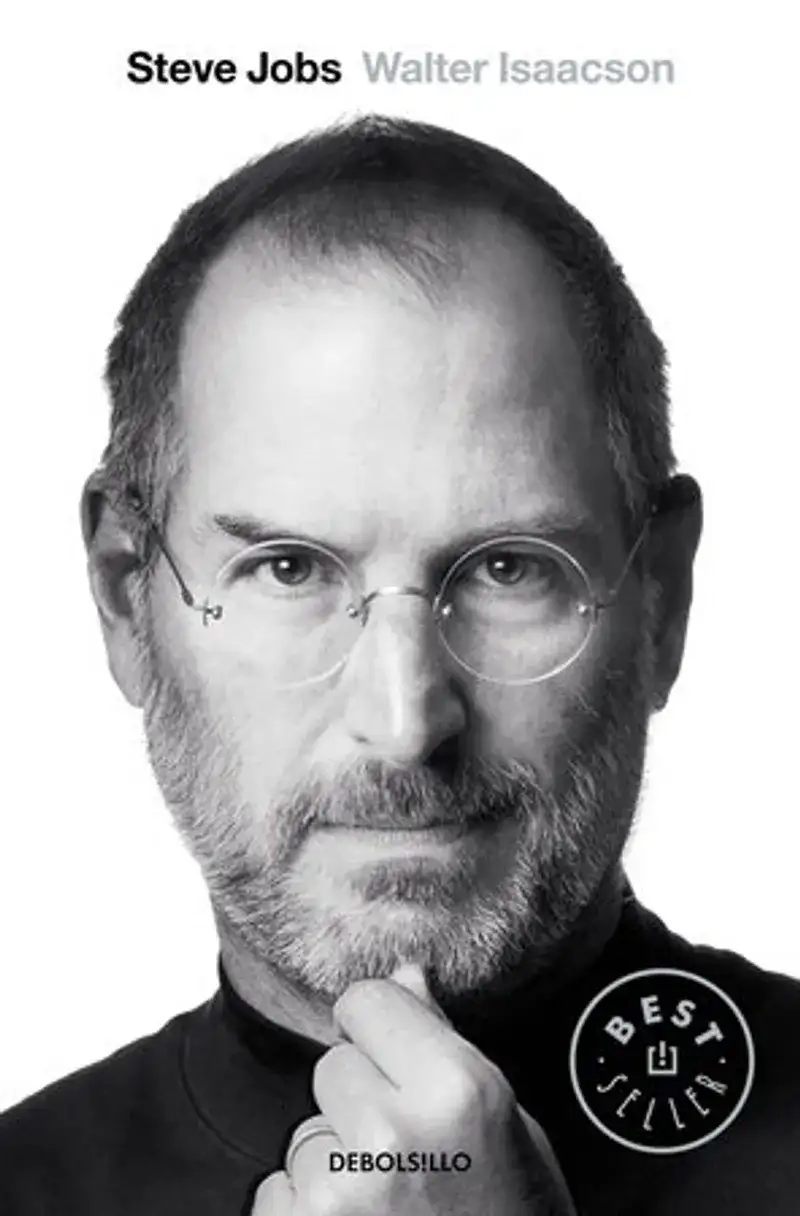

Steve Jobs / Steve Jobs: A Biography Author: Walter IsaacsonPage Count: UnknownPublication Date: 2019-PRH Steve Jobs wasn’t just a man—he was a force of nature, a human hurricane of ambition, perfectionism, and relentless innovation. Walter Isaacson’s Steve Jobs: A Biography doesn’t just document the life of this titan; it dissects the raw, unfiltered essence of a man who reshaped the modern world. Unlike many corporate biographies, this one doesn’t sanitize its subject. Instead, it embraces the contradictions—genius and cruelty, vision and stubbornness, love and ruthlessness—that defined Jobs. The result is a book that is as much about the soul of innovation as it is about the man behind Apple, Pixar, and the digital revolution. Isaacson’s approach is what makes this biography extraordinary. He had unprecedented access to Jobs, conducting over 40 interviews with him in the final two years of his life. But this wasn’t a hagiography. Jobs, despite his fame, gave Isaacson no editorial control. He didn’t ask to review the manuscript, didn’t demand that inconvenient truths be buried. In fact, he encouraged those who knew him to speak frankly, even brutally. “I’ve done things I’m not proud of,” he admitted, “but there’s no skeleton in my closet that can’t come out.” That honesty permeates every page. Isaacson doesn’t just tell the story of Jobs’ success; he lays bare his flaws—the arrogance, the coldness, the willingness to manipulate those around him. It’s a portrait of a man who could inspire loyalty and devotion in some and fear and resentment in others, often within the same sentence. The book’s brilliance lies in its structure and pacing. It doesn’t follow a dry chronological timeline. Instead, Isaacson groups Jobs’ life into thematic arcs—his early years, the founding of Apple, the exile from the company, the comeback, and the final battle with cancer. This allows for a deeper exploration of how his personal demons shaped his professional obsessions. Jobs’ perfectionism wasn’t just a quirk; it was the driving force behind products like the iPhone and the Macintosh. His refusal to compromise, his insistence on controlling every detail, even the fonts used in a manual, wasn’t mere control freakery—it was the mechanism through which he redefined what technology could be. Apple didn’t just sell computers; it sold a lifestyle, an aesthetic, a feeling. And Jobs understood that better than anyone. “Design is not just what it looks like and feels like,” he famously said. “Design is how it works.” But the book isn’t just a celebration of Jobs’ achievements. It’s a meditation on the cost of such relentless ambition. Isaacson doesn’t shy away from Jobs’ darker side. He recounts how Jobs denied paternity of his first child, Lisa, for years, leaving her mother to raise her alone. He describes his volatile temper, his habit of belittling employees in front of others, his refusal to acknowledge the contributions of colleagues when he felt like it. Yet, for all his flaws, Jobs was capable of deep loyalty and generosity—when he chose to be. The book humanizes him without excusing him, showing how his personal life and professional life were inextricably linked. His obsession with control extended beyond products to people. He wanted to shape the world in his image, and he was willing to burn bridges, alienate friends, and even endanger his health to do it. Isaacson’s writing style is both journalistic and immersive. He lets the facts speak for themselves, but he also weaves in Jobs’ own words—his speeches, his interviews, his private reflections—creating a polyphonic narrative. The result is a book that feels alive, almost cinematic in its scope. You don’t just read about the launch of the iPod; you feel the tension in the room, the thrill of innovation, the pressure of expectation. Isaacson’s prose is crisp and unadorned, allowing the drama of Jobs’ life to unfold naturally. There are no purple passages, no unnecessary embellishments—just the unvarnished truth, delivered with precision. What makes this biography truly timeless is its relevance beyond the tech industry. Jobs’ story is a masterclass in leadership, creativity, and the nature of genius. He wasn’t just a businessman; he was an artist, a philosopher, a rebel who refused to accept the status quo. His mantra—“Stay hungry, stay foolish”—isn’t just a slogan; it’s a philosophy of life. And yet, for all his idealism, he was also a pragmatist who understood the power of marketing, of branding, of creating a mythos around his products. The iPhone wasn’t just a phone; it was a cultural icon, a status symbol, a status quo shatterer. In the end, Steve Jobs is more than a biography. It’s a cautionary tale, a love letter, a cautionary tale, and a testament to the power of human ingenuity. It reminds us that genius is not a gentle thing. It’s messy, it’s painful, it’s exhilarating. And Steve Jobs was all of that, in spades. Walter Isaacson has given us not just the definitive account of one man’s life, but a blueprint for understanding what it means to change the world. If you want to know what drives a titan, if you want to understand the alchemy of creativity and technology, if you want to see the world through the eyes of a man who saw the future before anyone else—read this book. But be warned: it will challenge your notions of success, of morality, of what it means to be human. #SteveJobs #Innovation #Leadership #Biography #TechLegend #WalterIsaacson Related InsightsLinger Book Review and Summary Nanny Nanny Book Review and Summary Matilda Book Review and Summary{ "@context": "https://schema.org", "@type": "FAQPage", "mainEntity": [ { "@type": "Question", "name": "What is the main focus of Steve Jobs / Steve Jobs: A Biography Book Review and Summary?", "acceptedAnswer": { "@type": "Answer", "text": "Everything you need to know about Steve Jobs / Steve Jobs: A Biography with our detailed review." } }, { "@type": "Question", "name": "Who authored the comprehensive guide on Steve Jobs / Steve Jobs: A Biography Book Review and Summary?", "acceptedAnswer": { "@type": "Answer", "text": "This detailed article and its insights were carefully researched and authored by Elena Volkova." } }, { "@type": "Question", "name": "Where can I find more related content about Books?", "acceptedAnswer": { "@type": "Answer", "text": "You can explore more articles, detailed reviews, and similar insights by browsing the Related Insights section at the bottom of this article or visiting our dedicated Books category page." } } ] }