Showing Posts From
Street food mumbai
-
 Cemre Seyyah
 - 20 Aug, 2026 06:27
Mumbai’s Sizzling Soul: The Spice, Chaos, and Stories Behind Its Legendary Street Food
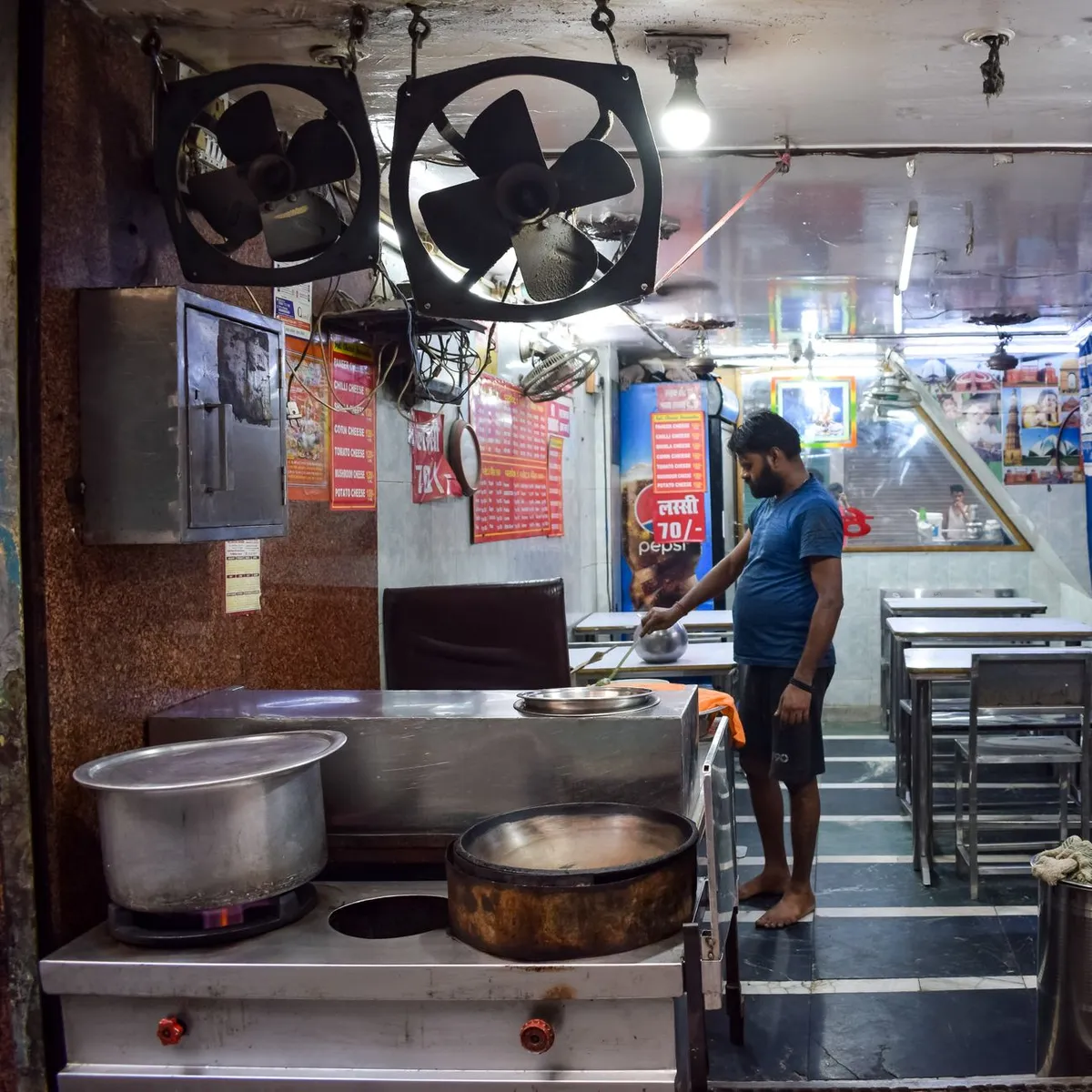
The first light of dawn cracks over the Arabian Sea, painting the Mumbai skyline in hues of gold and crimson. But long before the city’s office towers hum to life, a different rhythm pulses through its veins—one of sizzling tavas, clattering plates, and the unmistakable aroma of fried spices rising from roadside stalls. This is not just breakfast; it’s a symphony of survival, joy, and rebellion, played out daily on the streets of Mumbai. Here, the pavement is the plate, the monsoon is the seasoning, and every vada pav, every bhel puri, carries the weight of a city that never sleeps. Welcome to the culinary heartbeat of India’s financial capital—where the poor eat like kings, the rich eat like locals, and the street is the only restaurant that matters.The Pavement as Pantry: Why Mumbai’s Streets Feed a Million Souls Mumbai doesn’t just have street food—it has a culture built on it. Unlike the sanitized dining rooms of five-star hotels or the rigid menus of chain restaurants, Mumbai’s street food stalls are democratic temples. They serve the 6 a.m. office worker gulping down cutting chai, the college student burning midnight oil over vada pav, and the night-shift dockworker craving a midnight kebab. No reservation required. No dress code. Just hunger—and a few rupees. What makes Mumbai’s street food so revered? It’s not just the taste—though that’s undeniably explosive. It’s the accessibility. A plate of pav bhaji costs less than a metro ride. A glass of sugarcane juice is cheaper than bottled water. And yet, the flavors are so layered, so bold, that they rival the most expensive thali in a heritage restaurant. This is food as social equalizer, a daily ritual that binds a city of 20 million souls. Historically, Mumbai’s street food evolved from the culinary traditions of Maharashtra, but its DNA is a mosaic. The city’s port status turned it into a melting pot—Maharashtrian, Gujarati, South Indian, and even Chinese influences seeped into the pavement cuisine. By the 1980s, Indian-Chinese dishes like chili paneer bhel and Manchurian noodles had infiltrated the stalls, proving that Mumbai doesn’t just eat its history—it remixes it.The Crown Jewels: 15 Iconic Mumbai Street Foods You Can’t Miss To walk Mumbai’s streets without tasting these is to miss the city’s soul. Here’s your definitive guide to the dishes that define its culinary identity: 1. Vada Pav – The Humble Burger of Mumbai Often called the “Indian burger,” vada pav is a spiced potato fritter (vada) stuffed inside a soft bun (pav), slathered with fiery green chutney and tamarind sauce. Born in the 1960s in Dadar, it was street food’s answer to rising food prices. Today, it’s a cultural icon—sold at 3 a.m. outside railway stations, devoured by auto-rickshaw drivers, and even served in gourmet versions at trendy cafes. 2. Pav Bhaji – The Spicy Canvas of Mumbai A vibrant, buttery mash of mashed vegetables (bhaji) served with buttered pav buns, pav bhaji is a riot of color and spice. Originally a late-night snack for textile mill workers, it’s now a lunch staple. The best versions come from stalls near Girgaon Chowpatty, where the sea breeze carries the scent of cumin and ghee. 3. Bhel Puri – The Crunchy Symphony A chaotic medley of puffed rice, sev, onions, tomatoes, chutneys, and coriander, bhel puri is Mumbai’s answer to tapas. The secret? The balance of sweet, tangy, and spicy. Eat it at Chowpatty Beach at sunset, where the salty air makes every bite taste like freedom. 4. Misal Pav – The Spicy Breakfast Warrior A fiery curry of sprouted moth beans (misal) topped with fritters, onions, and lemon, served with pav. It’s not for the faint-hearted—this is street food with attitude. Popular in Pune but embraced across Mumbai, it’s a protein-packed punch to start the day. 5. Dabeli – The Sweet and Spicy Hug A Gujarati import, dabeli is a spiced potato filling stuffed in a bun, drizzled with tamarind and date chutney, and topped with sev and pomegranate. Sweet, tangy, and crunchy—it’s like a flavor explosion in your mouth. 6. Pani Puri – The Pocket-Sized Thrill Tiny, crisp puris filled with spiced water (pani), mashed potatoes, chickpeas, and chutney. Eating it is an art—you can’t just bite; you have to savor the burst of flavors. Controversial? Yes. Addictive? Absolutely. 7. Kulfi – The Frozen Oasis Before gelato became trendy, Mumbai had kulfi—dense, creamy, and infused with pistachio, mango, or saffron. Served on a stick or in a clay cup, it’s the perfect coolant in the sweltering heat. 8. Chinese Bhel – Mumbai’s Indo-Chinese Love Affair A fusion masterpiece: crispy noodles, cabbage, chili sauce, and schezwan chutney. Born from the city’s Chinese immigrant community, it’s now a street food staple, proving Mumbai’s love for culinary experimentation. 9. Ragda Pattice – The Bombay Masala Potato Crisp potato patties topped with a spicy white pea curry (ragda), chutneys, and sev. A favorite in South Mumbai, it’s comfort food in edible form. 10. Vegetable Frankie – The Mumbai Wrap Revolution A cheaper, spicier cousin of the shawarma, the vegetable frankie is a paratha rolled with spiced veggies, chutneys, and mayo. Invented in the 1970s, it’s now a late-night lifesaver. 11. Dhokla & Khaman – Gujarati Comfort in Every Bite Steamed, fluffy dhokla or its sweeter cousin khaman, topped with mustard seeds and green chutney. A vegetarian delight that’s light yet satisfying. 12. Idli & Dosa – South Indian Soul on Mumbai Streets Crisp dosas stuffed with spiced potatoes, or fluffy idlis with coconut chutney—Mumbai’s South Indian stalls serve these classics 24/7, especially near colleges and railway stations. 13. Omelette & Kebab Rolls – The Non-Veg Powerhouses Spiced omelettes stuffed in bread, or succulent chicken kebabs wrapped in a paratha—these are the non-vegetarian stars of Mumbai’s street food scene. 14. Golah – The Monsoon’s Sweet Relief Shaved ice flavored with rose syrup, tangy flavors, and a dash of chaat masala. A must-have during Mumbai’s relentless monsoon. 15. Cutting Chai & Sugarcane Juice – The Liquid Soul of the City No street food experience is complete without a glass of cutting chai (strong, spiced tea served in half-glasses) or a tall glass of sugarcane juice, squeezed fresh by the vendor.Where to Eat: The Ultimate Mumbai Street Food Map Mumbai’s street food isn’t just about what you eat—it’s about where. Here’s your insider’s guide to the best stalls and neighborhoods: Colaba & Nariman Point: The Corporate RushBritannia & Co. – Famous for its berry pulao and salli boti, this 90-year-old Irani café is a relic of old Bombay. K. Rustom’s – A no-frills spot for fresh fruit juices and sundaal (a spicy chickpea snack). Nariman Point stalls – Lunchtime crowds devour pav bhaji and Chinese bhel near the financial district.Dadar & Matunga: The Maharashtrian HeartlandShiv Sagar – A legendary spot for misal pav and vada pav. Raj Thackeray’s favorite stall – Yes, the political leader has a soft spot for dabeli at Matunga’s street corners.Chowpatty & Girgaon: Beachside FeastingBhel puri at Girgaon Chowpatty – The original, unmatched, with the sea as your backdrop. Kulfi stalls – Look for the ones selling kesar pista or malai flavors.Bandra & Khar: The Youth QuartersBandra’s Frankie stalls – Vegetable frankie and chicken rolls fuel the nightlife crowd. Khar’s Pani Puri corners – Spicy, tangy, and served with a side of gossip.Dharavi: The Hidden Culinary Lab Yes, the world’s largest slum is also a street food paradise. Try:Dharavi’s Pav Bhaji – Made in giant kadhais, served with extra ghee. Local Chinese stalls – Serving up chow mein and manchurian with a Mumbai twist.Thane & Mulund: The Suburban SecretsThane’s Panipuri vendors – Once controversial, now a staple. Mulund’s Kebabs – Juicy, smoky, and grilled to perfection.The Dark Side of the Pavement: Hygiene, Politics, and the Fight for Survival Not everyone sings praises of Mumbai’s street food. Critics point to the lack of regulation, the use of unfiltered water, and the infamous 2011 scandal where a panipuri vendor was filmed urinating into a serving container. The outrage was immediate—political parties like Shiv Sena and MNS launched attacks on panipuri and bhelpuri sellers, accusing North Indian vendors of “contaminating” Mumbai’s culture. The reality is more nuanced. While hygiene is a valid concern, Mumbai’s street food vendors have been feeding the city for generations. The problem isn’t the food—it’s the lack of infrastructure. Most hawkers operate without licenses, paying bribes to avoid eviction. In 2007, the Supreme Court ordered the demarcation of 1,700 legal hawking zones, but implementation remains slow. Out of 250,000 hawkers, only 17,000 have licenses. Yet, the city thrives on this chaos. When drives to evict hawkers occur, they return within days—because Mumbai needs them. The street food economy is worth billions, supporting families, students, and dreamers. To remove the hawkers would be to erase a piece of Mumbai’s identity.The Global Invasion: How Mumbai’s Street Food Conquered the World Mumbai’s street food isn’t just confined to its streets anymore. It’s infiltrated global menus:Five-star hotels in Dubai and London now serve pav bhaji and vada pav as “gourmet” dishes. Fast-food chains like Mumbai Bhel and Frankie Express have launched in cities like New York and Singapore. Food festivals worldwide feature Indian street food corners, with bhel puri and panipuri as crowd-pleasers.The irony? The original stalls remain unchanged—still serving the same recipes, still standing in the same crowded alleys. The world may have discovered Mumbai’s flavors, but the soul of the street food lies in its pavement.The Future: Can Mumbai’s Street Food Survive Gentrification? As Mumbai’s skyline transforms with skyscrapers and luxury condos, the street food stalls face an existential threat. Developers eye the land. Municipalities crack down. Yet, the vendors persist—because food is memory, and Mumbai’s streets are where its stories are told. Initiatives like Mumbai Food Truck Festivals and street food tours are giving vendors a platform. Apps like Zomato and Swiggy now list street food stalls, bringing them to a global audience. But the real magic? It’s still found in the unlikeliest of places—a 3 a.m. vada pav stall near Dadar station, a monsoon evening at Chowpatty, or a chaotic afternoon at Dharavi’s alleys. Mumbai’s street food isn’t just a meal. It’s a rebellion. A tradition. A lifeline. And as long as the city breathes, so will its pavement pantry.#MumbaiStreetFood #VadaPavLove #BhelPuriObsession #IndianFoodCulture #TravelMumbai Related InsightsThe Whispering Paths: Tracing Europe's Forgotten Salt Roads, From Alpine Mines to Adriatic Shores The Lost Alchemy of Ancient Fermented Grains: Echoes from the Andes Svalbard: Arctic Adventures Beyond the Northern Lights – A Remote Paradise for Explorers and Digital Nomads (Part 2){ "@context": "https://schema.org", "@type": "FAQPage", "mainEntity": [ { "@type": "Question", "name": "What is the main focus of Mumbai’s Sizzling Soul: The Spice, Chaos, and Stories Behind Its Legendary Street Food?", "acceptedAnswer": { "@type": "Answer", "text": "Dive into Mumbai’s vibrant street food culture—where every bite tells a story of spice, tradition, and relentless energy. Discover the iconic dishes, secret stalls, and the fiery debates that define this culinary heartbeat of India." } }, { "@type": "Question", "name": "Who authored the comprehensive guide on Mumbai’s Sizzling Soul: The Spice, Chaos, and Stories Behind Its Legendary Street Food?", "acceptedAnswer": { "@type": "Answer", "text": "This detailed article and its insights were carefully researched and authored by Cemre Seyyah." } }, { "@type": "Question", "name": "Where can I find more related content about Travel?", "acceptedAnswer": { "@type": "Answer", "text": "You can explore more articles, detailed reviews, and similar insights by browsing the Related Insights section at the bottom of this article or visiting our dedicated Travel category page." } } ] }