Showing Posts From
Sunflower season
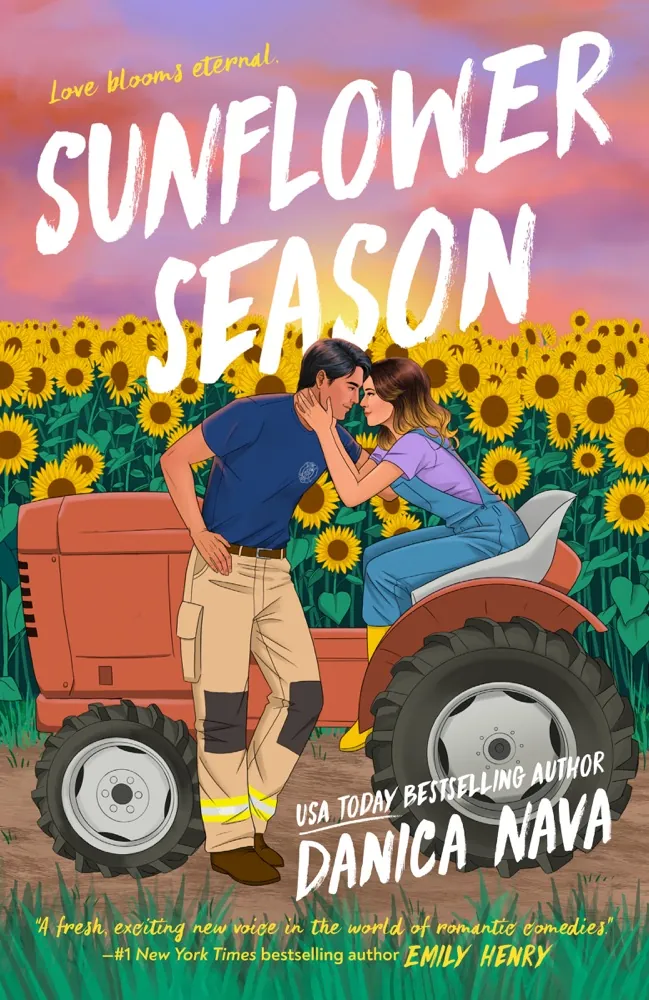

Author: Danica NavaPage Count: UnknownPublication Date: Expected publication 2026-11-03 APL Sweat is currently pooling in places biology never intended, lubricating vinyl seat cushions that smell overwhelmingly of stale diesel and despair. Yet some executive somewhere is greenlighting a 2026 romance novel about trading a high-pressure tech job for agricultural bliss. Give me a break. Sunflower Season by Danica Nava promises a picturesque escape to rural Oklahoma, leaning heavily into the pastoral pastoralism of millennial burnout fantasy. Let's assume for a second this actually works. You hand over your corporate laptop, buy a dilapidated farm because you watched too many TikTok homesteaders romanticize systemic exhaustion, and somehow everything just sorts itself out via emotional reconciliation with the local firefighter. The Agrarian Delusion of Late Capitalism Tech burnout is real, sure. But let us not pretend that rotting fences and a lack of baseline business acumen are solved by “positive vibes” and a ruggedly dependable first love who conveniently never left the zip code. This is bourgeois agrarian cosplay at its finest. Emily Henry territory, but make it agronomy. Noah Abbott stayed behind. He has the local fire brigade, the generational roots, and a profound lack of mobility. June Walker fled to code things until her brain turned to gray sludge, only to boomerang backward when the capitalism machinery chewed her up. The synopsis leans into that tired, predictable second-chance dynamic where a girl vanishes at seventeen—because apparently rural Oklahoma lacks telephones or basic postal tracking—and returns decades later ready for narrative closure. Plot Mechanics and Emotional Rot The thematic tension rests entirely on whether past heartbreaks are worth replanting. Groundbreaking. Let's combine PhD-level semiotic analysis with absolute brain-rot discourse: the text operates on a purely transactional nostalgia-grindset where trauma gets tilled under like cheap fertilizer. Actually, wait. I take that back. The romantic fatalism here might actually bypass the cynicism trap and hit a genuine nerve about middle-distance alienation, provided the author doesn't resolve every single systemic crisis with a sunset kiss in a field of yellow weeds. The synopsis offers zero concrete details about the actual mechanics of farming, which means we are in for three hundred pages of lingering glances across tractor hoods and vague metaphors about soil pH mirroring emotional vulnerability. It's giving low-stakes comfort food for people who think rural poverty is just an aesthetic backdrop for healing. People buy these books to pretend that abandoning your 401k for a crumbling homestead fixes the void left by modern labor exploitation. Spoiler alert: weeds still grow whether you have closure or not. But whatever. The bus is hitting another pothole that rattles my spine straight into my skull, and I have to go find a decent cup of matcha in this gentrified neighborhood. Related InsightsFirst Love Last Love: A Novel Book Review and Summary Chain Reaction (Jack Reacher, #31) Book Review and Summary Atlas Shrugged Book Review and Summary{ "@context": "https://schema.org", "@type": "FAQPage", "mainEntity": [ { "@type": "Question", "name": "What is the main focus of Sunflower Season Book Review and Summary?", "acceptedAnswer": { "@type": "Answer", "text": "Everything you need to know about Sunflower Season with our detailed review." } }, { "@type": "Question", "name": "Who authored the comprehensive guide on Sunflower Season Book Review and Summary?", "acceptedAnswer": { "@type": "Answer", "text": "This detailed article and its insights were carefully researched and authored by Beatriz Costa." } }, { "@type": "Question", "name": "Where can I find more related content about Books?", "acceptedAnswer": { "@type": "Answer", "text": "You can explore more articles, detailed reviews, and similar insights by browsing the Related Insights section at the bottom of this article or visiting our dedicated Books category page." } } ] }