Showing Posts From
Supply chain
-
 Benjamin Hayes
 - 25 Aug, 2026 18:59
Blockchain Beyond Crypto: Supply Chain Transparency with NFTs and IoT
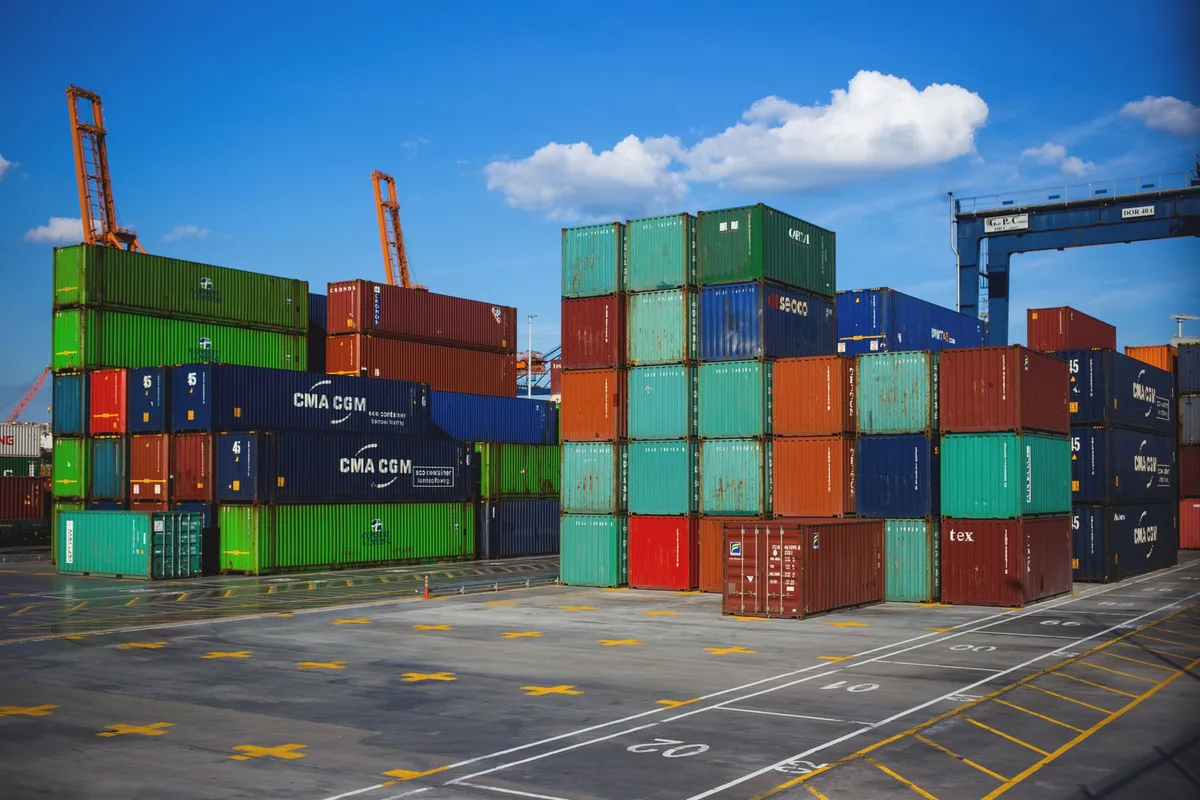
Unraveling the Supply Chain Conundrum Supply chain management has long been plagued by inefficiencies, security risks, and a lack of transparency. However, with the advent of blockchain technology, Non-Fungible Tokens (NFTs), and the Internet of Things (IoT), we are witnessing a paradigm shift in the way supply chains operate. In this article, we will delve into the world of blockchain beyond cryptocurrency and explore its applications in supply chain transparency, security, and efficiency. Secure Design Principles Blockchain technology is built on a foundation of secure design principles, which make it an attractive solution for supply chain management. The decentralized nature of blockchain ensures that data is stored across a network of nodes, rather than in a single, vulnerable location. This makes it difficult for hackers to manipulate or compromise the data. Additionally, blockchain uses advanced cryptographic techniques, such as public-key cryptography and hash functions, to secure data and ensure its integrity. These security features make blockchain an ideal solution for supply chain management, where data security and integrity are paramount. **Blockchain Security Features:*** Decentralized data storage * Advanced cryptographic techniques (public-key cryptography, hash functions) * Immutable data storage * Consensus mechanisms (e.g., proof-of-work, proof-of-stake)NFTs in Supply Chain Management NFTs, or Non-Fungible Tokens, are unique digital assets that can be used to represent ownership or provenance of physical goods. In supply chain management, NFTs can be used to create a digital twin of a physical product, allowing for real-time tracking and verification of the product's movement and ownership. For example, a manufacturer can create an NFT that represents a specific product, such as a luxury handbag. The NFT can be stored on a blockchain and linked to the physical product, allowing for real-time tracking and verification of the product's movement and ownership. **NFT Example:**import hashlibclass NFT: def __init__(self, product_id, owner_id): self.product_id = product_id self.owner_id = owner_id self.hash = hashlib.sha256(f"{product_id}{owner_id}".encode()).hexdigest() def __str__(self): return f"NFT({self.product_id}, {self.owner_id}, {self.hash})"# Create an NFT for a luxury handbag nft = NFT("HB001", "John Doe") print(nft)IoT Devices in Supply Chain Management IoT devices, such as RFID tags and sensors, can be used to track the movement and condition of physical products in real-time. These devices can be integrated with blockchain technology to create a seamless and transparent supply chain management system. For example, an IoT device can be attached to a shipment of goods, allowing for real-time tracking of the shipment's location and condition. The data from the IoT device can be stored on a blockchain, allowing for secure and transparent tracking of the shipment. **IoT Device Example:**device: type: RFID tag id: 001 location: Warehouse A condition: Goodshipment: id: SH001 products: - product_id: HB001 quantity: 10 status: In transit# Update the shipment status using the IoT device data shipment.status = "Arrived at Warehouse B"Blockchain-Based Supply Chain Management System A blockchain-based supply chain management system can be designed to integrate NFTs, IoT devices, and blockchain technology. The system can be built using a decentralized architecture, allowing for secure and transparent data storage and sharing. The system can be designed to include the following components:A blockchain network for secure data storage and sharing A set of NFTs to represent ownership or provenance of physical goods A set of IoT devices to track the movement and condition of physical goods A decentralized application (dApp) to manage the supply chain and interact with the blockchain network**Blockchain-Based Supply Chain Management System:**version: "3" services: blockchain: image: blockchain-node ports: - "8080:8080" volumes: - blockchain-data:/data nft: image: nft-contract depends_on: - blockchain volumes: - nft-data:/data iot: image: iot-device depends_on: - blockchain - nft volumes: - iot-data:/data dapp: image: supply-chain-dapp depends_on: - blockchain - nft - iot volumes: - dapp-data:/dataReal-World Applications The use of blockchain technology, NFTs, and IoT devices in supply chain management has numerous real-world applications. Some examples include:Luxury goods: Blockchain technology can be used to create a digital twin of luxury goods, allowing for real-time tracking and verification of the product's movement and ownership. Pharmaceuticals: IoT devices can be used to track the movement and condition of pharmaceuticals, ensuring that they are stored and transported at the correct temperature and humidity levels. Food safety: Blockchain technology can be used to track the origin and movement of food products, allowing for real-time tracking and verification of the product's safety and quality.Transparency and Security in the Supply Chain The use of blockchain technology, NFTs, and IoT devices in supply chain management can provide numerous benefits, including:Increased transparency: Blockchain technology can provide real-time tracking and verification of the movement and ownership of physical goods. Improved security: Blockchain technology can provide secure data storage and sharing, reducing the risk of data breaches and cyber attacks. Increased efficiency: IoT devices can be used to track the movement and condition of physical goods, allowing for real-time optimization of the supply chain.Closing Thoughts In conclusion, the use of blockchain technology, NFTs, and IoT devices in supply chain management has the potential to revolutionize the way supply chains operate. By providing real-time tracking and verification of the movement and ownership of physical goods, blockchain technology can increase transparency and security in the supply chain. Additionally, IoT devices can be used to track the movement and condition of physical goods, allowing for real-time optimization of the supply chain. #AI #Blockchain #SupplyChain #NFTs #IoT Related InsightsThe Silicon Reckoning: Engineering Sustainable Intelligence at the Thermodynamic Limit RISC-V Revolution: How Open-Source Hardware is Redefining the CPU Landscape Taming the Heat: The Rise of Liquid Cooling for High-Density AI Server Racks{ "@context": "https://schema.org", "@type": "FAQPage", "mainEntity": [ { "@type": "Question", "name": "What is the main focus of Blockchain Beyond Crypto: Supply Chain Transparency with NFTs and IoT?", "acceptedAnswer": { "@type": "Answer", "text": "Discover how blockchain technology, NFTs, and IoT devices can revolutionize supply chain transparency, security, and efficiency." } }, { "@type": "Question", "name": "Who authored the comprehensive guide on Blockchain Beyond Crypto: Supply Chain Transparency with NFTs and IoT?", "acceptedAnswer": { "@type": "Answer", "text": "This detailed article and its insights were carefully researched and authored by Benjamin Hayes." } }, { "@type": "Question", "name": "Where can I find more related content about Technology?", "acceptedAnswer": { "@type": "Answer", "text": "You can explore more articles, detailed reviews, and similar insights by browsing the Related Insights section at the bottom of this article or visiting our dedicated Technology category page." } } ] }
-
 Lukas Richter
 - 15 Jul, 2026 22:31
Blockchain Beyond Crypto: From Supply Chains to Healthcare Revolution
Introduction Blockchain technology has long been associated with cryptocurrency, but its potential applications extend far beyond digital currency. Two areas where blockchain is making significant inroads are supply chain management and healthcare. In this article, we'll explore the benefits of blockchain in these industries, highlighting its ability to provide transparency, security, and efficiency. Harnessing Blockchain for Supply Chain Transparency Blockchain's decentralized and immutable nature makes it an ideal solution for supply chain management. By creating a permanent and tamper-proof record of transactions, blockchain ensures that all stakeholders have access to the same information, reducing the risk of counterfeiting and increasing trust. For instance, the pharmaceutical industry can leverage blockchain to track the movement of medicines from manufacturer to patient, ensuring authenticity and preventing the entry of counterfeit products into the supply chain. import hashlib# Create a block class Block: def __init__(self, index, previous_hash, timestamp, data): self.index = index self.previous_hash = previous_hash self.timestamp = timestamp self.data = data self.hash = self.calculate_hash() def calculate_hash(self): data_string = str(self.index) + self.previous_hash + str(self.timestamp) + str(self.data) return hashlib.sha256(data_string.encode()).hexdigest()# Create a blockchain class Blockchain: def __init__(self): self.chain = [self.create_genesis_block()] def create_genesis_block(self): return Block(0, "0", 0, "Genesis Block") def get_latest_block(self): return self.chain[-1] def add_block(self, new_block): new_block.previous_hash = self.get_latest_block().hash new_block.hash = new_block.calculate_hash() self.chain.append(new_block)# Create a supply chain blockchain supply_chain_blockchain = Blockchain()# Add blocks to the blockchain block1 = Block(1, supply_chain_blockchain.get_latest_block().hash, 1643723400, "Medicine A manufactured") supply_chain_blockchain.add_block(block1)block2 = Block(2, supply_chain_blockchain.get_latest_block().hash, 1643723410, "Medicine A shipped to warehouse") supply_chain_blockchain.add_block(block2)block3 = Block(3, supply_chain_blockchain.get_latest_block().hash, 1643723420, "Medicine A received by pharmacy") supply_chain_blockchain.add_block(block3)Blockchain in Healthcare: Secure and Efficient Data Management Blockchain technology can revolutionize healthcare data management by providing a secure and efficient way to store and share medical records. By using blockchain, healthcare providers can ensure that patient data is accurate, up-to-date, and protected from unauthorized access. For example, the use of blockchain-based electronic health records (EHRs) can enable secure sharing of patient data between healthcare providers, reducing the risk of data breaches and improving patient care.Smart Contracts for Supply Chain Automation Smart contracts, self-executing contracts with the terms of the agreement written directly into code, can automate supply chain processes, reducing the need for intermediaries and increasing efficiency. For instance, a smart contract can be used to automate payment upon delivery of goods, ensuring that suppliers are paid promptly and reducing the risk of disputes. pragma solidity ^0.8.0;contract SupplyChainContract { address public buyer; address public supplier; uint public paymentAmount; bool public deliveryConfirmed; constructor(address _buyer, address _supplier, uint _paymentAmount) { buyer = _buyer; supplier = _supplier; paymentAmount = _paymentAmount; deliveryConfirmed = false; } function confirmDelivery() public { require(msg.sender == supplier, "Only the supplier can confirm delivery"); deliveryConfirmed = true; } function makePayment() public { require(deliveryConfirmed, "Delivery must be confirmed before payment can be made"); payable(buyer).transfer(paymentAmount); } }Interoperability and Scalability: Overcoming Blockchain Limitations While blockchain technology offers many benefits, it also has limitations, including interoperability and scalability issues. To overcome these limitations, developers are exploring new technologies, such as cross-chain bridges and sharding. For example, the use of cross-chain bridges can enable the transfer of assets between different blockchain networks, increasing interoperability and reducing the risk of fragmentation. import json# Define a cross-chain bridge class CrossChainBridge: def __init__(self, blockchain1, blockchain2): self.blockchain1 = blockchain1 self.blockchain2 = blockchain2 def transfer_assets(self, asset_id, amount): # Lock assets on blockchain1 self.blockchain1.lock_assets(asset_id, amount) # Mint assets on blockchain2 self.blockchain2.mint_assets(asset_id, amount) # Unlock assets on blockchain1 self.blockchain1.unlock_assets(asset_id, amount)# Create a cross-chain bridge bridge = CrossChainBridge(blockchain1, blockchain2)# Transfer assets between blockchains bridge.transfer_assets("asset1", 100)#Blockchain #SupplyChain #HealthcareTech #Innovation #Web3 Related InsightsThe Synthetic Reality Crisis: How AI-Generated Deepfakes Are Reshaping Truth and Trust The Nervous System of the Cloud: Decoding Distributed Intelligence Through Observability Unlocking AI's Full Potential: The Privacy Revolution of Federated Learning That Big Tech Fears{ "@context": "https://schema.org", "@type": "FAQPage", "mainEntity": [ { "@type": "Question", "name": "What is the main focus of Blockchain Beyond Crypto: From Supply Chains to Healthcare Revolution?", "acceptedAnswer": { "@type": "Answer", "text": "Discover the power of blockchain technology beyond cryptocurrencies. From supply chain traceability to data security in healthcare, the key to transformation is here." } }, { "@type": "Question", "name": "Who authored the comprehensive guide on Blockchain Beyond Crypto: From Supply Chains to Healthcare Revolution?", "acceptedAnswer": { "@type": "Answer", "text": "This detailed article and its insights were carefully researched and authored by Lukas Richter." } }, { "@type": "Question", "name": "Where can I find more related content about Technology?", "acceptedAnswer": { "@type": "Answer", "text": "You can explore more articles, detailed reviews, and similar insights by browsing the Related Insights section at the bottom of this article or visiting our dedicated Technology category page." } } ] }