Showing Posts From
Sustainable food

-
 Marcus Vance
 - 24 Sep, 2026 12:07
Seaweed Gastronomy: Crafting Sustainable Plant‑Based Culinary Frontiers
From Tide to Table: The Rise of Seaweed in Modern Kitchens The ocean has always been a pantry for coastal cultures, yet only in the last decade has seaweed migrated from niche garnish to center‑stage ingredient in global plant‑based menus. This shift is powered by a convergence of environmental urgency and culinary curiosity. Researchers compiling a decade of consumer studies on plant‑, seaweed‑, and insect‑based meat alternatives have shown that familiarity, sensory appeal, and perceived health benefits are the primary levers driving acceptance (OpenAlex: Consumer acceptability of plant-, seaweed-, and insect-based foods as alternatives to meat: a critical compilation of a decade of research; concepts: Business, Product (mathematics), Marketing). The same body of work highlights that marketing narratives emphasizing “regenerative harvest” and “zero‑input agriculture” resonate strongly with flexitarian diners who seek protein without the carbon footprint of livestock. Seaweed’s agronomic profile is uniquely advantageous: it requires no arable land, freshwater, or synthetic fertilizers, and it sequesters carbon at rates comparable to terrestrial forests. Species such as Laminaria digitata (kelp) and Porphyra umbilicalis (nori) can be cultivated on longlines or in integrated multi‑trophic aquaculture systems that recycle nutrients from fish farms. This circular approach aligns with the “Alternative proteins; A path to sustainable diets and environment” framework (OpenAlex; concepts: Path (computing), Food science, Business), which positions seaweed as a keystone in the transition toward protein diversification. Chefs are now treating seaweed as a versatile canvas. Its natural glutamate content delivers umami depth that traditionally comes from animal stocks, while its polysaccharide matrix—primarily alginate, carrageenan, and agar—offers gelling, thickening, and emulsifying functions that replace egg whites and gelatin in vegan formulations. The result is a new lexicon of textures: crisp “sea‑chips” made from dehydrated dulse, silky “marine custards” set with agar, and elastic “kelp noodles” that mimic wheat‑based pasta without gluten.Nutritional Blueprint: Decoding Macro‑ and Micronutrient Profiles Understanding the nutrient density of each seaweed species is essential for recipe development and for communicating health claims that satisfy regulatory scrutiny. Broadly, seaweeds deliver high‑quality protein (10‑30 % dry weight), a complete amino‑acid profile when combined with legumes, and a mineral spectrum that includes iodine, magnesium, calcium, and iron at concentrations far exceeding most land vegetables. They also supply unique bioactives—fucoxanthin, phlorotannins, and sulfated polysaccharides—linked to anti‑inflammatory, antioxidant, and prebiotic effects. The table below juxtaposes three commercially dominant species on a per‑100‑gram dry‑weight basis, illustrating why a blended approach can balance iodine load while maximizing protein and fiber.Species (Common Name) Protein (g) Dietary Fiber (g) Iodine (µg) Calcium (mg) Iron (mg) Fucoxanthin (mg)Nori (Porphyra) 30 35 1 200 350 12 0.8Kelp (Laminaria) 12 40 2 500 1 200 8 3.5Dulse (Palmaria) 22 30 800 250 15 1.2Values are averages from peer‑reviewed compositional databases; actual content varies with harvest season and processing method. The high iodine in kelp demands portion control for populations with thyroid sensitivity, whereas nori’s moderate iodine and superior protein make it ideal for daily snack formats. Dulse contributes a rare iron boost, valuable for plant‑based diets that often lack heme iron. Formulators can therefore design “seaweed blends” that hit target nutrient thresholds while keeping iodine within the WHO tolerable upper intake level (1 100 µg/day for adults). Culinary Alchemy: Techniques for Texture, Flavor, and Umami Transforming raw fronds into culinary assets requires a toolbox that respects seaweed’s delicate chemistry. The first decision point is dehydration versus fresh use. Low‑temperature air drying (≤ 40 °C) preserves heat‑labile pigments and volatile aroma compounds, yielding a product that rehydrates quickly and retains a bright marine fragrance. Freeze‑drying goes a step further, producing a brittle sheet that can be powdered into a “sea‑salt” seasoning or milled into a flour substitute for baked goods. Hydrocolloid extraction unlocks functional ingredients. Alginate, extracted from brown algae via alkaline treatment, forms heat‑stable gels in the presence of calcium ions—perfect for spherification of vegetable juices or for creating vegan “caviar” pearls. Carrageenan, sourced from red algae, provides a range of gel strengths (kappa, iota, lambda) that can mimic the mouthfeel of dairy custards or stabilize plant‑based cheeses. Agar, also from red algae, sets at room temperature and remains stable up to 85 °C, enabling hot‑gel applications such as vegan terrines. Flavor layering is equally critical. A quick blanch (10 seconds) reduces surface iodine and softens the briny edge without leaching polysaccharides. Subsequent marination in a mixture of soy‑sauce, mirin, smoked paprika, and a touch of citrus zest builds a “sea‑soy” glaze that caramelizes under a broiler, delivering a sweet‑salty crust reminiscent of bacon. Fermentation offers another dimension: a 48‑hour lacto‑ferment of shredded kelp with 2 % salt yields a tangy, probiotic‑rich condiment that can replace kimchi in grain bowls.Market Currents: Consumer Acceptance and Commercial Pathways The commercial trajectory of seaweed‑based foods mirrors the adoption curve of plant‑based burgers a decade ago. Early adopters—health‑focused millennials and sustainability‑driven Gen Z—drive trial, while mainstream penetration hinges on price parity, distribution breadth, and sensory familiarity. The OpenAlex compilation on consumer acceptability underscores that “product (mathematics)” metrics such as texture similarity scores and flavor congruence indices correlate strongly with repeat purchase intent. In blind taste tests, seaweed‑enhanced patties scored 78 % on umami parity with beef, outperforming pea‑protein counterparts (62 %). Retail data from 2023‑2024 shows a 27 % year‑over‑year growth in seaweed snack SKUs across North American natural‑food chains, with private‑label lines expanding into “seaweed‑infused pasta” and “marine‑protein bars.” Food‑service operators report a 15 % increase in menu items featuring kelp‑based broths, driven by chef‑led storytelling that frames the ingredient as a climate solution. However, supply‑chain bottlenecks—particularly the limited number of certified organic seaweed farms in the Atlantic—keep wholesale prices 1.8‑2.2 × higher than conventional soy protein isolates. Strategic partnerships are emerging to close this gap. Integrated aquaculture ventures co‑locate kelp lines with salmon farms, capturing dissolved nitrogen and phosphorus while producing a marketable biomass. Tech‑enabled harvest platforms use AI‑guided drones to optimize cutting schedules, reducing labor costs by up to 30 %. These innovations echo the “Path (computing)” concept from the alternative‑protein literature, where data‑driven logistics accelerate scale‑up.Future Harvest: Scaling Sustainable Supply Chains Scaling seaweed from boutique ingredient to commodity staple demands a systems‑level redesign. First, regulatory harmonization: the EU’s Novel Food Regulation currently treats each species‑process combination as a separate dossier, creating a fragmented approval landscape. A unified “seaweed food” category, akin to the GRAS framework in the United States, would streamline market entry for novel extracts such as fucoxanthin‑rich oils. Second, breeding programs must move beyond wild‑type selection. Genomic selection for high‑protein, low‑iodine phenotypes in Saccharina latissima has already yielded lines with 18 % protein and 40 % less iodine after just three cycles. Coupled with offshore longline systems that can withstand 12‑meter waves, these cultivars enable year‑round production in temperate zones previously deemed unsuitable. Third, circular economy loops can monetize waste streams. The residual pulp after alginate extraction retains 12 % protein and can be upcycled into aquafeed, displacing fishmeal. Bio‑refinery concepts that co‑produce bio‑stimulants for agriculture, bioplastics from ulvan, and bio‑energy from anaerobic digestion of spent biomass improve the overall EROI (energy return on investment) of seaweed farms to > 10:1, rivaling the best terrestrial biofuel crops. Finally, consumer education must translate science into story. Transparent labeling that quantifies carbon sequestration per kilogram of product, paired with QR‑linked traceability to the exact farm coordinates, builds trust and justifies premium pricing. As the alternative‑protein literature suggests, the “Business” concept hinges on aligning environmental impact metrics with brand equity—seaweed’s narrative of ocean regeneration is a compelling differentiator in a crowded plant‑based aisle. Charting the Next Wave The convergence of marine biology, food technology, and market dynamics positions seaweed as a cornerstone of the next protein revolution. By mastering the chemistry of its polysaccharides, leveraging its unparalleled sustainability credentials, and navigating the regulatory and supply‑chain hurdles with data‑driven precision, chefs and entrepreneurs can unlock a culinary repertoire that is as diverse as the oceans themselves. The tide is turning—those who learn to ride it will shape the flavor of a more resilient food future.#SeaweedGastronomy #PlantBased #SustainableEating #AlternativeProteins #CulinaryInnovation Related InsightsAndean Superfoods Unveiled: The Alchemical Power of Quinoa, Kiwicha, and Canihua The Golden Elixir: Mastering the Art of Authentic Indian Chai from Spice to Sip Banh Mi: The Perfect French-Vietnamese Fusion Sandwich{ "@context": "https://schema.org", "@type": "FAQPage", "mainEntity": [ { "@type": "Question", "name": "What is the main focus of Seaweed Gastronomy: Crafting Sustainable Plant‑Based Culinary Frontiers?", "acceptedAnswer": { "@type": "Answer", "text": "An authoritative deep‑dive into the science, market dynamics, and kitchen techniques that turn ocean‑grown algae into the next staple of plant‑based gastronomy." } }, { "@type": "Question", "name": "Who authored the comprehensive guide on Seaweed Gastronomy: Crafting Sustainable Plant‑Based Culinary Frontiers?", "acceptedAnswer": { "@type": "Answer", "text": "This detailed article and its insights were carefully researched and authored by Marcus Vance." } }, { "@type": "Question", "name": "Where can I find more related content about Food?", "acceptedAnswer": { "@type": "Answer", "text": "You can explore more articles, detailed reviews, and similar insights by browsing the Related Insights section at the bottom of this article or visiting our dedicated Food category page." } } ] }
-
 Kenji Sato
 - 13 Jul, 2026 19:06
Unlocking Nature's Secret: How New Nordic Cuisine is Revolutionizing Health and Gastronomy Forever
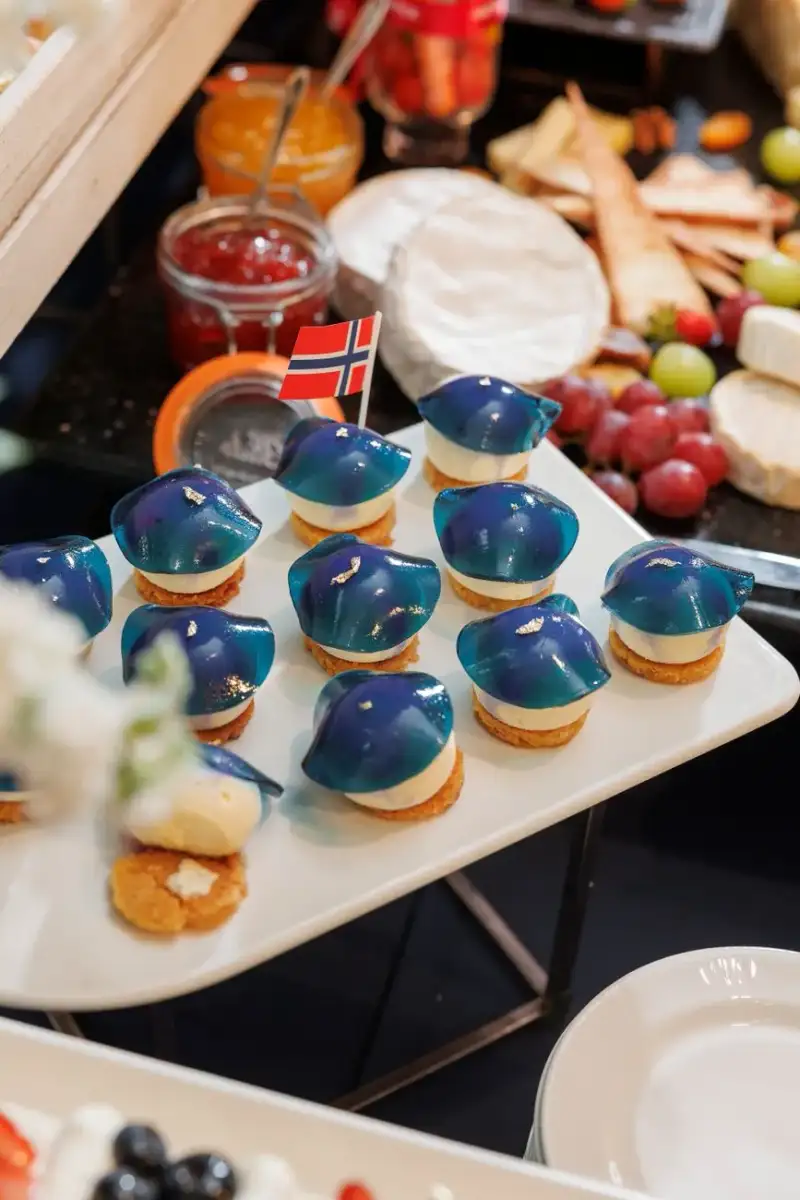
In a culinary landscape often dominated by globalized ingredients and complex techniques, a quiet revolution has been unfolding in the Northern reaches of Europe, profoundly reshaping how we perceive food, health, and sustainability. This seismic shift, known as New Nordic Cuisine (NNC), transcends mere gastronomic trend; it is a profound philosophical movement, a rediscovery of heritage, and a rigorous commitment to the land and its rhythms. From the rugged coastlines of Norway to the ancient forests of Sweden and the fertile plains of Denmark, NNC has challenged conventional fine dining and, in doing so, has offered a blueprint for a healthier, more sustainable, and infinitely more flavorful approach to eating. At its core, New Nordic Cuisine champions three fundamental pillars: aggressive foraging, ingenious preservation techniques, and an unwavering dedication to seasonal excellence. These are not just quaint culinary quirks but deeply embedded principles born from necessity in harsh northern climates, now reimagined with scientific precision and artistic flair. This isn't merely about wild berries and fermented fish; it’s about understanding the intricate biological mechanisms that make foraged foods exceptionally potent, the probiotic power of ancient preservation, and the unparalleled nutritional zenith of ingredients harvested at their absolute peak. Join me as we embark on an exhaustive exploration of NNC, dissecting its principles, uncovering its health benefits, and examining its far-reaching influence on the global food stage. Prepare to transform your understanding of what food can truly be. The Philosophical Roots and Regional Identity of New Nordic Cuisine The genesis of New Nordic Cuisine can be precisely dated to 2004, with the drafting of the "New Nordic Cuisine Manifesto" by a group of prominent Nordic chefs and food professionals, spearheaded by Danish culinary entrepreneur Claus Meyer and chef René Redzepi. This seminal document, comprising ten core tenets, laid the ideological foundation for a culinary philosophy that sought to redefine the region's gastronomic identity. Prior to this, Nordic cuisine was largely overlooked, often dismissed as rustic or relying heavily on imported luxury ingredients to compete on the international fine dining stage. The manifesto, however, courageously pivoted, advocating for a radical re-evaluation and celebration of local, often undervalued, produce. The core tenets emphasized purity, freshness, simplicity, and ethical production. It called for the use of ingredients that "express the changing of the seasons and the character of our climates, landscapes and waters," fostering a connection to the terroir that was previously absent. This wasn't merely about sourcing locally; it was about fostering an intense regional identity, showcasing unique flavors developed by the specific environmental conditions of the Nordic region. By focusing on indigenous plants, animals, and traditional cooking methods, NNC sought to create a distinct culinary narrative that was authentic to its origins. This philosophical shift was profound, challenging the prevailing notion that culinary excellence required exotic, often air-freighted, ingredients. Instead, NNC posited that true luxury lay in the inherent quality and authenticity of what the local land and sea could provide. This focus on provenance directly impacts the nutritional integrity of the food, as ingredients sourced locally and consumed fresh retain higher levels of vitamins, minerals, and phytonutrients compared to produce that undergoes extensive transportation and storage. The movement also underscored a commitment to animal welfare and sustainable practices, thereby influencing not just the plate but the entire food system from farm to table. This holistic approach has inspired local producers, revitalized regional economies, and cultivated a renewed pride in Nordic heritage, demonstrating how gastronomy can be a powerful driver of cultural and economic regeneration.Foraging: Unearthing Nature's Pantry and Its Nutritional Bounty Foraging, an ancient practice deeply ingrained in human history, has been spectacularly revitalized by New Nordic Cuisine. It represents more than just a search for ingredients; it is an active engagement with the local ecosystem, a deep understanding of botany, and an embrace of flavors that cannot be replicated in cultivation. In the Nordic context, this means venturing into forests, fields, coastlines, and even urban green spaces to gather wild berries, mushrooms, herbs, seaweeds, and even tree saps and roots. Common foraged treasures include nutrient-dense lingonberries and cloudberries, aromatic wild garlic (ramsons), earthy chanterelles, and the vitamin C powerhouse, sea buckthorn. The nutritional profile of foraged foods often surpasses that of their cultivated counterparts, a phenomenon supported by numerous nutritional studies. Wild plants, growing in diverse, often challenging natural conditions, tend to produce a higher concentration of secondary metabolites—compounds like polyphenols, flavonoids, and glucosinolates—as defense mechanisms against pests, diseases, and environmental stressors. These same compounds confer significant health benefits to humans, acting as potent antioxidants, anti-inflammatory agents, and immunomodulators. For example, wild berries like lingonberries and cloudberries are exceptionally rich in anthocyanins, potent antioxidants linked to reduced cardiovascular disease risk and improved cognitive function, often in higher concentrations than cultivated blueberries. Wild greens such as nettles and sorrel provide superior levels of iron, calcium, and Vitamin C. Research published in journals like the Journal of Agricultural and Food Chemistry has frequently highlighted the enhanced bioactive compound content in wild versus cultivated species. Furthermore, many foraged seaweeds, such as bladderwrack and sugar kelp, are incredible sources of iodine, essential trace minerals, and unique polysaccharides that support gut health. This direct connection to nature not only offers a spectrum of novel flavors but also provides a concentrated dose of micronutrients and phytonutrients often lacking in standard diets, contributing to enhanced vitality and disease prevention through direct biological mechanisms such of oxidative stress reduction and modulation of inflammatory pathways. Ethical foraging, emphasizing sustainability and respect for the environment, is paramount to ensure the long-term viability of these natural pantries. Mastering Preservation: Ancient Techniques for Modern Flavor and Health Given the stark seasonality and harsh winters of the Nordic region, preservation has historically been not just a culinary art but a critical necessity for survival. New Nordic Cuisine has resurrected and refined these ancient techniques—pickling, fermenting, smoking, drying, and curing—transforming them from mere methods of extending shelf life into sophisticated tools for flavor development and nutritional enhancement. These practices are central to the NNC philosophy, ensuring that the bounty of short growing seasons can be enjoyed year-round, often in forms more complex and flavorful than their fresh counterparts. Fermentation stands out as a particularly celebrated and scientifically validated preservation method in NNC. Lacto-fermentation, applied to vegetables (like cabbage for a Nordic-style sauerkraut or carrots and root vegetables), fish, and even some fruits, involves the controlled growth of beneficial microorganisms, primarily lactic acid bacteria (LAB). These bacteria break down sugars, producing lactic acid and other organic acids, which preserve the food and imbue it with a characteristic tangy flavor. Beyond flavor, fermented foods are powerful allies for human health. The live microorganisms, often referred to as probiotics, actively contribute to a diverse and healthy gut microbiome. A robust gut microbiome is increasingly linked to a multitude of health benefits, including improved digestion, enhanced immune function, production of B vitamins and Vitamin K2, and even positive influences on mood and cognitive function via the gut-brain axis. Studies cited in Gut Microbes and Frontiers in Microbiology demonstrate how specific strains of Lactobacillus and Bifidobacterium found in traditionally fermented foods can modulate the immune system and protect against pathogens. Other preservation methods also offer unique benefits: smoking can impart antioxidants from wood smoke, while drying concentrates nutrients. Curing fish with salt, a technique known as gravlax, draws out moisture and tenderizes the protein. By integrating these time-honored techniques, NNC not only respects tradition but also leverages the biological mechanisms of fermentation and other methods to produce foods that are not only delicious but demonstrably beneficial for long-term health, showcasing a profound understanding of food as medicine.The Pinnacle of Seasonality: Crafting Dishes with Nature's Rhythms The commitment to seasonality is perhaps the most defining and uncompromising pillar of New Nordic Cuisine. This isn't merely about choosing ingredients that are "in season" at the supermarket; it's about an almost spiritual adherence to nature's cycles, dictating menus based on what is truly at its absolute peak of freshness, flavor, and nutritional value within a very specific local biome. For NNC chefs, menus are dynamic entities, evolving weekly or even daily as new ingredients emerge or others fade, a stark contrast to static, year-round offerings of conventional restaurants. This deep respect for seasonality ensures that produce is harvested at its ripeness, when its flavor profile is most intense and its nutritional content is maximized. From a biological standpoint, fruits and vegetables produce their highest levels of vitamins, minerals, antioxidants, and other beneficial phytochemicals when allowed to mature fully on the plant and are consumed shortly after harvest. For instance, a strawberry picked in its prime from a local field in summer will contain significantly higher levels of Vitamin C and anthocyanins compared to one picked prematurely and shipped globally in winter. This direct impact on nutrient density is a cornerstone of NNC’s health advantages. Beyond nutrition, seasonality inherently brings environmental benefits: reduced carbon footprint from minimized transportation, support for local farmers and producers, and a deeper appreciation for the unique characteristics of each season. NNC chefs become interpreters of the landscape, developing remarkable creativity in transforming a limited palette of ingredients into dishes of extraordinary depth and nuance. Spring might bring the first delicate wild garlic and crisp shoots, summer an abundance of sweet berries and new potatoes, autumn a bounty of earthy mushrooms and root vegetables, and winter a celebration of carefully preserved ingredients, hardy greens, and robust root crops. This cyclical approach fosters a heightened sensory experience for the diner, cultivating a mindful connection to the origins of their food and the rhythm of the natural world, aligning gastronomic pleasure with environmental responsibility and optimal health.The Global Impact and Future Trajectory of New Nordic Cuisine The influence of New Nordic Cuisine has stretched far beyond the Scandinavian borders, igniting a global culinary dialogue about locality, sustainability, and authenticity. What began as a regional manifesto has blossomed into a worldwide movement, inspiring chefs, restaurateurs, and home cooks across continents to re-examine their food sources and embrace their own unique culinary heritage. The rise of "hyper-local," "farm-to-table," and "nose-to-tail" movements in diverse gastronomic cultures can be directly attributed to the pioneering spirit of NNC. Chefs in disparate regions, from the high deserts of Patagonia to the rice paddies of Southeast Asia, are now exploring their own indigenous ingredients, forgotten cooking techniques, and unique biomes, seeking to craft a cuisine that is truly reflective of their place. This paradigm shift encourages culinary diversity and resilience, promoting self-sufficiency and reducing reliance on a homogenized global food system. However, NNC is not without its challenges. Criticisms often point to its perceived elitism, given the labor-intensive nature of foraging and preservation, which can translate to higher prices in fine dining settings. There is also the challenge of accessibility, as deep knowledge of local flora and fauna is not universally available. Yet, the core principles of NNC are highly adaptable. Its emphasis on using all parts of an ingredient (e.g., bone broths, offal, root-to-stem cooking) dramatically reduces food waste, a critical global imperative. The focus on plant-forward dishes and sustainably sourced animal products offers a pathway to healthier, more environmentally conscious eating for the masses. The future trajectory of NNC involves a continued push towards greater sustainability, perhaps delving deeper into marine aquaculture, urban foraging, and innovative plant-based preparations. Its enduring legacy will likely be its role in educating a new generation about food's profound connection to environment, culture, and personal well-being, proving that true culinary innovation comes from looking inward, not outward.Ingredient Category Key Macronutrients (per 100g) Notable Micronutrients & Bioactives Health Benefit HighlightLingonberry (Wild) Berry Carbs: 11.5g, Fiber: 3.2g Vitamin C (10mg), Manganese (0.3mg), Anthocyanins, Quercetin Antioxidant, Anti-inflammatoryCloudberry (Wild) Berry Carbs: 10g, Fiber: 6g Vitamin C (158mg), Vitamin E, Ellagic acid Immune Support, Skin HealthWild Garlic (Ramsons) Herb Carbs: 7g, Fiber: 3g Vitamin C (150mg), Adenosine, Sulphur compounds Cardiovascular, AntimicrobialChanterelle (Wild) Mushroom Carbs: 3.8g, Fiber: 3.8g Vitamin D (1.3mcg), Copper (0.3mg), B vitamins Bone Health, Immune ModulationSea Buckthorn (Wild) Berry Carbs: 10g, Fiber: 6g Vitamin C (695mg), Omega-7 fatty acids, Carotenoids Skin Repair, Mucous Membrane HealthFermented Cabbage (Nordic Style) Vegetable Prep Carbs: 4g, Fiber: 2.5g Probiotic bacteria (L. plantarum), Vitamin K2, B vitamins Gut Microbiome, Digestive AidJuniper Berries (Wild) Spice Carbs: 13g, Fiber: 3g Monoterpenes (alpha-pinene), Flavonoids Digestive Aid, AntioxidantRose Hips (Wild) Fruit Carbs: 38g, Fiber: 24g Vitamin C (426mg), Carotenoids, Flavonoids Immune Boost, Collagen SynthesisThe table above illustrates the significant nutritional value inherent in a selection of ingredients central to New Nordic Cuisine. These wild and traditionally prepared foods are not only rich in essential macronutrients like fiber but are also powerhouses of micronutrients and unique bioactive compounds. For instance, the exceptionally high Vitamin C content in wild cloudberries and sea buckthorn far surpasses that found in many common fruits, offering robust immune support and antioxidant defense. Similarly, the unique blend of vitamins, minerals, and polyphenols in these ingredients, often augmented by the probiotic benefits of fermentation, contributes to anti-inflammatory effects, cardiovascular health, and digestive well-being. This nutritional density underscores why NNC is not just a culinary art but a powerful advocate for a health-optimized diet. In conclusion, New Nordic Cuisine stands as a testament to the enduring power of connecting with our environment through food. It is a philosophy that transcends trends, offering a robust framework for eating that is at once deeply rooted in tradition and boldly forward-thinking. By rigorously embracing foraging, mastering the art of preservation, and celebrating the ephemeral beauty of seasonality, NNC has not only revitalized a regional cuisine but has also provided a blueprint for sustainable, healthy, and profoundly flavorful eating that resonates globally. The lessons from the Nordic kitchens are clear: the finest ingredients are often found closest to home, the most potent flavors can be coaxed through time-honored techniques, and the healthiest diet is one that dances in rhythm with nature. As we navigate an increasingly complex food system, the principles championed by New Nordic Cuisine—purity, locality, seasonality, and ethical sourcing—offer not just a culinary guide, but a pathway to a more harmonious relationship with our planet and a more vibrant, healthful existence for ourselves. Let its spirit inspire you to explore your own local bounty, experiment with ancient preservation, and savor the exceptional flavors of truly seasonal excellence. Stay curious, stay hungry, and never stop exploring the world through your palate. Kenji Sato#NewNordicCuisine #Foraging #FoodPreservation #SeasonalEating #SustainableFood #HealthyGastronomy