Showing Posts From
Sustainabletravel
-
 Chloe Tremblay
 - 23 Sep, 2026 12:01
Sustainable Archipelagos: Crafting an Eco‑Conscious Island‑Hopping Blueprint for the Azores
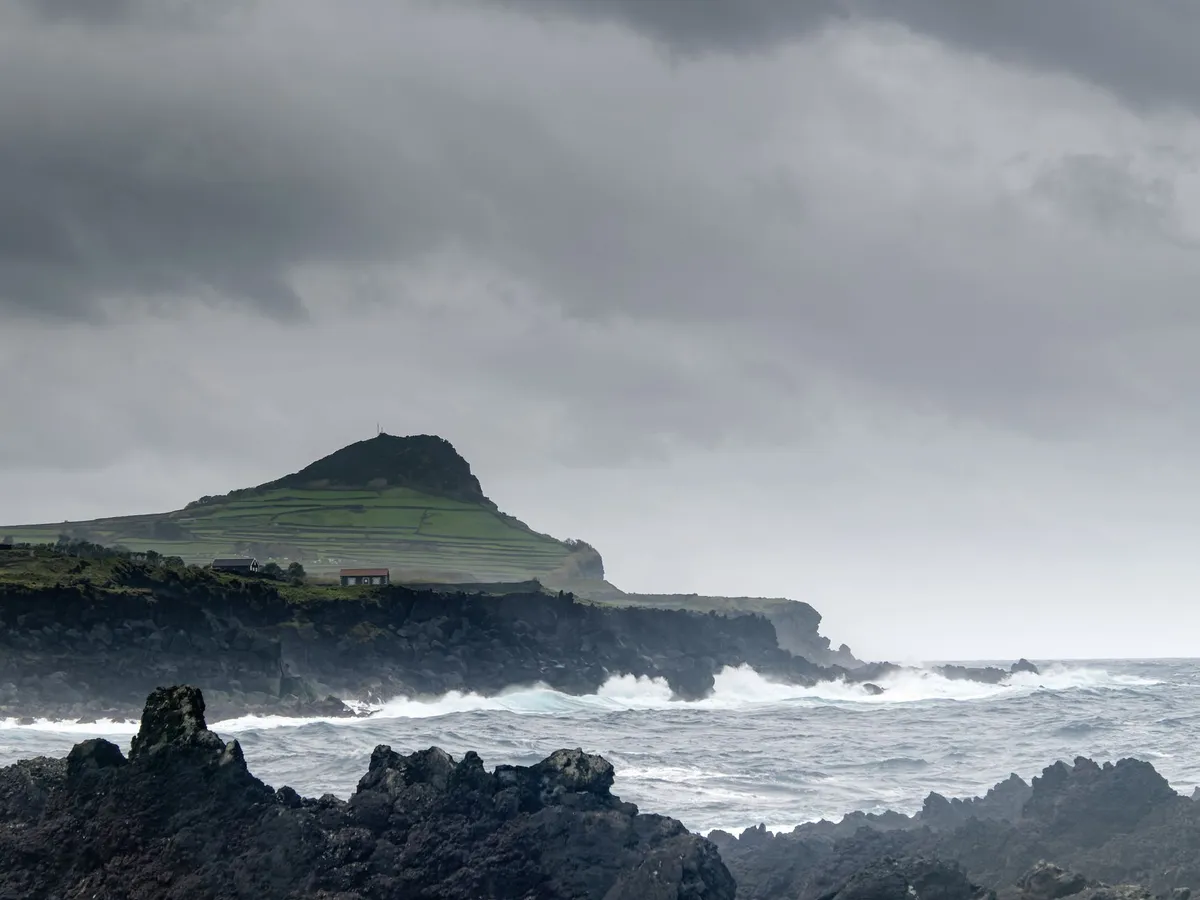
Island‑Hopping with Purpose: Why the Azores Lead Sustainable Travel The Azores, a nine‑island Portuguese archipelago perched in the middle of the North Atlantic, have quietly become a laboratory for low‑impact tourism. Their UNESCO‑designated marine reserves, volcanic soils that support organic farming, and a government committed to carbon‑neutral goals make them a perfect testing ground for the eco‑conscious traveler. Unlike the crowded streets of mainland tourist hotspots, the Azores still retain a modest visitor density—averaging fewer than 1.5 million arrivals per year, well below the 30 million threshold that strains infrastructure in many Mediterranean destinations. This lower footfall translates into cleaner beaches, less congested roads, and a genuine sense of community involvement in preservation projects. Sustainability here is not an afterthought; it is woven into policy. The Regional Government launched the “Blue Economy” strategy in 2022, pledging to increase renewable energy to 80 % by 2030. Wind turbines dot the coastal ridges of São Miguel and Terceira, while geothermal plants on São Miguel already supply roughly 30 % of the island’s electricity. For travelers, the result is a network of eco‑certified lodgings that run on clean power, and public transport that runs on biodiesel or electric buses. Beyond the macro policies, the islands’ micro‑ecosystems reward mindful exploration. The volcanic caldera of Sete Cidades on São Miguel, with its twin lakes of contrasting colors, is a fragile landscape where foot traffic is carefully managed through boardwalks and limited visitor numbers. In the Azores, “Leave No Trace” is not a slogan but a regulatory requirement; many trailheads require hikers to sign a digital pledge to carry out all waste. Sustainable island‑hopping therefore becomes a narrative of balance—leveraging the archipelago’s natural bounty while actively contributing to its preservation. The following sections break down how you can align your remote‑work lifestyle with the Azores’ green ambitions, from visa logistics to daily budgeting, without sacrificing the thrill of hopping from one volcanic gem to the next. Plugging In: Navigating Connectivity and the D8 Digital Nomad Visa For digital nomads, reliable internet is as essential as clean water. The Azores boast a 99.5 % fiber‑to‑the‑home coverage rate, with average download speeds hovering around 250 Mbps in the two main urban hubs—Ponta Delgada (São Miguel) and Angra do Heroísmo (Terceira). Real‑world case studies from 2024‑2025 report that co‑working spaces such as “Co‑Work Azores” in Ponta Delgada consistently deliver sub‑30‑ms latency, sufficient for video conferencing, cloud‑based design, and even 4K streaming. The D8 Digital Nomad visa, introduced by Portugal in 2022 and updated for 2026, is the gateway for long‑term remote work. Applicants must demonstrate a minimum monthly income of €1,000, proof of health insurance, and a clean criminal record. The application fee ranges from €90 to €110, and processing time averages 30 days. Once approved, the visa grants a stay of up to one year, renewable for an additional year, provided the income threshold is maintained. While Ponta Delgada offers the most robust connectivity, smaller islands like Faial or Graciosa present a trade‑off: breathtaking isolation paired with slightly higher latency (averaging 70–90 ms) due to limited fiber back‑haul. For remote workers who value solitude over split‑second response times, these islands become attractive, provided you plan for occasional “offline days” when the satellite backup is engaged. The D8 visa also simplifies tax residency. Nomads can elect to retain their home‑country tax status if they spend fewer than 183 days in Portugal, a crucial consideration for freelancers whose fiscal obligations span multiple jurisdictions. Moreover, the Regional Government offers a “Green Nomad” incentive—subsidized co‑working memberships for those who commit to using public transport or electric scooters for daily commuting. Balancing connectivity and ecological footprint is at the heart of the Azores’ digital‑nomad ecosystem. By selecting a base—whether the bustling port city of Ponta Delgada or the quieter harbor of Horta on Faial—you can calibrate your workflow, budget, and carbon impact. Budget‑Friendly Green Living: Cost of Life on Each Island Financial sustainability is as vital as environmental stewardship. Recent Numbeo data (2026) shows the average monthly cost of living for a single expatriate in the Azores ranges from €950 in the less‑touristy island of São Jorge to €1,350 in the more developed Ponta Delgada. These figures include rent for a modest one‑bedroom apartment, utilities, groceries, and transportation, but exclude discretionary spending on tours or fine dining. Island Avg. Monthly Rent (1‑BR) Utilities (incl. 99.5 % fiber) Groceries Index* Public Transport Pass Typical D8‑Compliant BudgetSão Miguel (Ponta Delgada) €720 €65 68 €38 €1,300‑€1,500Terceira (Angra do Heroísmo) €650 €60 66 €35 €1,200‑€1,400Faial (Horta) €560 €55 64 €30 €1,050‑€1,250São Jorge €480 €50 62 €28 €950‑€1,150Pico €500 €52 63 €29 €970‑€1,180Santa Maria €470 €48 60 €27 €940‑€1,120Graciosa €460 €47 59 €26 €930‑€1,100Flores €440 €45 58 €25 €910‑€1,080Corvo €420 €44 57 €24 €890‑€1,050*Groceries Index is a relative measure against Lisbon (100 = same price). Rent prices reflect a mix of traditional stone houses renovated for modern comforts and newer eco‑buildings that incorporate solar panels and rainwater harvesting. Utilities are notably lower than mainland Portugal thanks to the high share of renewable energy. Grocery costs benefit from the islands’ emphasis on locally produced dairy, fish, and vegetables—items that are often 10‑15 % cheaper than on the mainland. A typical D8‑compliant budget of €1,000‑€1,500 per month comfortably covers a modest lifestyle on any island, with the upper range allowing for occasional guided eco‑tours, organic meals at farm‑to‑table cafés, and a reliable co‑working membership. The lower‑cost islands also present an opportunity for “green entrepreneurship,” where travelers can rent a small studio, set up a solar‑powered home office, and contribute to the local economy by offering workshops or remote consulting services. Transportation costs remain modest: a monthly pass for buses and ferries across the archipelago costs €45‑€60, and many islands have introduced electric bike‑share schemes that charge €0.10 per minute—an attractive alternative to rental cars that emit higher CO₂. By aligning your spending with the Azores’ cost structure, you can maintain a comfortable remote‑work lifestyle while directly supporting the region’s sustainable development goals. Eco‑Conscious Activities: Low‑Impact Adventures Across the Archipelago Adventure in the Azores does not require a carbon‑heavy footprint. The islands’ volcanic geology, crystal‑clear lagoons, and endemic flora create a playground for activities that leave almost no trace. Here are the top low‑impact experiences, organized by island, and how to execute them responsibly. São Miguel – Whale Watching with Certified Eco‑OperatorsThe island’s surrounding waters host resident sperm whales and migrating blue whales. Certified operators follow strict guidelines: limiting vessel numbers to three per day, maintaining a 300‑meter distance, and using low‑noise engines. Prices average €70 per person for a two‑hour excursion, with a portion of proceeds funding marine‑research initiatives at the University of the Azores. Terceira – Hiking the Angra do Heroísmo UNESCO TrailThis trail circles the historic city, passing volcanic basalt formations and ancient fortifications. Hikers are required to stay on marked pathways to protect native lichen species. Portable water filters are encouraged to reduce plastic bottle waste. Faial – Kayaking the Caldeira da RibeiraPaddlers can explore the rim of the island’s massive volcanic crater, where calm waters reflect the surrounding cliffs. Local NGOs provide free kayak rentals in exchange for participants joining a post‑trip shoreline cleanup. São Jorge – Sustainable Cheese Farm VisitsThe island’s famed “Queijo São Jorge” is produced using traditional methods that rely on pasture‑grazed cows. Tours are limited to groups of ten, and visitors are invited to sample cheese while learning about the farm’s circular waste system—manure is composted for crops, and excess water is reclaimed for irrigation. Pico – Climbing Mount Pico with Minimal GearAt 2,351 m, Mount Pico is Portugal’s highest peak. Guided climbs emphasize “leave‑no‑trace” ethics: climbers carry reusable water bottles, use biodegradable soap, and pack out all waste. The ascent typically takes 6–8 hours, and the summit offers panoramic views of all nine islands—a reminder of the archipelago’s interconnected ecosystems. Across all islands, the Azores’ “Eco‑Pass” program provides a single digital ticket that grants access to public transport, bike‑share, and selected tours at a discounted rate, encouraging visitors to reduce reliance on rental cars. By prioritizing these activities, you not only enjoy the archipelago’s natural wonders but also reinforce the local commitment to low‑impact tourism. Building a Zero‑Waste Itinerary: Tools, Resources, and Community Hubs Transitioning from a conventional travel plan to a zero‑waste itinerary is achievable with a few strategic tools and local partnerships. The Azores’ burgeoning eco‑network offers digital and physical resources that streamline sustainable choices. Digital Toolkit Eco‑Map App – Developed by the Regional Government, this offline‑capable map highlights refill stations, compost bins, and certified zero‑waste cafés in each municipality. Green‑Visa Tracker – A spreadsheet template aligned with D8 visa requirements, allowing you to log income, health insurance, and monthly expenses while flagging any excess carbon‑intensive purchases. Carbon Offset Calculator – Integrated into the “Azores Travel” portal, it estimates emissions from flights, ferries, and local transport, offering direct links to regional reforestation projects.Physical Hubs Ponta Delgada Eco‑Hub – A co‑working space that also functions as a community kitchen, providing bulk pantry staples (beans, rice, local honey) in reusable containers. Membership includes a weekly “Zero‑Waste Workshop” where locals teach upcycling techniques for plastic nets and fishing gear. Angra do Heroísmo Green Library – Offers free bike rentals and a “Borrow‑A‑Tool” program for camping gear, reducing the need to purchase single‑use equipment. Faial Sustainable Market – Operates every Saturday, allowing travelers to purchase fresh produce directly from farmers who practice regenerative agriculture.Practical Steps Pack Reusables – Bring a stainless‑steel water bottle, collapsible coffee cup, and a set of silicone food bags. The first refill station you encounter will be in Ponta Delgada’s main square, where tap water is filtered and safe to drink. Adopt a “One‑Bag” Rule – Limit your daily waste to a single reusable bag; any non‑recyclable items must be taken back home. Choose Accommodations with Waste Segregation – Most eco‑lodges label bins for organics, plastics, glass, and metal. Participate actively by separating your trash. Support Local Circular Economies – Pay for meals at restaurants that compost food scraps and source fish from certified sustainable fisheries.By weaving these tools into your daily routine, you transform the Azores from a destination into a partner in your sustainability journey. The synergy between the D8 visa framework, robust digital infrastructure, and community‑driven zero‑waste initiatives creates a replicable model for other archipelagos worldwide. Your Sustainable Blueprint Awaits Imagine waking each morning to the gentle roar of Atlantic waves, logging into a high‑speed fiber connection, and stepping out onto a volcanic trail that feels untouched by mass tourism. The Azores make this vision possible—not just as a backdrop for remote work, but as an active collaborator in your eco‑conscious lifestyle. By securing the D8 Digital Nomad visa, choosing an island that aligns with your connectivity needs, budgeting wisely within the €1,000‑€1,500 monthly range, and engaging in low‑impact activities, you become part of a living laboratory for sustainable travel. The archipelago’s blend of renewable energy, zero‑waste community hubs, and transparent cost structures empowers you to leave a positive footprint while exploring one of the world’s most geologically spectacular regions. Pack your reusable gear, download the Eco‑Map, and set your compass for the Azores. The islands are waiting—not just for tourists, but for responsible explorers ready to co‑create a greener future. #SustainableTravel #DigitalNomad #AzoresAdventure Related InsightsThe Silent Sentinels: Documenting Rapa Nui The Arctic's Whispering Skies: Your Ultimate Guide to Unlocking Scandinavia's Northern Lights Mystique (Part 2) The Shimmering Waters: Documenting Plitvice Lakes National Park{ "@context": "https://schema.org", "@type": "FAQPage", "mainEntity": [ { "@type": "Question", "name": "What is the main focus of Sustainable Archipelagos: Crafting an Eco‑Conscious Island‑Hopping Blueprint for the Azores?", "acceptedAnswer": { "@type": "Answer", "text": "Explore the Azores through a sustainable lens—discover green accommodations, reliable fiber internet, D8 visa pathways, and low‑impact adventures that let you travel responsibly." } }, { "@type": "Question", "name": "Who authored the comprehensive guide on Sustainable Archipelagos: Crafting an Eco‑Conscious Island‑Hopping Blueprint for the Azores?", "acceptedAnswer": { "@type": "Answer", "text": "This detailed article and its insights were carefully researched and authored by Chloe Tremblay." } }, { "@type": "Question", "name": "Where can I find more related content about Travel?", "acceptedAnswer": { "@type": "Answer", "text": "You can explore more articles, detailed reviews, and similar insights by browsing the Related Insights section at the bottom of this article or visiting our dedicated Travel category page." } } ] }