Showing Posts From
Sweet pea
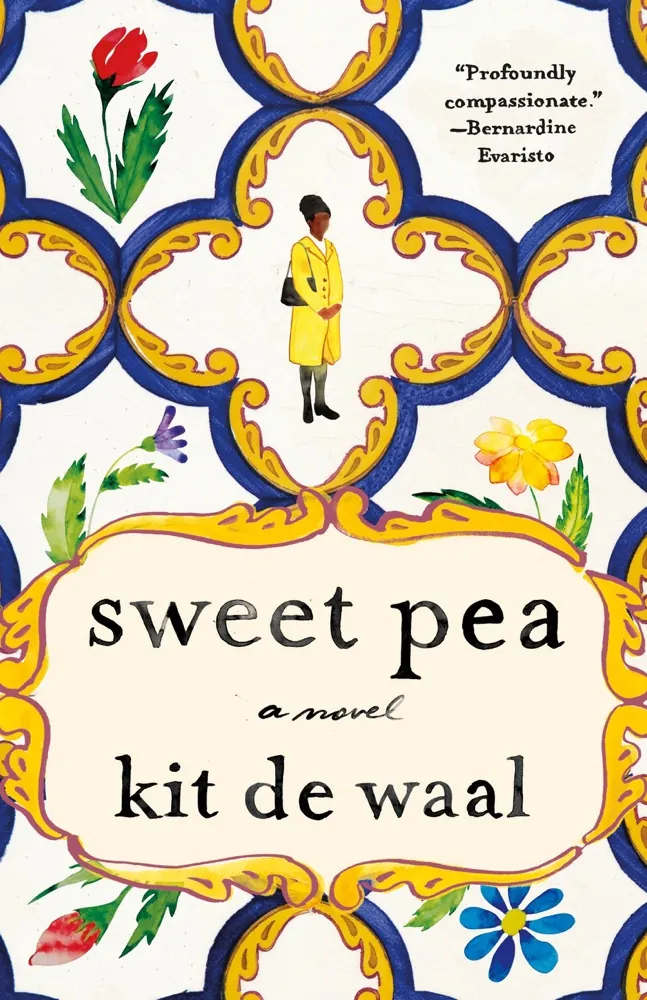

Author: Kit de WaalPage Count: UnknownPublication Date: Expected publication 2026-11-03 APL The synopsis of Sweet Pea arrives like a poorly pressed silk scarf—elegant in its own way, but already fraying at the edges before you’ve even touched it. There’s a certain coziness to the language, the kind that makes you suspect this will be one of those novels where the prose is so warm you’ll forget how much you hate the idea of being warmed. Paulette’s grandmother’s voice, that of a woman who “called her ‘Sweet Pea’” and “admonished her to avoid temptation and embrace love and forgiveness, in that order”—it’s all very Downton Abbey meets The Secret Life of Bees, isn’t it? The problem isn’t that the premise is uninteresting. The problem is that it’s too familiar, like a recipe for gingerbread that’s been passed down through generations of women who’ve never once questioned whether the flour was actually sifted. And yet—here’s where the pivot happens—there’s something dangerously specific about the way the synopsis frames Paulette’s grief. The baby arrives from Denton’s friend, a relationship that “can’t last.” That’s not just a plot device; that’s a liminal space, the kind of emotional detour that could either elevate the novel or sink it into the quicksand of women’s fiction clichés. The synopsis doesn’t tell us whether this is a secret, a mistake, or something else entirely—just that it’s a rupture, a crack in the carefully constructed illusion of domestic bliss. That’s where the tension should lie, if the author has the nerve to explore it. But the synopsis doesn’t linger. It skips past the messiness, past the why, and lands on the next convenience: another boy, the same age as Bird, who “appears.” Appears. Like a ghost. Like a plot convenience. It’s the kind of narrative shortcut that makes you wonder if de Waal is more interested in mimicking the rhythm of life—stop, start, stop, start—than in actually understanding it. The thematic language here is deliberately vague, which is either a sign of genius or a sign that the author hasn’t yet decided what she wants to say. “A luminous and lyrical novel of the trials of life and the compassion that can follow”—oh, for heaven’s sake, is this going to be the next The Vanishing Half but with more tea? The synopsis doesn’t name the trials. It doesn’t specify the compassion. It just assumes we’ll be moved by the idea of it. And that’s the real problem: the synopsis doesn’t demand anything of the reader. It doesn’t challenge. It doesn’t even ask. It just hints, like a woman at a party who’s been drinking too much and keeps saying, “You’ll understand when you read it.” But let’s be honest—this is exactly the kind of book that will be praised for its “emotional complexity” by critics who’ve never actually felt anything beyond a well-turned phrase. Compare it to The Idiot by Elif Batuman, where the emotional landscape is so carefully mapped you can almost see the cracks in the pavement. Or The Memory Police by Yoko Ogawa, where the themes of loss and memory are so visceral you don’t just read them—you live them. Sweet Pea feels like it’s trying to be both, but it’s not quite either. It’s the literary equivalent of a well-meaning but slightly off-key lullaby—you’ll hum it for a while, but you won’t actually remember the words. And then there’s the matter of the title itself. Sweet Pea. It’s a name, a nickname, a metaphor—it’s everything and nothing. It’s the kind of title that makes you wonder if the author is trying to be poetic or just lazy. Because let’s face it, if you’re going to title a book after a nickname, you’d better make sure that nickname means something. Otherwise, it’s just a placeholder, like the “to be filled later” note in a contract. I can already see the reviews: “A deeply moving exploration of motherhood and resilience.” “A masterclass in emotional storytelling.” But what I see is a book that’s been promised more than it’s been earned. And that’s the real tragedy—because if de Waal had the courage to be uncomfortable, if she had the audacity to let Paulette’s grief stay messy, if she had the guts to refuse the easy resolution, then maybe, just maybe, this could have been something. But no. Instead, we get the safe bet, the book that’s supposed to make us feel things but never quite lets us. I’m writing this on three hours of sleep and a single espresso that’s already gone cold in my cup. The world is a mess, the book is a mess, and I’m about to go back to bed and pretend I didn’t just read this synopsis. #BookTok #LiterarySnobbery #WhyDoWeEvenTry Related InsightsThe Cursed Carnival and Other Calamities Book Review and Summary Possession Book Review and Summary Old Babes in the Wood Book Review and Summary{ "@context": "https://schema.org", "@type": "FAQPage", "mainEntity": [ { "@type": "Question", "name": "What is the main focus of Sweet Pea Book Review and Summary?", "acceptedAnswer": { "@type": "Answer", "text": "Everything you need to know about Sweet Pea with our detailed review." } }, { "@type": "Question", "name": "Who authored the comprehensive guide on Sweet Pea Book Review and Summary?", "acceptedAnswer": { "@type": "Answer", "text": "This detailed article and its insights were carefully researched and authored by Olivia Harris." } }, { "@type": "Question", "name": "Where can I find more related content about Books?", "acceptedAnswer": { "@type": "Answer", "text": "You can explore more articles, detailed reviews, and similar insights by browsing the Related Insights section at the bottom of this article or visiting our dedicated Books category page." } } ] }