Showing Posts From
Syrian food
-
 Isabella Rossi
 - 16 Jul, 2026 21:17
Middle Eastern Mezze Beyond Turkish: Authentic Lebanese and Syrian Small Plates
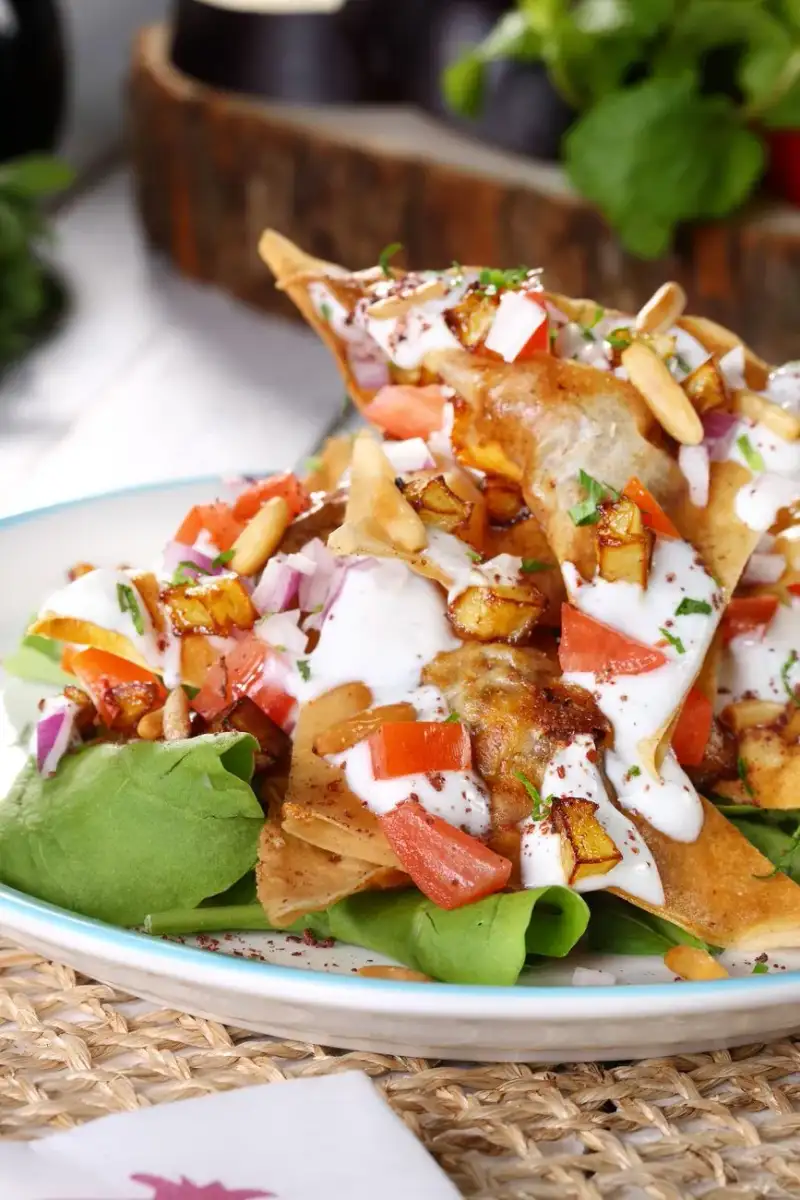
Middle Eastern Mezze Beyond Turkish: Lebanese and Syrian Small Plates Introduction The sun dips below the Mediterranean horizon, casting golden hues over the ancient souks of Damascus and Beirut. The air hums with the sizzle of grilled meats, the earthy aroma of za’atar, and the tang of fresh lemon. This is the world of mezze—not just a meal, but a cultural symphony where every small plate tells a story of history, trade, and tradition. While Turkish mezze often steals the spotlight, Lebanese and Syrian small plates offer a deeper, more nuanced exploration of Middle Eastern flavors. From the smoky char of muhammara to the creamy indulgence of mujaddara, these dishes are a testament to a region where food is both art and sustenance. Mezze, derived from the Arabic word tamazza (meaning "to taste"), is more than an appetizer spread—it’s a way of life. In Lebanon and Syria, mezze is a communal experience, a slow unfolding of flavors that invites conversation, laughter, and connection. Unlike the more structured Turkish meze, Lebanese and Syrian versions are fluid, adaptable, and deeply personal. They reflect the Mediterranean climate’s bounty—olive oil, citrus, fresh herbs, and pulses—while incorporating spices and techniques shaped by centuries of trade along the Silk Road. Whether you’re a seasoned foodie or a curious newcomer, exploring these small plates is like taking a culinary journey through time.The Cultural Significance of Mezze in Lebanon and Syria Mezze is the heartbeat of Lebanese and Syrian hospitality, a tradition that transcends mere dining. In these cultures, food is love, and mezze is the language of generosity. The practice of serving small plates stems from the region’s agricultural roots, where sharing limited resources fostered communal bonds. Even today, a Lebanese or Syrian host will insist you eat more, urging you to try "just one bite" of each dish—a ritual that can last for hours. Historically, mezze evolved from the need to stretch meals across large families and guests. Dishes like fatayer (savory pastries) and baba ghanoush (smoked eggplant dip) were born from resourcefulness, using simple ingredients to create complex flavors. The Ottoman Empire’s influence further enriched these traditions, introducing spices like sumac and pomegranate molasses, while the Mediterranean climate ensured an abundance of fresh produce. Syrian souks, as explored in research on artful marketing in Damascus, were not just marketplaces but cultural hubs where ingredients were traded, stories were shared, and culinary techniques were perfected.In Lebanon, mezze is a point of national pride. The country’s diverse topography—from the fertile Bekaa Valley to the coastal plains—provides a diverse palette of ingredients. Lebanese mezze often features more seafood, reflecting the coastal influence, while Syrian mezze leans toward heartier, meat-based dishes like kebbeh (spiced meat croquettes). Both, however, share a commitment to freshness and balance. A typical Lebanese mezze spread might include 20 or more dishes, each carefully prepared to complement the others. The concept of ‘ilm al-tabeekh (the science of cooking) is deeply ingrained, with recipes passed down through generations. The social aspect of mezze cannot be overstated. In Syria, before the civil war disrupted daily life, mezze was a daily ritual in homes and restaurants alike. In Lebanon, it’s a cornerstone of celebrations, from weddings to religious festivals. The act of sharing mezze fosters a sense of belonging, a reminder that food is a universal language. Even in modern times, as obesity rates in the Mediterranean region rise (as noted in research on obesity and Middle Eastern individuals), mezze remains a healthier alternative to Western-style feasting, emphasizing vegetables, legumes, and lean proteins.Essential Lebanese Mezze Dishes You Must Try Lebanese mezze is a masterclass in balancing flavors and textures. Here are the dishes that define this culinary tradition: 1. Hummus No mezze spread is complete without hummus, the creamy chickpea dip that has become a global phenomenon. Lebanese hummus stands out for its silky texture and bright, lemony flavor. Unlike its Turkish or Israeli counterparts, Lebanese hummus is often served with a generous drizzle of olive oil and a sprinkle of za’atar (a blend of thyme, sumac, and sesame seeds). The key to authentic Lebanese hummus lies in the tahini—it should be smooth, not gritty, and the chickpeas must be cooked until tender but not mushy. 2. Baba Ghanoush This smoky eggplant dip is a staple in every Lebanese mezze spread. The eggplants are charred over an open flame until the flesh is tender and the skin blisters, then blended with tahini, garlic, lemon juice, and olive oil. The result is a dip with a deep, earthy flavor and a velvety texture. In Lebanon, baba ghanoush is often served with warm pita bread or as part of a muqaddam (a platter of dips). 3. Fattoush A refreshing salad that embodies the Lebanese love for fresh herbs and crisp textures. Fattoush is made with mixed greens, radishes, cucumbers, and tomatoes, tossed with crispy pita bread (toasted with sumac and olive oil) and a tangy sumac-lemon dressing. The pita adds a delightful crunch, making it a perfect palate cleanser between richer dishes. 4. Fatayer These savory pastries come in two varieties: fatayer bi sbanakh (filled with spinach and sumac) and fatayer bi jibneh (filled with cheese). The dough is thin and flaky, similar to phyllo, and the filling is spiced with sumac for a tangy kick. Fatayer are often served warm, making them a comforting addition to any mezze spread. 5. Kibbeh Lebanese kibbeh is a versatile dish made from bulgur wheat and spiced ground meat (usually lamb or beef). It can be shaped into small croquettes (kibbeh nayyeh), fried balls (kibbeh lebneh), or baked in a tray (kibbeh bil sanieh). The key to great kibbeh is the balance of spices—cinnamon, allspice, and nutmeg add warmth, while parsley and onion provide freshness.6. Tabbouleh A refreshing parsley salad that is Lebanon’s national dish. Tabbouleh is made with finely chopped parsley, bulgur wheat, tomatoes, mint, and a lemon-olive oil dressing. The parsley should be the dominant flavor, with the bulgur providing a subtle chew. It’s often served alongside other mezze dishes to cleanse the palate. 7. Mujaddara A humble yet beloved dish made from lentils, rice, and caramelized onions. Mujaddara is a staple in Lebanese homes, often served as a main course but also included in mezze spreads for its hearty, comforting flavor. The onions are cooked until crispy, adding a sweet and savory contrast to the earthy lentils and rice. To create an authentic Lebanese mezze spread, start with a base of dips like hummus and baba ghanoush, then add salads like fattoush and tabbouleh. Follow with hot dishes like kibbeh and fatayer, and finish with a refreshing drink like ayran (yogurt drink) or mint lemonade. The key is variety—contrast creamy dips with crisp salads, and light bites with hearty pastries.Syrian Mezze: A Taste of Damascus Syrian mezze is a celebration of bold flavors and rustic charm. Unlike the more refined Lebanese mezze, Syrian small plates often feature heartier, meat-based dishes and a greater emphasis on spices. The cuisine of Damascus, in particular, reflects the city’s rich history as a crossroads of trade and culture. Syrian mezze is deeply rooted in the region’s agricultural traditions, with dishes like muhammara (a spicy red pepper dip) and mansaf (a lamb and rice dish) showcasing the use of local ingredients. 1. Muhammara This vibrant red dip is made from roasted red peppers, walnuts, pomegranate molasses, and spices like cumin and Aleppo pepper. Muhammara is sweet, smoky, and slightly spicy, with a thick, chunky texture. It’s often served with pita bread or as a condiment for grilled meats. The dish originated in the city of Aleppo but has become a staple in Syrian mezze. 2. Fattayer Jibneh Syrian fattayer are similar to their Lebanese counterparts but often feature a cheese filling, typically akawi (a mild, salty cheese). The dough is flaky and crisp, and the cheese is spiced with sumac for a tangy kick. These pastries are a popular breakfast item but also make a great addition to any mezze spread. 3. Kibbeh Bil Sanieh A baked kibbeh dish that is a specialty of Aleppo. Kibbeh bil sanieh is made by layering spiced ground meat and bulgur wheat in a tray, then baking it until golden and crispy. The top layer is often garnished with caramelized onions and pine nuts, adding a sweet and nutty contrast to the savory meat. 4. Mansaf While not a traditional mezze dish, mansaf is often served in Syrian homes as part of a larger feast. It consists of lamb cooked in a yogurt sauce (jameed) and served over rice, garnished with almonds and parsley. The dish is a symbol of Syrian hospitality and is often reserved for special occasions. 5. Shish Barak Tiny dumplings filled with spiced ground meat, cooked in a yogurt sauce. Shish barak is a comforting dish that is often served in the colder months. The dumplings are delicate and melt in the mouth, while the yogurt sauce adds a tangy richness. 6. Za’atar Manakeesh A Syrian flatbread topped with za’atar (a blend of thyme, sumac, and sesame seeds) and olive oil. Za’atar manakeesh is a popular breakfast item but can also be served as part of a mezze spread. The combination of earthy thyme, tangy sumac, and nutty sesame seeds is irresistible. 7. Makdous Stuffed baby eggplants preserved in olive oil and vinegar. Makdous are typically filled with walnuts, garlic, and red pepper flakes, then pickled for a tangy, spicy flavor. They are often served as part of a mezze spread, adding a burst of flavor and texture.Syrian mezze is all about bold flavors and rustic charm. To create an authentic spread, start with dips like muhammara and hummus, then add salads like fattoush and tabbouleh. Follow with hot dishes like kibbeh bil sanieh and shish barak, and finish with flatbreads like za’atar manakeesh. The key is to balance rich, meaty dishes with lighter, tangy flavors.The Art of Pairing Mezze with Drinks and Wines Mezze is not just about the food—it’s about the experience, and that includes the drinks. In Lebanon and Syria, mezze is often paired with a variety of beverages, from traditional non-alcoholic drinks to fine wines. The right pairing can elevate the flavors of the dishes and enhance the overall dining experience. Non-Alcoholic PairingsAyran: A refreshing yogurt drink made with yogurt, water, and a pinch of salt. Ayran is the perfect palate cleanser for rich, spicy dishes like muhammara and kibbeh. Jallab: A sweet syrup made from dates, grape molasses, and rose water, diluted with water and ice. Jallab is often served with pine nuts and raisins, making it a popular choice for balancing the flavors of mezze. Mint Lemonade: A classic Middle Eastern drink made with fresh lemon juice, sugar, and muddled mint leaves. The bright, citrusy flavor complements the tangy and spicy elements of mezze.Alcoholic PairingsArak: Lebanon’s national spirit, arak is an anise-flavored liquor that is typically diluted with water and ice. It pairs beautifully with mezze, especially seafood dishes like grilled shrimp and octopus. The anise flavor cuts through the richness of the food, while the alcohol enhances the spices. Lebanese Wine: Lebanon is one of the oldest wine-producing regions in the world, and its wines are a perfect match for mezze. White wines like Château Musar White or Kefraya Blanc de Blancs complement lighter dishes like tabbouleh and fattoush, while red wines like Château Ksara Reserve du Comte pair well with heartier dishes like kibbeh and mansaf. Beer: Lebanese and Syrian beers like Almaza and Al Shark are light and crisp, making them a great choice for balancing the flavors of mezze. They pair especially well with grilled meats and spicy dips.When pairing drinks with mezze, consider the dominant flavors of the dishes. For example, if your mezze spread includes a lot of spicy and tangy dishes, opt for a refreshing drink like ayran or mint lemonade. If you’re serving heartier, meat-based dishes, a glass of arak or a full-bodied red wine would be ideal. The key is to balance the flavors and enhance the dining experience.Health Benefits and Modern Adaptations of Mezze While mezze is undeniably delicious, it’s also a healthier alternative to many Western-style meals. The Mediterranean diet, which includes many mezze dishes, is renowned for its health benefits, including reduced risk of heart disease, diabetes, and obesity. However, modern adaptations and dietary restrictions have led to creative twists on traditional mezze. Health Benefits of MezzeRich in Vegetables: Mezze is packed with fresh vegetables like cucumbers, tomatoes, and parsley, which are high in fiber, vitamins, and antioxidants. Healthy Fats: Olive oil, a staple in mezze, is a source of monounsaturated fats, which are heart-healthy and can help reduce inflammation. Plant-Based Options: Many mezze dishes are naturally plant-based, such as hummus, baba ghanoush, and tabbouleh, making them suitable for vegetarians and vegans. Lean Proteins: Dishes like kibbeh and mansaf include lean proteins like lamb and lentils, which are high in protein and low in saturated fat.Modern AdaptationsGluten-Free Mezze: For those with gluten sensitivities, dishes like hummus, baba ghanoush, and makdous are naturally gluten-free. Flatbreads can be replaced with gluten-free pita or lettuce wraps. Vegan Mezze: Many traditional mezze dishes are already vegan, such as fattoush, tabbouleh, and mujaddara. For non-vegan dishes like kibbeh, plant-based alternatives like lentils or mushrooms can be used. Low-Carb Mezze: For those watching their carb intake, dishes like fattayer and kibbeh can be made with cauliflower rice or almond flour to reduce the carb content. Modern Twists: Chefs around the world are putting their own spin on mezze, incorporating ingredients like quinoa, avocado, and kale. For example, quinoa tabbouleh or avocado hummus adds a contemporary touch to traditional flavors.Despite these adaptations, the essence of mezze remains the same—a celebration of fresh, wholesome ingredients shared with loved ones. Whether you’re enjoying a traditional spread or a modern twist, mezze is a reminder that food is more than just sustenance; it’s a way to connect with others and honor cultural traditions.Mezze Etiquette and Serving Suggestions Mezze is not just about the food—it’s about the experience. In Lebanon and Syria, mezze is a communal affair, a time to gather with friends and family and savor the flavors of the region. Understanding mezze etiquette can enhance your dining experience and show respect for the culture. Mezze EtiquetteShare Everything: Mezze is meant to be shared. Dishes are placed in the center of the table, and everyone serves themselves. It’s common to try a little bit of everything, even if you’re not familiar with a dish. Use Your Hands: Many mezze dishes, like hummus and baba ghanoush, are traditionally eaten with pita bread or flatbread. Don’t be afraid to use your hands—it’s part of the experience! Compliment the Host: In Lebanese and Syrian culture, the host takes great pride in preparing the food. Complimenting the host on the flavors and presentation is a sign of respect and appreciation. ** Pace Yourself**: Mezze is meant to be enjoyed slowly. Take your time, savor each bite, and engage in conversation. Rushing through the meal is considered impolite.Serving SuggestionsOrder of Serving: Start with cold dishes like hummus, baba ghanoush, and tabbouleh, then move on to hot dishes like kibbeh and fatayer. Finish with sweet dishes like baklava or muhalabia (a milk pudding). Presentation: Mezze is as much about presentation as it is about flavor. Use large platters and bowls to create a visually appealing spread. Garnish dishes with fresh herbs, pomegranate seeds, or nuts for added color and texture. Accompaniments: Serve mezze with a variety of breads, like pita, manakeesh, or markook (a paper-thin flatbread). Offer a selection of dips and spreads, and don’t forget the olives and pickles for added flavor. Portion Sizes: Mezze is meant to be shared, so serve smaller portions to encourage guests to try a variety of dishes. If you’re hosting a large group, prepare multiple dishes to ensure there’s enough for everyone.By following these etiquette tips and serving suggestions, you can create an authentic mezze experience that honors the traditions of Lebanon and Syria. Whether you’re hosting a dinner party or enjoying a meal with friends, mezze is a celebration of food, culture, and community.Conclusion Mezze is more than just a meal—it’s a cultural experience that brings people together. From the smoky depths of baba ghanoush to the tangy sweetness of muhammara, Lebanese and Syrian small plates offer a journey through history, tradition, and flavor. These dishes are a testament to the region’s agricultural bounty, its rich culinary heritage, and its commitment to hospitality. Whether you’re savoring a traditional spread in Beirut or recreating it in your own kitchen, mezze is a reminder that food is a universal language that transcends borders. As you explore the world of mezze, remember that the key to authenticity lies in the ingredients and the care with which they’re prepared. Use fresh, seasonal produce, high-quality olive oil, and spices that are vibrant and aromatic. And most importantly, share the experience with others. Mezze is meant to be enjoyed slowly, with good company and lively conversation. So, gather your friends, set out a spread of dips and salads, and let the flavors of Lebanon and Syria transport you. Whether you’re dipping pita into creamy hummus or savoring the crispy layers of a fatayer, you’re not just eating—you’re participating in a tradition that has been passed down for generations. Until next time, may your mezze be plentiful and your company even more so. #MiddleEasternFood #MezzeMagic #LebaneseCuisine #SyrianFlavors #FoodieAdventures Related InsightsAndean Superfoods Unveiled: The Alchemical Power of Quinoa, Kiwicha, and Canihua Delicious Baked Sea Bass with Cherry Tomatoes and Capers L'Alchimie des Trottoirs : Voyage Sensoriel au Cœur de la Street Food de Mumbai{ "@context": "https://schema.org", "@type": "FAQPage", "mainEntity": [ { "@type": "Question", "name": "What is the main focus of Middle Eastern Mezze Beyond Turkish: Authentic Lebanese and Syrian Small Plates?", "acceptedAnswer": { "@type": "Answer", "text": "Explore the vibrant flavors of Lebanese and Syrian small plates, discovering the authentic, must-try mezze that goes far beyond Turkish cuisine." } }, { "@type": "Question", "name": "Who authored the comprehensive guide on Middle Eastern Mezze Beyond Turkish: Authentic Lebanese and Syrian Small Plates?", "acceptedAnswer": { "@type": "Answer", "text": "This detailed article and its insights were carefully researched and authored by Isabella Rossi." } }, { "@type": "Question", "name": "Where can I find more related content about Food?", "acceptedAnswer": { "@type": "Answer", "text": "You can explore more articles, detailed reviews, and similar insights by browsing the Related Insights section at the bottom of this article or visiting our dedicated Food category page." } } ] }