Showing Posts From
Tasmania
-
 Zola Ndlovu
 - 14 Oct, 2026 21:55
Tasmania's Tarkine Rainforest: Hiking Through Earth's Last Temperate Wilderness
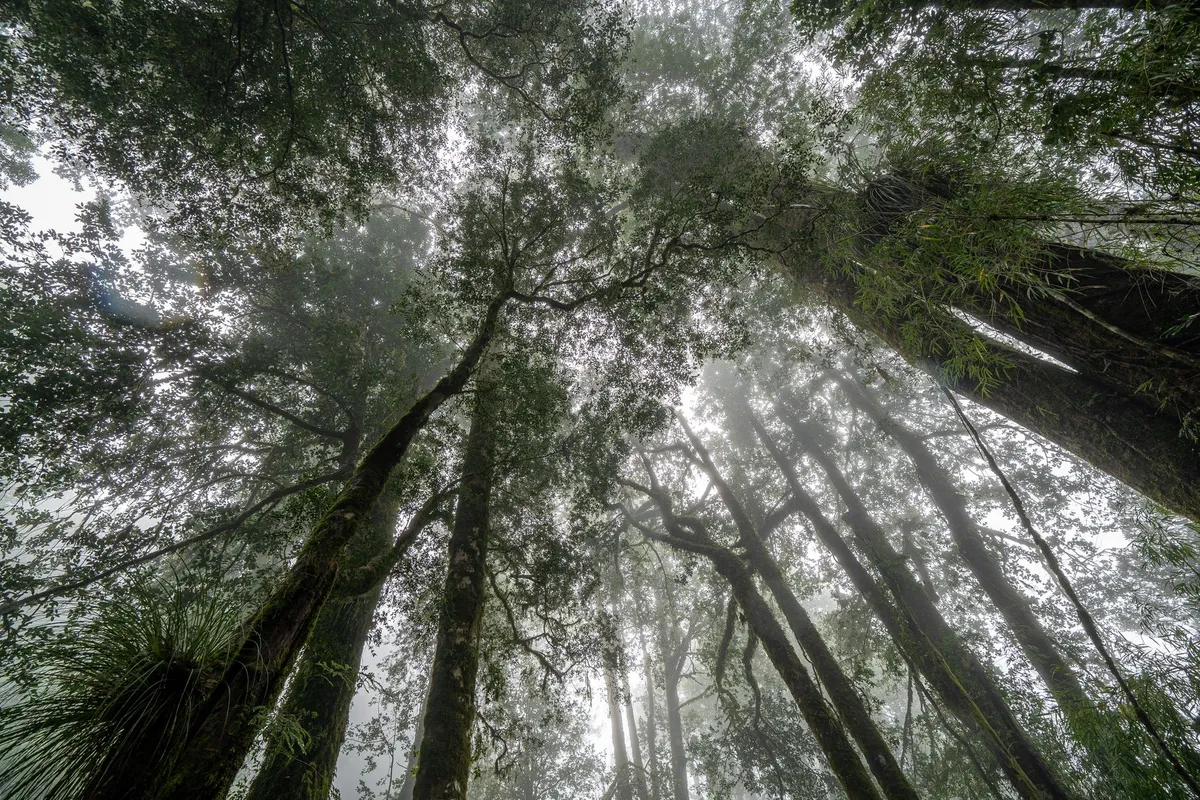
Footsteps on the Edge of Time The Tarkine stretches across 447,000 hectares of north‑west Tasmania, a living museum of Gondwanan flora that has survived ice ages, volcanic upheavals, and the slow creep of human industry. When I first set foot on the damp, spongy floor of the Myrtle Beech groves, the air tasted of wet stone and sweet eucalypt oil. The canopy, a cathedral of 60‑metre giants, filters sunlight into a green‑gold mosaic that shifts with every breeze. Planning a multi‑day trek here begins with the Tarkine Coast Track, a 55‑kilometre route that threads between the Southern Ocean and the rainforest’s interior. The track is divided into four sections, each demanding a different skill set: coastal navigation on exposed headlands, river crossings on the Arthur River, and steep ascents through the Meredith Range. I recommend allocating five nights to absorb the rhythm of the forest — two nights at the coastal campsite near Sandy Cape, one at the historic mining settlement of Corinna, and two deeper in the wilderness at the Savage River hut. Logistics are straightforward but unforgiving. The nearest sealed road ends at the Arthur River bridge; from there a 4WD track leads to the trailhead. Fuel, food, and water must be carried in, as there are no resupply points beyond the small general store at Corinna. A satellite messenger or PLB is non‑negotiable; mobile coverage evaporates once you pass the last farm gate. Where the Myrtle Beech Whispers The Myrtle Beech (Nothofagus cunninghamii) dominates the Tarkine’s heart, its smooth, cinnamon‑barked trunks forming a continuous canopy that shelters an understory of ferns, mosses, and the endemic Tasmanian waratah. Walking among these trees feels like moving through a library where every leaf is a page of evolutionary history. The species is a relic of the ancient supercontinent Gondwana, and its presence here is one of the few places on Earth where it still forms extensive pure stands. Birdsong punctuates the silence: the sharp “tsee‑tsee” of the pink robin, the low boom of the Tasmanian wedge‑tailed eagle, and, if you’re lucky, the haunting call of the orange‑bellied parrot — one of the world’s rarest migratory birds, which uses the Tarkine’s coastal heathlands as a critical stopover. Mammals are more elusive; the Tasmanian devil forages at night, leaving distinctive scat on the trail, while the eastern quoll darts through the leaf litter. A practical tip: carry a lightweight field guide (or a downloaded PDF) to identify the 200‑plus plant species you’ll encounter. The Tarkine’s flora includes the ancient King Billy pine, the delicate leatherwood, and the carnivorous sundew that traps insects on sticky tentacles. Knowing what you’re looking at deepens the experience and aids citizen‑science projects that monitor biodiversity health. Navigating the Wild River Corridors The Arthur River, the longest river wholly within Tasmania, carves a sinuous path through the Tarkine, creating a series of deep gorges, tranquil pools, and rapid‑filled chutes. Crossing it is the most technical part of the trek. The official crossing point at the Arthur River bridge is a steel structure built in the 1960s for logging trucks; it remains the only reliable dry crossing for hikers. From the bridge, the track follows the river’s left bank, weaving through riparian zones where the water’s edge is lined with swamp gum and paperbark. Here, the trail can become a muddy scramble after rain, so waterproof gaiters and a sturdy pair of trekking poles are essential. I learned the hard way that a sudden downpour can raise the river level by half a metre in under an hour, turning a shallow ford into a dangerous torrent. For those seeking a longer immersion, the Savage River loop adds 30 kilometres of remote valley walking. The Savage River hut, a basic three‑room shelter maintained by the Parks and Wildlife Service, offers a dry roof and a rainwater tank — but no cooking facilities. Bring a portable stove, fuel canisters, and a bear‑proof food container (the latter is mandatory under Tasmanian law to protect wildlife). Campfire Stories Beneath the Canopy Evenings in the Tarkine are a symphony of nocturnal life. After a day of climbing the Meredith Range’s quartzite ridges, the temperature drops to single digits, and the forest exhales a cool, fragrant mist. Setting up a tarp shelter under a stand of towering eucalypts provides both protection and a front‑row seat to the night sky — one of the darkest in Australia, rated Bortle Class 2. Cooking is simple: dehydrated meals rehydrated with boiled river water (filtered through a 0.2‑micron pump), supplemented by locally sourced wallaby jerky and Tasmanian pepperberry. The pepperberry’s sharp, citrusy heat adds a unique twist to otherwise bland rations. Remember to pack out all waste; the Tarkine’s “Leave No Trace” policy is strictly enforced, and rangers conduct random checks. Storytelling around the campfire (or headlamp, when fire bans apply) connects you to the land’s deep human history. The Palawa people have walked these valleys for over 35,000 years, leaving middens, rock art, and cultural landscapes that are still being documented. Respectful visitors can join guided cultural walks offered by the Tasmanian Aboriginal Centre, which illuminate the spiritual significance of sites like the Sundown Point petroglyphs. Budgeting the Journey: Real Costs on the Ground Understanding the financial side of a Tarkine expedition prevents surprises. The live cost‑of‑living data for Tasmania shows a digital‑nomad baseline of $3,858 per month, but a focused hiking trip compresses expenses into a two‑week window. Below is a breakdown tailored to a solo trekker carrying all gear, based on current Tasmanian prices.Expense Category Estimated Cost (AUD) NotesAccommodation (pre‑/post‑trek) $1,372 – $4,844 Range reflects hostel dorms to private cabins in nearby towns (Smithton, Stanley).Food & Groceries $389 Two weeks of dehydrated meals, snacks, and fresh produce bought in Launceston.Dining Out (pre‑/post‑trek) $506 Occasional restaurant meals in Devonport or Burnie.Transport (fuel, ferry, 4WD hire) $172 Fuel for 600 km round‑trip + $50 for the Spirit of Tasmania ferry if arriving from mainland.Park Permits & Fees $30 Tarkine Wilderness Permit (per person, per night).Gear Rental (satellite messenger, PLB) $120 14‑day rental from Hobart outdoor shop.Insurance (travel & medical) $85 Comprehensive policy covering remote evacuation.Total Approximate $2,674 – $6,146 Varies with accommodation choice and gear ownership.These figures assume you already own a quality backpack, tent, and clothing. If you need to purchase core gear, add another $1,200–$2,500. The table demonstrates that a well‑planned Tarkine hike can be achieved for under $3,000 if you camp throughout and source food economically. The Echo That Lingers Leaving the Tarkine feels like stepping out of a dream you didn’t know you were dreaming. The scent of wet bark clings to your clothes, the sound of the Arthur River lingers in your ears, and the memory of a wedge‑tailed eagle’s silhouette against a bruised sunset settles into your ribs. This place does not merely exist on a map; it lives in the pulse of every ancient tree, every hidden waterfall, every breath of wind that has travelled unchanged for millennia. If you carry the Tarkine’s silence back to the city, you’ll find it reshaping how you listen — to colleagues, to loved ones, to the quiet moments between notifications. The wilderness teaches a rhythm that no spreadsheet can quantify, yet the numbers above prove the journey is reachable. Pack light, tread softly, and let the forest write its story on you. #Travel #Tarkine #Tasmania #Hiking #Wilderness Related InsightsBeautiful World, Where Are You Book Review and Summary I Know Why the Caged Bird Sings Book Review and Summary >-