Showing Posts From
Tears of tess
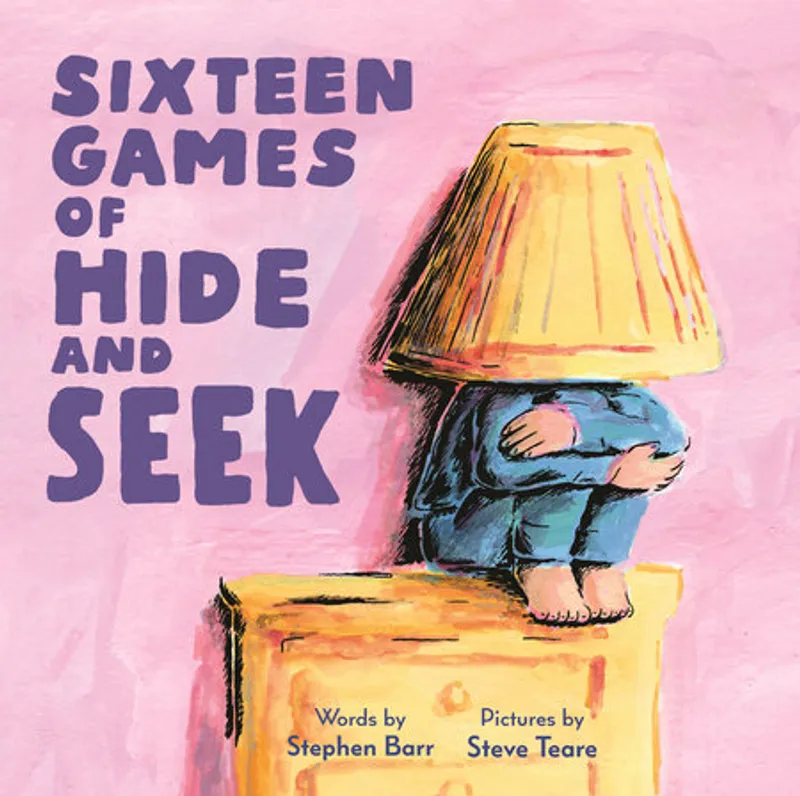
Sixteen Games of Hide and Seek Author: Stephen BarrPage Count: UnknownPublication Date: 2026-PRH Stephen Barr’s Sixteen Games of Hide and Seek is a masterclass in psychological suspense, a novel that burrows into the reader’s mind like a tick, refusing to let go. Set against an unspecified backdrop that feels both timeless and eerily contemporary, Barr crafts a narrative that is as much about the games people play as it is about the secrets they keep. The book’s central theme—identity as a shifting, elusive construct—is explored through a series of sixteen interconnected vignettes, each a game of cat and mouse where the stakes are nothing less than the very essence of self. Barr’s style is deceptively simple, a sleight of hand that masks the complexity beneath. His prose is clean, almost clinical at times, but this restraint only heightens the unease. There are no grand declarations, no overwrought metaphors; instead, Barr lets the tension simmer in the silences, in the gaps between words. The effect is reminiscent of a Hitchcock film, where the dread comes not from what is shown but from what is implied. The reader is left to piece together the puzzle, to play their own game of hide and seek with the text. The novel’s structure is its most daring feature. Sixteen games, sixteen perspectives—each chapter could stand alone as a short story, yet together they form a cohesive whole. This modular approach allows Barr to explore different facets of his theme, from the way memory distorts identity to the performative nature of human interaction. Some games are playful, others sinister; a few are downright cruel. But all of them serve to underscore the central question: How well do we ever truly know ourselves, let alone others? One of the book’s most chilling sections involves a man who, over the course of a year, assumes the identity of a stranger he meets in a bar. The transformation is gradual, almost imperceptible at first, but by the end, the reader is left questioning where the performance ends and the man begins. Barr’s genius lies in making this transformation feel inevitable, as if identity were nothing more than a costume we shed and don without realizing it. Another standout is a chapter where a woman plays a game of hide and seek with her own reflection. The game starts innocently enough—a childish pastime—but soon spirals into something far darker. The reflection begins to change, to age, to mock her. The chapter is a haunting meditation on self-perception and the fear of irrelevance, a theme that resonates deeply in an age of curated identities and fleeting digital legacies. Barr’s characters are equally compelling, each trapped in their own game of hide and seek. There’s the aging actor clinging to a role that no longer fits, the scientist who discovers a way to erase memories only to realize he can’t remember why he wanted to in the first place, and the child who plays a game with a stranger that turns out to be far more dangerous than any board game. These characters are not heroes or villains, but flawed, relatable humans caught in the machinery of their own making. The book’s title, Sixteen Games of Hide and Seek, is a masterstroke. Hide and seek is, at its core, a game of deception and discovery, of hiding in plain sight while searching for the unseen. Barr takes this simple premise and twists it into something far more sinister, a metaphor for the games we all play in life—with ourselves, with each other, with the world. The number sixteen is no accident either; it suggests a finite number of possibilities, a limit to the games we can play before the rules change or the players give up. Barr’s writing is not just clever; it’s unsettling. He has a knack for making the familiar feel alien, the mundane feel ominous. A simple conversation between two strangers becomes a minefield of unspoken intentions. A walk in the park is no longer just a walk but a potential escape route. This ability to infuse the ordinary with dread is what makes Sixteen Games of Hide and Seek so compelling. If there is a flaw to be found, it’s in the book’s brevity. Sixteen games, while enough to explore the theme, leave the reader wanting more. Some chapters feel truncated, as if Barr is holding back, teasing the reader with the promise of deeper revelations that never quite materialize. But perhaps this is intentional—a game in itself, leaving the reader to fill in the gaps, to play their own part in the deception. In the end, Sixteen Games of Hide and Seek is a book that lingers. It’s not the kind of novel that offers easy answers or neat resolutions. Instead, it leaves the reader questioning, probing, playing their own game of hide and seek with the text long after the final page. Barr has crafted a work that is as thought-provoking as it is entertaining, a rare achievement in modern fiction. #StephenBarr #PsychologicalSuspense #IdentityCrisis #HideAndSeek #LiteraryThriller #MindGames Related InsightsFramed Book Review and Summary The Need Book Review and Summary The Night Circus Book Review and Summary{ "@context": "https://schema.org", "@type": "FAQPage", "mainEntity": [ { "@type": "Question", "name": "What is the main focus of Tears of Tess Book Review and Summary?", "acceptedAnswer": { "@type": "Answer", "text": "Everything you need to know about Tears of Tess with our detailed review." } }, { "@type": "Question", "name": "Who authored the comprehensive guide on Tears of Tess Book Review and Summary?", "acceptedAnswer": { "@type": "Answer", "text": "This detailed article and its insights were carefully researched and authored by Pepper Winters." } }, { "@type": "Question", "name": "Where can I find more related content about Books?", "acceptedAnswer": { "@type": "Answer", "text": "You can explore more articles, detailed reviews, and similar insights by browsing the Related Insights section at the bottom of this article or visiting our dedicated Books category page." } } ] }