Showing Posts From
Tech
-
 John Doe
 - 15 Jun, 2026 10:00
The Heartbeat of the Modern World: A Deep Dive into the Lithium-Ion Battery
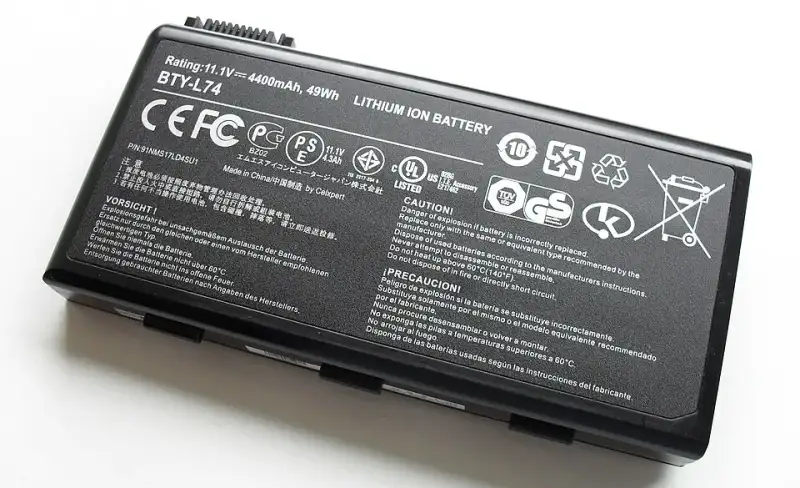
The Heartbeat of the Modern World: A Deep Dive into the Lithium-Ion Battery In the grand tapestry of human technological advancement, certain inventions stand out as fundamental pillars that have irreversibly altered the trajectory of our civilization. The wheel, the printing press, the steam engine, and the semiconductor all hold their rightful places in the pantheon of human ingenuity. Yet, as we navigate the complexities of the 21st century, another ubiquitous but often overlooked marvel silently powers our daily existence: the lithium-ion battery. From the smartphones nestled in our pockets to the electric vehicles silently gliding down our highways, and the massive grid storage facilities balancing renewable energy sources, the lithium-ion battery is the unsung hero of the modern era. It is the lifeblood of our increasingly portable, connected, and electrified world. #LithiumIon #TechRevolution #ModernEnergy To truly appreciate the magnitude of this technology, one must look beyond the sleek exterior of our modern devices and delve into the fascinating microscopic dance of ions that makes it all possible. This comprehensive exploration will unravel the rich history of the lithium-ion battery, demystify its intricate electrochemical workings, dissect the various chemical formulations that tailor it to specific applications, and address the pressing environmental and geopolitical challenges that accompany its global dominance. Furthermore, we will cast our gaze toward the horizon, examining the future of energy storage and the innovations poised to revolutionize the industry once again. #BatteryTech #EnergyStorage #ScienceExplained The Genesis: From Dream to Commercial Reality The journey of the lithium-ion battery is a testament to the power of perseverance, international collaboration, and the relentless pursuit of scientific understanding. The narrative begins in the tumultuous decade of the 1970s, an era defined by geopolitical instability and a global oil crisis that starkly highlighted the vulnerabilities of fossil fuel dependency. It was against this backdrop that researchers worldwide intensified their search for alternative energy storage solutions, recognizing that a sustainable future required a dramatic shift in how we harness and deploy power. #BatteryHistory #EnergyCrisis #Innovation At the forefront of this scientific endeavor was British chemist M. Stanley Whittingham, working at Exxon. Whittingham was exploring the concept of superconductivity when he discovered an extremely energy-rich material: titanium disulfide. He realized that this material could house lithium ions within its molecular structure—a process known as intercalation. Whittingham ingeniously paired a titanium disulfide cathode with an anode made of metallic lithium. The resulting battery was revolutionary, boasting an unprecedented voltage and the ability to operate at room temperature. However, the use of pure metallic lithium presented a catastrophic flaw: the formation of needle-like structures called dendrites. As the battery was repeatedly charged and discharged, these dendrites grew from the anode, eventually piercing the separator and causing short circuits that frequently led to spectacular and dangerous fires. Exxon ultimately deemed the technology too hazardous for commercialization. #ScienceHistory #Whittingham #Chemistry The torch was subsequently passed to John B. Goodenough, an American physicist working at the University of Oxford in the 1980s. Goodenough possessed a profound understanding of solid-state physics and reasoned that metal oxides would offer a superior alternative to metal sulfides for the cathode material. After rigorous experimentation, Goodenough's team discovered that lithium cobalt oxide (LCO) could serve as an exceptional cathode. This material not only safely housed lithium ions but also nearly doubled the voltage potential of Whittingham's earlier design. Goodenough's breakthrough was a watershed moment, providing the high energy density necessary to power portable electronics. #NobelPrize #JohnGoodenough #MaterialsScience Yet, the danger of the metallic lithium anode remained unresolved. Enter Akira Yoshino, a Japanese chemist at the Asahi Kasei Corporation. In 1985, Yoshino completely eliminated pure lithium from the battery, substituting the metallic anode with a carbonaceous material—specifically, petroleum coke—that could safely intercalate lithium ions just like the Goodenough cathode. This momentous modification birthed the first safe, viable prototype of the modern lithium-ion battery. It was no longer a fire hazard, but a robust, rechargeable power source capable of enduring hundreds of cycles. Recognizing the monumental commercial potential, Sony partnered with Asahi Kasei to release the world's first commercial lithium-ion battery in 1991. This trio of visionaries—Whittingham, Goodenough, and Yoshino—was rightfully awarded the Nobel Prize in Chemistry in 2019, cementing their legacy as the architects of the wireless revolution. #AkiraYoshino #Sony #NobelLaureates The Anatomy of a Powerhouse: How It Works To understand the magic of a lithium-ion battery, one must visualize it not as a static reservoir of power, but as a dynamic, microscopic ecosystem where billions of ions engage in a continuous, synchronized migration. At its core, every lithium-ion cell is composed of four primary components: the cathode (positive electrode), the anode (negative electrode), the electrolyte, and the separator. The fundamental operating principle is eloquently simple and is often referred to as the "rocking-chair" mechanism, describing the gentle back-and-forth movement of lithium ions between the two electrodes. #Electrochemistry #RockingChairMechanism #BatteryScience The cathode is the source of the lithium ions and dictates the battery's voltage and overall capacity. It is typically composed of a lithium metal oxide structure. The anode, conversely, is responsible for storing the lithium ions when the battery is fully charged and is almost universally constructed from graphite, a crystalline form of carbon. Separating these two electrodes is a microscopically thin, porous polymer membrane known as the separator. This vital component prevents physical contact between the anode and cathode—which would cause a catastrophic short circuit—while simultaneously allowing the infinitesimally small lithium ions to pass through its pores. #BatteryComponents #GraphiteAnode #Cathode Bathing the entire internal structure is the electrolyte, a chemical medium that facilitates the transport of ions. In traditional lithium-ion batteries, this electrolyte is a liquid solution comprising lithium salts, such as lithium hexafluorophosphate (LiPF6), dissolved in organic carbonate solvents. #Electrolyte #LiPF6 #ChemicalEngineering When you plug your device into a charger, an external electrical current is applied to the cell. This energy forces the lithium ions to detach from the cathode lattice. They dive into the liquid electrolyte, swim through the pores of the separator, and embed themselves within the layered atomic structure of the graphite anode. This process is known as intercalation. The battery is now in a charged state, akin to a coiled spring brimming with potential energy. #Intercalation #ChargingCycle #TechExplained When you unplug the device and begin to use it, the process reverses. The lithium ions, seeking a more stable energy state, spontaneously release themselves from the graphite anode and travel back across the electrolyte and separator to nestle once again within the cathode. As they make this internal journey, electrons—which cannot pass through the electrically insulating separator—are forced to travel through the external circuit of your device, providing the electrical current that illuminates your screen, powers your processor, or turns the wheels of an electric vehicle. #DischargeCycle #Electricity #PowerGeneration A Symphony of Materials: Chemistries and Trade-offs While the fundamental "rocking-chair" mechanism remains constant, not all lithium-ion batteries are created equal. The specific performance characteristics of a battery—its energy density, power output, lifespan, safety profile, and cost—are heavily dictated by the precise chemical composition of its cathode. This has led to the development of a diverse family of lithium-ion chemistries, each tailored to excel in distinct applications. There is no universally perfect battery; there are only calculated trade-offs. #BatteryChemistries #MaterialsEngineering #Innovation The pioneer of the commercial era, Lithium Cobalt Oxide (LCO), remains a staple in the realm of portable electronics. LCO boasts an exceptionally high specific energy, meaning it can store a tremendous amount of power in a very compact, lightweight package. This makes it the undisputed champion for smartphones, tablets, and laptops, where every millimeter of space and gram of weight is fiercely contested. However, LCO is hampered by a relatively short lifespan, poor thermal stability (making it prone to overheating), and a heavy reliance on cobalt—a toxic, expensive, and ethically fraught metal. #LCO #ConsumerElectronics #Smartphones For applications demanding high power and greater stability, such as power tools, e-bikes, and the vast majority of modern electric vehicles (EVs), the industry has pivoted toward Lithium Nickel Manganese Cobalt Oxide (NMC). NMC is the workhorse of the EV revolution. By blending the high energy density of nickel, the structural stability of manganese, and the conductive properties of cobalt, engineers can fine-tune the cathode's performance. The automotive industry is constantly pushing for lower cobalt and higher nickel content (such as NMC 811) to increase driving range and reduce costs, though this requires highly sophisticated battery management systems to maintain safety. #NMC #ElectricVehicles #EVRevolution A close cousin to NMC is Lithium Nickel Cobalt Aluminum Oxide (NCA), famously championed by Tesla and Panasonic. NCA shares many of the high-energy characteristics of NMC but substitutes manganese with aluminum to enhance the battery's overall lifespan and structural integrity. It offers exceptional driving range and fast-charging capabilities, cementing its status in the premium EV market. #NCA #Tesla #CleanEnergy Contrasting sharply with the nickel-based chemistries is Lithium Iron Phosphate (LFP). While LFP possesses a significantly lower energy density than NMC or NCA—meaning an LFP battery will be heavier and bulkier for the same amount of power—it compensates with an unmatched safety profile and an extraordinary cycle life. The robust chemical bond between iron, phosphorus, and oxygen makes LFP highly resistant to thermal runaway, even when punctured or severely damaged. Furthermore, LFP entirely eliminates the need for expensive nickel and controversial cobalt, utilizing abundant, low-cost materials. Originally confined to heavy-duty applications like electric buses and grid-scale storage, LFP has experienced a massive resurgence in recent years, increasingly powering standard-range passenger EVs due to its cost-effectiveness and unparalleled longevity. #LFP #EnergyStorage #SustainableTech On the anode side of the equation, the pursuit of greater energy capacity is leading researchers away from traditional graphite and toward silicon. A single silicon atom can theoretically bind with four lithium ions, offering a staggering tenfold increase in capacity compared to graphite. However, silicon undergoes severe volumetric expansion—swelling by up to 300% during charging—which causes the anode to physically fracture and degrade rapidly. The current industry compromise involves blending small amounts of silicon into graphite anodes, a delicate balancing act that incrementally boosts capacity without compromising structural integrity. #SiliconAnode #NextGenBatteries #MaterialScience The Manufacturing Odyssey The transformation of raw metallic powders and chemical solvents into a precision-engineered, high-performance battery cell is a marvel of modern industrial manufacturing. The process is remarkably complex, demanding exacting tolerances, hyper-clean environments, and sophisticated automation. #ManufacturingProcess #IndustrialTech #Engineering The odyssey begins in the mixing room, where the active cathode or anode powders are meticulously blended with specialized polymer binders and conductive carbon additives. This dry mixture is then combined with a solvent to create a viscous, ink-like substance known as a slurry. The consistency and homogeneity of this slurry are paramount; even microscopic agglomerations can create "hot spots" that severely degrade battery performance. #BatterySlurry #ChemicalProcessing #QualityControl Next, the slurry undergoes a coating process. It is continuously pumped onto a massive, rapidly moving roll of ultra-thin metallic foil—aluminum for the cathode and copper for the anode. The coated foil passes through sprawling, multi-stage drying ovens that meticulously evaporate the solvent, leaving behind a solid, uniform layer of electrode material firmly adhered to the metal current collector. To maximize the battery's energy density, the coated foils are subsequently fed through massive, highly pressurized rollers in a process called calendering. This compresses the electrode material to an exact porosity, ensuring optimal electrical conductivity and ion transport. #RollToRoll #ElectrodeCoating #PrecisionManufacturing The giant rolls of calendered electrodes are then slit into precise widths and transferred to an ultra-dry environment, as even trace amounts of ambient humidity can fatally react with the battery's internal components. In the assembly phase, the anode, cathode, and polymeric separator are layered together. In cylindrical cells (like those ubiquitous in laptops and many EVs), these layers are tightly wound together into a spiral structure known as a "jelly roll." In pouch or prismatic cells, the layers are stacked individually or continuously z-folded. #JellyRoll #CellAssembly #DryRoom The assembled internal structure is inserted into its final casing—a steel cylinder, a rigid aluminum rectangle, or a flexible polymer pouch. The cell is securely welded, leaving only a tiny port open. Through this port, the liquid electrolyte is vacuum-injected, completely saturating the internal pores of the electrodes and separator. Finally, the cell is permanently sealed. #ElectrolyteFilling #CellSealing #BatteryProduction However, the manufacturing process is not yet complete. The freshly sealed cell is essentially dormant; it must be brought to life through a critical, time-consuming process known as "formation." During formation, the battery undergoes its very first, carefully controlled charge and discharge cycles at highly specific voltages and temperatures. This initial charging process electrochemically decomposes a small fraction of the electrolyte, forming a protective microscopic shield on the surface of the graphite anode called the Solid Electrolyte Interphase (SEI). A stable, robust SEI layer is absolutely critical for the battery's long-term safety and lifespan. Once formation is complete, the cells undergo rigorous quality assurance testing and a period of aging to identify any latent defects before they are shipped to power the world. #SEILayer #BatteryFormation #QualityAssurance The Shadows: Degradation, Safety, and Thermal Runaway Despite its transformative capabilities, the lithium-ion battery is not invincible. It is inherently a consumable component, subject to irreversible electrochemical wear and tear over time. Furthermore, the immense amount of energy densely packed within these cells necessitates profound respect for safety protocols. Understanding the mechanisms of degradation and failure is crucial for pushing the boundaries of battery technology. #BatteryDegradation #SafetyFirst #TechChallenges The primary culprit behind a battery's gradual loss of capacity is the continuous thickening of the SEI layer. While the initial SEI layer formed during manufacturing is essential for protection, it slowly but inexorably continues to grow with every charge and discharge cycle. This parasitic growth consumes active lithium ions, permanently removing them from the rocking-chair mechanism, and simultaneously increases the internal electrical resistance of the cell. Eventually, the battery can no longer hold a practical charge. #CapacityFade #LithiumLoss #BatteryLife Another severe degradation mechanism is lithium plating. If a battery is charged too rapidly (fast charging) or at excessively low temperatures, the lithium ions may not be able to intercalate into the graphite structure fast enough. Instead, they pile up on the surface of the anode, reverting to metallic lithium. This not only causes a massive loss of usable capacity but also seeds the growth of dendrites. #LithiumPlating #FastCharging #ColdWeather Dendrites are the terrifying specter haunting the lithium-ion industry. These microscopic, needle-like metallic projections grow from the anode towards the cathode. If a dendrite manages to pierce the incredibly thin polymer separator, it creates an internal short circuit. The massive, uncontrolled flow of electrical current generates intense, localized heat. Because the liquid electrolyte is highly flammable and the metal oxide cathode readily releases oxygen when heated, this short circuit can trigger a catastrophic chain reaction known as thermal runaway. #Dendrites #ShortCircuit #ThermalRunaway During thermal runaway, the temperature inside the cell surges exponentially in seconds, causing the electrolyte to boil and rupture the casing, resulting in violent venting, smoke, and self-sustaining fires that are notoriously difficult to extinguish. To mitigate these risks, modern battery packs—especially in EVs—are equipped with sophisticated Battery Management Systems (BMS). The BMS acts as the brain of the battery, continuously monitoring the voltage, current, and temperature of every individual cell, dynamically adjusting charging rates, and actively cooling the pack to prevent dangerous conditions. #BMS #BatterySafety #EngineeringSolutions The Geopolitical and Environmental Equation The exponential surge in demand for lithium-ion batteries has precipitated a global scramble for the raw materials necessary to build them. This insatiable appetite has profoundly reshaped global supply chains and brought complex geopolitical and environmental issues to the forefront. The metals required—lithium, cobalt, nickel, and manganese—are heavily concentrated in specific geographic regions, creating strategic vulnerabilities and intense international competition. #Geopolitics #SupplyChain #CriticalMinerals Lithium, often dubbed "White Petroleum," is primarily extracted in two ways. In the arid salt flats of the "Lithium Triangle" (Chile, Argentina, and Bolivia), lithium-rich brine is pumped to the surface and left to evaporate in massive, colorful ponds over several months. While relatively low-cost, this method consumes vast amounts of scarce water resources in already parched ecosystems, negatively impacting indigenous communities and local agriculture. Alternatively, lithium is mined from hard rock spodumene deposits, predominantly in Australia. This process is faster but significantly more energy-intensive, leaving a larger carbon footprint. #LithiumMining #WhitePetroleum #WaterScarcity Cobalt presents the most profound ethical and geopolitical challenges. Over 70% of the world's cobalt supply is mined in the Democratic Republic of the Congo (DRC). While large-scale industrial mining accounts for the majority of output, a significant portion is extracted by artisanal miners operating in horrific, unregulated conditions. Reports of child labor, severe human rights abuses, and devastating environmental degradation have plagued the DRC's cobalt industry. Consequently, battery manufacturers and automakers are aggressively engineering new chemistries to reduce or entirely eliminate cobalt from their supply chains. #CobaltMining #HumanRights #DRC Nickel, essential for high-energy EV batteries, carries its own environmental baggage. The processing of laterite nickel ores, predominantly found in Indonesia, relies heavily on High-Pressure Acid Leaching (HPAL)—a complex, capital-intensive process that generates massive quantities of toxic tailings. Disposing of this waste safely in tropical, seismically active regions is an ongoing environmental challenge. Furthermore, the processing of these metals is heavily dominated by China, granting them immense geopolitical leverage over the global energy transition. The realization of a truly sustainable, electrified future demands not only technological innovation but also a complete paradigm shift towards responsible, transparent, and diversified global mining practices. #Nickel #EnvironmentalImpact #GlobalTrade The Afterlife: Recycling and the Circular Economy As the first generation of mass-market electric vehicles approaches the end of its operational lifespan, the world is facing a looming wave of spent lithium-ion batteries. Disposing of these incredibly dense, chemically complex, and potentially hazardous modules in landfills is both an environmental disaster and a catastrophic waste of valuable resources. Consequently, establishing a robust, efficient recycling infrastructure is arguably the most critical hurdle facing the battery industry today. The goal is to forge a "circular economy" where the metals from old batteries are continuously recovered and repurposed to build new ones. #BatteryRecycling #CircularEconomy #Sustainability Currently, battery recycling is a technologically daunting and economically challenging endeavor. Traditional methods predominantly rely on pyrometallurgy, a process that involves literally tossing whole batteries into massive, energy-intensive smelting furnaces. While pyrometallurgy effectively recovers valuable heavy metals like cobalt, nickel, and copper in a mixed alloy form, the crucial lithium, aluminum, and organic electrolytes are completely destroyed or lost in the slag. #Pyrometallurgy #RecyclingChallenges #Ewaste The industry is rapidly pivoting toward more sophisticated hydrometallurgical techniques. In hydrometallurgy, the spent batteries are meticulously discharged, mechanically shredded into a substance known as "black mass," and then subjected to a series of chemical leaching processes using potent acids and solvents. This complex chemical separation allows for the highly efficient recovery of battery-grade lithium, cobalt, nickel, and manganese salts, which can then be directly reintegrated into the manufacturing supply chain. However, hydrometallurgy requires massive chemical inputs, generates highly toxic wastewater, and demands extensive purification steps. #Hydrometallurgy #BlackMass #GreenTech A nascent but highly promising frontier is "direct recycling." Instead of destroying the complex crystalline structure of the cathode material only to rebuild it from scratch, direct recycling seeks to physically separate the cathode powder, clean it, and "heal" its degraded structure by re-injecting fresh lithium. If successfully scaled, direct recycling promises to drastically reduce the energy consumption, chemical waste, and overall cost of recycling. #DirectRecycling #Innovation #CleanEnergyTransition Beyond chemical recycling, a vibrant market is emerging for "second-life" applications. An EV battery is typically considered at the end of its automotive life when its capacity drops to around 80%. While no longer capable of providing sufficient driving range, these batteries still possess a vast amount of viable energy storage capacity. Instead of being immediately recycled, these degraded packs can be repurposed for stationary grid storage, absorbing excess solar and wind power during the day and discharging it during peak evening hours, effectively extending their useful life by a decade or more. #SecondLifeBatteries #GridStorage #RenewableEnergy Beyond Lithium-Ion: The Horizon of Energy Storage While the lithium-ion battery will undoubtedly remain the bedrock of global energy storage for the foreseeable future, the inherent physical limitations of the technology are coming into sharp focus. The quest for greater energy density, faster charging speeds, superior safety, and absolute independence from critical, scarce minerals is driving intense research into next-generation battery architectures. The horizon is teeming with innovative contenders vying to dethrone, or at least supplement, the lithium-ion sovereign. #NextGenBatteries #FutureTech #EnergyInnovation The most highly anticipated breakthrough is the Solid-State Battery. As the name suggests, this architecture entirely replaces the highly flammable, unstable liquid electrolyte and polymer separator with a solid, ion-conducting ceramic or polymer layer. This fundamental shift eliminates the risk of catastrophic thermal runaway, creating a fundamentally safer cell. Furthermore, a solid electrolyte provides sufficient physical resistance to suppress the growth of dendrites, allowing for the use of a pure metallic lithium anode. This substitution theoretically doubles the energy density of the battery, promising electric vehicles that can travel over a thousand miles on a single charge and recharge in mere minutes. While solid-state technology remains extremely challenging to manufacture at scale, monumental billions are being poured into its commercialization. #SolidStateBatteries #QuantumScape #FutureOfEVs Another major avenue of research is the Lithium-Sulfur (Li-S) battery. By pairing a lithium metal anode with a sulfur-based cathode, engineers can achieve theoretical energy densities up to five times greater than traditional lithium-ion. Sulfur is abundant, extremely cheap, and environmentally benign. However, Li-S batteries are currently plagued by the "polysulfide shuttle effect," a complex chemical reaction that rapidly degrades the battery's capacity within just a few dozen cycles. Solving this electrochemical puzzle remains one of the holy grails of materials science. #LithiumSulfur #MaterialScience #Chemistry Simultaneously, the industry is witnessing the rapid rise of the Sodium-Ion (Na-ion) battery. Sodium sits directly below lithium on the periodic table and behaves in a remarkably similar electrochemical manner. However, sodium is thousands of times more abundant than lithium, readily extractable from the world's oceans, and completely immune to the geopolitical constraints associated with the Lithium Triangle. While sodium ions are larger and heavier than lithium ions—resulting in a lower energy density that makes them unsuitable for long-range EVs or lightweight electronics—sodium-ion batteries are exceptionally cheap to produce, perform remarkably well in extreme cold, and are perfectly positioned to dominate the massive, rapidly expanding market for stationary grid storage and low-cost urban transit. #SodiumIon #AbundantEnergy #GridScale Conclusion: The Pulse of Tomorrow The story of the lithium-ion battery is a magnificent narrative of human curiosity intersecting with desperate necessity. From a fragile, dangerous experiment in an oil company laboratory to the ubiquitous, indispensable powerhouse that defines our daily lives, its evolution has been nothing short of miraculous. It has untethered us from the wall socket, empowered the telecommunications revolution, and provided the critical technological foundation necessary to finally break our century-long addiction to fossil fuels. #LithiumBattery #EnergyTransition #ClimateAction As we stand on the precipice of a completely electrified global economy, the challenges are undeniable. We must untangle complex, ethically fraught supply chains, minimize ecological destruction, and conquer the monumental task of establishing a truly circular battery economy. Yet, the same relentless spirit of innovation that guided Whittingham, Goodenough, and Yoshino continues to drive thousands of brilliant minds worldwide. Whether through the perfection of solid-state architecture, the mastery of abundant sodium, or the relentless optimization of existing lithium-ion chemistries, the pursuit of superior energy storage remains the most critical technological endeavor of our time. The lithium-ion battery is not merely an invention; it is the beating heart of a cleaner, more sustainable, and infinitely more connected tomorrow. #TheFutureIsElectric #SustainableFuture #InnovationJourney #LithiumIon #Batteries #ElectricVehicles #EnergyStorage #Tech Related InsightsAI’s Alchemy in Pharma: How Generative Models Are Brewing the Next Blockbuster Drugs Fusing the Senses: The Integration of LiDAR and Computer Vision in Level 4 Autonomy Beyond the Fingerprint: Unlocking Identity with Iris, Vein, and Behavioral Biometrics{ "@context": "https://schema.org", "@type": "FAQPage", "mainEntity": [ { "@type": "Question", "name": "What is the main focus of The Heartbeat of the Modern World: A Deep Dive into the Lithium-Ion Battery?", "acceptedAnswer": { "@type": "Answer", "text": "An exhaustive exploration of the lithium-ion battery, unraveling its history, intricate chemistry, manufacturing processes, environmental impacts, and what the future holds for energy storage." } }, { "@type": "Question", "name": "Who authored the comprehensive guide on The Heartbeat of the Modern World: A Deep Dive into the Lithium-Ion Battery?", "acceptedAnswer": { "@type": "Answer", "text": "This detailed article and its insights were carefully researched and authored by John Doe." } }, { "@type": "Question", "name": "Where can I find more related content about Technology?", "acceptedAnswer": { "@type": "Answer", "text": "You can explore more articles, detailed reviews, and similar insights by browsing the Related Insights section at the bottom of this article or visiting our dedicated Technology category page." } } ] }

The Symphony of Keystrokes: The Ultimate Guide to Mechanical Keyboards There is a distinct, almost romantic rhythm to the sound of a well-tuned mechanical keyboard. It is a symphony of plastic, metal, and springs—a staccato drumbeat that accompanies the flow of thoughts onto a digital canvas. For decades, the ubiquitous, mushy rubber-dome keyboard dominated the desks of offices and homes around the world, treating typing as a purely utilitarian chore. But in recent years, a massive cultural and technological renaissance has taken place. The mechanical keyboard has returned from the annals of computing history to claim its rightful throne, captivating enthusiasts, gamers, and writers alike. #MechanicalKeyboards #TechRenaissance But what exactly is a mechanical keyboard? Why are people willing to spend hundreds, if not thousands, of dollars on a peripheral that comes free with most pre-built computers? This comprehensive guide will take you on a journey through the intricate, obsessive, and endlessly fascinating world of mechanical keyboards. Whether you are a competitive gamer looking for an edge, a programmer looking to save your fingers from fatigue, or simply an aesthetically minded desk-setup enthusiast, this guide will serve as your ultimate resource. #DeskSetup #PCGaming A Brief History: From Typewriters to Membranes and Back Again To appreciate the modern mechanical keyboard, one must briefly look back at the history of typing interfaces. The earliest typewriters were entirely mechanical marvels of levers, arms, and ink ribbons. They required immense physical force to operate but provided undeniably clear feedback. As the world transitioned to electronic computers in the mid-20th century, early terminals carried over this robust mechanical ethos. Keyboards in the 1970s and 1980s, such as the legendary IBM Model F and Model M, used incredibly complex and heavy physical switch mechanisms. They were built like tanks and cost a small fortune to manufacture. However, as the personal computing revolution exploded in the 1990s, manufacturers faced intense pressure to slash costs. The solution was the membrane and rubber-dome keyboard. By replacing dozens of individual mechanical switches with a single sheet of printed circuitry and a layer of molded rubber domes, manufacturers reduced the cost of a keyboard from a hundred dollars to mere pennies. The world embraced this cheaper alternative, and for two decades, the "mushy" typing experience became the global standard. The tactile magic of the early PC era was all but forgotten by the mainstream. #RetroTech #ComputingHistory The resurgence of mechanical keyboards began in the late 2000s and early 2010s, spearheaded almost entirely by the PC gaming community. Brands like Razer, SteelSeries, and Corsair realized that gamers needed precise, durable, and highly responsive inputs. They resurrected the Cherry MX mechanical switch—a design that had quietly survived in industrial point-of-sale systems—and wrapped it in aggressive, RGB-lit "gamer" aesthetics. Soon after, purists and typing enthusiasts splintered off from the gaming mainstream, creating the "Custom Mechanical Keyboard" community we know today. This subculture focused intensely on acoustics, premium materials, minimalist aesthetics, and the joy of DIY building. The Fundamentals: Anatomy of a Mechanical Switch To understand the appeal of mechanical keyboards, one must understand what happens beneath the keycaps. Most modern, budget-friendly keyboards use the aforementioned membrane technology. When you press a key, you collapse a rubber dome, which then pushes down on a membrane to complete an electrical circuit. This design has a fatal flaw: it offers no distinct tactile feedback until the key has "bottomed out" (hit the very bottom of the plastic housing). It feels like typing on a wet sponge. #KeyboardAnatomy #TechExplained A mechanical keyboard uses individual, self-contained physical switches beneath every single key. The classic MX-style mechanical switch is composed of four primary parts:The Housing: Divided into a top housing and a bottom housing, usually made of plastics like Nylon, Polycarbonate, or POM. The housing holds all the components together and significantly influences the switch's sound signature. The Stem: The moving plastic piece inside the switch. Its shape determines whether the switch is linear, tactile, or clicky. The top of the stem features a cross-shaped mount that holds the keycap. The Spring: A coiled metal spring that dictates the "weight" of the keystroke. Springs are measured in grams of force required to bottom out (e.g., a 62g spring vs. an 80g spring). The Contact Leaf: Two tiny pieces of metal inside the bottom housing. When the stem moves downward, it pushes the leaves together, completing the electrical circuit and registering the keystroke.This mechanism offers profound advantages. Mechanical switches are incredibly durable, often rated for 50 million to 100 million keystrokes. They offer absolute consistency, ensuring the keys feel identical year after year. Most importantly, because the actuation point (where the key registers) happens before the key bottoms out, typists can learn to strike keys with just enough force, floating over the keyboard and reducing long-term finger and wrist fatigue. #Ergonomics #TypingTips The Holy Trinity of Switches: Linear, Tactile, and Clicky If the mechanical keyboard is a musical instrument, the switches are its strings. They are the heart and soul of the typing experience. While there are hundreds of different boutique switches on the market today, almost all of them fall into three primary categories based on their feel and sound profile. #MechanicalSwitches Linear Switches Linear switches are the smoothest of the bunch. As the name implies, their travel path is a straight, uninterrupted line from top to bottom. There is no bump, no click, and no resistance other than the steady, linear pushback of the coil spring. Gamers heavily favor linear switches because the lack of a tactile bump allows for rapid, successive keystrokes without any physical friction interrupting the flow. Double-tapping keys in a fast-paced shooter feels effortless. The most famous example is the Cherry MX Red. However, the custom community has pushed the envelope far beyond basic Cherry switches. Enthusiasts now seek out boutique linear switches like the Gateron Ink Black V2, NovelKeys Cream, C³ Tangerines, and Alpaca switches. These switches are engineered with proprietary plastic blends to offer unprecedented, frictionless smoothness, especially when carefully lubricated by hand. #LinearSwitches #PCGamer Tactile Switches For software developers, copywriters, and anyone who types thousands of words a day, tactile switches are often the holy grail. Partway through the downward keypress, the stem of a tactile switch features a physical protrusion that brushes past the metal contact leaf. This creates a small, satisfying bump that you can feel in your fingertips, letting you know exactly when the keystroke has been registered. This feedback allows touch typists to stop pressing down the moment they feel the bump, preventing bottom-outs and increasing overall typing speed. The Cherry MX Brown is the quintessential entry-level tactile switch, often recommended to beginners as a middle-ground between gaming and typing. But for enthusiasts seeking a much more pronounced, sharp, and satisfying tactile event, switches like the Drop Holy Panda, Zealios V2, and Gazzew Boba U4T have become legendary gold standards. These "hyper-tactile" switches deliver a massive, rounded bump that makes typing feel incredibly rhythmic and purposeful. #TypingEnthusiast #TactileFeedback Clicky Switches Clicky switches take the tactile bump and add an intentional, audible, high-pitched "click" sound. This acoustic feedback is achieved either via a "click jacket" (a two-part plastic stem where the bottom sleeve slides down and violently snaps against the housing) or a "click bar" (a tiny metal bar stretched across the housing that gets pinged by the passing stem like a guitar string). Clicky switches offer the most sensory feedback of any switch type. You feel the sharp bump, and you hear the crisp click. The Cherry MX Blue is the most famous clicky switch, producing a nostalgic, typewriter-esque clatter. However, Kailh's Box Jade and Box Navy switches have revolutionized the clicky market with their thick click-bar mechanisms, producing a crisper, heavier, and far more satisfying acoustic signature. A crucial word of caution: clicky switches are notoriously loud. They are universally considered unacceptable for open-plan offices, quiet libraries, or shared living spaces. Bring them to work at your own peril. #ClickClack #OfficeEtiquette Beyond the Basics: Alternative Switch Technologies While the traditional MX-style mechanical switch dominates the current landscape, history and modern innovation have provided several fascinating alternative technologies that eschew traditional metal contact leaves. #VintageTech #KeyboardInnovation Buckling Springs (The IBM Legacy) No deep dive into mechanical keyboards is complete without paying respect to the grandfather of them all: the IBM Model M. Introduced in the 1980s, this massive, indestructible beige behemoth used patented "buckling spring" technology. Beneath each keycap sits a long coil spring. When pressed, the spring compresses until it literally buckles and folds outward, violently striking the side of the plastic barrel and completing a capacitive or membrane circuit below. This buckling action creates a massive, resonant metallic "PING" and a sharp, incredibly heavy tactile bump. It is a legendary, aggressive typing experience that many purists argue has never been surpassed by modern plastics. Topre (Electro-Capacitive) Hailing from Japan, Topre switches are a fascinating, highly premium hybrid. They utilize a rubber dome, but not in the cheap, mushy way budget keyboards do. Beneath a high-quality, perfectly tuned rubber dome sits a conical metal spring over a printed circuit board. As you press the key, the dome collapses (providing a beautifully rounded tactile bump), and the coil spring compresses. The PCB reads the change in capacitance generated by the spring's proximity and registers the keystroke well before the key bottoms out. Topre switches offer a deeply satisfying, thumping "thock" sound and a pillowy feel that is often described as typing on rain drops. Keyboards featuring Topre switches, such as the Happy Hacking Keyboard (HHKB) and Realforce lines, are extremely expensive but possess a fiercely loyal cult following. #Topre #HHKB Optical and Hall Effect Switches Modern competitive gaming has driven innovation toward hyper-fast response times and absolute durability. Optical switches eliminate metal contacts entirely, instead using a beam of infrared light inside the switch housing. When the stem moves down, it breaks (or allows) the light beam, instantly registering the key at the speed of light. Because there are no physical metal leaves to bounce against each other, optical switches don't require software "debouncing" algorithms, reducing input latency. Even more revolutionary are Hall Effect switches, like those utilized by Wooting and SteelSeries. These switches use magnets embedded in the stem and sensors on the PCB to measure the exact, analog distance the key has traveled in real-time. This allows users to dynamically set custom actuation points via software. You can set your WASD keys to an ultra-sensitive 0.1mm actuation for split-second strafing in a shooter, and your typing keys to a deeper 2.0mm actuation to prevent typos. It even enables true analog input, where pressing a key halfway makes a game character walk, and pressing it fully makes them sprint, much like the analog stick on a console controller. #GamingTech #HallEffect Form Factors: How Many Keys Do You Really Need? When you picture a keyboard, you likely visualize a standard "Full-Size" board with 104 or 108 keys. This includes the alphanumeric cluster, a function row (F1-F12), navigation keys (Home, End, Page Up), arrow keys, and a dedicated number pad on the far right. But in the mechanical keyboard world, bigger is rarely considered better. Removing rarely used keys frees up valuable desk real estate, allows you to bring your mouse closer to the center of your body for superior ergonomics, and vastly improves the aesthetic balance of a desk setup. #Ergonomics #Minimalism #DeskSetupTenkeyless (TKL / 80%): The most popular alternative layout. It simply chops off the number pad on the right side, leaving the arrow keys and navigation cluster perfectly intact. This is the ideal layout for gamers who need more sweeping space for their mouse but cannot live without dedicated arrow and function keys. 75%: A slightly more compact evolution of the TKL. It retains the function row and arrow keys but squishes everything together into a single, contiguous block without any gaps, saving an extra inch or two of width. 65%: The function row is completely removed, relegated to a secondary "layer" accessed by holding a "Fn" key (pressing Fn + 1 outputs F1). Dedicated arrow keys and a vertical column of essential navigation keys (like Delete and Page Up) remain. This is widely considered the perfect sweet spot for enthusiasts. 60%: The true minimalist standard. No function row, no number pad, no navigation cluster, and no dedicated arrow keys. Everything outside the alphanumeric cluster and modifiers is accessed via layers. It is highly portable, perfectly symmetrical, and incredibly popular among hardcore custom builders. 40% and Ortholinear: The extreme, uncompromising end of the spectrum. These tiny keyboards strip away the number row entirely, leaving only letters and a few modifiers. Typists use complex "chords" and multiple deeply programmed layers to type numbers and symbols. Furthermore, many of these boards are "Ortholinear," meaning the keys are aligned in a perfect, un-staggered grid. Proponents argue this vertical alignment is vastly superior for finger ergonomics, as it mimics the natural curling motion of the human hand rather than the slanted stagger inherited from mechanical typewriters. #Ortholinear #CustomLayoutsKeycaps: The Crown Jewels of Customization A keyboard's switches dictate how it feels, but its keycaps dictate how it looks and, to a surprisingly massive extent, how it sounds. Upgrading keycaps is the easiest and most profound visual transformation you can apply to a keyboard. #Keycaps #CustomPC The Plastics: ABS, PBT, and Beyond Keycaps are almost exclusively injection-molded from two types of plastic: Acrylonitrile Butadiene Styrene (ABS) and Polybutylene Terephthalate (PBT). ABS is the standard plastic used on almost all mass-market consumer keyboards. It is relatively cheap, easy to mold perfectly, and allows for extremely vibrant, saturated colors. However, ABS has a significant downside for typists: it degrades and wears quickly. Over time, the mild friction and natural oils from your fingertips polish the surface of the plastic, causing the keycaps to develop an unappealing, greasy-looking "shine." PBT is the discerning enthusiast's plastic of choice. It is a denser, vastly harder plastic that strongly resists finger oils and almost never develops a shine, even after years of heavy use. PBT keycaps typically feature a slightly textured, matte, sandy feel and produce a deeper, lower-pitched, "bassier" sound when struck. While PBT historically struggled to hold bright colors without warping during manufacturing, modern techniques have largely closed the color-vibrancy gap. In recent years, experimental materials have entered the fray. POM (Polyoxymethylene) keycaps offer a slick, buttery feel, while boutique artisan manufacturers have even produced entire keycap sets cast out of cold, heavy Ceramic, offering an acoustic signature unlike anything else on earth. The Legends: Double-Shot vs. Dye-Sublimation How the letters and symbols (the "legends") are applied to the keycaps is just as important as the material. Cheap, mass-market keyboards use pad printing or laser etching. These methods essentially paint the letters onto the surface, meaning they will inevitably chip, fade, and wear off entirely with heavy use, leaving you with blank plastic nubs. High-end enthusiast keycaps utilize two premium manufacturing methods to ensure the legends last forever. Double-shot injection molding is an incredibly complex process where the inner legend is molded out of one color of plastic, and then the outer shell of the keycap is molded entirely around it in a second color. Because the legend is a physical, three-dimensional piece of plastic running all the way through the cap, it is literally impossible for it to ever wear away. Dye-sublimation (Dye-Sub) is a process used primarily on PBT keycaps where intense heat is used to vaporize ink, sinking it deep into the molecular structure of the plastic itself, staining it permanently rather than resting on top. Both methods ensure that your keyboard will look pristine for decades to come. #Design #Engineering The Profiles: Sculpting the Typing Experience Keycaps are not perfectly flat cubes. They are sculpted into different vertical "profiles" designed to cradle your fingers and reduce reaching. The OEM profile is standard on most pre-built boards, featuring a medium height and a cylindrical top row angled toward the user. The legendary "Cherry" profile is similar but slightly lower in height, and is universally beloved by enthusiasts for its supreme comfort and fast typing angle. For those who love vintage aesthetics, high-profile sets like SA (Spherical All) and MT3 dominate the market. These towering, retro-looking keycaps feature deep, bowl-like spherical indents on the top that violently hug your fingertips. Because of the massive amount of empty plastic space inside them, high-profile caps act like acoustic echo chambers, producing a massive, cavernous, booming "thock" sound. Conversely, flat, "uniform" profiles like DSA and XDA feature all rows at the exact same height and angle. While some find them less ergonomic, their uniformity makes them incredibly versatile for mixing and matching keycaps across bizarre custom layouts like 40% and split ergonomic boards. Case Materials, Plates, and Mounting Styles Once you step past entry-level keyboards, the chassis (or case) itself becomes a primary focus of engineering. Budget keyboards use cheap, hollow, injection-molded ABS plastic cases that rattle and amplify high-pitched pinging noises. Premium custom keyboards are precision CNC-milled from massive, solid blocks of aircraft-grade 6063 Aluminum, Polycarbonate (for a frosted, translucent look that diffuses RGB lighting beautifully), or even solid brass and exotic woods. A heavy, dense case absorbs harsh vibrations and anchors the keyboard to the desk, creating a premium, luxurious heft. Inside the case sits the "Plate," the rigid sheet that holds the switches in place above the PCB. The material of the plate drastically changes the typing feel. Aluminum is the standard, offering a stiff, bright typing experience. Brass plates are incredibly rigid and produce a high-pitched, musical bottom-out sound. Polycarbonate and POM plates are soft and flexible, offering a bouncy, forgiving typing feel that reduces finger fatigue. FR4 (the same fiberglass material used to make PCBs) offers a highly desirable middle-ground: softer than aluminum, but crisper than polycarbonate. How the plate and PCB are mounted to the external case—the "Mounting Style"—is the deepest rabbit hole in modern keyboard design. Tray Mount: The oldest and cheapest method. The PCB is screwed directly into standoffs at the bottom of the case. This creates an uneven, stiff typing feel, as keys near the screws are rock hard, while keys in the middle flex. Top Mount: The plate features tabs that are screwed into the top frame of the case. This offers a much more consistent, even typing feel and a clean sound profile. Gasket Mount: The current industry obsession. The plate is sandwiched between the top and bottom case using thick strips of poron foam, silicone, or rubber gaskets. The plate and PCB never touch the hard metal of the case directly. This isolates vibrations and creates a remarkably soft, bouncy, and acoustically muted typing experience that is highly sought after. #KeyboardBuild #DIYThe Art of Tuning: Lubing, Filming, and Modding For the true mechanical keyboard enthusiast, simply buying expensive parts and snapping them together is not enough. A keyboard is not finished until it has been meticulously tuned. This is where the hobby transcends mere consumerism and becomes an exercise in obsessive craftsmanship. #Modding #DIYProject The single most impactful modification one can perform is switch lubrication. Using tiny paintbrushes and highly specialized, expensive industrial lubricants like Krytox 205g0 or TriboSys 3203, enthusiasts painstakingly open each individual switch and coat the internal friction points—the stem rails, the spring, and the bottom housing. This intensely tedious process, which can easily take three to four hours for a single keyboard, completely transforms the switch. It eliminates the scratchy acoustic sound of plastic rubbing against plastic, entirely kills metallic spring "ping," and makes the keystroke feel as smooth as gliding on warm glass. Many builders also add "Switch Films"—paper-thin gaskets placed between the top and bottom housing of the switch—to eliminate any microscopic wobble and tighten the sound profile. Stabilizers—the wire mechanisms that keep long keys like the Spacebar, Shift, and Enter key from wobbling left to right—also require immense attention. An un-tuned spacebar produces a horrific, high-pitched rattling noise that can ruin the acoustic profile of an entire $500 keyboard. Enthusiasts will "clip" the plastic feet off the stabilizer stems to make them strike the PCB perfectly flat. They will heavily lubricate the metal wire with thick dielectric grease (or specialized Krytox XHT-BDZ) to eliminate metal-on-plastic rattle. They may even perform the "Holee Mod"—inserting tiny, microscopic strips of medical fabric tape inside the stabilizer stem to completely cushion the wire. Furthermore, acoustic dampening has become an esoteric art form. Builders pour liquid silicone into the bottom of their cases to add weight and kill hollowness. They carefully cut and layer dense neoprene, Poron foam, or even PE foam (the packing material) directly under the switches to manipulate the acoustics. A popular and highly accessible trick is the "Tape Mod," which involves covering the entire back of the PCB in layers of blue painter's tape. The tape acts as an acoustic low-pass filter, absorbing high-pitched pings and accentuating a deep, creamy, "marbly" sound signature that has taken platforms like YouTube and TikTok by storm. #SoundDesign #Thock #Marbly The Custom Community and the Group Buy Ecosystem If you want to enter the highest echelons of this hobby, you cannot simply log onto Amazon and add a premium custom keyboard to your digital cart. The high-end, boutique market operates almost entirely on a crowdfunding model known as the "Group Buy." #Community #GroupBuy Because boutique keyboard cases and custom keycap sets require massive upfront manufacturing and tooling costs, independent designers must crowdsource the funding. A designer will create highly detailed 3D renders of a keyboard or keycap set and run an "Interest Check" (IC) on community forums like Geekhack, KeebTalk, or the massive /r/MechanicalKeyboards subreddit. If there is enough community interest and feedback, the Group Buy officially opens for a window of a few weeks, allowing people to pre-order. Once the Group Buy closes, the collected funds are sent to overseas manufacturers. Because these are highly complex, low-volume manufacturing runs requiring strict color-matching and quality control, the wait times are substantial. Waiting six to twelve months for a milled aluminum keyboard case, or up to two years for a highly sought-after GMK double-shot ABS keycap set, is considered entirely normal in this hobby. It requires immense patience and trust, but the ultimate reward is a piece of functional, bespoke art that is entirely unique, highly personalized, and built to incredibly exacting standards that mass-market brands simply cannot replicate. The Artisan Touch No custom board is truly finished without the addition of an artisan keycap. These are singular, custom-made keycaps—usually placed on the Escape key or in the top right corner of the board—that serve as a focal point of intense artistic expression. Hand-sculpted from clay and painstakingly cast in multicolored resin, or intricately CNC-machined from exotic metals like titanium and copper, artisan keycaps are the ultimate flex in the keyboard world. They can resemble anything from menacing demonic skulls and cute animals, to incredibly detailed miniature dioramas containing tiny snow-capped mountains or koi ponds suspended in clear, polished resin. They are highly collectible, strictly limited in production, and often sold exclusively via random-draw "raffle" sales. A highly coveted artisan keycap from makers like Keyforge, Artkey, or GAF can easily fetch hundreds, or even thousands, of dollars on the aftermarket. #ArtisanKeycaps #FunctionalArt Conclusion: A Tactile Revelation Diving headfirst into the world of mechanical keyboards can be overwhelming. The endless sea of acronyms, the esoteric switch names, the fierce debates over mounting styles, and the agonizing wait times of group buys can seem entirely absurd to an outsider. Why on earth would anyone put so much effort, time, and money into a device whose sole, basic purpose is to input text into a computer? The answer is surprisingly simple: because we touch our keyboards more than almost any other object in our modern lives. For software developers, writers, data entry clerks, and dedicated gamers, the keyboard is the primary interface between the physical human mind and the digital realm. It is the tool through which we work, play, create, and communicate. To upgrade from a cheap, mushy, unsatisfying rubber dome to a bespoke, heavy, perfectly tuned mechanical keyboard is to profoundly elevate the mundane. It transforms every email you send, every line of code you compile, and every late-night gaming session from a repetitive chore into a deeply satisfying, tactile, and auditory experience. A custom mechanical keyboard is not just a computer peripheral; it is an instrument. It is a testament to the belief that the tools we use every single day should be beautiful, durable, and an absolute joy to interact with. So take the plunge, do your research, find your perfect switch, and discover the symphony of keystrokes waiting at your fingertips. Your hands will thank you. #KeyboardBuild #TechEnthusiast #MechanicalKeyboards #MechanicalKeyboards #Tech #Typing #Gaming Related InsightsThe Robotics & Autonomous Systems Engineer: Architecting the Future of Intelligent Machines Fusing the Senses: The Integration of LiDAR and Computer Vision in Level 4 Autonomy Digital Twins in Precision Medicine: Real-Time Health Monitoring and Adaptive Therapy{ "@context": "https://schema.org", "@type": "FAQPage", "mainEntity": [ { "@type": "Question", "name": "What is the main focus of The Symphony of Keystrokes: The Ultimate Guide to Mechanical Keyboards?", "acceptedAnswer": { "@type": "Answer", "text": "Discover the captivating world of mechanical keyboards. From switch types and keycap profiles to the intricate art of custom building and tuning, explore why the click-clack revolution is here to stay." } }, { "@type": "Question", "name": "Who authored the comprehensive guide on The Symphony of Keystrokes: The Ultimate Guide to Mechanical Keyboards?", "acceptedAnswer": { "@type": "Answer", "text": "This detailed article and its insights were carefully researched and authored by John Doe." } }, { "@type": "Question", "name": "Where can I find more related content about Technology?", "acceptedAnswer": { "@type": "Answer", "text": "You can explore more articles, detailed reviews, and similar insights by browsing the Related Insights section at the bottom of this article or visiting our dedicated Technology category page." } } ] }