Showing Posts From
Tell me something tr
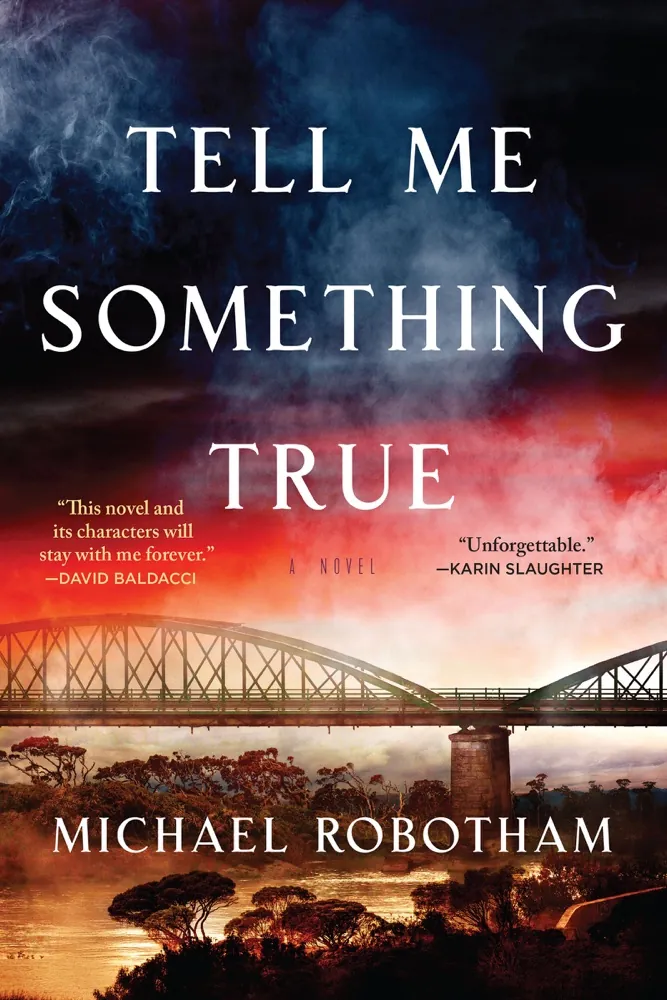
Author: Michael RobothamPage Count: UnknownPublication Date: Expected publication 2026 APL Wrapped in a loose, paint-splattered smock that smells faintly of turpentine and cheap chamomile tea, I find myself entirely at peace this lazy August afternoon, lounging on the studio floor while the heavy summer heat radiates lazily through the open windows. Outside, cicadas buzz in a maddening rhythm. Inside, my gaze falls upon the promotional copy for Michael Robotham’s forthcoming Tell Me Something True, and honestly? The sheer aesthetic audacity of the marketing blurbs is giving major main character energy, no cap. Stephen King and Karin Slaughter are out here dropping atomic-bomb endorsements for a crime epic that promises to dissect the rotten underbelly of a baking Australian hamlet called Yulara. The Architecture of Resentment Small towns in fiction are always living breathing characters—until they are just boring plot devices used to trap traumatized protagonists in an endless loop of small-town gaslighting. Yet Robotham’s premise relies on a twelve-year-old chasm of malice. Arlo Hackett returns home after a brutal prison sentence, burdened by association with a crime his brother committed. But wait, I take that back completely. The synopsis actually leans heavily into the cliché of the vengeful mob, which feels intellectually bankrupt at first glance, yet I am completely obsessed with the vibes anyway. Sue me. The narrative machinery trades traditional heroic tropes for something much messier. We are promised a hybrid beast: part coming-of-age nostalgia trip, part psychological autopsy, part tragic romance. It is absurdly ambitious. And yet, the text hints at a slow-burning descent into repressed memory that completely sidesteps the usual procedural boredom of modern thrillers. Shadows on the Great Southern Road By positioning Yulara as a dusty waypoint rather than a picturesque postcard, the author sets up a visual juxtaposition that practically begs for a deconstruction of rural stoicism. We get the standard tropes of hostility—people staring from doorways, whispering like absolute NPCs—yet the emotional core appears anchored to the tragedy of missed salvations. Compare this to the bleak, sun-bleached despair found in Chris Whitaker’s We Begin at the End. Both books use geography as a physical manifestation of guilt. Arlo walking back into that heat is peak psychological masochism. The text asks whether a community can grant clemency. Spoiler alert: absolutely not, because forgiveness doesn't generate enough narrative tension to sell paperbacks. My tea has gone completely cold on the workbench. It is tepid and bitter, which matches my current artistic skepticism toward any novel claiming to be the absolute pinnacle of suspense. But I’ll buy it. I have to wander the blistering city streets at midnight seeking inspiration anyway, and I might as well have a heavy, devastating rural tragedy tucked under my arm to keep the existential dread company. Related InsightsThe Son of Neptune Book Review and Summary The Quiet American Book Review and Summary The Shell Seekers Book Review and Summary{ "@context": "https://schema.org", "@type": "FAQPage", "mainEntity": [ { "@type": "Question", "name": "What is the main focus of Tell Me Something True Book Review and Summary?", "acceptedAnswer": { "@type": "Answer", "text": "Everything you need to know about Tell Me Something True with our detailed review." } }, { "@type": "Question", "name": "Who authored the comprehensive guide on Tell Me Something True Book Review and Summary?", "acceptedAnswer": { "@type": "Answer", "text": "This detailed article and its insights were carefully researched and authored by Giulia Ricci." } }, { "@type": "Question", "name": "Where can I find more related content about Books?", "acceptedAnswer": { "@type": "Answer", "text": "You can explore more articles, detailed reviews, and similar insights by browsing the Related Insights section at the bottom of this article or visiting our dedicated Books category page." } } ] }