Showing Posts From
Tempest
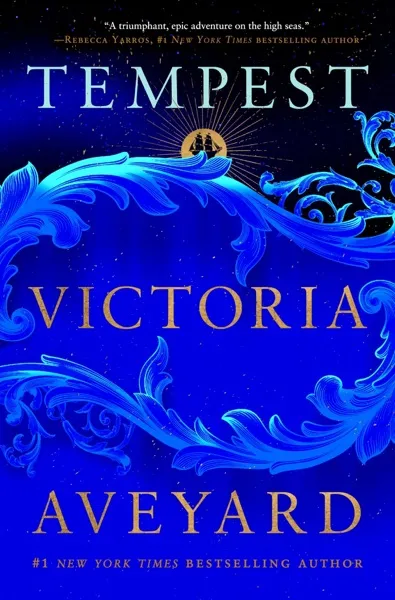

Tempest Author: Victoria AveyardPage Count: UnknownPublication Year: 2026-GB Victoria Aveyard’s Tempest is a storm of rebellion and blood, a novel that crackles with the same electric tension as the lightning it names. Set in a world divided by bloodlines—those with silver powers and those condemned to serve them—this isn’t just another dystopian fantasy. It’s a sharp, unflinching mirror held up to power, privilege, and the cost of revolution. Aveyard, already celebrated for her Red Queen series, doesn’t just entertain here—she dismantles. In Tempest, she crafts a narrative that is as intellectually provocative as it is viscerally gripping, a book that lingers like a bruise long after the last page. At its core, Tempest is about the illusion of control. The ruling Silver elite have spent centuries convincing themselves—and the world—that their dominion is natural, ordained by blood and destiny. But Aveyard dismantles this myth with surgical precision. The novel’s unnamed protagonist, a Red girl with a rare ability to manipulate storms, embodies the contradiction of a system built on exploitation: the very people it oppresses hold the power to destroy it. This isn’t just a story of rebellion; it’s a meditation on how power corrupts even those who wield it for “justice.” Aveyard forces her readers to ask: when the oppressed rise, do they become the monsters they’ve fought against? The prose is lean and muscular, carrying the weight of its themes without ever bogging down in exposition. Aveyard’s style is immersive but never sentimental. She trusts her readers to feel the weight of the world she’s built. Dialogue crackles with tension, and the pacing is relentless, pulling the reader through a labyrinth of betrayal and sacrifice. The storm isn’t just a metaphor here—it’s a living force, a character that grows in fury as the novel progresses, mirroring the escalating violence of the revolution. One of the most striking aspects of Tempest is its refusal to romanticize revolution. The characters are flawed, often selfish, and their motives are messy. This isn’t a story where heroes are pure and villains are cardboard cutouts. The Silver elite are depicted with nuance—some are monsters, yes, but others genuinely believe in their cause, making their downfall all the more tragic. Meanwhile, the Reds are not saints; their desperation breeds cruelty, and their victories come at a price that stains the soul. Aveyard doesn’t shy away from the moral ambiguity of rebellion, and that’s what makes Tempest so compelling. The world-building is another triumph. The society of Tempest is stratified not just by class but by blood—a literal hierarchy where one’s veins determine one’s fate. Aveyard weaves in elements of magic and technology seamlessly, creating a world that feels both fantastical and eerily plausible. The opulence of the Silver nobility contrasts sharply with the squalor of the Red underclass, and the tension between these two worlds is the novel’s beating heart. Aveyard’s greatest strength, however, is her ability to make the reader feel the storm—not just as a plot device, but as a symbol of chaos, change, and cleansing destruction. The storms in this book are not just weather; they are the embodiment of revolution itself, beautiful and terrifying, inevitable and uncontrollable. When the protagonist summons her power, it’s not just a display of skill—it’s a declaration of war, a refusal to be cowed. Tempest is not a book for the faint of heart. It’s violent, morally complex, and unapologetically brutal. But in that brutality lies its power. This is a story that refuses to look away, that demands its readers confront the cost of freedom and the price of power. Aveyard doesn’t just tell a story here—she crafts an experience, one that leaves the reader breathless and haunted. If Tempest achieves the acclaim it deserves—and it will—it won’t be for its spectacle alone, but for its unflinching honesty. In a world where revolutions are too often sanitized for mass consumption, Aveyard dares to show the blood, the rubble, and the ragged edges of change. Tempest is a book that burns, and like all great fires, it leaves something behind—ashes, yes, but also light. #Tempest #VictoriaAveyard #RevolutionFiction #DarkFantasy #SilverAndRed #PowerAndBloodline Related InsightsSnow This is Love: Meant to Be Holiday Tales Book Review and Summary Life of Pi Book Review and Summary All These Deep Arroyos: A Novel Book Review and Summary{ "@context": "https://schema.org", "@type": "FAQPage", "mainEntity": [ { "@type": "Question", "name": "What is the main focus of Tempest Book Review and Summary?", "acceptedAnswer": { "@type": "Answer", "text": "Everything you need to know about Tempest with our detailed review." } }, { "@type": "Question", "name": "Who authored the comprehensive guide on Tempest Book Review and Summary?", "acceptedAnswer": { "@type": "Answer", "text": "This detailed article and its insights were carefully researched and authored by Giulia Ricci." } }, { "@type": "Question", "name": "Where can I find more related content about Books?", "acceptedAnswer": { "@type": "Answer", "text": "You can explore more articles, detailed reviews, and similar insights by browsing the Related Insights section at the bottom of this article or visiting our dedicated Books category page." } } ] }