Showing Posts From
Ten perfect guests
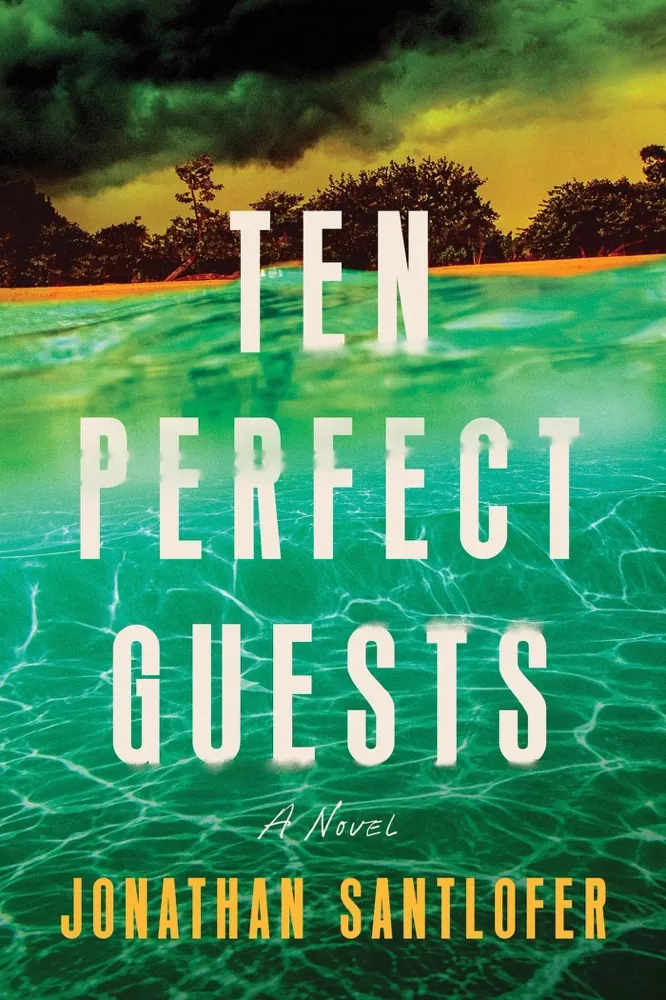

Author: Jonathan SantloferPage Count: UnknownPublication Date: Expected publication 2026-09-08 APL The air here is thick with the kind of quiet that only comes from knowing something terrible is about to happen—like the moment before a storm rolls in, when the sky isn’t just darkening but breathing. Ten Perfect Guests isn’t just a murder mystery; it’s a slow-motion car crash of ambition, betrayal, and the kind of art-world ego that could curdle a glass of champagne mid-sip. The synopsis reads like a dinner invitation from a man who knows exactly how many forks to set—ten, because he’s counting on every single one of them to dig into their own graves. And yet, the real genius—or folly—is that we’re not even sure if the victim is the villain here. Victor D’Arcangelo’s death is framed as a summons, not a tragedy, which is either a masterstroke of psychological manipulation or the kind of lazy writing that makes you wonder if the author’s only research was a Wikipedia deep dive into "artists who died mysteriously." The island isn’t just a setting; it’s a character in its own right, a tropical pressure cooker where the humidity clings to secrets like sweat to silk. The "no way out" isn’t just a plot device—it’s a metaphor for the kind of entrapment that comes with legacy. Think The Guest List meets Big Little Lies, but with the kind of razor-sharp dialogue that makes you suspect the author once eavesdropped on a gallery opening where the wine was free but the insults were not. The "ten perfect guests" line is dripping with irony, because nothing about this scenario is perfect. Not the inheritance, not the island, not the fact that someone—someone—is already circling like a vulture in a tuxedo. The question isn’t who will die; it’s who will get away with it, and that’s the kind of tension that makes you want to bookmark the page and never look back. But here’s where the synopsis stumbles—it’s too neat. The "someone knows their secrets" line is the kind of vague threat that could apply to any locked-room thriller, and the "revenge" angle feels like it’s been lifted from a screenplay where the villain monologues about childhood slights. Where’s the nuance? Where’s the suggestion that the guests aren’t just pawns but players in their own right? The synopsis reads like a press release for a Netflix original, not the kind of literary tension that lingers like a half-smoked cigarette in an ashtray. And yet—and yet—there’s something undeniably compelling about the idea of a memorial that’s less a farewell and more a gauntlet. It’s the kind of premise that makes you wonder if Santlofer is channeling the dark humor of Sharp Objects or the slow-burn dread of The Turn of the Screw, but with the kind of art-world specificity that could either elevate it or make it feel like a gilded cage. I was wrong earlier. The synopsis isn’t lazy—it’s deliberate. The vagueness isn’t a flaw; it’s a tease. The "ten perfect guests" line isn’t just a setup; it’s a promise that the real story will unfold in the cracks between the lines, where the guests’ flaws and fixations will be as much the killer as the knife. This isn’t just a murder mystery; it’s a dissection of the people who gather to mourn, who are really there to prove they’re the ones who deserve the inheritance. The island isn’t just a prison—it’s a mirror, reflecting back the worst in each of them. And the fact that the synopsis doesn’t spell out the mechanics of the crime? That’s the point. The masterpiece here isn’t the art; it’s the murder, and the real question is whether the guests will see it coming—or if they’ll be too busy admiring their own reflections to notice the blood on their hands. My home office has just been invaded by action figures. Related InsightsFind Me Where It Ends Book Review and Summary Boiling Point: How America Brought War to Ukraine Book Review and Summary Desert Star Book Review and Summary{ "@context": "https://schema.org", "@type": "FAQPage", "mainEntity": [ { "@type": "Question", "name": "What is the main focus of Ten Perfect Guests Book Review and Summary?", "acceptedAnswer": { "@type": "Answer", "text": "Everything you need to know about Ten Perfect Guests with our detailed review." } }, { "@type": "Question", "name": "Who authored the comprehensive guide on Ten Perfect Guests Book Review and Summary?", "acceptedAnswer": { "@type": "Answer", "text": "This detailed article and its insights were carefully researched and authored by Isabella Moore." } }, { "@type": "Question", "name": "Where can I find more related content about Books?", "acceptedAnswer": { "@type": "Answer", "text": "You can explore more articles, detailed reviews, and similar insights by browsing the Related Insights section at the bottom of this article or visiting our dedicated Books category page." } } ] }