Showing Posts From
Terrible worlds
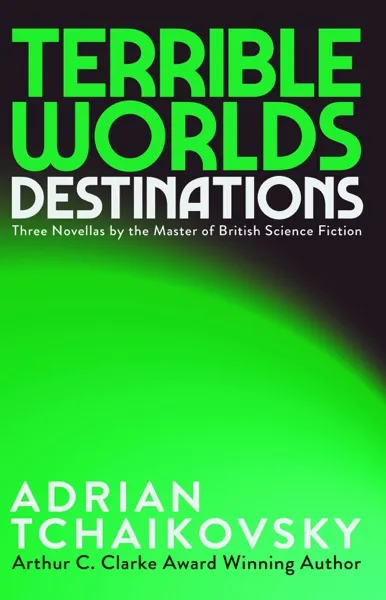

Terrible Worlds Author: Adrian TchaikovskyPage Count: UnknownPublication Year: 2023-GB Terrible Worlds: Adrian Tchaikovsky’s Chilling Symphony of Cosmic Horror Adrian Tchaikovsky’s Terrible Worlds is not just another anthology of science fiction and horror—it is a masterclass in how to weaponize dread, subvert expectations, and leave the reader’s mind simmering in the afterglow of some unseen, unfathomable terror. Published in 2023, this collection cements Tchaikovsky’s reputation as a writer who doesn’t just tell stories but crafts experiences, dragging his audience into realms where the familiar curdles into something grotesque and the unknowable gnaws at the edges of perception. At its core, Terrible Worlds is a meditation on isolation, transformation, and the fragility of human (and post-human) identity. The stories within span a vast expanse of time and space, from the claustrophobic corridors of a derelict starship to the eerie quiet of a colony world where the truth is buried deeper than the mines. Yet no matter the setting, Tchaikovsky’s unifying theme emerges: the terror of becoming something else. His characters—whether they are astronauts, soldiers, or ordinary people caught in extraordinary circumstances—are constantly on the precipice of losing themselves, whether to alien biology, cosmic phenomena, or their own unraveling psyches. What makes Terrible Worlds so unsettling is Tchaikovsky’s refusal to offer easy answers. He doesn’t provide neat resolutions or comforting explanations. Instead, he leaves the reader in the same state of bewilderment as his protagonists, forcing us to sit with the ambiguity, the horror of the unknown. In “The Expert System’s Guide to the Extraterrestrial,” a linguist’s attempt to communicate with an alien intelligence spirals into an existential crisis where language itself becomes a prison. In “The Last Days of the Beasts,” a dying world’s final inhabitants grapple with the realization that their bodies are not their own, that they have been hosts for something far older and more predatory. These stories don’t just scare—they haunt, lingering like a half-remembered nightmare. Tchaikovsky’s prose is a weapon in itself. His writing is precise, economical, yet rich with texture, painting vivid, almost tactile worlds that feel real enough to step into. He has a gift for pacing—building tension with the quiet dread of a slow-burn mystery before unleashing a crescendo of terror that leaves the reader breathless. His dialogue crackles with authenticity, even in the most surreal scenarios, grounding the absurd in the relatable. When a character’s voice wavers, or their thoughts spiral into paranoia, you can feel it—the way fear distorts perception, the way the mind clings to sanity when every rational explanation has been torn away. One of the collection’s most striking strengths is its diversity of approaches to horror. Some stories are intimate, psychological nightmares, like “Gone Fishing,” where a man’s obsession with a mysterious lake leads to a chilling revelation about the nature of time. Others are grand, operatic tales of cosmic terror, such as “The Bees of Europa,” where a scientist’s discovery of an alien hive mind unravels the very fabric of human civilization. Tchaikovsky doesn’t rely on jump scares or grotesque imagery (though there’s plenty of that when needed); instead, he crafts horror from the slow realization that the universe is not just indifferent to humanity—it is actively hostile, and we are but fleeting, insignificant blips in its grand, indifferent design. What elevates Terrible Worlds beyond mere genre exercise is its thematic depth. These stories aren’t just about being afraid—they’re about what it means to be human in a cosmos that doesn’t care whether we exist or not. They explore the terror of losing agency, of being consumed by forces beyond comprehension, and yet, in the face of annihilation, the characters often find a strange resilience. There’s a melancholy beauty in Tchaikovsky’s work, a recognition that even in the face of the terrible, life—and humanity—persists, flawed and fragile but unbroken. For readers who crave horror that lingers, that burrows into the brain and refuses to leave, Terrible Worlds is a must-read. It’s a testament to Tchaikovsky’s skill that he can make the vastness of space feel claustrophobic, that he can turn a simple act of communication into a descent into madness. This is horror for thinkers, for those who prefer their nightmares to be cerebral as much as visceral. If you’ve ever lain awake at night, staring into the dark and wondering what might be staring back, this book will not just confirm your fears—it will amplify them. #Tchaikovsky #CosmicHorror #ScienceFictionHorror #AdrianTchaikovsky #TerribleWorlds #DarkSF Related InsightsNine Perfect Strangers Book Review and Summary Lightning & Thunder (Heroes and Romance, #1) Book Review and Summary Throttled Book Review and Summary{ "@context": "https://schema.org", "@type": "FAQPage", "mainEntity": [ { "@type": "Question", "name": "What is the main focus of Terrible Worlds Book Review and Summary?", "acceptedAnswer": { "@type": "Answer", "text": "Everything you need to know about Terrible Worlds with our detailed review." } }, { "@type": "Question", "name": "Who authored the comprehensive guide on Terrible Worlds Book Review and Summary?", "acceptedAnswer": { "@type": "Answer", "text": "This detailed article and its insights were carefully researched and authored by Lucia Garcia." } }, { "@type": "Question", "name": "Where can I find more related content about Books?", "acceptedAnswer": { "@type": "Answer", "text": "You can explore more articles, detailed reviews, and similar insights by browsing the Related Insights section at the bottom of this article or visiting our dedicated Books category page." } } ] }