Showing Posts From
The alienist
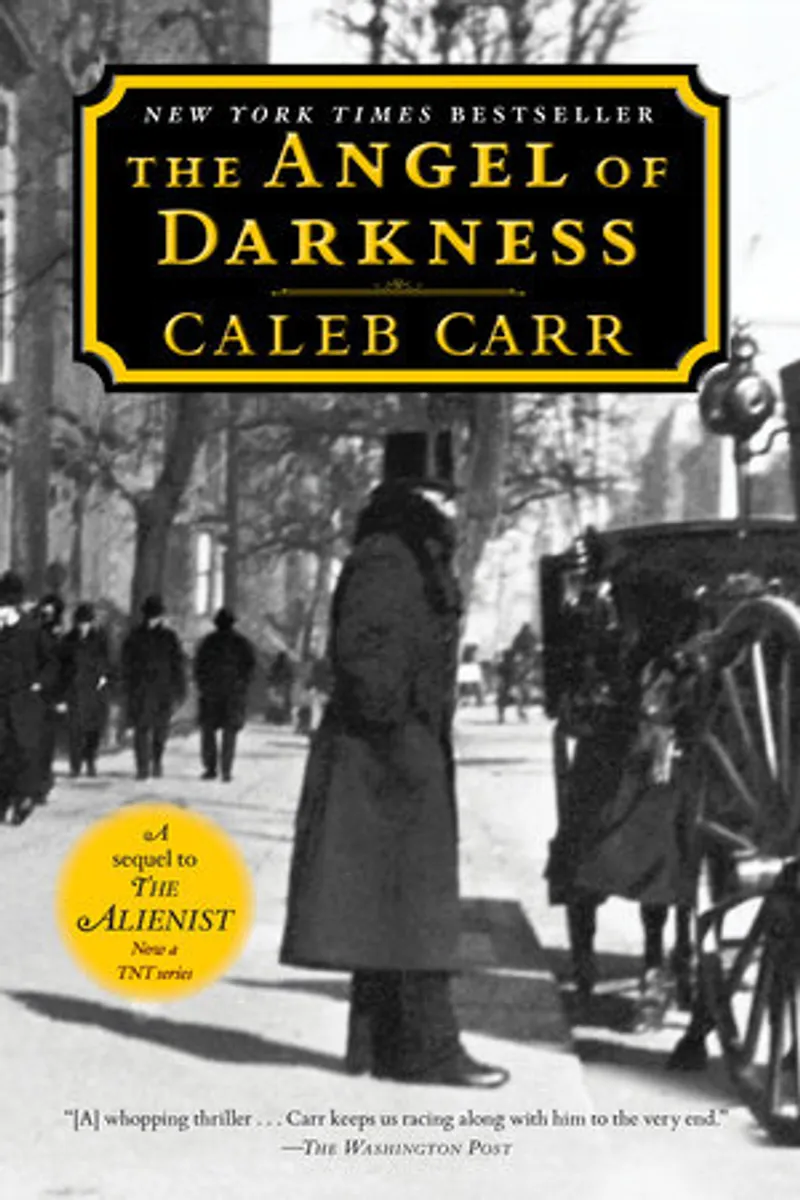
The Angel of Darkness: Book 2 of the Alienist Author: Caleb CarrPage Count: UnknownPublication Date: 2018-PRH Caleb Carr’s The Angel of Darkness is a masterclass in historical suspense, a novel that plunges the reader into the gaslit underbelly of 1897 New York with the same relentless precision that made its predecessor, The Alienist, a modern classic. Set a year after the harrowing capture of serial killer John Beecham, this sequel reunites Dr. Laszlo Kreizler and his eclectic team of investigators—crime reporter John Schuyler Moore, detective Sara Howard, the Isaacson brothers, and the ever-loyal Stevie Taggert—to confront a new horror: the abduction of a Spanish diplomat’s infant daughter. What begins as a high-stakes kidnapping case spirals into a chilling exploration of maternal monstrosity, political intrigue, and the fragility of justice in a city teetering on the edge of war. At its core, The Angel of Darkness is a meditation on the duality of human nature—the way goodness and evil can wear the same face, the way society’s most revered roles (mother, nurse, caregiver) can conceal unspeakable cruelty. Carr’s villain, Libby Hatch, is a masterstroke of psychological horror, a woman who presents herself as a paragon of compassion while committing atrocities that shock even Kreizler’s seasoned mind. Her duality mirrors the broader themes of the novel: the tension between appearance and reality, the thin veneer of civilization, and the ease with which darkness can flourish beneath the surface of progress. In an era of rapid industrialization and social upheaval, Carr forces us to confront the idea that evil is not always a grotesque stranger in an alley but can be a neighbor, a colleague, even a mother cradling a child. Carr’s prose is a triumph of historical immersion, painting a New York that is at once vibrant and decaying. The city’s opulence—its grand ballrooms, its bustling newspapers, its glittering high society—serves as a stark contrast to the squalor of the slums, the corruption of the police, and the desperation of the case at hand. His attention to detail is meticulous, from the fashion of the era to the political tensions between Spain and the U.S., which add a layer of urgency to the narrative. Yet Carr never lets the historical backdrop overshadow the human drama. The relationships between Kreizler, Moore, Sara Howard, and the others are richly drawn, their camaraderie and conflicts as compelling as the mystery itself. Sara Howard, in particular, shines as a feminist icon ahead of her time, wielding her derringer with as much authority as any man in the room. The novel’s pacing is relentless, a whirlwind of clues, red herrings, and shocking revelations that keep the reader guessing until the final page. Carr’s plotting is military in its precision, with each twist and turn serving a purpose, each character’s arc intertwined with the central mystery. The courtroom climax, featuring a young Clarence Darrow, is a masterstroke, elevating the story from a gripping thriller to a meditation on justice and morality. Darrow’s presence is a brilliant historical nod, grounding the narrative in the real-world struggles of the era while adding a layer of gravitas to the proceedings. What sets The Angel of Darkness apart, however, is Carr’s unflinching exploration of the psychological underpinnings of evil. Kreizler, a pioneer in forensic psychiatry, approaches the case with a scientist’s rigor, dissecting the mind of the killer with the same precision he would a cadaver. Yet Carr resists easy answers. Libby Hatch is not a caricature of madness but a complex figure whose actions are rooted in trauma, betrayal, and a warped sense of justice. The novel forces us to ask: How well do we truly know those around us? Can we trust the faces we see in the mirror? Carr’s style is both immersive and unsettling, blending the elegance of a 19th-century novel with the grit of a modern thriller. His prose is lush yet precise, his descriptions vivid enough to make the reader smell the horse manure in the streets and hear the clatter of carriage wheels. Yet he never loses sight of the human heart at the center of the story. The emotional stakes are high, the bonds between the characters palpable, and the resolution—both satisfying and haunting—lingers long after the last page is turned. The Angel of Darkness is more than a sequel; it’s a standalone masterpiece that deepens the world of The Alienist while standing on its own. It’s a novel for readers who crave historical depth, psychological complexity, and a mystery that refuses to let go. Carr has crafted not just a thriller, but a chilling portrait of a city—and a society—on the brink of change, where darkness lurks in the most unexpected places. #TheAngelOfDarkness #CalebCarr #HistoricalThriller #PsychologicalHorror #GildedAgeMystery #CrimeFiction Related InsightsWorld War Z: An Oral History of the Zombie War Book Review and Summary Carved in the Shadows Book Review and Summary A Simple Plan Book Review and Summary{ "@context": "https://schema.org", "@type": "FAQPage", "mainEntity": [ { "@type": "Question", "name": "What is the main focus of The Alienist Book Review and Summary?", "acceptedAnswer": { "@type": "Answer", "text": "Everything you need to know about The Alienist with our detailed review." } }, { "@type": "Question", "name": "Who authored the comprehensive guide on The Alienist Book Review and Summary?", "acceptedAnswer": { "@type": "Answer", "text": "This detailed article and its insights were carefully researched and authored by Caleb Carr." } }, { "@type": "Question", "name": "Where can I find more related content about Books?", "acceptedAnswer": { "@type": "Answer", "text": "You can explore more articles, detailed reviews, and similar insights by browsing the Related Insights section at the bottom of this article or visiting our dedicated Books category page." } } ] }