Showing Posts From
The bonfire of the v
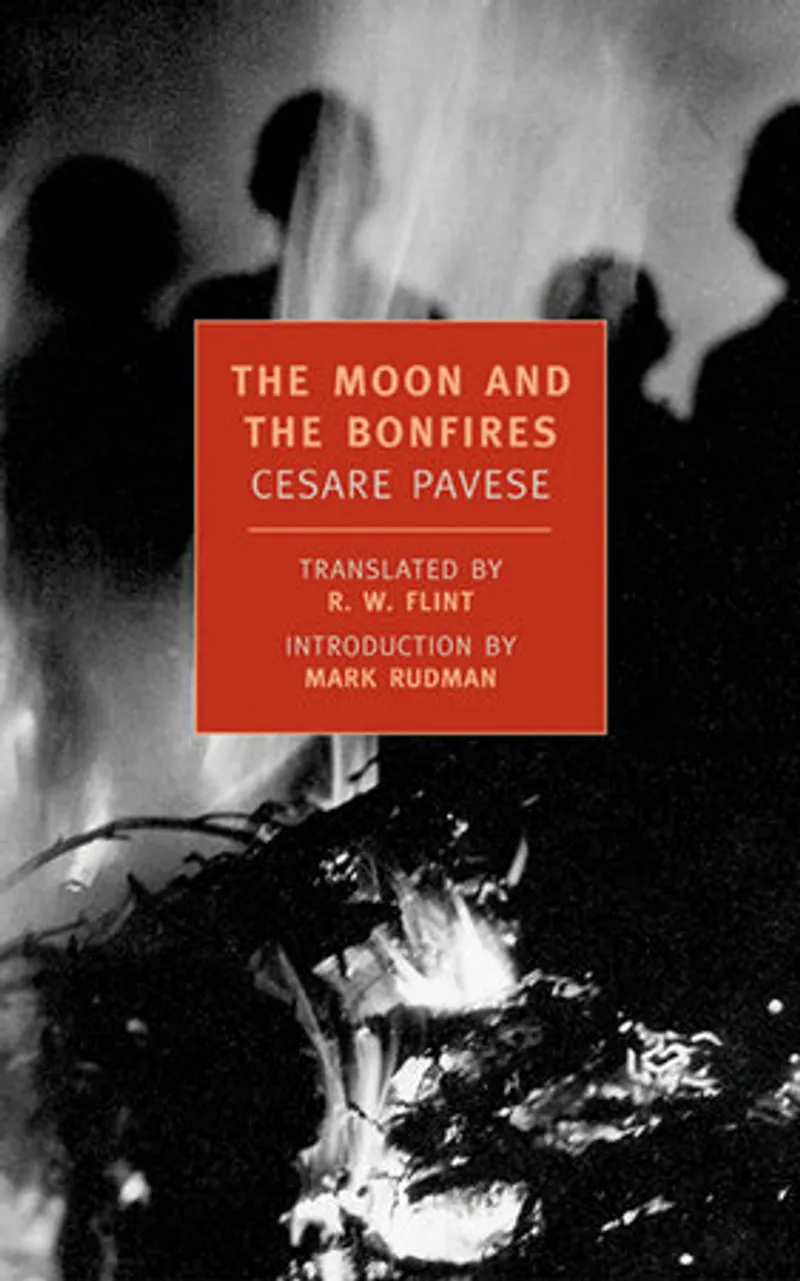
The Moon and the Bonfires Author: Cesare PavesePage Count: UnknownPublication Date: 2002-PRH Cesare Pavese’s The Moon and the Bonfires is a haunting elegy for a lost Italy—one scarred by war, betrayal, and the quiet devastation of memory. Written in 1949, just months before Pavese’s suicide, this novel is both a farewell and a reckoning, a meditation on exile and return that lingers like the scent of damp earth after a bonfire. It is a book that lingers in the mind long after the last page, not because of its plot alone, but because of the way Pavese renders the past as a living, breathing wound. The story follows an unnamed narrator who returns to his native village in northern Italy after years in America, where he has built a life of success but not of peace. His childhood was one of poverty and abandonment, raised by a harsh farmer who treated him as little more than a servant. Now, he seeks answers—not just about his own past, but about the village’s complicity in Fascism, the violence of the war, and the silences that followed. What he finds is a landscape of betrayal, where old grudges fester like unhealed scars. The bonfires of the title are not just festive flames; they are the pyres of old hatreds, the rituals of a community that has never truly reckoned with its sins. Pavese’s genius lies in his ability to weave the personal and the political into a single, suffocating atmosphere. The narrator’s return is not a triumphant homecoming but a descent into a world where the past is never truly buried. The village, with its narrow streets and whispering neighbors, is a character in itself—a place where everyone knows your name, but no one tells you the whole truth. The moon, ever-present in the novel, serves as a silent witness to the cycles of violence and forgetting. It is a celestial observer, cold and indifferent, much like the villagers who move through their lives with a practiced detachment. Pavese’s prose is spare yet incantatory, a style that R.W. Flint captures with remarkable fidelity in this new translation. There is a stark lyricism to the writing, a quality that Leslie Fiedler once praised as "absolutely lucid and completely incantatory." Pavese’s sentences are like the bonfires themselves—controlled, deliberate, but capable of burning away the illusions that keep people from seeing the truth. The dialogue is sparse, the descriptions vivid, and the emotional weight accumulates in the silences between words. This is a novel where what is not said is often more powerful than what is. The central theme of The Moon and the Bonfires is the impossibility of true return. The narrator believes that by coming back, he can reclaim something of his past, but he quickly realizes that the village has moved on—while he remains trapped in its shadows. The war may be over, but the wounds it left behind are still raw. The villagers, too, are haunted by their own complicity, their own small betrayals. Pavese doesn’t offer easy resolutions; instead, he forces the reader to sit with the discomfort of unresolved pain. The novel’s power lies in its refusal to sentimentalize the past. There are no heroes here, only survivors, each carrying their own burden of guilt and regret. Pavese’s own life casts a long shadow over the book. His suicide shortly after its publication adds a layer of tragic irony to the story of a man who, like his narrator, sought answers in a place that could never truly give them. The novel feels like a last confession, a way for Pavese to exorcise his own ghosts before they consumed him. In that sense, The Moon and the Bonfires is not just a novel about Italy’s war-torn soul—it is a testament to the way art can become a kind of survival, a way to keep the past alive even as it threatens to drag you under. For readers who appreciate literature that lingers, that refuses to offer easy comfort, this book is essential. It is a novel that demands to be read slowly, savored like the last embers of a dying fire. Pavese’s prose is not flashy; it is the prose of a man who has seen too much to waste words. Every sentence feels earned, every image carefully placed. The result is a novel that is as much about the act of remembering as it is about the things we choose to forget. In the end, The Moon and the Bonfires is a masterpiece of quiet devastation. It is a book that will break your heart not with melodrama, but with the weight of its truths. Pavese doesn’t shout; he whispers, and in that whisper, you hear the echoes of a world that has long since turned to ash. #Pavese #ItalianLiterature #PostWarNovel #LiteraryFiction #HauntingReads #CesarePavese Related InsightsThe Giving Tree Book Review and Summary The Year's Best Science Fiction Vol. 1 Book Review and Summary Spirit Lands (The Spice Road Trilogy #3) Book Review and Summary{ "@context": "https://schema.org", "@type": "FAQPage", "mainEntity": [ { "@type": "Question", "name": "What is the main focus of The Bonfire of the Vanities Book Review and Summary?", "acceptedAnswer": { "@type": "Answer", "text": "Everything you need to know about The Bonfire of the Vanities with our detailed review." } }, { "@type": "Question", "name": "Who authored the comprehensive guide on The Bonfire of the Vanities Book Review and Summary?", "acceptedAnswer": { "@type": "Answer", "text": "This detailed article and its insights were carefully researched and authored by Tom Wolfe." } }, { "@type": "Question", "name": "Where can I find more related content about Books?", "acceptedAnswer": { "@type": "Answer", "text": "You can explore more articles, detailed reviews, and similar insights by browsing the Related Insights section at the bottom of this article or visiting our dedicated Books category page." } } ] }