Showing Posts From
The book of form and
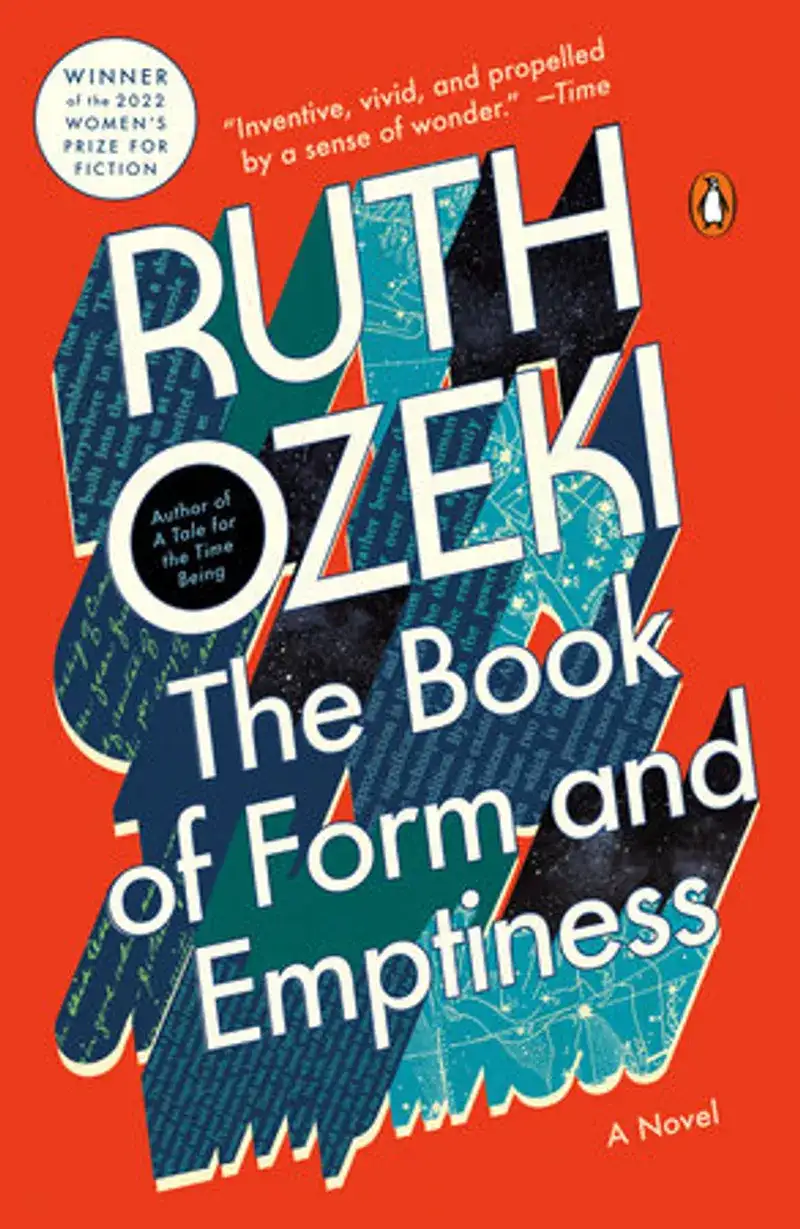
The Book of Form and Emptiness Author: Ruth OzekiPage Count: UnknownPublication Date: 2022-PRH "The Book of Form and Emptiness": A Symphony of Voices, Objects, and Healing Ruth Ozeki’s The Book of Form and Emptiness is a masterclass in storytelling that defies genre, blurring the lines between realism and magic, grief and hope, silence and cacophony. Winner of the Women’s Prize for Fiction, this novel is not just a book—it’s an experience, a living, breathing dialogue between the material and the immaterial, the grieving and the found. At its core, the story explores grief, clutter, and the quiet voices that surround us—both literal and metaphorical. Benny Oh, a 13-year-old boy reeling from his father’s sudden death, begins to hear the voices of inanimate objects: a teapot sighs, a wilted lettuce whimpers, a sneaker scoffs. These sounds are his reality, a symphony of agony and absurdity that mirrors his own fractured psyche. His mother, Annabelle, drowns in her possessions, her hoarding a physical manifestation of her inability to let go. Together, they are trapped in a cycle of accumulation—of objects, of sorrow, of unspoken words. Ozeki’s genius lies in how she weaves the personal into the universal. Benny’s condition isn’t just a quirk; it’s a metaphor for how modern life inundates us with noise—social media, consumerism, the relentless hum of capitalism. Objects, in this world, are not mere things; they are repositories of memory, emotion, and even activism. A discarded coffee cup might whisper about climate change; a broken ornament might lament the loss of innocence. The novel forces us to ask: What are we really hearing in the world around us? The author’s style is playful yet profound, blending humor with heartbreak. The Book itself—a sentient, sassy narrator—drops meta-commentary, addressing the reader directly, reminding us that stories are alive, that they shape us as much as we shape them. Ozeki’s prose is lush, rhythmic, and often poetic, but it never loses sight of its emotional core. The novel’s structure is as chaotic as Benny’s mind: short, sharp chapters mirror his fractured attention, while longer, meditative passages slow us down, forcing us to listen. One of the book’s most striking themes is the power of libraries as sanctuaries. In a world where voices (literal and otherwise) overwhelm, the library becomes Benny’s refuge—a place where books don’t shout, where silence is golden, and where he learns to navigate his own mind. Ozeki, who has a background in film, writes with a cinematic eye for detail. The library isn’t just a setting; it’s a character, a bastion of order amidst the noise. The novel also grapples with mental health in a way that feels raw and necessary. Benny’s journey isn’t just about hearing voices; it’s about learning to listen—to himself, to others, to the world. His relationship with the homeless philosopher-poet, a man who speaks in riddles and wisdom, is both tender and instructive. This is Ozeki at her most compassionate, refusing to reduce her characters to stereotypes. Benny is neither a victim nor a hero—he’s a boy trying to survive, to belong. The Book of Form and Emptiness is a book for our times—a plea to declutter not just our homes, but our minds. It asks us to consider what we value, what we discard, and what we might be missing in the white noise of modern life. Ozeki doesn’t offer easy answers, but she offers something better: a story that feels like healing. In an era where we’re bombarded with information and possessions, this novel is a balm. It reminds us that emptiness isn’t absence—it’s space for meaning. And sometimes, the loudest voices are the ones we need to hear the most. #BookOfFormAndEmptiness #RuthOzeki #FictionThatMatters #MagicalRealism #HealingThroughStories #LiteraryMindfulness Related InsightsFrom Goethe’s Apprentice to Modern Hero: Unraveling the Bildungsroman’s Secret Path Beyond the Graves Waits Mist and Sea Book Review and Summary Alma Vampires (The Icarus University, #1) Book Review and Summary{ "@context": "https://schema.org", "@type": "FAQPage", "mainEntity": [ { "@type": "Question", "name": "What is the main focus of The Book of Form and Emptiness Book Review and Summary?", "acceptedAnswer": { "@type": "Answer", "text": "Everything you need to know about The Book of Form and Emptiness with our detailed review." } }, { "@type": "Question", "name": "Who authored the comprehensive guide on The Book of Form and Emptiness Book Review and Summary?", "acceptedAnswer": { "@type": "Answer", "text": "This detailed article and its insights were carefully researched and authored by Klaus Weber." } }, { "@type": "Question", "name": "Where can I find more related content about Books?", "acceptedAnswer": { "@type": "Answer", "text": "You can explore more articles, detailed reviews, and similar insights by browsing the Related Insights section at the bottom of this article or visiting our dedicated Books category page." } } ] }