Showing Posts From
The bureau of unknow
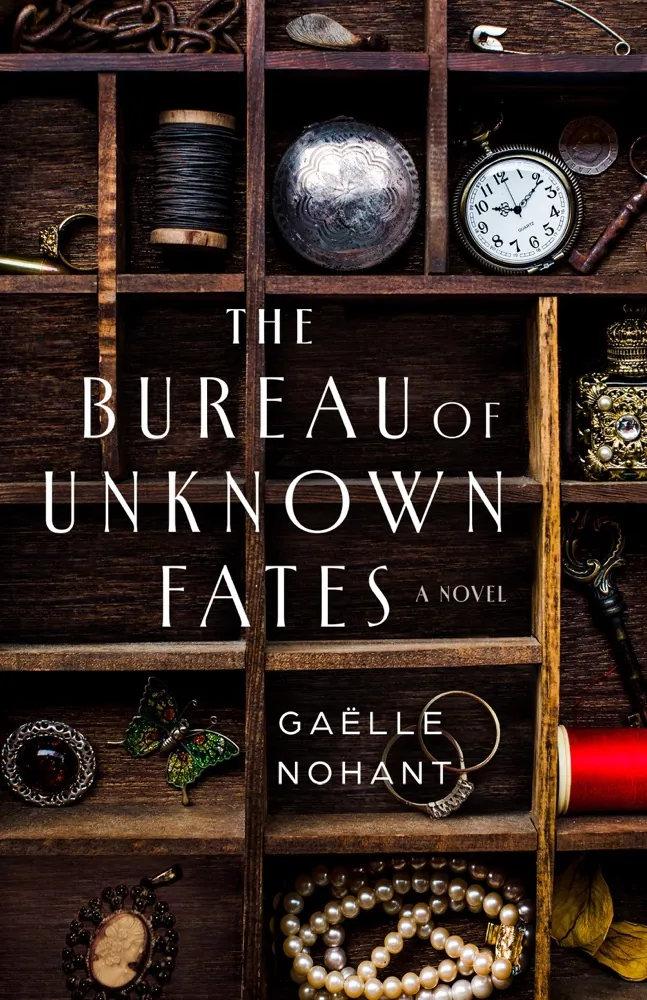

Author: Gaëlle NohantPage Count: UnknownPublication Date: Expected publication 2026-12-08 APL Someone near the communal microwave is burning popcorn again—an olfactory assault quite reminiscent of the dreadful caterer at the Rothschild estate jubilee in Deauville. Between fighting off this wretched stench and protecting my parchment from a rogue splash of San Pellegrino, I find myself casting a critical eye toward Gaëlle Nohant’s upcoming The Bureau of Unknown Fates. One must immediately question the wisdom of setting a novel in Bad Arolsen—a geographic footnote that apparently requires an entire manuscript to explain why nobody talks about the local history. How terribly quaint. We are promised a detective novel in reverse, which sounds suspiciously like the structural equivalent of the ill-fated Concorde landing gear: theoretically sound, yet destined for a rather awkward touchdown. Provenance and Particulars The premise relies heavily on the International Tracing Service. A young French bride marries a German gentleman, relocates to a town with a thoroughly inconvenient past, and promptly buries herself in paperwork involving displaced persons and wartime dead to avoid the bracing reality of her marital arrangements. One can hardly blame her. Domestic ennui is a powerful motivator. But then the narrative pivots into the sentimental hoarding of property—a faded cloth doll, a medallion, an embroidered handkerchief. It reads less like historical restitution and more like an aristocratic estate sale managed by someone with an excess of proletariat sympathy. And the scope! Lublin to Warsaw, Berlin to Paris. A regular grand tour of post-war melancholy. Yet the synopsis breathlessly insists that "looking for the dead, she finds the living." Oh, spare me. This carries all the profound emotional weight of Princess Margaret appearing on the cover of Tatler with a tragic expression. The Aesthetics of Restitution We are told this is in the tradition of The Lost and The Postcard. Naturally. Because nothing screams originality quite like chasing the exact coat-tails of previous sentimental blockbusters about wartime archiving. The prose attempts to weave individual trajectories with European collective memory—a terribly ambitious endeavor for a protagonist whose primary personality trait appears to be excessive conscientiousness. One dreads the inevitable epiphany where she realizes humanity possesses both a dark side and a light one. Groundbreaking. Truly, this is the literary equivalent of the disastrous 1982 Monaco charity gala where the dessert souffle collapsed before the dessert wine was even poured. The Verdict Will the descendants receive their embroidered handkerchiefs with due solemnity? Doubtless. Will the reader be bludgeoned over the head with the healing power of memory? Assuredly. Nohant’s publisher would have us believe this is a devastatingly beautiful masterpiece suffused with wisdom. I suspect it is merely a lengthy exercise in bureaucratic grief—the kind of book handed out at European Union cocktail parties to people who refuse to look at the wine list prices. My Rolex is losing four seconds a day and requires immediate servicing at the boutique on Old Bond Street, which is a profound inconvenience. #GaelleNohant #HistoricalFiction #BadArolsen #LiterarySnobbery Related InsightsViscount in Love Book Review and Summary Insurgent Book Review and Summary I, Robot Book Review and Summary{ "@context": "https://schema.org", "@type": "FAQPage", "mainEntity": [ { "@type": "Question", "name": "What is the main focus of The Bureau of Unknown Fates: A Novel Book Review and Summary?", "acceptedAnswer": { "@type": "Answer", "text": "Everything you need to know about The Bureau of Unknown Fates: A Novel with our detailed review." } }, { "@type": "Question", "name": "Who authored the comprehensive guide on The Bureau of Unknown Fates: A Novel Book Review and Summary?", "acceptedAnswer": { "@type": "Answer", "text": "This detailed article and its insights were carefully researched and authored by James Miller." } }, { "@type": "Question", "name": "Where can I find more related content about Books?", "acceptedAnswer": { "@type": "Answer", "text": "You can explore more articles, detailed reviews, and similar insights by browsing the Related Insights section at the bottom of this article or visiting our dedicated Books category page." } } ] }