Showing Posts From
The dark is rising
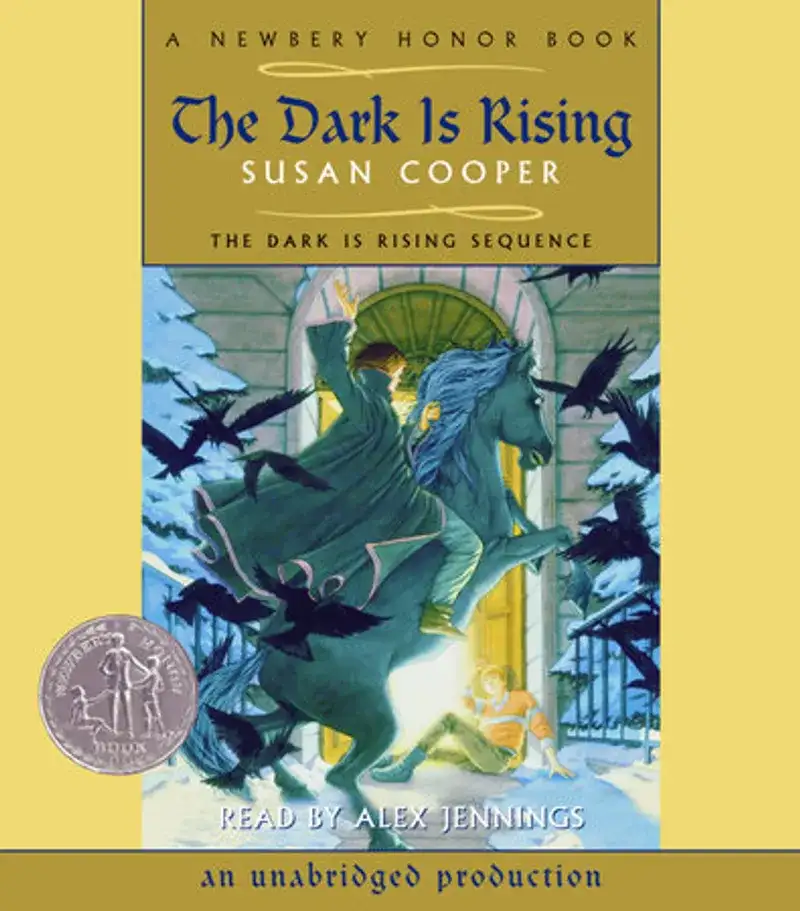
The Dark Is Rising Author: Susan CooperPage Count: UnknownPublication Date: 2005-PRH The Dark Is Rising by Susan Cooper is a masterclass in atmospheric storytelling, weaving ancient myth with modern childhood wonder to craft a timeless battle between light and dark. First published in 1973 (though the edition referenced here may vary), this Newbery Honor-winning novel stands as a cornerstone of children’s fantasy, its haunting lyricism and mythic grandeur lingering long after the final page. At its core, The Dark Is Rising explores the eternal struggle between good and evil, but Cooper doesn’t resort to simplistic moral binaries. Instead, she grounds this cosmic conflict in the intimate, almost mundane world of Will Stanton, an ordinary eleven-year-old boy on the cusp of discovering his extraordinary destiny. His journey—from reluctant hero to awakened Old One—mirrors the universal passage from childhood innocence to the weight of responsibility. The book’s true genius lies in how it makes the abstract tangible: the Dark isn’t just a force; it’s the creeping dread of winter’s longest night, the whisper of unseen things in the woods, the oppressive weight of silence when the wind dies. Cooper’s prose is rich with sensory detail, painting a Britain where the past is never far from the present, where standing stones hum with forgotten power and the Thames itself seems to guard ancient secrets. Cooper’s style is deceptively poetic. Her sentences flow like incantations, yet they never feel overwrought. Consider the opening lines: "The Dark is rising. The year is turning. The Light is turning too." In just three short sentences, she establishes the book’s central tension—balance, not outright victory, is the goal. The narrative unfolds with a dreamlike logic, where rules are hinted at rather than spelled out, and the reader must piece together the puzzle alongside Will. This ambiguity only deepens the immersion; the world feels alive with possibility, where every hedgerow and hollow could hide a sign—or a snare. The twelve days of Christmas frame the novel’s action, but Cooper uses the season less as a mere backdrop and more as a living character. The Midwinter solstice, with its ancient pagan echoes, becomes the battleground where time itself seems to fray at the edges. Will’s quest for the six Signs—each tied to elemental forces and deep folklore—feels less like a treasure hunt and more like a ritual, a necessary act to realign the world’s decaying order. The signs themselves are beautifully conceived: the Sign of Fire, the Sign of Bronze, the Sign of Stone. They’re not just objects but symbols of resilience, each forged in a different era of British history, binding Will to the land in a way that feels mythically inevitable. Cooper’s greatest achievement, however, is her portrayal of the Dark. It’s not a cartoonish villain with a mustache-twirling monologue, but a creeping, insidious presence that thrives on fear, apathy, and the slow erosion of human connection. The novel’s villains—Merlin, the Rider, the malevolent Miss Greythorne—are terrifying precisely because they’re plausible. They wear the faces of authority figures, of quiet neighbors, of the very institutions meant to protect. This makes The Dark Is Rising more than a fantasy adventure; it’s a meditation on how evil often masquerades as normalcy until it’s too late to resist. Will Stanton is a protagonist who earns his heroism. He’s not a chosen one who swoops in with effortless power; he’s a child who stumbles, doubts, and sometimes fails. His fear is palpable, his exhaustion relatable. When he finally claims the Signs, it’s not through brute strength but through understanding, through becoming part of something larger than himself. This emotional core elevates the story beyond mere spectacle. The book’s pacing is deliberate, almost hypnotic. Cooper lingers on moments—the taste of salt in the air as Will rides through the night, the way the snow muffles sound, the eerie stillness before a storm breaks. These details aren’t filler; they’re essential to the book’s spell. The climax, when Will must face the Dark in its most concentrated form, is a masterstroke of tension. The prose becomes sharper, the stakes clearer, and the reader’s heart pounds in time with Will’s racing thoughts. The resolution, though bittersweet, carries a quiet hope—because in Cooper’s world, light doesn’t banish darkness forever. It simply keeps the darkness at bay, for now. The Dark Is Rising endures because it taps into something primal: the belief that magic exists in the world, if only we know where to look. It’s a story about the power of memory, of tradition, and of the unbreakable bonds between people and place. Susan Cooper doesn’t just tell a story; she invites the reader into a living legend, where every stone and star has a voice. If you’ve ever stood in a quiet wood at dusk and felt the prickle of something otherworldly, this book will resonate. It’s a reminder that the oldest battles are still being fought—and that sometimes, the hero we need is the one who was there all along, waiting for the Dark to rise. #DarkIsRising #FantasyClassic #YAFantasy #MythicAdventure #ComingOfAge #SusanCooper Related InsightsCity of Fallen Angels Book Review and Summary Elfenthron Book Review and Summary Food Is Medicine: Healing Our Bodies, Nourishing Our Minds, and Transforming Our Food System Book Review and Summary{ "@context": "https://schema.org", "@type": "FAQPage", "mainEntity": [ { "@type": "Question", "name": "What is the main focus of The Dark Is Rising Book Review and Summary?", "acceptedAnswer": { "@type": "Answer", "text": "Everything you need to know about The Dark Is Rising with our detailed review." } }, { "@type": "Question", "name": "Who authored the comprehensive guide on The Dark Is Rising Book Review and Summary?", "acceptedAnswer": { "@type": "Answer", "text": "This detailed article and its insights were carefully researched and authored by Carmen Martinez." } }, { "@type": "Question", "name": "Where can I find more related content about Books?", "acceptedAnswer": { "@type": "Answer", "text": "You can explore more articles, detailed reviews, and similar insights by browsing the Related Insights section at the bottom of this article or visiting our dedicated Books category page." } } ] }