Showing Posts From
The dreamless the sl
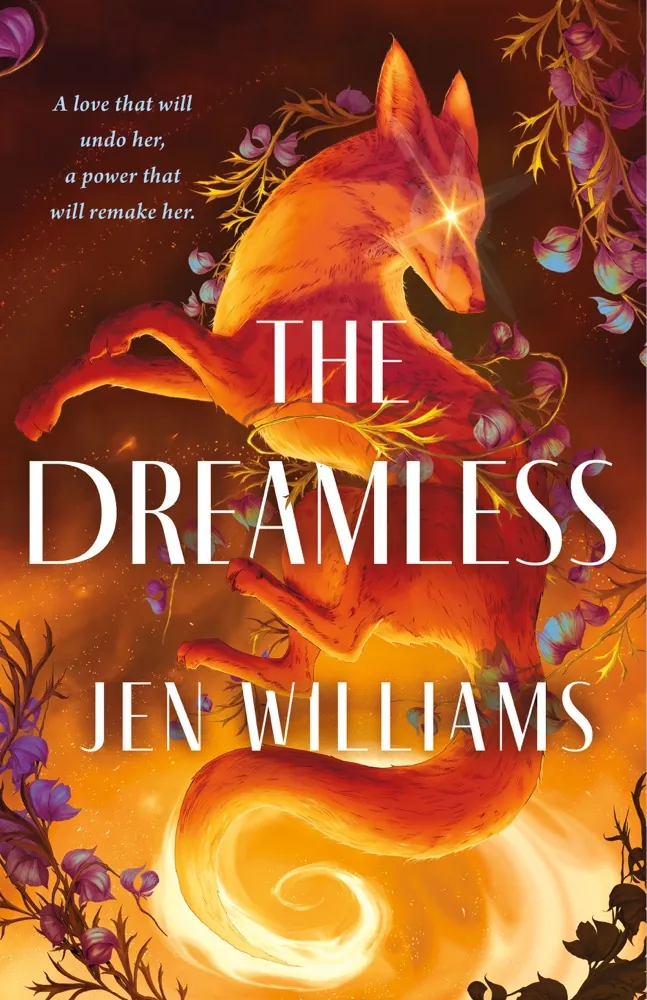
Author: Jen WilliamsPage Count: UnknownPublication Date: Expected publication 2026-09-29 APL The synopsis for The Dreamless reads like a love letter to the kind of mythic, morally ambiguous romance that only exists in the shadow of a collapsing empire—think The Lies of Locke Lamora if it were written by a gothic poet who’d been drinking too much absinthe with a vampire. The tension here isn’t just about whether Elver will choose Artair or Lucian (though, please, let’s not pretend that’s the real question). No, the real drama is in the way power and grief are woven into the fabric of their choices, like lace thread in a rotting gown. Elver’s return from the dead—again—isn’t just a plot device; it’s a thematic pivot so sharp it could cut through the pretenses of every YA sequel that’s ever tried to sell us "redemption arcs" as if they’re not just another way to monetize trauma. The fact that she’s jih than human now, that her body is a pressure cooker of something inhuman, suggests Williams is playing with the idea of survival as a kind of slow unraveling. And the Queen of Serpents’ warning? That’s not just foreshadowing—it’s a metaphor for the way all of us are summoned back to the void eventually, whether by death or by the sheer exhaustion of being alive. But here’s where the synopsis stumbles—deliberately, perhaps. The mention of "dangerous new alliances" among the Twelve feels like a placeholder for something far more interesting. What are these alliances really about? Are they political? Religious? Or is this just another way to dress up the old "chosen ones" trope in a cloak of political intrigue? The synopsis doesn’t say. And that’s fine—vagueness can be a tool, especially when paired with the kind of psychological depth Williams already demonstrated in The Sleepless. But don’t make me laugh if this turns into another "find the god-slayer" quest. We’ve seen that movie. It’s called The Matrix, and it’s been overplayed since 1999. The real meat of this sequel lies in the relationships—specifically, the way Artair and Lucian’s uneasy truce is being tested by their feelings for Elver. This isn’t just a love triangle; it’s a power triangle, a body triangle, a soul triangle. And the fact that Lucian is "ordinary human" while Artair is still half-something else—what, exactly? A ghost? A vessel?—makes the dynamic even more fraught. It’s the kind of tension that could either collapse into melodrama or rise into something resembling The Ten Thousand Things by Eileen Myles, where desire and violence are so intertwined they become indistinguishable. Yet—and here’s where I pivot—what if the real villain isn’t Maura? What if it’s the way these characters keep getting dragged back into cycles of violence, as if their only option is to either repeat the past or become something worse? The synopsis doesn’t answer that, but it hints at it. And that’s the kind of ambiguity that makes a sequel feel like it’s not just continuing a story but expanding it into something new. The only thing that feels missing is a clear sense of stakes beyond "find the god-slayer." Where’s the cost? Where’s the sacrifice? Because if this is just another chase, then Williams is playing with fire—and we all know how that ends. I need to call my broker immediately about this sudden market shift in "literary revenge fantasies." The stock is looking shaky. Related InsightsWinter Book Review and Summary A Wish Upon the Stars Book Review and Summary Midnight in the House of Commons: A Charles Lenox Mystery (Charles Lenox Mysteries, 16) Book Review and Summary{ "@context": "https://schema.org", "@type": "FAQPage", "mainEntity": [ { "@type": "Question", "name": "What is the main focus of The Dreamless (The Sleepless, 2) Book Review and Summary?", "acceptedAnswer": { "@type": "Answer", "text": "Everything you need to know about The Dreamless (The Sleepless, 2) with our detailed review." } }, { "@type": "Question", "name": "Who authored the comprehensive guide on The Dreamless (The Sleepless, 2) Book Review and Summary?", "acceptedAnswer": { "@type": "Answer", "text": "This detailed article and its insights were carefully researched and authored by Klaus Weber." } }, { "@type": "Question", "name": "Where can I find more related content about Books?", "acceptedAnswer": { "@type": "Answer", "text": "You can explore more articles, detailed reviews, and similar insights by browsing the Related Insights section at the bottom of this article or visiting our dedicated Books category page." } } ] }