Showing Posts From
The edge of never
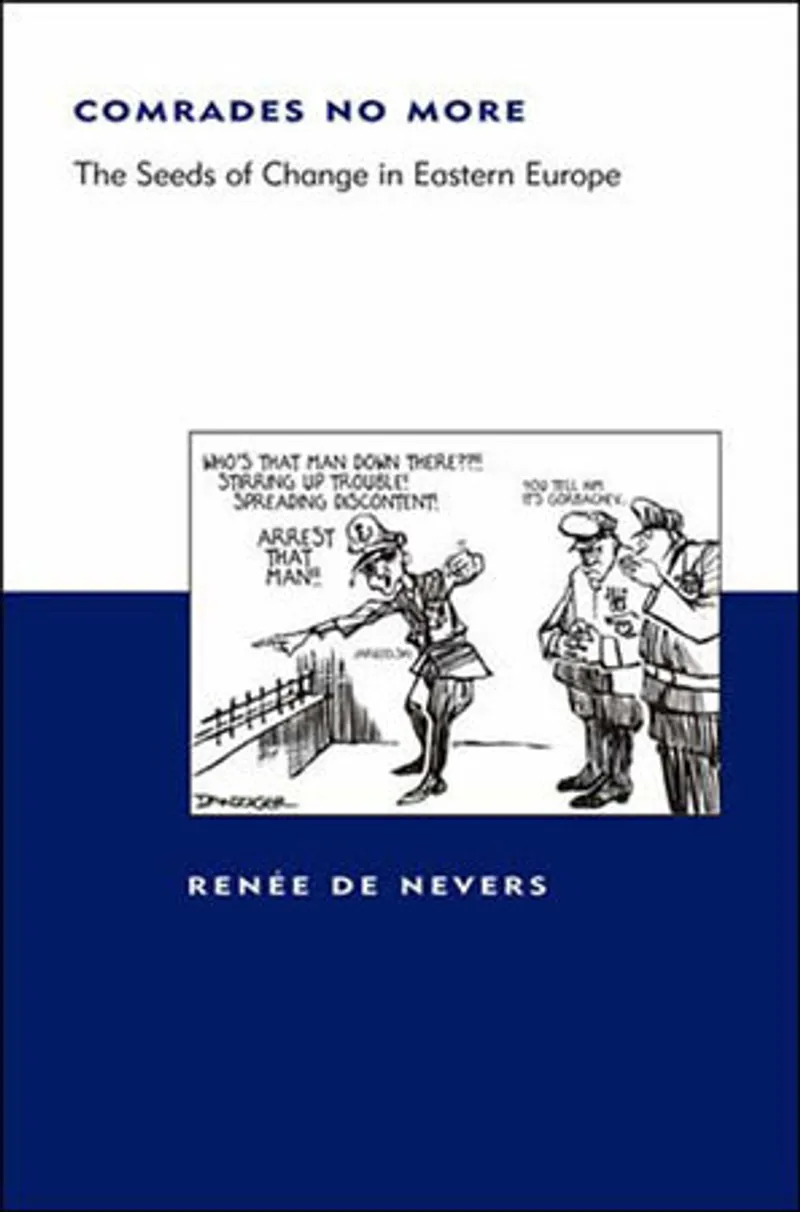
Comrades No More Author: Renee De NeversPage Count: UnknownPublication Date: 2003-PRH In "Comrades No More," Renee de Nevers masterfully dissects the intricacies of the 1989 collapse of communism in Eastern Europe, providing a captivating and well-researched analysis of the complex interplay between internal and external factors that led to the downfall of Soviet control. De Nevers' meticulous examination of the events that transpired in the Warsaw Pact nations offers a nuanced understanding of the pivotal role Gorbachev's reforms played in sparking the process of change, while also highlighting the significant impact of domestic factors in each country. One of the book's greatest strengths lies in its ability to balance breadth and depth, as de Nevers skillfully weaves together a comprehensive narrative that spans multiple countries, including Hungary, Poland, Bulgaria, the German Democratic Republic, Czechoslovakia, and Romania. Her detailed analysis of the reform patterns in each nation not only provides a rich understanding of the events as they unfolded but also sheds light on the post-communist evolution of these countries. De Nevers' writing style is clear and concise, making the book accessible to both scholars and general readers interested in the subject. Her use of the "demonstration effect" concept, which describes how Hungary and Poland's reforms emboldened other nations to follow suit, is particularly insightful and effectively conveys the sense of momentum that built as the communist regimes began to crumble. A notable aspect of "Comrades No More" is its ability to avoid simplistic or reductionist explanations for the collapse of communism. Instead, de Nevers presents a multifaceted analysis that acknowledges the complex interplay between internal and external factors, as well as the unique circumstances of each country. This approach results in a richly textured narrative that eschews easy answers in favor of a more nuanced understanding of the events in question. If there is a criticism to be made, it is that the book's focus on the Warsaw Pact nations sometimes leads to a lack of attention to the broader global context in which the collapse of communism occurred. However, this is a minor quibble, and de Nevers' decision to focus on the internal dynamics of the communist regimes is largely justified by the depth and insight she brings to her analysis. In conclusion, "Comrades No More" is a compelling and meticulously researched study of the collapse of communism in Eastern Europe. Renee de Nevers' engaging writing style and nuanced analysis make the book a must-read for anyone interested in understanding the complex events that shaped the end of the Cold War. #ColdWarHistory #CommunistCollapse #EasternEuropeanPolitics #GorbachevReforms #PostCommunistEvolution #WarsawPact Related InsightsThen She Was Gone Book Review and Summary Not in Love Book Review and Summary Chain of Thorns Book Review and Summary{ "@context": "https://schema.org", "@type": "FAQPage", "mainEntity": [ { "@type": "Question", "name": "What is the main focus of The Edge of Never Book Review and Summary?", "acceptedAnswer": { "@type": "Answer", "text": "Everything you need to know about The Edge of Never with our detailed review." } }, { "@type": "Question", "name": "Who authored the comprehensive guide on The Edge of Never Book Review and Summary?", "acceptedAnswer": { "@type": "Answer", "text": "This detailed article and its insights were carefully researched and authored by J.A. Redmerski." } }, { "@type": "Question", "name": "Where can I find more related content about Books?", "acceptedAnswer": { "@type": "Answer", "text": "You can explore more articles, detailed reviews, and similar insights by browsing the Related Insights section at the bottom of this article or visiting our dedicated Books category page." } } ] }