Showing Posts From
The fellowship of th
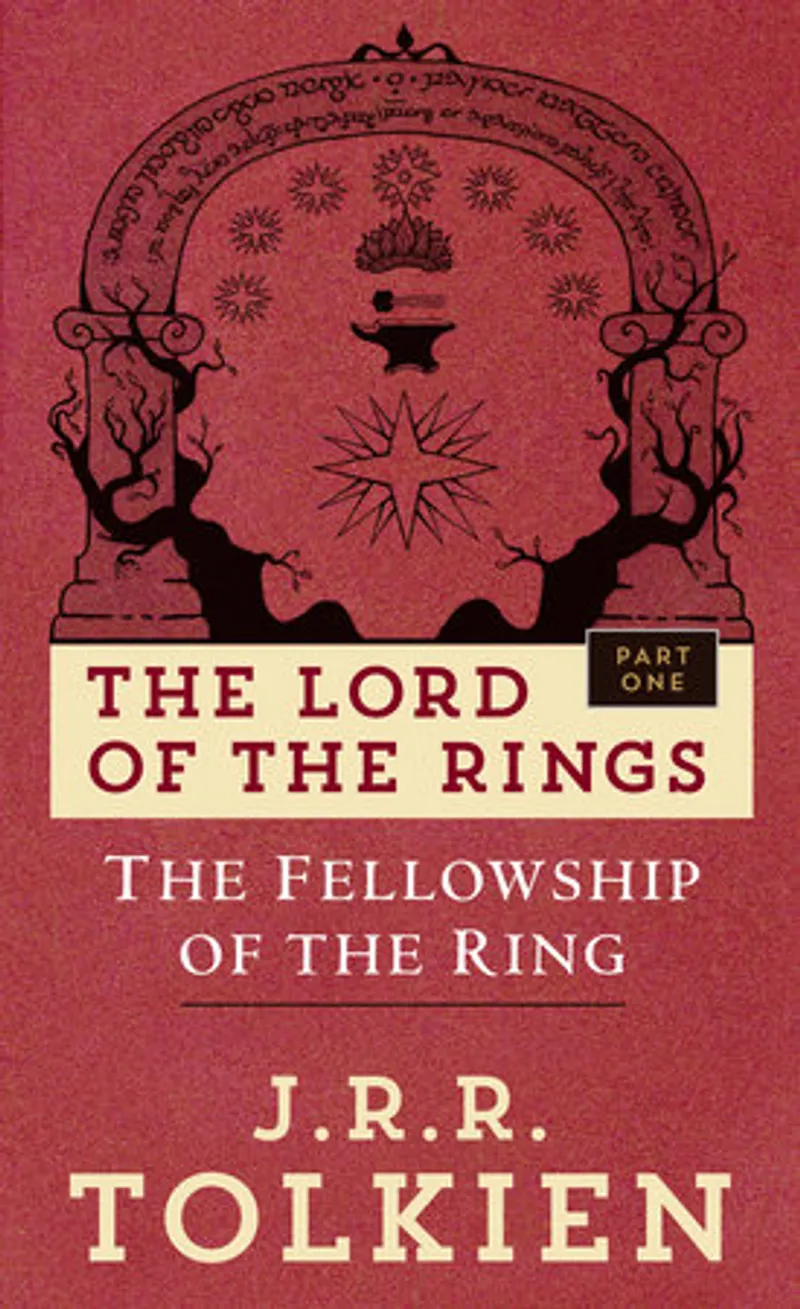
The Fellowship of the Ring Author: J.R.R. TolkienPage Count: UnknownPublication Date: 1986-PRH The Fellowship of the Ring: A Masterpiece of Myth and Adventure J.R.R. Tolkien’s The Fellowship of the Ring is more than just the first installment of The Lord of the Rings—it is the cornerstone of modern fantasy, a work that redefined the genre and continues to captivate readers decades after its publication. With its richly woven tapestry of myth, language, and heroism, Tolkien doesn’t just tell a story; he invites us into a world so vivid and immersive that Middle-earth feels as real as our own. This is not merely a tale of good versus evil, but a meditation on the burden of power, the strength of friendship, and the quiet courage of ordinary beings thrust into extraordinary circumstances. At its heart, The Fellowship of the Ring explores the corrupting nature of power and the necessity of sacrifice. The One Ring, forged by the dark lord Sauron, is not just a plot device—it is a symbol of temptation, a force that whispers promises of domination to all who touch it. Frodo Baggins, a humble Hobbit, becomes its unwilling bearer, and his journey is one of reluctant heroism. Unlike the grand, battle-hardened warriors of legend, Frodo is small in stature and spirit, yet his determination to destroy the Ring—despite its growing hold over him—makes him one of literature’s most compelling protagonists. His struggle is not against external foes alone, but against the Ring’s insidious influence, a battle that Tolkien renders with psychological depth. The Ring is a masterstroke of villainy, not because it is a physical threat, but because it preys on the very desires of those who seek to destroy it. Tolkien’s prose is deceptively simple, yet it carries the weight of ancient legend. His writing is steeped in the rhythms of myth and folklore, with a cadence that feels both timeless and intimate. The opening chapters, where we meet the Hobbits in the Shire, are a masterclass in world-building—effortless in their detail, yet brimming with warmth and humor. The contrast between the idyllic, pastoral life of the Hobbits and the looming darkness of Mordor is stark, and Tolkien uses this juxtaposition to great effect. The language itself is a character, with its archaic phrasing, poetic descriptions, and the occasional Elvish or Dwarvish phrase woven seamlessly into the narrative. It’s a style that demands attention but rewards it tenfold, immersing the reader in a world where every word feels deliberate. The Fellowship itself is a microcosm of Middle-earth’s diversity, each member bringing a unique perspective and skill. From the steadfast Samwise Gamgee, whose loyalty is as unshakable as his common sense, to the wise and weary Gandalf, whose knowledge of the Ring’s dangers is matched only by his humility, the group is a testament to the power of unity. Even the reluctant Aragorn, heir to a forgotten throne, embodies the theme of hidden greatness—his true strength lies not in his lineage, but in his willingness to serve. Tolkien’s characters are not mere archetypes; they are fully realized individuals, each with flaws, virtues, and personal arcs that make their struggles deeply human. One of the most striking aspects of The Fellowship of the Ring is its sense of inevitability. From the moment Frodo inherits the Ring, the reader knows that his quest is doomed to fail in some way—yet the journey is not about success, but about the bonds formed along the way. The breaking of the Fellowship, a pivotal moment in the novel, is both heartbreaking and necessary, underscoring the theme that even the best-laid plans can unravel, but that does not diminish their worth. Tolkien’s genius lies in making the reader care deeply about these characters and their fates, so that when tragedy strikes, it feels like a personal loss. Tolkien’s influence on fantasy cannot be overstated. Before The Lord of the Rings, the genre was sparse and often derivative. Afterward, it became a canvas for epic storytelling, with countless authors drawing inspiration from Middle-earth’s lore, languages, and themes. Yet what sets Tolkien apart is his scholarly approach to myth-making. He didn’t just create a world; he built a history, complete with languages, genealogies, and legends that feel as ancient as they do invented. This depth gives The Fellowship of the Ring a richness that few fantasy novels can match, elevating it from mere adventure to a work of art. Some critics argue that Tolkien’s pacing can be slow, particularly in the early chapters, where the Shire’s tranquility contrasts sharply with the looming threat. But this is deliberate—a reminder that evil does not always announce itself with fanfare. The true horror of the Ringwraiths is their silence, their ability to strike without warning, and Tolkien’s restraint in revealing their nature only heightens the dread. The novel’s climax, with the breaking of the Fellowship and the fall of Gandalf, is a masterful blend of action and melancholy, leaving the reader desperate to know what comes next. Ultimately, The Fellowship of the Ring is a story about the power of hope in the face of darkness. It is a tale of small heroes in a vast world, of friendship that transcends race and creed, and of the quiet strength that lies in doing what is right, even when the odds are impossible. Tolkien’s legacy is not just in the worlds he created, but in the emotions he evokes—a sense of wonder, of longing, and of the enduring belief that even in the darkest times, light can be found. For anyone who has ever felt the call of adventure, or wondered what it means to be brave, The Fellowship of the Ring is a must-read. It is a book that lingers in the mind long after the last page, a testament to the enduring power of storytelling. #FellowshipOfTheRing #LordOfTheRings #Tolkien #FantasyClassic #MiddleEarth #BookReview Related InsightsFlowers in the Attic Book Review and Summary Long Walk Book Review and Summary Love Her or Lose Her Book Review and Summary{ "@context": "https://schema.org", "@type": "FAQPage", "mainEntity": [ { "@type": "Question", "name": "What is the main focus of The Fellowship of the Ring Book Review and Summary?", "acceptedAnswer": { "@type": "Answer", "text": "Everything you need to know about The Fellowship of the Ring with our detailed review." } }, { "@type": "Question", "name": "Who authored the comprehensive guide on The Fellowship of the Ring Book Review and Summary?", "acceptedAnswer": { "@type": "Answer", "text": "This detailed article and its insights were carefully researched and authored by J.R.R. Tolkien." } }, { "@type": "Question", "name": "Where can I find more related content about Books?", "acceptedAnswer": { "@type": "Answer", "text": "You can explore more articles, detailed reviews, and similar insights by browsing the Related Insights section at the bottom of this article or visiting our dedicated Books category page." } } ] }