Showing Posts From
The gates of athens
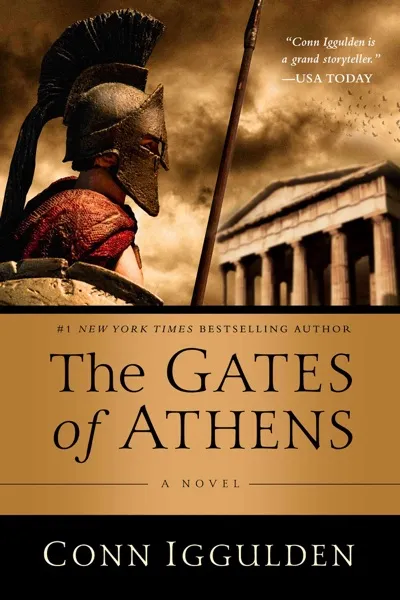

The Gates of Athens Author: Conn IgguldenPage Count: UnknownPublication Year: 2021-GB Conn Iggulden’s The Gates of Athens is a masterclass in historical storytelling, blending the grit of war with the intrigue of leadership, all set against the cradle of Western civilization. Published in 2021, this novel cements Iggulden’s reputation as a chronicler of ancient power struggles, delivering a visceral, character-driven narrative that feels as immediate as it is epic. At its core, The Gates of Athens is a tale of survival, ambition, and the birth of a legend. The story unfolds in the early 5th century BCE, when Athens, a fledgling democracy perched on the edge of the Aegean, faces its first existential threat from the mighty Persian Empire. The book’s title refers to the narrow mountain pass of Thermopylae, where the Spartans made their stand, but Iggulden’s focus is broader—it’s about the people who shaped Athens’ destiny, from the cunning strategos Themistocles to the reluctant warrior Ariston, whose personal journey mirrors the city’s own rise from obscurity to glory. Iggulden’s genius lies in his ability to humanize history. He doesn’t just recount battles; he immerses the reader in the minds of those who fought them. The Persians aren’t faceless hordes but a sophisticated society grappling with the same fears and ambitions as the Greeks. Themistocles, often overshadowed in popular memory by Leonidas of Sparta, emerges as a flawed but magnetic figure—brilliant, manipulative, and driven by a vision of Athens as a naval powerhouse. His rivalry with Ariston, a soldier-turned-politician, adds a personal dimension that elevates the political intrigue beyond dry historical recaps. The prose is taut and unflinching, mirroring the harsh realities of ancient warfare. Iggulden doesn’t shy away from the brutality of hoplite combat or the political machinations of the Athenian assembly. His descriptions of the battlefield—whether the dust-choked chaos of Marathon or the desperate last stands at Thermopylae—are visceral, almost cinematic. Yet, he balances this with moments of quiet introspection, particularly in Ariston’s internal struggles, which ground the epic scale in relatable human emotion. One of the book’s most striking strengths is its pacing. While the narrative spans years, Iggulden keeps the momentum relentless, skillfully weaving together naval skirmishes, political debates, and personal tragedies. The siege of Athens, the development of the trireme fleet, and the psychological toll of war are all rendered with a precision that makes the ancient world feel tangible. The author’s research is evident, but he wears it lightly, letting the story drive the reader forward rather than bogging them down with excessive detail. Thematically, The Gates of Athens is a meditation on the cost of freedom. The Athenians’ fight against Persia isn’t just a military campaign—it’s a struggle to preserve their way of life, their democracy, and their identity. Iggulden doesn’t romanticize war; instead, he shows how conflict forges character, both individual and collective. The city’s resilience is mirrored in its people, each grappling with their own demons. Ariston’s arc, in particular, is a poignant exploration of duty versus desire, duty versus fear, and the weight of leadership. Iggulden’s style is deceptively simple. His sentences are clean and direct, yet they carry an undercurrent of poetry—a rare skill in historical fiction. He avoids the pitfall of archaic dialogue, opting instead for a modern idiom that makes the ancient world accessible without sacrificing authenticity. This makes The Gates of Athens not just a book for history buffs but a gripping read for anyone who enjoys a well-told story about power, survival, and the human spirit. That said, the novel isn’t without its flaws. Some readers might find the large cast of characters overwhelming, and the rapid shifts between perspectives can occasionally disorient. Additionally, the portrayal of women—though not entirely absent—feels somewhat peripheral, a reflection perhaps of the historical record but also of the era’s limitations. These are minor quibbles, however, in a story that otherwise delivers on every front. The Gates of Athens is more than a historical novel; it’s a celebration of resilience, a reminder that greatness is forged in adversity. Iggulden doesn’t just recount history—he brings it to life, making the past feel urgent and alive. For anyone who has ever wondered how a small, divided city-state became the foundation of Western thought, this book is essential reading. #AncientHistory #HistoricalFiction #GreekMythology #Thermopylae #Democracy #PersianWars Related InsightsNever Flinch Book Review and Summary Midnight Sun [2008 Draft] Book Review and Summary Midnight Ruin Book Review and Summary{ "@context": "https://schema.org", "@type": "FAQPage", "mainEntity": [ { "@type": "Question", "name": "What is the main focus of The Gates of Athens Book Review and Summary?", "acceptedAnswer": { "@type": "Answer", "text": "Everything you need to know about The Gates of Athens with our detailed review." } }, { "@type": "Question", "name": "Who authored the comprehensive guide on The Gates of Athens Book Review and Summary?", "acceptedAnswer": { "@type": "Answer", "text": "This detailed article and its insights were carefully researched and authored by Chloé Laurent." } }, { "@type": "Question", "name": "Where can I find more related content about Books?", "acceptedAnswer": { "@type": "Answer", "text": "You can explore more articles, detailed reviews, and similar insights by browsing the Related Insights section at the bottom of this article or visiting our dedicated Books category page." } } ] }